

Nikon is working on a new image sensor design that could change how future cameras handle ultra-high resolution video. A recently published patent describes a layered architecture built to speed up readout, minimize errors, and keep image quality intact when pushing into 8K and beyond. Let’s dive a bit into the application.

The challenge of high resolution
Today’s sensors face a bottleneck. As pixel counts climb past 45MP and 60MP, the job of converting all that analog light information into digital signals gets slower and noisier. Filmmakers feel it in rolling shutter artifacts, lost dynamic range, and overheating during long takes. This is the wall every company hits when chasing higher resolution capture.
Nikon’s layered solution
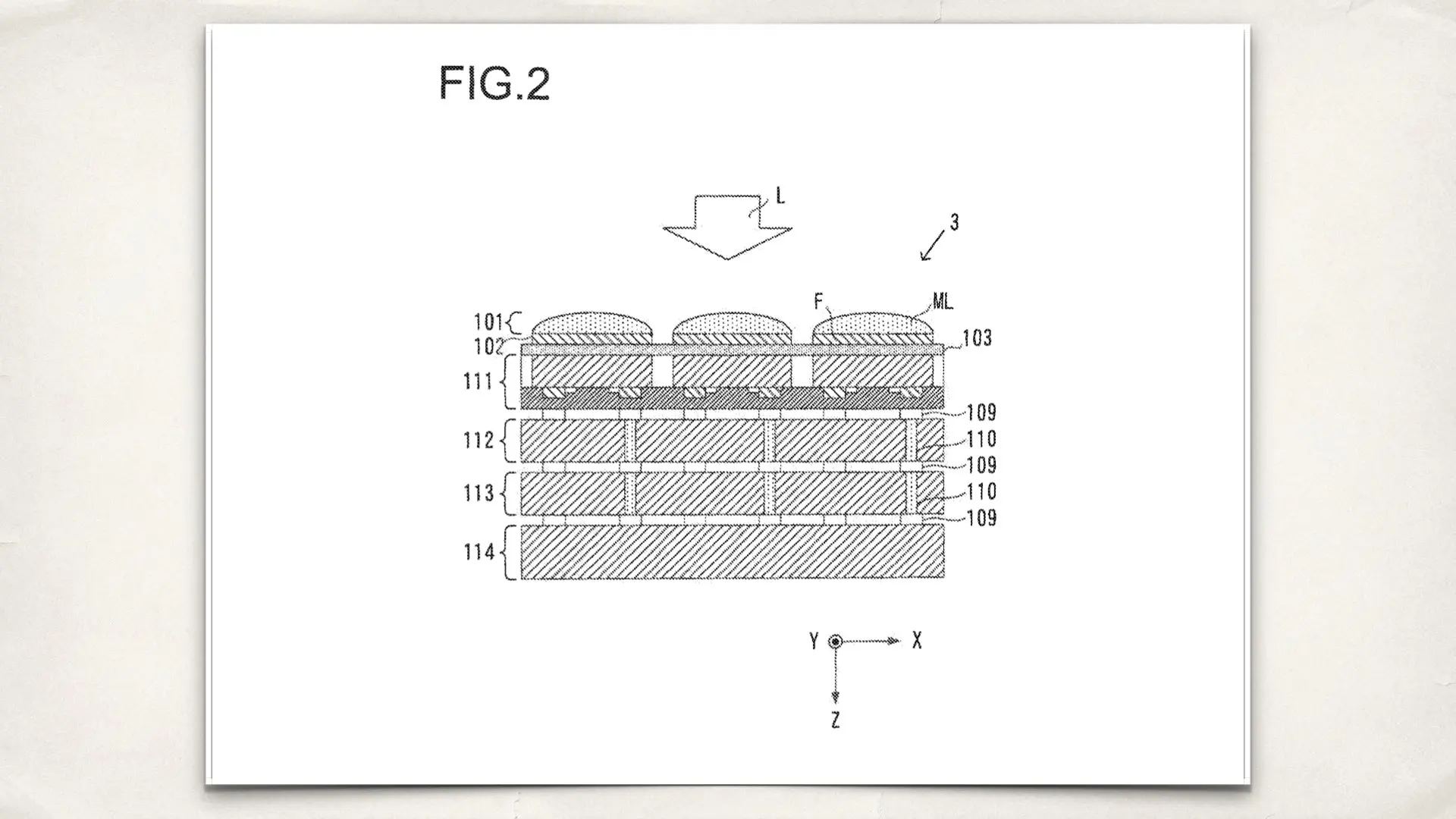
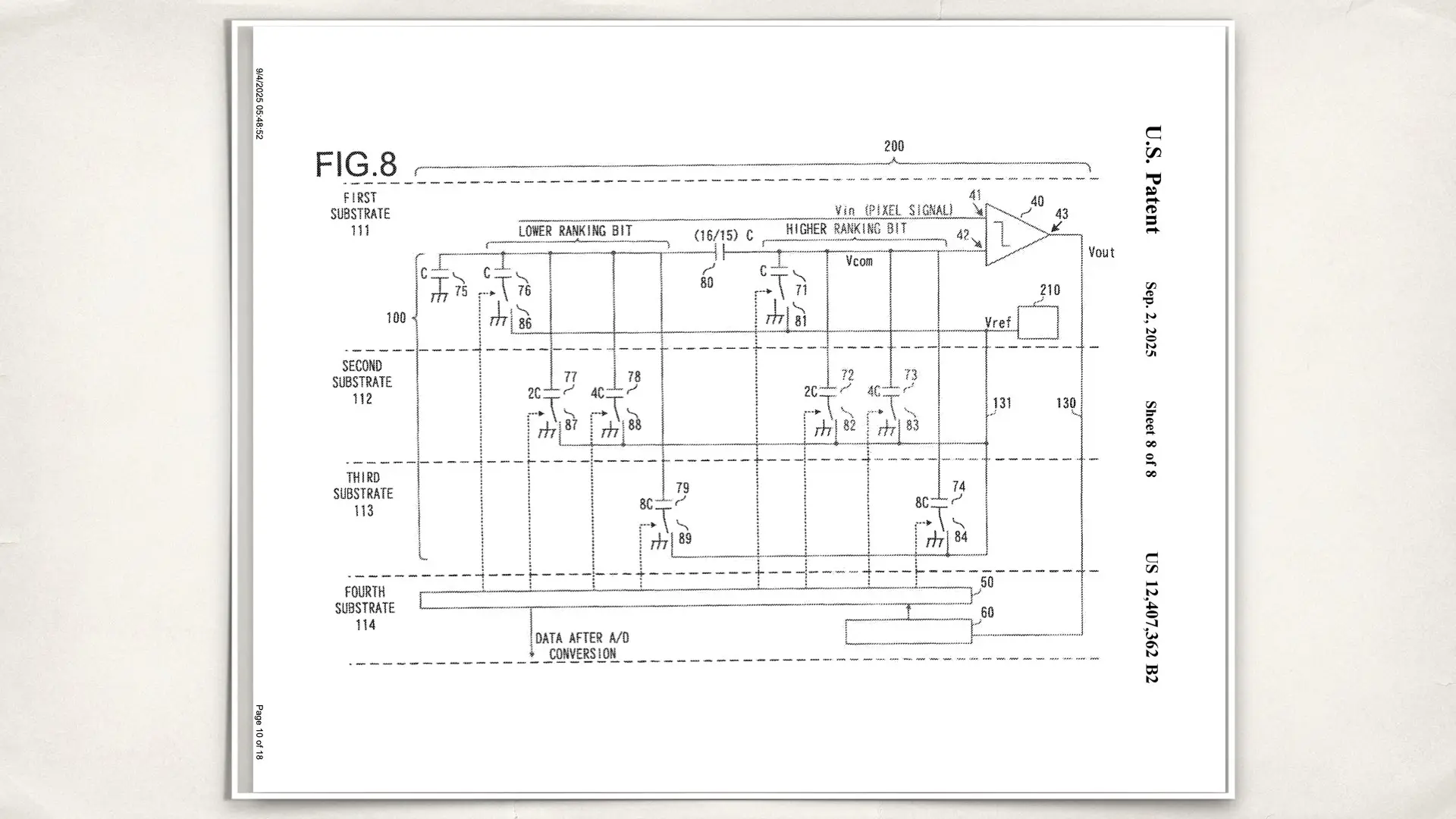
The patent lays out a stacked CMOS sensor where the tiny analog-to-digital circuits are distributed across multiple silicon layers. The smallest capacitors—the ones most sensitive to parasitic errors- sit right next to the comparator on the top layer. Larger capacitors are buried deeper in the stack. This arrangement keeps the conversion accurate and fast. Nikon also adds trimming circuits to cancel out mismatches between layers, plus a built-in programmable gain amplifier for clean dual-gain readout. A split-capacitor array reduces circuit area and power demand, allowing faster frame rates at high resolution without ballooning chip size.
Why filmmakers should care
The implications are clear. Faster readout means less rolling shutter, cleaner log footage, and reliable 8K or high-fps capture without thermal throttling. This fits perfectly with Nikon’s broader cinema ambitions, recently detailed in Nikon Large Sensor Cinema Camera Technology and Nikon in the Cinema World. The company has been positioning itself as a serious player in high-end motion imaging, and this sensor design shows the engineering path forward. Also, check out this article about the rumored first cinema-oriented camera from Nikon – it will help connect the dots.

The bigger picture
This isn’t about inventing a brand-new type of sensor, but about refining CMOS so it can keep pace with the demands of modern filmmaking. By rethinking how the analog building blocks are stacked, Nikon is aiming to deliver cinema cameras that can handle tomorrow’s resolutions and frame rates without today’s compromises. Nikon’s patent is a reminder that innovation isn’t always about headline-grabbing features like global shutter. Sometimes it’s the invisible engineering decisions—where to place a capacitor, how to trim parasitics—that unlock the next generation of imaging. For filmmakers, the result could be cameras that finally make 8K feel as practical as 4K.















Hi Yossy i will send a email