Canon just broke another world record. The company announced that its total production of RF and EF lenses has surpassed 170 million units, a number no other camera maker in history has reached. But behind this jaw-dropping figure lies an important story, the transition from the classic EF mount to the modern RF mount that’s redefining Canon’s future.
From film to mirrorless
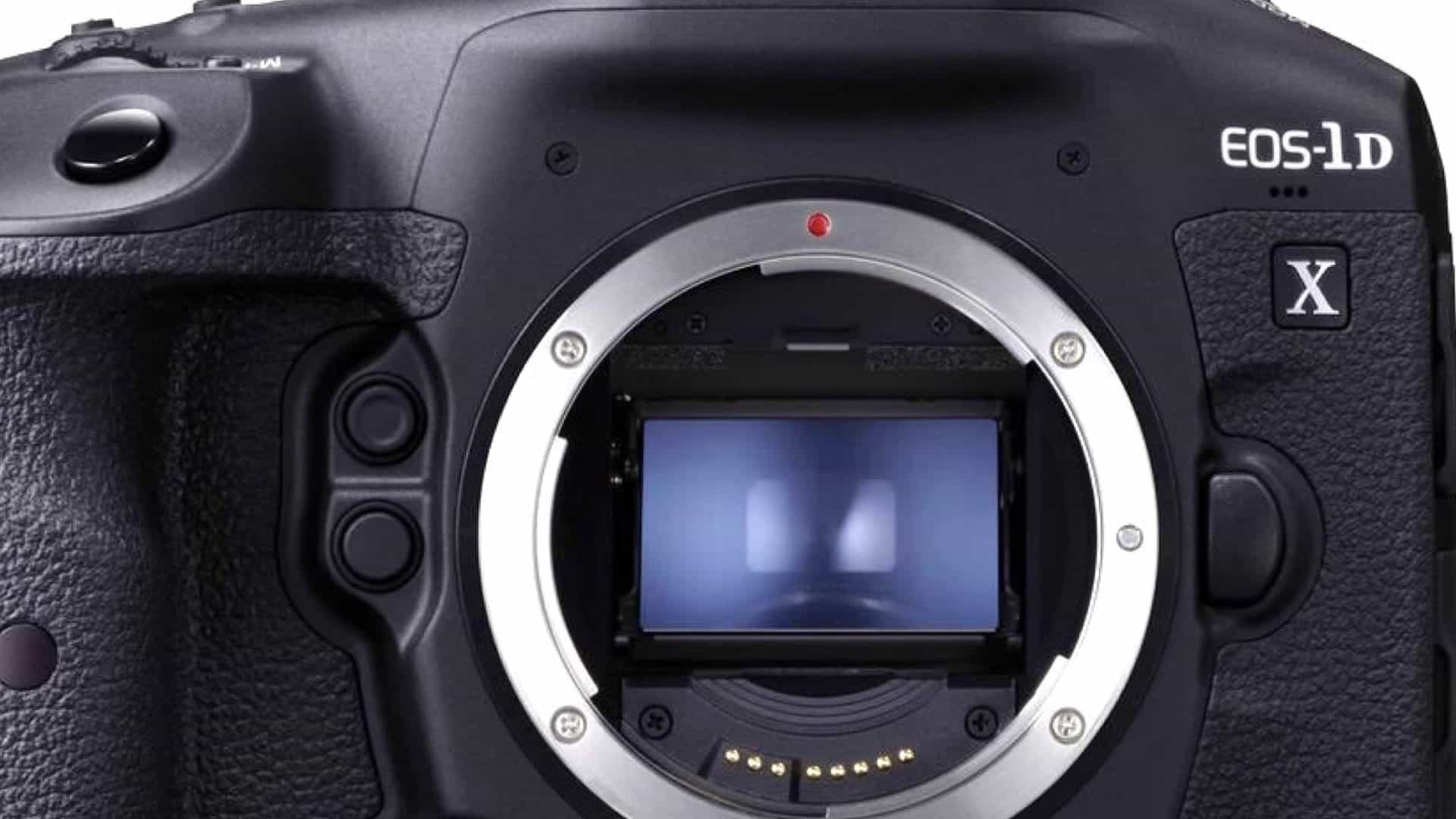
The EF mount was born in 1987 alongside Canon’s first EOS autofocus film cameras. It introduced a radical idea at the time: fully electronic lens communication. Instead of mechanical levers and aperture pins, the EF mount used electric contacts to handle autofocus, aperture control, and image stabilization. This set the foundation for every modern Canon DSLR lens. For more than 3 decades, EF lenses ruled the professional world, from photojournalists covering wars to filmmakers rigging cinema conversions. Canon’s innovations like USM (Ultrasonic Motor), IS (Image Stabilizer), and DO (Diffractive Optics) made the EF lineup legendary.
The mirrorless revolution and the birth of RF
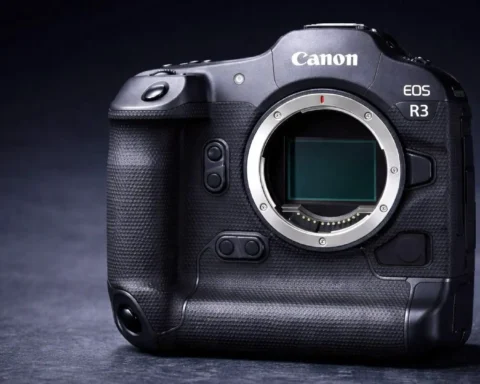
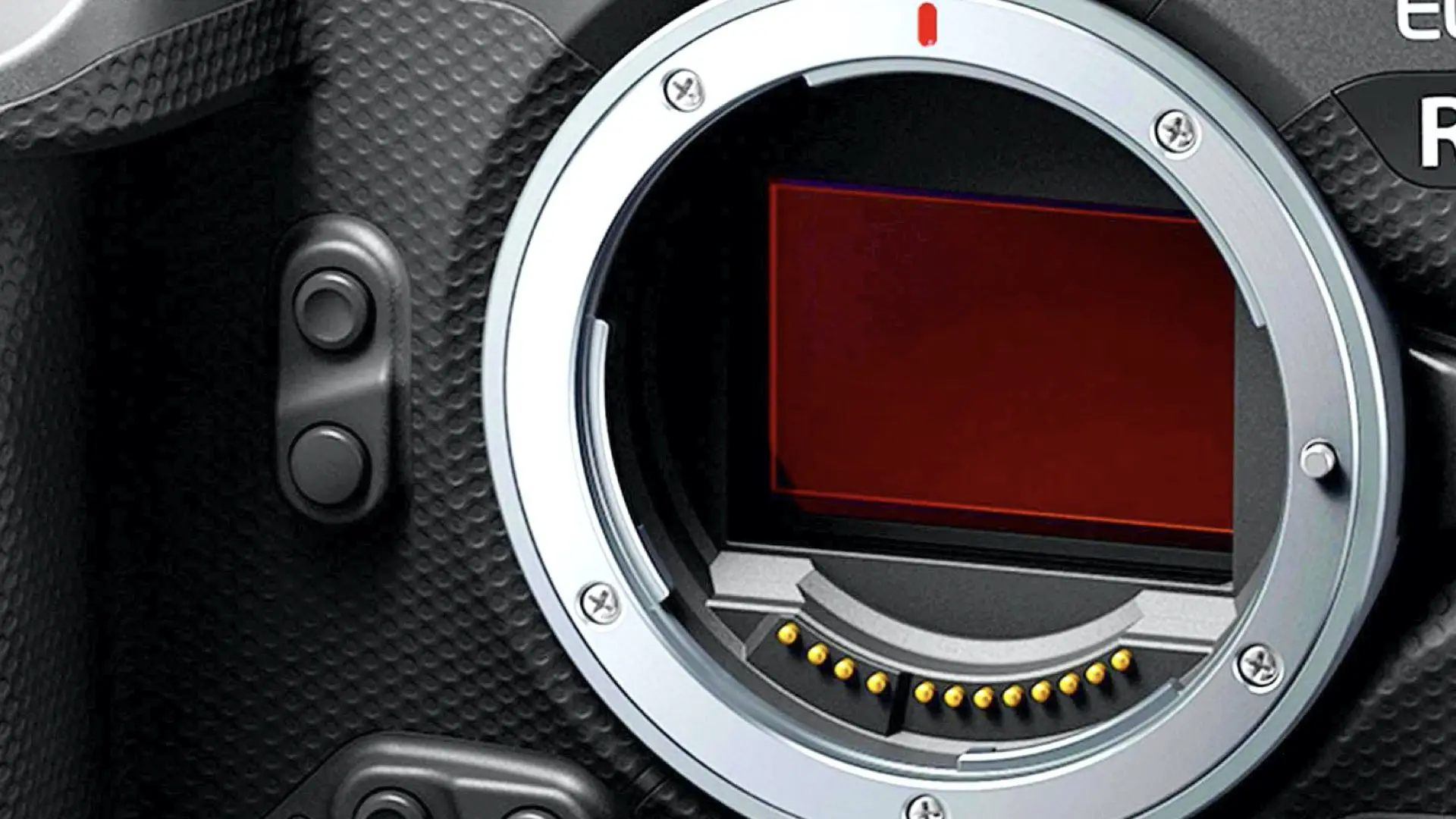
When Canon launched the EOS R system in 2018, it introduced a new mount: the RF. This wasn’t just a cosmetic update. It was a complete redesign engineered for mirrorless technology, cameras without the bulky mirror box of DSLRs. The RF mount features a larger 54 mm diameter (the same as EF) but with a shorter 20 mm flange distance, allowing lenses to sit closer to the sensor. This creates room for new optical formulas, sharper corners, and faster communication between lens and camera. The mount uses 12 electronic contacts instead of 8, enabling high-speed data transfer for advanced autofocus, distortion correction, and even video metadata.
What RF can do that EF can’t
RF lenses unlock capabilities EF glass could never achieve. Here’s why:
-
Sharper optics thanks to reduced back-focus distance.
-
Faster data flow for real-time lens corrections and AI-driven autofocus.
-
Power zoom compatibility for hybrid photo-video workflows.
-
Digital lens control rings that assign ISO, aperture, or exposure compensation.
-
Seamless communication with Canon’s dual-pixel CMOS AF and new subject-detection algorithms.
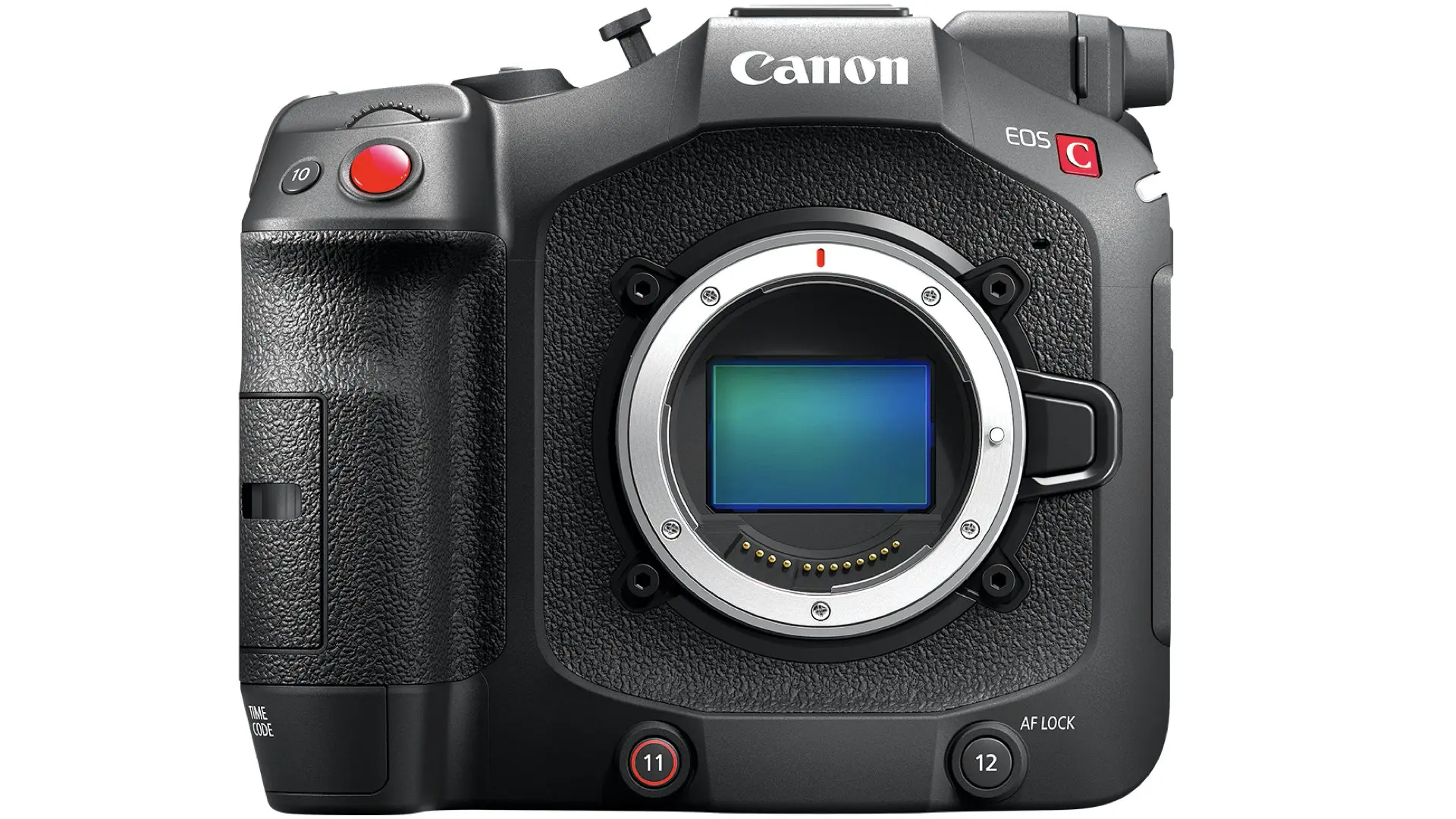
The result is a system designed for both stills and cinema, from the RF70-200mm F2.8 L IS USM Z (the milestone 170 millionth lens) to the new RF85mm F1.4 L VCM hybrid prime. Canon’s direction is unmistakable: one mount for everything.
Why the EF legacy still matters
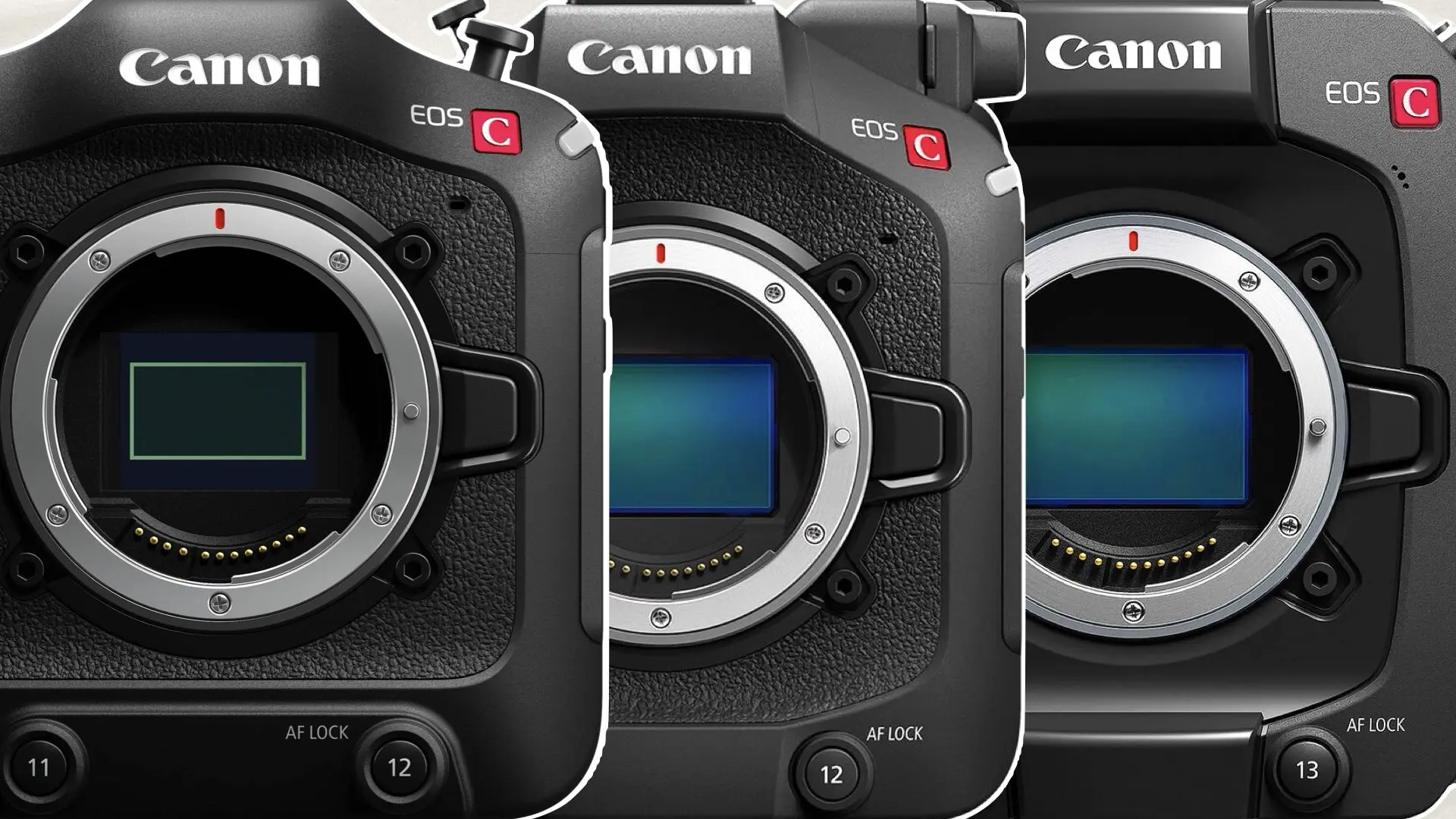
Canon hasn’t abandoned EF. In fact, EF lenses remain widely used in broadcast and cinema environments, often paired with RF cameras via Canon’s official adapters. These adapters maintain full autofocus and aperture control, giving professionals access to decades of trusted glass. This bridge between EF and RF is part of Canon’s long-term plan, respecting legacy systems while encouraging users to move forward into the mirrorless era.
More than numbers
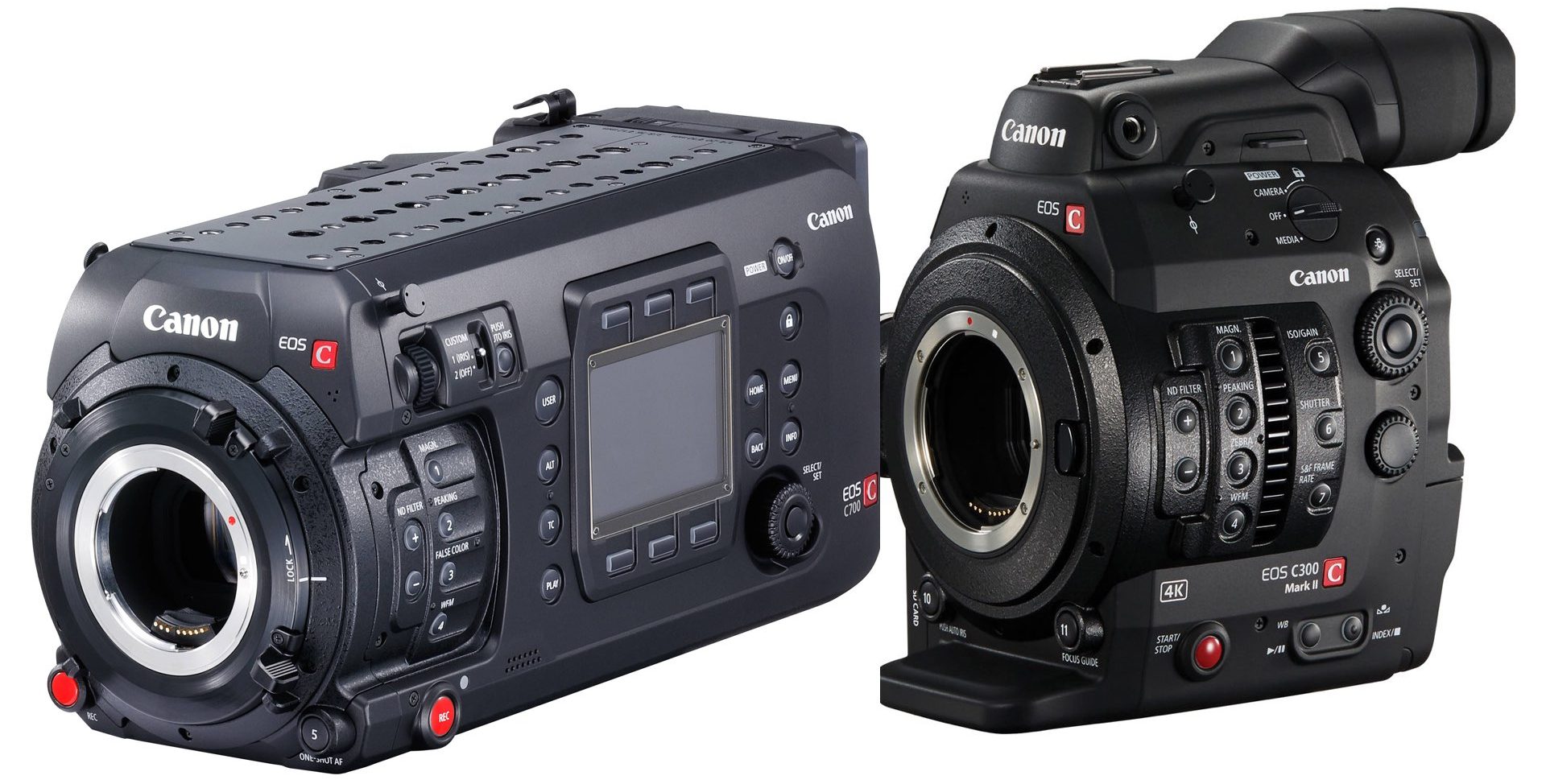
The milestone of 170 million lenses is symbolic. It shows not only Canon’s dominance but also the success of its dual-era strategy, keeping the past alive while building a future around mirrorless, hybrid, and VR imaging. Canon now produces lenses at five global plants and maintains the No. 1 market share in interchangeable-lens cameras for 22 consecutive years. That’s not luck. That’s evolution. EF defined Canon’s film and DSLR legacy. RF defines its mirrorless future. Together, they represent a 38-year journey of innovation, from the first autofocus lenses to the new hybrid Z-series zooms built for cinematic storytelling.