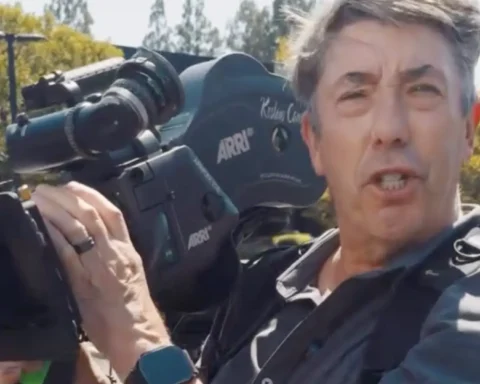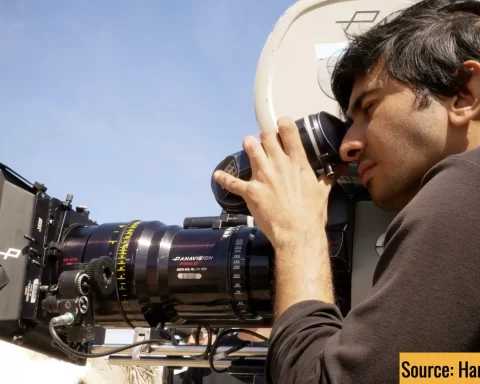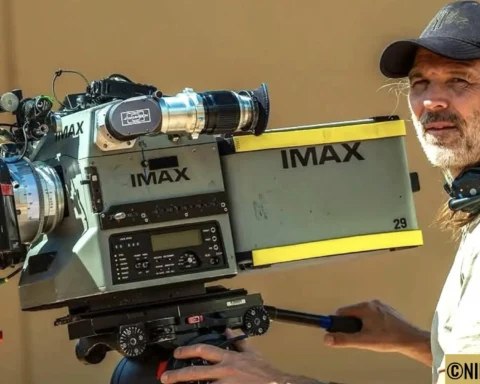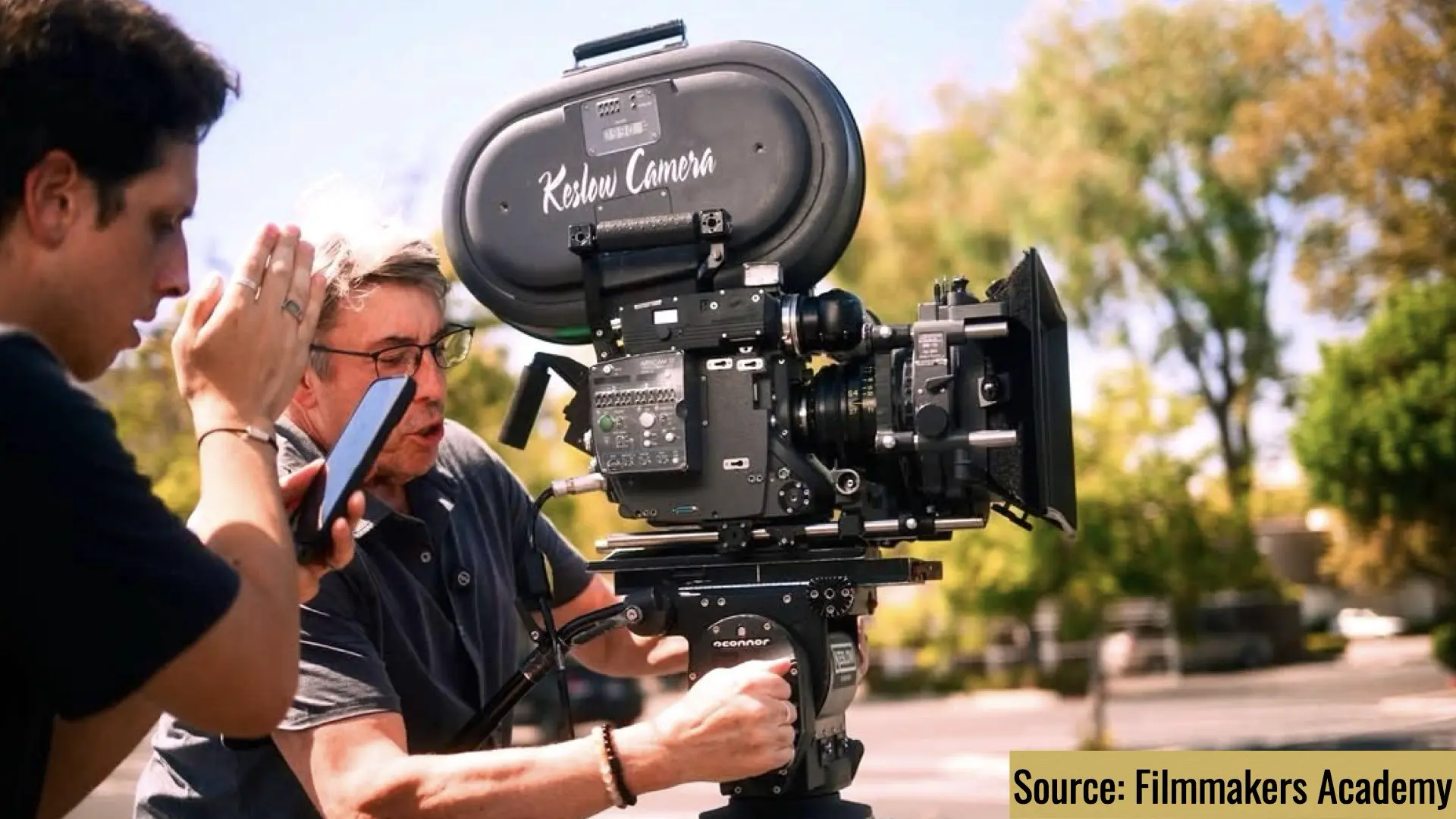
Learning how to expose motion picture film has quietly disappeared from many modern cinematography paths. Digital cameras absorb mistakes. Film does not. That difference is the core idea behind Exposing Motion Picture Film, a masterclass taught by Shane Hurlbut as part of Filmmakers Academy. The course does not frame film as nostalgia or rebellion against digital workflows. It treats film as a discipline. A way to train the eye, the brain, and the decision-making process of a cinematographer.
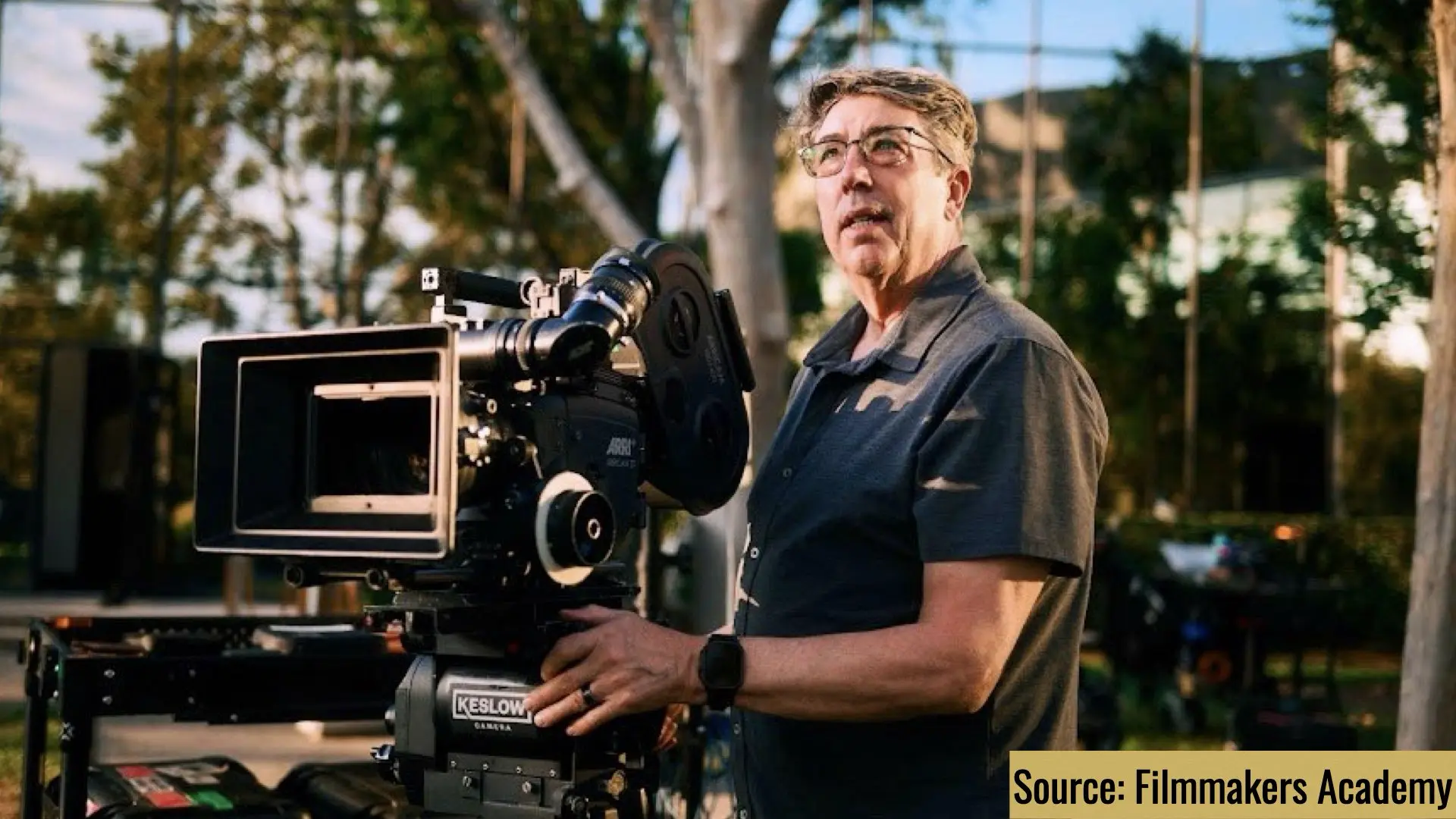
In a landscape dominated by software updates and sensor comparisons, this course quietly argues for something more durable. Understanding light. Understanding exposure. Understanding consequence.
Built on a long-standing philosophy of education
Hurlbut has consistently argued that cinematography knowledge should not live behind closed doors. YMCinema previously explored this approach in depth in Sharing Filmmaking Knowledge and Ideas. A Chat With Shane Hurlbut, ASC. That conversation laid out his belief that understanding fundamentals empowers filmmakers far more than chasing tools. Exposing Motion Picture Film feels like the most distilled expression of that philosophy. It is slow by design, assumes curiosity, and assumes the viewer wants to understand why things work, not just how to replicate a look.
Why this perspective matters, coming from Shane Hurlbut
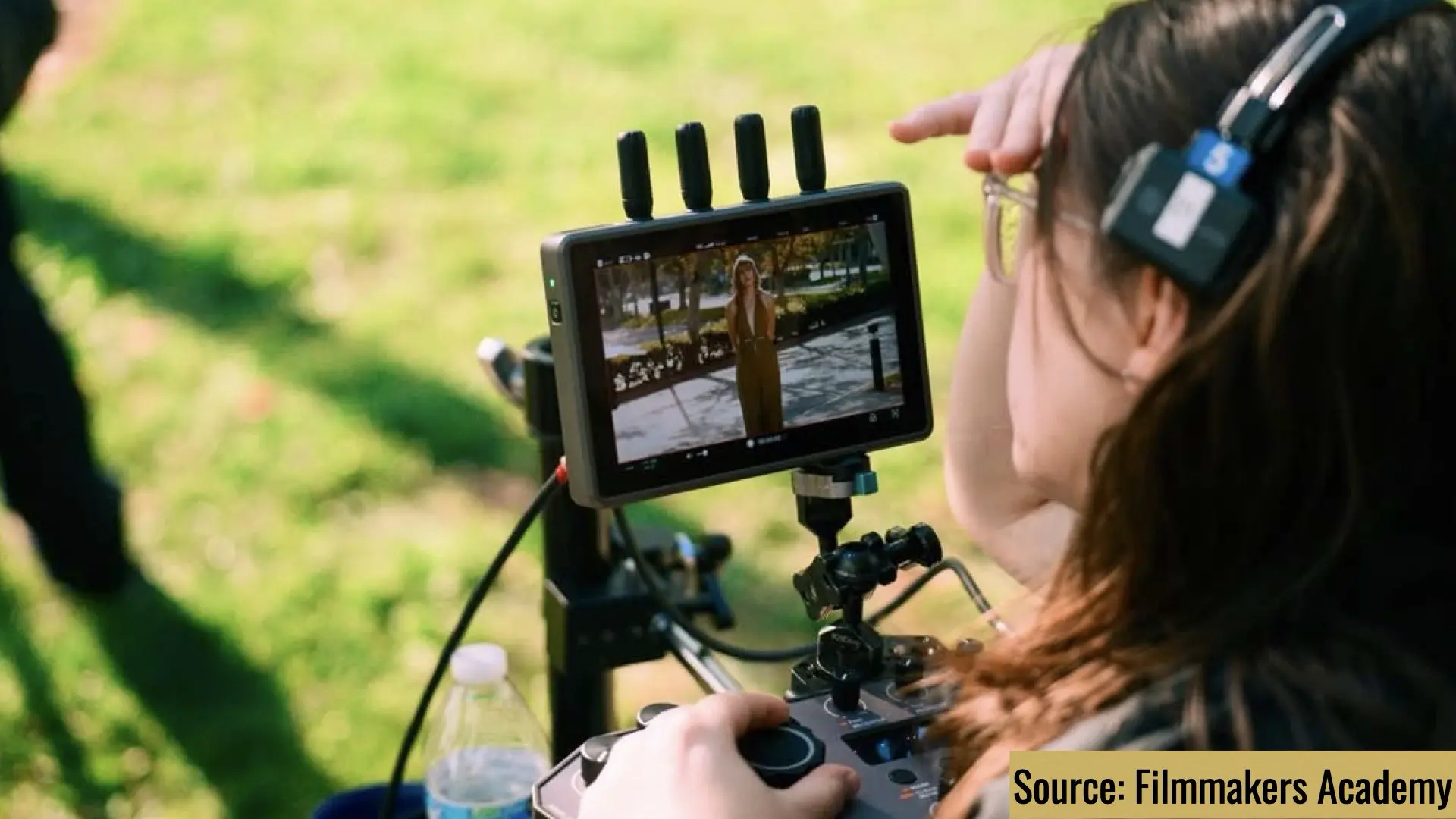
There is an important tension at the heart of this course. Shane Hurlbut was the first director of photography to shoot a fully packed Hollywood action film using consumer DSLR cameras with Act of Valor. That decision helped validate digital capture at the highest production levels. The same cinematographer now advocating for analog rigor is not rejecting digital but contextualizing it. The message is clear. If you can expose film confidently, you can expose anything. YMCinema previously covered Hurlbut’s broader educational output in Filmmaking Education. Free Cinematography Workshops by Shane Hurlbut, ASC, highlighting his long-term commitment to structured learning rather than shortcuts. Now, according to Filmmakers Academy, this course is positioned as definitive hands-on training in shooting 35mm, 16mm, and Super 8 motion picture film. Developed in collaboration with Kodak, it walks through the entire analog exposure pipeline from capture to photochemical finish. The course repeatedly emphasizes that film exposure is not a single decision. It is a system. Metering, stock choice, filtration, contrast control, and ratios all interact. Remove any one element and the image changes. Hurlbut frames this process as learning to think simultaneously like a scientist and an artist. Numbers matter. So does intention.
Film stocks as expressive tools
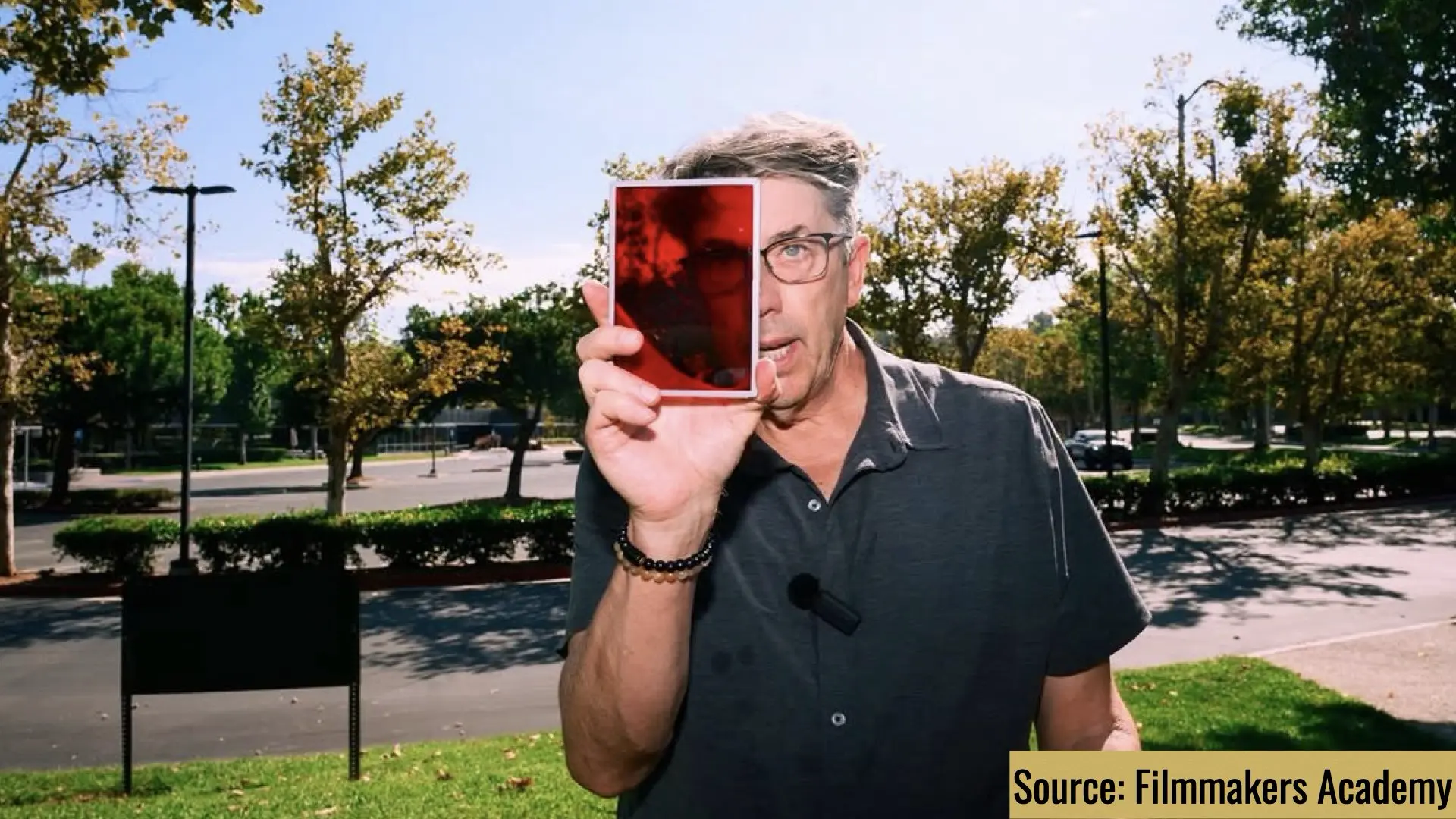
Rather than treating film stocks as static specifications, the course explores their personalities. Kodak’s color negative and reversal stocks, from 50D through 500T, are examined in terms of contrast response, grain structure, latitude, and emotional impact. The emphasis is on understanding how different stocks react under pressure. Bright exteriors. Low-light interiors. Mixed color temperatures. The goal is not memorization but intuition built through logic. A significant portion of the course is dedicated to filtration. Hurlbut breaks down filter factor in practical terms, explaining how filters directly affect exposure rather than merely altering color. The curriculum covers the use of 85, 80A, and 81EF filters for color balancing and mood, as well as Color Enhancing filters such as Didymium. For black and white photography, red, orange, yellow, and green filters are explored not as stylistic add ons, but as tools that shape contrast and tonal separation at the moment of capture. This approach reinforces the course’s core idea. The look is crafted in camera, not deferred to later stages.
Controlling contrast in the real world
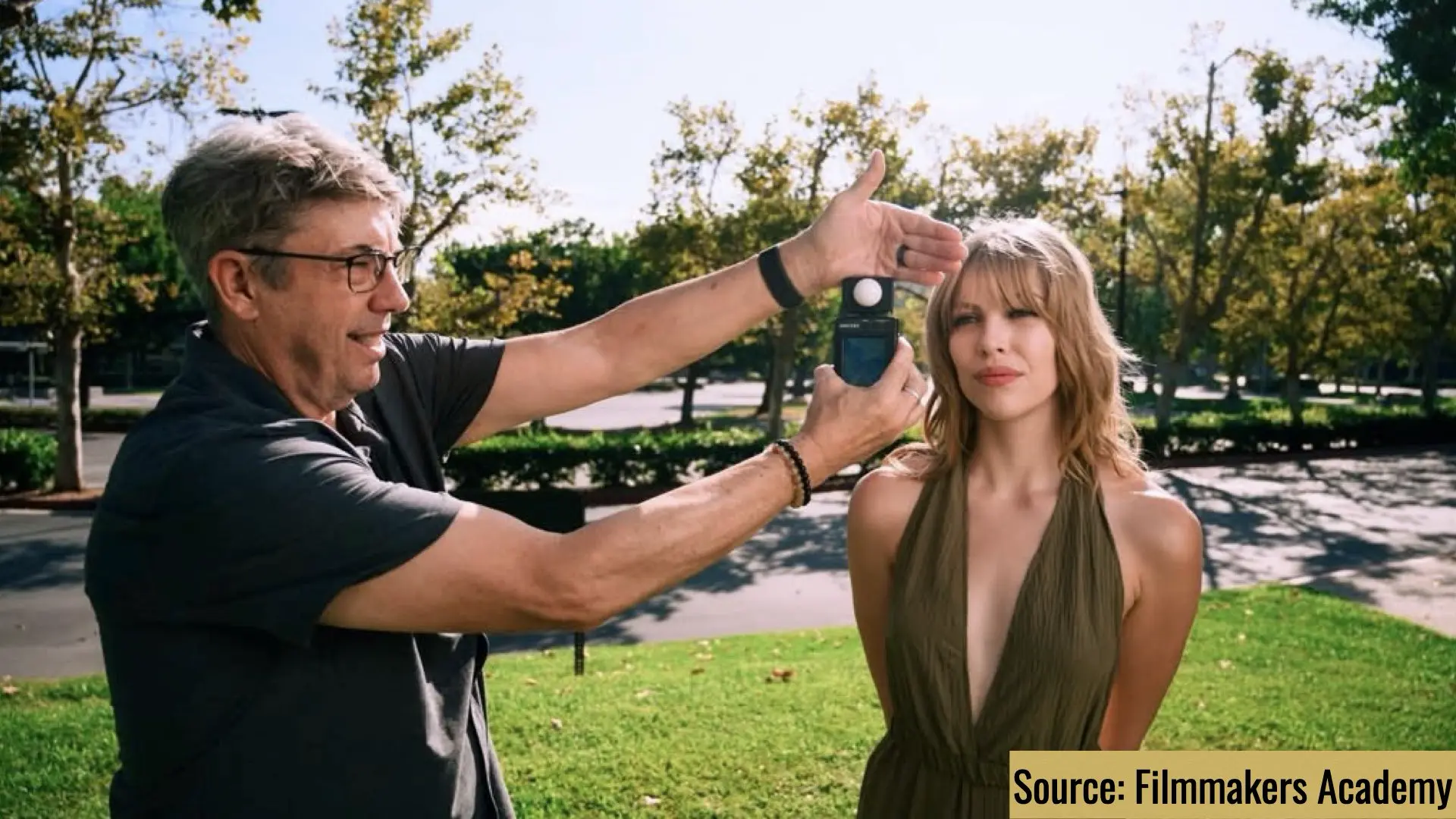
Film is far less tolerant of uncontrolled contrast than digital sensors. To address this, the course spends considerable time on graduated ND filters and attenuators. Hurlbut demonstrates how to tame bright skies, balance foreground and background exposure, and manage extreme lighting conditions using physical solutions. The techniques are grounded in real production scenarios, including the so-called Tony Scott approach to graduated ND usage. The emphasis remains practical rather than stylistic. Furthermore, one of the strongest aspects of the masterclass is its focus on real-world application. Rather than relying on diagrams alone, Hurlbut takes viewers on location to analyze high contrast backlit scenes, side lighting setups, and twilight environments. Exposure ratios are calculated, tested, and explained in context. The viewer is shown not just what works, but why it works. This section is particularly valuable for understanding how to extend the usable window of magic hour without compromising image integrity.
Film as an honest teacher
Filmmakers Academy summarizes the philosophy succinctly. Digital sensors are forgiving. Film is honest. That honesty forces commitment. There is no safety net of extreme latitude or postproduction rescue. By removing that safety net, the course trains cinematographers to trust their measurements, their judgment, and their preparation. Even for filmmakers who never plan to shoot film professionally, this discipline translates directly into stronger digital workflows. Lighting decisions become more intentional. Communication with colorists improves. On set, confidence increases. The Exposing Motion Picture Film Masterclass is available directly through Filmmakers Academy via their official course page. It is best approached as a reference and a study resource rather than a quick watch. In a landscape dominated by software updates and sensor comparisons, this course quietly argues for something more durable. Understanding light. Understanding exposure. Understanding consequence. Film may no longer be the default medium. But as Shane Hurlbut, ASC, demonstrates, it remains one of the most effective teachers cinematography has ever had. To get to the course page, visit this link.