
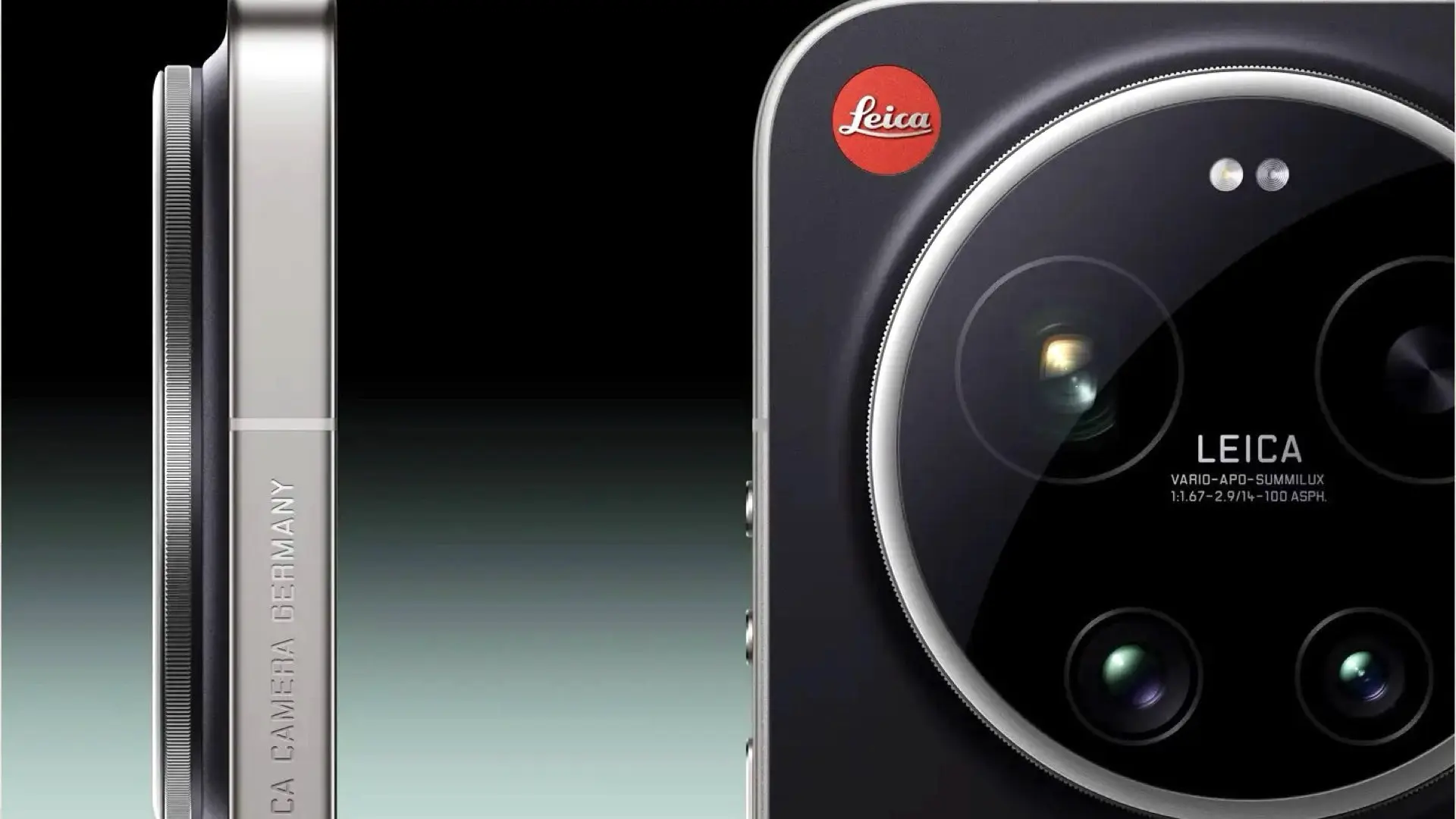
Leica has introduced a new smartphone that could further blur the line between traditional cameras and mobile imaging. The Leica Leitzphone powered by Xiaomi arrives with a feature that would have sounded unrealistic for smartphones a few years ago. A large 1-inch image sensor combined with LOFIC dynamic range technology. The question that inevitably follows is simple. Are smartphones beginning to approach the imaging capabilities that filmmakers normally associate with dedicated cameras? This device highlights a broader shift taking place across the imaging industry. Camera manufacturers are increasingly entering the smartphone ecosystem. The goal is clear. Bring optical heritage, color science, and imaging philosophy into a device that millions of people carry every day.
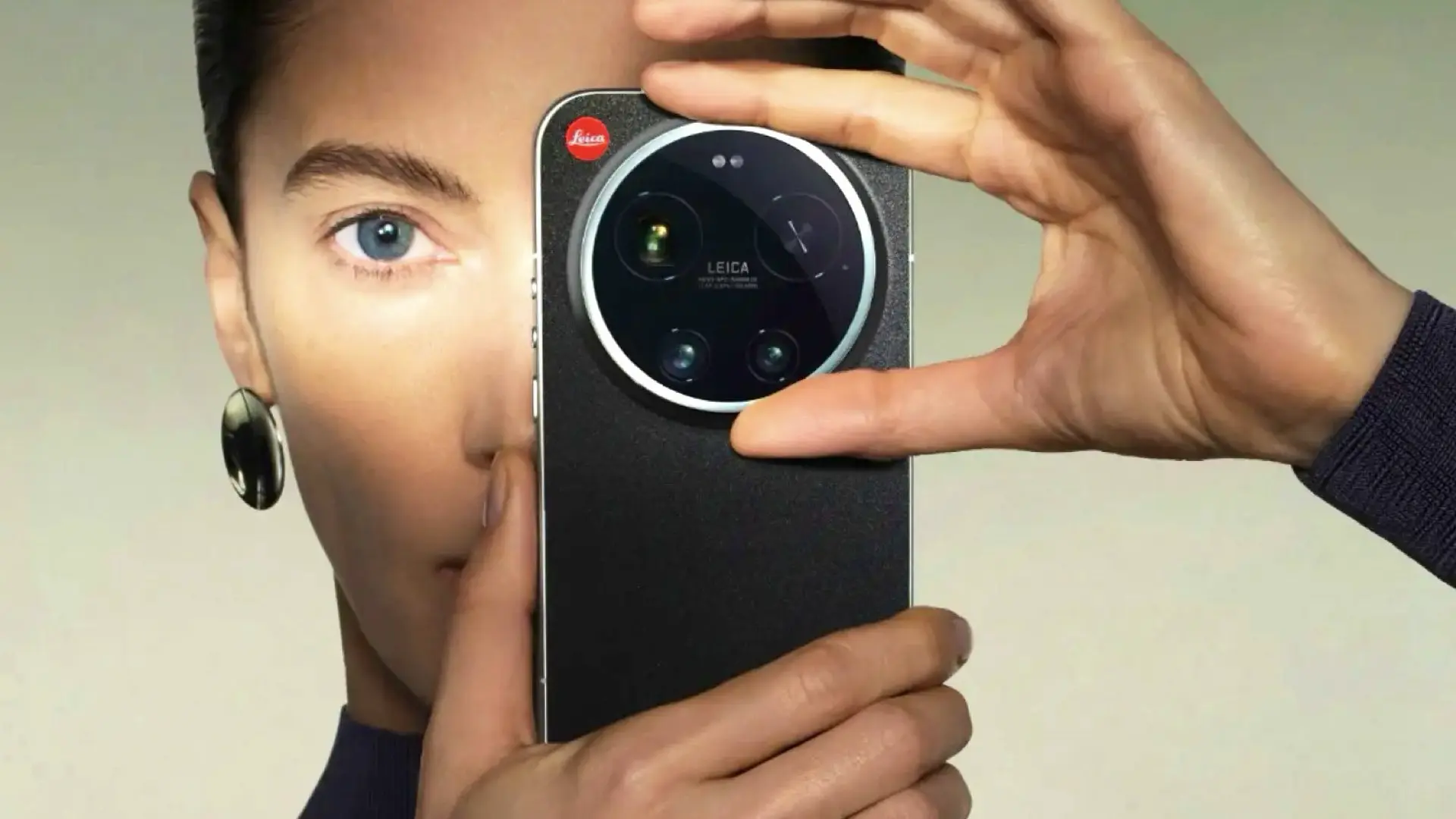
Mobile imaging is evolving rapidly. As companies like Leica and ARRI begin to place their technology inside smartphones, the boundaries between traditional cameras and mobile devices are slowly beginning to dissolve.
The 1-inch sensor inside the Leica Leitzphone
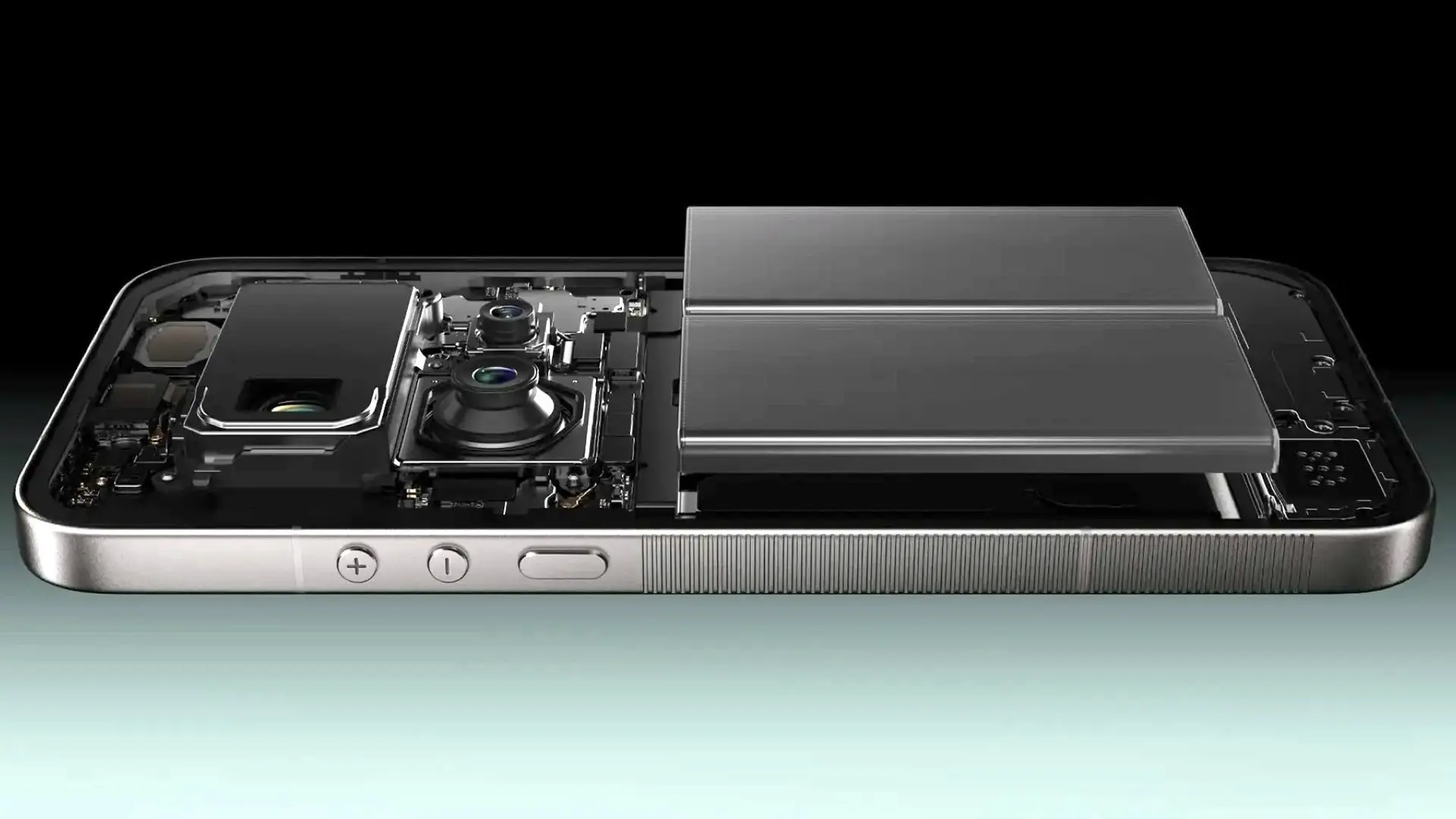
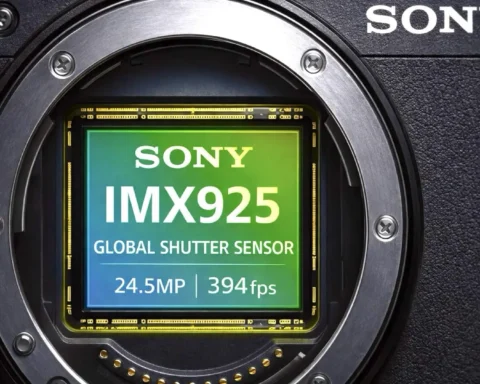
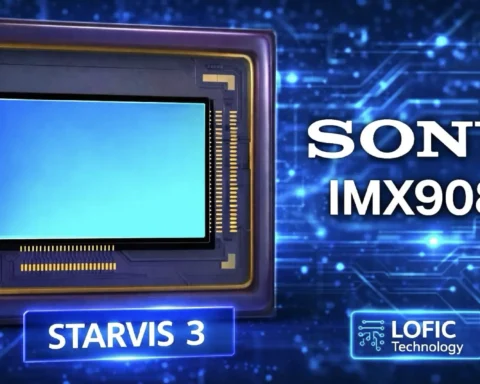
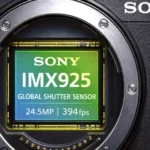
The centerpiece of the Leitzphone is its main camera module built around a 1-inch sensor. For smartphone standards, this is a large sensor, and it represents a significant leap beyond the tiny imaging chips that historically dominated mobile devices. The sensor integrates LOFIC technology. LOFIC stands for Lateral Overflow Integration Capacitor. The architecture allows pixels to store excess electrical charge when they receive strong light. Instead of clipping highlights immediately, the additional charge is stored temporarily in a capacitor next to the pixel. This approach helps preserve highlight information and expand dynamic range in scenes with strong contrast. Leica built the smartphone around a triple camera system inspired by its optical design language. The configuration includes a 14 mm ultra-wide camera, a main 23 mm camera using the 1-inch sensor, and a periscope telephoto camera built around a large 200 megapixel sensor. The telephoto module offers optical zoom roughly between 75 mm and 100 mm, giving the phone a focal range that resembles a compact photographic zoom lens. Another unusual feature is the physical camera ring surrounding the lens module. The ring allows photographers to control zoom, ISO, exposure value, shutter speed, and focal length through direct hardware interaction. Leica clearly attempts to recreate a tactile photographic experience similar to operating a traditional camera.
Cinema camera brands are entering the smartphone ecosystem
Leica’s move into smartphones reflects a larger transformation happening in the imaging industry. Smartphone cameras are no longer treated as a separate consumer category. Instead, they are becoming a platform where traditional camera brands can extend their technology. A strong example of this shift can be seen in ARRI Honor Strategic Partnership Mobile Imaging where we explored how ARRI partnered with Honor to integrate cinema color science and imaging expertise into a smartphone platform. The collaboration shows that even companies historically associated with high-end cinema cameras recognize the growing importance of mobile imaging. The partnership also sparked a heated discussion among filmmakers. Some professionals welcomed the idea of cinema technology entering smartphones. Others expressed concern about the potential dilution of cinema camera branding. That debate was analyzed in ARRI Backlash Honor Robot Phone where cinematographers reacted strongly to the concept of ARRI technology appearing inside a smartphone device. Leica’s Leitzphone reinforces this broader industry direction. Instead of competing with smartphones, camera companies are increasingly collaborating with them.
What reviewers say about the video capabilities
Early reviews suggest that the Leica Leitzphone was designed with video creators in mind. The device supports 8K recording at 30 frames per second and 4K recording up to 120 frames per second. It also offers a Log recording profile up to 4K 120 fps, giving creators more flexibility during color grading. Reviewers generally highlight the impact of the large 1-inch sensor on video quality. Compared to typical smartphone cameras, the sensor provides improved low-light performance and more natural depth separation. The larger sensor area helps maintain highlight detail while reducing noise in darker scenes. Several reviewers also point to Leica’s color science as a major advantage. Footage appears less processed than what many smartphone cameras produce, with more natural skin tones and balanced contrast. This is particularly noticeable in mixed lighting environments where many mobile cameras tend to exaggerate colors. At the same time, reviewers note that smartphones still face limitations compared to dedicated cinema cameras. Thermal constraints, limited optics, and heavy reliance on computational processing remain challenges that prevent smartphones from fully replacing professional video tools.
Final thoughts
The Leica Leitzphone represents a fascinating intersection between mobile technology and photographic heritage. A smartphone with a 1-inch sensor and LOFIC dynamic range architecture would have sounded unrealistic only a few years ago. Whether smartphones will truly catch up to cinema cameras remains an open question. The gap in optics, thermal performance, and professional workflows is still significant. However, one thing is becoming increasingly clear. Mobile imaging is evolving rapidly. As companies like Leica and ARRI begin to place their technology inside smartphones, the boundaries between traditional cameras and mobile devices are slowly beginning to dissolve.






The ARRI Backlash for the Honor Robot Phone? Arri is selling out blah blah? Really? Wait.. who isn’t ? Hummmm”Leica” Phone? Leica? Leica what? Leica who? Leica has become no more than just another company that sells their name and sticks it into anything a little extra licensing cash can bring home, that has most of their lenses made by Sigma, that has their sensors made by Sony and that has all of it’s electronics made by Panasonic. Leica what? And this phone? This is no more or no less than just a Xiaomi 17 Ultra with a red dot sticker, a fancier enclosure and pretty software to match. That’s the “Leica” for you. Get real.. Leica has and are simply making their smart money.
you just destroyed my mini Leica dream. thank you.
Me too :((
Hard to believe this isn’t available in the united states, what a mistake! Hopefully Leica I will change its mind soon.
I don’t get it who makes all these reviews. Camera video capabilities… Are strictly shiet… Seriously… No stable FPS, nothing relatable to any ok phone brand… Xiaomi keeps sucking more and more although they were glorious…
Why Leica has to merge with the Chinese gear? America will not like this.
Yea, and I have a large format 2×2 300MP sensor up my butt so I can bend over and take photos. Who exactly are they going to put a lens stack capable of focusing on a 1 inch sensor in a phone that is 1/3 inch thick? This is pipe dream BS at it’s best.