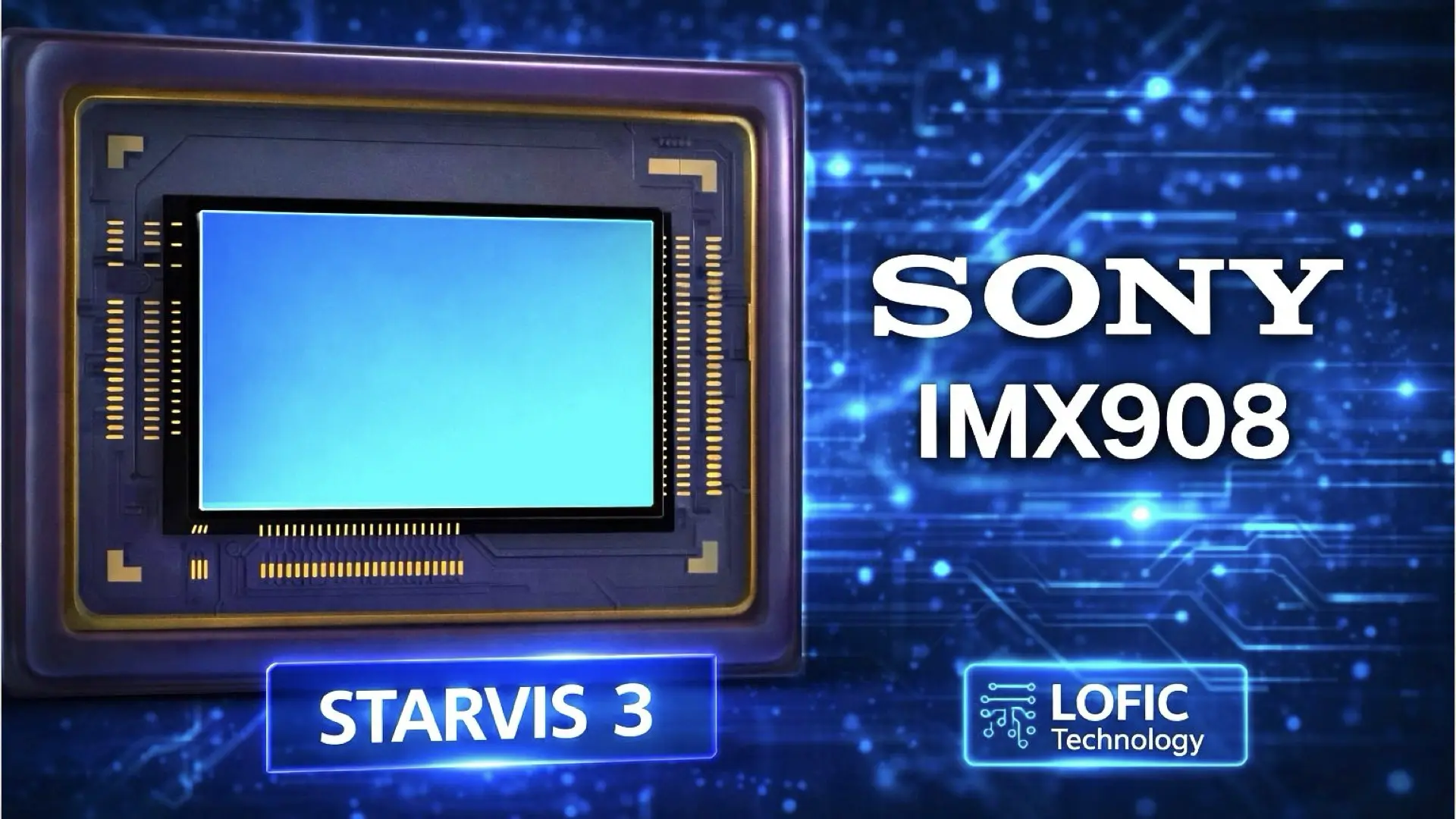
Sony has introduced the IMX908, a new image sensor designed for security cameras, featuring the latest STARVIS 3 technology and delivering up to 96dB HDR. While the sensor itself targets surveillance applications, the underlying architecture reveals a broader shift in how Sony is approaching dynamic range across imaging systems. At the center of this release is LOFIC, a design that is starting to appear across multiple sensor categories, including a recent Leica smartphone with a 1-inch sensor. The pattern is becoming difficult to ignore.
What Sony announced
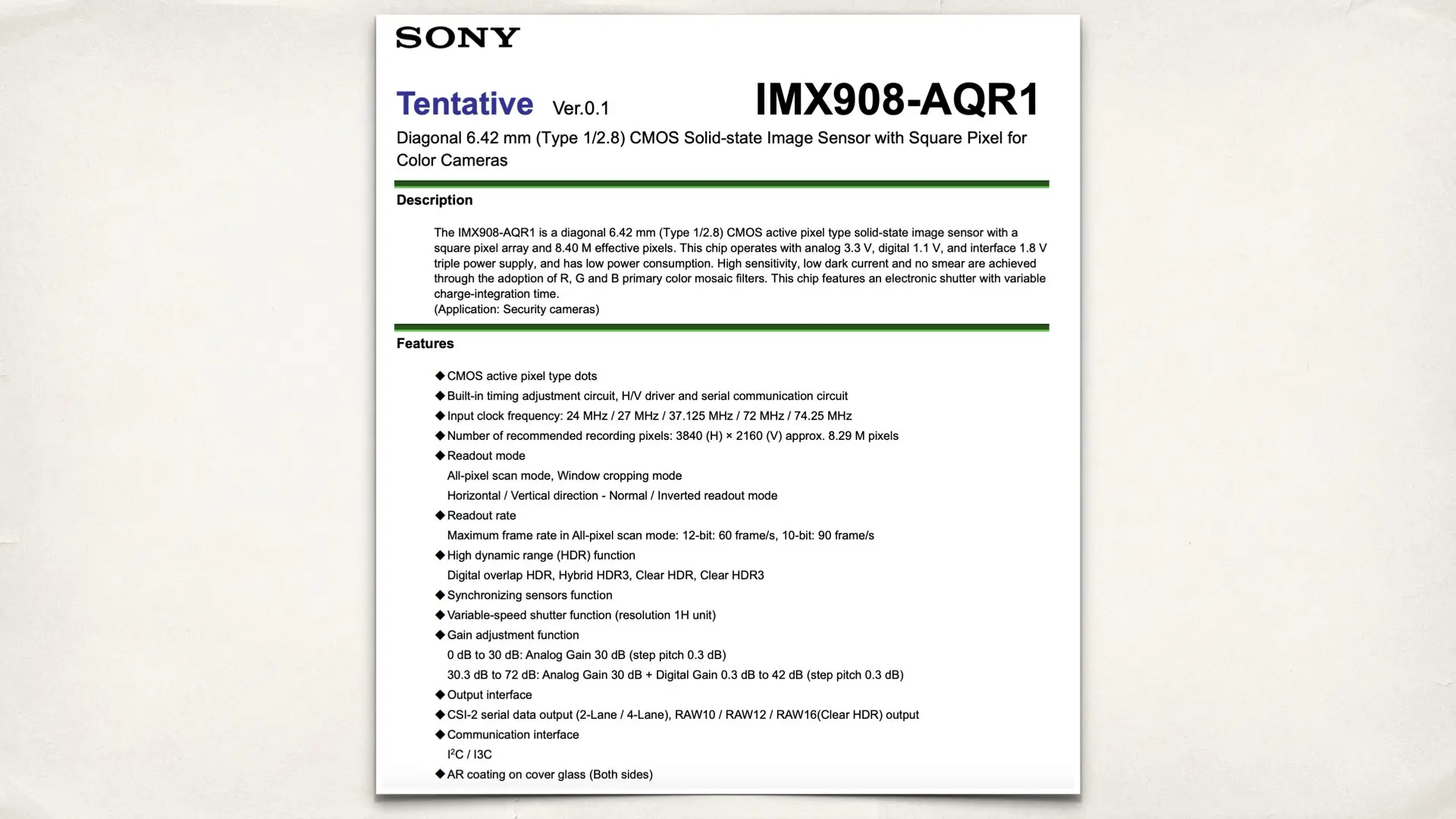
The IMX908 is a 1/2.8 type CMOS sensor with approximately 8.4 million effective pixels, optimized for security and industrial imaging. It offers a 16:9 aspect ratio, a pixel size of 1.45μm, and supports frame rates of up to 90fps at 10-bit, with planned sample shipments beginning in March 2026. Sony positions this sensor as part of its next-generation STARVIS 3 lineup, aimed at improving low-light performance and expanding dynamic range in real-world environments.
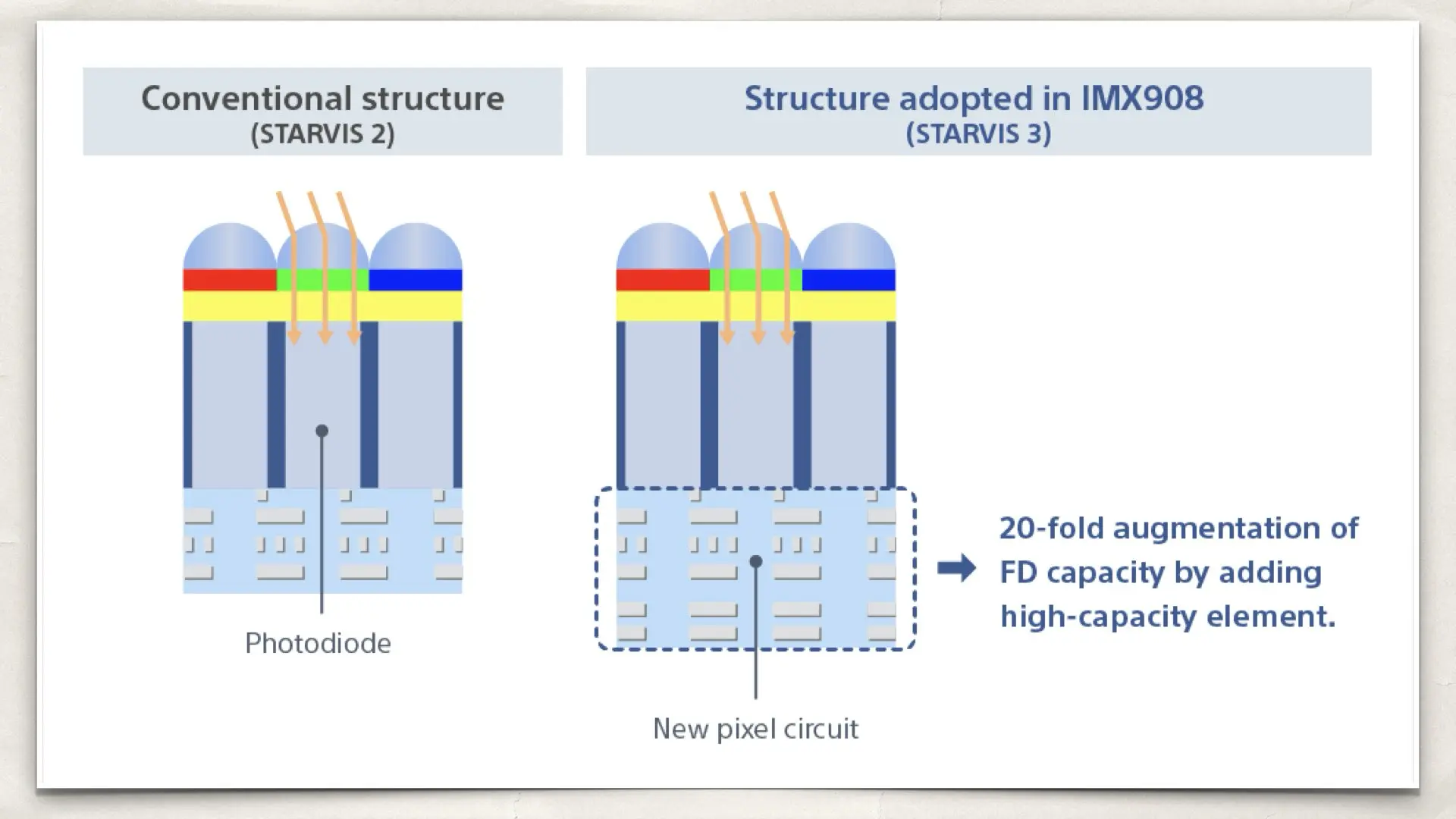
LOFIC and the shift to hardware HDR
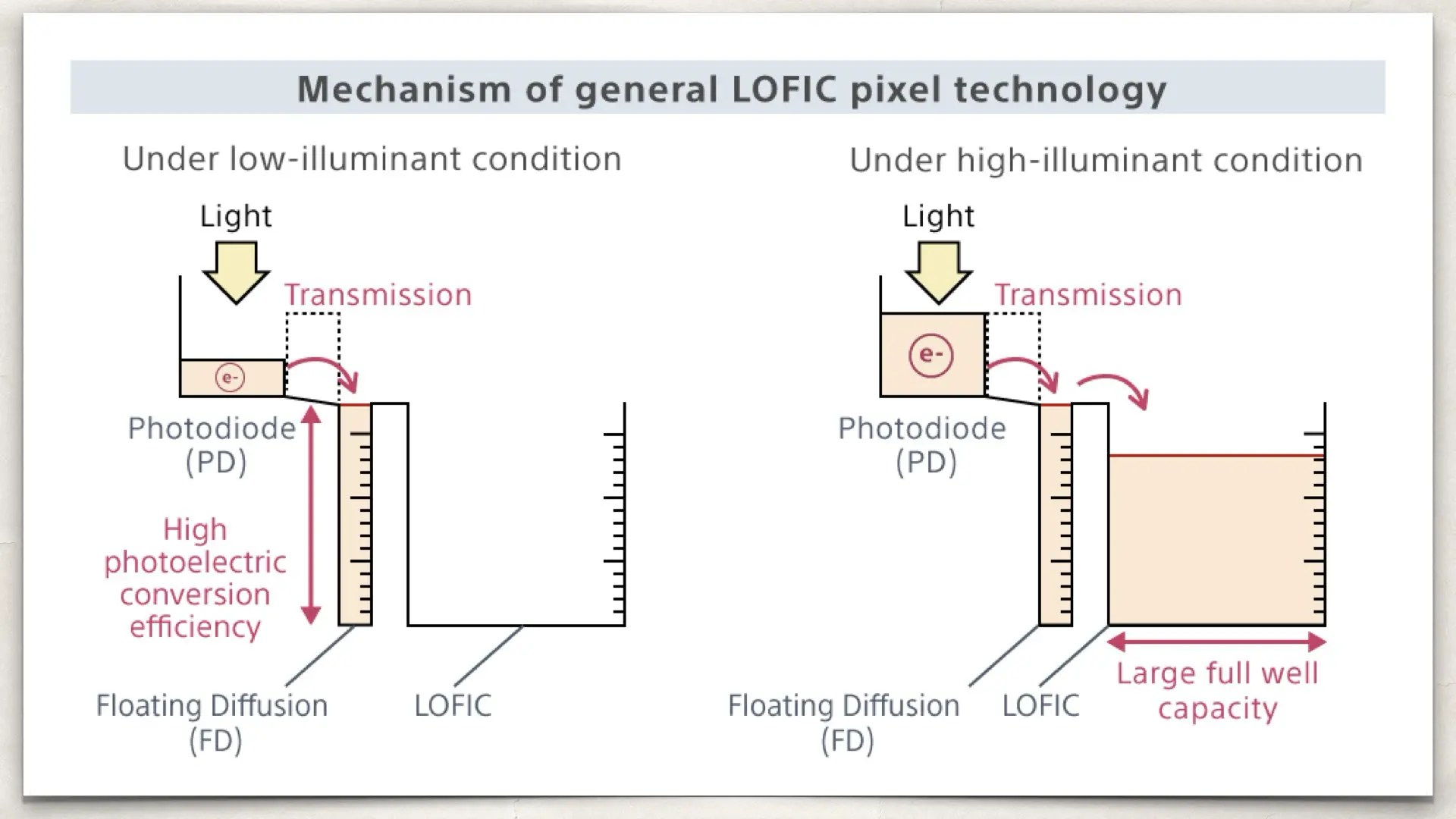
The most important aspect of the IMX908 is not the resolution or frame rate, but the use of LOFIC, Lateral Overflow Integration Capacitor. This architecture expands the amount of charge each pixel can handle by redirecting overflow into a lateral capacitor, allowing the sensor to retain highlight information while preserving shadow detail within a single exposure. This represents a fundamental shift compared to multi frame HDR pipelines, which rely on combining exposures and often introduce motion artifacts or temporal inconsistencies. With LOFIC, dynamic range is handled directly at the pixel level before any computational processing takes place.
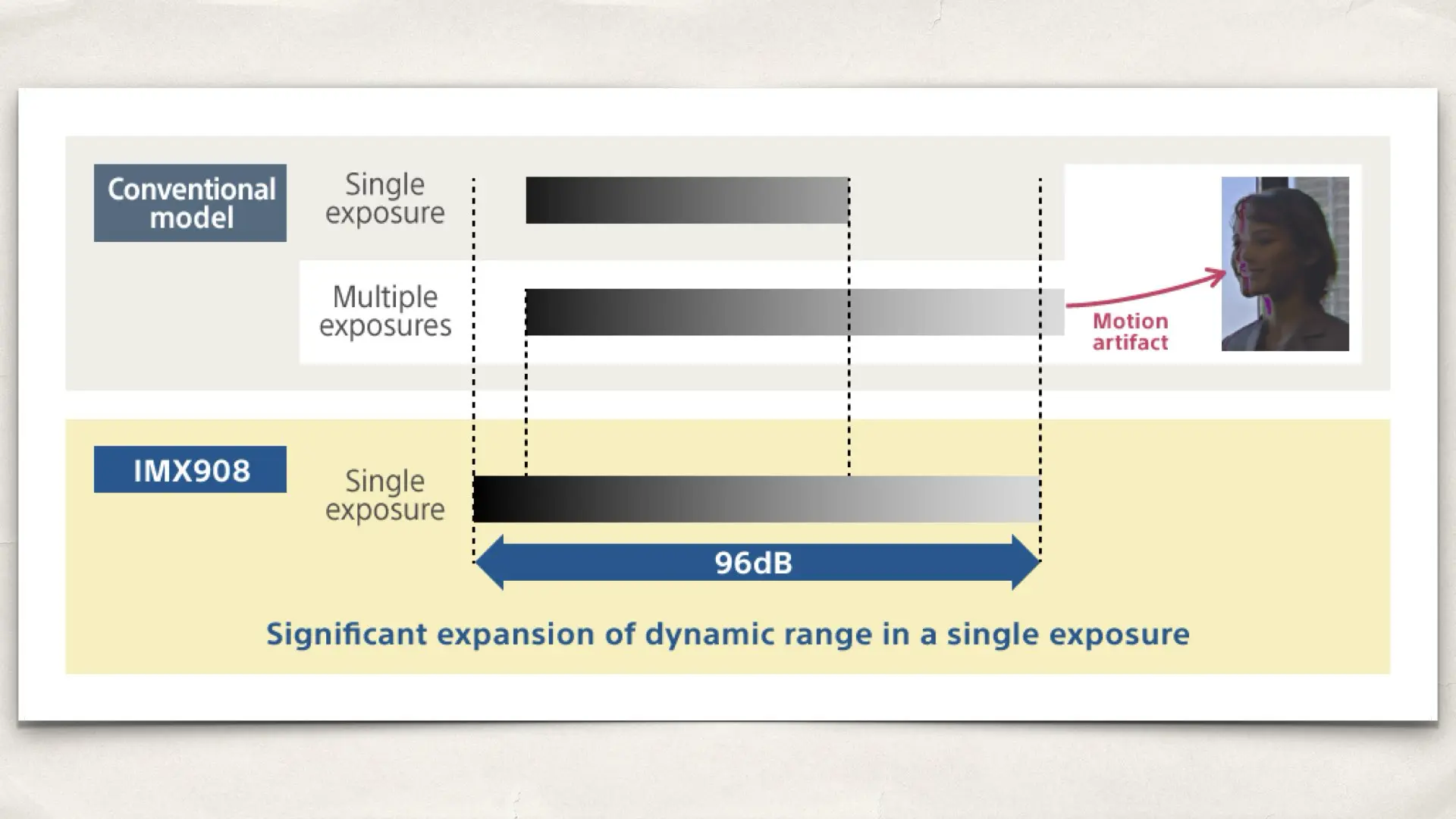
A pattern across imaging segments
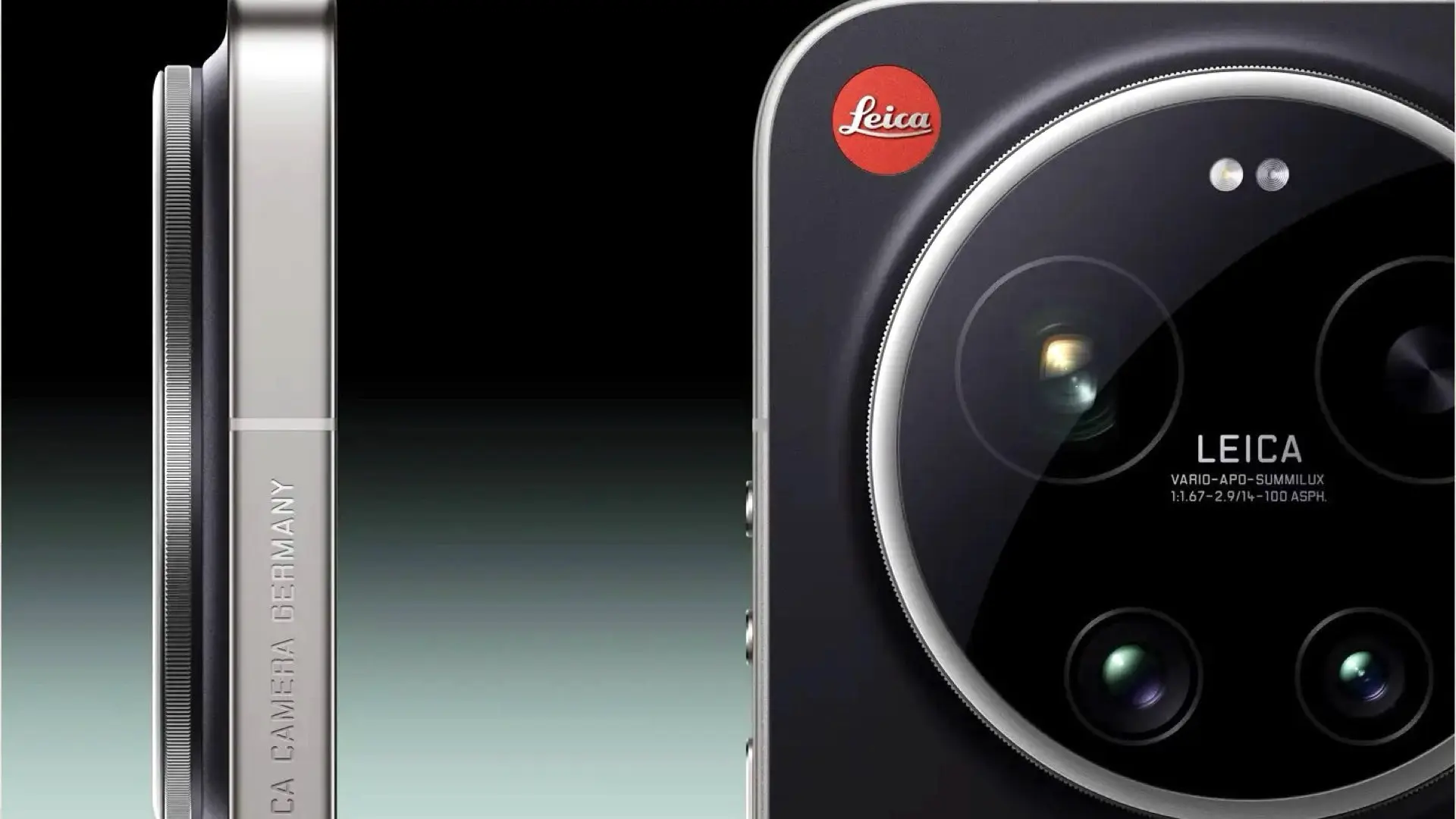
What makes this announcement particularly interesting is not the sensor itself, but the growing presence of the same architecture across different segments. Just days ago, LOFIC appeared in a 1-inch Leica smartphone sensor concept, suggesting that Sony and its partners are exploring this approach beyond traditional security applications. Now, with the IMX908, the same concept is implemented in a smaller, high-volume sensor designed for surveillance. This points to a broader pattern in the imaging industry, where technologies validated in security and mobile environments gradually move toward more advanced imaging systems.
Why filmmakers should pay attention
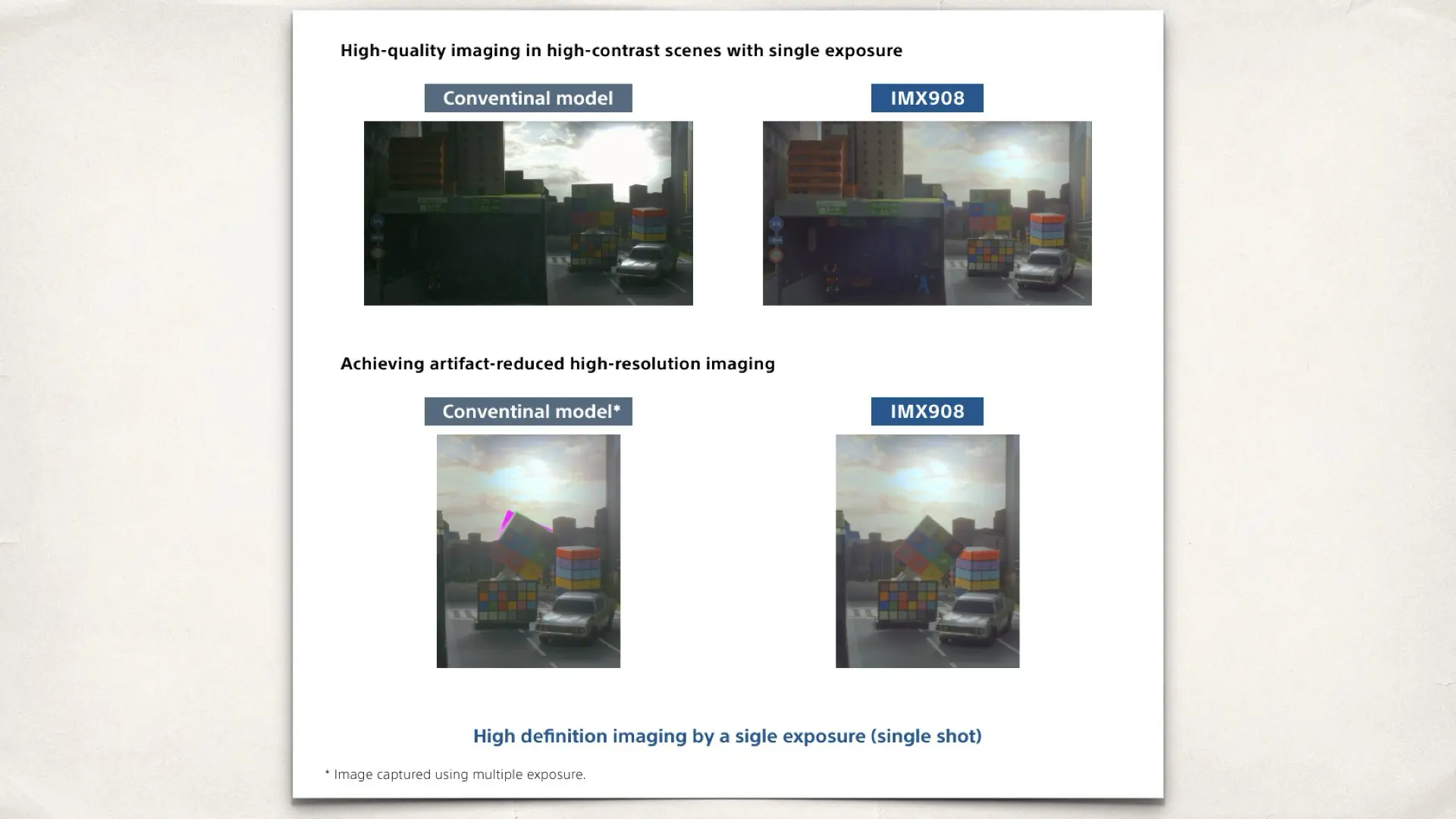
For cinematography, dynamic range remains one of the most critical parameters of image quality, especially in scenes with complex lighting conditions. Current workflows often rely on a combination of sensor performance and computational techniques to preserve both highlights and shadows. A LOFIC-based architecture suggests a different direction by extending dynamic range directly at the sensor level, making it possible to capture high contrast scenes in a single exposure while reducing reliance on multi-frame HDR and minimizing motion-related artifacts. This approach has clear implications for highlight roll off, color consistency, and the rendering of fast-moving subjects. The IMX908 is not a cinema sensor, and its size and pixel structure place it firmly within the security category. However, the technology it incorporates is not limited to that segment. LOFIC is now visible in security sensors, smartphone concepts, and advanced HDR architectures, and when a design appears across multiple tiers of imaging, it typically signals a broader direction rather than an isolated implementation. Sony appears to be refining a single exposure HDR pipeline at the hardware level, and that direction aligns closely with the evolving demands of cinema imaging.
Final thoughts
The IMX908 may appear to be a routine security sensor announcement, yet it offers insight into how Sony is evolving sensor design around dynamic range. LOFIC is expanding across the imaging ecosystem, and this trajectory suggests that it could eventually influence the next generation of high-end cinema sensors. For filmmakers, the significance lies less in the sensor itself and more in what this progression indicates for the future of image capture.