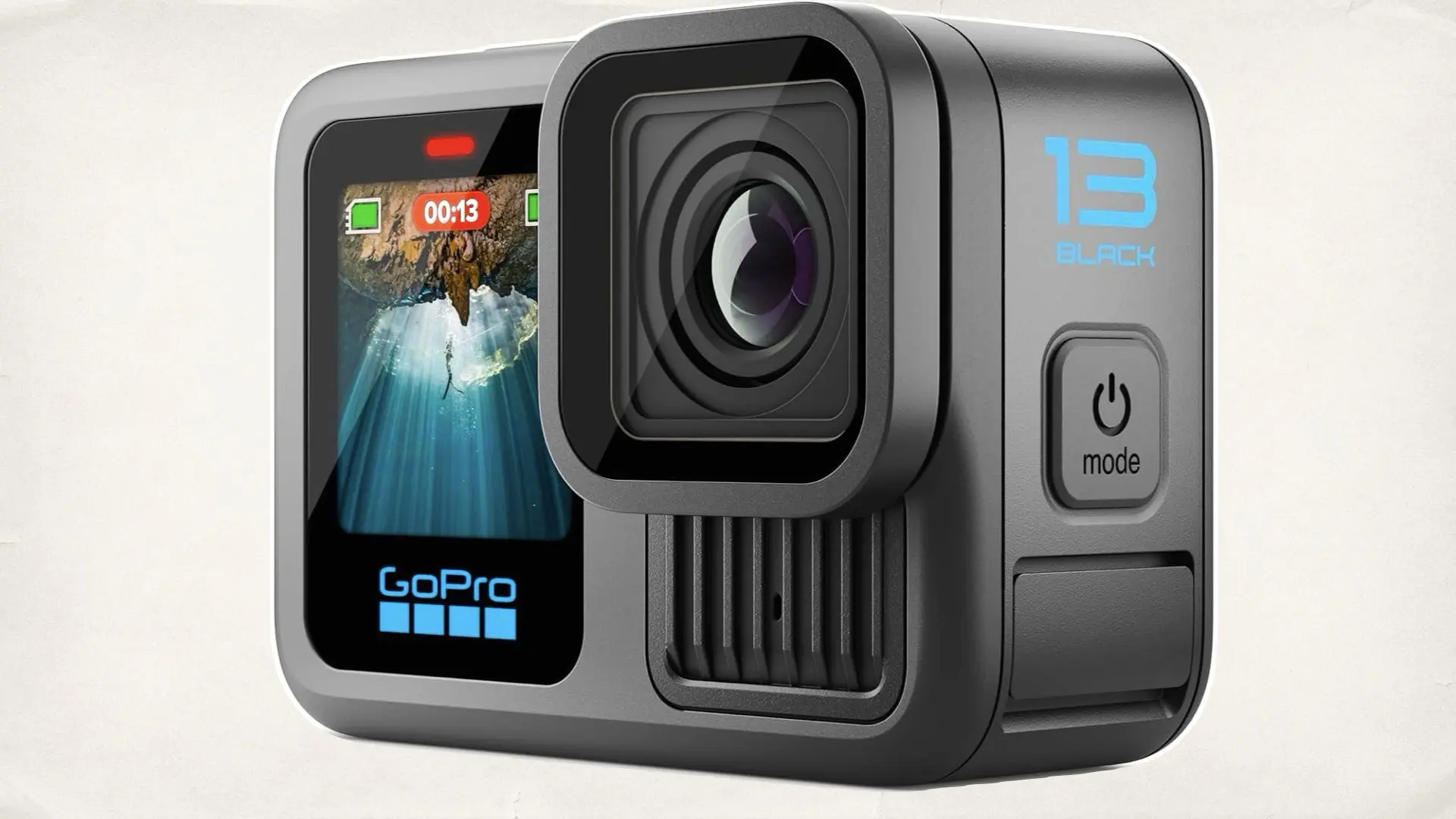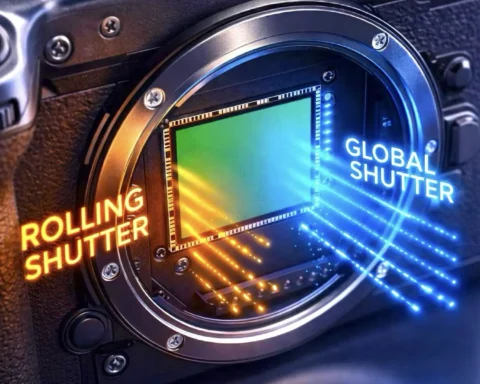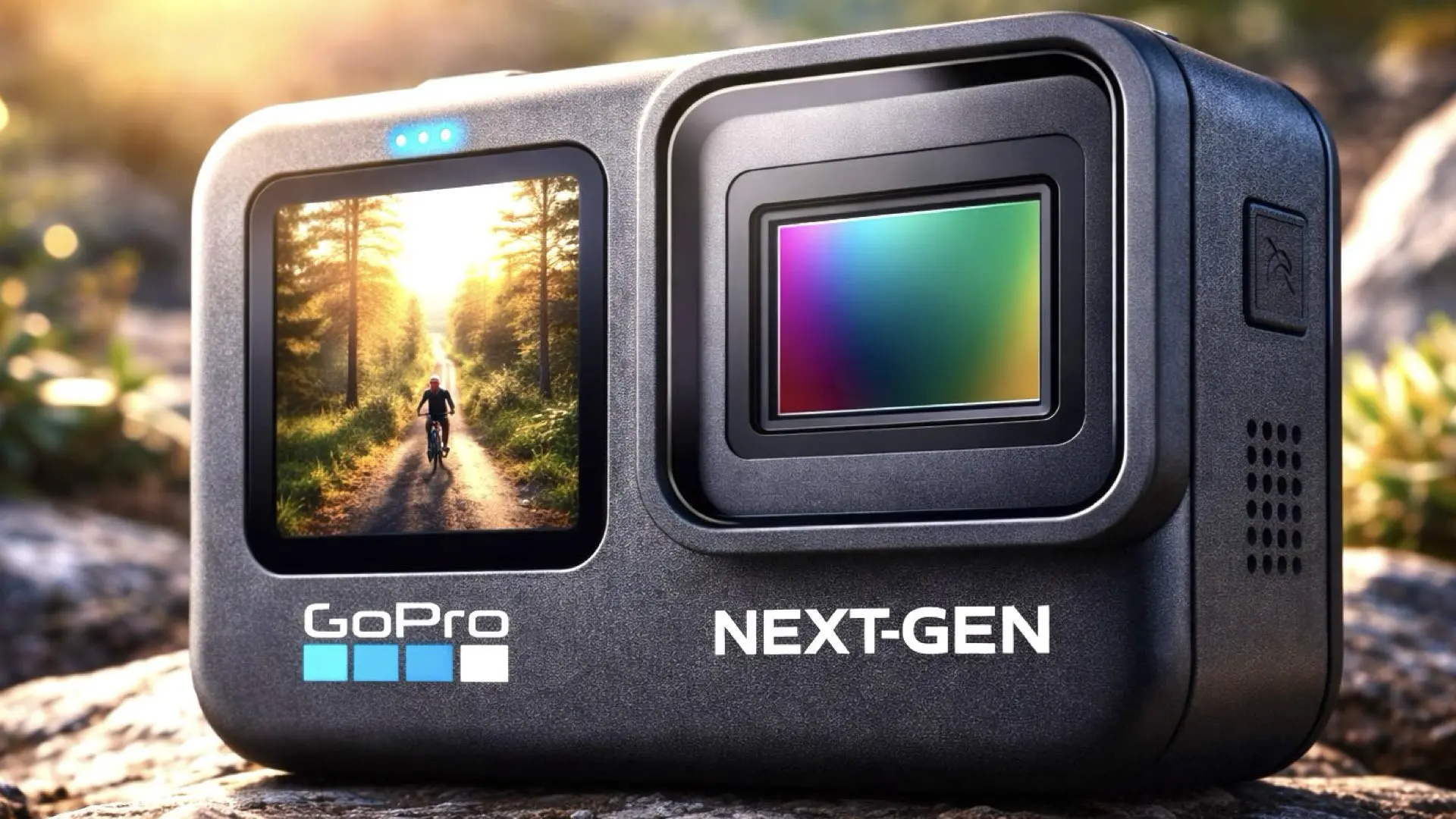
GoPro may have revealed far more than expected in its new official teaser video, clearly labeled as footage captured by next-generation GoPro cameras. This is not a leak. It is a controlled and intentional preview. And the visual language is different. Instead of the classic action camera look defined by ultra-wide perspective, deep depth of field, and aggressive sharpening, the teaser leans toward selective focus, smoother highlight roll off, and a far more cinematic rendering. That shift opens a compelling hypothesis. GoPro is preparing a next-generation imaging pipeline that moves closer to larger sensor behavior, whether through actual sensor size, improved optics, or a combination of both.
Why GoPro should go in this direction
This move would be strategically correct. The action camera category is under pressure from two directions. On one side, smartphones continue to attract casual users with strong computational imaging and excellent video quality. On the other hand, companies like DJI and Insta360 are pushing innovation in stabilization, modularity, and creator-focused features. GoPro cannot rely only on durability and stabilization anymore. Image quality and image character now define relevance. A larger sensor, or even a system that behaves like one, addresses several long-standing limitations. It improves low-light performance, reduces noise, enables more natural color transitions, and introduces meaningful depth of field control. That last point is critical. Creators increasingly want subject separation and visual storytelling tools, not just documentation. A GoPro that can deliver a more cinematic image while maintaining its compact form factor would reposition the brand from an action tool into a legitimate creative camera.
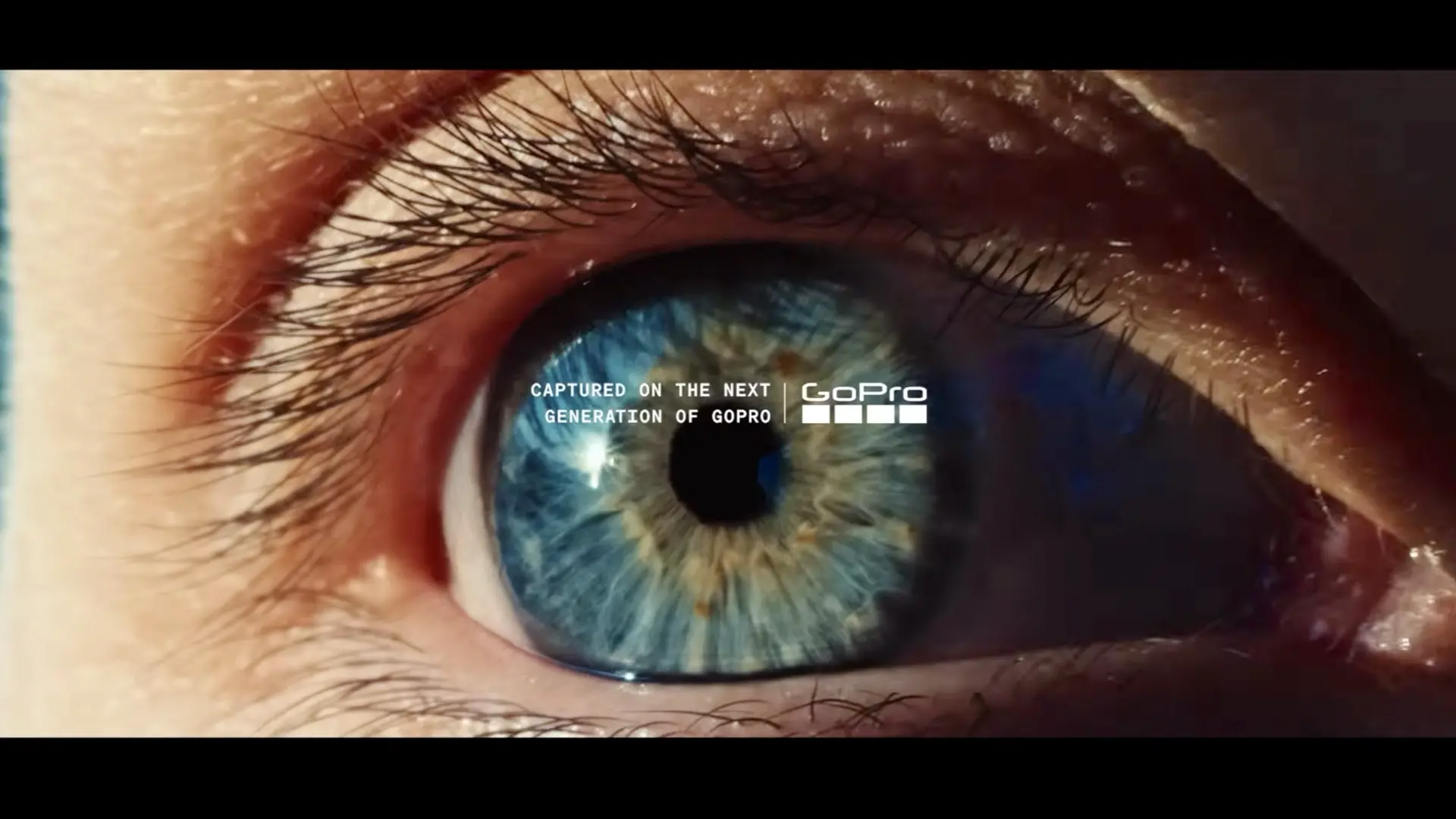
Screenshot analysis. The eye shot
The eye shot is the most revealing frame in the entire teaser. The depth of field is unusually shallow for an action camera. The iris is sharply resolved while the surrounding skin falls off smoothly into blur. The transition is optical in nature and does not exhibit the edge artifacts typically associated with computational background blur. Traditional GoPro sensors in the smaller classes cannot produce this level of subject isolation with a wide lens. This suggests either a significantly larger sensor, a longer effective focal length mode, or a redesigned optical system. The clean falloff and lack of artificial smoothing support the idea that this is not purely software-driven. The hypothesis here is that GoPro is either increasing sensor size or introducing a dedicated cinematic mode that leverages new optics and processing.
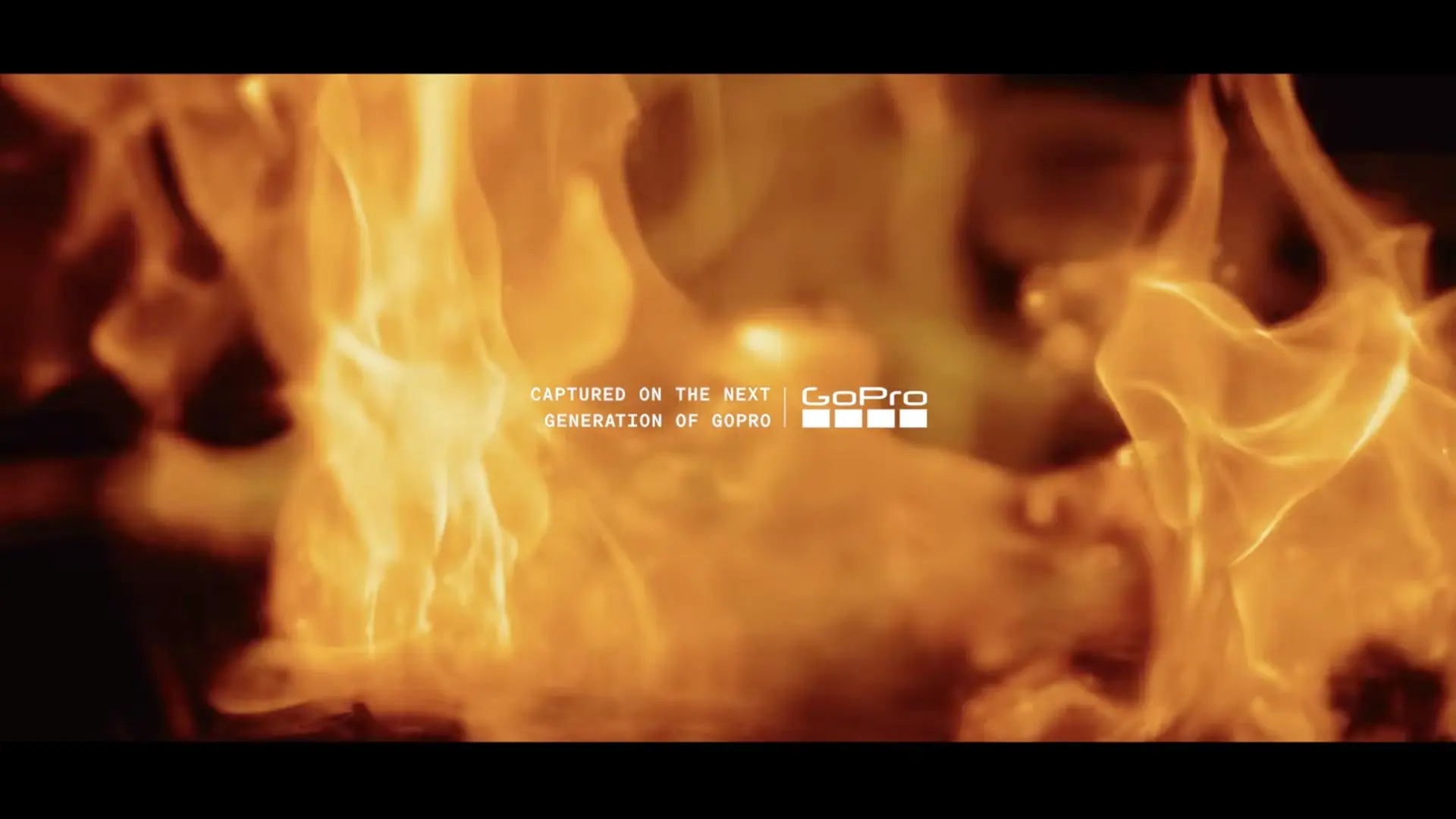
Screenshot analysis. The fire shot
The fire shot provides insight into dynamic range and highlight behavior. Flames are difficult for small sensors, as they tend to clip quickly and lose detail. In this frame, highlights roll off smoothly. There is visible color separation within the flame structure, and the brightest regions retain texture instead of collapsing into flat areas. This indicates a more advanced HDR pipeline and improved sensor latitude. Even if the sensor size increase is moderate, the processing pipeline appears to be significantly upgraded. The result is a more natural rendering of high contrast scenes, aligning with a cinematic direction rather than a purely action-oriented one.
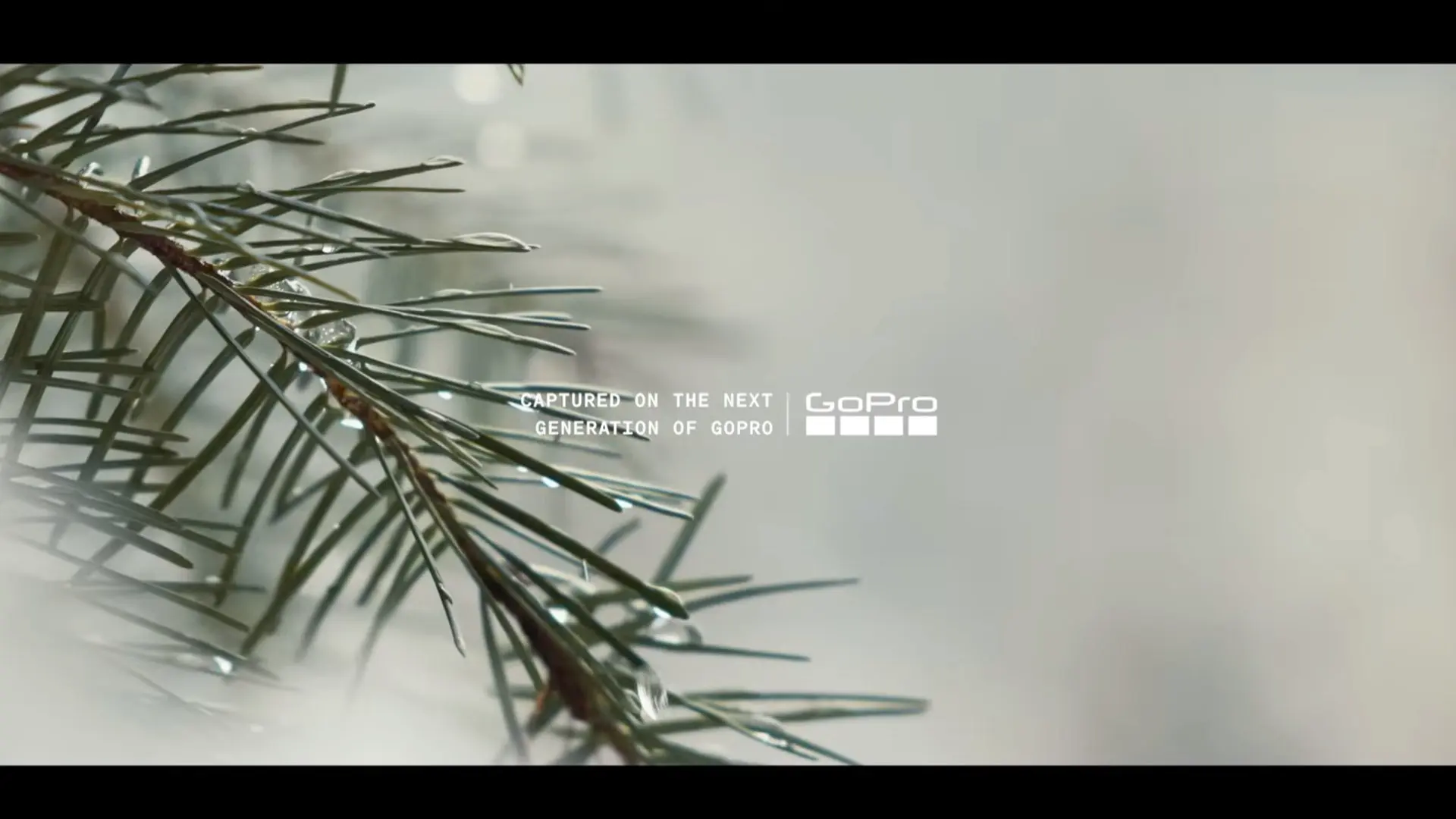
Screenshot analysis. The pine branch shot
This frame is perhaps the strongest evidence for a shift in imaging philosophy. The foreground needles exhibit strong micro contrast and clean detail, while the background dissolves into a soft blur. Importantly, the blur behaves naturally and does not look artificially generated. Classic GoPro footage typically keeps everything in focus. That is part of its design. Here, the selective focus is deliberate. This suggests either a larger sensor with wider aperture equivalence or a new shooting mode that prioritizes depth separation. The rendering feels closer to mirrorless camera footage than to a traditional action cam.
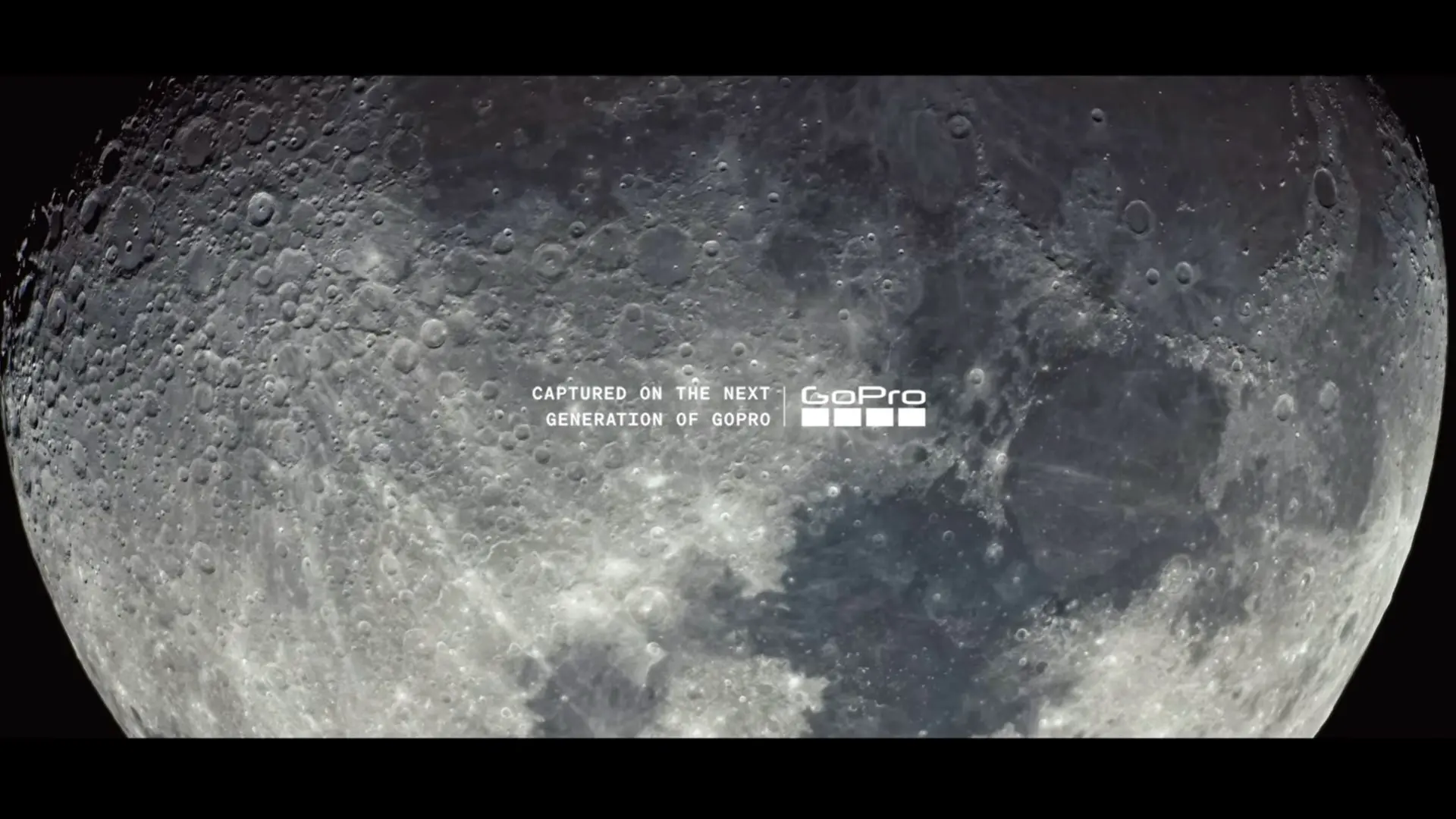
Screenshot analysis. The moon shot
The moon shot functions as a resolution and optics stress test. Fine crater details are visible, and the image avoids the over-sharpened look often associated with small sensors trying to enhance perceived detail. The texture appears optically resolved rather than artificially constructed. This implies a stronger lens and sensor pairing, with sufficient resolving power to capture fine detail without relying heavily on digital sharpening. It also hints at improved noise handling and better low-light sensitivity, both of which are consistent with a move toward a larger sensor or a more advanced imaging system.
The broader implication
Taken together, these frames suggest a deliberate shift. GoPro is no longer showcasing only what the camera can survive. It is showcasing how the camera sees. That is a fundamental change. If GoPro successfully integrates a larger sensor or a sensor-driven imaging pipeline into its next-generation cameras, it could redefine the category. The action camera would no longer be just a rugged companion. It would become a compact cinematic tool that fits into a creator’s workflow. Stay tuned. We are following this closely and will keep you posted.