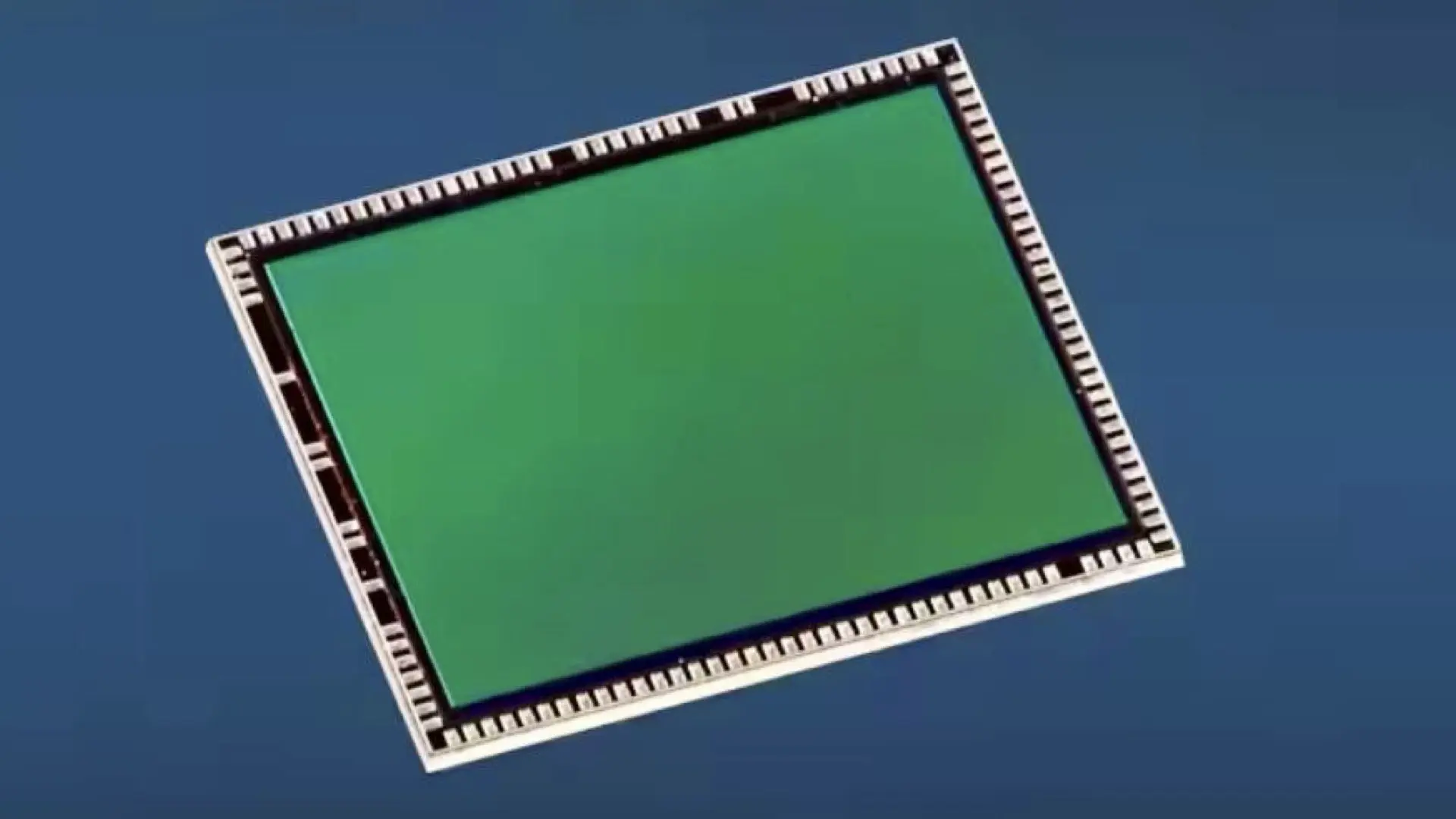
STMicroelectronics has introduced a new family of CMOS sensors that can switch between global shutter and rolling shutter modes on demand. On paper, this sounds like a technical upgrade. In practice, it points to a deeper shift in how image sensors are designed and how they may eventually serve filmmakers, mirrorless users, and even high-end smartphones.
A sensor that adapts instead of compromises
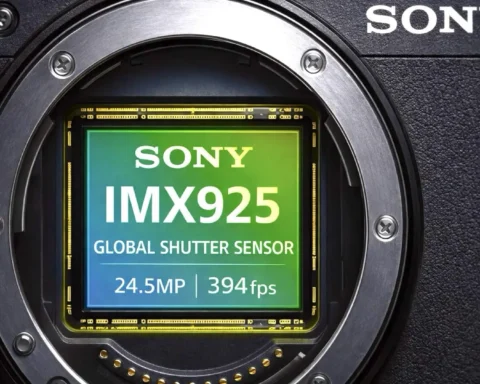
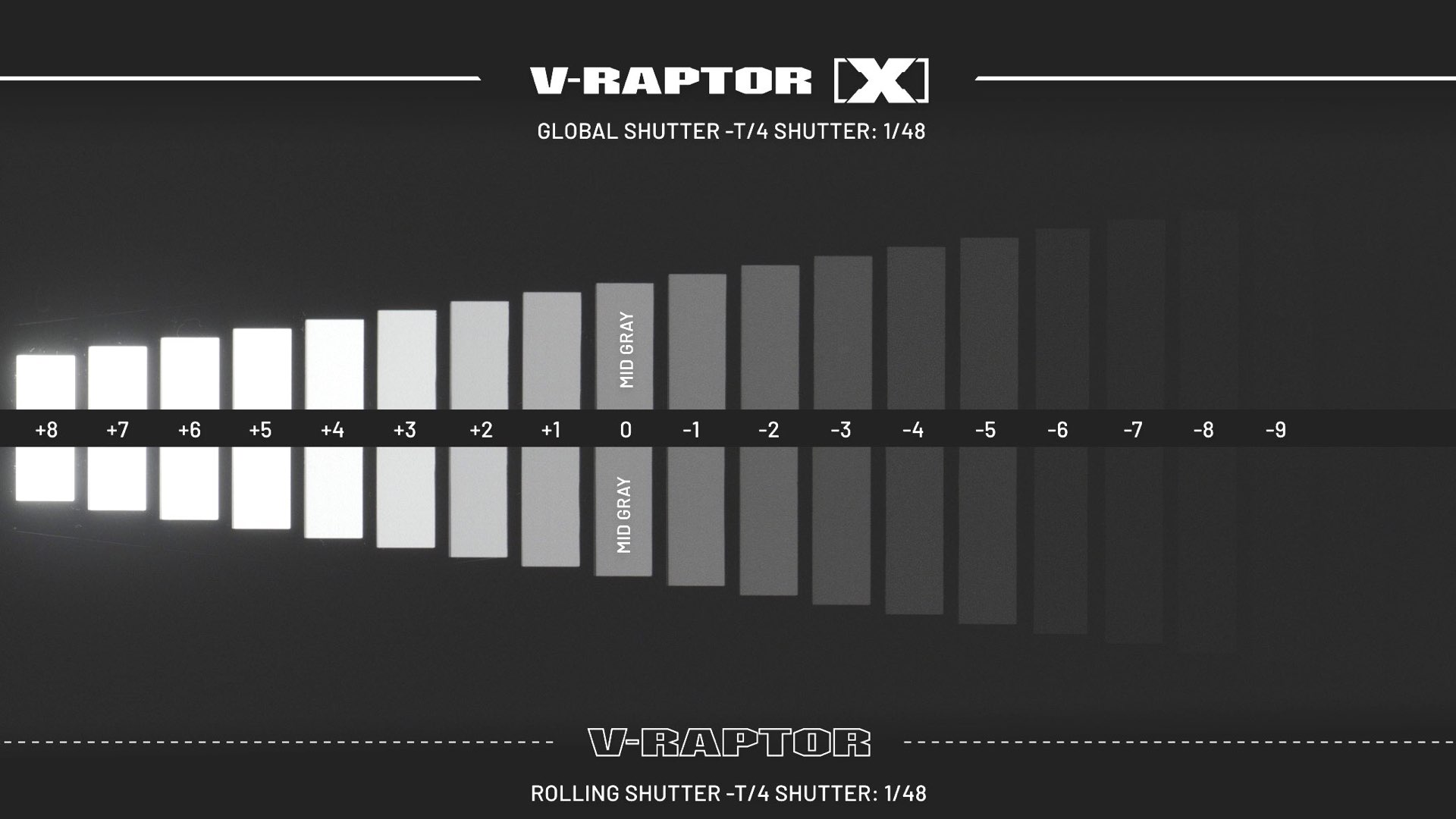
For decades, image capture has been defined by a tradeoff. Global shutter delivers distortion-free motion by exposing all pixels at the same time. Rolling shutter offers higher dynamic range and better low-light performance, but introduces skew and jello artifacts during fast movement. ST’s approach removes that forced choice. These new sensors allow the system to select the appropriate mode depending on the scene. Fast motion can be captured with global shutter precision. High contrast or low light scenes can benefit from rolling shutter sensitivity and dynamic range, supported by integrated 18-bit HDR. This is not just a feature. It is a shift toward adaptive imaging, where the sensor behavior is no longer fixed.
Beyond shutter: computational sensor design
The shutter flexibility is only part of the story. These sensors integrate several layers of processing directly on chip. They include 18-bit HDR pipelines, RGB IR separation, and intelligent upscaling that delivers full resolution IR alongside RGB output. This signals a transition from passive sensors to active imaging systems. The sensor is no longer just capturing light. It is interpreting it, optimizing it, and preparing it for downstream processing. That direction aligns with what we already see in stacked sensors and mobile imaging pipelines. The difference here is that the logic is moving even closer to the pixel level.

What this means for cinema cameras
In the cinema world, global shutter has always been desirable but difficult to implement without compromises. Cameras that offer global shutter often sacrifice dynamic range or introduce noise penalties. Rolling shutter remains dominant because it preserves image quality. A hybrid approach opens an interesting possibility. A future cinema camera could adapt its shutter mode based on the scene. Action sequences could be captured with a global shutter to eliminate motion artifacts. Controlled lighting environments could leverage a rolling shutter for maximum dynamic range. The key challenge is scaling this architecture. The current sensors are small, with pixel sizes around 2.25 microns. Cinema sensors demand larger photosites, cleaner signal paths, and minimal on-chip manipulation. But the concept itself is relevant. It suggests a future where shutter behavior becomes part of the creative toolkit rather than a fixed limitation.
Mirrorless cameras and hybrid shooters
For mirrorless systems, this concept feels closer to practical adoption. Hybrid shooters often move between stills and video, handheld and tripod, controlled and uncontrolled environments.
- A sensor that can switch between modes could:
- Improve handheld video by eliminating skew
- Preserve dynamic range in high contrast scenes
- Reduce reliance on electronic correction
This would simplify workflows and reduce the need for compromise when switching between shooting styles. It could also influence how manufacturers design their next-generation hybrid cameras, especially as computational features become more integrated.
Smartphones and computational video
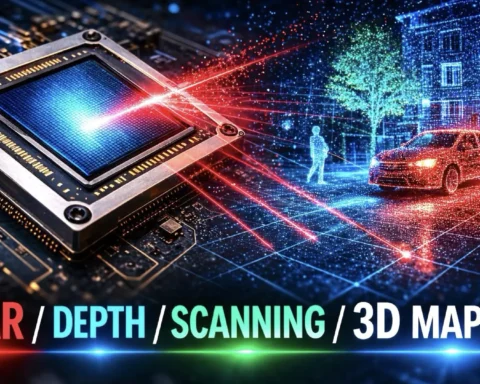
The most immediate impact may come from the smartphone segment. Modern flagship devices already rely heavily on computational imaging. Multi-frame HDR, AI-based noise reduction, and sensor-level processing are standard. A dual-mode shutter sensor fits naturally into that ecosystem. Smartphones could dynamically select a global shutter for fast motion or a rolling shutter for low light and HDR scenes, without user intervention. Combined with RGB IR capabilities, this also opens the door for improved depth sensing, low-light performance, and augmented reality applications. The sensor becomes part of a larger computational system that continuously adapts to the scene.

The bigger picture
This announcement is not about replacing existing sensor architectures overnight, but more about direction. Image sensors are evolving into adaptive systems that respond to context instead of enforcing tradeoffs. For filmmakers, the immediate impact is limited. For the industry, the implication is clear. The line between hardware and software in imaging continues to blur. And eventually, that shift reaches cinema. The real question is not whether hybrid shutter sensors will appear in professional cameras. It is when, and how much control filmmakers will have over them when they do.