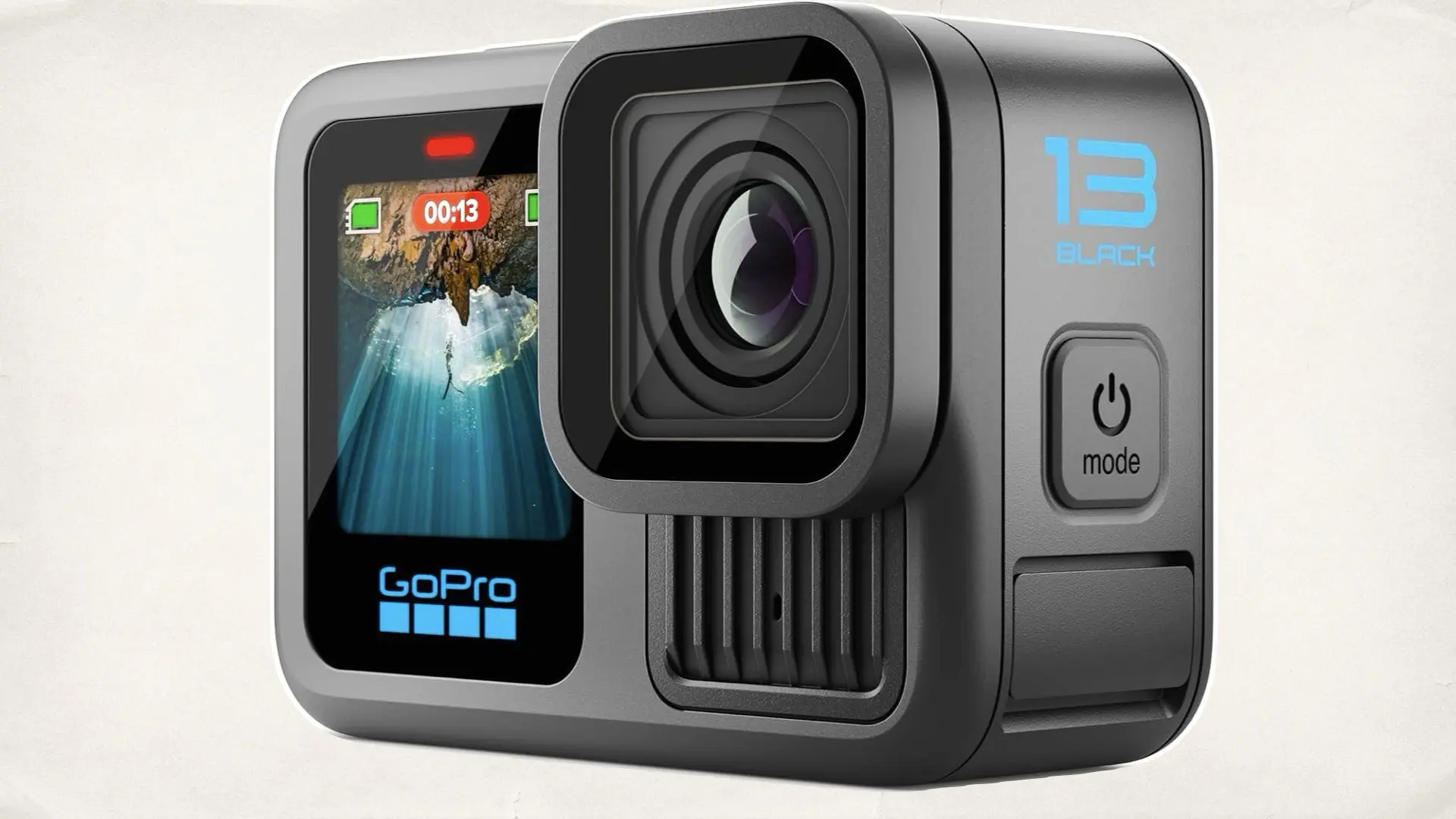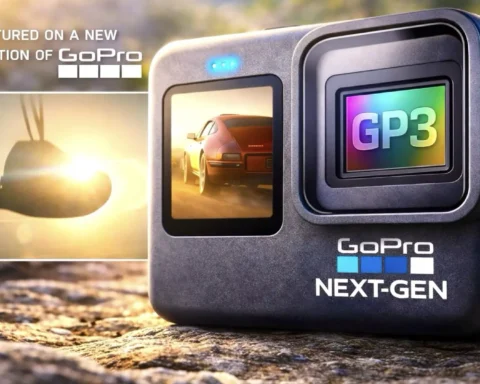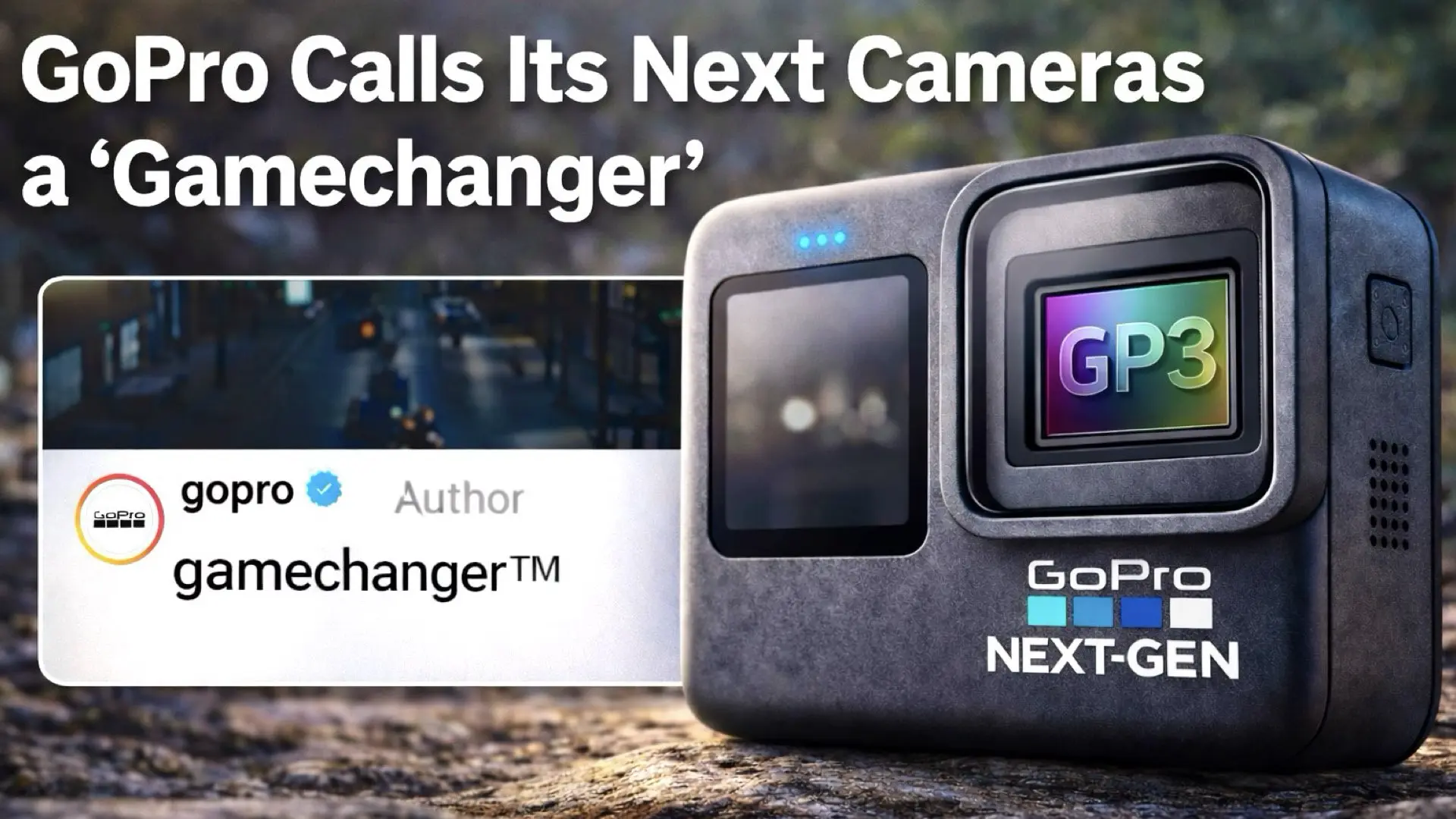
GoPro has now added another layer to its carefully controlled rollout, and this time it did not come from a teaser video or an official press release. It came from the comments. In response to a user on Instagram, GoPro referred to its upcoming next-generation cameras as a “gamechanger™.” That single word, especially with the trademark symbol, is not casual language. It is deliberate messaging. And when placed alongside everything we have already seen, it reinforces the idea that this launch is far more than a routine update.
GoPro: A “Gamechanger™”
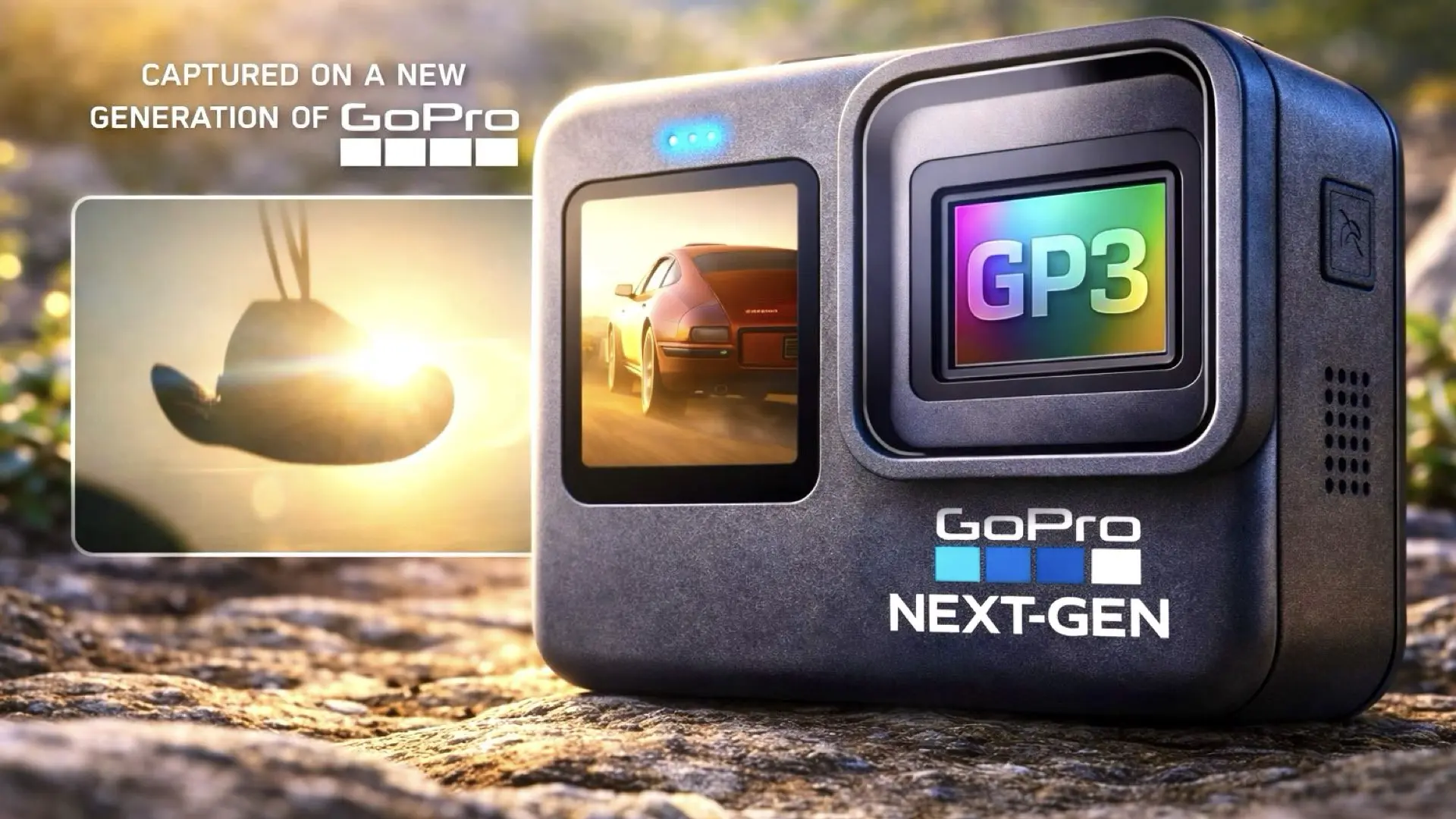
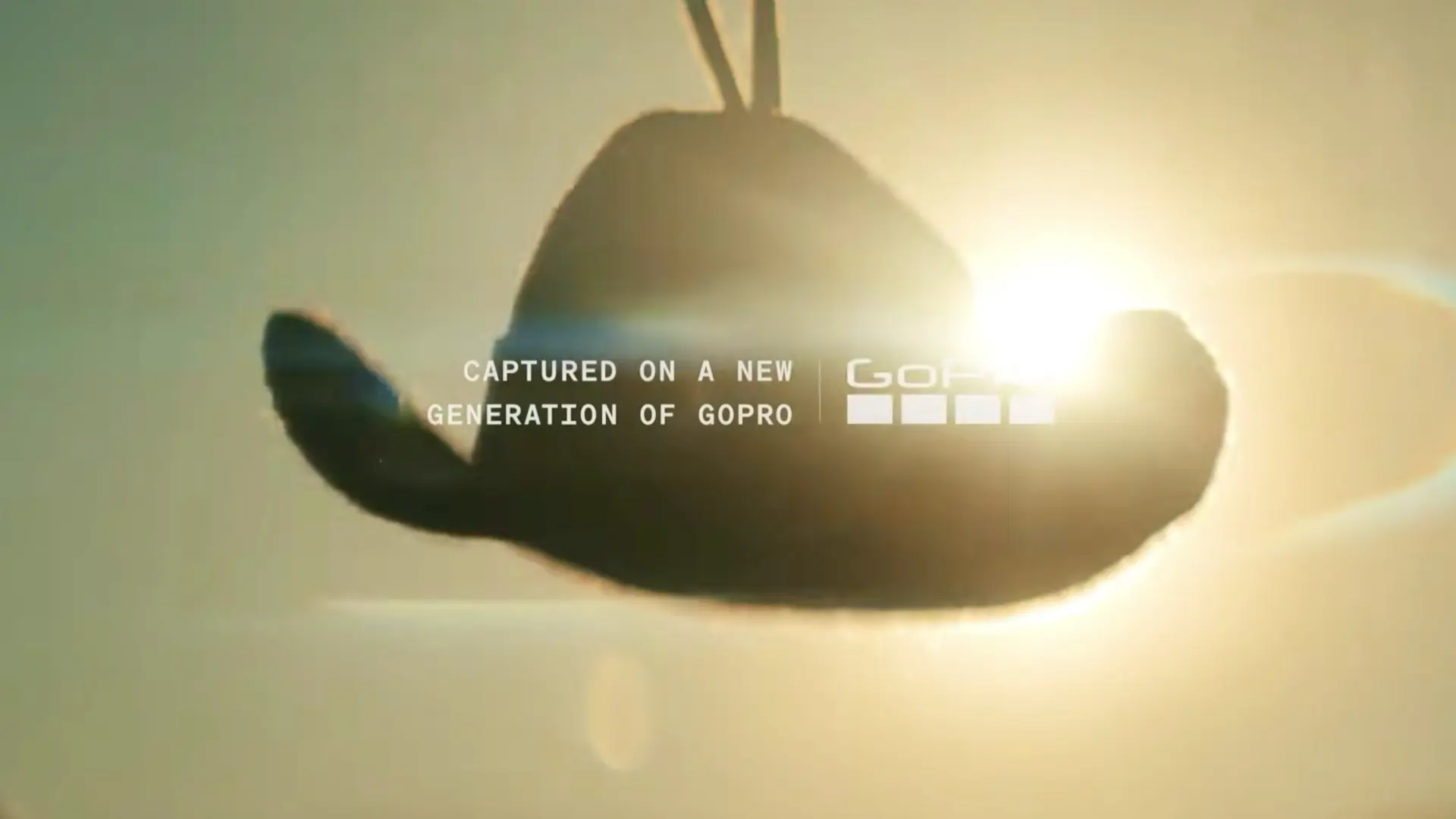
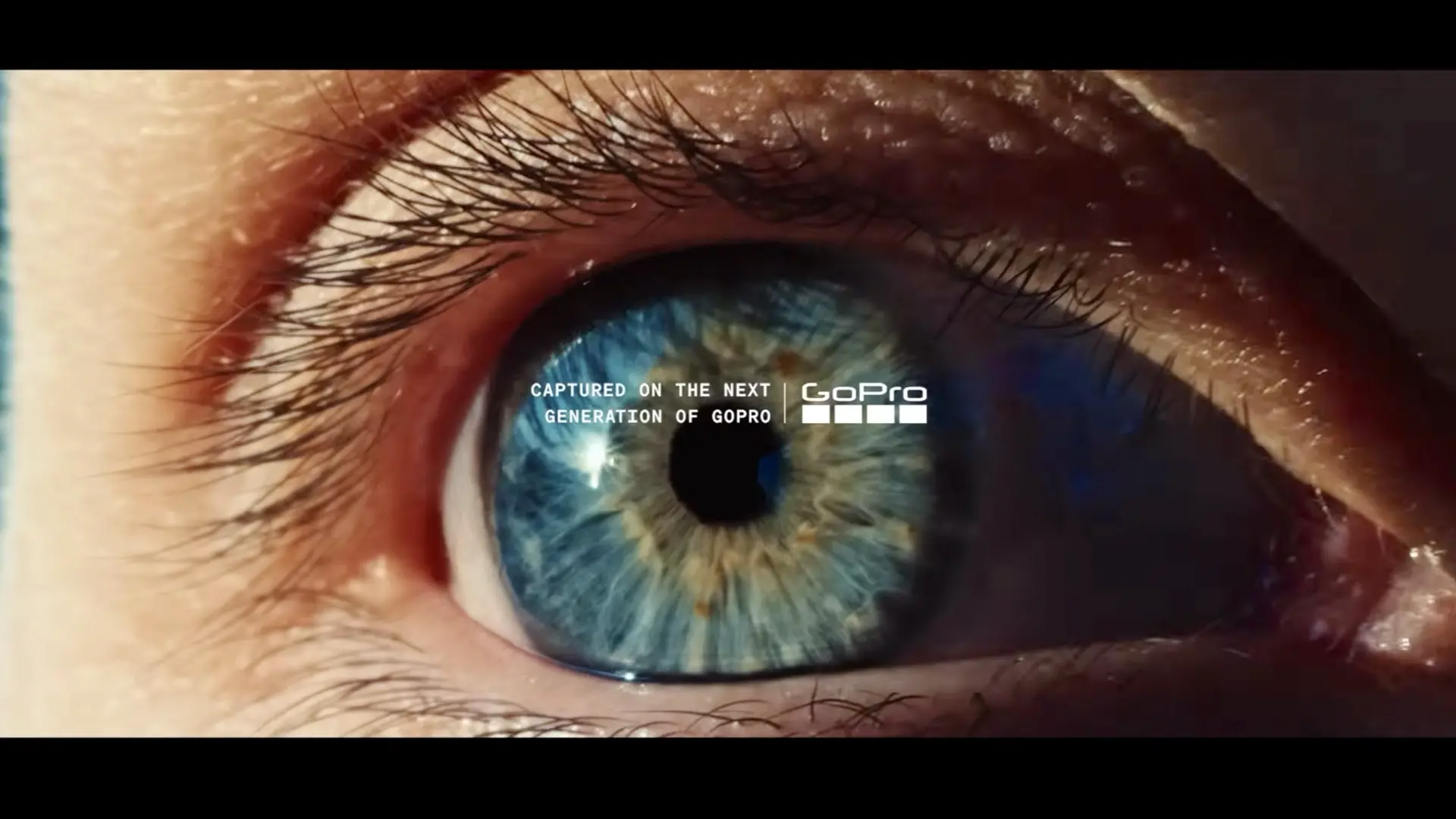
This development follows a sequence that has been building steadily over the past weeks. First, GoPro released teaser footage labeled as captured on its next-generation cameras. The footage immediately stood out. It showed shallow depth of field, macro capability, and cinematic rendering that do not align with traditional action camera characteristics. As reported in our previous analysis, the imagery suggested a move toward a larger sensor or a fundamentally different imaging system. You can revisit that breakdown in our earlier article, “GoPro Teases Next Gen Action Camera With a Larger Sensor.” Then came a second teaser, expanding the visual evidence. More complex scenes appeared. Backlit subjects, motion-heavy automotive shots, and low-light underwater footage. Each of these sequences pointed toward improvements in dynamic range, motion rendering, and sensor sensitivity. We analyzed those clues in detail in our follow-up piece, “GoPro Releases Another Teaser of Its Next Gen Cameras. New Clues Emerge.” Now, with this Instagram comment, GoPro is no longer only hinting through visuals. It is actively shaping perception through language.
A single word that carries weight
Calling a product a “gamechanger” is one thing. Adding a trademark symbol is another. This suggests that the term is being positioned as part of a broader campaign or identity. Companies typically reserve this kind of language for products that represent a clear shift in direction. It is not used for incremental upgrades. This aligns with what we already know. GoPro has officially confirmed that its next-generation cameras will be powered by the new GP3 processor and will incorporate larger sensors, targeting a higher level of image quality and a more professional market segment. The company has also hinted that these cameras are not limited to the traditional action category, but may extend into vlogging and even compact cinema territory.
The narrative is becoming coordinated
First, the teaser videos introduced a new visual language. Cinematic depth of field, controlled highlights, and detailed low-light scenes challenged expectations of what a GoPro image looks like. Industry observers quickly noted that this footage “doesn’t look like it was shot on an action camera,” pointing to a significant evolution in capability. Second, the official messaging confirmed the technical foundation. The GP3 processor brings AI-driven image processing, improved low-light performance, and the ability to support larger sensors. Now, the comment layer reinforces the positioning. By calling the upcoming cameras a “gamechanger,” GoPro is guiding the conversation away from specs and toward impact. This is about redefining the category, not just improving it.
What “gamechanger” likely means in this context
When viewed together, the signals point toward a system-level shift. Not just a bigger sensor, but a combination of sensor, optics, and processing working together to produce a different kind of image. The teaser footage already hinted at capabilities that are difficult to achieve with the small sensors traditionally used in action cameras. Shallow depth of field, natural highlight roll off, and improved noise structure all suggest a move toward a larger imaging surface or a more advanced sensor architecture. At the same time, the introduction of AI-driven processing through the GP3 chip indicates that computational imaging will play a significant role. This combination is what makes the “gamechanger” claim plausible. It is not about one feature. It is about how multiple elements come together to create a new type of device.
A shift beyond the action camera category
Perhaps the most important takeaway is that GoPro appears to be repositioning itself. For years, the brand has been synonymous with rugged, wide-angle, everything-in-focus capture. That identity has been incredibly successful. But it has also been limiting. The new direction suggests something broader. A camera that retains durability and compact form, but delivers image quality and creative control closer to dedicated filmmaking tools. Industry reports already indicate that GoPro is targeting the “ultra premium” imaging segment and expanding into new camera categories. If that is the case, then calling the product a “gamechanger” is more than marketing language. From teaser footage to official confirmation to comment-level messaging, the narrative is consistent. GoPro is preparing to introduce a new generation of cameras that go beyond the traditional definition of an action cam. Larger sensors, advanced processing, and a cinematic imaging approach are all part of that direction. There are still unknowns. Exact specifications, form factor, and feature set will only be revealed at launch. Stay tuned.