
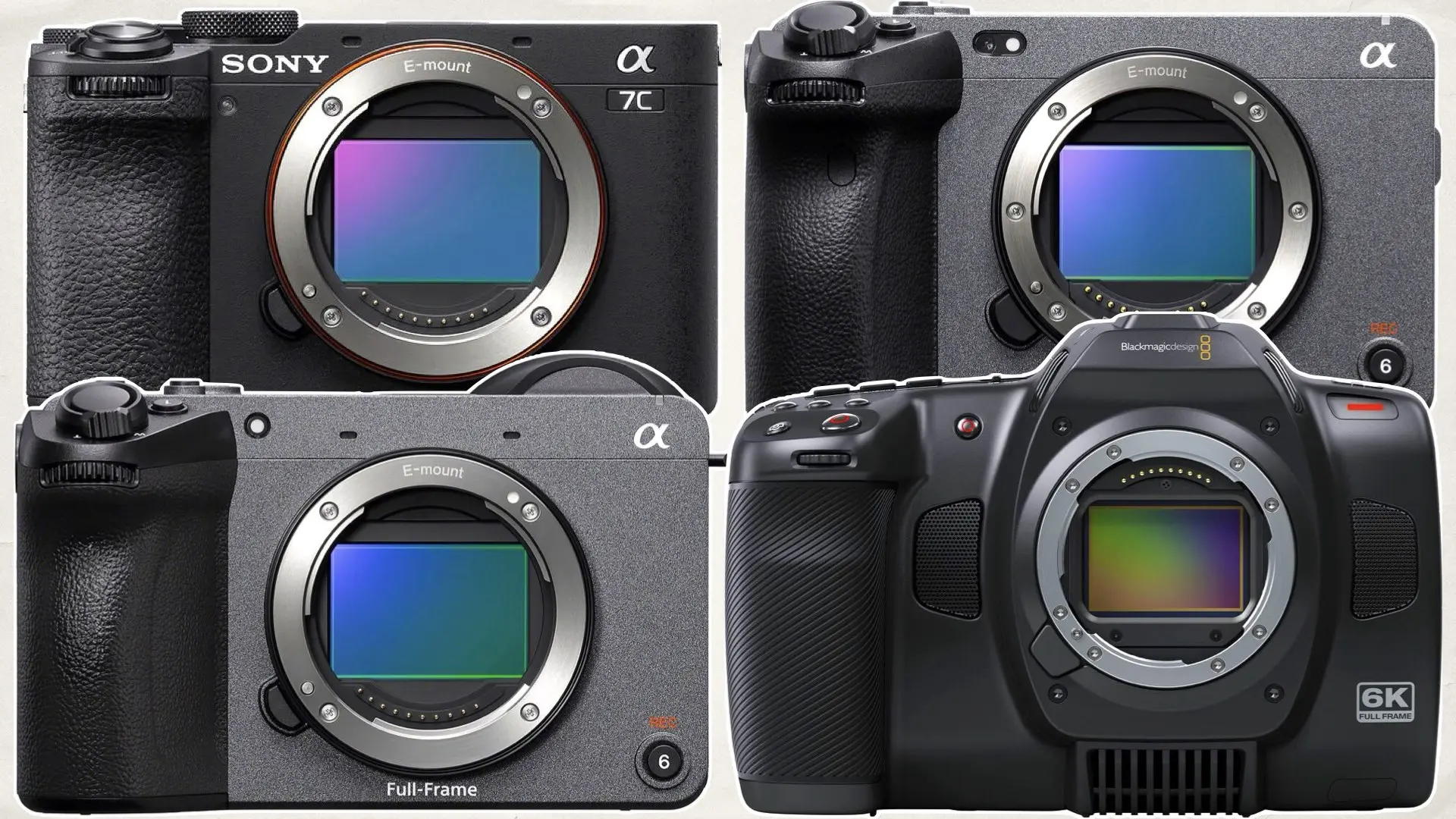
In a market flooded with mirrorless hybrids (and with the launch of the Sony FX2 ($2,498 on Amazon) ), cinema-focused beasts, and content-creator crossovers, choosing the right camera can feel overwhelming. Whether you’re a filmmaker, a YouTuber, or a documentarian, understanding the real-world performance of your gear matters more than raw specs. In this article, we compare four highly capable and pretty much similar full-frame cameras: the Sony a7C II ($2,098 on Amazon) , Sony FX3 ($3,998 on Amazon) , Sony FX2, and the Blackmagic Cinema Camera 6K . Each has its strengths, quirks, and ideal use cases.

Who Is This For?
-
Sony a7C II: Content creators, hybrid shooters, vloggers, and solo operators who need portability and solid video performance without jumping into cinema territory.
-
Sony FX3: Indie filmmakers, doc shooters, and commercial cinematographers needing a compact workhorse with pro audio and cinema ergonomics.
-
Sony FX2: Budget-conscious pros who want the FX3’s power but already have external audio gear or are building a rig.
-
Blackmagic Cinema Camera 6K: Narrative filmmakers, colorists, and post-savvy shooters seeking max image flexibility and cinematic BRAW quality.
Each camera here is built with a specific filmmaker in mind—some prioritize run-and-gun mobility, others lean into pro workflows with RAW or 10-bit color. This isn’t about specs for the sake of specs. It’s about finding your voice in a piece of gear.
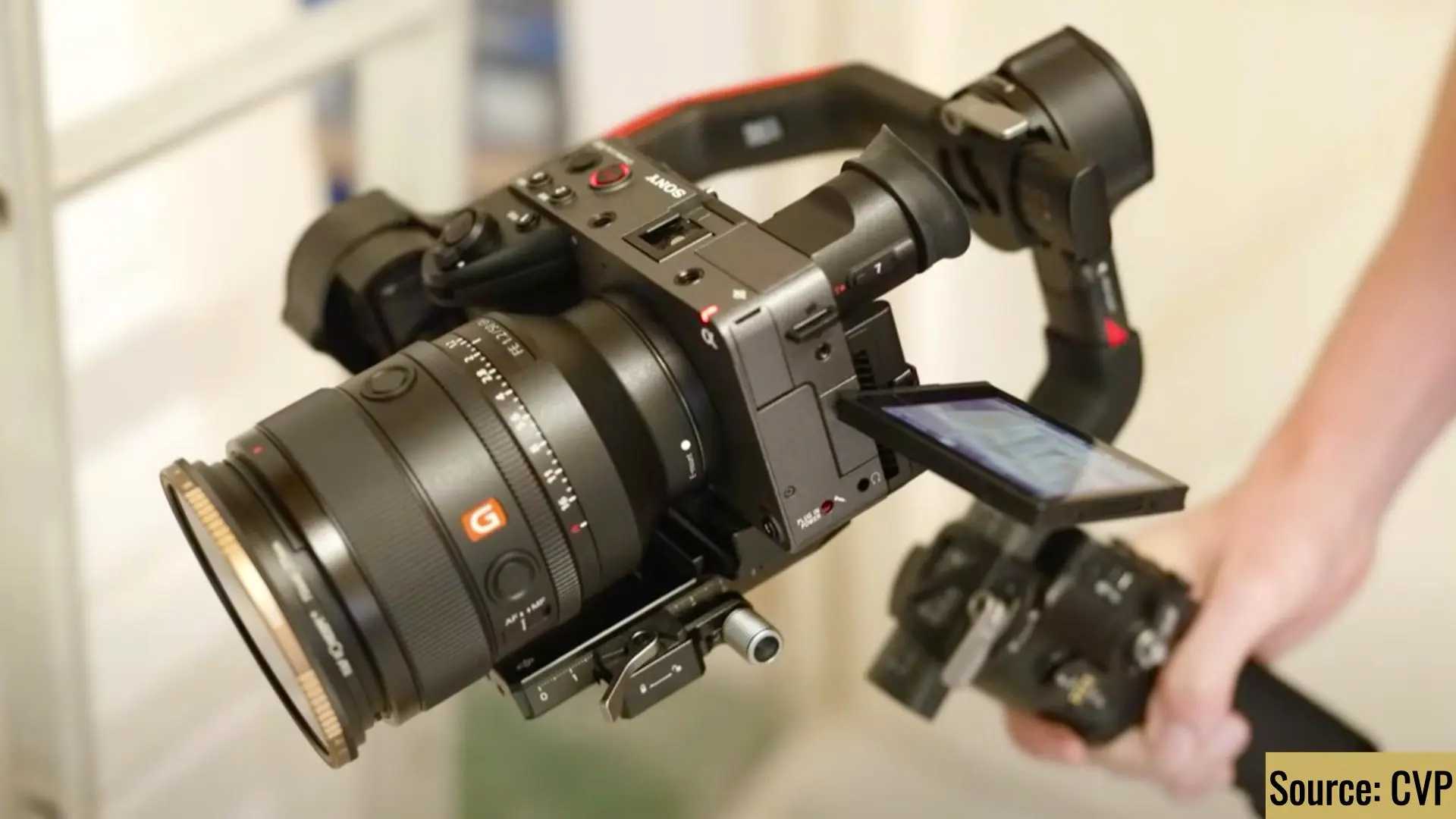
The Specs Comparison Table
| Feature | Sony a7C II | Sony FX3 | Sony FX2 | Blackmagic Cinema Camera 6K (Leica L) |
|---|---|---|---|---|
| Sensor | Full-frame (33.0 MP full-frame Exmor R BSI CMOS sensor) | 35 mm full frame (35.6 x 23.8 mm), Exmor R CMOS | 35 mm full frame (35.9 x 23.9 mm), Exmor R CMOS sensor | full-frame 36mm x 24mm (24.6 megapixels) CMOS sensor with a native resolution of 6048 x 4032 pixels |
| Lens Mount | Sony E | Sony E | Sony E | Leica L (depends) |
| Target User | Hybrid Shooters / Vloggers | Professional Cinematographers | Indie Filmmakers / Lower-budget Pro Shooters | Indie Filmmakers / Cinema Enthusiasts |
| Video Resolutions | 4K up to 60p (10-bit 4:2:2), 4K/120p crop | 4K up to 120p (10-bit 4:2:2), S-Cinetone | Same as FX3 | 6K Open Gate (3:2) up to 36 fps, 6K DCI 60p, 4K DCI 120p |
| Video Formats | XAVC HS, S, SI (H.265 / H.264) | XAVC S, XAVC S-I (All-I), Proxies | Same as FX3 | BRAW and ProRes 422 HQ |
| Recording Media | 1x SD UHS-II | 2x CFexpress Type A / SD UHS-II | 2x CFexpress Type A / SD UHS-II | CFexpress Type B |
| Image Stabilization | 7-stop IBIS + Active mode | 5-axis IBIS + Catalyst support | 5-axis IBIS + Catalyst support | (No IBIS) |
| Autofocus | Real-time Eye AF, AI-powered subject tracking | Advanced real-time Eye AF (cinema optimized) | Advanced real-time Eye AF (cinema optimized) | Contrast-detect AF only |
| Internal Cooling | No fan (passive dissipation) | Active cooling fan | Active cooling fan (improved) | Passive, no fan |
| Audio Inputs | 3.5mm mic & headphone jack | 3.5mm + XLR (via top handle) | 3.5mm + XLR (via top handle) | Mini XLR x2, 3.5mm mic in |
| HDMI Output | Micro HDMI | Full-size HDMI | Full-size HDMI | Full-size HDMI |
| Form Factor | Compact mirrorless camera | Compact cinema-style | Same as FX3 (boxier) | DSLR-style body, slightly larger |
| Touchscreen | Fully articulating 3.0″ LCD | Fully articulating 3.0″ LCD | Fully articulating 3.0″ LCD | Fixed 5″ LCD (1920×1080) |
| Build Quality | Magnesium alloy, weather-sealed | Magnesium alloy, fan-cooled, rugged | Magnesium alloy, fan-cooled, rugged | Carbon fiber polycarbonate |
| Battery | NP-FZ100 (600+ shots) | NP-FZ100 | NP-FZ100 | NP-F570 (lower capacity) |
| Weight | ~514g / 1.13 lbs (body only) | ~715g / 1.58 lbs | ~640g / 1.41 lbs | ~880g / 1.94 lbs |
| Price (approx.) | ~$2,200 with basic bundle | ~$3,900 | ~$2,700 | ~$2,900 |
Deep Dive: Strengths, Weaknesses & Best Use Cases
Sony a7C II – The Hybrid Hero
-
Best For: Travel vloggers, content creators, and hybrid shooters.
-
Pros:
-
7-stop IBIS with Active stabilization.
-
AI-powered autofocus (humans, animals, cars).
-
Great for stills and 4K video up to 60p.
-
-
Cons: No fan—can overheat during long shoots. No pro audio/XLR.
Sony FX3 – The Mini Cinema King
-
Best For: Documentary shooters, indie pros, and commercial work.
-
Pros:
-
S-Cinetone, 10-bit 4:2:2, full-size HDMI.
-
Built-in cooling fan = long record times.
-
Comes with top handle + XLR audio.
-
-
Cons: Lower 12MP sensor not ideal for photography.
Sony FX2 – FX3, but Smarter Budget
-
Best For: Indie filmmakers who want all the FX3 power without the XLR audio gear.
-
Pros:
-
Slower sensor, codec, cooling, and body as FX3.
-
Saves you ~$400.
-
-
Cons: You’ll need to buy the XLR handle separately if you want pro audio.
Blackmagic Cinema Camera 6K – The Raw Rebel
-
Best For: Colorists, short filmmakers, and anyone working in DaVinci Resolve.
-
Pros:
-
Shoots 6K Open Gate (3:2 full frame).
-
BRAW + ProRes internal recording.
-
Huge 5” LCD for real-time composition.
-
-
Cons:
-
No IBIS. Contrast-only AF is… not great.
-
Needs rigging for handheld use.
-
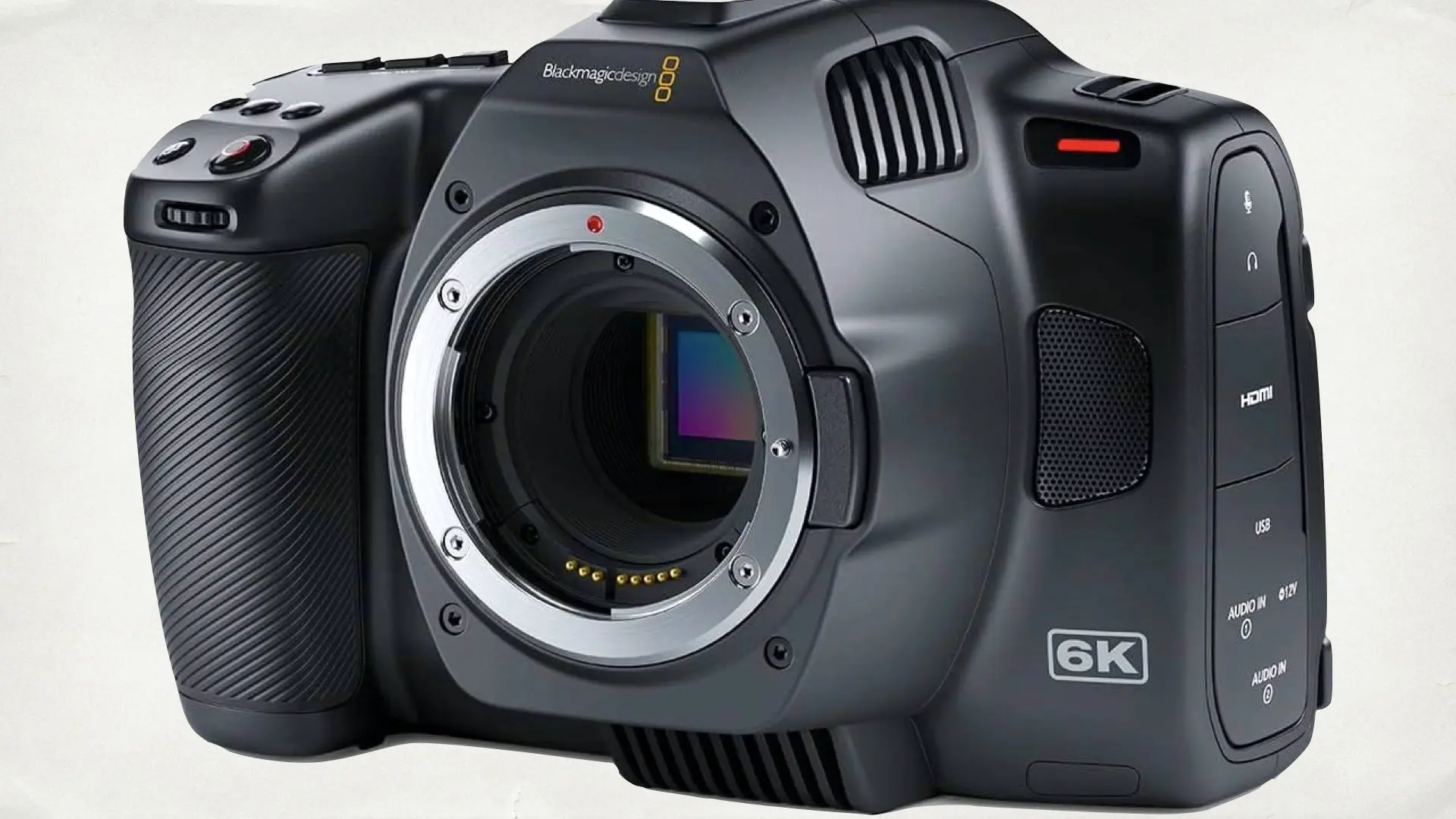
Wrapping up – for now
Autofocus & Tracking
-
a7C II: Equipped with Sony’s AI-powered subject recognition autofocus. It tracks eyes, faces, and even animals reliably. Ideal for self-shooters.
-
FX3 / FX2: Shares the same autofocus system as Sony Alpha models, fast and accurate, though more tuned for controlled production environments.
-
Blackmagic 6K: Lacks phase-detection AF. It uses contrast-based focus, which is slow and best used with manual lenses or in locked-down scenarios.
Audio Capabilities
-
a7C II: Standard 3.5mm mic input, but can use Sony’s MI hot shoe for digital audio modules.
-
FX3: Comes bundled with an XLR top handle offering 2 professional-grade audio channels. Plug-and-play for serious sound work.
-
FX2: Same body as FX3 but without the XLR handle—more modular, but audio inputs are basic unless upgraded.
-
Blackmagic 6K: Offers a mini-XLR input and a 3.5mm mic jack. Fine for interviews or basic boom setups but lacks onboard mixing controls.
Codec & Flexibility
-
a7C II: Shoots 10-bit 4:2:2 internally—excellent for content creators and YouTube pros, but no RAW or All-I codec.
-
FX3 / FX2: Record in All-I, Long GOP, and output RAW via HDMI. Excellent for professional workflows.
-
Blackmagic 6K: Can shoot internal BRAW and ProRes straight to a CFexpress card. Great for high-end post-production and color grading.
Form Factor & Build
-
a7C II: Light and compact with a flip-out screen—built for portability and ease of use.
-
FX3: Compact but clearly cinema-focused. Includes multiple mounting threads, a fan for cooling, and no EVF.
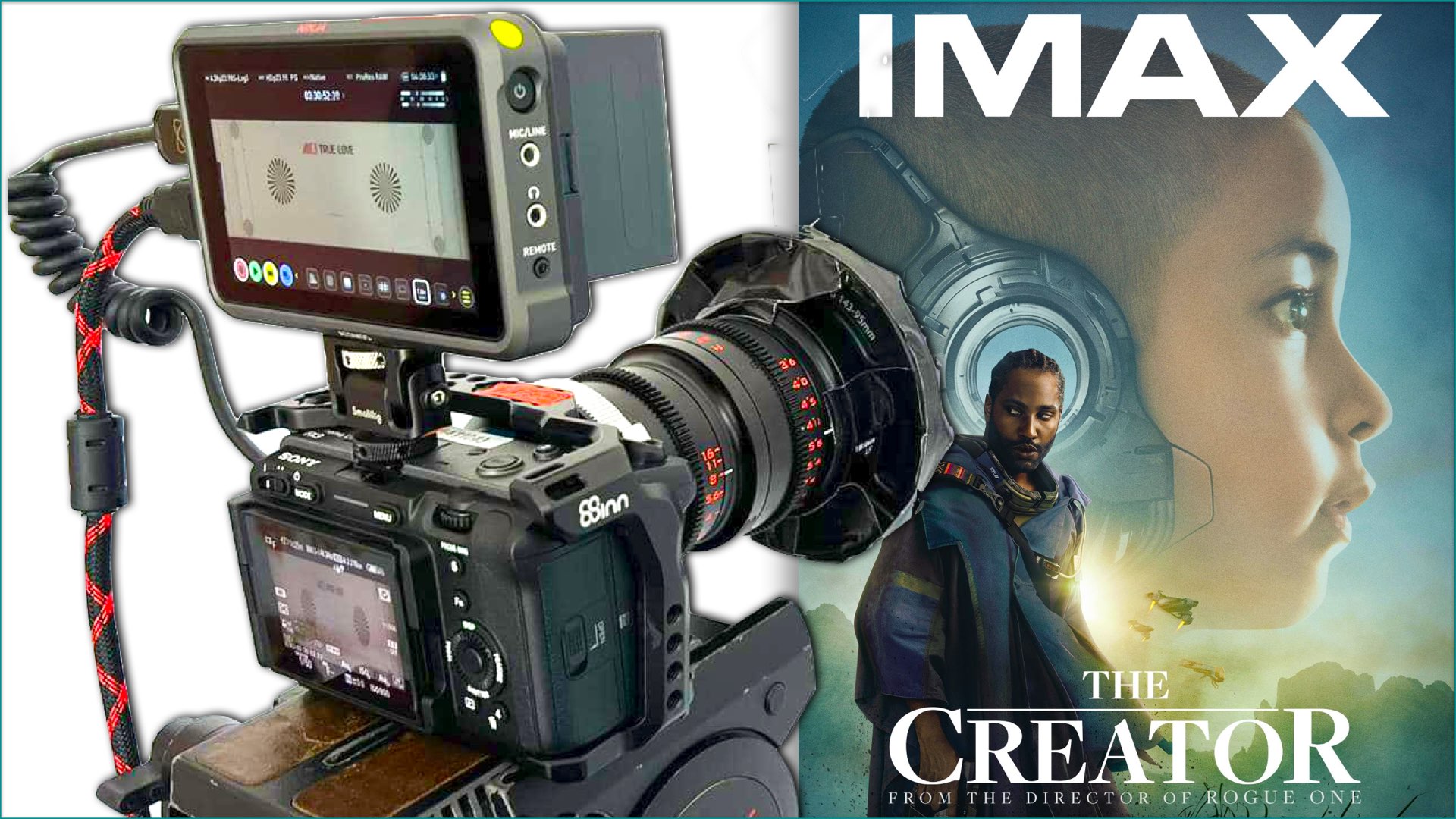
What Reviewers Are Saying
Beyond specs and sensor sizes, real-world performance is what separates a camera that works from one that works for you. Here’s what the filmmaking and tech community has to say about each of these four impressive cameras:
Sony a7C II — Compact Hybrid Done Right
The a7C II is earning high marks as a well-rounded hybrid camera for solo creators, travel shooters, and photographers who occasionally dive into video. Reviewers note that Sony has corrected most of the flaws from the original a7C—upgrading the ergonomics, viewfinder, and most importantly, the internal processing. The camera’s AI-driven autofocus system is considered class-leading, capable of tracking eyes and objects with surgical precision, which makes it especially attractive to vloggers and content creators who film themselves. The in-body image stabilization (IBIS) also performs well, giving handheld shooters added flexibility. While it offers 10-bit video with impressive color depth, some reviewers point out that it lacks internal RAW video and professional audio options like XLR inputs, which might limit its appeal for serious filmmakers. In short, it’s a high-performance hybrid for creators, but not quite a dedicated cinema camera.

Buy the Sony a7C II on Amazon | B&H | Adorama
Sony FX3 — Small Body, Big Cinema
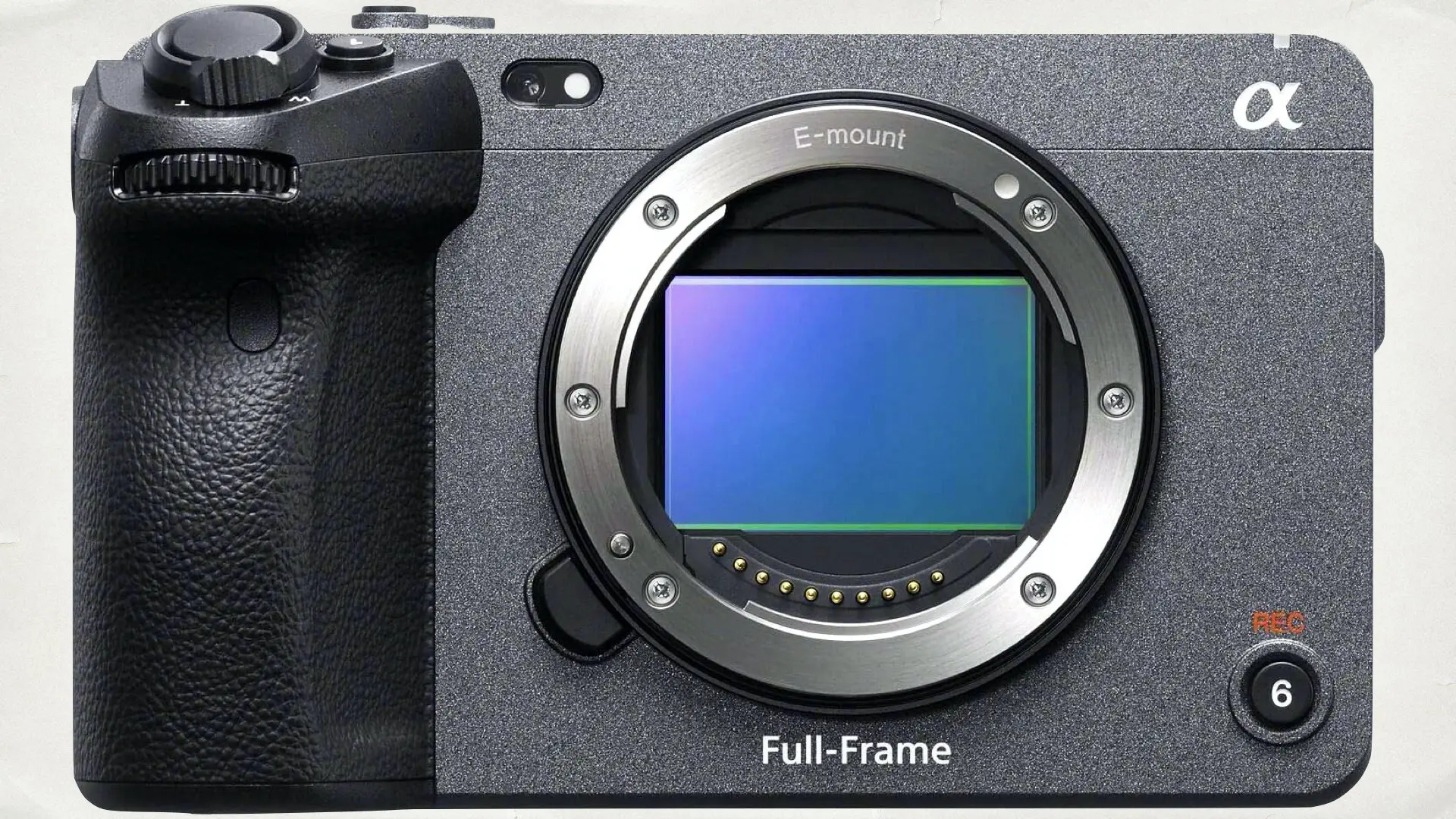
The FX3 continues to be praised as a powerhouse cinema camera disguised in a compact body. Reviewers across the board highlight its incredible reliability in both studio and run-and-gun scenarios. It offers dual CFexpress/SD slots, cinema-focused button layouts, top-tier internal codecs, and the much-loved S-Cinetone color science, which delivers beautiful footage straight out of the camera with minimal grading. The built-in cooling system allows for extended recording times without overheating—something content creators deeply appreciate during long interviews or documentary shoots. Its inclusion of a top handle with built-in XLR inputs sets it apart from hybrid competitors, offering pro-level audio integration in a ready-to-shoot package. Some reviewers mention that the FX3’s 12MP sensor isn’t ideal for photography, and it does lack certain advanced monitoring tools (like internal waveform or anamorphic de-squeeze) found in larger cinema bodies. Still, it’s widely recognized as one of the best cinema tools for solo filmmakers and indie pros who prioritize mobility.
Buy the Sony FX3 on Amazon | B&H | Adorama
Sony FX2 — Pro Power, Streamlined Package
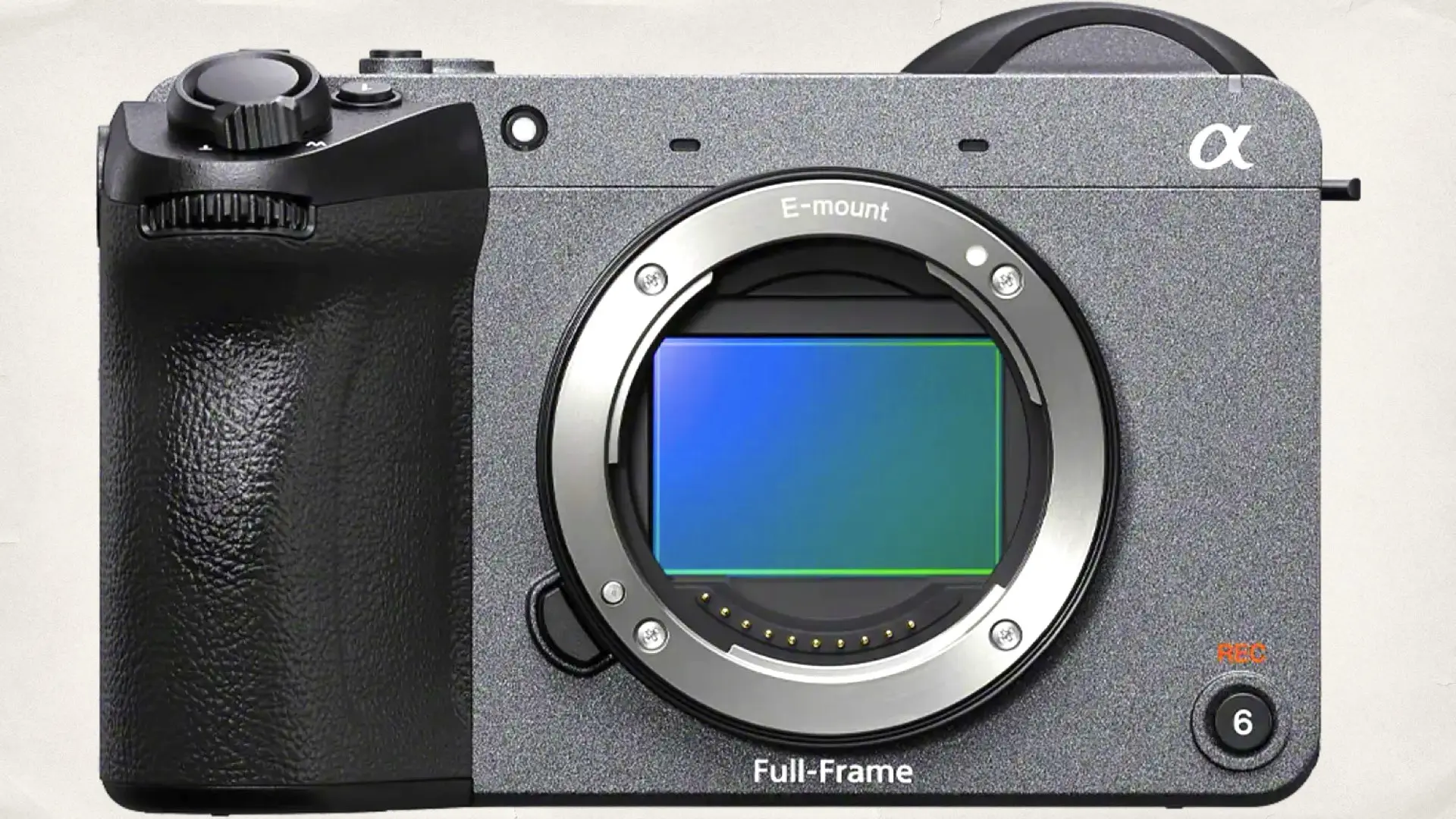
The FX2 is effectively the stripped-down sibling of the FX3, with nearly identical imaging capabilities but without the included XLR handle and pro audio ports. This decision makes it significantly cheaper while maintaining the same full-frame sensor, same codecs, and same active cooling system. Reviewers see the FX2 as a smart option for creators who already have audio workflows handled—either through external recorders like the Zoom F6 ($659.99 on Amazon) or digital XLR modules. It’s particularly appealing to rig-builders and studio users who don’t need portability or baked-in audio. For many, it represents a modular entry point into the world of Sony cinema cameras, without compromising on image quality. Critics note that it doesn’t ship with quite as many bells and whistles as the FX3, and that might be a downside for less experienced users who want an out-of-the-box solution. But for pros, the FX2 is pure cinema power at a leaner price point.
Buy the Sony FX2 on Amazon | B&H | Adorama
Blackmagic Cinema Camera 6K — The RAW Beast
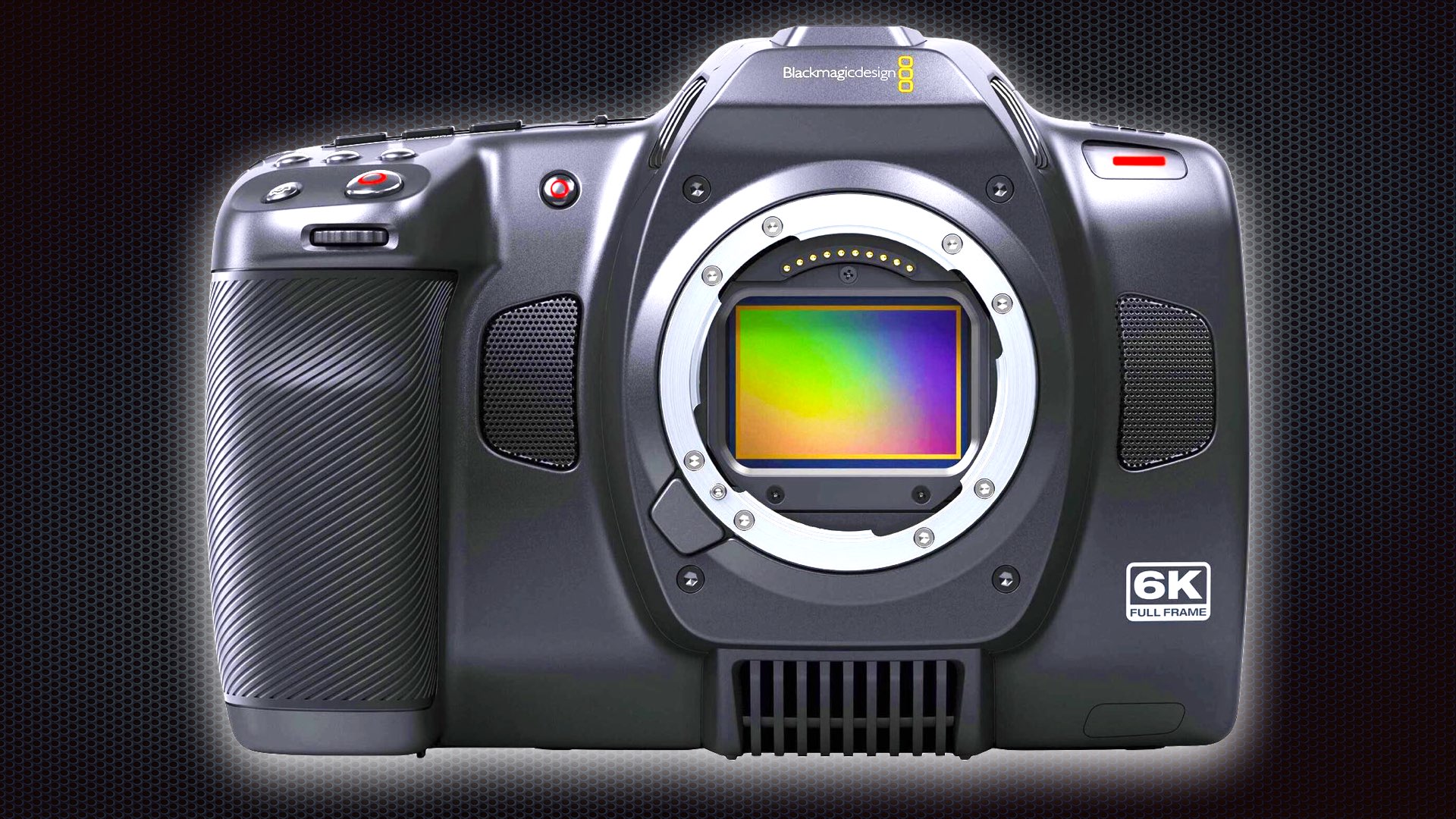
Blackmagic’s full-frame 6K offering has sparked considerable excitement among indie filmmakers, colorists, and narrative shooters. The standout here is the Open Gate 3:2 sensor, which offers the flexibility to crop and reframe in post—a feature especially loved by high-end editors. Its ability to shoot in Blackmagic RAW and ProRes formats provides exceptional control in post-production, and the camera’s filmic color science continues to impress seasoned professionals. That said, reviewers are quick to note that this camera demands a proper workflow. The contrast-detection autofocus is slow and unreliable, especially for tracking subjects, and the lack of IBIS means it’s best suited for gimbals, tripods, or controlled environments. Audio inputs are minimal, requiring external recorders for anything beyond basic capture. Still, for filmmakers who prioritize image flexibility, cinematic depth, and post-production mastery, this camera offers stunning results at a surprisingly accessible price. It’s not designed for hybrid shooters or casual vloggers—it’s a filmmaker’s camera through and through.
Buy the Blackmagic Cinema Camera 6K on Amazon | B&H | Adorama
Still Not Sure? Match Your Style:
| 🎯 Style / Scenario | ✅ Best Camera |
|---|---|
| Hybrid: Photos + Video | Sony a7C II |
| Long-form Professional Shoots | Sony FX3 |
| Pro Video, Tighter Budget | Sony FX2 |
| Post-Production Powerhouse (RAW) | Blackmagic Cinema Camera 6K |
| Solo Creator With Gimbal Work | Sony FX3 / FX2 |
| Run-and-Gun with Minimal Setup | Sony a7C II |
Editor’s Note:
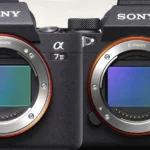
The original version of this article stated that the Sony FX2 shares “the same sensor, codec, cooling, and body” as the FX3. To clarify: The FX2 uses the 33MP Exmor R CMOS sensor as the a7 IV, while the FX3 uses a 12MP sensor optimized for video and low-light (as in the FX6 and a7S III).
Final Thoughts
There’s no one-size-fits-all camera. Each of these models has a clear target audience and unique strengths. Whether you’re after convenience, cinema-grade quality, or post-production flexibility, one of these cameras is made for your needs. Choose wisely—and tell your story the way only you can.
Here are the featured products and where you can buy them:
Gear mentioned in this article
Available on Amazon
| Product | New | Renewed | Used |
|---|---|---|---|
| Sony FX2 | $2,498 | — | From $2,050.89 |
| Sony a7C II | $2,098 | — | From $1,648.58 |
| Sony FX3 | $3,998 | — | — |
| Zoom F6 | $659.99 | — | — |
Prices checked: Oct 7, 2026, 1:30 PM GMT+0000
As an Amazon Associate, Y.M.Cinema earns from qualifying purchases. If you buy through our links, we may earn a small commission at no extra cost to you.
Product prices and availability are accurate as of the date/time indicated and are subject to change. Any price and availability information displayed on Amazon.com at the time of purchase will apply to the purchase of this product.
CERTAIN CONTENT THAT APPEARS ON THIS SITE COMES FROM AMAZON. THIS CONTENT IS PROVIDED “AS IS” AND IS SUBJECT TO CHANGE OR REMOVAL AT ANY TIME.


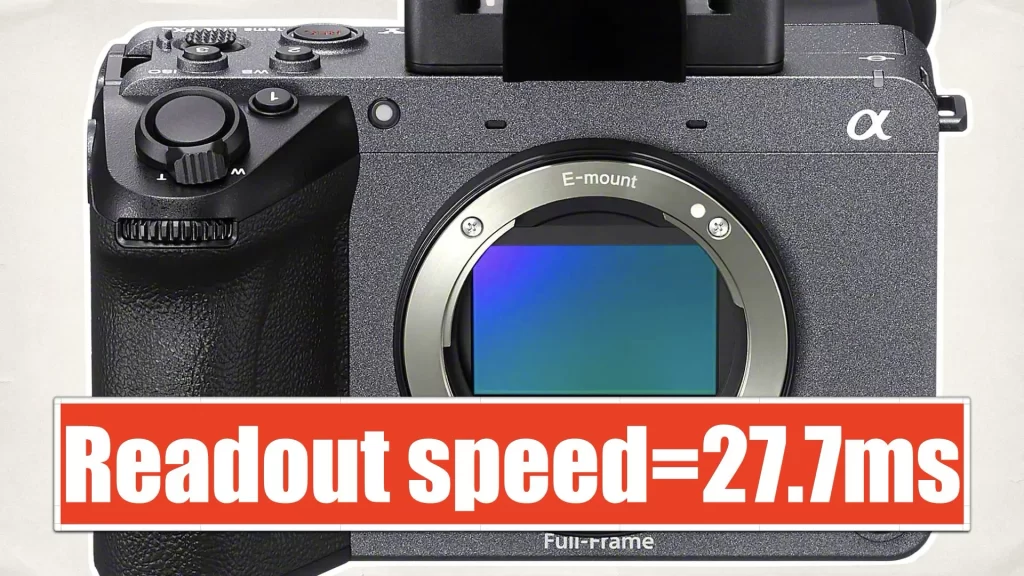
Was this rubbish written by AI? This article is fundamentally wrong. FX2 and FX3 have completely different sensors. FX2 crops to S35 when shooting 50/60fps and records 120 only in 1080p. There is also a massive difference in sensor readout speed between the two as well as base iso difference. Unlike FX3, FX2 only one Cfexpress A card slot.
Came here to say this. The FX2 article was the same slop. Two shitty AI articles. Why even bother? I hate that this is the future we’re hurling towards.
Just to clarify: the FX2 article from May 27th https://ymcinema.com/2025/05/27/sony-fx2-a-strategic-leap-in-the-cinema-line-with-a-game-changing-evf/ was clearly published before the official release and was based on credible leaks, Sony’s registration info, and industry analysis — not unlike what most outlets do when covering unannounced gear. It was meant as an editorial exploration, not a spec sheet!
Cheers!
Thanks for weighing in — We appreciate the detailed feedback. You’re absolutely correct that the FX2 and FX3 use different sensors, and we’ve since updated the main article to reflect that with a clear Editor’s Note.
Regarding your other points:
• The FX2’s Super 35 crop at 4K 50/60p, and its 120fps limitation to 1080p, are both clearly specified in our articles regaridng FX2.
• As for sensor readout speed, we did note in a separate FX2-focused article (https://ymcinema.com/2025/05/29/sony-fx2-what-reviewers-are-saying-about-sonys-new-cinema-camera/) that FX2 has a slower readout speed, leading to more rolling shutter than the FX3. We noted that!
To clarify: the article’s aim was to give creators a broad, approachable comparison. Thanks again!
A poorly written article, motivated by click commissions per usual in this space.
Saying that the FX2 has, “Same sensor, codec, cooling, and body as FX3.” — yikes.
Thanks for your comment! The FX2 and FX3 do not use the same sensor — the FX2 features the 33MP sensor as the a7 IV, while the FX3 uses a 12MP sensor optimized for video from the FX6 and a7S III. We’ve updated the article with an Editor’s Note to correct the oversimplification.
Cheers!
YMCinema team!
I really should blog this POS site from my news feed.
And we can recommend great alternatives: CineD (We love them!), NewsShooter, NoFilmSchool, CVP YouTube page (has the BEST camera reviews).
Good luck!
YMCinema Team
Missed many details on the BMCC6K!?
It now has phase detect af and will only get better. It does have an internal fan. The screen is not fixed – it’s tilt-able, the biggest and by far brightest out of the lot here too.