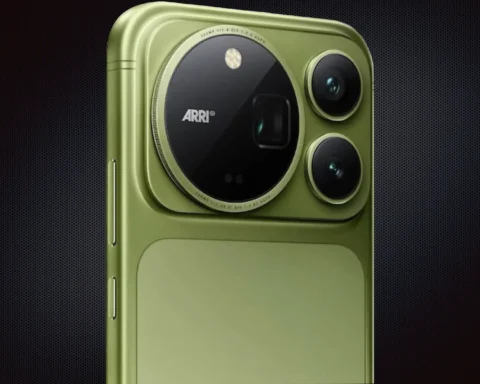
A new era for mobile cinema is imminent. The upcoming Snapdragon 8 Elite 2 Ultra—yet to be officially unveiled—is expected to power the first-ever 200MP 1-inch-class image sensor in a smartphone. This revolutionary combo may redefine what’s possible in mobile filmmaking, pushing smartphones closer to full-fledged cinematic tools.
Bigger Sensor, Bigger Impact
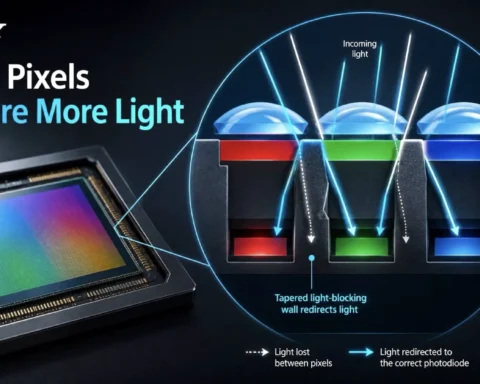
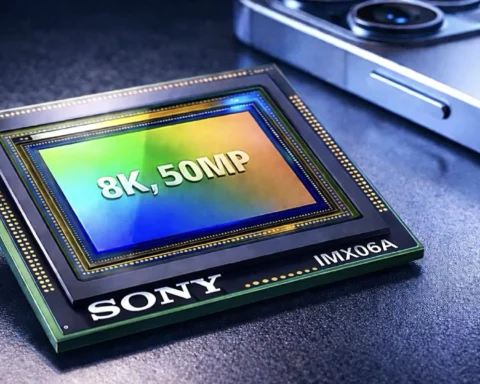
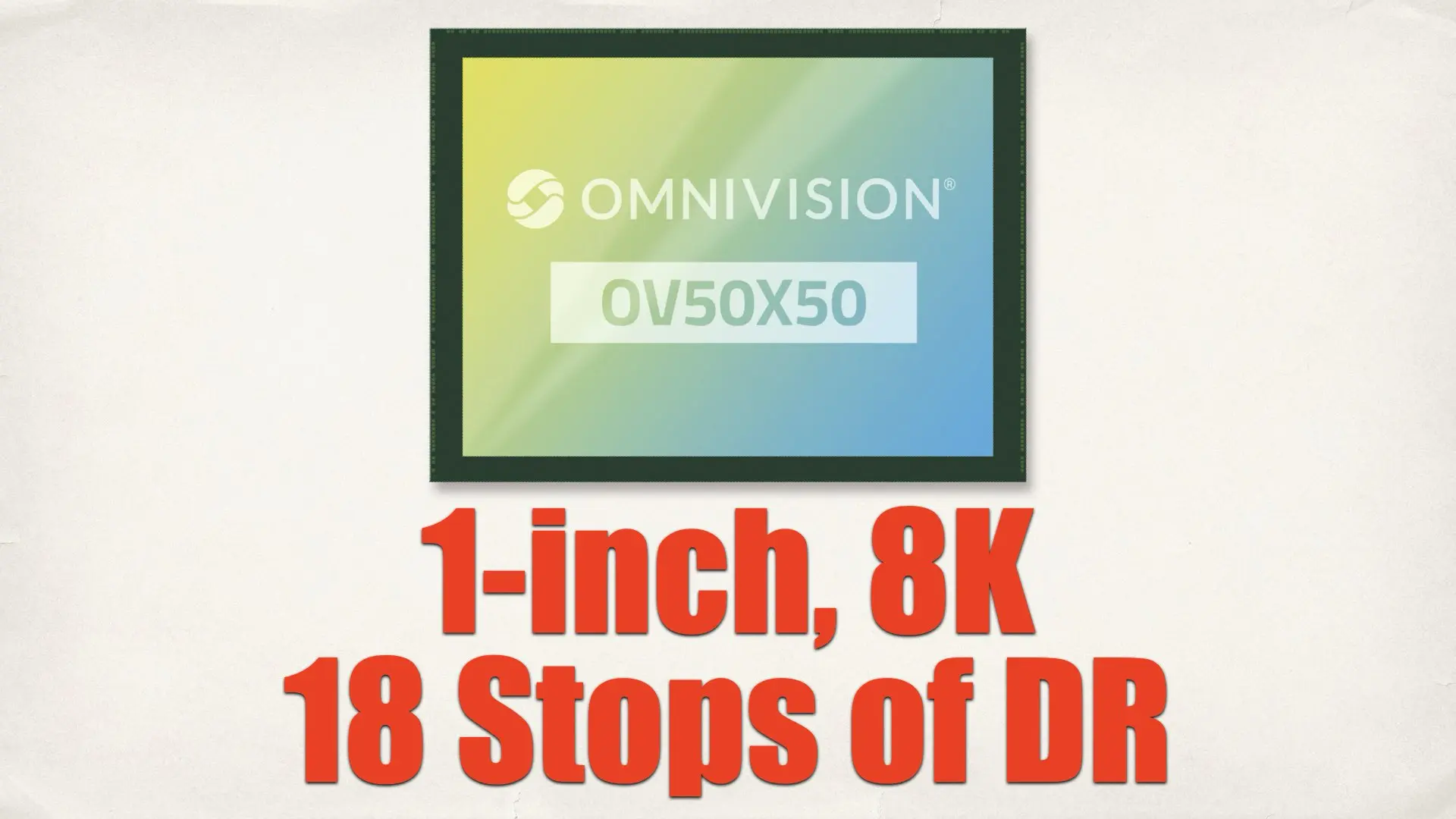
A 200MP 1-inch-class sensor marks a seismic leap for smartphone cameras. In the past, high-resolution sensors were often bottlenecked by small sensor sizes and limited light capture. But a 1-inch sensor changes everything—dramatically improving dynamic range, depth of field, and low-light sensitivity. This follows earlier trends we covered in Omnivision Unleashes a Game-Changing 1‑Inch 8K, 18 Stops of DR Sensor for Smartphones, where Omnivision demonstrated how large sensors paired with advanced processing can bring 8K resolution and up to 18 stops of dynamic range to mobile devices. The new Snapdragon platform promises to go even further.
From AI to 8K: The Snapdragon Advantage
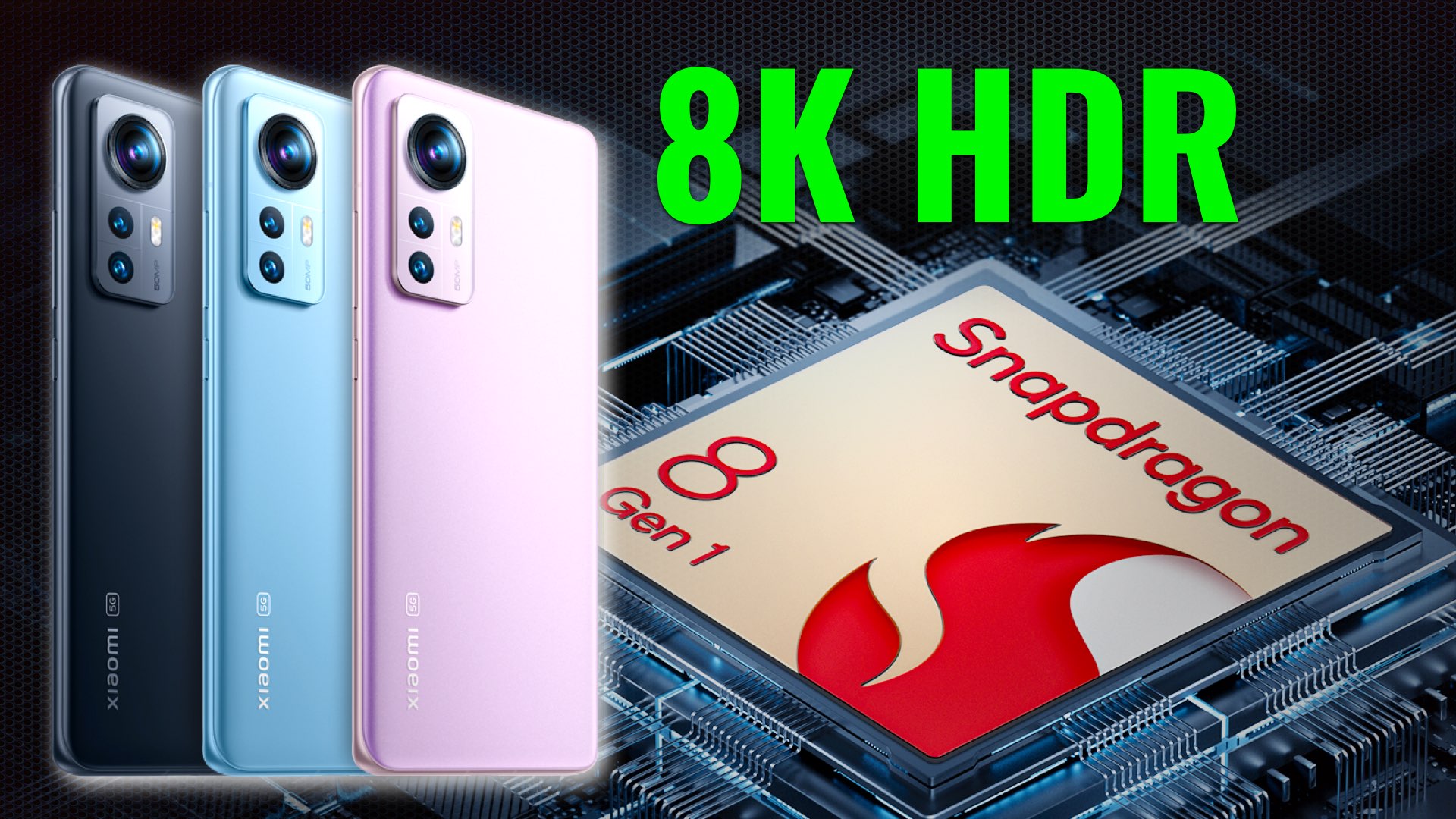
The current Snapdragon 8 Elite already offers features like Ultra-low Light video, real-time video object erasure, and advanced AI scene detection, as previously seen in Watch: First Mobile 8K HDR Video Capture. The forthcoming Elite 2 Ultra reportedly includes a dual 2nm chip architecture, improved NPU performance, and off-the-charts multi-core benchmark scores, setting the stage for real-time grading, stabilization, and frame-by-frame computational cinematography—right on the device. This means filmmakers can capture cinema-grade footage, enhance it instantly, and publish—all from a smartphone.
Samsung Galaxy S25 Ultra: The Benchmark for Cinematic Smartphones
While the Snapdragon 8 Elite 2 Ultra is yet to arrive, the current Snapdragon 8 Elite chipset has already showcased its power in real-world devices—most notably the Samsung Galaxy S25 Ultra ($663.10 on Amazon) . This flagship stands as the most specced-out smartphone for video in 2025, thanks to its massive 200MP main sensor, advanced ProVisual Engine, and AI-enhanced camera tools. With support for 10-bit HDR video, object-aware stabilization, auto-framing, and features like Instant Slo-Mo and Audio Eraser, the S25 Ultra delivers image quality that rivals compact cinema cameras. The phone’s quad-camera setup—including an ultra-wide, telephoto, and periscope lens—allows for cinematic zooms and dynamic framing. Combined with the Snapdragon 8 Elite’s AI pipeline, it ensures precise color grading, exposure tracking, and real-time editing—all without leaving the native camera app. It’s a clear demonstration of how mobile hardware and software have matured to the point where the smartphone is no longer a backup shooter—it’s becoming a filmmaker’s primary tool.
Building the Ultimate Filmmaking Device
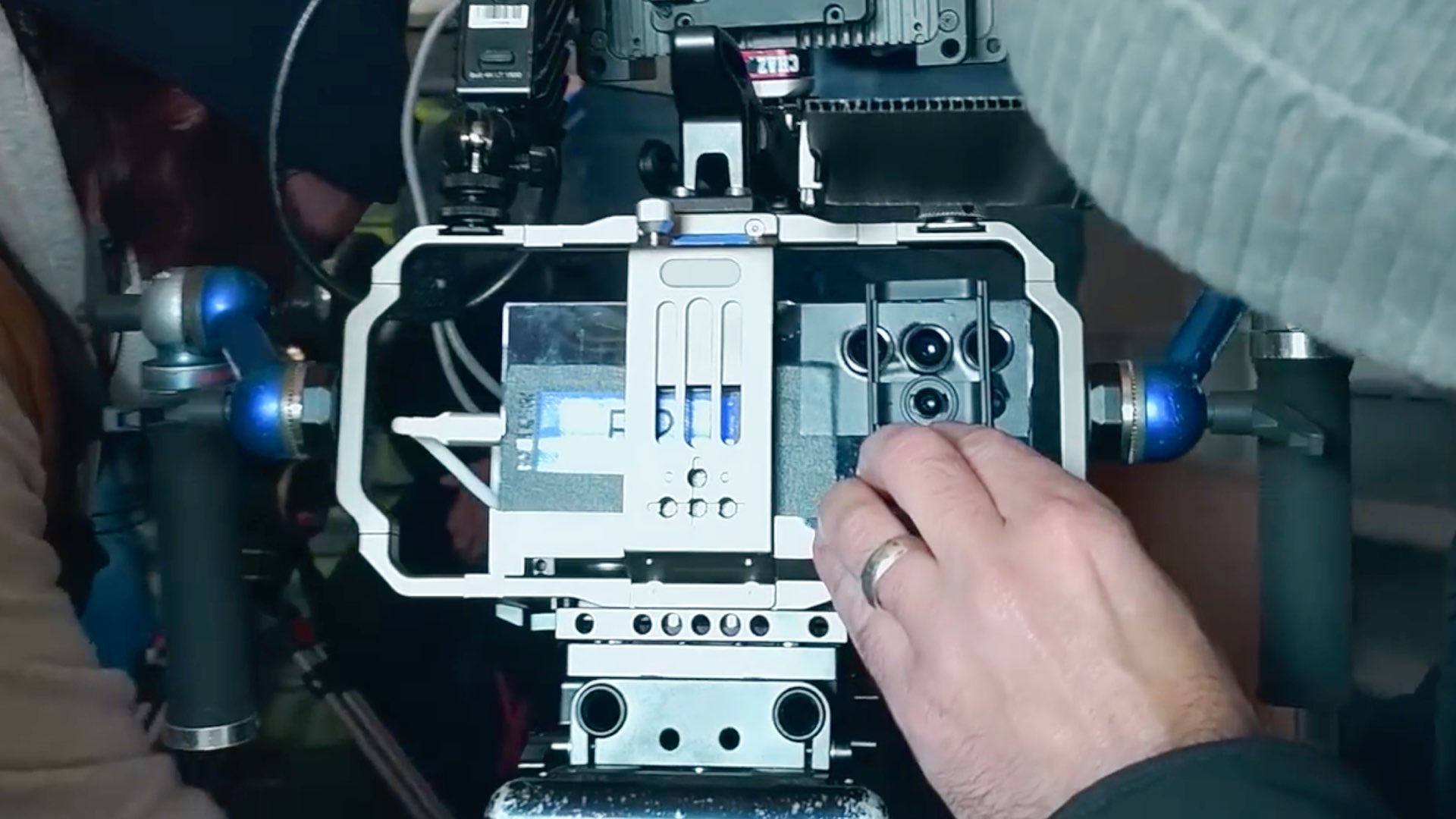
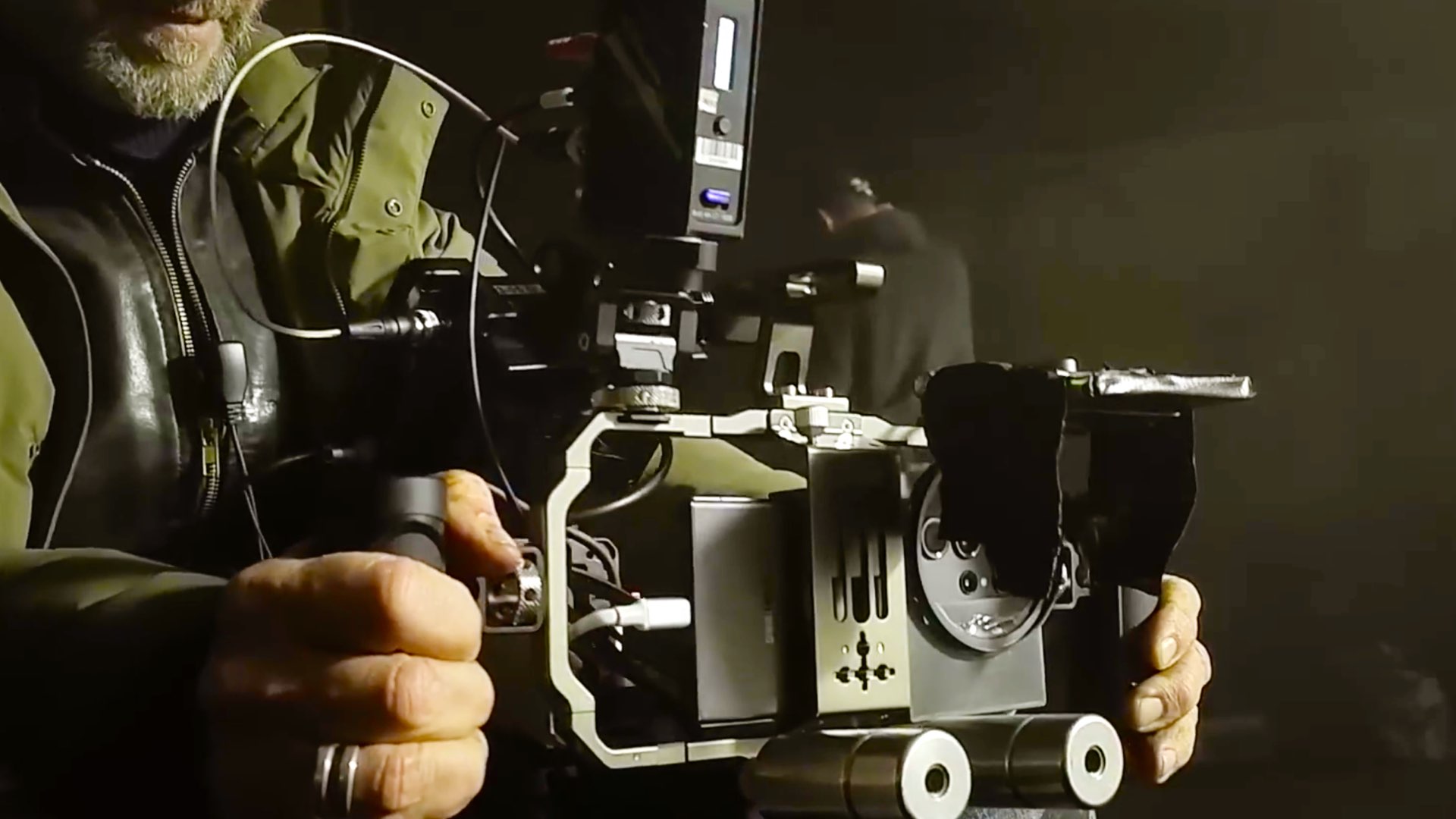
The hardware revolution is only part of the story. There’s a growing push to turn smartphones into modular filmmaking rigs. We explored this idea in The Technology Behind Interchangeable Lens Smartphones, which reveals how swappable optics and external controls are bringing DSLR-style versatility to phones. When paired with a 1-inch sensor and the raw power of the Elite 2 Ultra, this trend could transform smartphones into professional A-cams—not just for YouTubers, but for commercial cinematographers.
Sub-Camera Systems: Precision from Every Angle
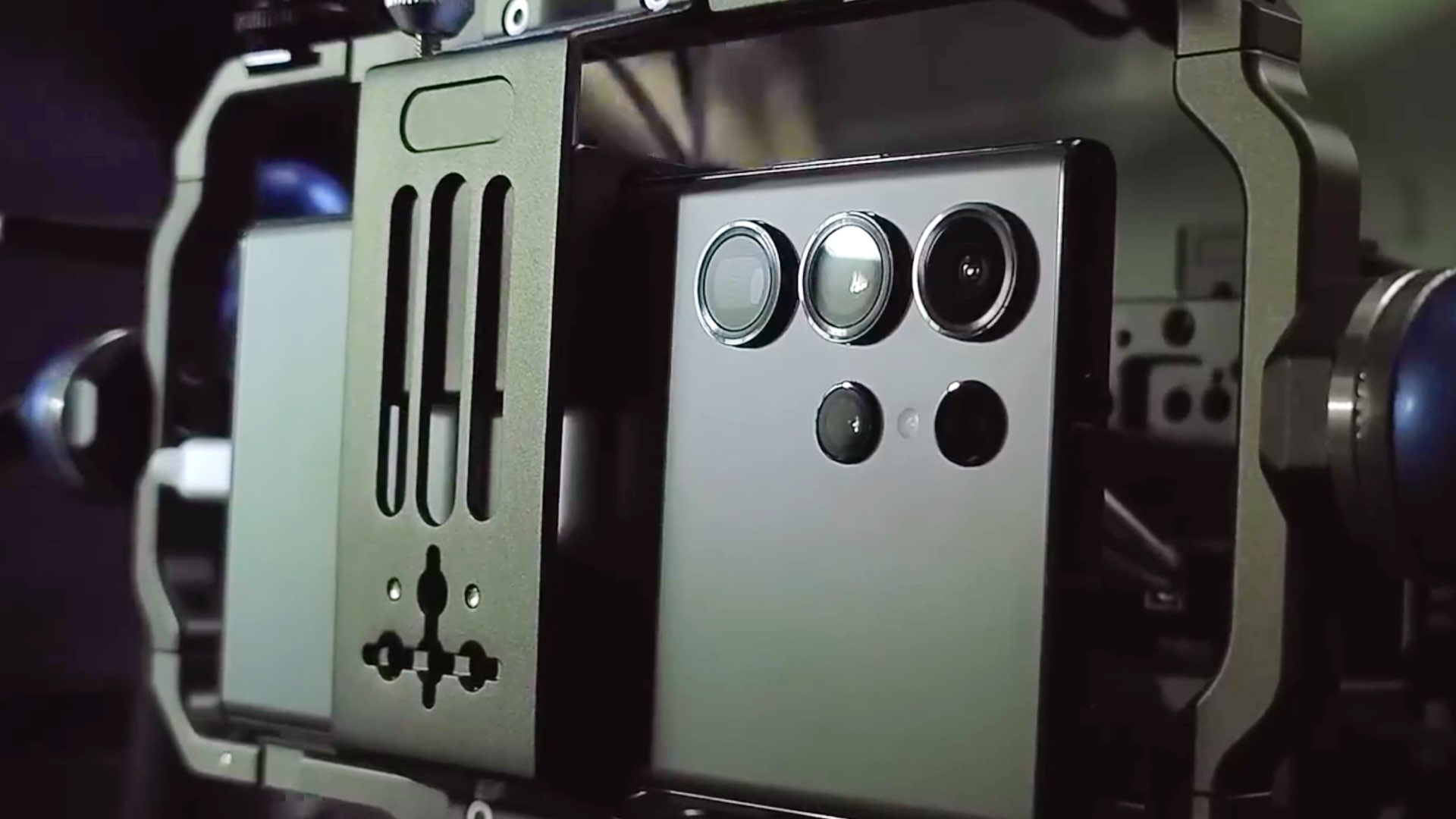
Let’s not forget the multi-lens systems that power most modern smartphones. Samsung Strengthens Sub-Camera Sensors in Smartphones for Improved Video Shooting highlighted how secondary cameras are no longer secondary—they’re crucial tools for wide, telephoto, and ultra-stable video capture. With Snapdragon 8 Elite 2 Ultra’s AI capabilities controlling these sub-systems, mobile filmmakers could gain cinematic zooms, automated focus pulls, and even lens emulation that rivals high-end gear.
Final Take: The Future Is in Your Pocket
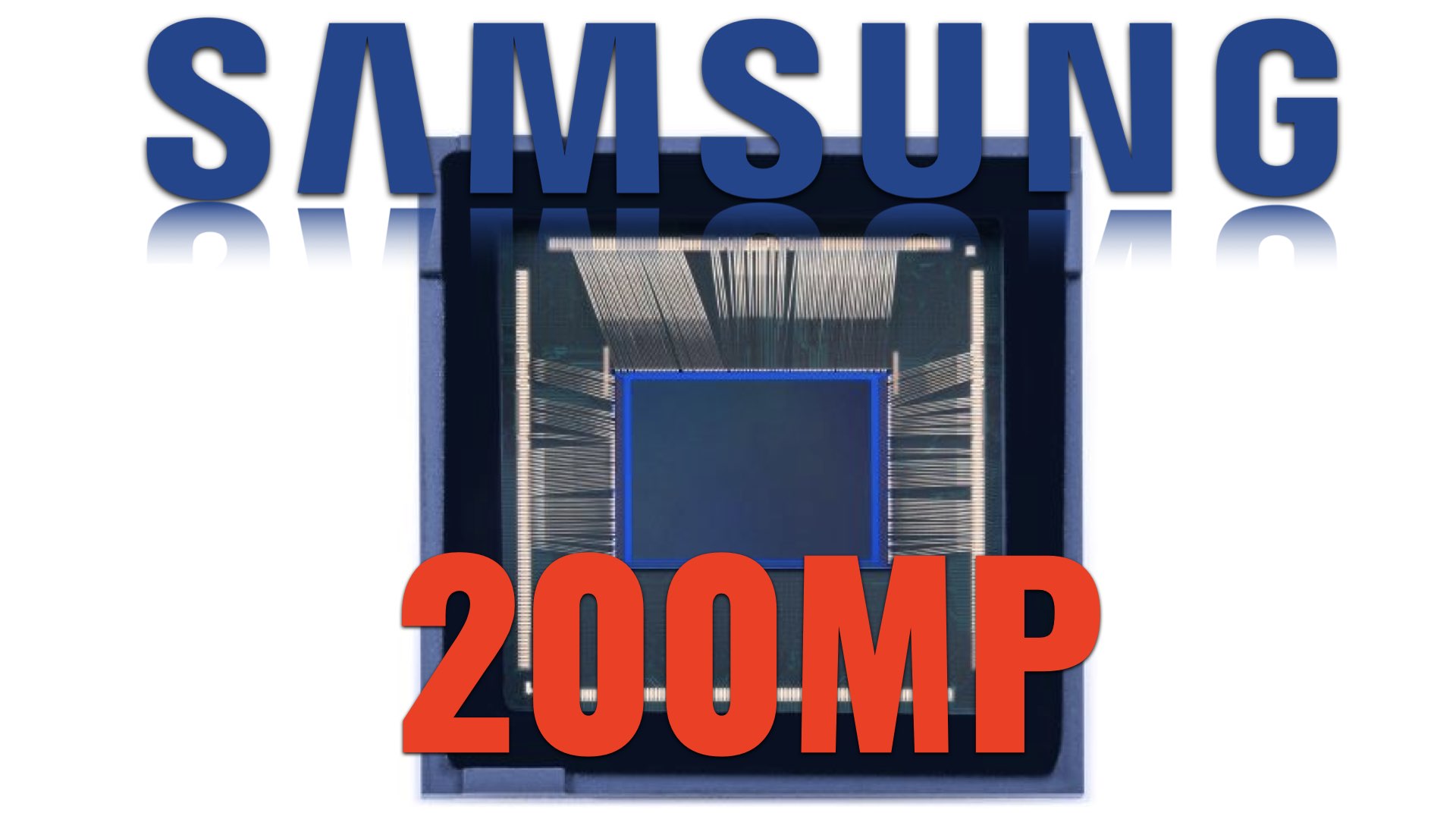
The Snapdragon 8 Elite 2 Ultra combined with a 200MP 1-inch-class sensor, isn’t just a spec bump. It’s a paradigm shift. It builds on years of innovation—8K HDR capture, large sensors, lens modularity, and intelligent sub-camera architecture—and fuses them into a cinematic machine that fits in your hand. We’re no longer just documenting the future of mobile filmmaking. We’re witnessing it unfold—frame by frame.
Gear mentioned in this article
Available on Amazon
| Product | New | Renewed | Used |
|---|---|---|---|
| Samsung Galaxy S25 Ultra | $663.10 | — | — |
Prices checked: Oct 7, 2026, 1:30 PM GMT+0000
As an Amazon Associate, Y.M.Cinema earns from qualifying purchases. If you buy through our links, we may earn a small commission at no extra cost to you.
Product prices and availability are accurate as of the date/time indicated and are subject to change. Any price and availability information displayed on Amazon.com at the time of purchase will apply to the purchase of this product.
CERTAIN CONTENT THAT APPEARS ON THIS SITE COMES FROM AMAZON. THIS CONTENT IS PROVIDED “AS IS” AND IS SUBJECT TO CHANGE OR REMOVAL AT ANY TIME.