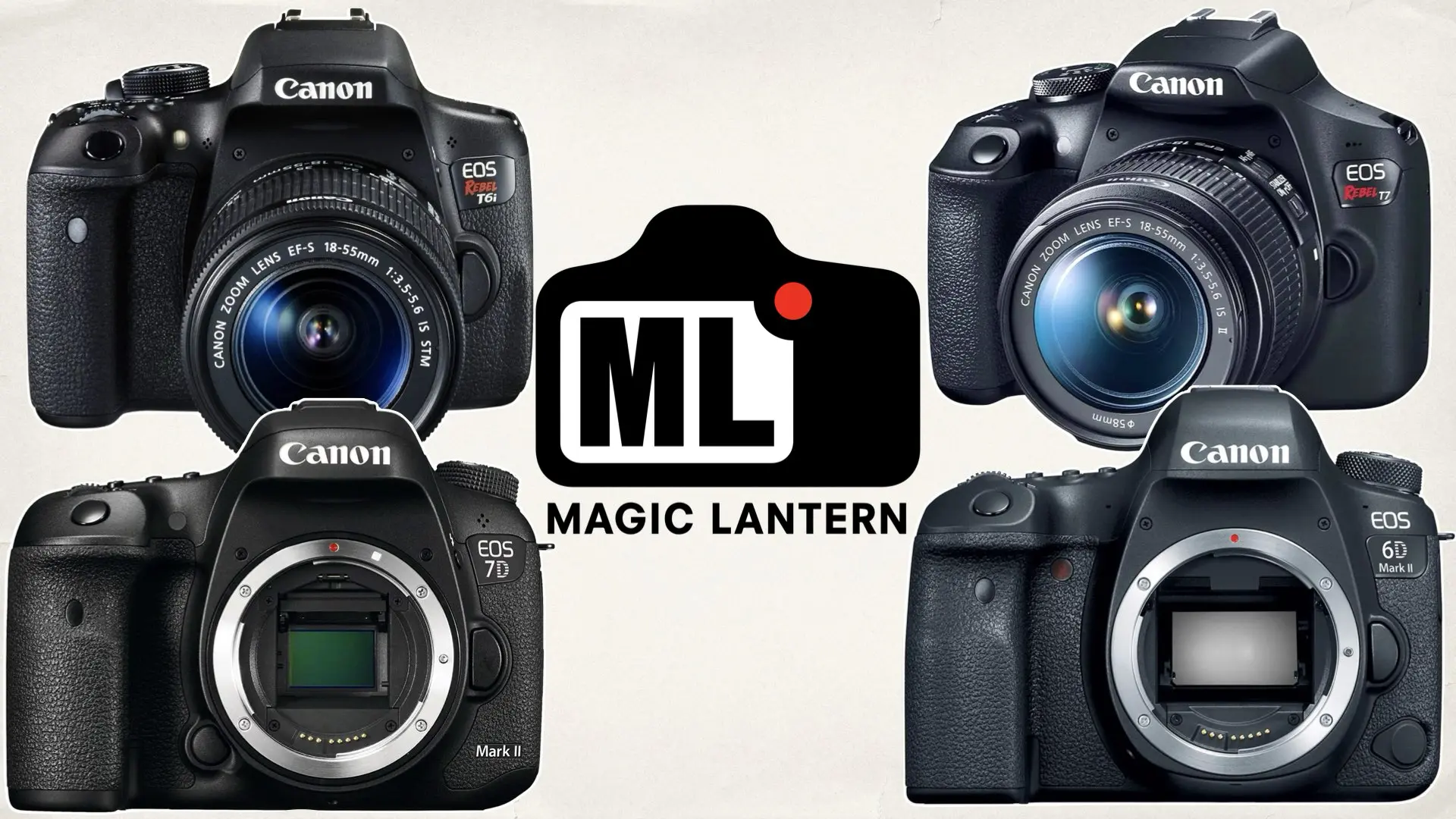
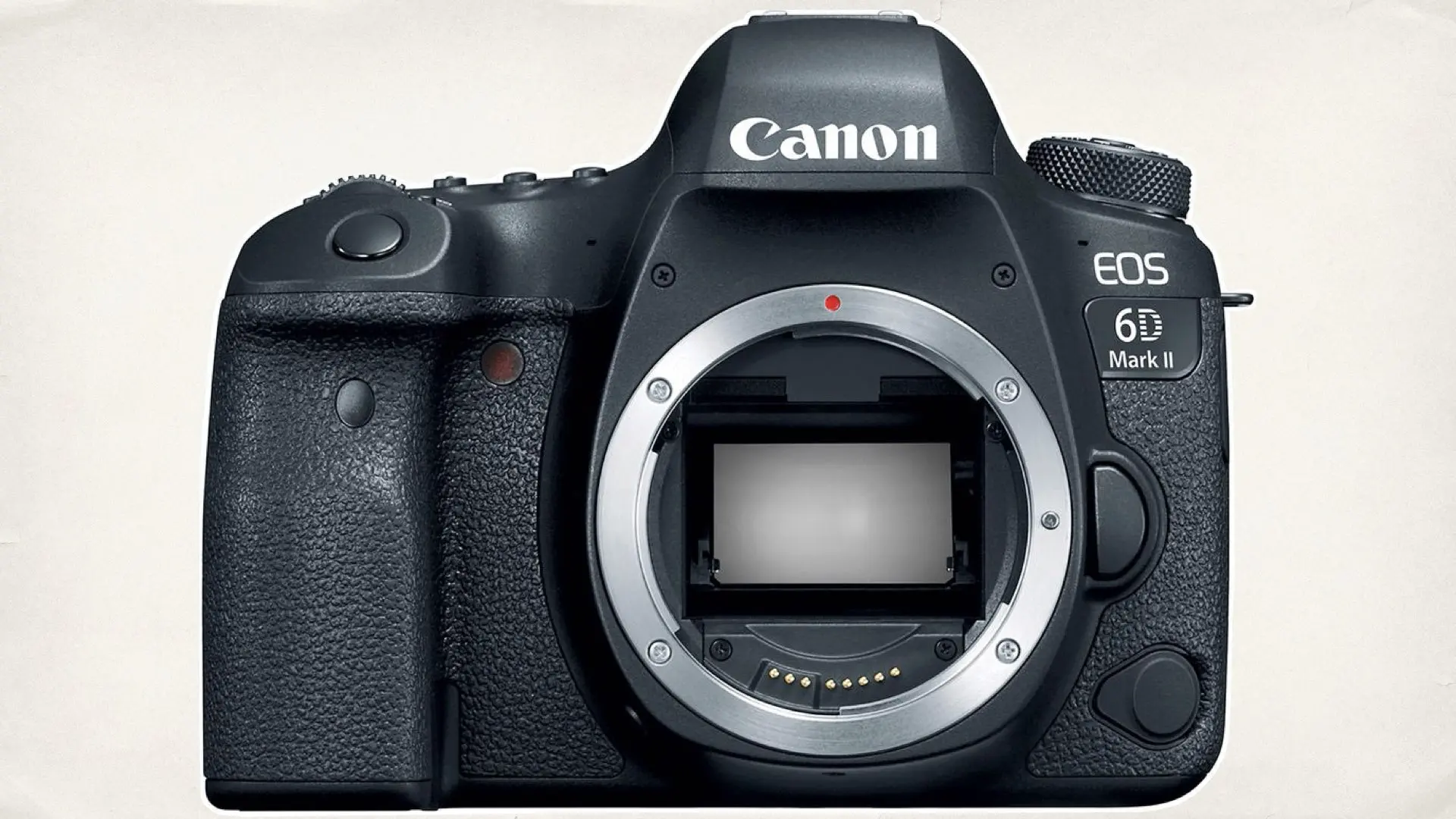
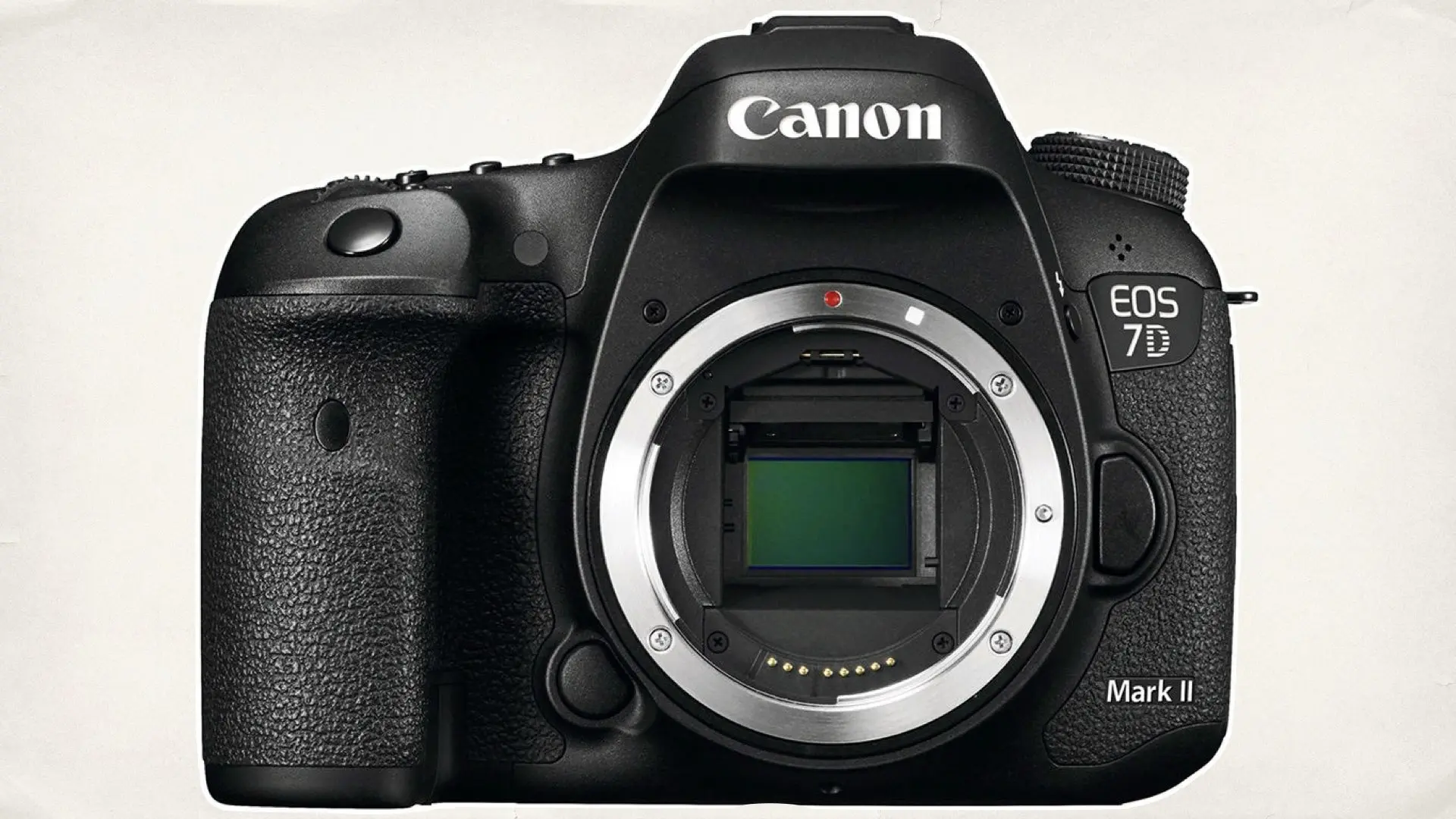
A legendary open-source firmware returns, reigniting creative freedom for Canon shooters. After years of dormancy, Magic Lantern has officially returned to the scene—and this time, it’s making headlines for all the right reasons. The beloved community-driven firmware has just released new builds with preliminary support for Canon EOS 200D, 750D, 6D Mark II, and 7D Mark II—a huge leap forward for filmmakers and photographers alike.
What Is Magic Lantern?
Magic Lantern is an unofficial firmware add-on for Canon DSLRs that unlocks powerful features not available in the stock firmware. Think of it as a magic wand for your Canon camera: RAW video recording, focus peaking, zebras, custom overlays, advanced time-lapse options, and so much more. It transforms affordable Canon DSLRs into serious filmmaking tools, especially appealing for creators looking to push their gear to the edge without spending thousands.
Why This Comeback Matters
The return of Magic Lantern isn’t just exciting news—it’s a major moment for the filmmaking and tech community. For years, Canon’s newer DSLR models lacked support from the project. But now, with these new nightly builds, we’re seeing renewed development for cameras previously untouched by the custom firmware.
These are the newly supported models:
While support is still preliminary (read: don’t take them on a paid shoot just yet), this opens the door for future features like 10–12-bit RAW video, crop rec modes, and other pro-level options that were once locked away.
A Revival Rooted in Passion
Magic Lantern’s revival isn’t the result of a corporate decision—it’s powered by passionate developers, community contributors, and camera nerds who simply love to push boundaries. The official Magic Lantern forum is buzzing again with builds, logs, bug tests, and feedback threads. The energy is reminiscent of the early 2010s, when Magic Lantern made DSLR filmmaking accessible to all. For filmmakers, this means affordable Canon bodies may once again become viable creative tools—ideal for short films, indie productions, or even experimental content that needs RAW flexibility without a RED or Blackmagic budget.
200D has working raw video, with DPAF, and Dual ISO. The raw video output is a bit quirky, but useful results can be obtained with patience. Masc has added support in mlvapp. At ISO 100, the 200D has two stops more dynamic range than EOS M. It has more DR than EOS M at every ISO. It has more DR than 5D3 at ISO 100 and 200! Now that we have a solid framework to build on, extending these cams with more features will be easier, and extending to Digic 8 and above becomes possible. Porting working features from 200D to similar cams is quite practical. Bonus new feature: we now know how to extend maximum recording time for MOV / MP4. This is enabled on 200D. Porting to other cams is not hard (with the exception of Digic 6). Thanks to Space928 for finding a timer constant that allowed defining higher (or lower!) limits.
Features that almost made it:
Trap focus on 7D2. Lots of fiddly GUI stuff made this take too long. When finished, porting to others cam should be easy.
Raw video on 6D2 and 7D2. 200D was easier for technical reasons. 7D2 will likely be difficult. 6D2 is somewhere in the middle. The fundamental problem is a lack of understanding of EDMAC. Improvements here may be slow, but are likely to enable other, new features, perhaps including on older cams.-The Magic Lantern team
Should You Try It?
Here’s the usual Magic Lantern disclaimer: It’s unofficial firmware. Use at your own risk. But that’s also part of the appeal. If you’ve got a compatible camera lying around, the latest builds might just breathe new life into it. For professionals or enthusiasts familiar with the platform, this is a golden opportunity to test, tinker, and maybe even shoot your next passion project in RAW. Click to download.
Community Discussion: A Mix of Hype, Critique, and Hope
The Magic Lantern revival has reignited passionate discussion across the filmmaking community, with users sharing reactions ranging from nostalgia and gratitude to deep technical debates and future-facing ambitions.
Excitement and Nostalgia
Many users across the Magic Lantern Forum and Reddit expressed overwhelming joy at the return of official builds:
“Amazing news! Good work everyone. Very nice to see the project making a comeback.”
— Magic Lantern Forum
“Throwback lmao—shooting RAW on a T3i ($309 on Amazon) was a wild era I forgot happened.”
— TheBoredMan on Reddit
Some even shared success stories, like shooting corporate gigs with a T3i and Magic Lantern or doing time-lapse work on high-budget projects using ML’s intervalometer:
“I once shot a time-lapse project for a multi-billion dollar company using a $600 Canon T3i with Magic Lantern. We stayed at the Hilton in the Bahamas for five days—paid handsomely.”
— f3rn4ndrum5 on Reddit
This return feels deeply personal for many in the community—a revival of creative empowerment using budget Canon gear.
Constructive Criticism and Concerns
Despite the enthusiasm, users also raised valid concerns:
-
Lack of support for Digic 4 (e.g., 5D Mark II):
Some forum veterans noted that recent builds seemed to neglect older models. There were reports of broken features likecrop_recormlv_lite, and questions about whether these were properly tested:“The new builds are functional at best for Digic 4 cams like the 5D2. Crop mode freezes Live View above 16:9. MLV Lite still buggy. What happened to the experimental builds?”
— reddeercity on Magic Lantern Forum -
Desire for more transparent development:
Users asked for better developer commentary and documentation to help them understand code changes and contribute more effectively.
Optimism for the Future (Especially Digic 8/X)
Redditors were particularly focused on the future, with hopeful speculation about upcoming mirrorless support:
“Imagine unlocking Open Gate on the R5 ($2,799 on Amazon) or R6 ($1,642 on Amazon) … RAW video on cameras that don’t support it natively.”
— machado34 on Reddit
Magic Lantern dev kitor directly joined the thread to confirm that Digic 8 and even Digic X are being explored—though they remain technically challenging:
“In fact, we are. Digic 8 is stubborn, and X adds undocumented hardware… but we’re working on it.”
— kitor, ML Dev
Return to Unified Builds
One recurring sentiment on the forum was the hope that ML development could return to a single, clean build—instead of fragmented forks and scattered features. Users praised the core team’s new Git-based build system and expressed hope that this would unify the ecosystem going forward.
“After a decade of hacks and forks, a streamlined ML project is the best thing that could happen right now.”
— Jonneh on Magic Lantern Forum
Final Takeaway
Magic Lantern’s return is more than a software update—it’s a signal. A signal that community-driven innovation still thrives, that cameras are more than what manufacturers lock inside them, and that creativity doesn’t need to cost thousands. Whether you’re a die-hard ML veteran or new to the game, one thing is certain: the magic is back.
Here are the featured products and where you can buy them:
Gear mentioned in this article
Available on Amazon
| Product | New | Renewed | Used |
|---|---|---|---|
| Canon EOS 6D Mark II | $820.02 | — | — |
| Canon EOS 7D Mark II | $674.99 | — | — |
| Canon EOS M | — | — | From $358 |
| Canon EOS Rebel T3i | $309 | — | — |
| Canon R5 | $2,799 | — | From $2,028 |
| Canon EOS R6 | $1,642 | — | — |
Prices checked: Oct 7, 2026, 1:30 PM GMT+0000
As an Amazon Associate, Y.M.Cinema earns from qualifying purchases. If you buy through our links, we may earn a small commission at no extra cost to you.
Product prices and availability are accurate as of the date/time indicated and are subject to change. Any price and availability information displayed on Amazon.com at the time of purchase will apply to the purchase of this product.
CERTAIN CONTENT THAT APPEARS ON THIS SITE COMES FROM AMAZON. THIS CONTENT IS PROVIDED “AS IS” AND IS SUBJECT TO CHANGE OR REMOVAL AT ANY TIME.