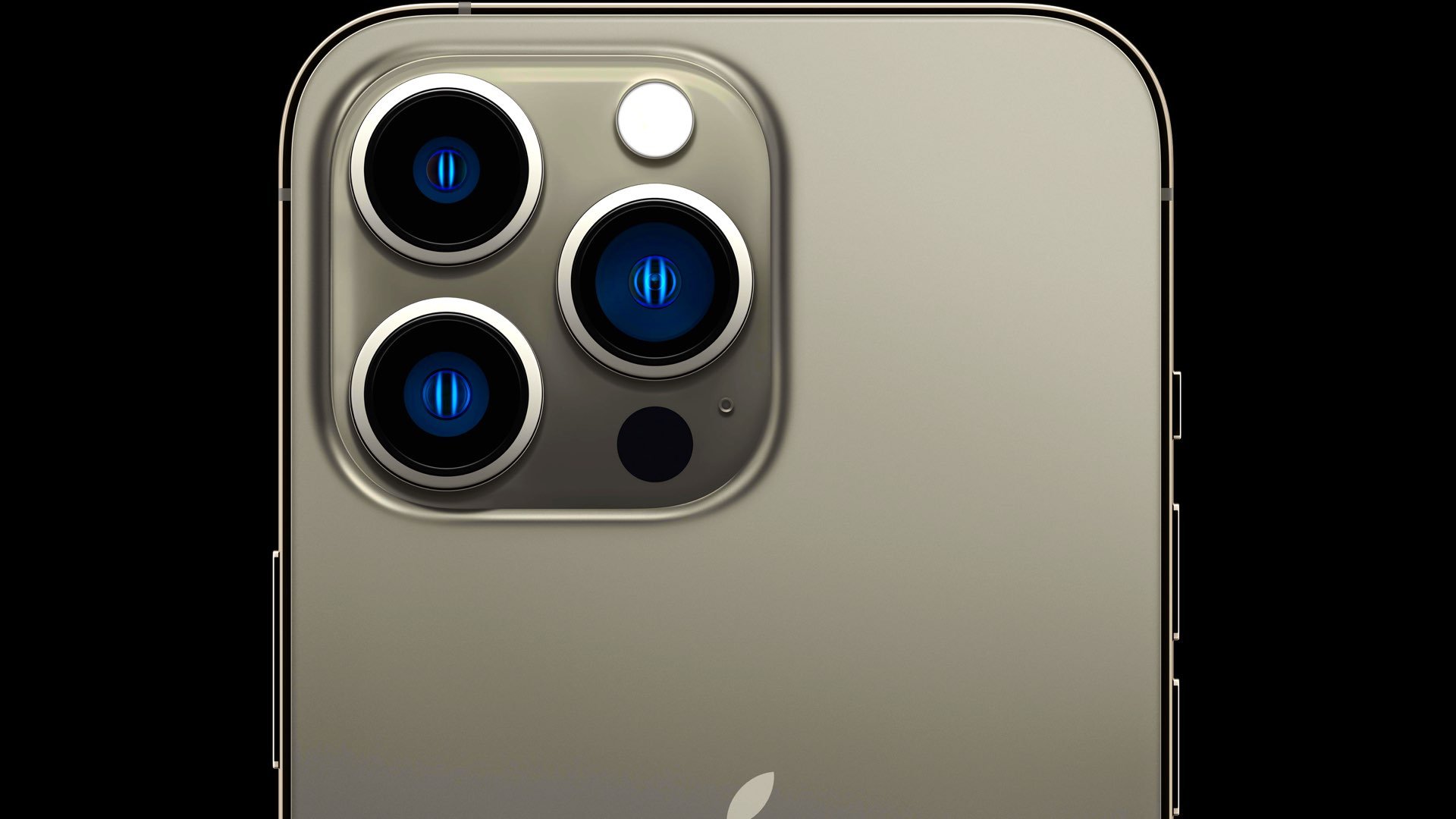
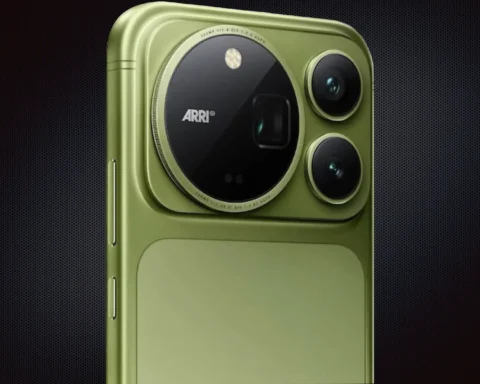
Apple’s latest patent, titled “Camera Actuator with Moving Coils and Dynamic Flex Circuit,” promises to significantly improve the filmmaking experience on iPhones. This innovation is expected to enhance the stability and precision of the camera system, providing smoother and more accurate footage. But how exactly does this work, and why should filmmakers care? Let’s break it down.

What’s All the Fuss About?
So, let’s dive a bit deeper into what this Camera Actuator with Moving Coils and Dynamic Flex Circuit patent really means. To understand it better, think of the camera inside your iPhone as a mini machine that’s trying to capture the world around you. But this mini machine is actually made up of a bunch of moving parts, like the lens and image sensor. These parts have to move around a bit to make sure you get a perfect shot, especially when you’re shooting video or using features like autofocus or image stabilization. The problem? Keeping all these parts stable and working smoothly without making your iPhone too bulky or slow. This new patent is Apple’s solution. At the heart of the patent is something called a Voice Coil Motor (VCM) actuator. Don’t worry, it’s simpler than it sounds. A voice coil motor is just a way to move things very precisely using electricity and magnets. In this case, it helps move either the lens or the image sensor inside the camera, or both, to keep everything in focus and stable.

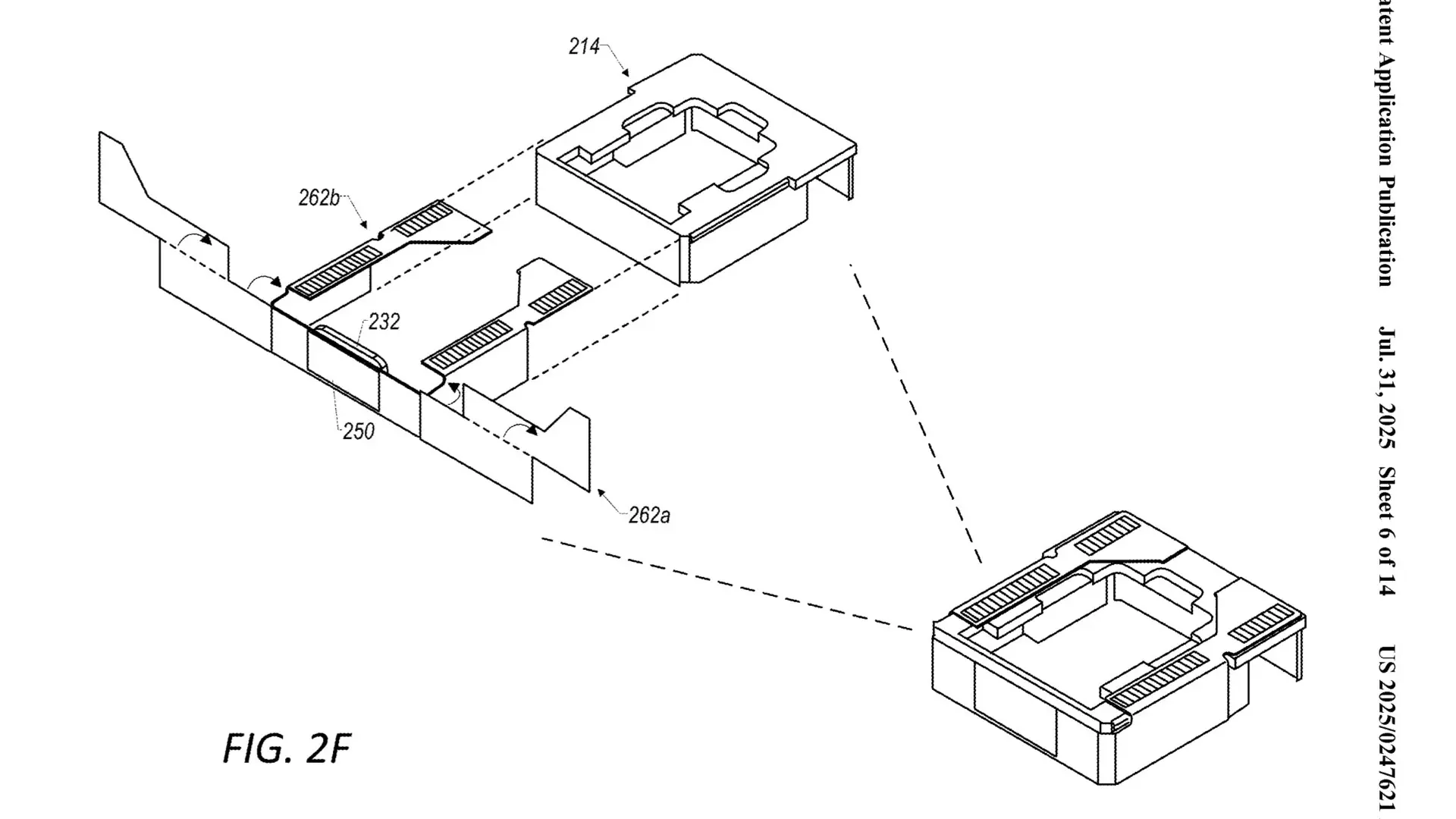
When you’re shooting video, especially when you’re holding your iPhone in your hand, there’s a lot of movement. Even the slightest shake can make the footage look shaky and unprofessional. This is where image stabilization (OIS) comes into play. Apple’s system will use the moving coils to move the image sensor or lens in real-time, to counteract any shake or movement that could make the video look bumpy. Imagine you’re running while shooting a video: the VCM will help the lens or sensor move in the opposite direction of your hand shake, keeping your footage smooth and steady. But it doesn’t just stop there. The dynamic flex circuit in this patent acts like a flexible bridge that connects the moving parts (the lens and sensor) with the stationary parts of the camera. Since the lens and sensor need to move around a lot, the dynamic flex circuit ensures they stay connected to the phone’s main hardware, no matter how much they move. It’s like the elastic in a waistband—stretching just enough to allow movement without snapping.

Now, what makes this patent special is the precision it offers. With traditional smartphone cameras, the movement of the lens or image sensor isn’t always as smooth, especially when trying to do quick autofocus or compensate for sudden shakes. Apple’s new system could make these movements much more accurate and controlled, which means better focus during video recording and fewer blurry shots. In simpler terms, this system means Apple is creating a camera that can move in ways that we, as filmmakers or content creators, need it to move: smoothly, accurately, and with precision. It’s like upgrading from a standard camera that’s always a bit shaky to a high-end film camera that moves just the way you want it to, even in fast-paced scenes.
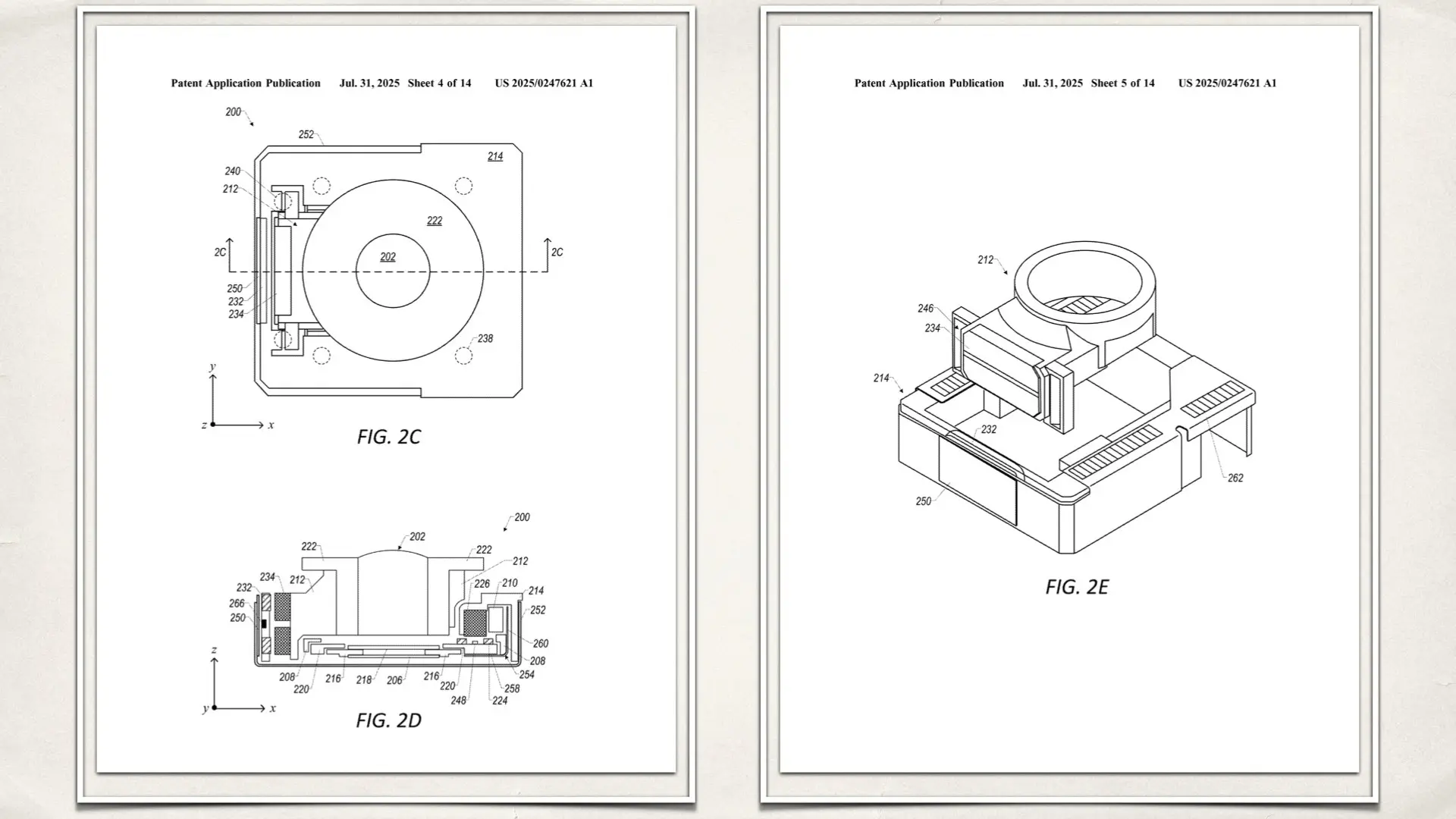
This all ties back to a bigger goal, making iPhones the go-to tool for serious filmmaking. With this new tech, your iPhone will be able to capture not just quick selfies or family photos but professional-grade video footage with fewer compromises. You won’t have to worry as much about losing the shot because the camera couldn’t focus fast enough or because your hands were a little too shaky.
Apple’s Camera Tech Advancements: A Bigger Picture
This patent isn’t Apple’s first move towards enhancing iPhone camera technology for filmmakers. It builds on their previous innovations. For instance, the Suspension System for iPhone Cameras patent, which could redefine how iPhones handle image stabilization, is a great precursor to this new development. You can read more about this system in our article Apple’s New Suspension System Could Redefine iPhone’s Image Stabilization. This previous tech already hinted at a future where iPhone cameras could compete with higher-end cameras, offering smoother shots with much less effort. But that’s not all. Apple is also working to unlock the potential of small mobile devices to offer professional camera capabilities. Their new battery patent hints at smaller cameras with professional potential, which could be game-changing for filmmakers looking for lightweight, portable solutions without sacrificing image quality. Check out more in our article Apple’s New Battery Patent Hints at Small Cameras with Professional Potential.

What’s More: The Bigger iPhone Camera Revolution
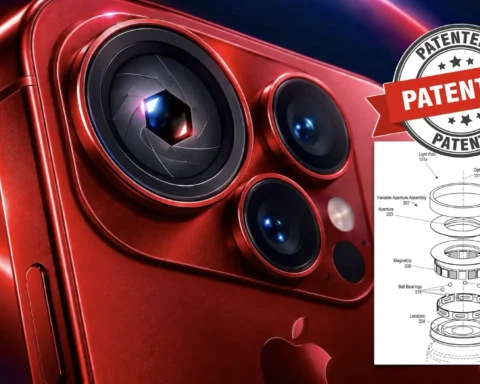
Apple is clearly thinking ahead. Another exciting development is their patent for a soft membrane aperture for future iPhone cameras. This technology could revolutionize how iPhones handle light, improving the depth of field and image quality. This move, which could make iPhones even more competitive in professional video production, is explored in our article Apple Reinvents the Iris: New Patent Reveals Soft Membrane Aperture for Future iPhone Cameras. Apple is also looking at new ways to keep iPhone cameras cool during heavy usage. Their active cooling patent aims to unlock the future of mobile cinematography by improving thermal performance, allowing users to shoot for longer without overheating. Learn more about how this could impact filmmakers in our article Apple’s Active Cooling Patent May Unlock the Future of Mobile Cinematography. These advancements point to a clear vision: Apple wants to provide filmmakers with everything they need in a compact, powerful device.

The Impact on Smartphone Filmmaking
With this new camera actuator technology, Apple is making a huge leap in mobile cinematography. The ability to stabilize images and focus precisely could eliminate many of the challenges faced by iPhone filmmakers today. Whether it’s reducing camera shake or improving autofocus in fast-moving scenes, this tech will allow filmmakers to create smoother, more professional-quality videos. Apple has already made significant strides with its image sensor technology, recently patenting a system that boasts 20 stops of dynamic range. This means iPhones will handle a wider range of lighting conditions with greater detail, perfect for capturing both highlights and shadows in complex lighting setups. Learn more about this in our article Apple Just Patented an Image Sensor with 20 Stops of Dynamic Range.

Why Should Filmmakers Care?
For creators who rely on their iPhones for video production, this patent represents a major upgrade in what’s possible with smartphone filmmaking. Apple is aiming to provide professional tools in a device that fits in your pocket. The combination of moving coils, dynamic circuits, and other recent patents is setting the stage for a future where iPhone cameras are not just for casual users but are serious tools for filmmakers. From better stabilization to sharper focus and increased dynamic range, Apple’s smartphone filmmaking capabilities are evolving fast.

The Final Takeaway
Apple’s Camera Actuator with Moving Coils and Dynamic Flex Circuit patent is a significant step towards turning iPhones into professional filmmaking tools. With improved stability, autofocus, and image quality, it’s clear that Apple is preparing for a future where iPhones are not just smart devices but essential filmmaking equipment. We’ll keep our eyes on these developments because they could make your next iPhone the ultimate filmmaking tool.