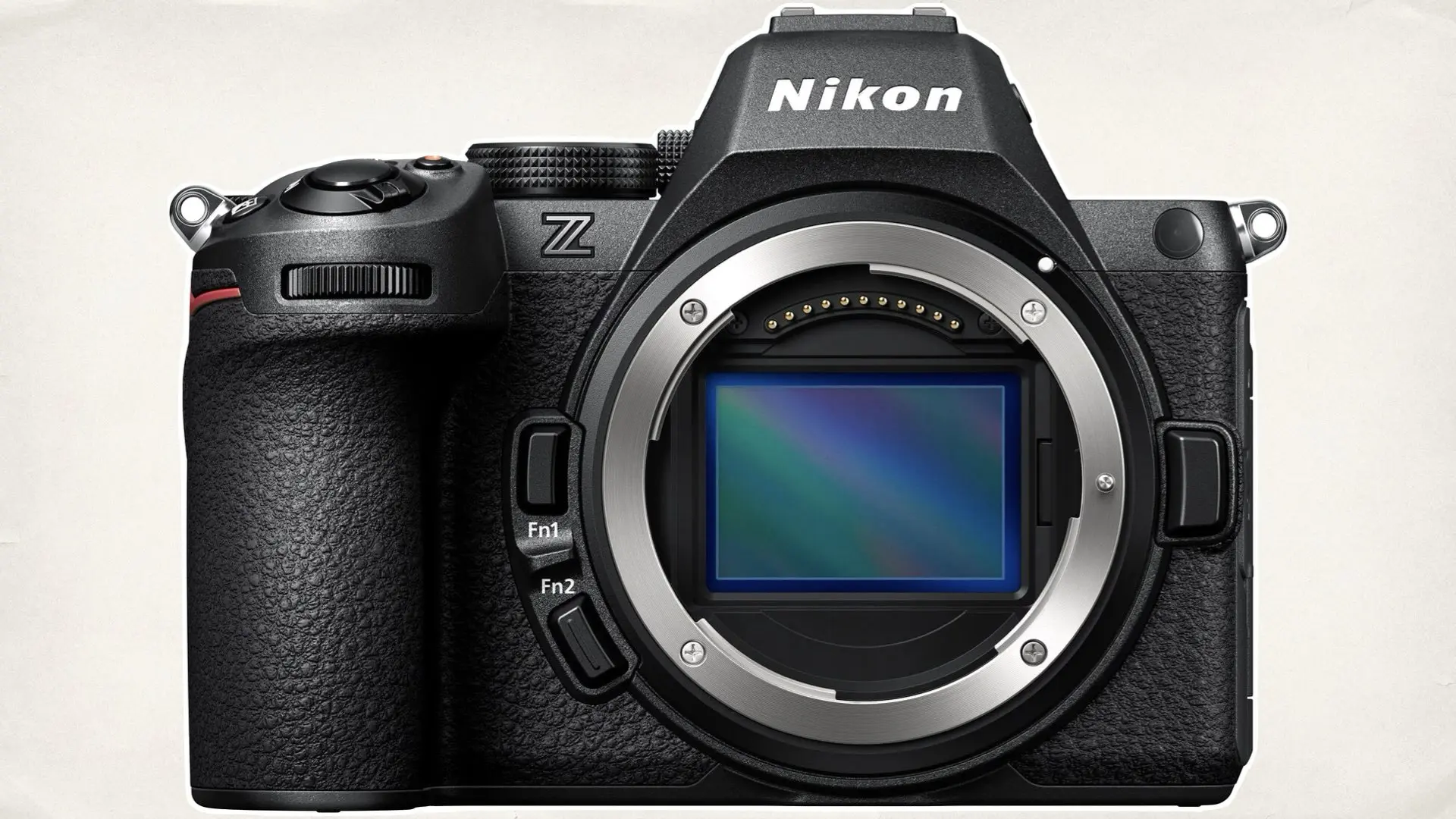
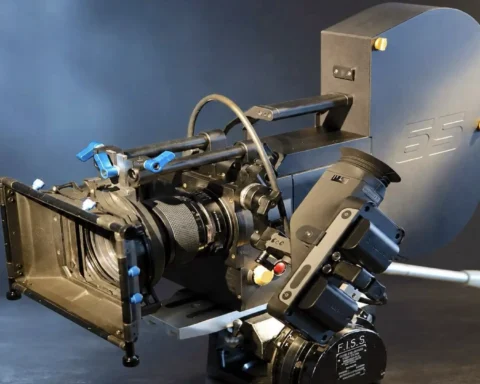
In a cool new step towards high-end cinema technology, Nikon has filed a patent titled “IMAGING ELEMENT AND IMAGING DEVICE” for an innovative large sensor that could significantly elevate the dynamic range and overall performance of its future cinema cameras. This patent is a clear signal that Nikon is investing heavily in advanced imaging technology. But what does this really mean? Let’s break it down in simple terms and explore why this is a big deal.

Nikon’s Ambitious Move Towards Cinema-Grade Imaging
Nikon is no stranger to the world of high-quality imaging, but this new patent could mark a huge shift for the company. The technology described focuses on improving dynamic range, the ability of a camera to capture the brightest highlights and the darkest shadows in the same frame without losing detail. This is a critical aspect of professional cinema cameras, as filmmakers often deal with very tricky lighting conditions. A larger sensor capable of handling these challenges would be a game-changer. But what exactly does Nikon’s patent entail? The document outlines a sensor architecture that enhances exposure control for each pixel, providing superior control over how light is captured. This could result in clearer, more detailed images, even in the most challenging environments. And with autonomous exposure features, the sensor would be able to adjust itself for optimal performance, almost like having a camera assistant built right into the system.
A Step Toward Nikon’s Cinema Camera Ambitions
So, why is this such an important step for Nikon? This patent is aimed at developing technology that can be integrated into cinema cameras. If Nikon implements this kind of large sensor technology in a future high-end cinema camera, they’ll be entering a field dominated by the likes of ARRI, Sony, and Canon. In previous articles, we’ve discussed how Nikon has already made significant strides in the world of filmmaking, for instance, the potential of its autofocus technology as seen in their recent patent filings . Now, with this new sensor patent, it’s clear that Nikon is setting their sights on the professional filmmaking market. This is a key moment for Nikon. With RED Digital Cinema now under its belt , it seems they are preparing to compete with the biggest names in cinema camera technology. This patent demonstrates how Nikon is rethinking traditional sensor designs to create a more robust and flexible imaging system that can handle everything from fast paced action shots to subtle lighting gradients.

What Does This Patent Mean for High-End Imaging?
So, what does it mean for Nikon’s high-end imaging? It’s clear that the company is pushing the boundaries of what’s possible. The introduction of advanced pixel-level control will help Nikon deliver images that capture even the most intricate details, whether in the brightest outdoor sunlight or the deepest shadows in a dimly lit room. Imagine shooting an action scene in a film where the actors are racing through shadows and bright spotlights. A sensor that can handle all of these lighting extremes without losing quality or detail is essential. That’s exactly what this large sensor technology promises to deliver, making it an exciting development for filmmakers who demand precision. With the integration of autonomous exposure control and enhanced dynamic range, Nikon could be ready to compete in the high-end filmmaking space with cameras that provide the level of performance professionals need. Plus, the sensor could also be more power-efficient, which is a big bonus for camera operators working long hours on set.
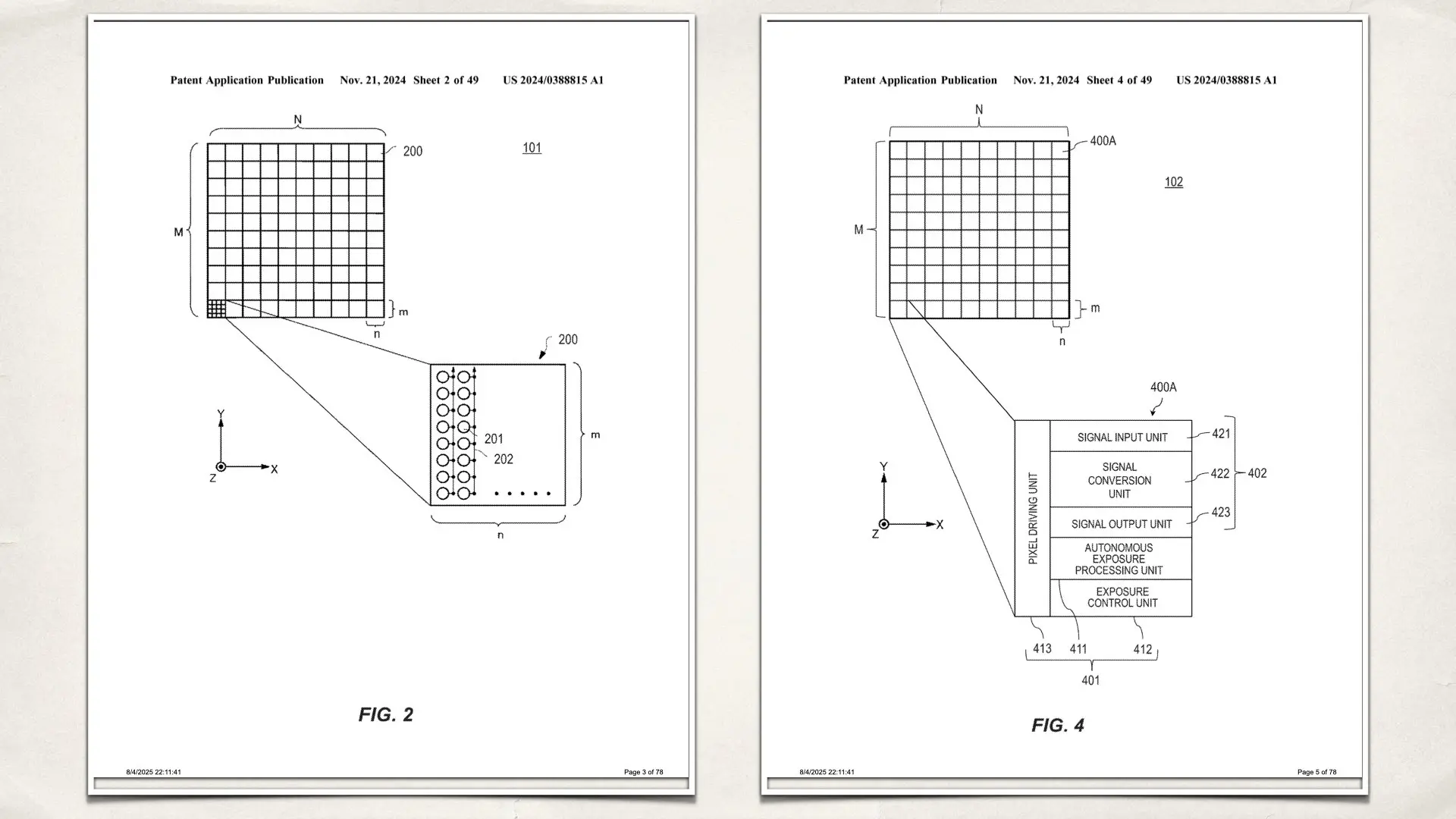
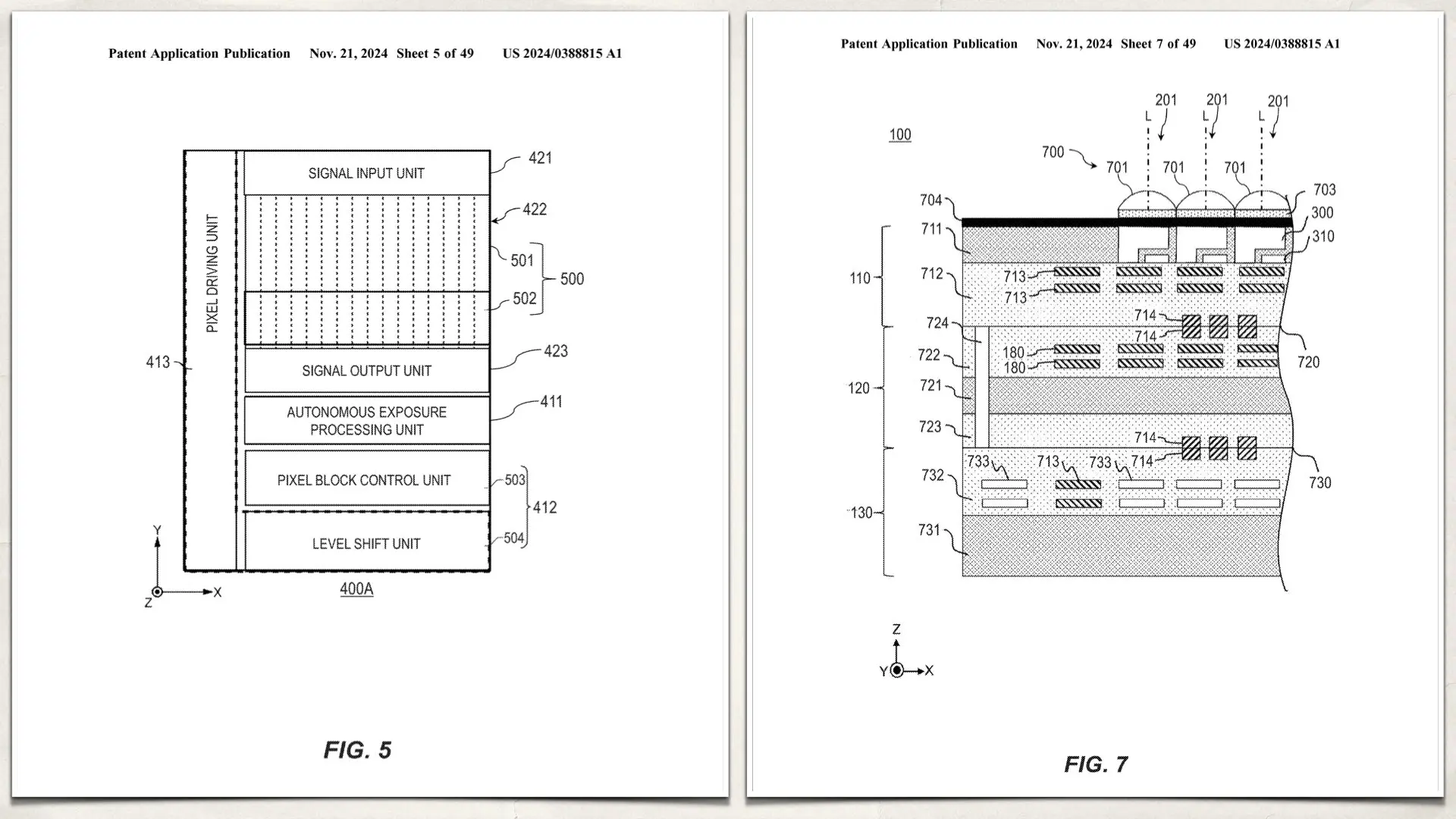
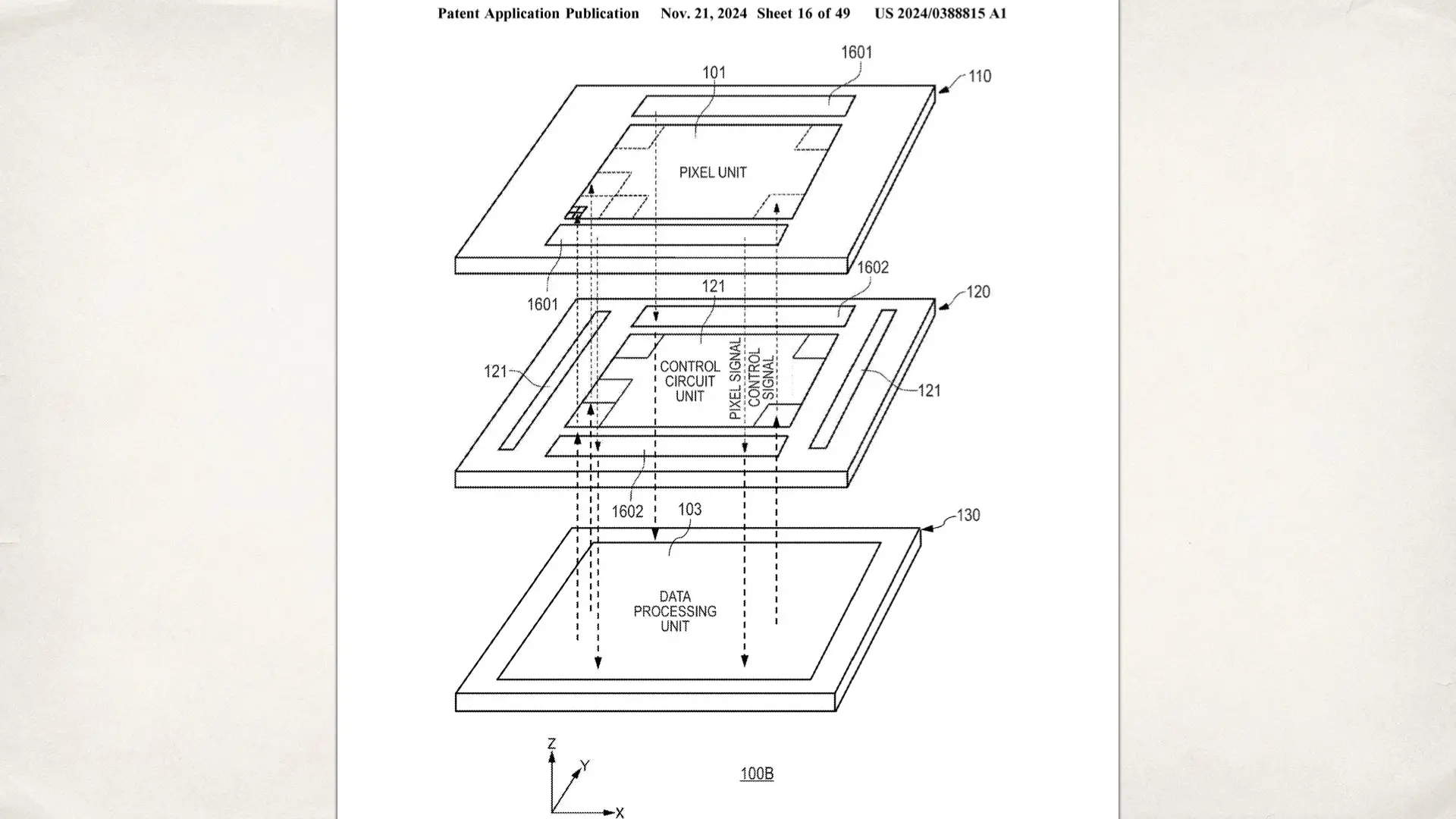
This patent focuses on a technology for controlling the exposure of an image sensor’s pixels automatically. Exposure refers to how much light hits the image sensor, and controlling it correctly ensures a clear image. The document describes different ways to adjust the exposure for each pixel in an image sensor, which helps improve image quality, especially in challenging lighting conditions.
Key Concepts:
Pixel Blocks and Control:
The image sensor is made up of pixel blocks—groups of pixels that work together. Each pixel collects light and converts it to an electrical signal. The exposure control adjusts how much light each pixel gets, and the way this control is implemented can vary depending on the type of pixel and how the system is designed.Autonomous Exposure Control:
The system adjusts exposure automatically for each pixel block. The document describes several modes for controlling exposure:
Mode 1: One control block manages exposure for a group of pixel blocks.
Mode 2: A separate processing unit is placed outside the main control block to manage exposure, making the system more compact.
Mode 3: A combination of the two approaches above is used, depending on the situation, for faster or more accurate control.
The goal is to adjust exposure in a way that prevents parts of the image from being too bright or too dark.
Processing and Memory:
To improve performance, memory (like small storage units) is added to each pixel. This helps reduce issues like “rolling shutter” (where parts of the image are captured at slightly different times, causing distortion). By adding this memory, the system can store certain data and reduce the time needed to process each frame.Flickering Reduction:
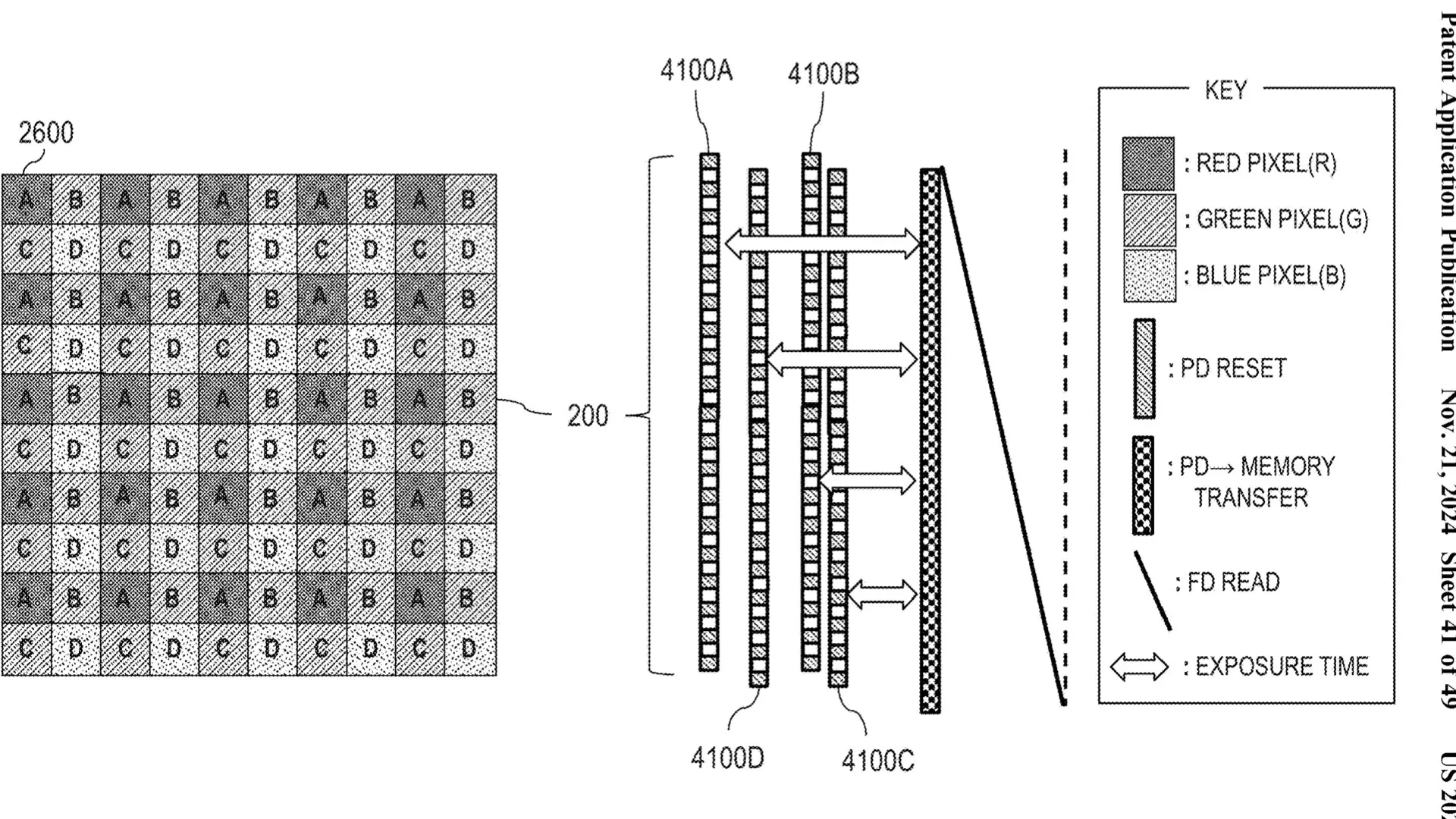
In environments where artificial lights like LEDs flicker, the system can adjust the exposure times of different pixel blocks so that the flickering doesn’t appear in the final image. It ensures the exposure is synchronized with the light source, improving image quality in settings like cars with LED lighting.Pixel Group-Level Exposure Control:
Instead of adjusting exposure for each pixel individually, the system can adjust exposure for groups of pixels (like all the red pixels in a group). This method helps improve color accuracy and prevents parts of an image from being overexposed or underexposed due to differing light intensities.
Why Nikon’s Patent Is a Big Deal for Cinema Cameras
This patent shows that the company is committed to advancing the tools filmmakers use and is willing to invest in cutting-edge technology that makes a real difference on set. With the improved dynamic range and pixel-level exposure control, Nikon could be positioning itself as a serious contender in the high-end cinema camera market. And it’s not just about the hardware—this patent could pave the way for future cameras with advanced capabilities that make life easier for filmmakers. Think smoother autofocus, better handling of extreme lighting conditions, and more flexible, customizable settings to meet the specific needs of any project. This could be a game-changer, especially for filmmakers who demand the highest standards of image quality.
Final Thoughts: Nikon’s Future in Cinema
Nikon’s major move to develop this new large sensor technology signals a strong push into the world of high-end cinema cameras. With this kind of sensor in their arsenal, Nikon has the potential to deliver cameras that meet the exacting standards of professional filmmakers, placing them in direct competition with the biggest names in the industry. Whether this patent results in a new cinema camera or continues to evolve behind the scenes, it’s clear that Nikon’s focus on high-end imaging is serious, and we can’t wait to see where it goes next.
For more on Nikon’s innovations and their move into the cinema world, check out these related articles:
-
Nikon’s New Patent Could Give Autofocus a Massive Boost Even During Movement
-
Is Nikon Building a New Raw Workflow with RED’s Tech? A Closer Look at a Quiet Patent Move
-
Nikon’s New Patent Hints at Cinema-Ready IR Sensor Innovation
-
The Nikon Z9 Mark II: What to Expect From Nikon’s Next Mirrorless Flagship