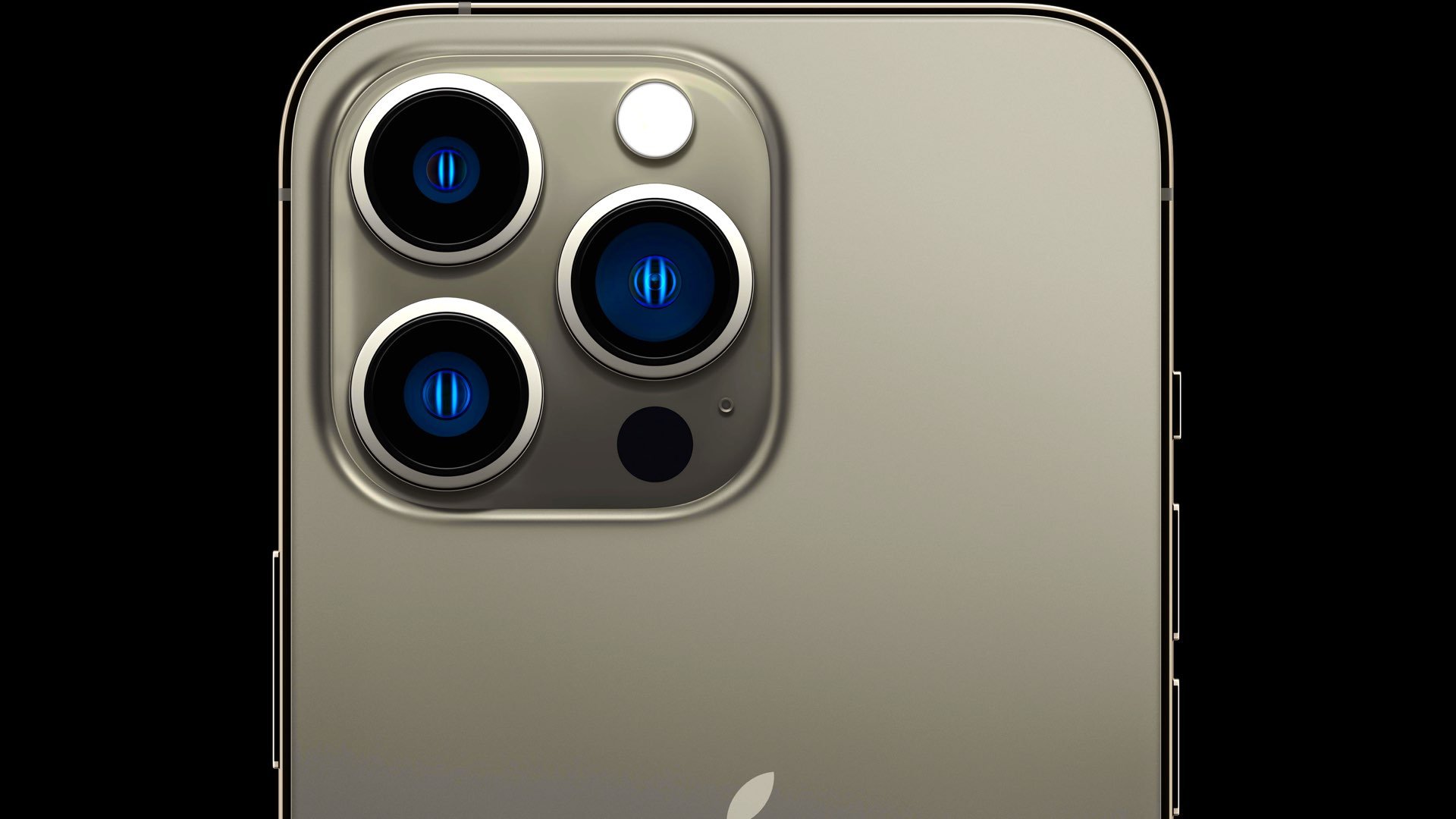
Apple is quietly building a professional cinema camera, disguised as a future iPhone. Thanks to a series of exclusive YMCinema patent discoveries, we can now start seeing the bigger picture. And it points to one thing: by the time we get to the iPhone 20, mobile filmmaking will never be the same. Let’s break down each of these groundbreaking patents and explain how, together, they tell the story of Apple’s cinematic ambitions.

Smoother, Sharper Footage with Apple’s Tunable Lens
In the patent covered here, Apple introduces a tunable lens system designed to reduce unwanted shake and optical artifacts. Rather than relying entirely on mechanical or digital stabilization, this lens changes shape or alignment on the fly to correct vibrations. Why it matters: Think of it like a built-in Steadicam for your phone. Cinematic handheld shots could soon be smooth, without post-processing or gimbals. This tech mimics some of the internal floating lens elements we see in cinema optics. That’s not a coincidence.

A Suspension System for Next-Level Image Stabilization
Apple takes stabilization further with a newly uncovered suspension system patent, featuring tiny suspension wires that physically isolate the image sensor from hand movement. Why it’s cinematic: Mechanical isolation is the gold standard in pro gear. Apple is borrowing this ‘steadycam trick’, miniaturizing it for mobile. The result? Crisper images, even during intense motion.

A Battery That Powers Small, Professional Cameras
In this fascinating battery-related patent, Apple is rethinking battery architecture for small, high-performance devices. What’s the significance? This design prioritizes thermal management and current efficiency—two things that are essential when pushing image processing to pro levels. If your phone runs a multi-stack image sensor or active cooling, it needs this kind of power regulation. This points directly at a future device meant for long, high-quality video capture, aka, filmmaking.
Reinventing the Iris: A Soft, Membrane-Based Aperture
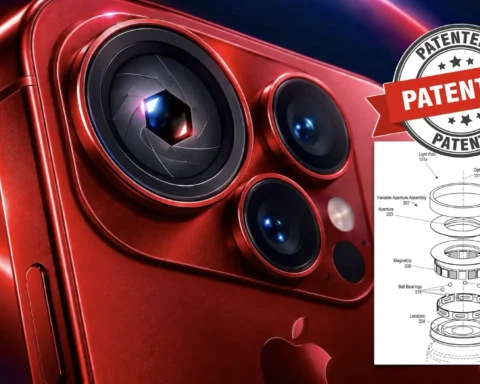
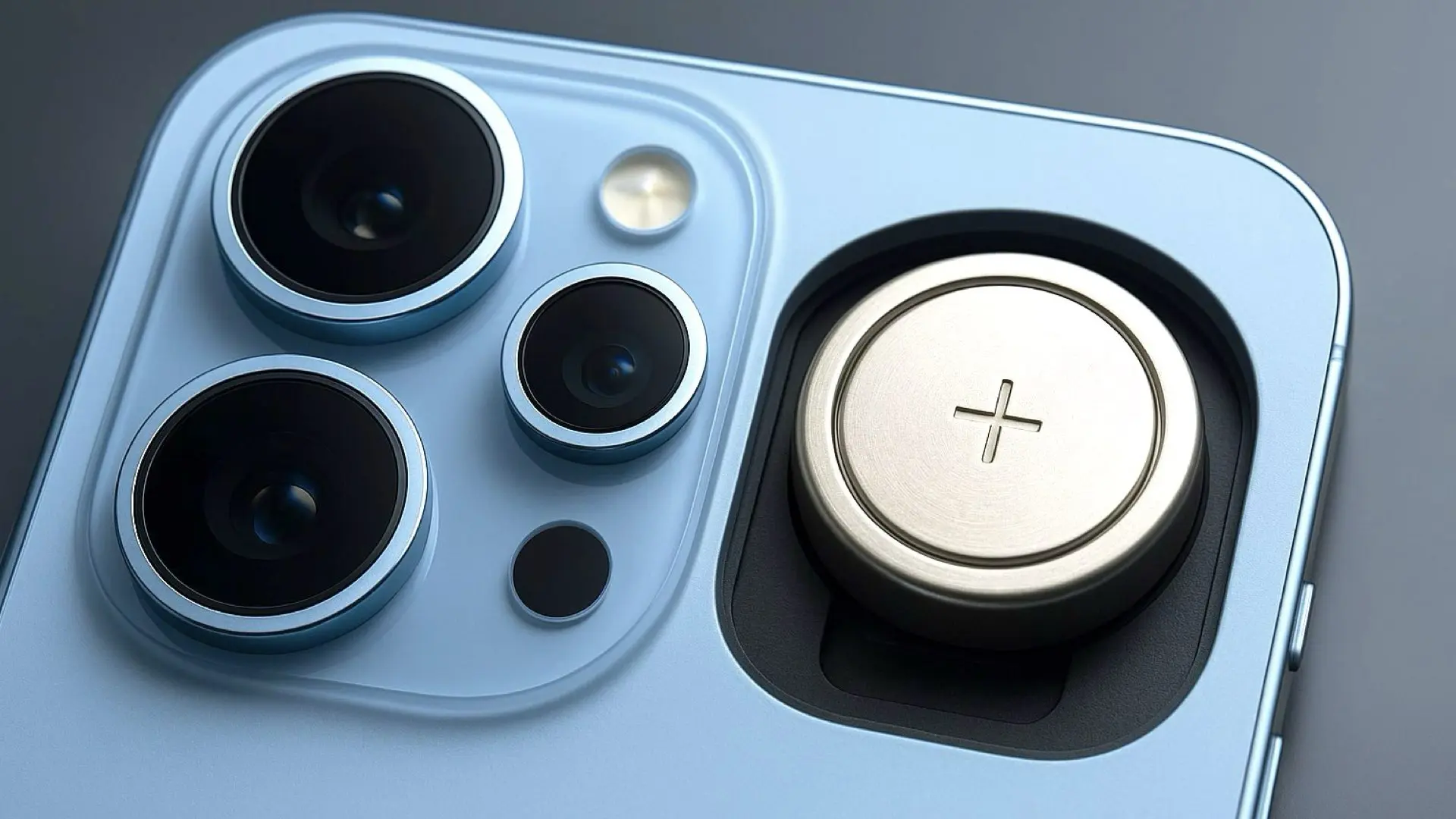
Forget the fixed apertures on current smartphones. Apple’s soft aperture patent details a membrane-based variable iris, much closer to how cinema lenses work. Why it’s groundbreaking: With this tech, Apple could finally offer real aperture control, not just digital simulation. That means real depth of field manipulation, real exposure dynamics, and ultimately, real cinematic control. This would allow creators to shoot in bright or dim conditions without ruining their frame’s aesthetic. Welcome to true lens control in your pocket.

Active Cooling: The Holy Grail of Mobile Filmmaking
High-res video needs high performance, but heat is the enemy. Apple’s active cooling patent proposes a micro-blower system for internal heat dissipation. Why filmmakers should care: No overheating means no more recording limits. You could shoot a full interview, B-roll session, or indie short film without hitting thermal shutdown. This is about unlocking pro workflows that previously required bulky gear.

20 Stops of Dynamic Range? You Read That Right.
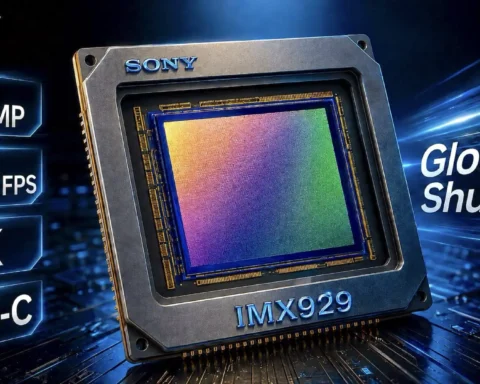
Last but not least, Apple has patented a sensor that theoretically achieves 20 stops of dynamic range—a spec unheard of in smartphones and rare even among dedicated cinema cameras. How big is this? This is RED, ALEXA, and VENICE territory. It would allow the iPhone to capture subtle details in both shadows and highlights, making the footage look far more filmic and professional. If this becomes reality, it’s the final piece of the cinematic puzzle.

Putting It All Together: The iPhone 20 as a Cinema Camera
Each of these patents is impressive on its own. But when viewed together, one thing becomes clear: Apple isn’t just enhancing the iPhone’s camera. It’s redesigning the iPhone as a professional filmmaking device. And no, this isn’t something we’ll see in the iPhone 18 or 19. These deep hardware changes suggest a multi-year roadmap. But by the time the iPhone 20 lands, we may be looking at a phone that truly rivals traditional cinema tools. This evolution is about giving creators real control, cinematic image quality, and industry-level performance, all within the most popular camera in the world.
Final Thought:
We often think of smartphones as limited, convenient tools for casual content. But Apple, it seems, doesn’t. If the company follows through on this vision, the iPhone 20 could blur the line between mobile device and cinema camera, forever changing how films are made.