Apple is preparing its next giant leap in spatial technology. The upcoming Vision Air promises to rewrite the story of the Vision Pro with a lighter design, a friendlier price, and a clear attempt to win back the public’s trust.
A response to Vision Pro’s rocky debut
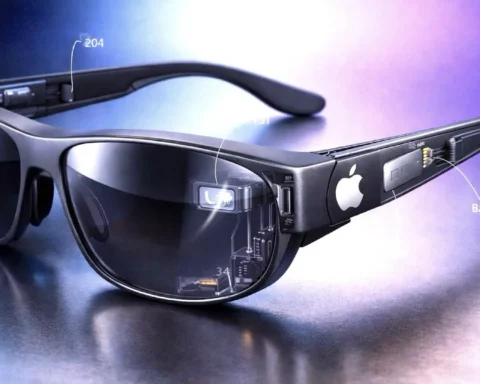
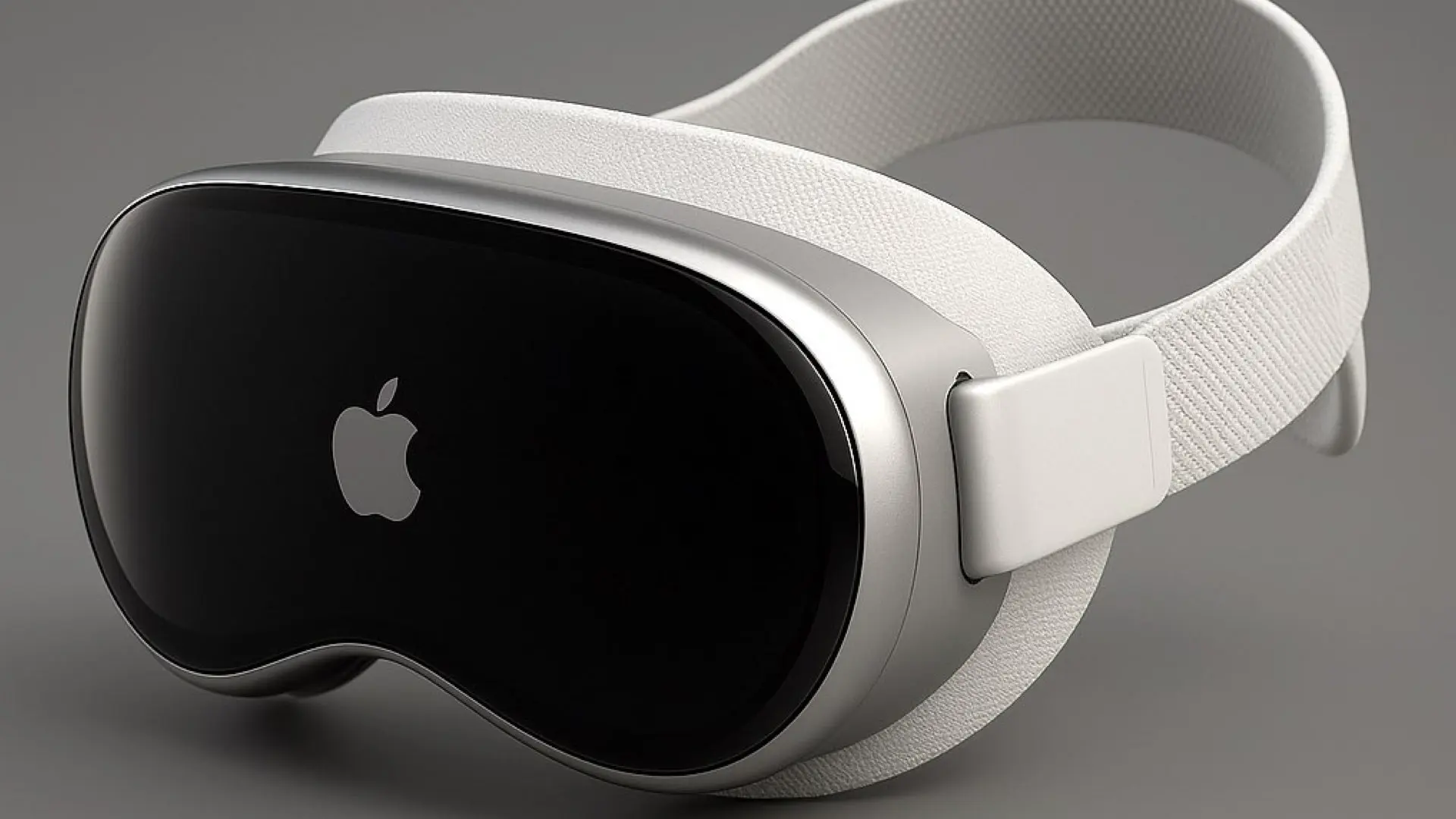
When Apple launched the Vision Pro, it was billed as the future of immersive cinema. The reality turned out differently. As we reported in Why Apple Has Failed With the Vision Pro and Why Apple’s Vision Pro Failed: The Struggle of Immersive 3D Cinema to Capture the Public, the device struggled to find a mainstream audience. High cost, bulky weight, and the lack of must-have experiences left many owners questioning the purchase. Some even returned their units because of discomfort, as explained in Apple’s Most Loyal Customers Are Returning Their Vision Pro Mainly Due to Eyestrain and Headache. Vision Air is designed to tackle all of these pain points. Reports suggest it will weigh less than 500 grams, making it more comfortable for long sessions. Apple is expected to swap titanium and glass for magnesium alloy and plastic, trimming weight without sacrificing durability. Explore the mockup below:
A new price strategy
At $3,499, the Vision Pro priced itself into a corner. Vision Air is rumored to cost nearly half that. A starting price of around $1,750 would make Apple’s headset far more approachable for a wide audience, finally aligning it closer to consumer electronics rather than luxury experiments. This strategy also fits the broader competitive landscape. We recently highlighted how companies like Vivo are taking inspiration from Apple in Vivo Vision: The Chinese Clone of Apple Vision Pro. Apple cannot afford to watch copycats capture the entry-level market while its own device remains aspirational.

The role of the ecosystem
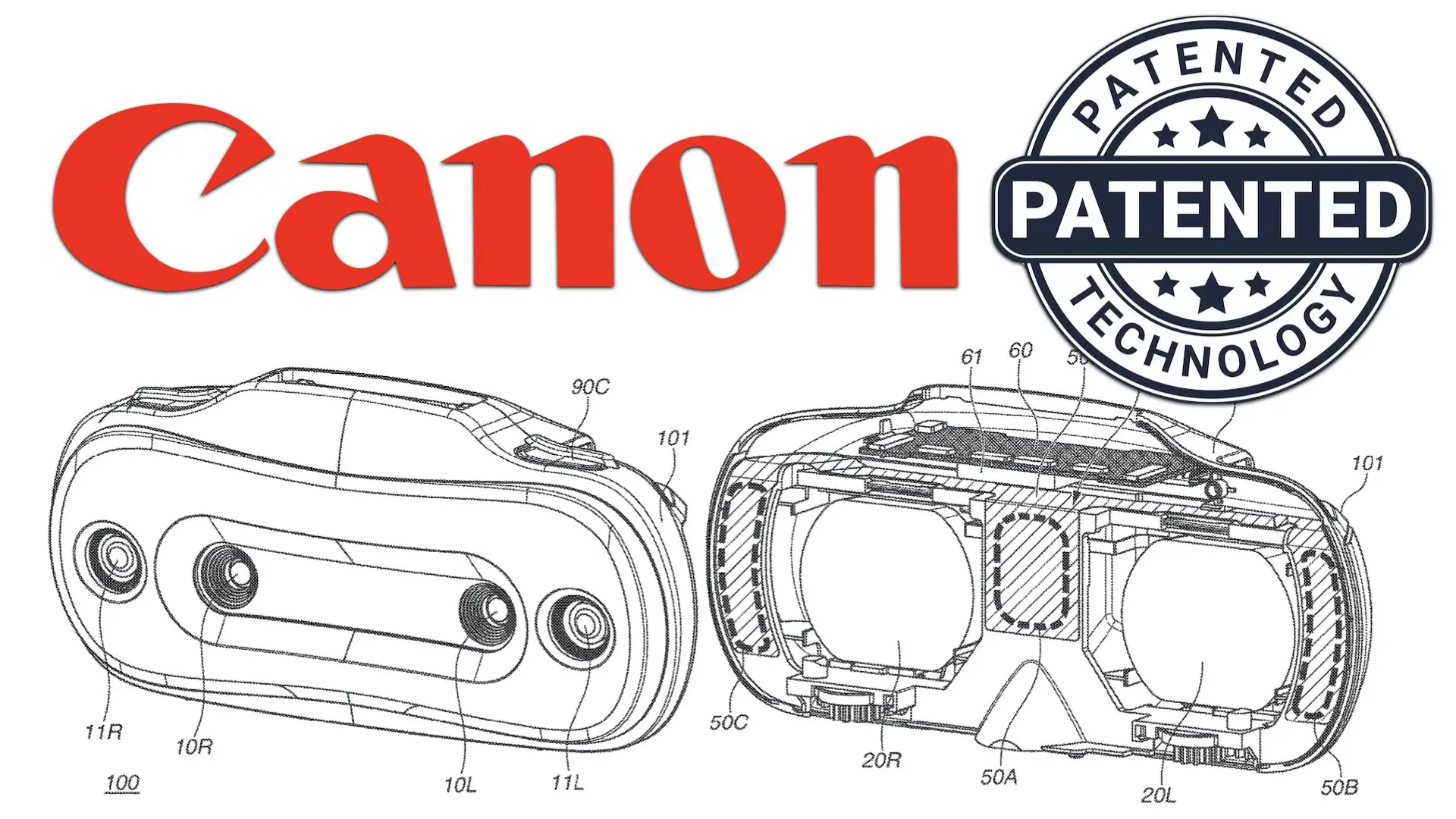
One of Apple’s strengths lies in the ecosystem. Vision Air is expected to rely on an A-series chip instead of the Mac-class M-series, reducing costs and optimizing for efficiency. This creates a closer bond with the iPhone ($1,210.40 on Amazon) , which could become the natural companion device. Canon is already moving in parallel. Our coverage of Canon’s Strategic Move: Strengthening the Spatial Video Ecosystem with Apple Vision Pro Integration revealed how camera manufacturers see opportunity in immersive video formats. The addition of Vision Air to Apple’s product family could push more third-party support and accelerate the growth of the ecosystem. At the same time, competitors are eyeing the same space. As seen in Canon’s AR VR Glasses Patent: A Counterstrike to Apple Vision Pro Aiming at the Masses, traditional imaging companies are preparing lightweight, mass-market alternatives. Apple will need to balance its hardware choices with content and developer incentives to maintain leadership.
From Zombieland to real cinema
Perhaps the biggest challenge is perception. Our opinion piece Apple Has Just Invented Zombieland captured the eerie image of disconnected users wandering with headsets on. Vision Air cannot simply be a slimmer Vision Pro. It has to reshape the narrative and highlight how spatial technology enhances cinema, productivity, and creative work. If Apple succeeds, Vision Air could become the device that transforms immersive media from a niche hobby into a mainstream experience. If it fails, it risks being remembered as just another attempt to solve a problem audiences never asked to fix.
Takeaway
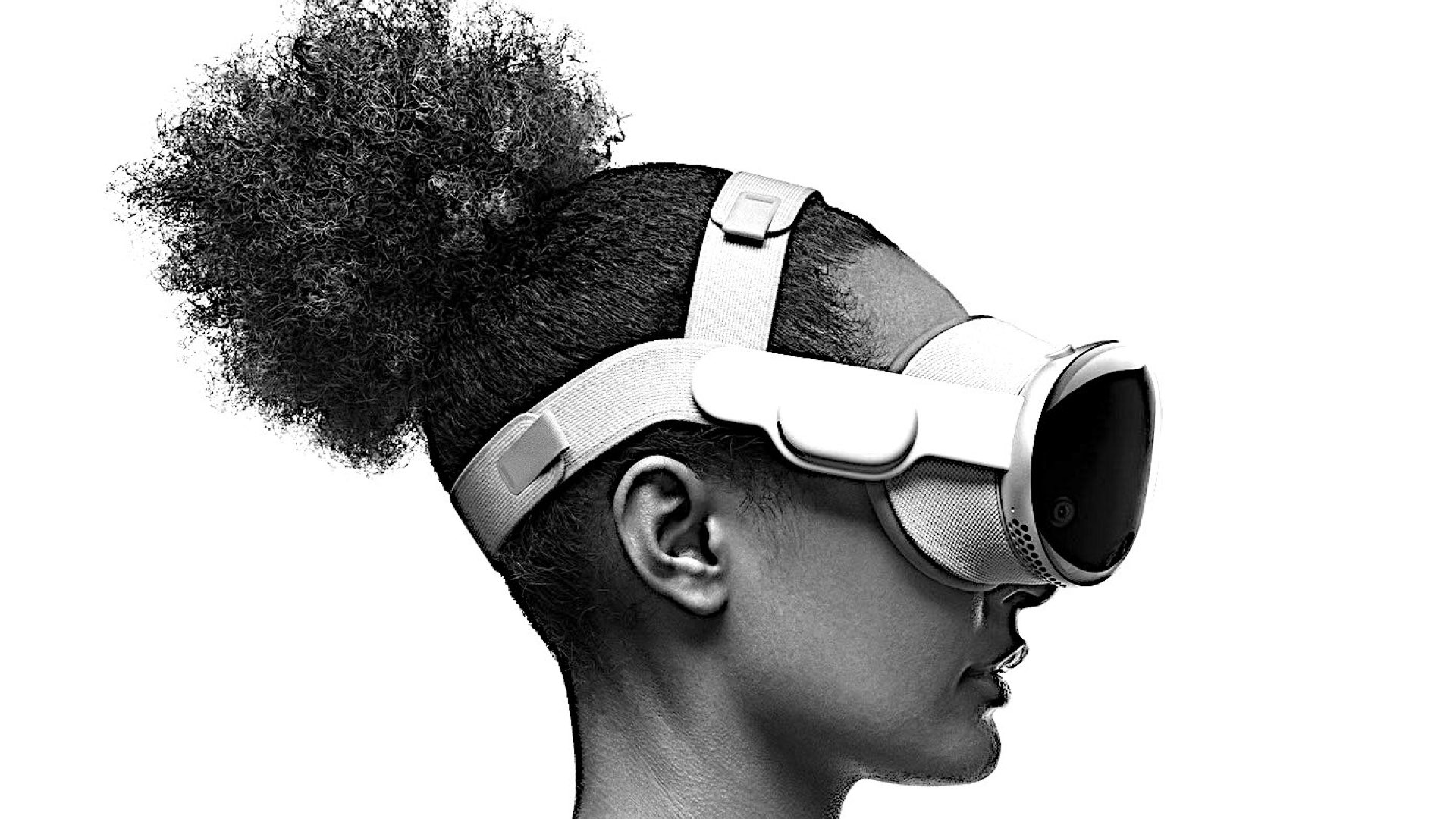
By lowering weight, reducing price, and tightening integration with the wider ecosystem, Apple is aiming to push spatial computing into the everyday lives of creators and consumers alike. The question remains: will Vision Air finally unlock the cinematic future promised by its predecessor, or will it repeat the missteps of the Vision Pro?
Gear mentioned in this article
Available on Amazon
| Product | New | Renewed | Used |
|---|---|---|---|
| iPhone 17 Pro | $1,210.40 | — | — |
Prices checked: Sep 12, 2026, 1:30 PM GMT+0000
As an Amazon Associate, Y.M.Cinema earns from qualifying purchases. If you buy through our links, we may earn a small commission at no extra cost to you.
Product prices and availability are accurate as of the date/time indicated and are subject to change. Any price and availability information displayed on Amazon.com at the time of purchase will apply to the purchase of this product.
CERTAIN CONTENT THAT APPEARS ON THIS SITE COMES FROM AMAZON. THIS CONTENT IS PROVIDED “AS IS” AND IS SUBJECT TO CHANGE OR REMOVAL AT ANY TIME.