

Nikon’s latest financial report paints a fascinating picture of transformation under pressure. The company expects higher camera sales volume driven largely by its new ZR digital cinema camera ($2,196.95 on Amazon) and affordable Z-series models like the Z5 II ($2,196.95 on Amazon) and Z50 II , yet it also warns of a year-on-year decline in revenue and operating profit. The reasons are external: currency fluctuations, rising import tariffs, and a shifting global demand curve. But behind these macro challenges lies an unmistakable story: Nikon is moving deeper into the cinema world, building a creative ecosystem designed for modern filmmakers and hybrid creators. Here’s what that means for professionals and enthusiasts alike.

The cinema signal
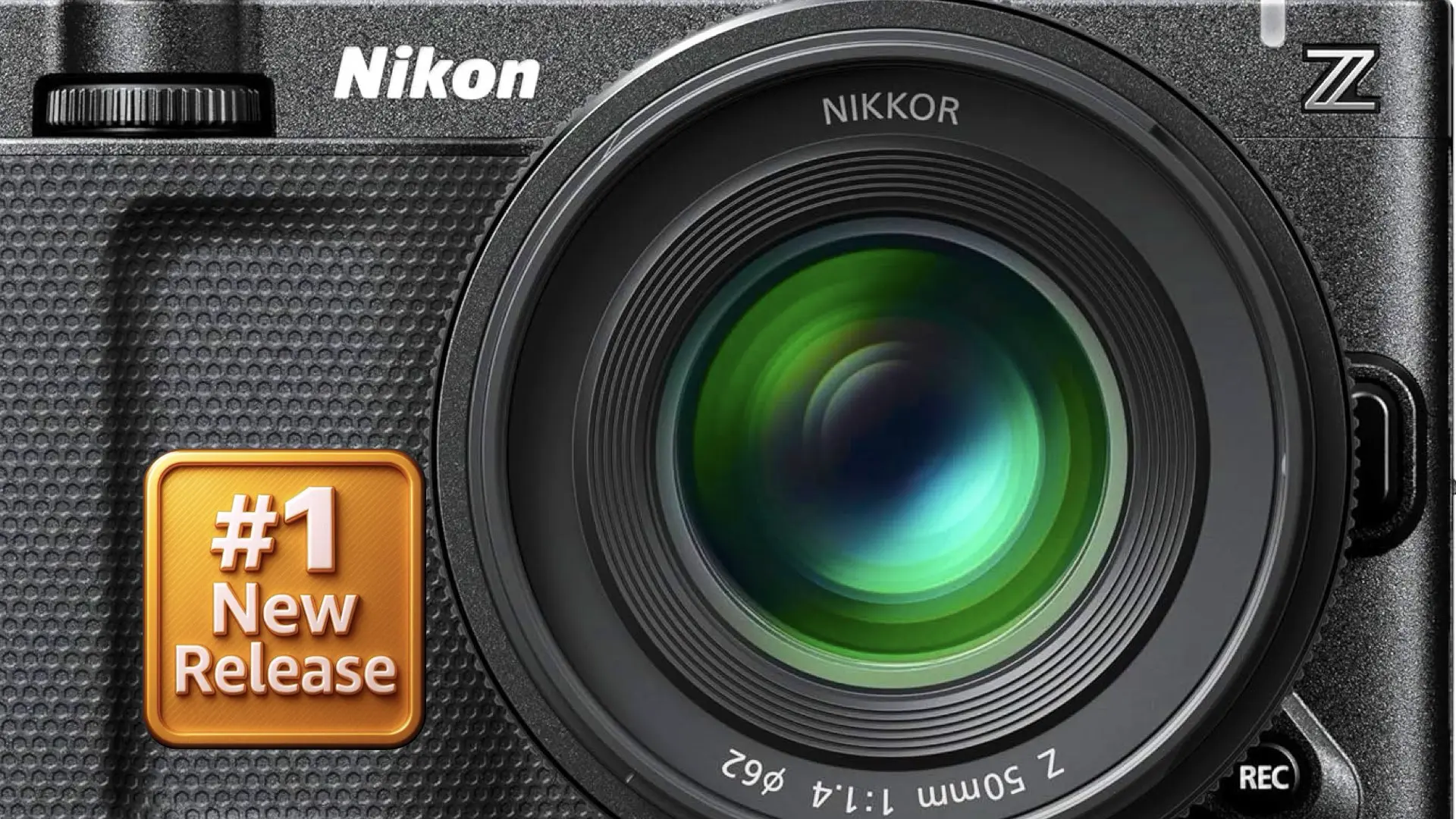
The release of the ZR marked one of Nikon’s most defining moments in recent memory. As detailed in Nikon Red ZR Cinema-1 New Release Amazon, the camera embodies Nikon’s official entry into digital cinema territory, merging its imaging heritage with RED’s acclaimed sensor tech and color science technology. Unlike previous professional Z-series cameras that balanced photography and video, the ZR is built from the ground up for motion production. It features cinema-grade recording formats, RAW workflow integration, and a form factor that supports rigs, cages, and on-set environments. For Nikon, it’s a statement that the company intends to compete in Hollywood-grade storytelling. In its financial report, Nikon explicitly names the ZR as one of the key products expected to drive sales volume growth. That phrasing matters. It means the company isn’t treating the ZR as a niche flagship for prestige but as a genuine market driver. Nikon is betting that cinema will no longer be a boutique category, but will become mainstream.

The Profit Paradox
However, the same report reveals a critical twist. Despite higher shipment volumes, Nikon forecasts a decline in both revenue and profit. The reasons are technical but significant: a weaker yen against major currencies and new tariff structures that make certain imported components more expensive. This creates a paradox: Nikon will likely sell more cameras but earn less per unit. In other words, 2025 could become the year of volume over value. For buyers, this is an unusual alignment of interests. To maintain shipment momentum, Nikon and its distributors often turn to aggressive promotional strategies: bundle deals, accessory kits, and time-limited rebates. That means creators may see the ZR and companion lenses appear in discounted packages far sooner than in typical product cycles. It’s a sign that Nikon is prioritizing market share and user adoption in the cinema segment, even at the expense of short-term profitability.
Lenses and ecosystem strategy
Every major camera manufacturer eventually learns the same lesson: profit lives in the ecosystem. Nikon’s report quietly confirms that truth. The company now lists 50 Z-mount lenses, including a growing range designed with filmmakers in mind, such as the power-zoom models recently introduced for video production. As analyzed in Top 5 Nikon Best-Selling Cameras Amazon October, Nikon’s top-performing products on Amazon aren’t always its flagships, but the volume-zone bodies that benefit from a rich lens lineup. By expanding its power-zoom offerings and cine-style optics, Nikon strengthens its foothold among solo operators, documentary shooters, and independent film crews who prioritize adaptability. These lenses support Nikon’s bottom line. As tariffs squeeze hardware margins, the company shifts its revenue focus to accessories and optics, where margins remain more flexible. This strategy mirrors what Canon and Sony have long mastered: use camera bodies as entry points, then cultivate customer loyalty through a tightly integrated lens and accessory system. For ZR buyers, this means the camera’s long-term value depends not only on specs but on the ever-expanding Z-mount lens ecosystem.

Red technology and real-world implications
The integration of RED’s imaging technology into Nikon’s design philosophy directly affects how Nikon engineers sensors, codecs, and color pipelines moving forward. As seen in Nikon ZR Amazon Best Seller, the ZR quickly climbed Amazon’s sales rankings after release, signaling early confidence among creators who recognized RED’s influence on image quality and workflow stability. RED’s proprietary approaches to RAW compression, tone mapping, and dynamic range management have long defined cinematic image standards. Now, Nikon inherits that DNA, which could trickle down to future Z-series models. For filmmakers, this could mean cross-compatibility in color science between Nikon’s stills cameras and cinema cameras, streamlining production workflows for mixed-use creators. Moreover, this integration opens doors to firmware-level advancements, such as improved internal recording formats and real-time color preview LUTs. Nikon’s growing collaboration with RED suggests that the brand is pivoting from being a stills manufacturer that supports video to a cinema technology company that happens to excel in photography.
Market reality and the buyer’s window
The global camera market is still feeling the aftershocks of pandemic-era demand spikes and supply-chain recalibrations. Nikon’s candid acknowledgment of FX and tariff headwinds reflects how unpredictable this market remains. Still, in a landscape where other manufacturers may hold pricing steady, Nikon’s volume-first strategy could make 2025 a unique opportunity for creators. Expect camera and lens kits, especially those tied to ZR bundles, to appear in promotional campaigns designed to accelerate adoption. Buyers monitoring prices on Amazon and major retailers should note that Nikon has historically synchronized global deals around quarter-end reporting. That means late Q4 and early Q1 cycles often coincide with better bundle pricing as the company pushes to meet shipment targets. For consumers, that’s not bad news. A market under tariff pressure may actually open more competitive offers, giving filmmakers access to higher-end tools at mid-range budgets.
What it means for buyers
For professional cinematographers and hybrid content creators, Nikon’s evolving position carries several takeaways:
-
ZR’s arrival reshapes Nikon’s identity. It’s a foundational cinema platform. Future firmware updates and accessories will likely extend its relevance for years.
-
Lens diversity is now a strength. Nikon’s 50-lens Z-mount lineup ensures users can match optics to project types, from run-and-gun shooting to studio rigs.
-
Expect more deals. With tariffs and FX fluctuations pressuring profitability, Nikon may prioritize volume incentives to keep shipments high.
-
Adoption matters. The faster the ZR and related products reach wide circulation, the more ecosystem investment Nikon can justify, meaning more firmware tools, accessories, and future models for cinema professionals.
Ultimately, this is a buyer-friendly cycle. Nikon’s corporate challenges translate into a wave of competitive pricing and ecosystem development that favors the user.
Takeaway
Nikon’s first true cinema year arrives under tough economic skies. Yet the company’s decision to emphasize the ZR as a growth driver while acknowledging shrinking margins shows a mature, confident strategy. Nikon is betting that once filmmakers experience the ZR, and the RED-powered workflow behind it, the momentum will sustain itself through lens sales and system loyalty. For buyers, this moment represents an opportunity. As the financial tides push Nikon to prioritize adoption, high-end creative gear becomes more attainable than ever. Expect a year of deals, firmware refinements, and renewed competition in the cinema segment: all fueled by Nikon’s determination to stay relevant in a demanding market.
As an Amazon Associate, Y.M.Cinema earns from qualifying purchases. If you purchase through the Amazon links above, Y.M.Cinema may earn a small commission at no additional cost to you. This helps support our work.

Gear mentioned in this article
Available on Amazon
Prices checked: Oct 23, 2026, 9:34 AM GMT+0000
As an Amazon Associate, Y.M.Cinema earns from qualifying purchases. If you buy through our links, we may earn a small commission at no extra cost to you.
Product prices and availability are accurate as of the date/time indicated and are subject to change. Any price and availability information displayed on Amazon.com at the time of purchase will apply to the purchase of this product.
CERTAIN CONTENT THAT APPEARS ON THIS SITE COMES FROM AMAZON. THIS CONTENT IS PROVIDED “AS IS” AND IS SUBJECT TO CHANGE OR REMOVAL AT ANY TIME.








It’s not 8K. Not 3D. Needs to be 1/4 the price. Why did they ever buy Red? Where’s all the 3D holographic cameras, phone, pocket camera, projector, display, redray?? national subscription streaming service, or lack of a good timely color science or completely f anti competitive bayer patent for resolution and frame rates not prior art (who do we launch class action about that in the patents department etc)? Did I miss any over promise over hyped or non delivered products. It’s up to Nikon to release updated versions of these now! The fact there os no 16 or 32K cameras talked about is glaring. If only BMD had done much better on their 12k+sensors, where and how much value would Red have right now?
RED’s legacy has always been tied to ambitious promises, some fully realized and some left behind with changing tech realities. Nikon’s acquisition seems less about chasing 3D or 16K hype, and more about integrating RED’s core IP compression, color science, and sensor design into a scalable ecosystem. It’ll be interesting to see whether Nikon uses RED’s technology to bridge cinema and prosumer worlds. Cheers.
I think they are considering high resolutions like 16K and 3D and I bet on that. Greetings
When you talk to somebody else who actually knows about it, get back to me then. They foolishly repeatedly wasted our time, and are still pretty much a sizable bit player, who bought stuff in, dawdled in other areas. I can’t remember if I advised Jim to license the cineform raw codec technology or not, but the pocket directors view finder that becsne scarlet, the phone, the 3D, pretty much all the features of the redone, a number of tech in sensor noise and low light ability, higher res for digital post framing, maybe even the projector, the targeting of the f sensor technology behind the leading cinema camera towards that market, the raw on the BM pocket cinema camera, the oversized pocket 4k, increased resolution, braw, color fill, noise reduction and latitude, and low light color recovery color science improvement, si2k cineform raw pc camera, Sanyo pocket hybrid easy menue schemes, jpeg2/h264 selective image encoding prioritisation list that preceeded to massive per bit industry encoding improvements, and whatever I have forgotten. Hmm, multi angle auto stereo 3D scheme, and let’s not forget the advanced codec stuff I talked about publicly in the presence of people who then went on to work at red which then developed the redray codec. Were all original suggestions of mine to these, or infront of these people. I think I have earned the right to call out the history. Left to their own devices it is likely not much would be achieved. Money, doesn’t buy intelligence, it may buy better minds, but that’s hit and miss. If I had got my way Arri, Sony etc would not have survived. All the cheap professional cameras would be half the cost or less, as was the plan. The Nikon still cinema camera product was the sort of plan, starting at $500 20 years ago. Actually, I am just trying to remember if I was over at BM banging on about that. Certainly was at Red. Unfortunately due to brain injury and just unfortunately circumstances, I had to give up on my multipoint 3D match packet (cinema frame sized) cinema hybrid camera proposal, after I had quit previous projects based on the promised looming competition from Red (most people don’t realise 99%+ of potential hightech proposals get scrapped innthe background for practical reasons. I mention, because there is always a smart a who will cast shade about mention of a scrapped project. But, with Red, unless there are patents involved, hardly any of the well financed projects would need to be scrapped. The transparent frame 3d camera on the other hand, was beyond rocket science, with only a lower resolution match packet sized device being possible by a big company in the $100-$200 range. It was primarily an action, still, consumer video cameras to get volume up to reduce costs per unit).
When feeling of grandeur meets sub-par translator. What the hell did I just “read” 😀
When feeling of grandeur meets sub-par translator. What the hell did I just “read” 😀