Mobile cinematography just became more interesting. Sony has introduced a new LYTIA sensor that delivers 8K recording and 17 stops of dynamic range. Instead of dramatic claims, this sensor brings real improvements that help mobile creators shoot cleaner and more flexible footage in everyday situations. It is a technical upgrade that matters for anyone who films with a phone.

A sensor designed to help phones behave more like real cameras
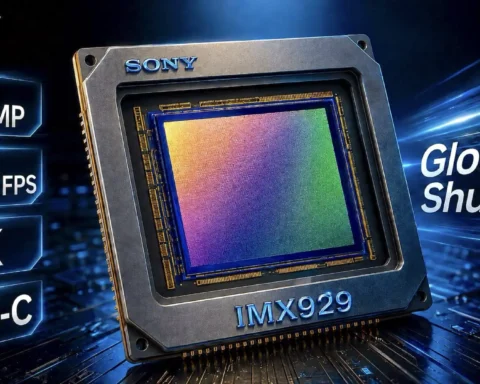
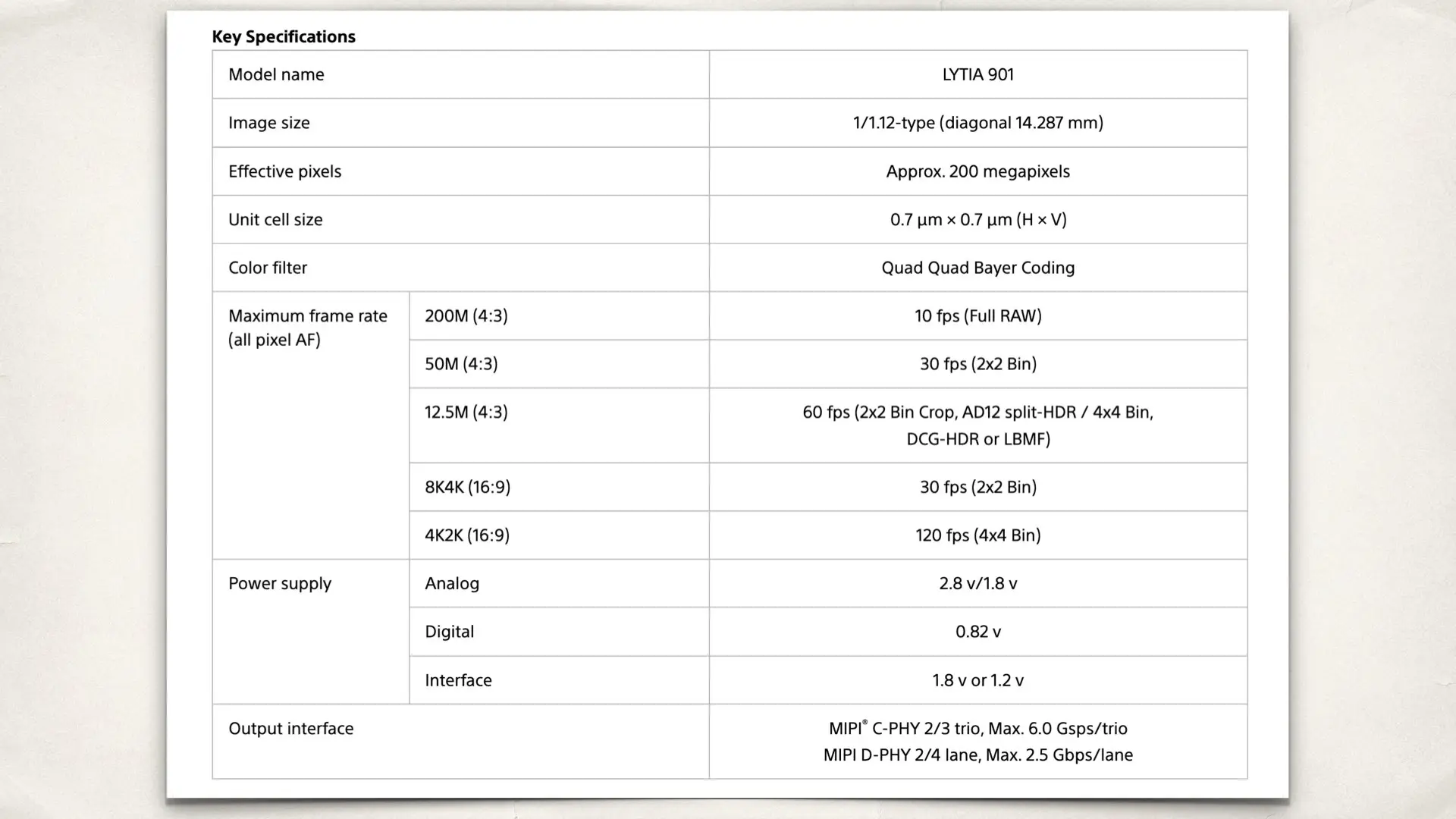
The LYTIA 901 uses a 1 over 1.12 type stacked architecture, 200 megapixels, Dual Conversion Gain HDR, a 12 bit ADC pipeline, and a hybrid HDR system that reaches more than 100 dB of dynamic range. In practical shooting this means smoother highlight roll off, cleaner shadows, and more room to grade difficult scenes. Sony has been exploring advanced pixel structures for large format imaging as seen in Sony 10K Global Shutter Large Format Sensor, and the same engineering mindset is now shaping its mobile sensors.
A closer look at the new sensor, its architecture, and its technology
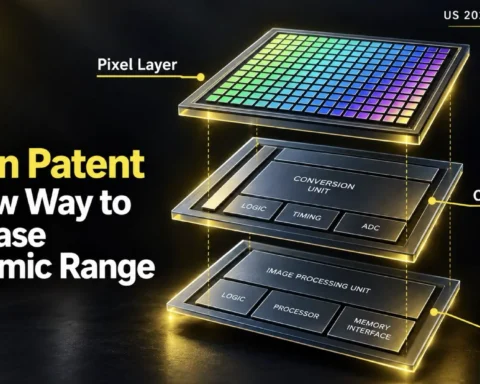
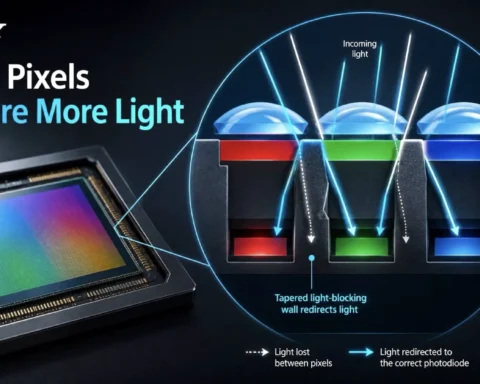
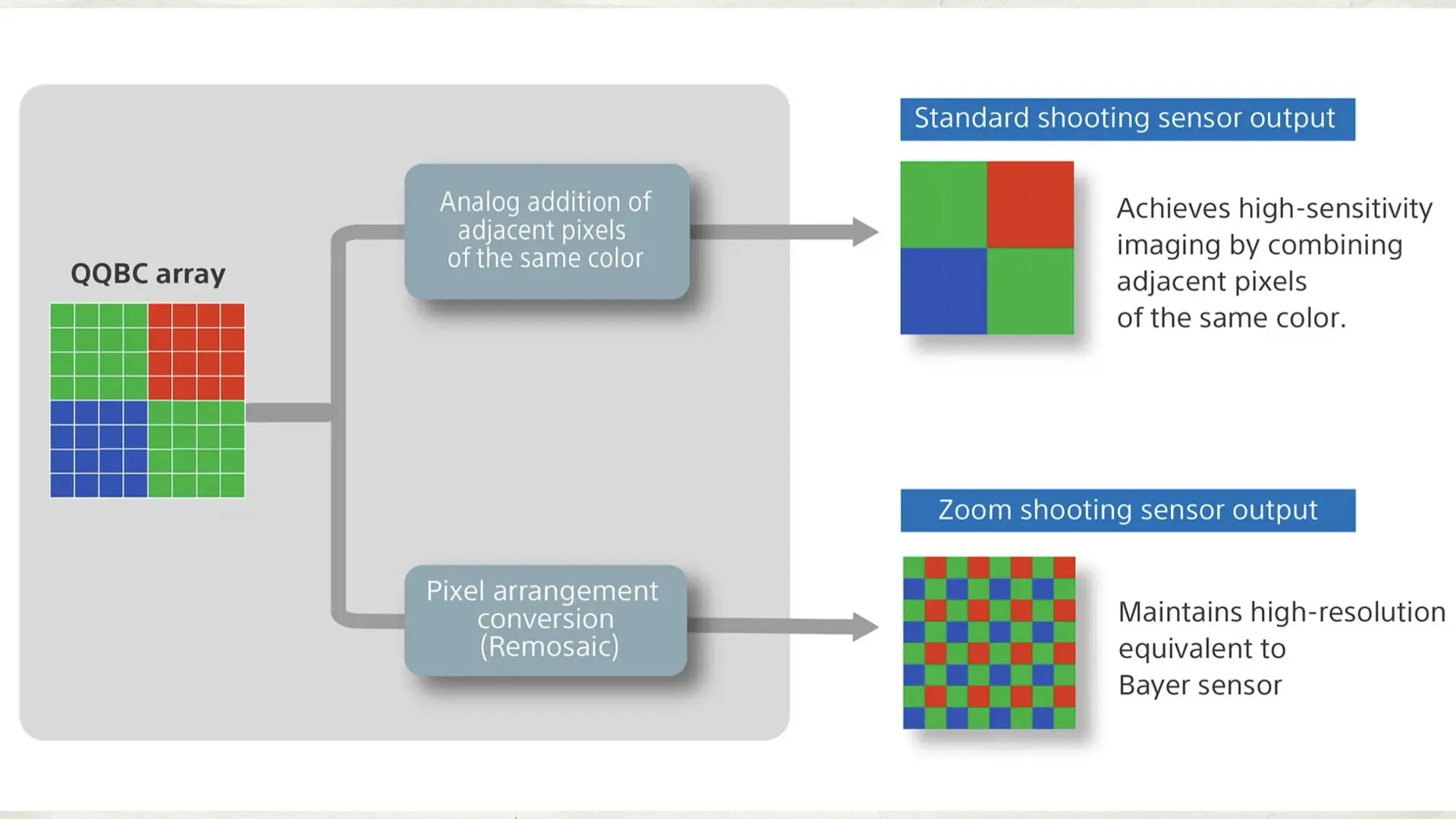
Sony built the LYTIA 901 as a multi mode imaging platform rather than a simple high resolution sensor. The chip uses a Quad Quad Bayer pixel arrangement in which small pixels can operate independently for high resolution capture or combine into larger clusters for higher sensitivity. This gives the sensor a flexible personality depending on the lighting situation, focal length, or frame rate. In good light it behaves like a 200 megapixel high detail sensor. In low light it behaves like a larger pixel sensor where groups of pixels merge to improve noise performance. The stacked architecture improves readout speed and reduces rolling shutter because the photodiodes and logic circuits sit on separate layers. This allows the sensor to maintain high throughput even during 8K recording. The 12 bit ADC pipeline increases tonal resolution and reduces banding, which is a significant improvement for HDR workflows. It also improves how the sensor handles subtle transitions in skin tones and gradients. The hybrid HDR system is the most impressive element. It combines short exposure captures with dual gain readouts inside a single frame. This means the sensor does not need multiple frames to create an HDR image. Instead it captures all the exposure information at once, which minimizes motion artifacts and dramatically increases usable dynamic range. Sony reports more than 100 dB which equals roughly 17 stops. This allows a mobile camera to keep sky detail, preserve shadow texture, and maintain color accuracy in mixed lighting scenes that would normally overwhelm a phone sensor. The chip also supports high speed readout modes that allow 8K recording at 30 frames per second and 4K recording at higher speeds through intelligent binning. The readout system is designed to handle these modes without the harsh aliasing and artificial sharpening commonly associated with high resolution mobile video. This is why the 8K implementation matters more than the number itself. The general direction mirrors Sony’s experimentation in ultra high resolution imaging such as the work described in Sony Developed A Medium Format 247MP 19K Sensor. Sony continues to treat resolution and dynamic range as complementary rather than competing priorities. It is the same logic applied at a smaller scale for mobile devices.
Why the 8K implementation matters more than the number
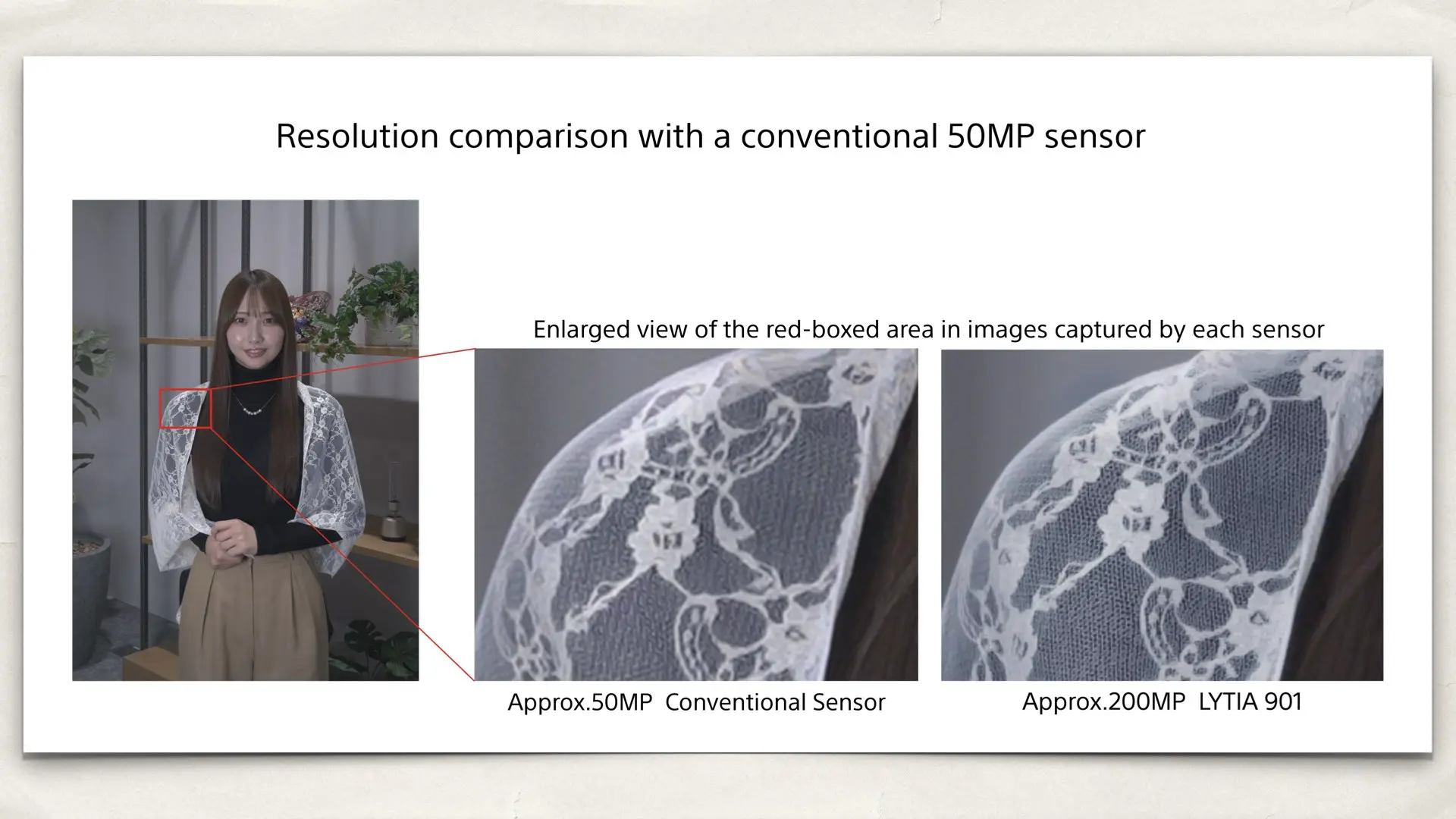
Most mobile 8K systems rely on shortcuts that reduce image quality, but the LYTIA 901 uses its large resolution pool to oversample and then bin pixels efficiently. This improves motion quality, reduces noise, and produces detail that feels more natural. The difference shows up most clearly during panning shots or scenes with fine textures where lesser sensors collapse into sharpening halos or jitter. Sony’s research history supports this direction. Its long term exploration of high resolution capture and intelligent readout was detailed in Sony Developed A Medium Format 247MP 19K Sensor, which demonstrated Sony’s interest in pushing pixel density while preserving latitude and tonal stability.
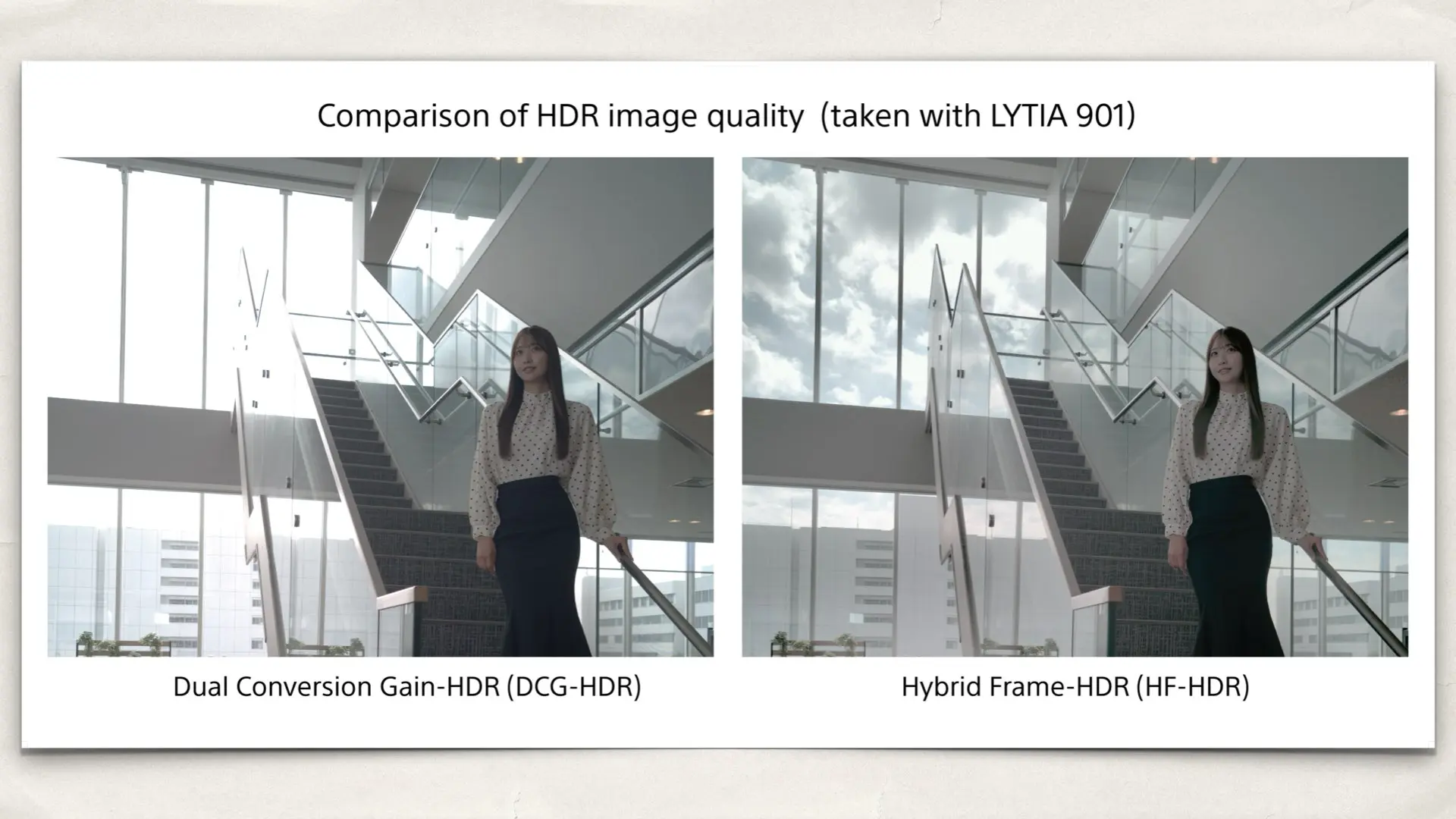
The real story is the dynamic range
For filmmakers the most meaningful improvement is the exposure latitude. The hybrid HDR system collects both high gain and low gain information inside a single frame and blends it with the short exposure channel. This approach keeps detail in bright skies, prevents blocky shadows, and stabilizes the overall tonal map. With more than 100 dB of dynamic range available, mobile creators now have roughly 17 stops of usable latitude, which was previously unrealistic for a sensor of this size. This direction aligns with the broader changes happening inside Sony’s sensor division. Industry reporting in Sony Reportedly Mulls Semiconductor Spinoff A Tectonic Shift For The Camera Sensor Industry explored how structural independence could allow faster development cycles. The LYTIA 901 feels like a result of that faster pace.
Not full frame, and that is perfectly fine
Sony has explained that smartphones will not use full frame sensors due to physical, thermal, and optical constraints. This was outlined clearly in Sony Says Smartphones Will Not Incorporate Full Frame Sensors. The LYTIA 901 shows how far a small format sensor can go without increasing size. Through smarter sampling, deeper bit depth, and advanced HDR capture, the sensor behaves with far more exposure stability than its physical dimensions would suggest.
For mobile filmmakers
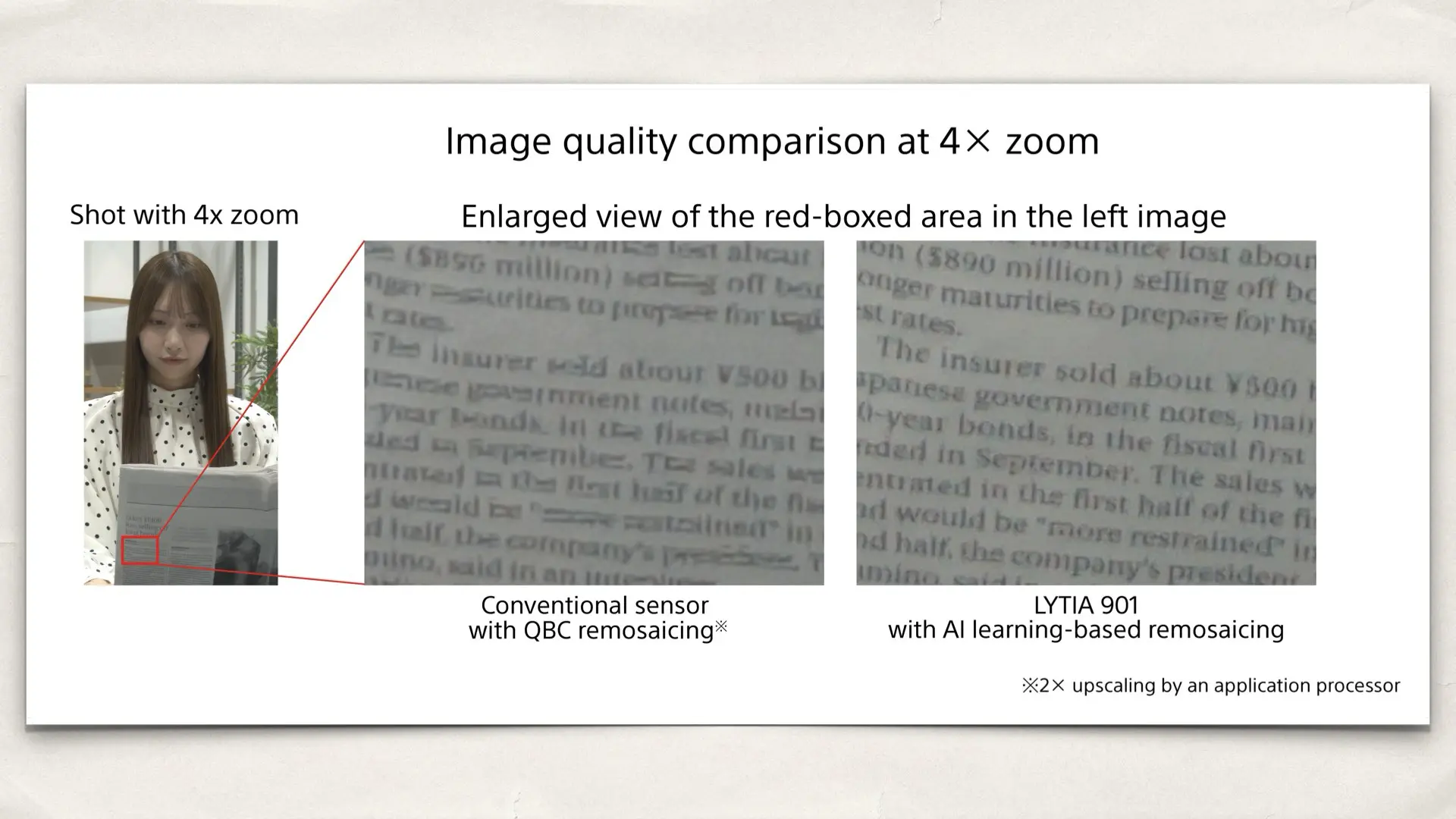
Mobile filmmakers gain cleaner 8K footage, more consistent exposure across scenes, better highlight control, and shadow detail that survives grading. They also gain a sensor that maintains quality across a wide zoom range thanks to pixel grouping and remosaic processing. All of this supports real workflows such as travel filmmaking, documentary shooting, handheld videography, and run and gun content creation. These improvements do not require new habits or new accessories. They simply make the device more capable. With 8K capture, 17 stops of dynamic range, and a smarter HDR architecture, it gives mobile filmmakers a more dependable tool for real projects. It is not aiming to replace dedicated cinema cameras, but it brings a surprising amount of cinema style stability to a pocket sized device.