

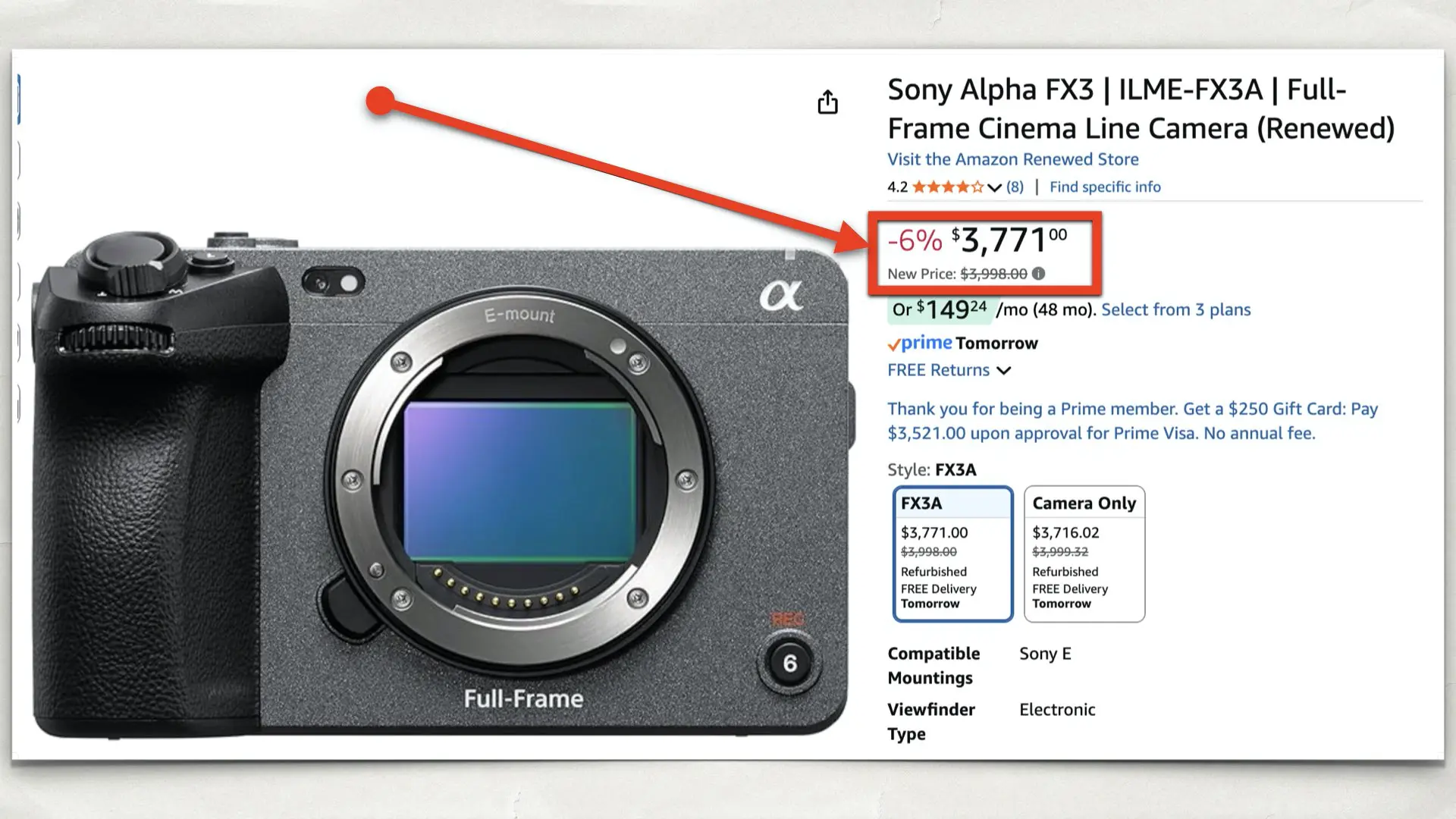
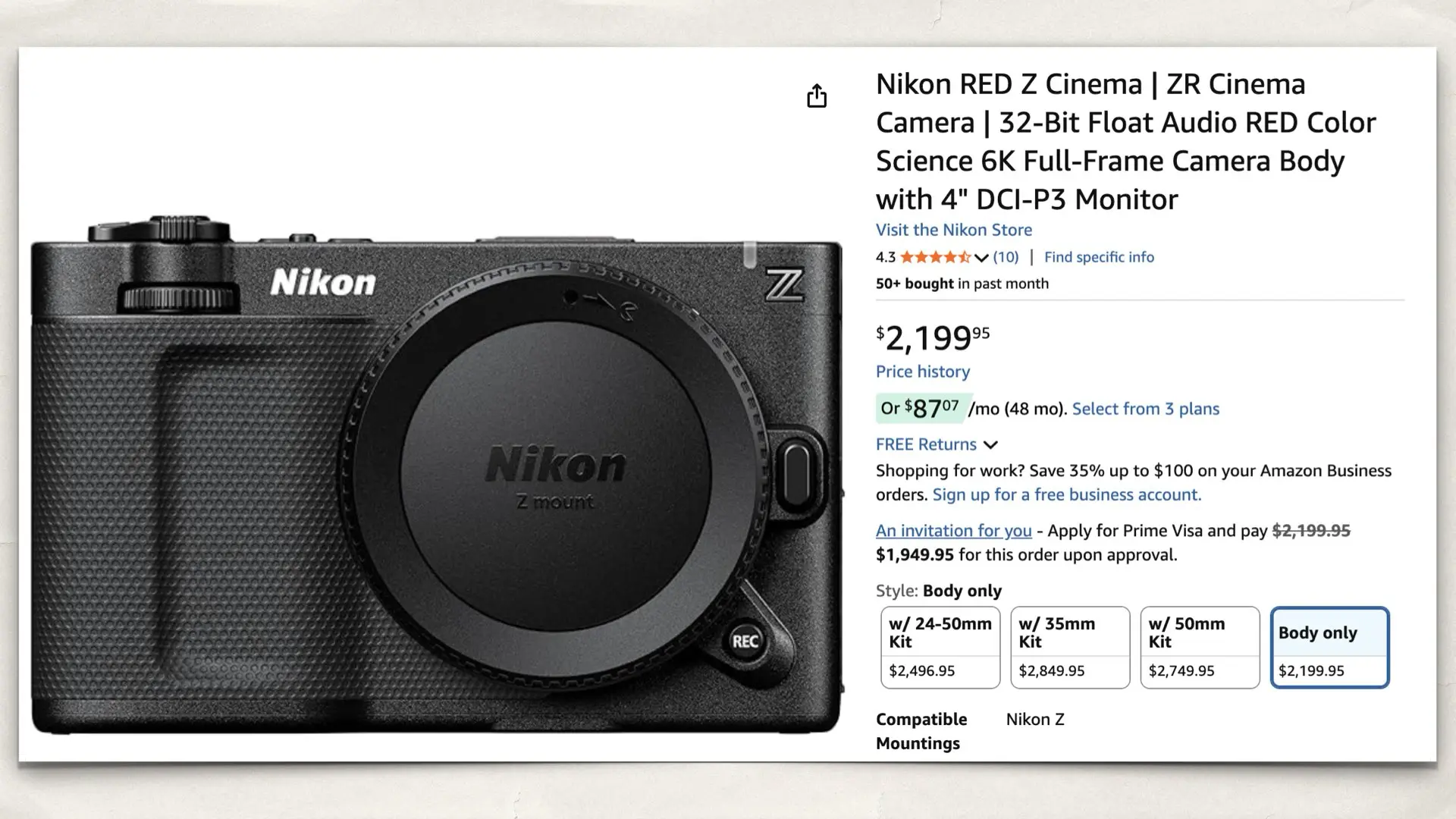
There is something very honest about a creator who just picks up 2 cameras and shows how they behave in the real world. No lab charts, no thirty-minute lectures, just clear footage and a calm voice. The Nikon ZR ($2,196.95 on Amazon) versus Sony FX3 ($3,998 on Amazon) videos you referenced are exactly this. They are simple, direct, and extremely educational. They remind us that many buying decisions are not made from white papers but from gut feeling and workflow reality. Sometimes, we really do not need a fancy, long, overcomplicated comparison to understand which camera fits our work.
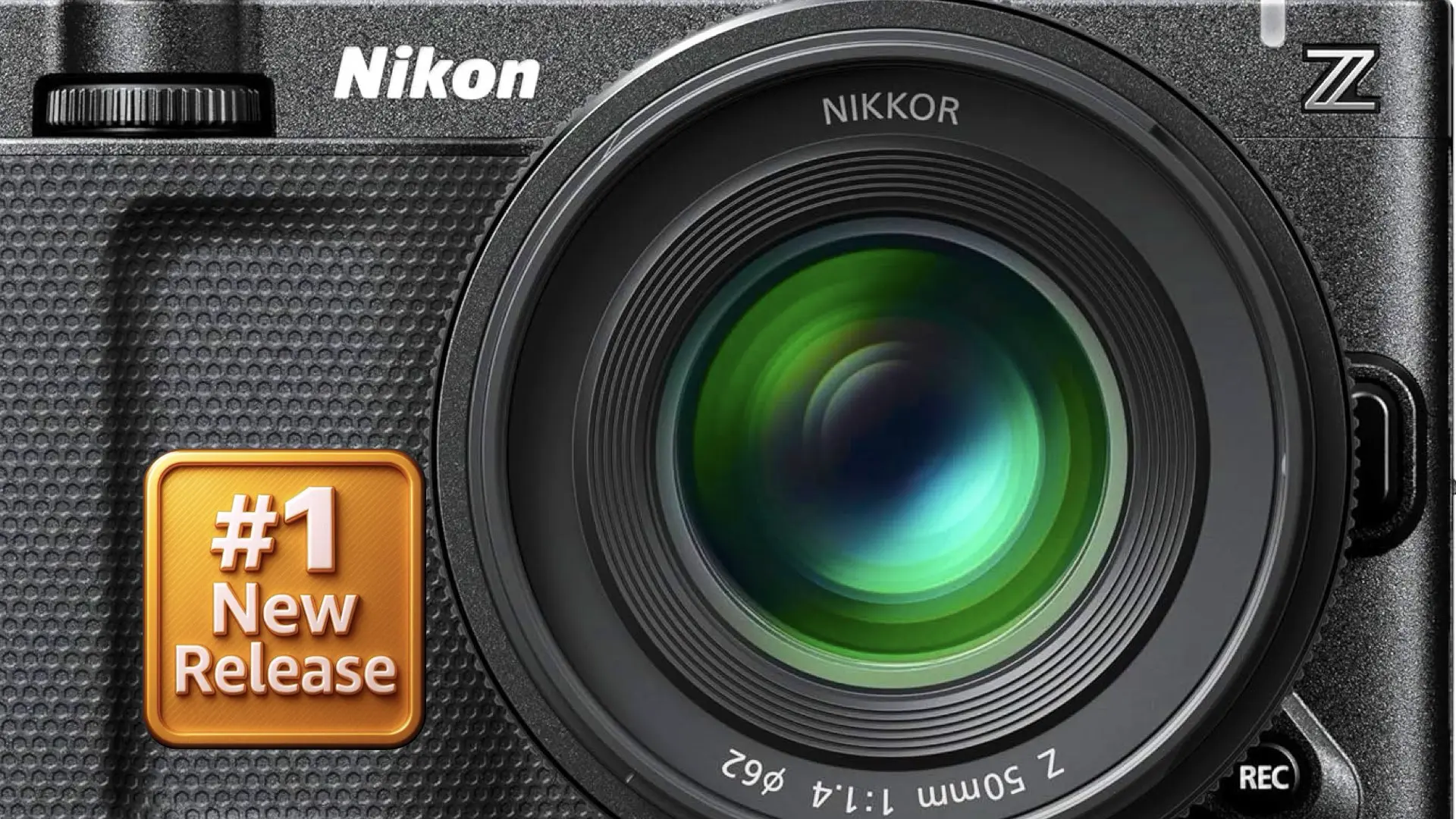
How Nikon shaped the ZR for modern cinema
Before diving into the videos, it is worth remembering how intentionally Nikon built this camera as a cinema tool. They did not simply turn a hybrid into a cinema model. They redesigned deep internal components to support serious image making. The floating sensor architecture and RED based pipeline are not marketing tricks. They are part of a larger engineering story that explains why the ZR behaves the way it does on set. BTW – a very useful technical background for what we see in the videos is presented in Nikon ZR Floating Sensor Design. That article explains how Nikon uses a floating sensor structure to manage stability, thermal behaviour, and image quality. When you watch the creator push the ZR through 6K recording and long overheating tests without a fan, this engineering context suddenly becomes very relevant.

Nikon’s cinema ambitions behind the product
The ZR is not an isolated product. It is part of a broader attempt by Nikon to enter cinema more aggressively in an already saturated market. The financial and strategic pressures behind this effort are broken down in Nikon Cinema Push Financial Outlook. When you connect that article with the videos, you can clearly see Nikon’s dilemma. They created a camera that delivers cinema grade features, yet many working shooters still prioritise speed, safety, and compressed workflows.

First video. What the side by side comparison actually shows
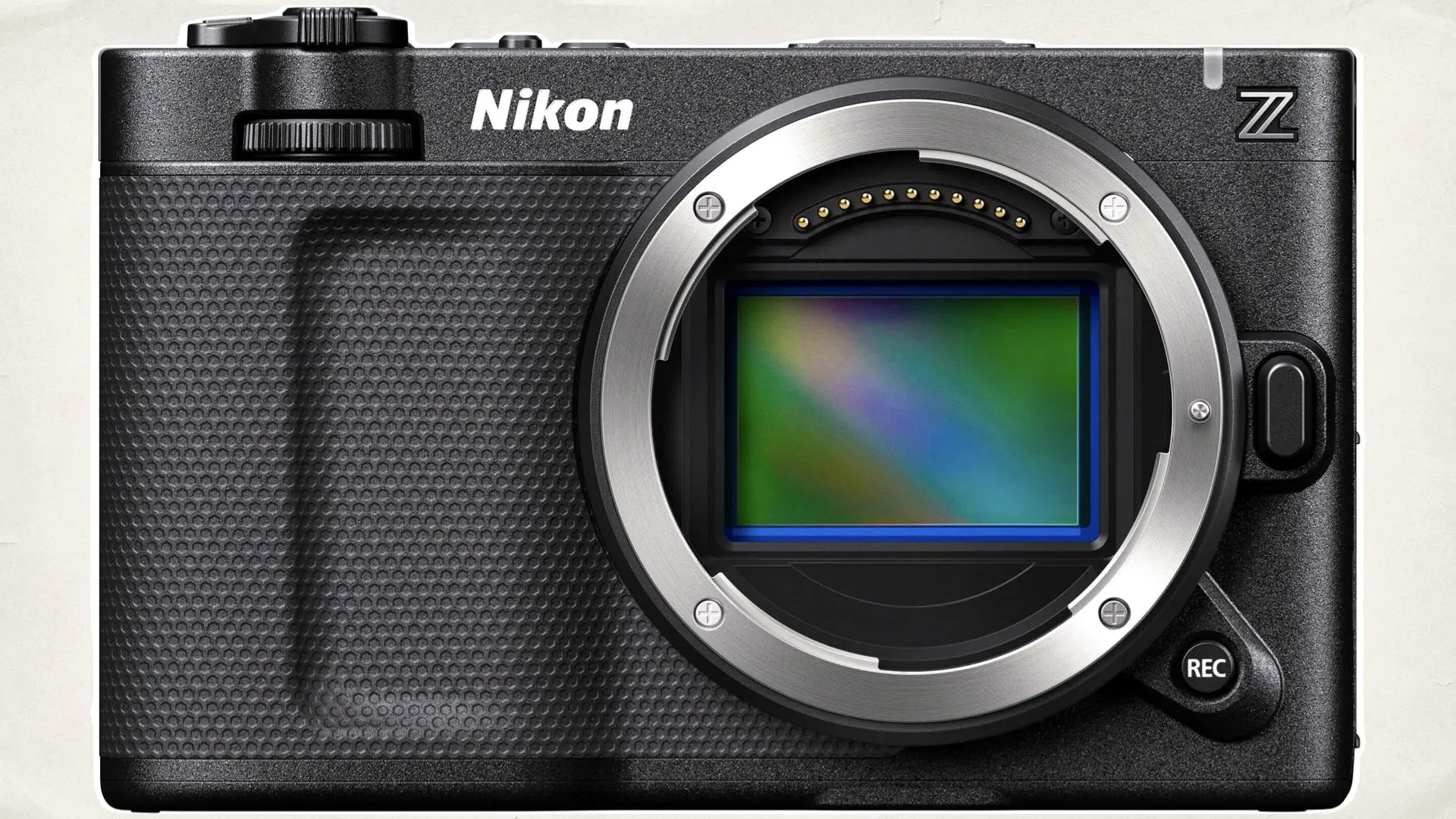
In the Nikon ZR versus Sony FX3 comparison video, the creator does something extremely simple and extremely effective. He starts with clean spec graphics, then quickly moves to side by side footage. He asks viewers to guess which shot belongs to which camera. No dramatic commentary, no attempt to push a favourite brand. This format reveals a crucial point. For most viewers, both cameras already look excellent. The difference is not that one looks bad and one looks good. The difference is how each tool behaves around that image. He explains that the ZR carries a 24.5 megapixel partially stacked 6K sensor, while the FX3 sits at 12 megapixels and tops out at 4K. He also emphasises that the ZR has more codecs and more frame rates, including heavy formats that generate very large files. In other words, the ZR is the more advanced image pipeline. It offers R3D, 6K, and serious flexibility in post production. The FX3, by comparison, is presented as simpler but still competent. This is a very honest framing. The Nikon is the deeper cinema machine. The Sony is the efficient workhorse. When he moves from image to ergonomics, the tone changes. He is much more critical of the ZR body. He points out the lack of a proper grip, the minimal number of buttons, the absence of a control wheel, the bottom card slot placement, and the single mounting point. Then he compares that to the FX3 which has multiple quarter inch threads, a robust hand feel, and a more familiar Sony layout. He does not say this with drama. He simply shows that in the hand, the FX3 feels more secure and more efficient.
FX3 as a safer tool, AF, and lenses
He also notes that the FX3 has internal cooling fans and dual card recording. For a working professional, these 2 details often matter more than a new codec or extra resolution. A fan means fewer surprises on long days. Dual cards mean backup when something fails. Both features sit at the core of why many shooters trust the FX3 as a daily driver. This behaviour is reflected in its commercial performance and in market response around major sale periods, as covered in Sony FX3 Lowest Price Black Friday Amazon 2025. Fruthermore, his autofocus verdict is balanced. He says Sony is slightly better, but Nikon is still very good. That wording is important. He is not saying Nikon is unreliable. He is saying Sony still holds a small edge, which fits long standing user expectations. For lens options, he reminds viewers that Sony E mount has a larger ecosystem, but he also notes that the ZR can adapt E mount glass through the MegaDep adapter. This detail quietly removes a major objection for many potential buyers who already own Sony lenses. He also discusses monitoring and screens. He points out that the ZR has an excellent 4 inch screen that is genuinely pleasant to use, while the FX3 is limited to 3 inches. For users who do not always carry a large external monitor, this is a real quality of life difference in favour of Nikon.
What his blind footage tests really prove
The blind test section may be the most educational part of the first video. He grades the footage lightly, converts both cameras to Rec 709, and invites viewers to guess. The important revelation is not which shot is which. The important revelation is how hard it is to tell them apart when both are used competently. This destroys the fantasy that a camera alone will transform someone’s work. It shows that both the ZR and the FX3 are more than capable of delivering a professional image. The real differentiation comes from workflow, reliability, and ergonomics, not from a magical cinematic secret baked into one sensor. Watch the video below:
Second video. What “Goodbye Nikon ZR” actually means
The second video, where he says goodbye to the ZR and gives it away, goes much deeper into his personal decision making. At first, it sounds like a rejection. In reality, it is a nuanced workflow confession. He starts by listing everything he loves. He says clearly that the thing he likes most is the image and the R3D codec. He calls the image cinematic and soft, and he says that his first experience grading R3D was extremely positive. He also celebrates the variety of codecs and frame rates, the flexibility of 6K cropping, the dual base ISO at 800 and 6400, the strong performance at ISO 6400, and the 32 bit float internal audio which he already relies on in his wedding work. He also mentions the 4 inch screen and calls it game changing. After using it, he finds it difficult to return to his older cameras. He then reveals that he stress tested the camera for overheating and could not make it overheat even once, despite the demanding codecs and the fact that there is no fan. This is a remarkable real world validation of Nikon’s thermal design and aligns with the engineering context you explore in your Nikon ZR coverage. It also helps explain why early market response to the camera was so strong, especially when it appeared as a one of a kind product on Amazon, something captured in Nikon RED ZR Cinema 1. New Release On Amazon.
How autofocus, lens and the R3D’s change the narrative
As someone coming from Sony, he expected to be underwhelmed by Nikon autofocus. Instead, he was impressed. He admits that at default settings, the autofocus felt frantic, but once he tuned the behaviour, performance became nearly flawless. This is a powerful statement because it comes from a long term Sony user. He also praises the Z mount combined with the MegaP adapter that allows him to use his existing E mount lenses. He says that roughly 95 percent of those lenses behaved flawlessly on the ZR. This means that for him, lens choice was no longer a real barrier. After praising the camera for several minutes, he finally explains why he is letting it go. The reasons are practical, not emotional. First, he cannot live with the size of R3D files in his line of work. As a wedding and sports shooter, he needs continuous recording and manageable storage. Thirty-six minutes of footage on a 1 TB card at 6K 60p is not sustainable for long event days. Second, he cannot accept the lack of dual card recording because he depends on redundancy for client safety. Third, he dislikes the micro HDMI port, especially because he prefers using 7 inch external monitors. Fourth, he does not like the look of the internal H265 footage, which he feels is overprocessed with too much built in noise reduction. Finally, the absence of anamorphic de squeeze monitoring limits his anamorphic work without an external monitor. These are not complaints about image quality. They are specific complaints about workflow friction points. Check out this video below:
What this teaches about matching camera to career
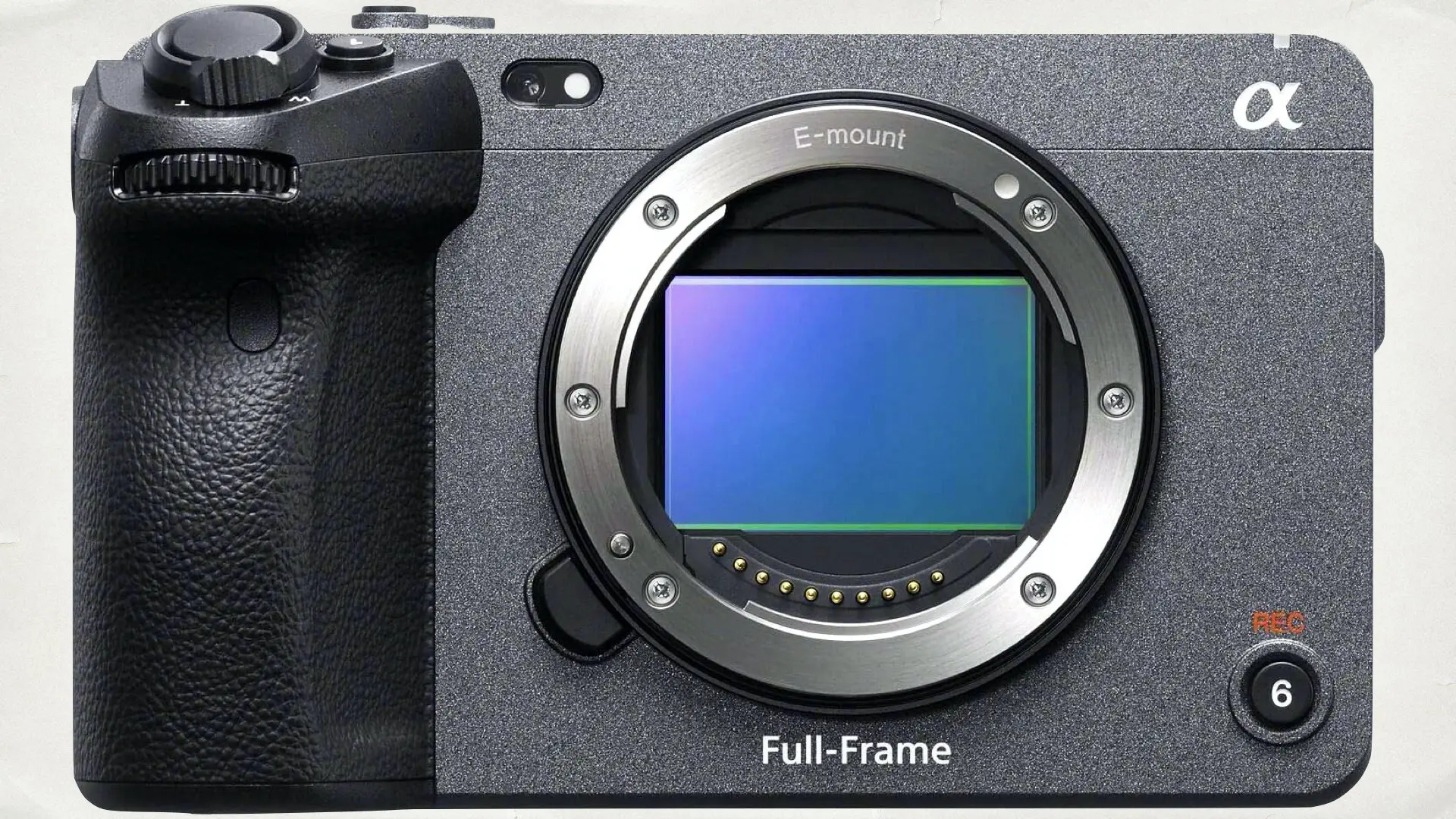
Taken together, the 2 videos are a real masterclass in matching camera philosophy to the type of work you do. The Nikon ZR gives the filmmaker everything he wants for cinematic image making. Yet his daily reality is wedding coverage, sports, and fast turnaround projects. For that environment, safety, redundancy, and efficiency outweigh the benefits of maximum image flexibility. He loves the ZR as a piece of cinema technology, but he cannot justify keeping it as a primary work tool. The Sony FX3, on the other hand, fits his life even if it is less exotic. It offers dual cards, familiar handling, good autofocus, and compressed formats that are easy to store and edit. These strengths are exactly why the FX3 continues to sell and why it remains a focus point in deal oriented coverage such as Best Sony FX3 Deals On Amazon.
How these videos align with Nikon’s wider cinema challenge
There’s no doubt that Nikon is trying to balance innovation with market adoption. The ZR delivers incredible features for narrative and controlled productions, yet many working professionals in weddings, events, and content creation still pick the FX3 because it feels safer, easier, and more familiar. In that sense, these simple YouTube videos capture the exact tension you analyse in Nikon Cinema Push Financial Outlook and Nikon ZR Floating Sensor Design. Nikon can win praise for technology but still lose daily carry mindshare to Sony.

Why straightforward reviews can be more powerful than lab tests
The most important educational message from these 2 videos is that simplicity is not a weakness. A comfortable camera in the hand, a safe recording structure, and a storage friendly codec can matter more than an extra stop of dynamic range or a new sensor buzzword. By keeping this tests short, clear, and honest, the creator reveals the real decision making process of a working shooter. The Nikon ZR and the Sony FX3 are both excellent. One is a cinema machine that rewards careful projects and heavy storage. The other is a resilient workmate that wins in the chaos of real jobs. Understanding which world you live in is the real question. The videos help viewers answer that quickly, and that is why they are so valuable.
📦See the Sony FX3 on Amazon
📦See the Nikon ZR on Amazon
As an Amazon Associate, Y.M.Cinema earns from qualifying purchases. If you purchase through the Amazon links above, Y.M.Cinema may earn a small commission at no additional cost to you. This helps support our work.
Gear mentioned in this article
Available on Amazon
Prices checked: Oct 7, 2026, 1:31 PM GMT+0000
As an Amazon Associate, Y.M.Cinema earns from qualifying purchases. If you buy through our links, we may earn a small commission at no extra cost to you.
Product prices and availability are accurate as of the date/time indicated and are subject to change. Any price and availability information displayed on Amazon.com at the time of purchase will apply to the purchase of this product.
CERTAIN CONTENT THAT APPEARS ON THIS SITE COMES FROM AMAZON. THIS CONTENT IS PROVIDED “AS IS” AND IS SUBJECT TO CHANGE OR REMOVAL AT ANY TIME.





“real jobs”
lmao!
The ZR is a great step by Nikon. A few new features will make it much better and starting with only a $2,200 USD price on this one, it seems they have a lot of room to play with to get those additional specs like a second card slot, quality H.265 recording, full size HDMI port and anamorphic desqueeze. Maybe clean up the menus a bit. If they can do all this for close to $3,000 USD it would be formidable competition.