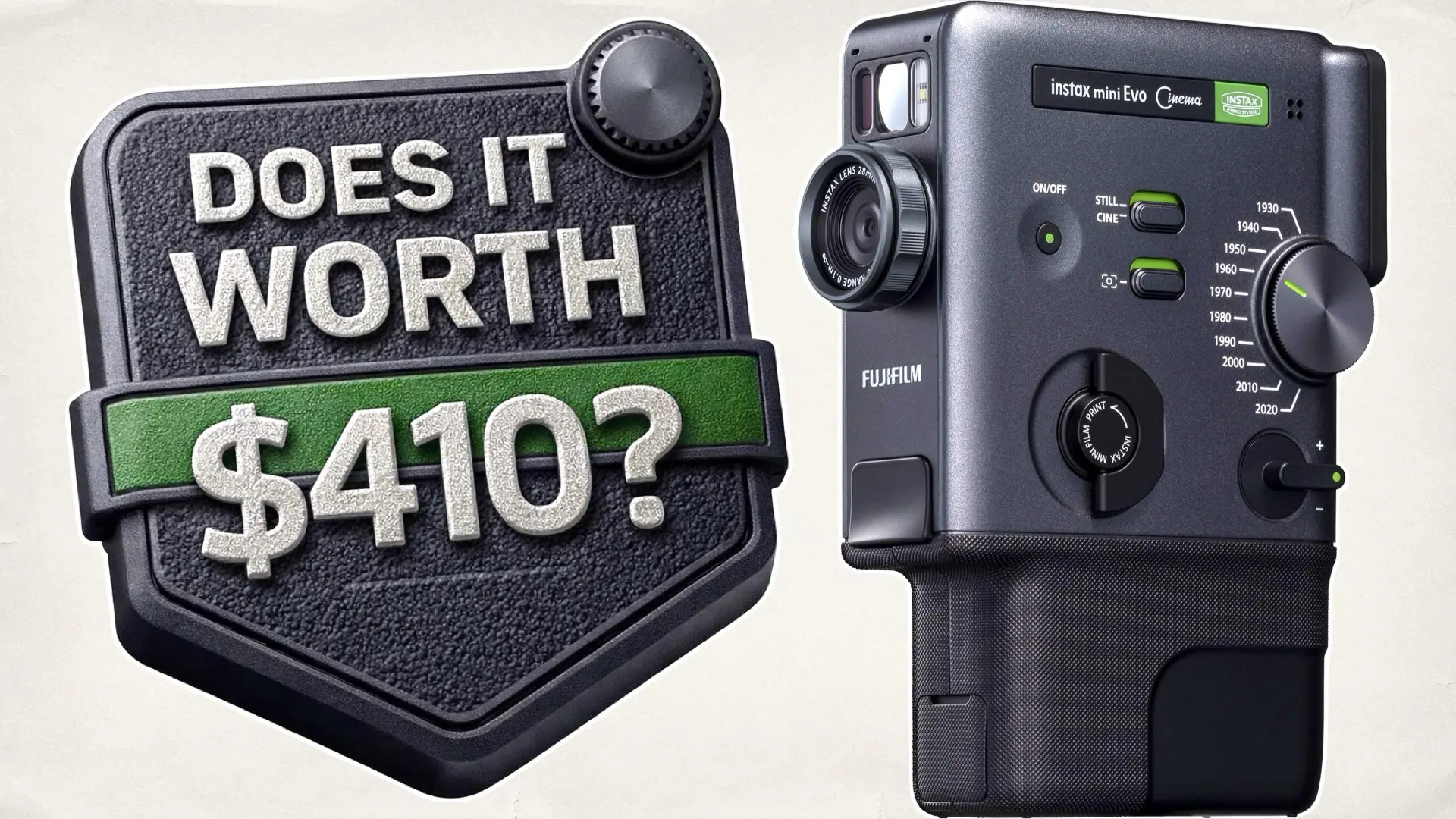
FUJIFILM has officially confirmed the price of its most unusual instant camera to date. The instax mini Evo Cinema will retail for $410, placing it firmly in premium territory for the Instax lineup. This announcement immediately raises an important question. At this price, is the Evo Cinema a smart buy, or is it a niche gadget designed for a very specific audience? We try to break down what you are actually paying for, how reviewers and early testers see its value, and who should seriously consider buying it.
FUJIFILM instax mini Evo Cinema
What the instax mini Evo Cinema actually is
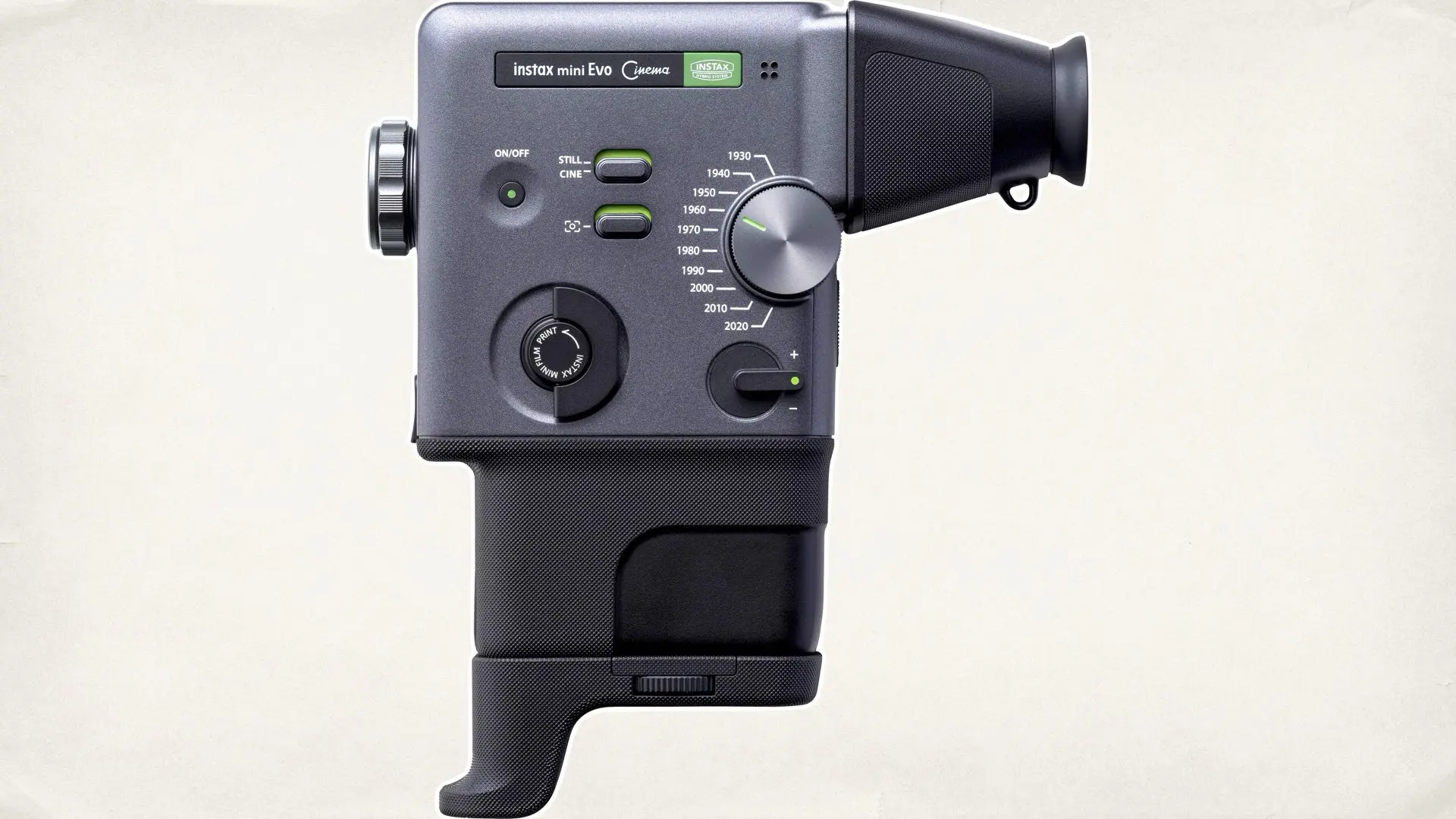
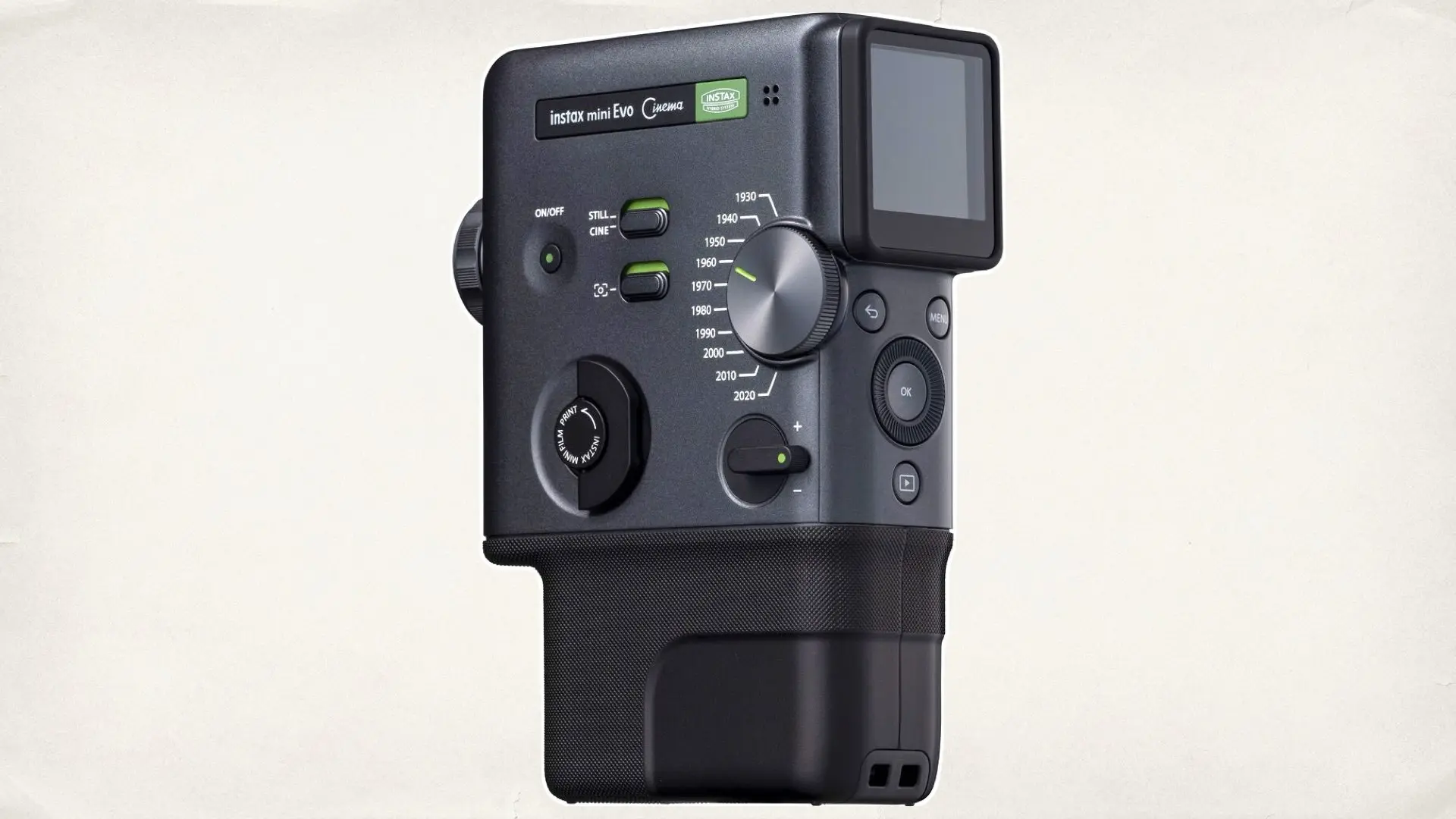
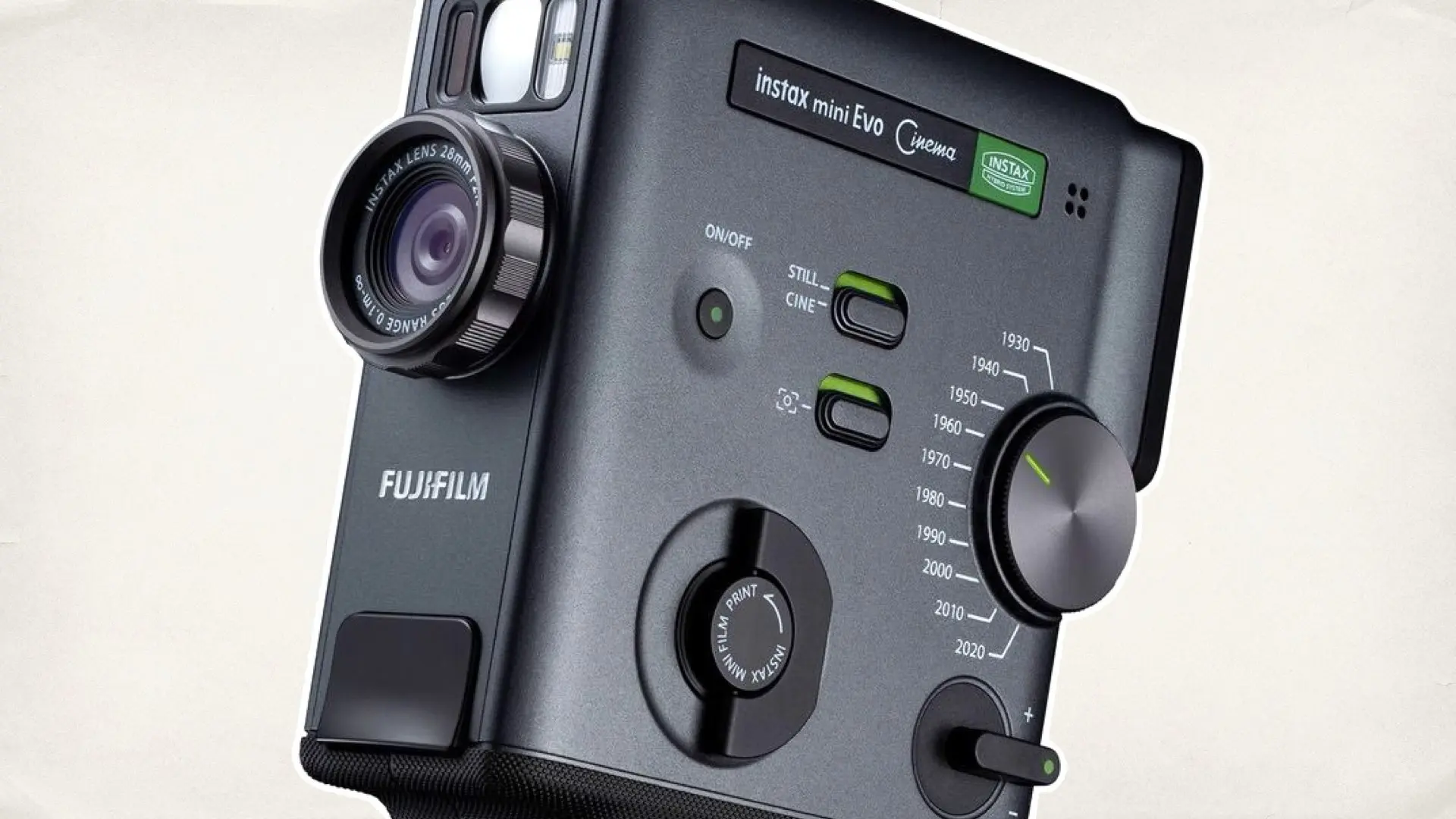
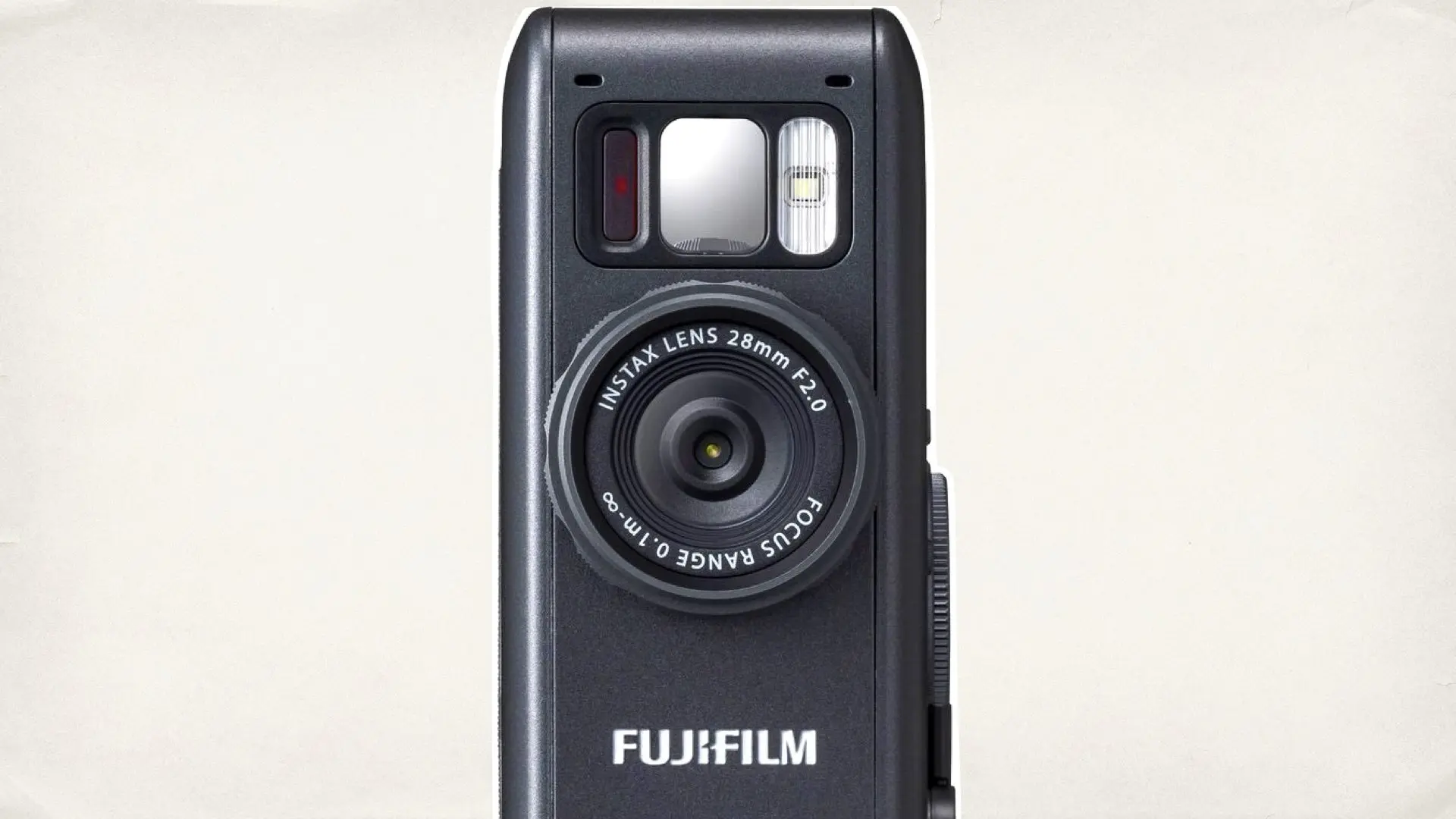
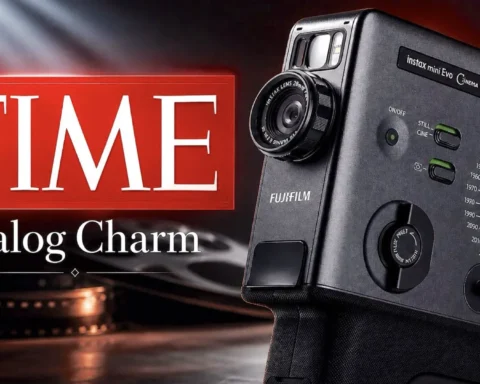
The instax mini Evo Cinema ($399.99 on Amazon) is not a traditional instant camera. It is a hybrid device that blends digital capture, short video recording, and instant film printing into one body. You can shoot photos digitally, decide later which ones to print, record short video clips, and even print a still frame that includes a QR code linking back to the video. FUJIFILM is positioning this camera as a creative storytelling tool rather than a performance-driven imaging device. The design reinforces that idea. The body borrows heavily from retro cinema cameras, complete with tactile dials, mechanical controls, and a strong Super 8-inspired visual language. This is intentional. The Evo Cinema is about experience, not efficiency.
At $410, the instax mini Evo Cinema costs significantly more than most Instax cameras. It is also notably more expensive than the original instax mini Evo, which already sits at the higher end of instant photography pricing. At this level, buyers are no longer comparing it only to instant cameras. They are also comparing it to compact digital cameras, used mirrorless bodies, and smartphones paired with portable Instax printers. That context is critical. FUJIFILM is not asking you to pay $410 for image quality. It is asking you to pay for a unique hybrid concept and a very specific creative experience.
FUJIFILM instax mini Evo Cinema
Opinions
What reviewers like about it
Early hands-on impressions and reviews tend to agree on several strengths. The most praised aspect is the hybrid photo and video concept. Reviewers consistently describe the QR code video prints as genuinely novel and emotionally engaging. Handing someone a physical print that links to a moving memory is something no other instant camera currently offers. The design and build quality also receive strong marks. The camera feels solid, deliberate, and well crafted. The dials are not decorative. They are functional and central to the shooting experience, which adds to the sense of play and intention. Another recurring positive is the era-based creative controls. The cinema-specific dial allows users to apply decade-inspired visual and audio styles. Reviewers describe this as fun, expressive, and far more engaging than typical filter menus. Finally, many testers emphasize that the camera is simply enjoyable to use. It slows the process down and encourages experimentation, which aligns well with the spirit of instant photography.
Where the criticism comes in
The strongest criticism is tied directly to expectations at this price. From a technical standpoint, the camera is modest. The sensor is small, the screen is low resolution, and the video quality is intentionally low. Reviewers are clear that even a midrange smartphone will outperform it in sharpness, dynamic range, and low-light performance. Another issue is workflow complexity. To get the most out of the video features, users must rely on a companion app. Switching between shooting, transferring, editing, and printing is not always seamless. For some testers, this feels unnecessarily complicated for a product that is supposed to be playful and spontaneous. There is also the matter of ongoing cost. Instax film is not cheap, and at $410 the camera itself already demands a commitment. For casual users, this can be hard to justify.
FUJIFILM instax mini Evo Cinema
So, should you buy it at $410?
The answer depends entirely on what you expect from the camera. You should seriously consider buying the instax mini Evo Cinema if you value creativity over technical perfection, enjoy tactile hardware, and like the idea of blending physical prints with digital storytelling. It makes sense for social use, personal projects, gifting, and anyone already invested in the Instax ecosystem who wants something genuinely different. You should think twice if you are looking for value measured in specs, image quality, or efficiency. At $410, this is not a rational choice for photographers or videographers who prioritize output quality. It is also not ideal for users who want a simple point-and-shoot instant camera with minimal friction.
FUJIFILM instax mini Evo Cinema
Final take (a lifestyle camera)
The instax mini Evo Cinema is not overpriced by accident. FUJIFILM knows exactly what it is doing. This is a lifestyle camera, not a technical one. At $410, it is a deliberate purchase driven by emotion, nostalgia, and creative curiosity. If that description resonates with you, the price will likely feel justified. If it does not, no amount of clever design or hybrid features will change the fact that your phone and a small printer can deliver more practical value. In short, the instax mini Evo Cinema is not for everyone. But for the right user, it may be one of the most enjoyable cameras FUJIFILM has released in years. It’s a cool present, though.
As an Amazon Associate, Y.M.Cinema earns from qualifying purchases. If you buy through our links, we may earn a small commission at no extra cost to you.
Product prices and availability are accurate as of the date/time indicated and are subject to change. Any price and availability information displayed on Amazon.com at the time of purchase will apply to the purchase of this product.
CERTAIN CONTENT THAT APPEARS ON THIS SITE COMES FROM AMAZON. THIS CONTENT IS PROVIDED “AS IS” AND IS SUBJECT TO CHANGE OR REMOVAL AT ANY TIME.
YMCinema is a premier online publication dedicated to the intersection of cinema and cutting-edge technology. As a trusted voice in the industry, YMCinema delivers in-depth reporting, expert analysis, and breaking news on professional camera systems, post-production tools, filmmaking innovations, and the evolving landscape of visual storytelling. Recognized by industry professionals, filmmakers, and tech enthusiasts alike, YMCinema stands at the forefront of cinema-tech journalism.
Nikon is exploring a new image sensor architecture that could improve camera dynamic range by changing the way different parts of the sensor are exposed. The idea appears in a Nikon patent…
Nikon has secured a new U.S. design patent for a device identified only as a “Camera Accessory.” The drawings, however, clearly depict an elongated ergonomic control grip with physical buttons, a large open…
Z CAM has unveiled the E1N, an extremely compact network camera built around a 1-inch CMOS sensor, capable of 4K at up to 60 frames per second with 10-bit color. The camera…
Sony has announced two new professional monitors that also function as dedicated camera controllers for its Cinema Line cameras. The new RM-DP7 and RM-DP5 combine monitoring, camera control, focus operation, and physical…
Blackmagic Design has released DaVinci Resolve 21.1, and the most significant addition is not another isolated AI tool. The update introduces integration with external AI assistants including ChatGPT Codex, Claude, and Claude…
Fujifilm has announced the development of the VF-GFXC2, a dedicated electronic viewfinder designed specifically for the GFX ETERNA 55 filmmaking camera. Rather than…