In 2026, the full-frame hybrid camera segment is starting to look less like a spec race and more like a workflow decision. Resolution is climbing, 8K is becoming normal in flagship hybrids, and creators are paying closer attention to what happens after capture. Storage, transfer time, laptop performance, and turnaround speed now shape what feels “pro level” as much as image quality does. That is why the 44MP class is suddenly worth discussing. It may be where detail, video flexibility, and real-world efficiency finally align for a large portion of hybrid shooters. The framing is simple. Resolution is stabilizing because the workflow has become the bottleneck. Let’s talk about that for a bit.
For years, the market rewarded escalation. 24MP was the safe baseline. 45MP signaled premium detail. 61MP and above became the headline tier for maximum stills resolution.
From resolution race to resolution balance
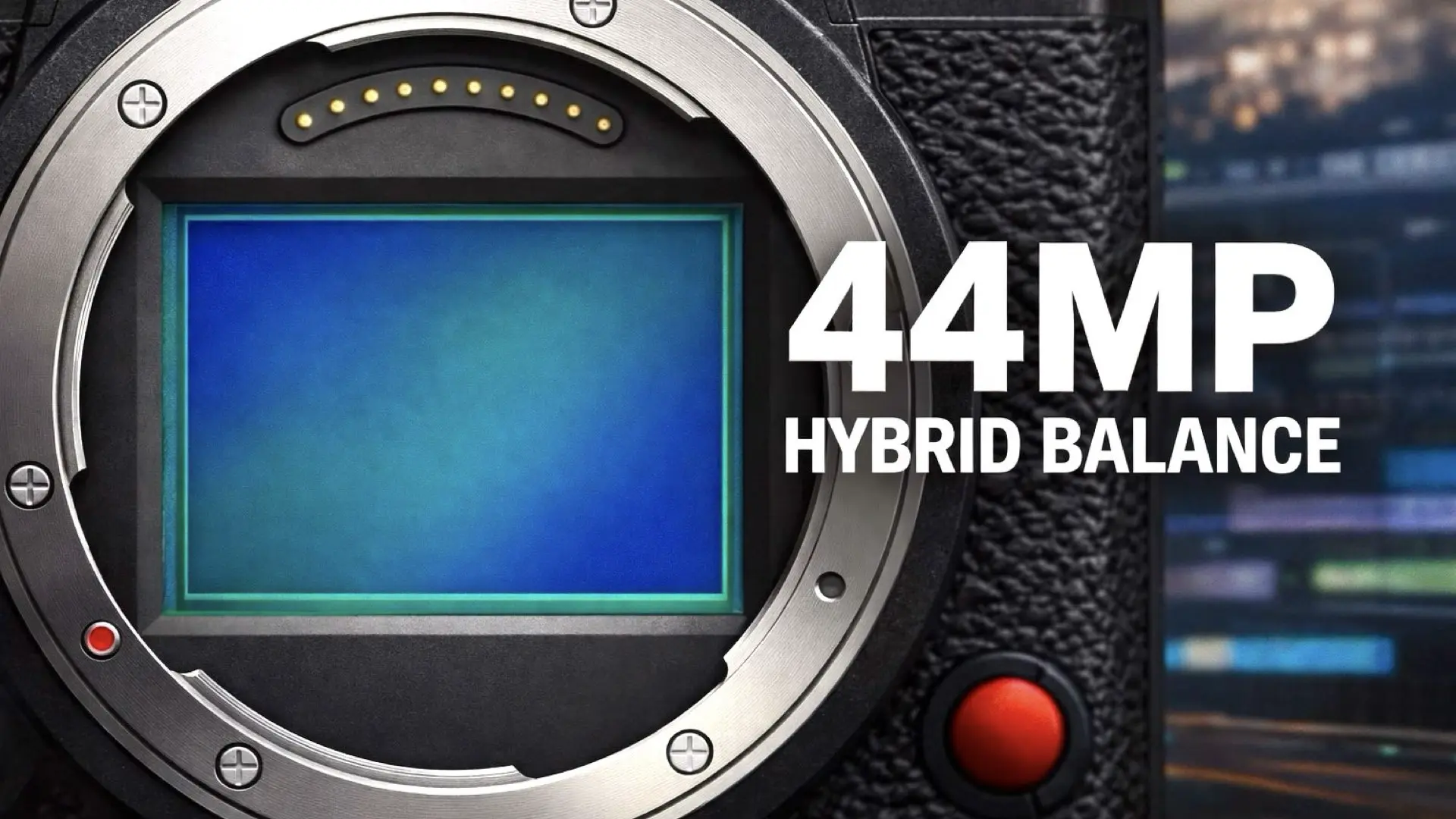
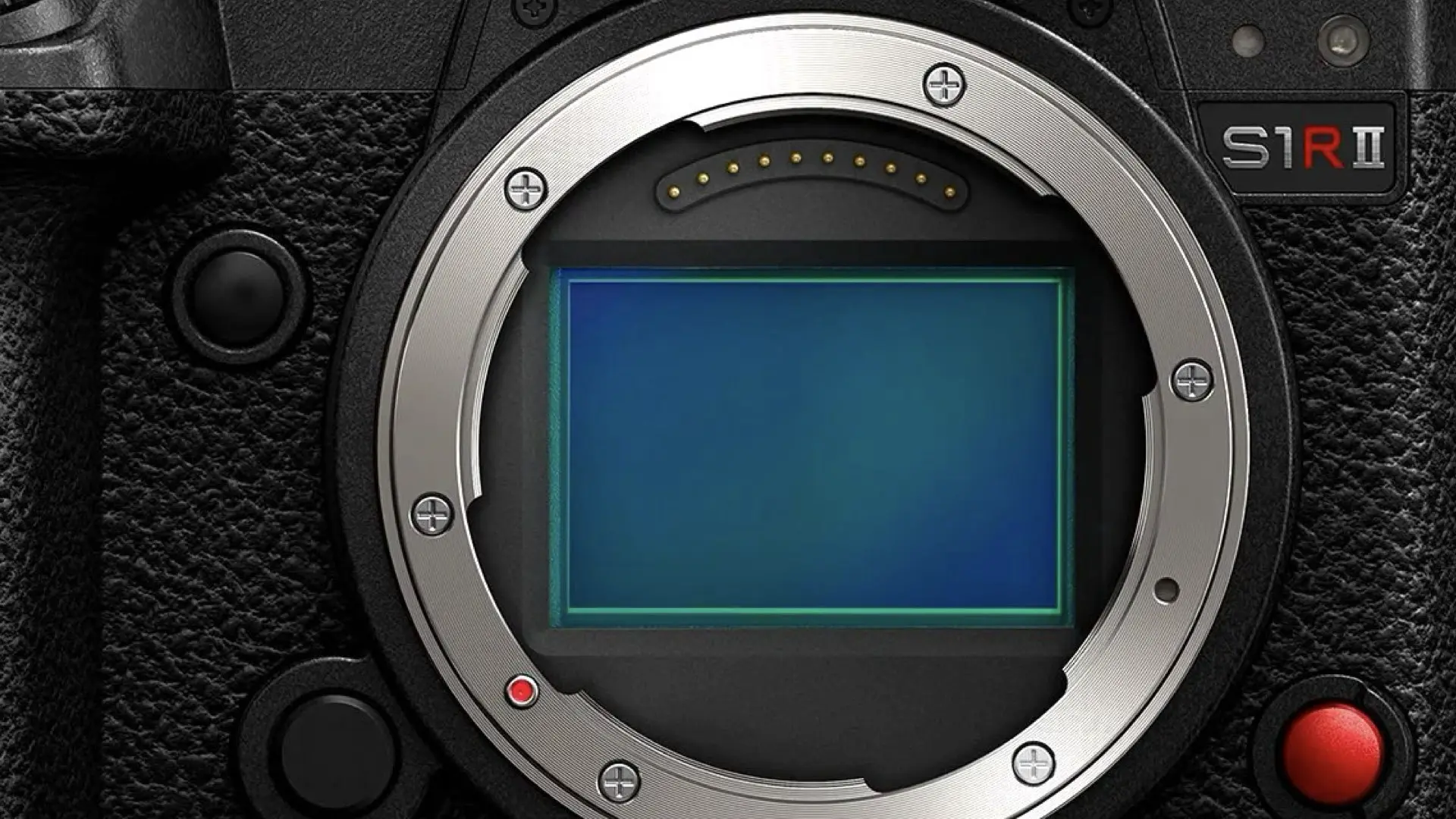
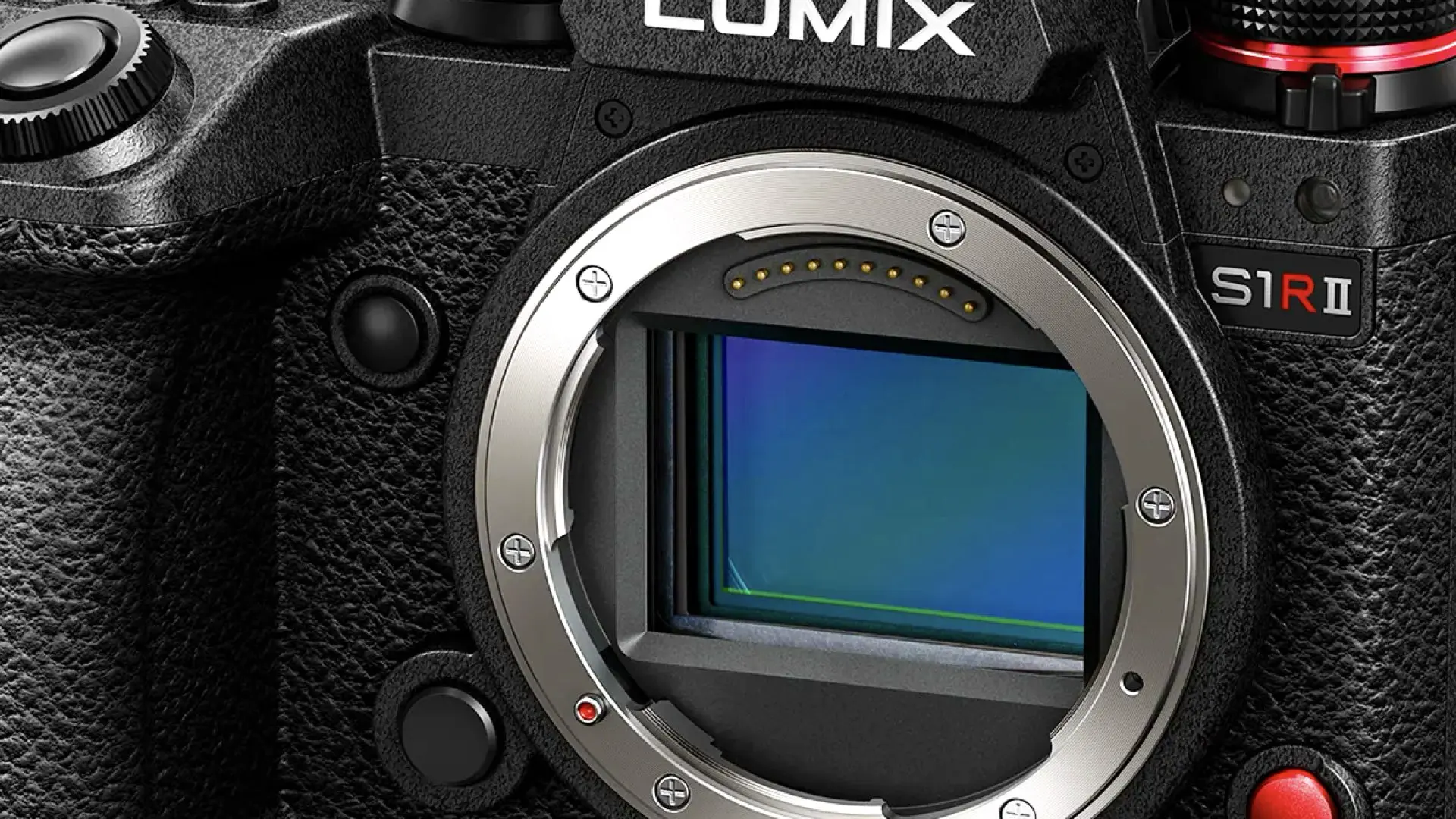
For years, the market rewarded escalation. 24MP was the safe baseline. 45MP signaled premium detail. 61MP and above became the headline tier for maximum stills resolution. But higher pixel counts bring tradeoffs that hybrid shooters actually feel. Larger RAW files stress cards, drives, and cloud sync. Editing becomes heavier, especially on travel rigs and laptops. Transfer time grows. Backup discipline becomes non-negotiable. These costs are tolerable for studio stills work. They are less tolerable for creators delivering stills plus high-quality video on tight timelines. A 44.3MP sensor sits in the middle. It offers meaningful cropping headroom, strong print flexibility, and a premium stills look, without pushing file burden into the extreme zone.
See the Panasonic LUMIX S1RII on Amazon📦
The 2026 hybrid shooter is different
Hybrid used to mean one body that can do everything. In 2026, hybrid means one body that can do everything efficiently. Creators are shooting stills, vertical deliverables, social cutdowns, and long-form video in the same project cycle. Clients expect faster turnaround and more versions. Editors increasingly work in mixed environments, sometimes on desktops, sometimes on laptops, sometimes in cloud workflows. That reality favors a resolution level that stays practical under pressure. So the buyer’s question has shifted. It is less “What is the highest megapixel number?” and more “What resolution fits my output needs without slowing me down?” This is where 44MP starts to look like a deliberate choice rather than a compromise.
Below it, 24MP and 33MP can be perfect for speed, but they reduce cropping latitude and can limit certain commercial stills use cases. The 44 to 45MP class sits in the overlap, where many hybrid creators can satisfy stills needs and still benefit from 8K capture for reframing and oversampling.
Why 44 to 45MP keeps showing up across brands
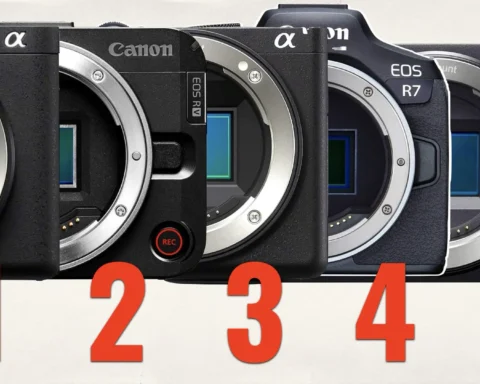
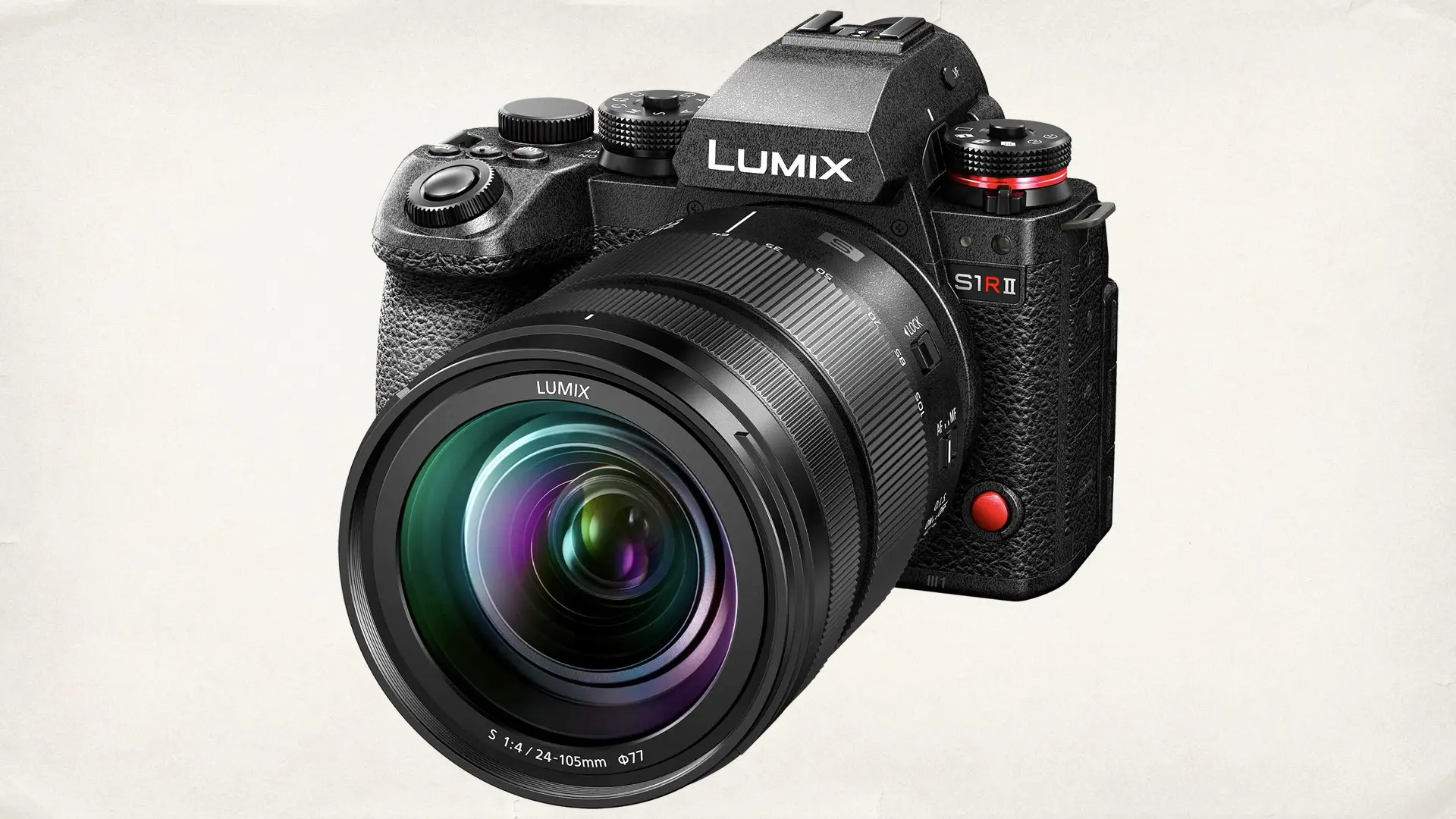
A useful way to spot a real trend is to look for convergence. Sony, Canon, Nikon, and Panasonic are all building serious hybrid offerings around the mid-40MP neighborhood, with adjacent options above and below it. That clustering suggests the industry is finding a center of gravity where engineering constraints and buyer demand meet. Panasonic’s recent positioning fits this pattern, and the brand-level intent is easier to see when you place it in context with Panasonic Announces the LUMIX S1RII ($3,297.77 on Amazon) : A New Era for the Brand. At this resolution, manufacturers can target great detail stills while still chasing credible 8K implementation. Readout, heat, and processing budgets remain demanding, but not as punishing as the ultra-high resolution tier. That matters because hybrid buyers judge the total experience, not just the still frame.
Pricing psychology and perceived value
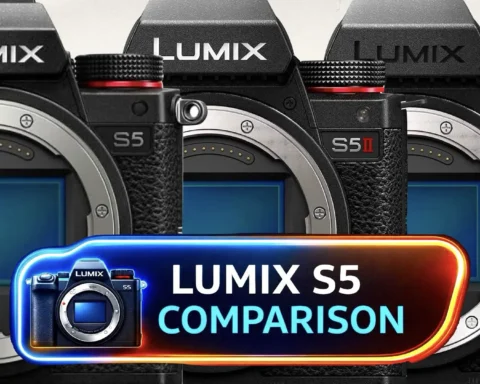
There is also a market positioning layer. Premium hybrids live in a psychological band where buyers expect both creative headroom and professional reliability. In that band, megapixels alone no longer justify the product. Buyers compare autofocus behavior, rolling shutter, codec options, thermal stability, and workflow friction. You can see how buyers think when they compare models side by side, especially in purchase-driven contexts like Lumix S5 vs S5II vs S5IIX Amazon Comparison. Resolution matters, but it is weighed against the experience of owning the camera. In that decision framework, 44MP reads as premium and usable at the same time. It signals serious stills capability without implying a niche, storage-heavy lifestyle.
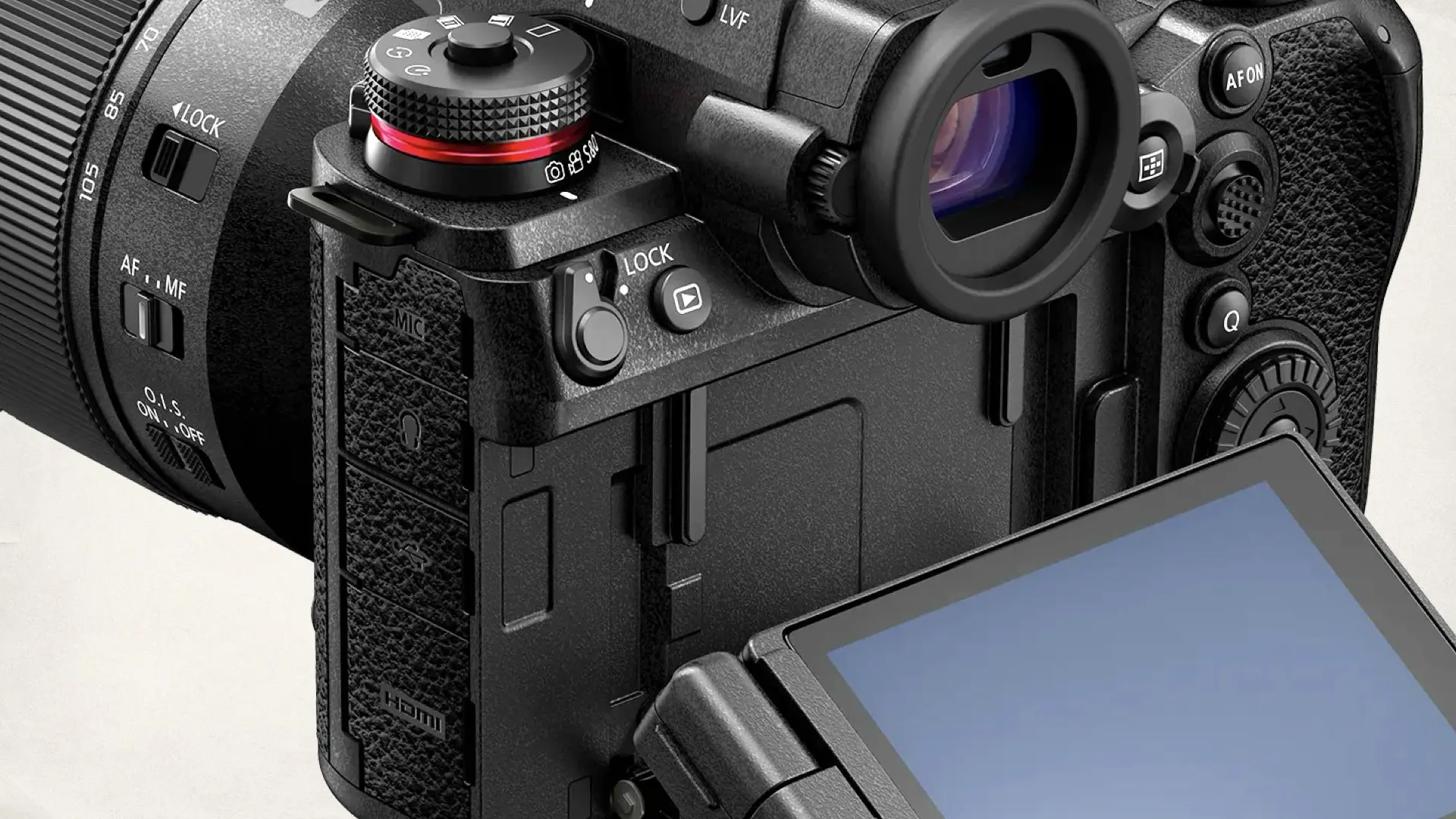
The “Practical middle.”
In the past, 45MP sounded like a high-resolution specialty tier. In 2026, it is starting to look like the practical middle for advanced hybrid work. Above it, ultra-high resolution bodies increasingly feel specialized. They are excellent for certain photographers, but they demand more from the workflow. Below it, 24MP and 33MP can be perfect for speed, but they reduce cropping latitude and can limit certain commercial stills use cases. The 44 to 45MP class sits in the overlap, where many hybrid creators can satisfy stills needs and still benefit from 8K capture for reframing and oversampling. The story is not that 44MP is the best number. The story is that the market is quietly treating it as a balanced number.
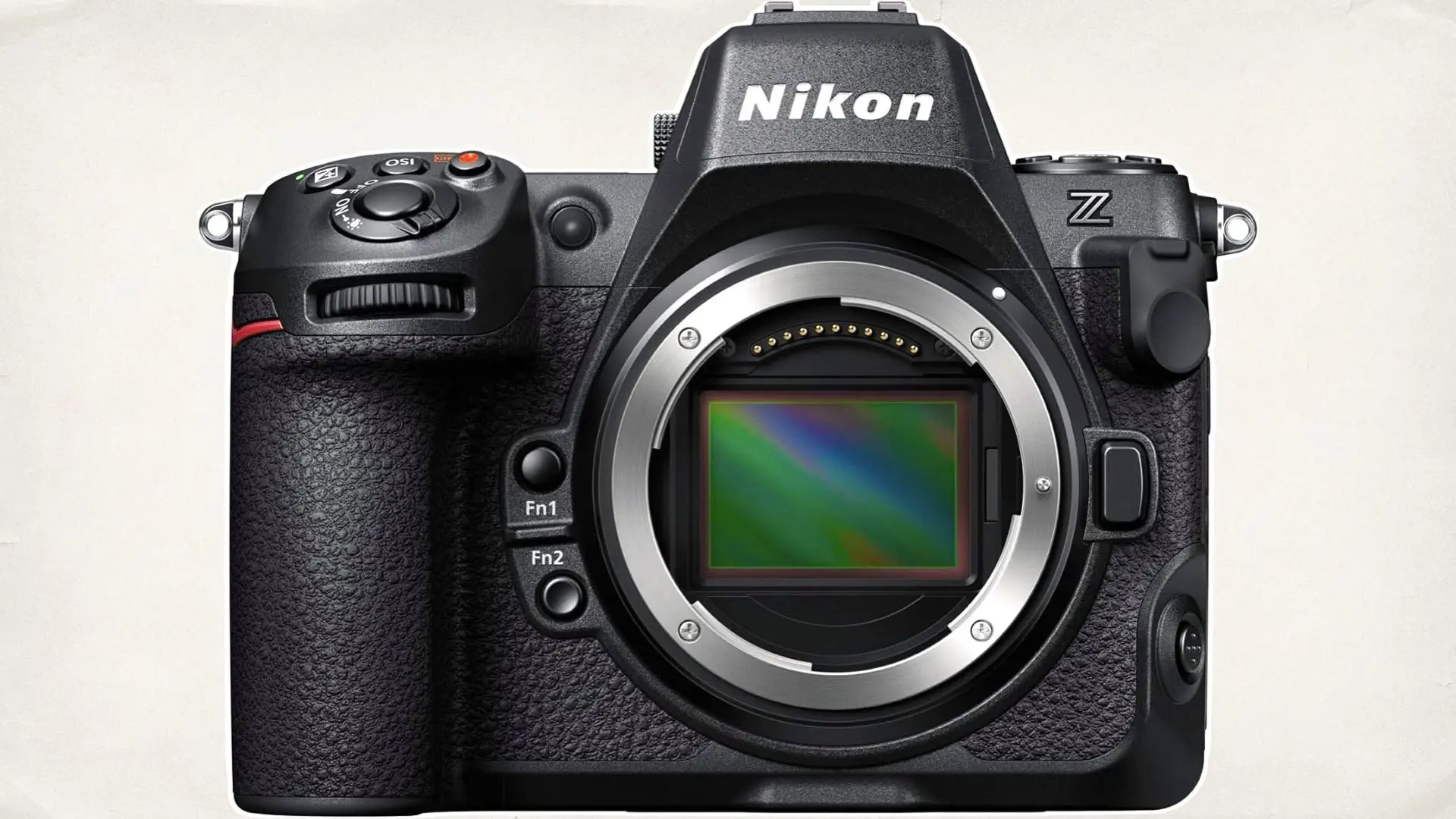
See the Nikon Z 8 on Amazon📦
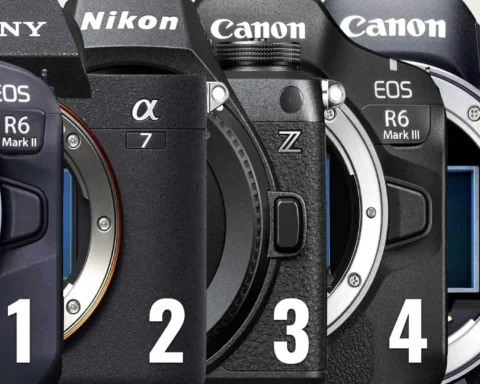
Sony, Canon, Nikon, and Panasonic are all building serious hybrid offerings around the mid-40MP neighborhood, with adjacent options above and below it.
The megapixel expansion era
Zoom out, and the evolution looks like 3 phases. First, the megapixel expansion era. Then, the video integration era. Now, the workflow optimization era. In the optimization phase, the winning spec sheet is the one that stays out of the way. A camera that produces beautiful files but also keeps pace with modern delivery demands tends to earn long-term trust. This is why mid-40MP sensors feel increasingly “right-sized” for a broad part of the hybrid market.
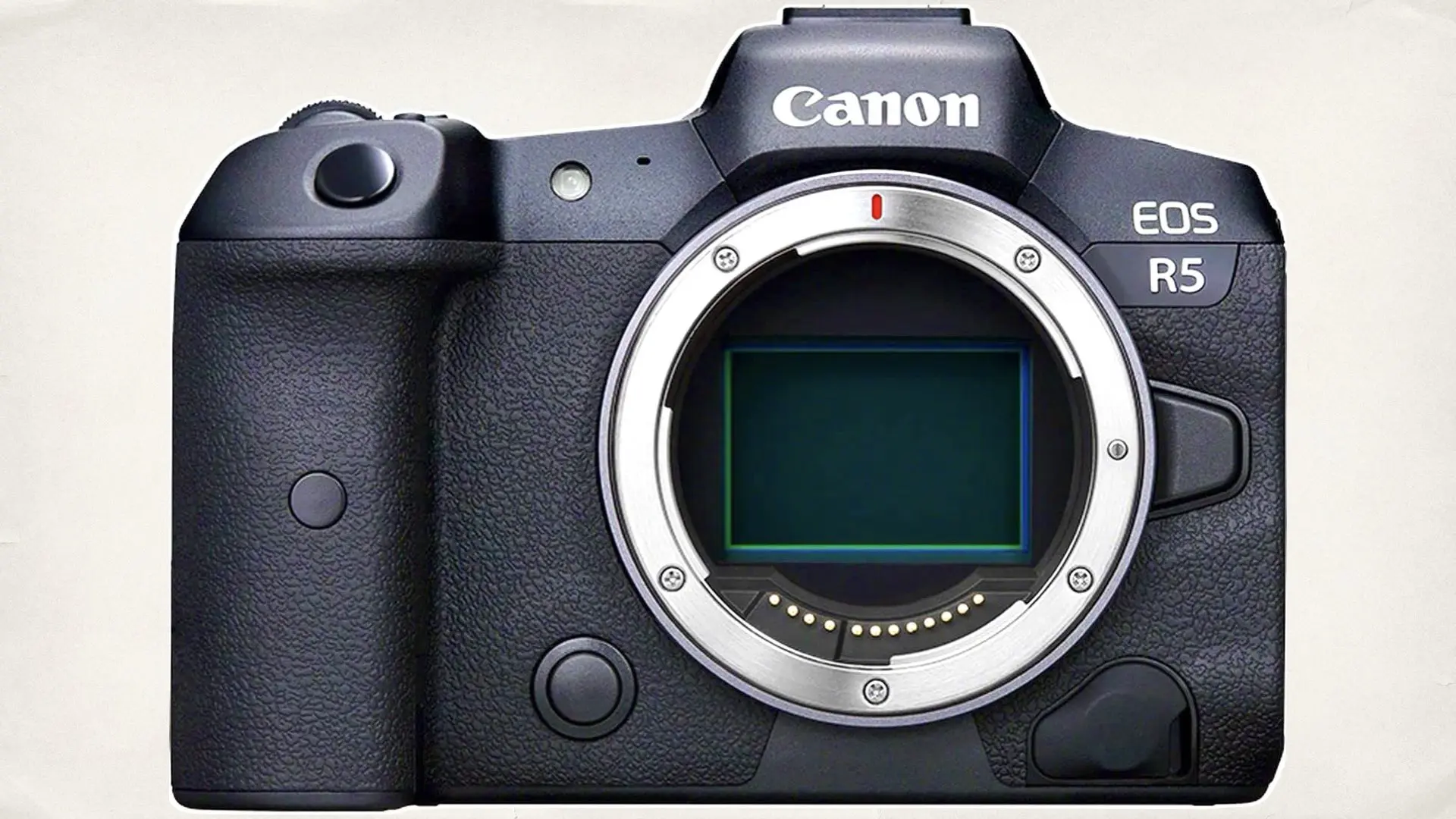
See the Canon EOS R5 on Amazon📦
What this implies for 2026 and beyond
If mid 40MP is becoming the equilibrium, expect fewer dramatic resolution jumps and more investment in sensor readout, rolling shutter control, dynamic range stability, and computational enhancement. Hybrid segmentation will also get clearer. The market will likely separate into speed-optimized bodies, balanced hybrids, and ultra-high resolution specialists, with fewer attempts to make one product cover every extreme. Buyer behavior will continue moving toward informed decisions. More creators now evaluate file size, workflow cost, and delivery cadence as part of camera selection. That analytical purchasing style rewards balanced designs.
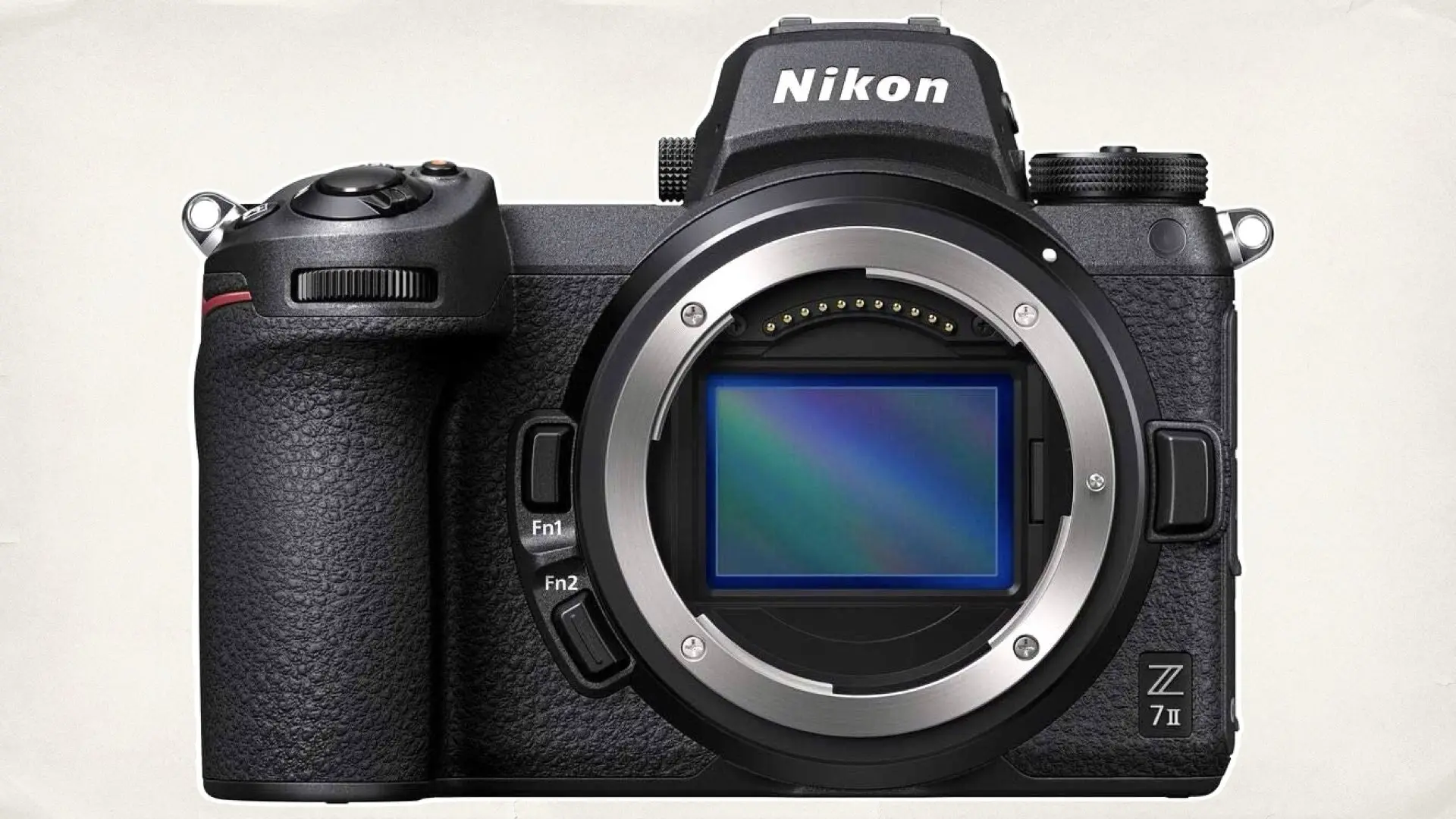
See the Nikon Z7II on Amazon 📦
Takeaway
In 2026, 44MP does not feel like a brag. Not-at-all! It suggests the hybrid segment is maturing into a phase where balance matters more than escalation. The broader implication is that the next competitive frontier is less about chasing bigger numbers and more about building cameras that remain fast, reliable, and frictionless in real production workflows. Thus, 44MP may not be the ceiling. It may be the center. Time will tell.
As an Amazon Associate, Y.M.Cinema earns from qualifying purchases. If you purchase through the Amazon links above, Y.M.Cinema may earn a small commission at no additional cost to you. This helps support our work.
Gear mentioned in this article
Available on Amazon
| Product | New | Renewed | Used |
|---|---|---|---|
| Panasonic LUMIX S1RII | $3,297.77 | — | From $2,893.80 |
| Nikon Z8 | $3,596.95 | — | From $2,939.99 |
| Canon EOS R5 | $2,999 | — | From $2,384.77 |
| Nikon Z 7II | $2,096.95 | — | From $1,489 |
Prices checked: Sep 28, 2026, 9:30 AM GMT+0000
As an Amazon Associate, Y.M.Cinema earns from qualifying purchases. If you buy through our links, we may earn a small commission at no extra cost to you.
Product prices and availability are accurate as of the date/time indicated and are subject to change. Any price and availability information displayed on Amazon.com at the time of purchase will apply to the purchase of this product.
CERTAIN CONTENT THAT APPEARS ON THIS SITE COMES FROM AMAZON. THIS CONTENT IS PROVIDED “AS IS” AND IS SUBJECT TO CHANGE OR REMOVAL AT ANY TIME.