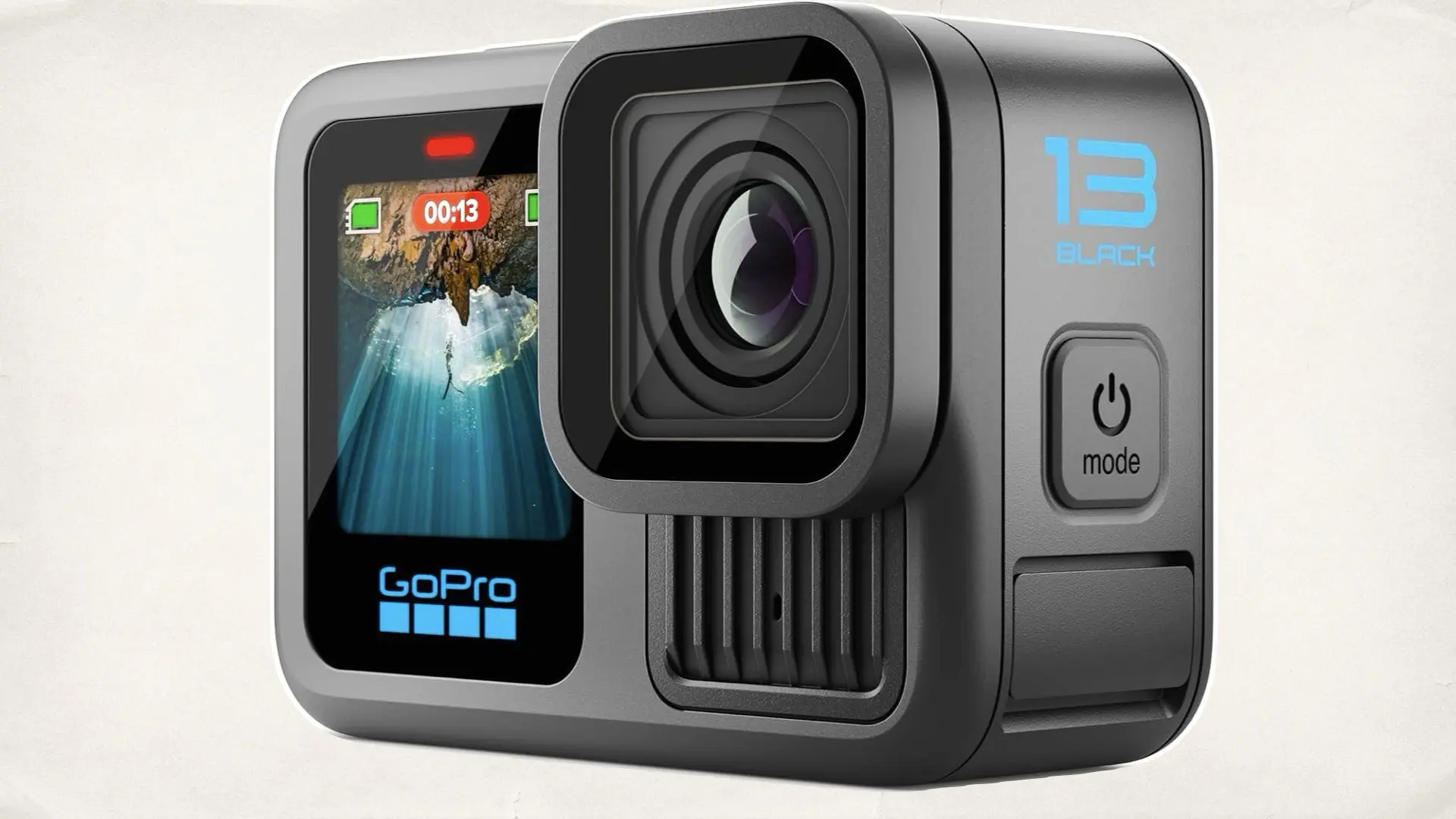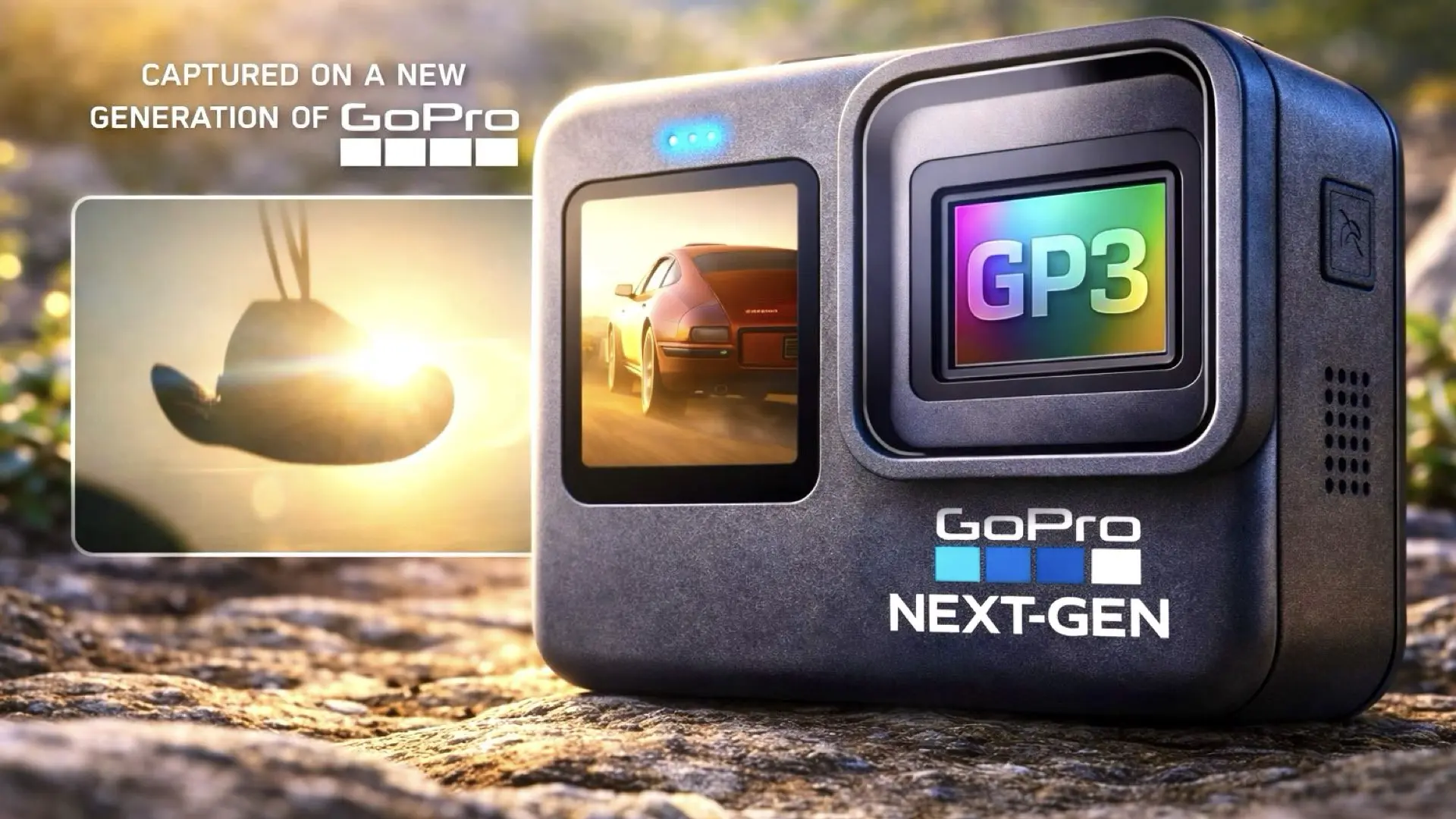
GoPro has released another official teaser showcasing footage captured on its next-generation cameras, and this time the message is clearer. What began as a hypothesis in the first teaser now moves closer to confirmation. The company is not preparing a routine update. It is signaling a shift in how its cameras capture and render images. Combined with the recent announcement referencing larger sensors and a new imaging direction, this second teaser adds meaningful visual evidence that something more fundamental is changing. The new footage continues the same visual language but expands it. Instead of focusing on isolated macro or detail-driven shots, it introduces more complex scenarios. Backlit subjects, fast-moving automotive scenes, underwater environments, and selective focus compositions all appear. These are deliberate stress tests designed to demonstrate how the system behaves under demanding conditions.
Newer sensors are now part of the conversation
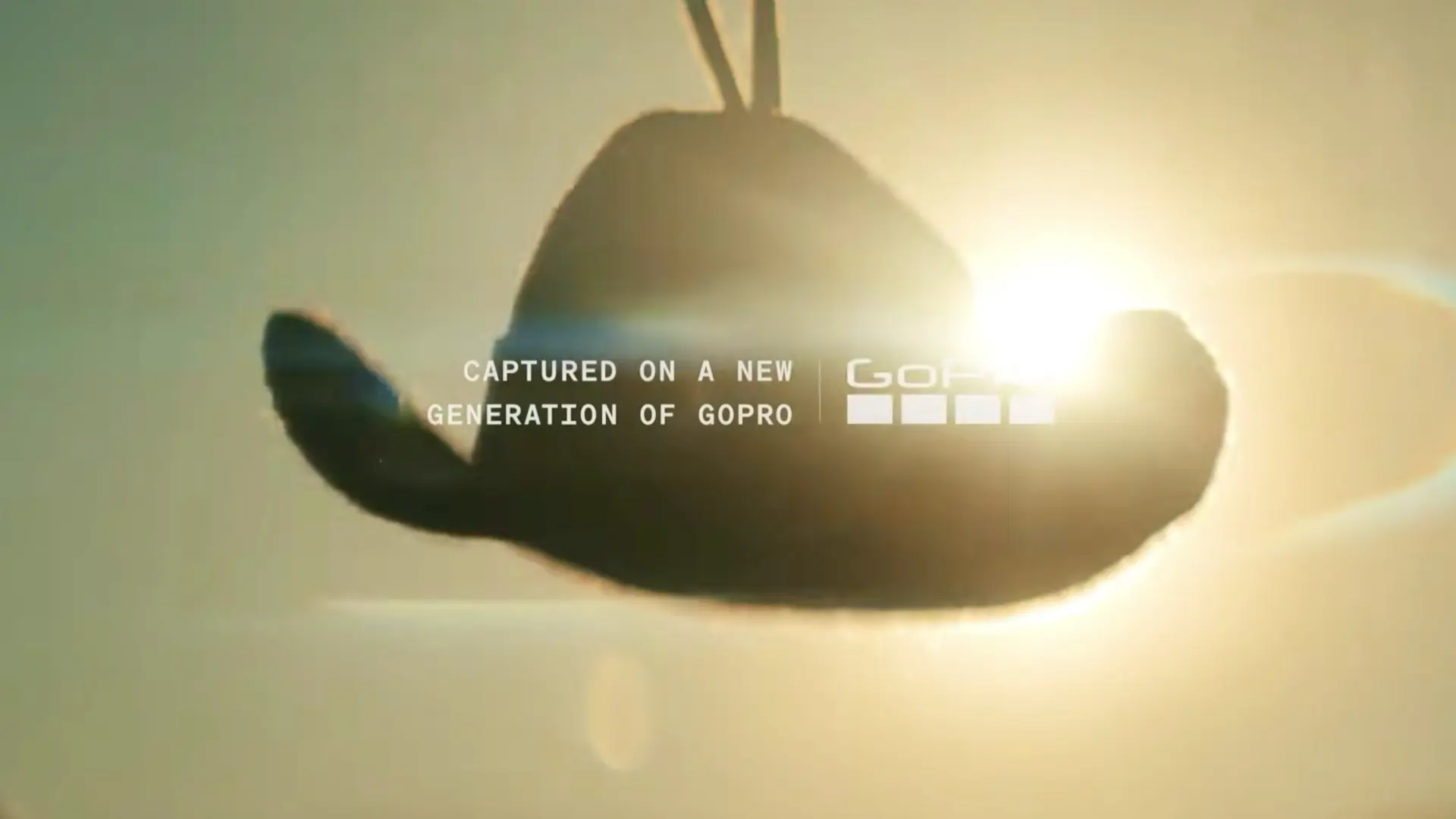
The most important shift since the first teaser is external confirmation. GoPro has already indicated that its upcoming cameras will incorporate new sensors and target a higher level of image quality. This aligns directly with the visual evidence. The footage shows characteristics that are difficult to achieve with the smaller sensors traditionally used in action cameras. Cleaner low-light rendering, improved tonal transitions, and more natural highlight behavior all point in the same direction. The second teaser does not introduce this idea. It reinforces it. One of the most revealing frames shows a subject silhouetted against direct sunlight. This is a challenging scenario for any compact camera system. The sun is positioned in frame, creating flare and pushing the sensor to its limits. In previous GoPro generations, this type of shot would often result in clipped highlights and uncontrolled flare artifacts. Here, the behavior is different. The flare appears controlled and more cinematic. The highlights roll off more gradually, and the silhouette retains definition without collapsing into noise. This suggests improvements not only in sensor latitude but also in lens coating and internal image processing. The camera appears to manage extreme contrast with more nuance, which is consistent with a more advanced imaging pipeline.
Motion rendering points to deeper processing changes
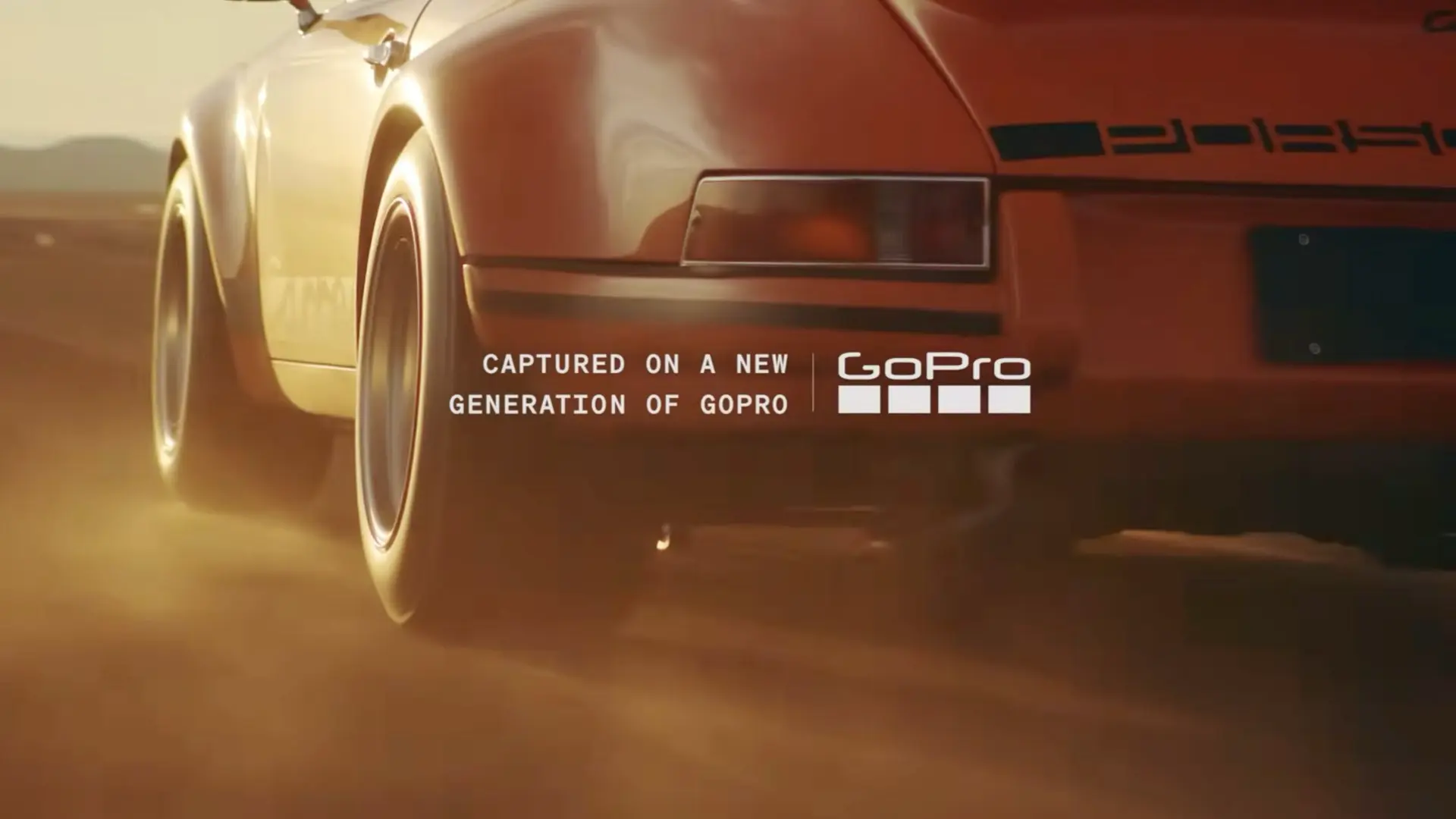
Another key sequence features a moving car captured in warm light with dust trailing behind it. This is a classic motion stress test. Fine particles, reflections, and rapid movement tend to expose limitations in both sensor readout and processing. The rendering here feels more natural. Motion blur appears organic rather than artificially sharpened. Dust retains texture instead of turning into smeared noise. Reflections across the car body remain smooth and continuous. These are subtle but important improvements. They indicate that GoPro is refining not only image quality but also motion science. The footage suggests better sensor readout performance and more intelligent processing of moving elements.
Underwater performance highlights sensor sensitivity
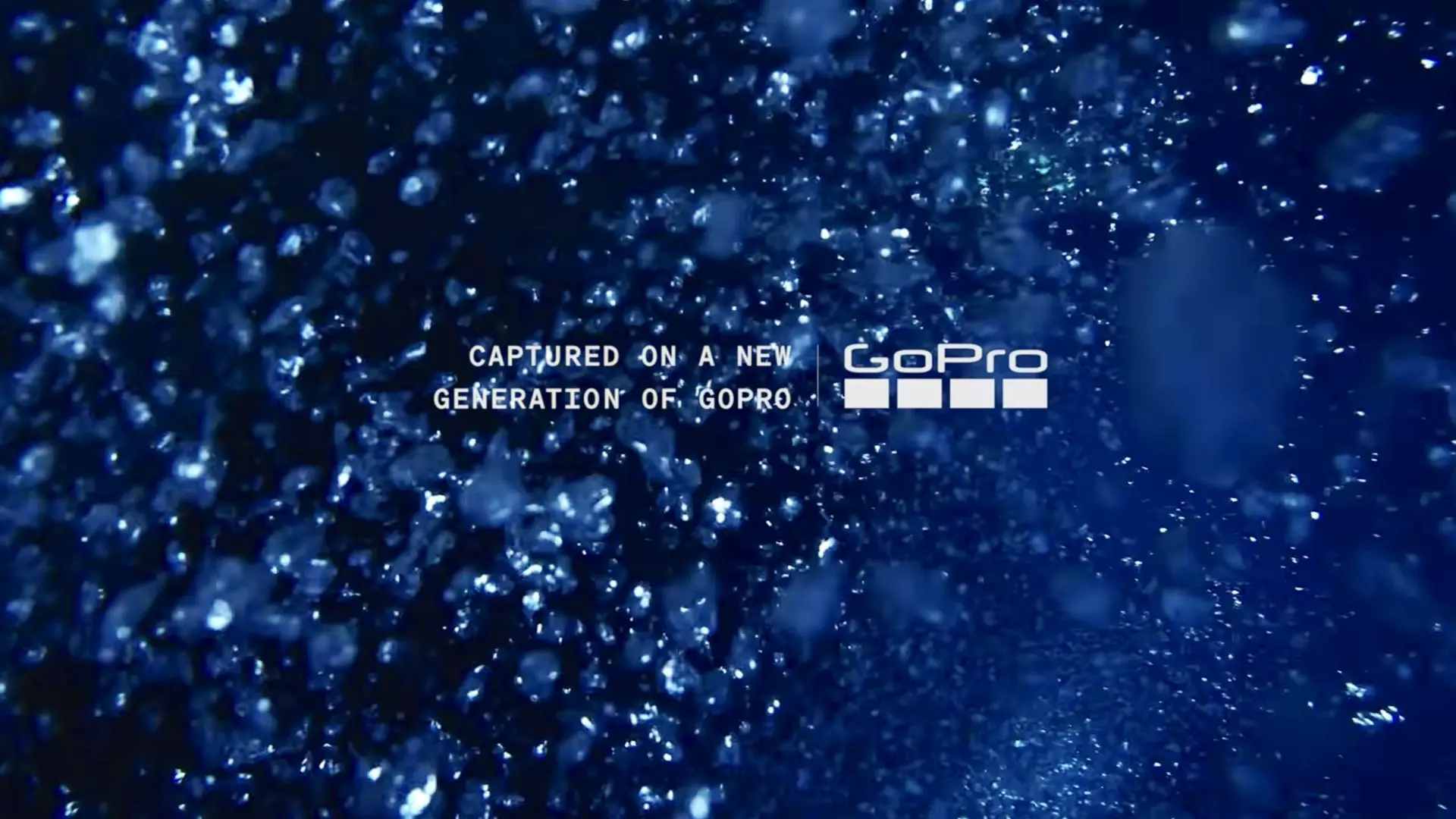
The underwater shot filled with bubbles is another critical piece of evidence. Low light, high contrast, and complex particle movement make this one of the most difficult environments for small sensors. Traditional action cameras often struggle here, producing noisy images with heavy noise reduction that removes fine detail. In this teaser, the image holds together. The bubbles maintain separation, and the background retains depth. Noise is present but controlled, without aggressive smoothing. This points to improved sensor sensitivity and better noise handling. Whether this is driven by a larger sensor, a new sensor architecture, or advanced processing, the result is clearly different from previous generations.
Focus behavior suggests a new capability
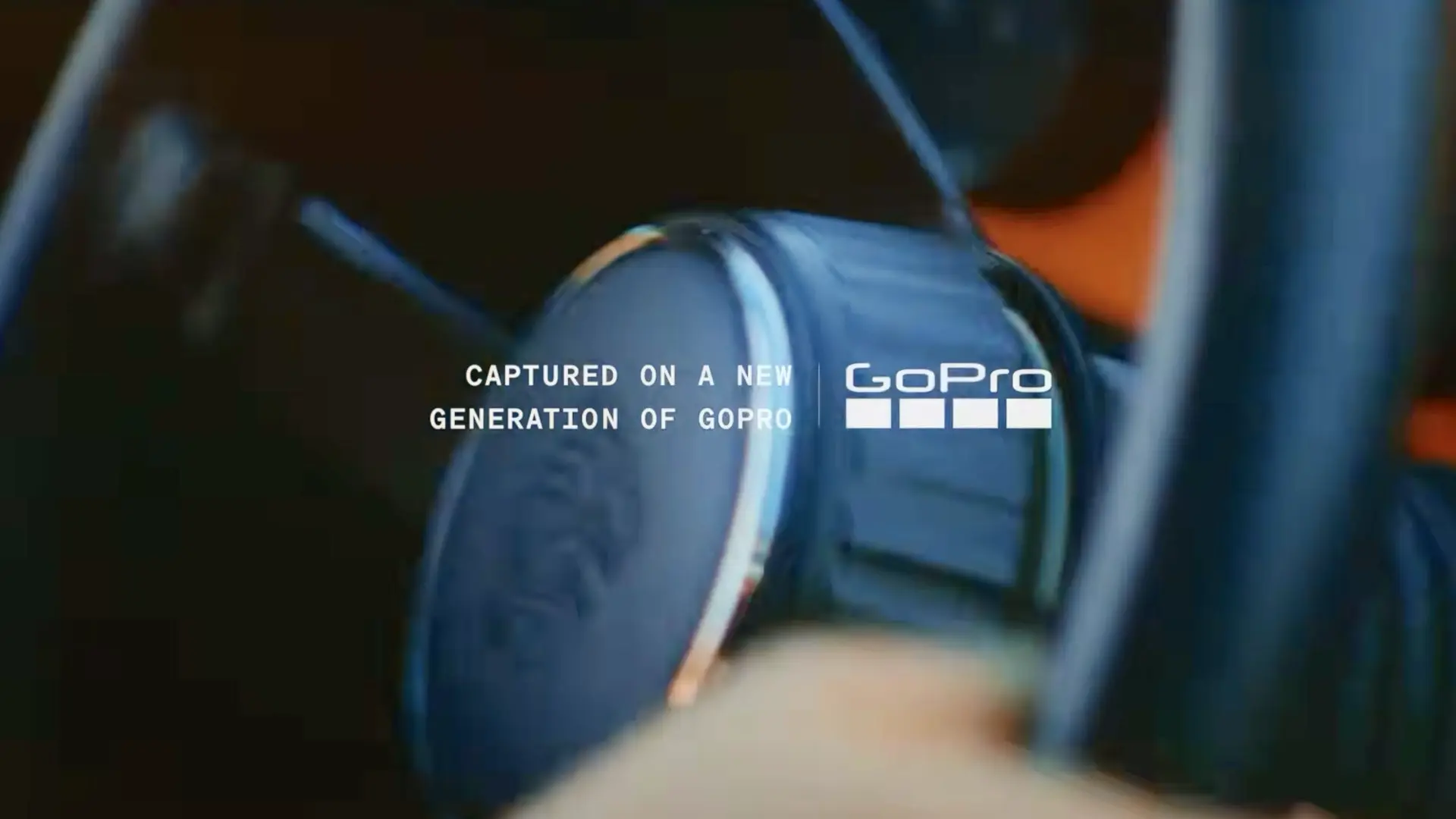
Perhaps the most subtle but significant change appears in shots where focus is not fixed across the entire frame. In the steering wheel sequence, the foreground appears more defined while the background falls away. This is not the deep focus look that has defined GoPro cameras for years. If this behavior is confirmed, it could indicate the introduction of a more dynamic focus system. Whether through autofocus, variable focus modes, or computational techniques, this would represent a major shift. It would allow users to guide attention within the frame rather than capturing everything equally sharp. For creators, this is a fundamental storytelling tool.
What this means moving forward
Taken together, GoPro is not only improving image quality but is redefining how its cameras are used. The emphasis is moving from capturing action to shaping an image. That includes control over light, motion, depth, and texture. The combination of new (larger?) sensors, new processing, and possible changes in optics suggests a system-level redesign. This places GoPro closer to creator-focused tools rather than purely action-oriented devices. A compact, rugged camera that can also deliver a more cinematic image opens new use cases. With the official announcement approaching, the picture is becoming clearer. The first teaser raised questions. The second one provides direction. GoPro appears to be building a new generation of cameras that bridge the gap between action and cinematic capture. There are still unknowns. Sensor size, lens design, and feature set remain unconfirmed in detail. But the path is visible. GoPro is preparing to compete not only with other action cameras, but with any device that creators rely on for high-quality video. The next step will come with the official reveal. Until then, the evidence continues to accumulate, and the direction remains consistent.
As an Amazon Associate, Y.M.Cinema earns from qualifying purchases. If you purchase through the Amazon links above, Y.M.Cinema may earn a small commission at no additional cost to you. This helps support our work.