

MotoGP is finally getting the immersive treatment it deserves. And this time, it’s not just another flat broadcast, but a full-bodied, 3D experience built from the ground up for the Apple Vision Pro, captured entirely using the Blackmagic URSA Cine Immersive camera. Launching this September exclusively on the CANAL+ app for Apple Vision Pro, the new MotoGP sports documentary blends racing thrills with cutting-edge immersive cinema. This project marks one of the most significant real-world integrations of Blackmagic Design’s URSA Cine Immersive camera into Apple’s growing visionOS content ecosystem — a partnership that could define the future of how action and sport are experienced.
Collaboration Between Blackmagic and Apple
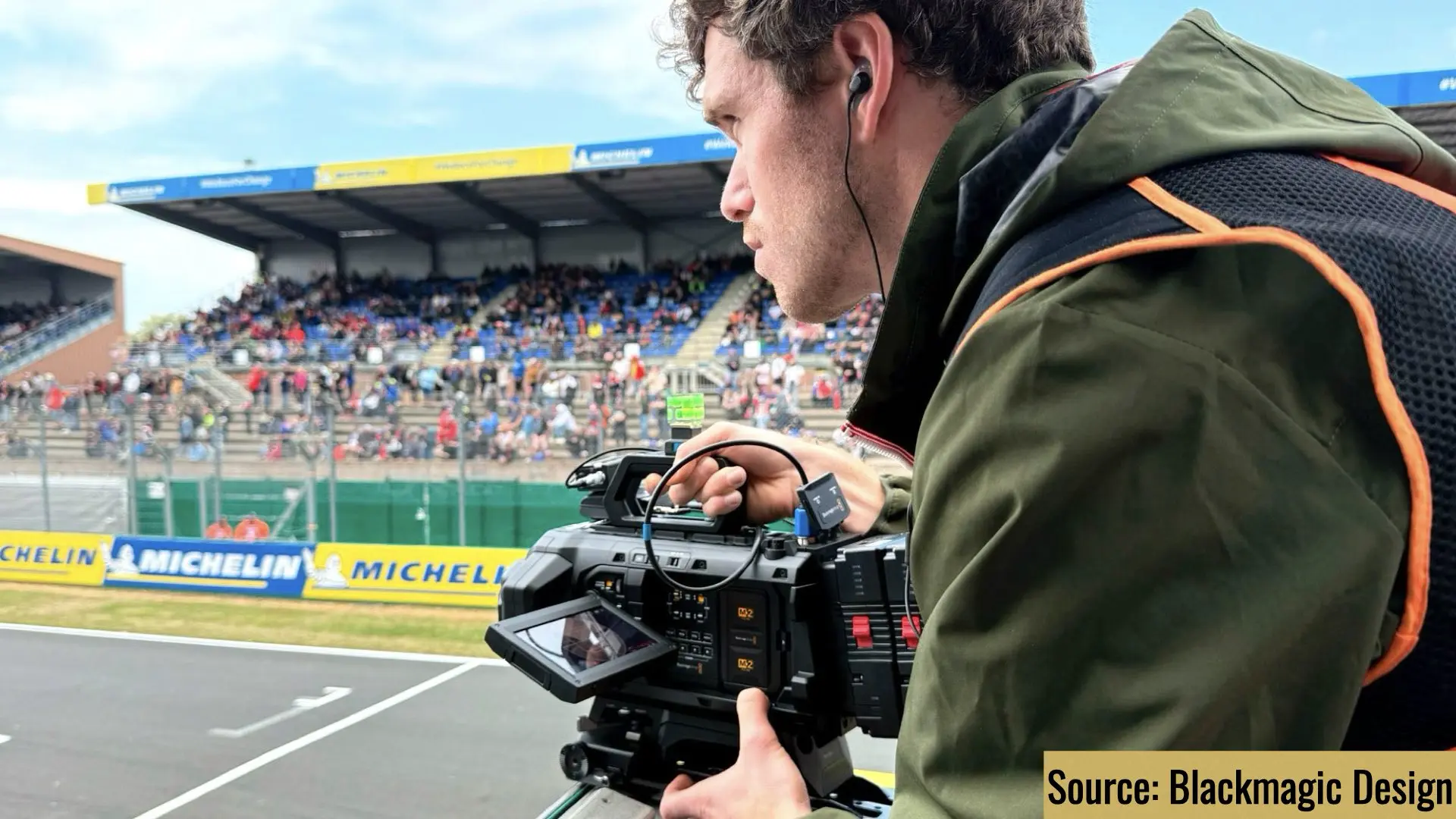
This high-octane project is the result of a tight collaboration between CANAL+, MotoGP, Apple, and Blackmagic Design. It showcases what happens when hardware and creative vision align. Apple has faced a tough road trying to prove the relevance of immersive 3D storytelling, especially with its flagship headset. As we discussed in Why Apple’s Vision Pro Failed: The Struggle of Immersive 3D Cinema to Capture the Public, the market’s hesitation wasn’t due to the hardware, but rather a lack of compelling, native content. That gap is finally starting to close. With the URSA Cine Immersive 8K 3D Camera, Blackmagic entered the spatial race with a purpose-built tool for immersive cinema. This MotoGP project is the first major test of its capability — and a clear demonstration of how 8K stereoscopic content, fused with spatial audio, creates a visceral new way of storytelling.
Capturing the Heart of Racing in 3D
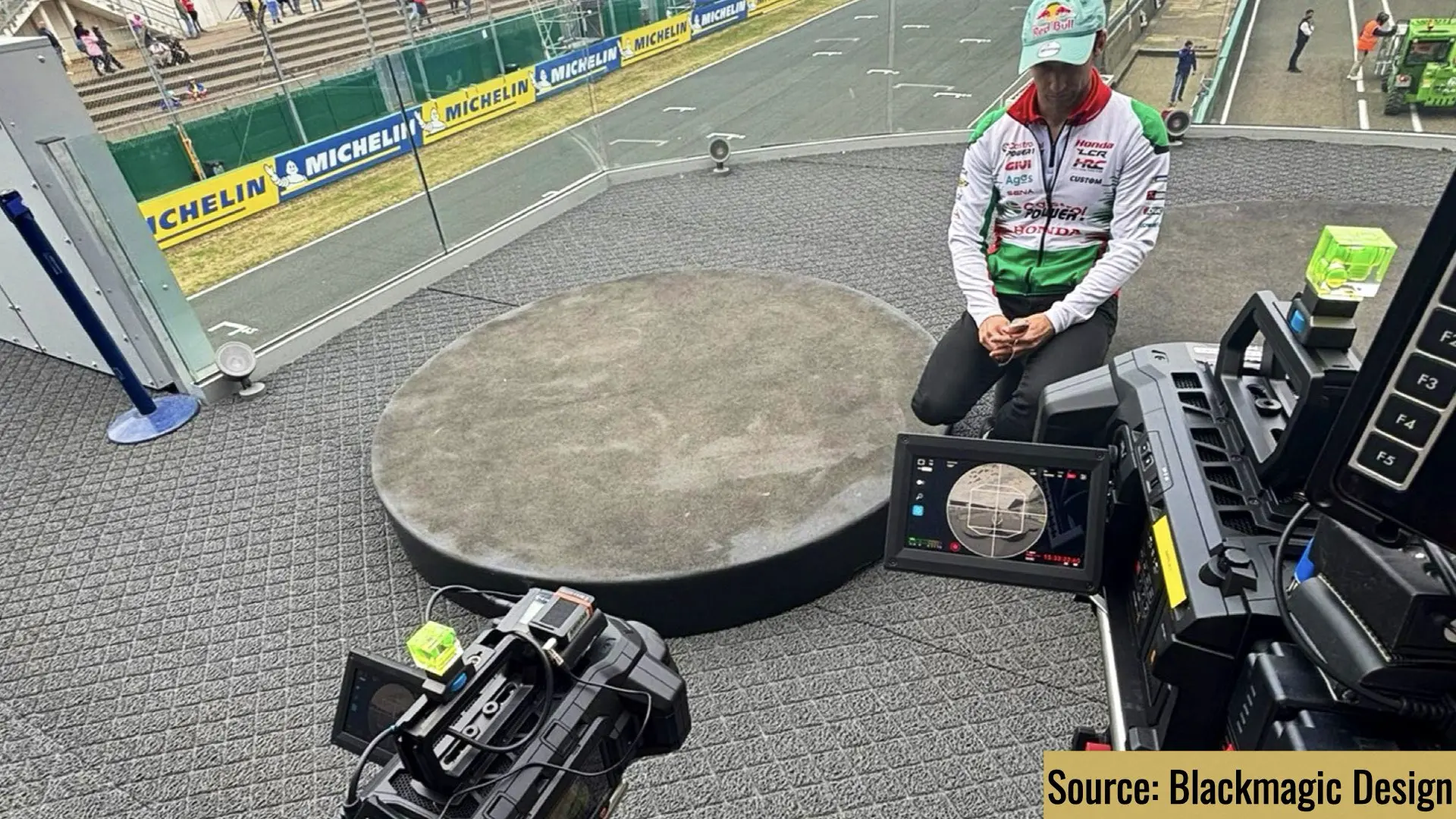
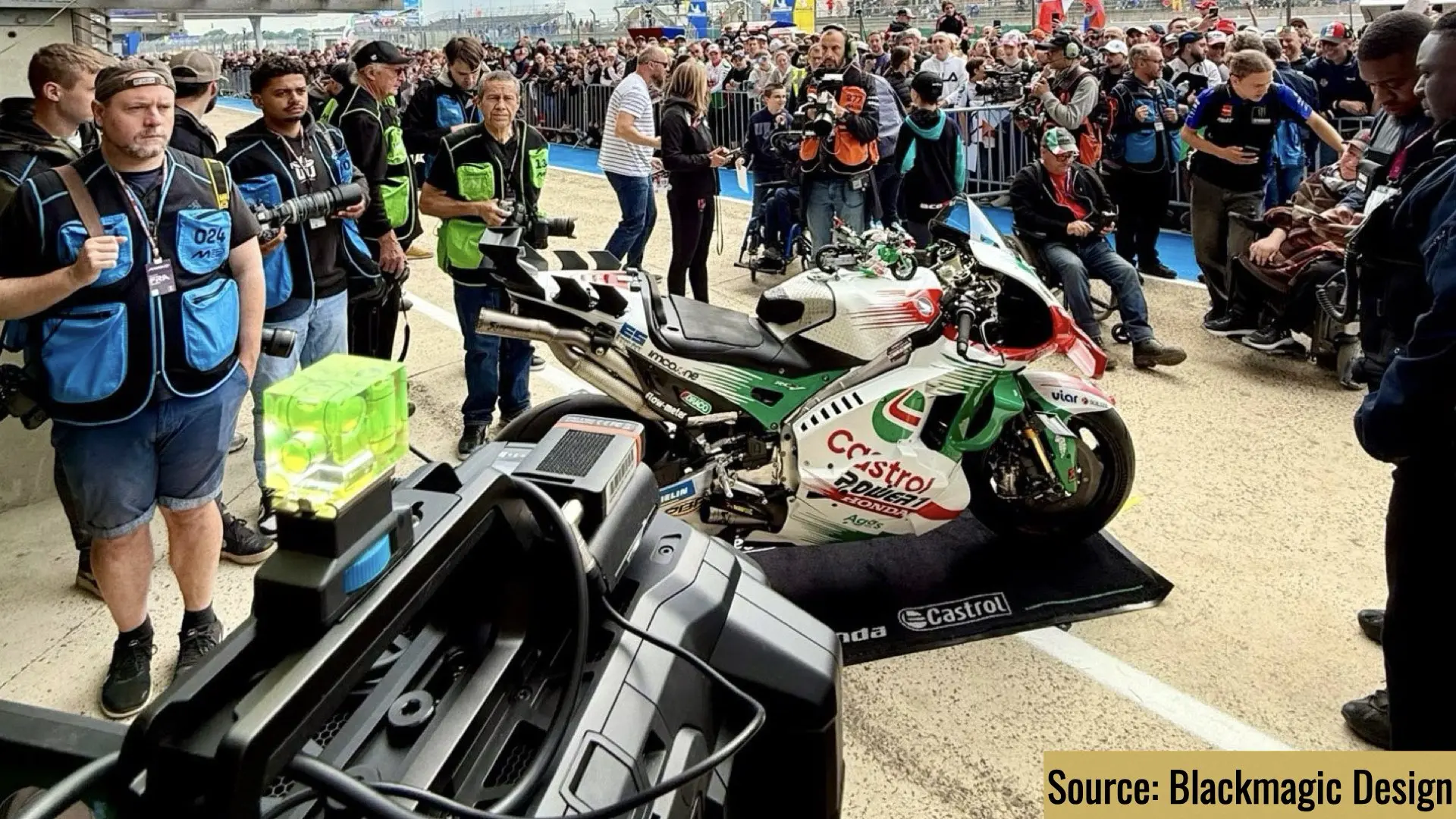
Filmed at the French Grand Prix in Le Mans, the documentary follows world champion Johann Zarco and his team across one of the most emotional race weekends of the year. The footage was captured entirely with the URSA Cine Immersive camera’s dual 58.7MP sensors at 90fps, recording to a single stereoscopic file enhanced with Apple Spatial Audio. To translate speed and precision into immersive visuals, CANAL+ deployed multiple rigs: two pedestal-mounted units and a Steadicam setup that allowed operators to quickly adapt on the fly. According to CANAL+ producer Etienne Pidoux, “MotoGP is made for this format. You feel the raw speed and see details you’d otherwise miss on a flat screen.” Lighting and composition were major considerations, as immersive capture redefines traditional cinematography. Pidoux explained, “You plan more, shoot less, and you rethink composition because of the 180-degree view, especially in tight or crowded spaces like the pit lane.”
Spatial Sound and On-Site Finishing
Audio was no afterthought. Each camera was paired with ambisonic microphones for spatial recording, along with dedicated mics for interviews and key sound events. Footage and audio were synced wirelessly, using a streamlined workflow based on DaVinci Resolve Studio. Editing, color grading, and immersive audio mixing were completed on Mac Studios ($2,299.99 on Amazon) in Paris. Impressively, CANAL+ used an Apple Vision Pro throughout post-production for real-time stereoscopic previewing, a workflow that demonstrates Apple’s deeper integration into creative pipelines. Fairlight in DaVinci Resolve was used to mix the spatial audio, chosen over other DAWs for its flexibility and quality output for the Vision Pro format.

A Future-Shaping Moment for Immersive Cinema
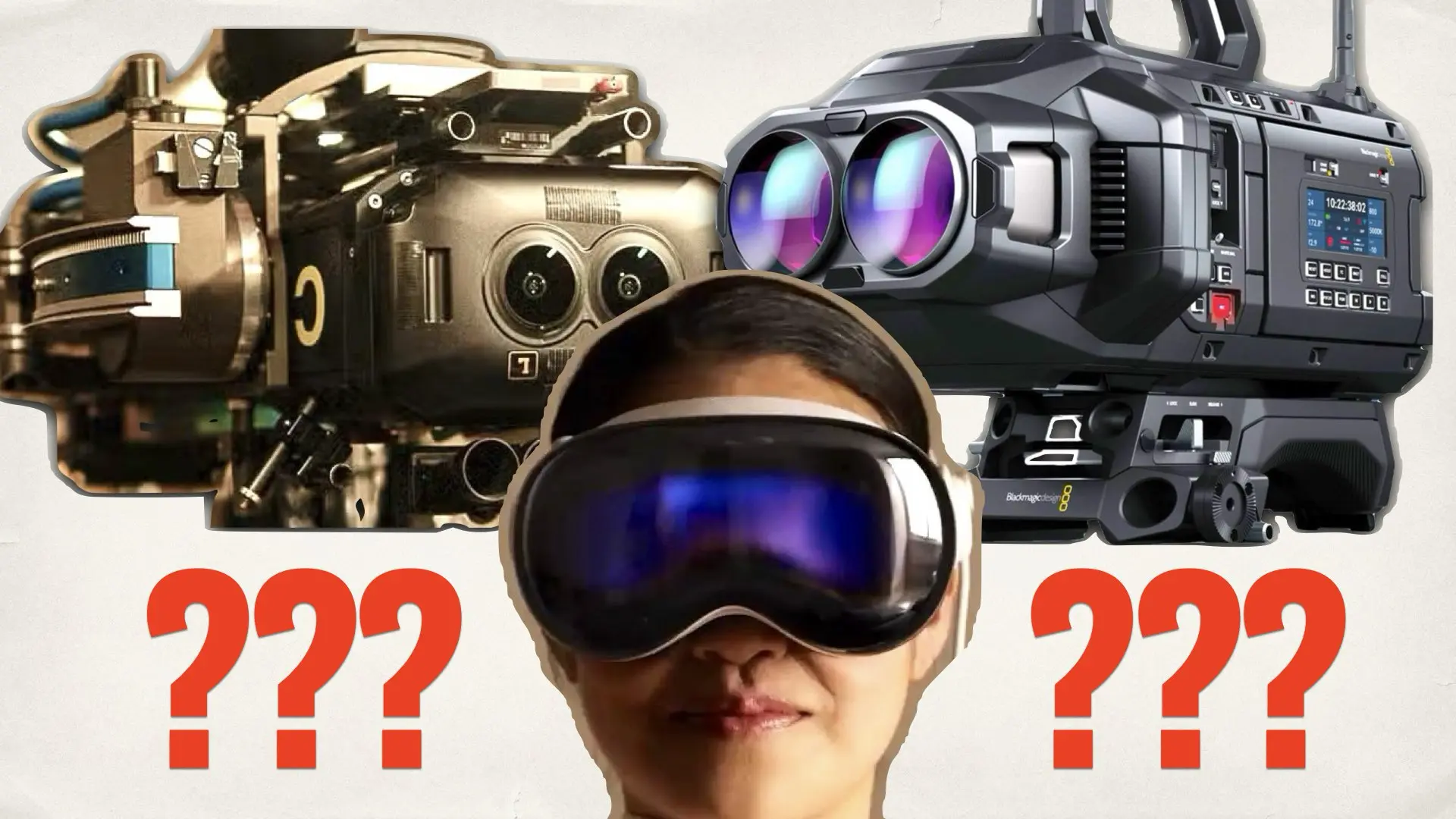
This project signals a critical shift in the spatial video ecosystem. While Canon has taken its own strategic steps toward Apple Vision Pro content, Blackmagic has gone all-in with immersive-first design. In fact, the URSA Cine Immersive is being positioned as a direct challenge to Apple’s own in-house 8K stereoscopic cameras, and this MotoGP collaboration may prove that it’s ready for the front row. This documentary validates immersive storytelling in a genre where emotion and environment matter just as much as motion. It also gives Apple Vision Pro users a reason to return to the headset, something Apple has been sorely lacking.
Final Thought
Immersive cinema is evolving, and this collaboration between Blackmagic and Apple represents its most exciting chapter yet. The MotoGP documentary is a leap forward, not only for fans of motorsport but for the entire cinematic ecosystem around Apple Vision Pro. With hardware like the URSA Cine Immersive finally being used in the field, the spatial format may be gaining the momentum it has long needed.
Here are the featured products and where you can buy them:

Gear mentioned in this article
Available on Amazon
| Product | New | Renewed | Used |
|---|---|---|---|
| Mac Studio | $2,299.99 | — | — |
Prices checked: Oct 7, 2026, 1:30 PM GMT+0000
As an Amazon Associate, Y.M.Cinema earns from qualifying purchases. If you buy through our links, we may earn a small commission at no extra cost to you.
Product prices and availability are accurate as of the date/time indicated and are subject to change. Any price and availability information displayed on Amazon.com at the time of purchase will apply to the purchase of this product.
CERTAIN CONTENT THAT APPEARS ON THIS SITE COMES FROM AMAZON. THIS CONTENT IS PROVIDED “AS IS” AND IS SUBJECT TO CHANGE OR REMOVAL AT ANY TIME.





For what it’s worth, I was told by a Blackmagic Rep at NAB that all the immersive cameras we’ve seen on Apple’s immersive productions are actually Blackmagic prototypes and Apple has been working very closely with Blackmagic throughout the process. I don’t believe Apple is developing an immersive camera aside from adding semi immersive capabilities to iPhones. The only other high end immersive camera company I am aware of at the moment is https://www.immersivecompany.com/.
I’m not counting the Canon R5C / VR Lens since it is limited to 8K 60fps. That is almost good enough for the AVP, but not quite (unless you do some serious AI upressing etc to match the capabilities of AVP’s displays.