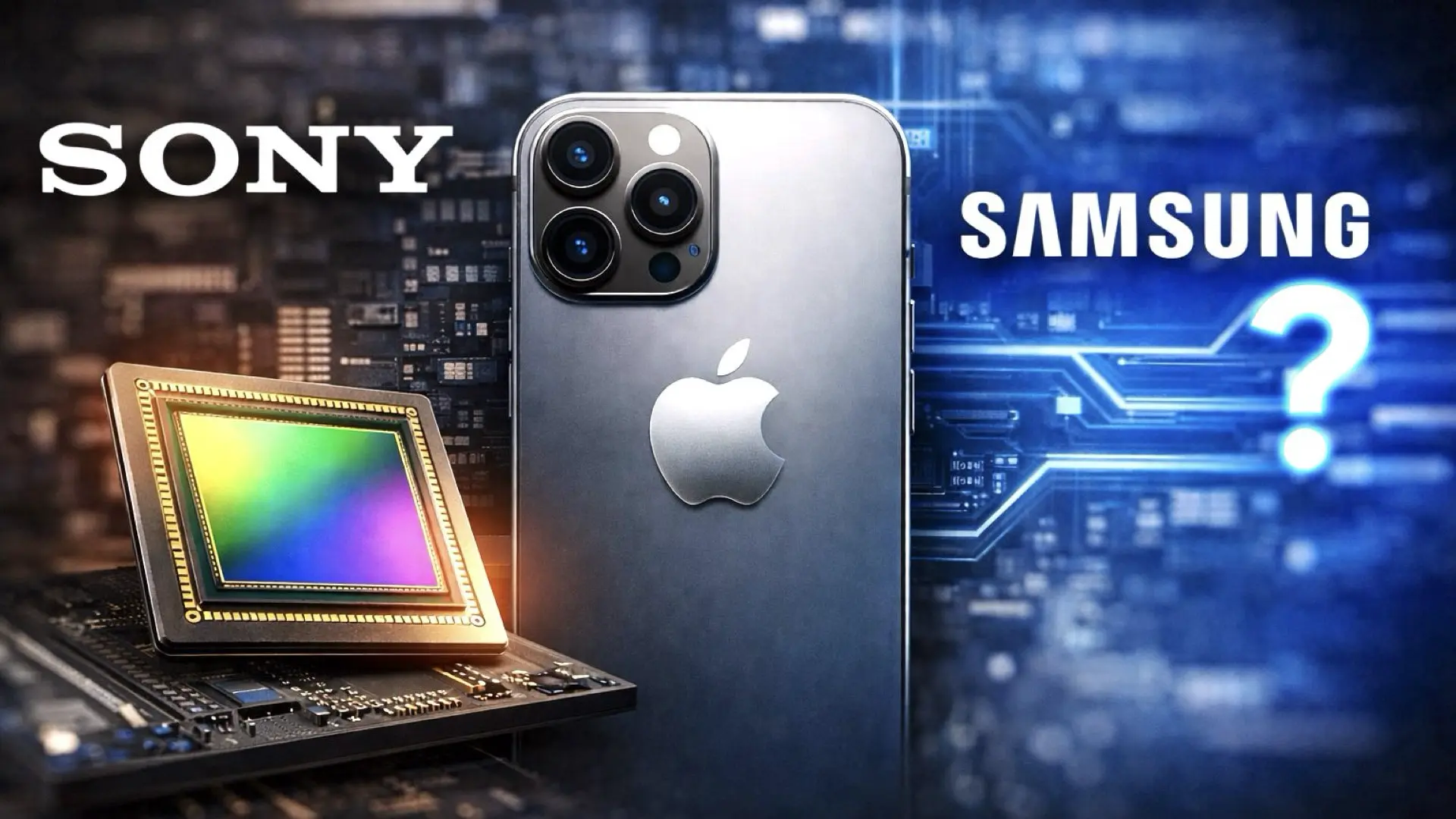
For more than a decade, Sony has been the undisputed leader of the CMOS image sensor market. Its sensors power the iPhone, dominate high-end Android devices, and quietly underpin much of today’s imaging ecosystem, from smartphones to cinema cameras. Now, a new development suggests that this dominance may be entering a more competitive phase. According to a recent report by Nikkei Business, Samsung is expected to begin supplying Apple with CMOS image sensors as early as 2027. If confirmed, this would mark the end of Sony’s long-standing exclusive position inside the iPhone supply chain and open a new chapter in the global sensor race.
The end of iPhone sensor exclusivity
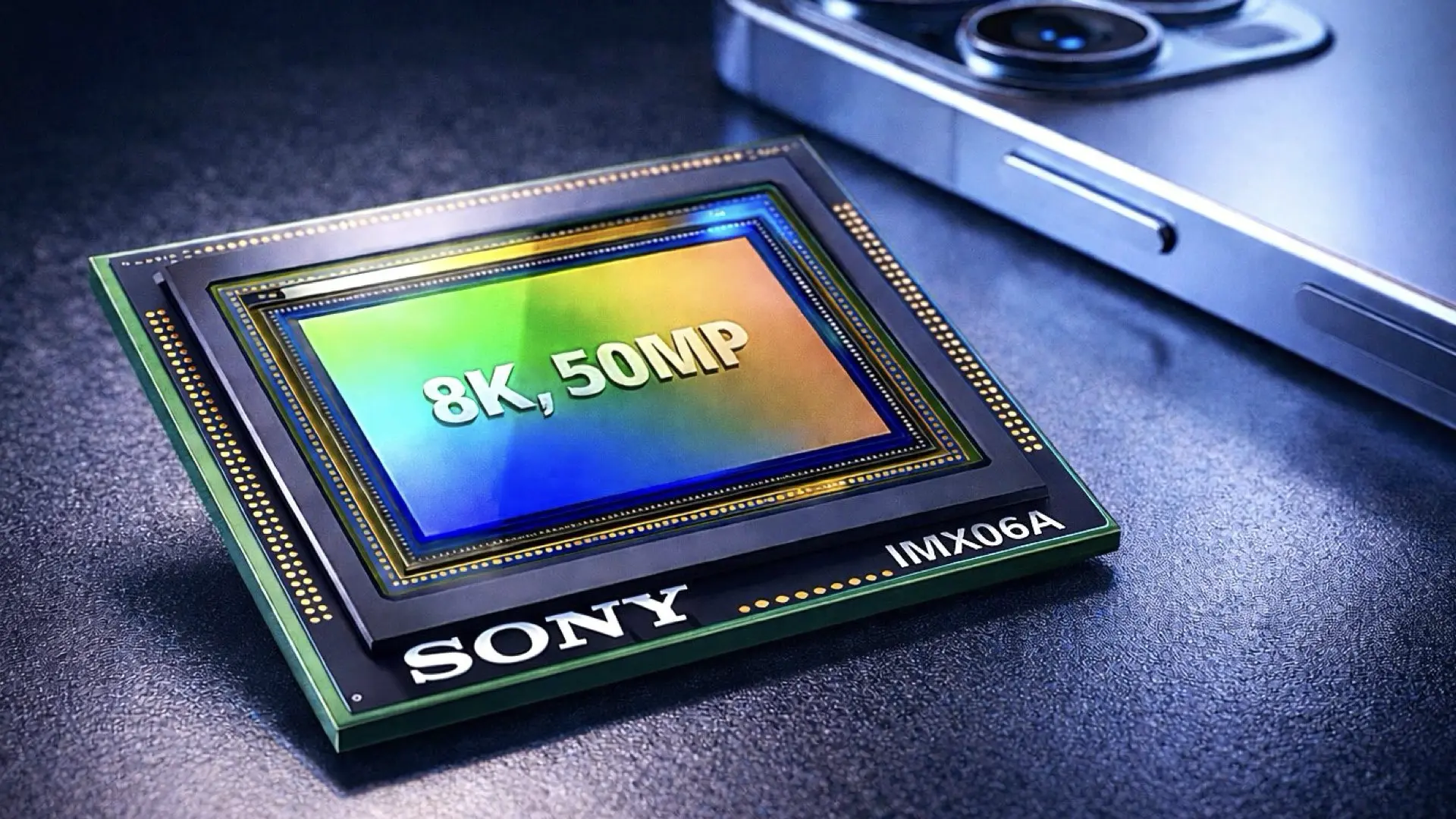
Sony Semiconductor Solutions has effectively monopolized Apple’s image sensor supply for years. While Apple reportedly preferred multi-vendor sourcing, Sony was the only company capable of meeting Apple’s performance standards at scale. That exclusivity translated into a structural advantage. iPhone volumes are massive, and supplying them ensured not only revenue stability but also technological influence over the direction of smartphone imaging.
The Nikkei report suggests that Samsung is now positioned to enter Apple’s supply chain. Analysts cited in the article are divided on the impact. Some argue that Sony’s technological leadership remains strong enough to absorb partial competition. Others point out that the real question is how much share Samsung can capture within Apple’s lineup. Even a partial shift would alter pricing leverage, supply chain dynamics, and long-term investment decisions.
It is important to stress that this does not imply collapse. Sony still holds roughly 50 percent of the global CMOS image sensor market. However, moving from single vendor dominance to a dual supplier model changes the structure of the market. Monopoly-level influence is different from leadership within competition.

Geopolitics and manufacturing strategy
One of the more interesting elements of the report is the geopolitical dimension. Sony primarily manufactures in Japan, while Samsung has a significant US production presence. In an era shaped by tariffs and supply chain diversification, manufacturing geography becomes a strategic advantage. Apple has shown repeatedly that it prefers redundancy and political insulation within its supply base.
At the same time, Chinese players are scaling aggressively. OmniVision is now under Chinese ownership, and companies such as SmartSens and GalaxyCore are expanding production volumes. This places Sony under pressure from two directions. Samsung challenges at the high end. Chinese manufacturers compete aggressively in scale and cost-sensitive segments. The sensor market is no longer defined by technology alone. It is increasingly shaped by national semiconductor strategy.

Beyond Smartphones
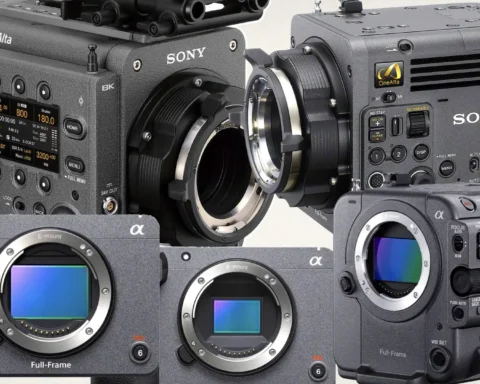
For readers focused on cinema technology, this story extends far beyond the smartphone sector. Sony’s dominance in stacked sensor architecture, backside illumination, and on-chip processing has been financially supported by smartphone scale. The smartphone business funds the research that eventually migrates into professional imaging systems.
If Apple diversifies its supply, Sony’s structural security weakens. That could accelerate innovation as competition intensifies. It could also compress margins, forcing more selective investment decisions. The direction depends on how aggressively Samsung positions itself and how effectively Sony differentiates through performance and yield.
The larger implication is clear. The era of uncontested iPhone sensor dominance may be ending. Leadership will now depend less on exclusivity and more on sustained technological separation.

The structural shift
Sony built its 50 percent sensor empire through technological depth, manufacturing excellence, and scale advantage. If Samsung enters Apple’s supply chain, that empire does not disappear. But it does enter a more competitive phase. The real story is not whether Sony loses leadership tomorrow. It is whether leadership in the next decade will be defined by exclusivity or by technological resilience in a multi-vendor world.
The answer to that question will shape the future of imaging far beyond the smartphone.