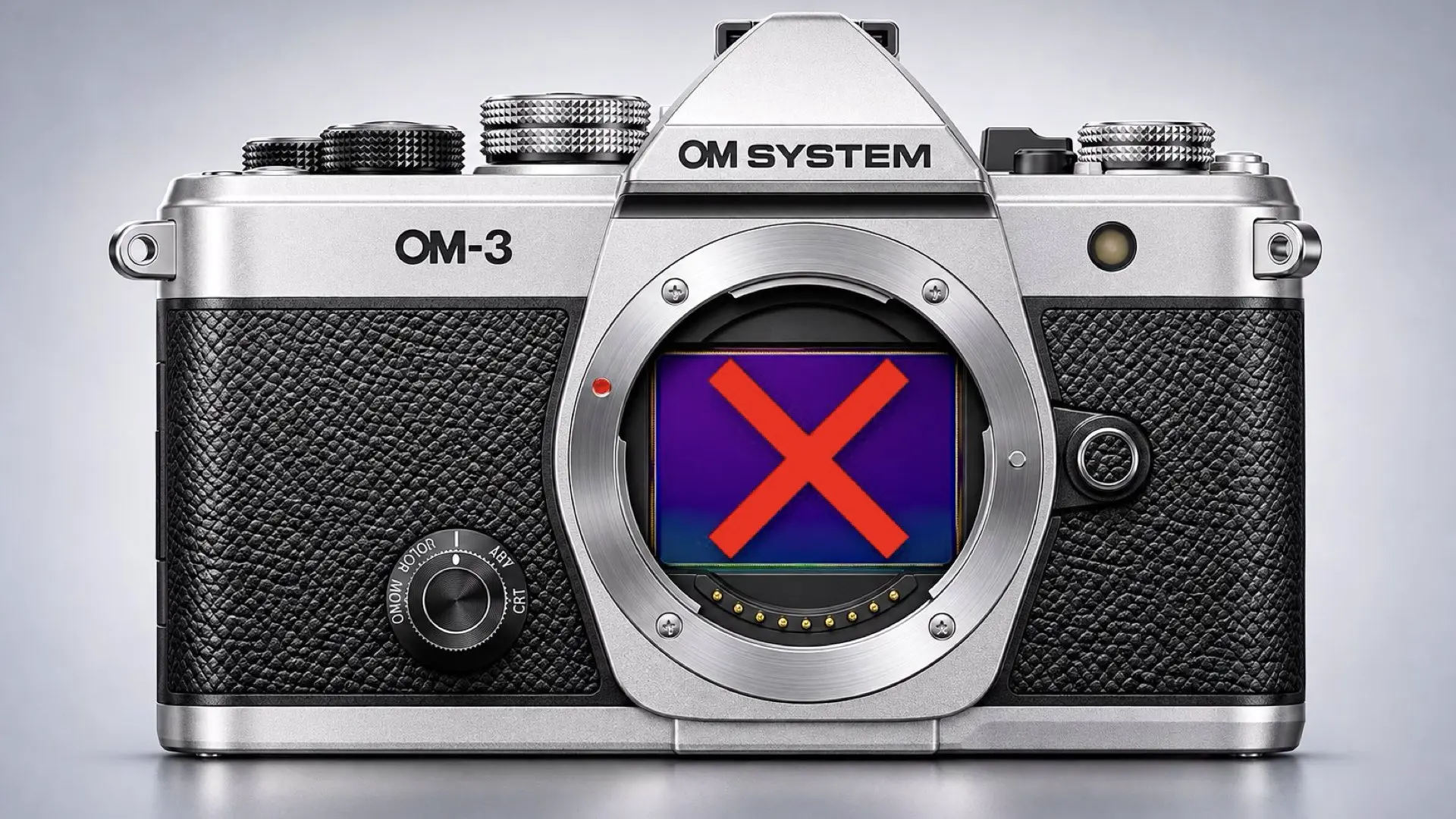
OM System has revealed that it considered developing full-frame and APS-C cameras, but ultimately chose to concentrate on Micro Four Thirds. In a revealing interview, company executives explained why they believe competing in the full-frame market would distract from what makes their camera system different.
Full-frame was on the table
In an official interview published on October 29, 2026 (see video below), OM Digital Solutions COO Setsuya Kataoka and OM System Business Unit head Eiji Shirota discussed the company’s long-standing commitment to Micro Four Thirds and the possibility of expanding into larger sensor formats. Shirota acknowledged that proposals to develop full-frame or APS-C cameras had surfaced internally on several occasions. However, these discussions never resulted in a decision to pursue another format. Kataoka was even more direct, revealing that he personally considered expanding beyond Micro Four Thirds during the early years of the system. But a conversation with a senior colleague changed his thinking. Before exploring other formats, he was challenged to consider whether the company had truly exhausted the potential of Micro Four Thirds. The argument resonated with Kataoka. Rather than following the industry’s movement toward larger sensors, he decided to concentrate on pushing the existing format further. He explained that this approach has guided his thinking for approximately 15 years.
OM System acknowledges the full-frame advantage
Perhaps the most interesting aspect of the discussion is that OM System does not deny the technical advantages of larger sensors. The executives acknowledge that Micro Four Thirds and full-frame will never become physically equivalent. However, they argue that the remaining differences become less important once image quality reaches a level that satisfies the photographer’s requirements. This distinction is fundamental to OM System’s philosophy. Rather than pursuing maximum sensor performance, the company prioritizes the complete photographic system, including portability, durability, stabilization, and the ability to carry multiple lenses into demanding environments. The executives highlighted photographs captured during expeditions in extreme temperatures, including conditions reaching minus 40 degrees Celsius. Their argument is straightforward: A technically superior camera offers little practical benefit if its size and weight discourage the photographer from bringing it.
The company wants to dominate outdoor photography
OM System’s strategy also extends beyond its commitment to Micro Four Thirds. During the interview, Kataoka outlined an ambition to make OM System the number-one outdoor camera brand. That positioning helps explain the company’s reluctance to enter the full-frame market. Instead of competing directly with Sony, Canon, and Nikon across multiple sensor categories, OM System is concentrating on photographers who prioritize mobility, environmental protection, and a compact system. It is a strategy built around specialization rather than competing on every specification.
But what about professional filmmaking?
For filmmakers, the discussion raises another interesting question. Micro Four Thirds has demonstrated considerable potential in professional video production, particularly through Panasonic’s Lumix GH series. Advanced recording formats, high frame rates, and sophisticated video functionality have established the format as a legitimate filmmaking platform. However, OM System’s executives focused overwhelmingly on still photography, outdoor adventures, and the practical advantages of compact equipment. Professional filmmaking was not presented as a central component of the company’s future ambitions. That does not necessarily indicate any intention to abandon video development, but it illustrates the difference between OM System’s priorities and those of manufacturers targeting hybrid creators and cinema professionals.
The flagship cameras that embody this philosophy
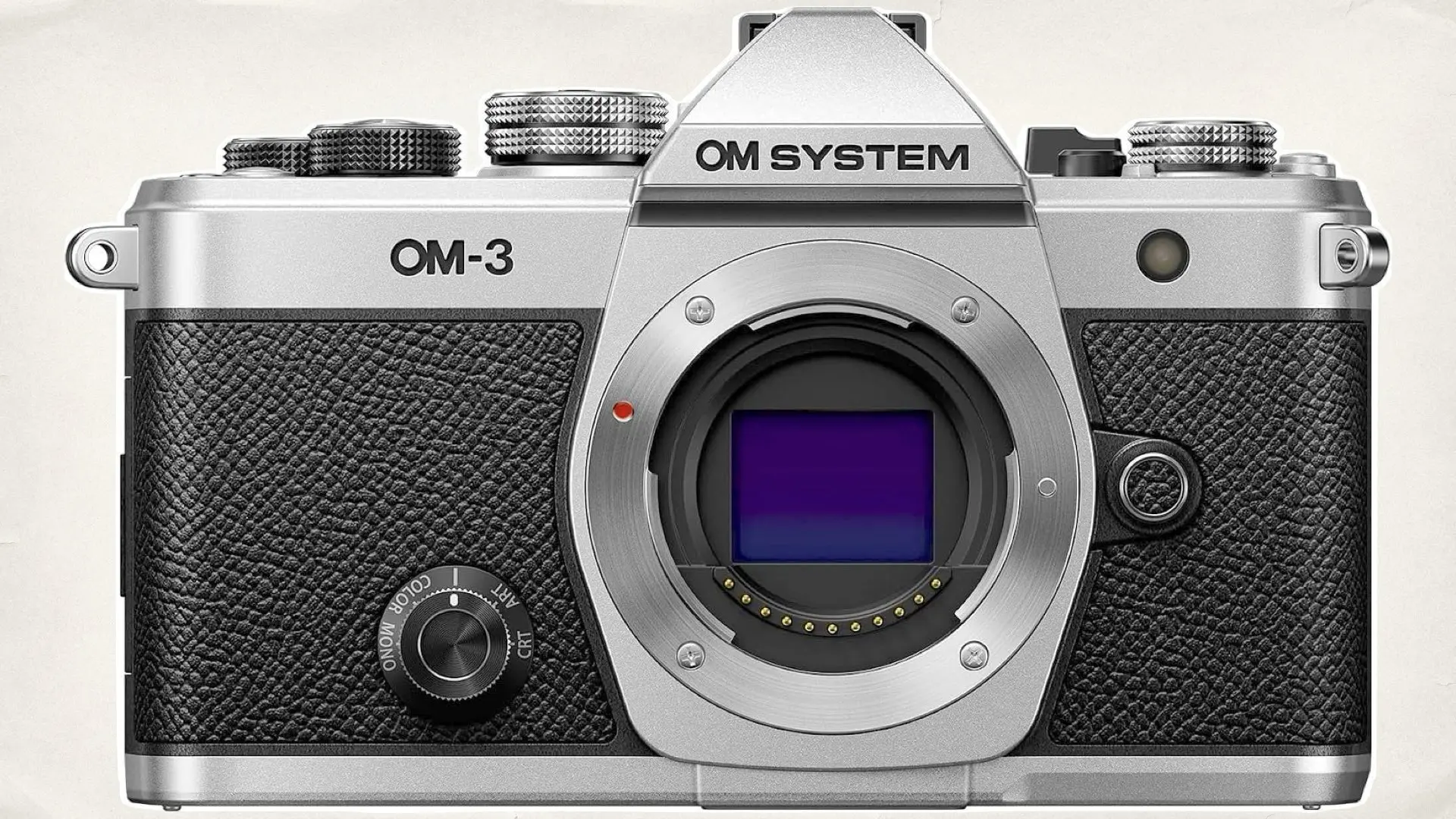
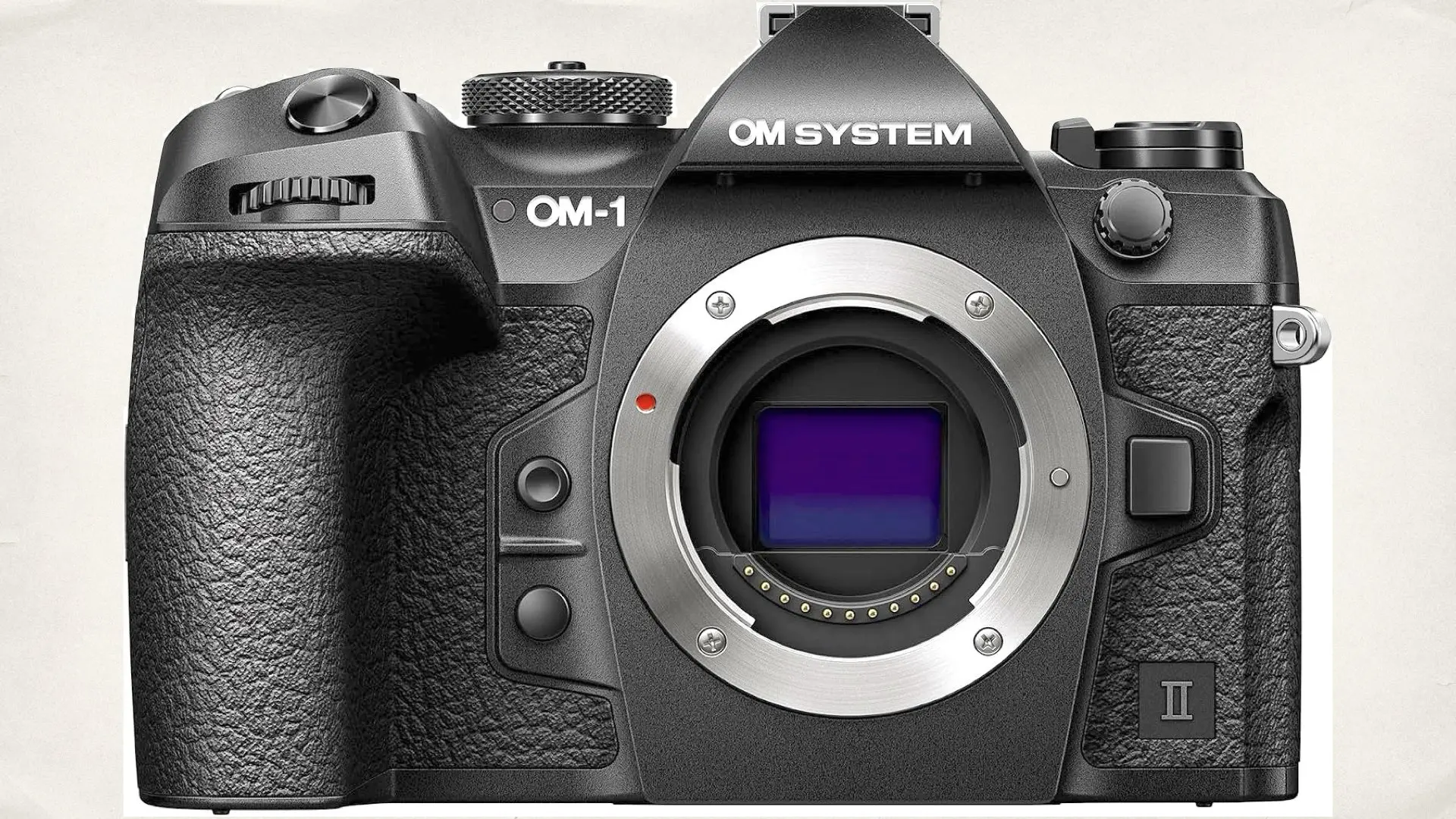
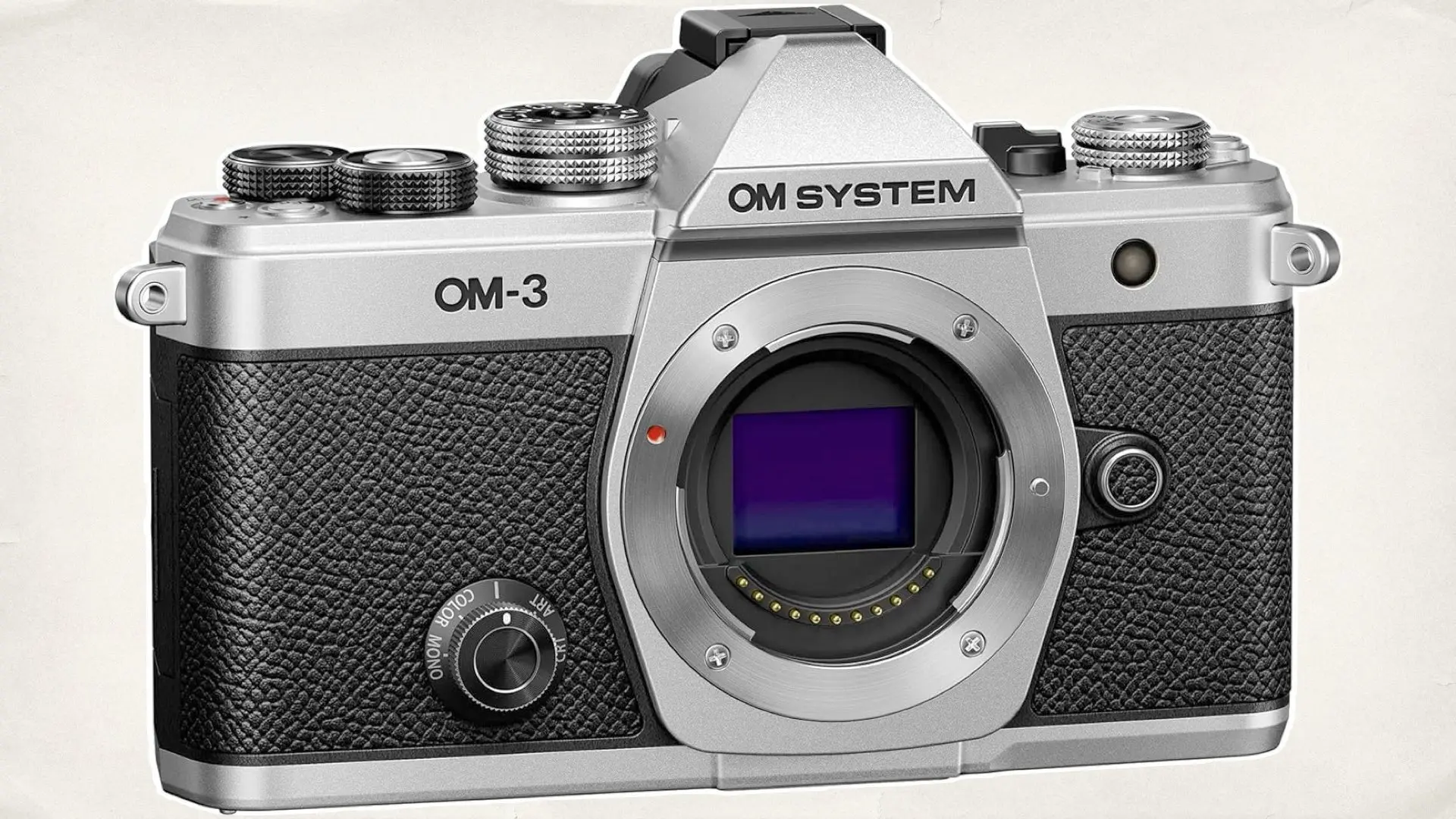
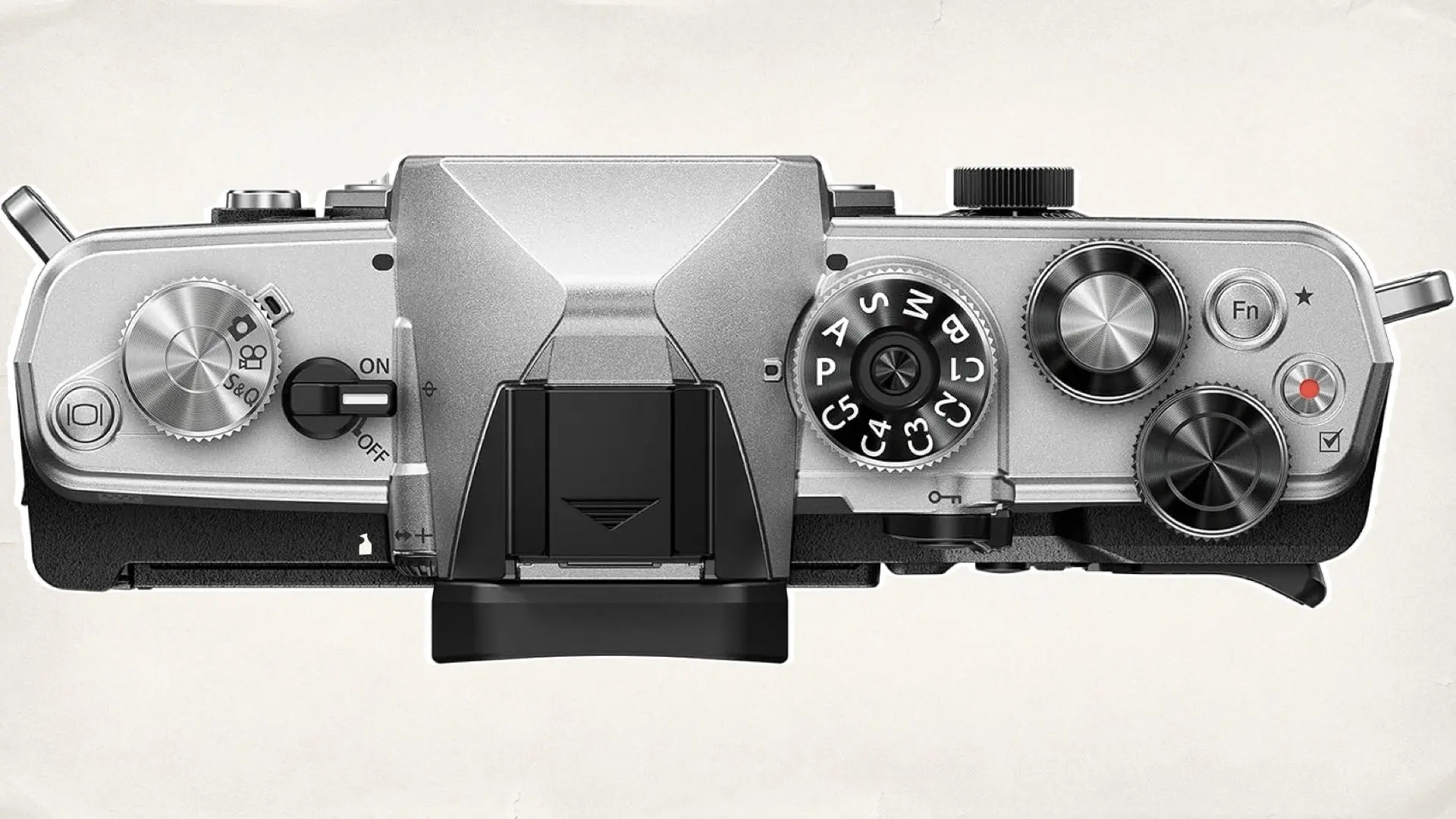
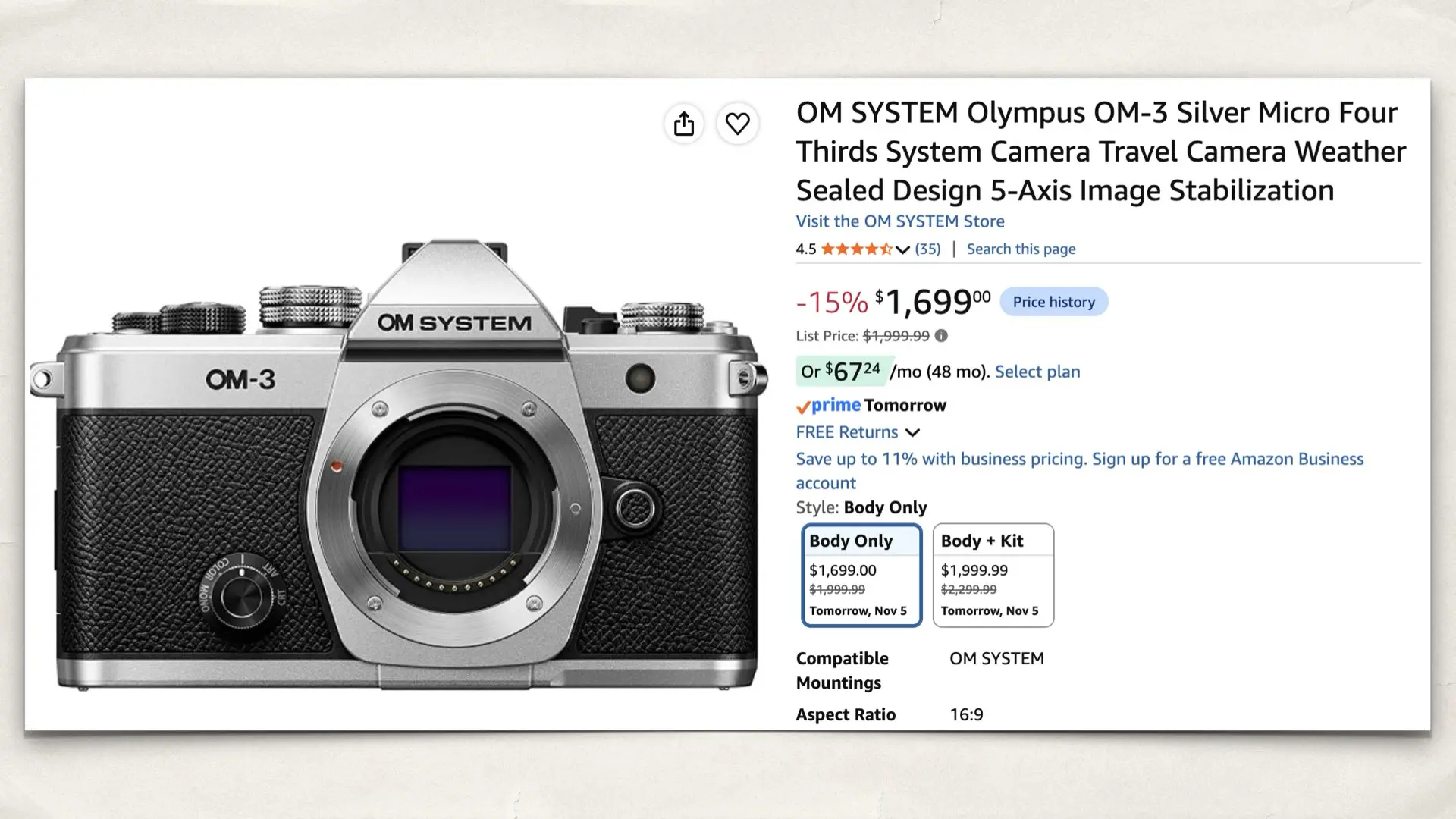
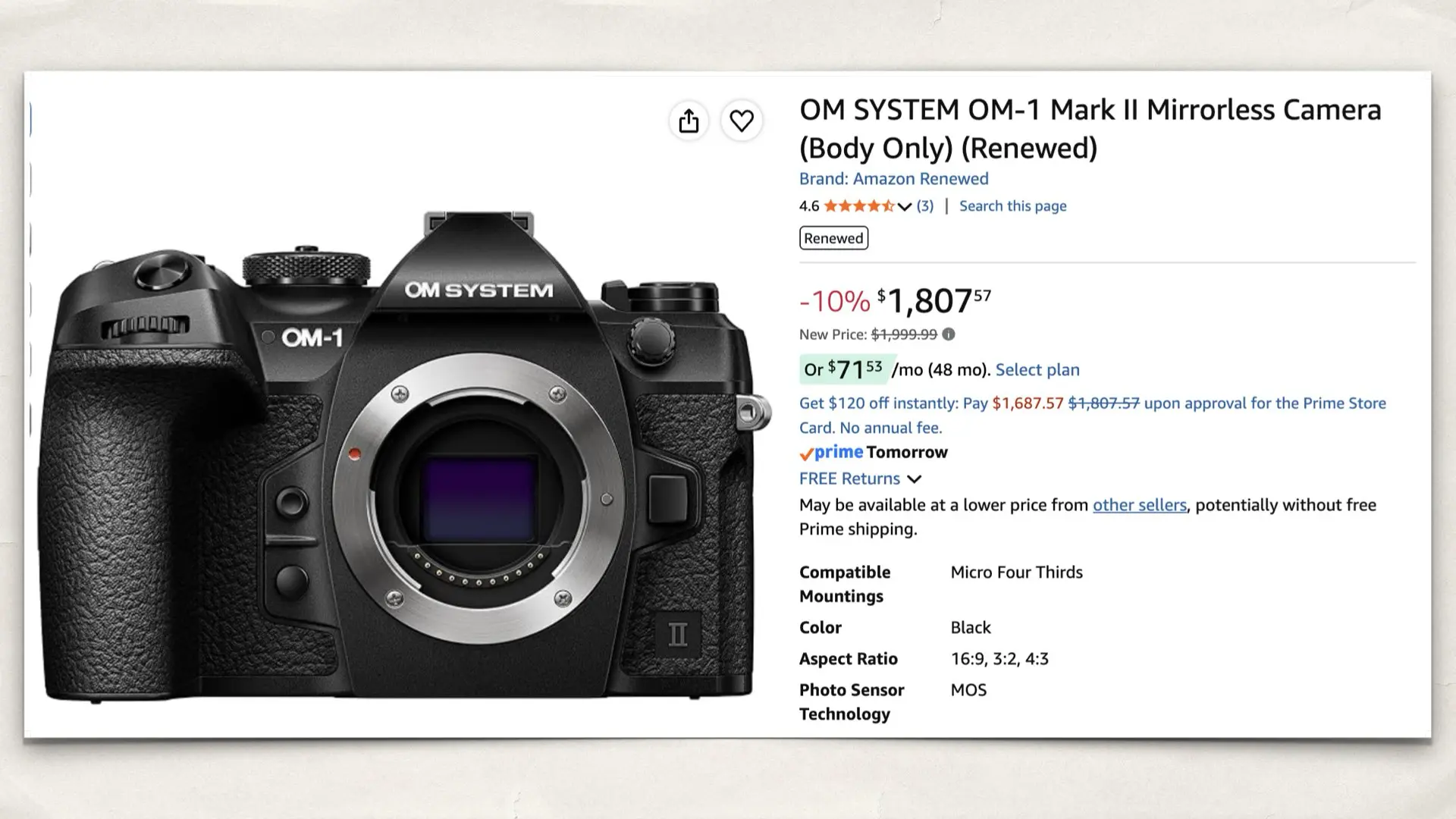
OM System’s flagship OM-1 Mark II ($1,999.99 on Amazon) demonstrates how the company intends to compete without adopting larger sensors. Built around a 20.4MP stacked BSI Micro Four Thirds sensor, the camera offers up to 120 fps RAW continuous shooting, advanced subject-detection autofocus, up to 8.5 stops of image stabilization, and IP53-rated weather sealing. The OM-3 ($1,699 on Amazon) extends this philosophy into a more compact, retro-inspired body, emphasizing computational photography and portability. Neither camera attempts to compete with full-frame rivals through sensor size or sheer megapixel count. Instead, OM System is betting on speed, mobility, and specialized photographic capabilities. The question is whether these advantages are compelling enough to persuade photographers to choose Micro Four Thirds over increasingly sophisticated full-frame alternatives.
Final thoughts
OM System’s decision to remain committed to Micro Four Thirds is not simply about refusing to adopt larger sensors. It reflects a belief that the company can create more distinctive products by developing a specialized photographic system. The full-frame option was considered, but the executives ultimately saw greater value in exploring what Micro Four Thirds could achieve. Importantly, the interview does not constitute a permanent corporate commitment never to manufacture a full-frame camera. Nevertheless, the message is clear: OM System is not interested in following the full-frame race simply because the rest of the industry is moving in that direction. The question is whether specialization around Micro Four Thirds will remain a competitive advantage as larger-sensor cameras continue to shrink, lighten, and become increasingly capable.
Gear mentioned in this article
Available on Amazon
| Product | New | Renewed | Used |
|---|---|---|---|
| OM-3 | $1,699 | — | — |
| OM-1 Mark II | $1,999.99 | — | From $1,799.99 |
Prices checked: Nov 4, 2026, 2:06 PM GMT+0000
As an Amazon Associate, Y.M.Cinema earns from qualifying purchases. If you buy through our links, we may earn a small commission at no extra cost to you.
Product prices and availability are accurate as of the date/time indicated and are subject to change. Any price and availability information displayed on Amazon.com at the time of purchase will apply to the purchase of this product.
CERTAIN CONTENT THAT APPEARS ON THIS SITE COMES FROM AMAZON. THIS CONTENT IS PROVIDED “AS IS” AND IS SUBJECT TO CHANGE OR REMOVAL AT ANY TIME.