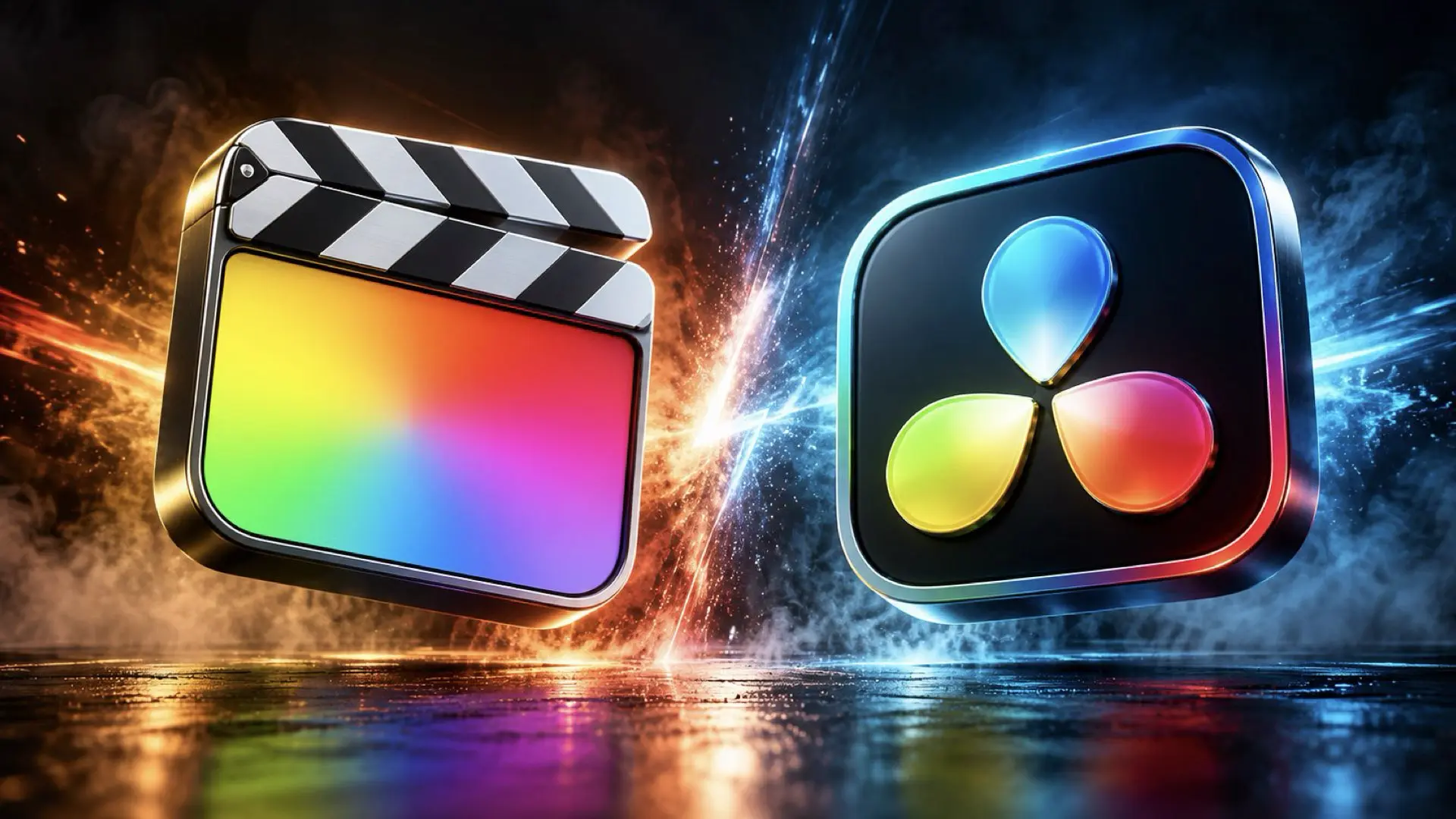
Apple is significantly expanding Final Cut Pro with built-in MotionVFX tools, deeper Pixelmator Pro integration, AI-powered image generation, and improved editing capabilities. Meanwhile, Blackmagic Design is increasingly positioning DaVinci Resolve Studio as an AI-powered post-production platform. Both NLEs are becoming more powerful, but they are taking different approaches to the future of professional editing. Is Apple’s latest upgrade enough to challenge DaVinci Resolve?
Apple gives Final Cut Pro a substantial upgrade
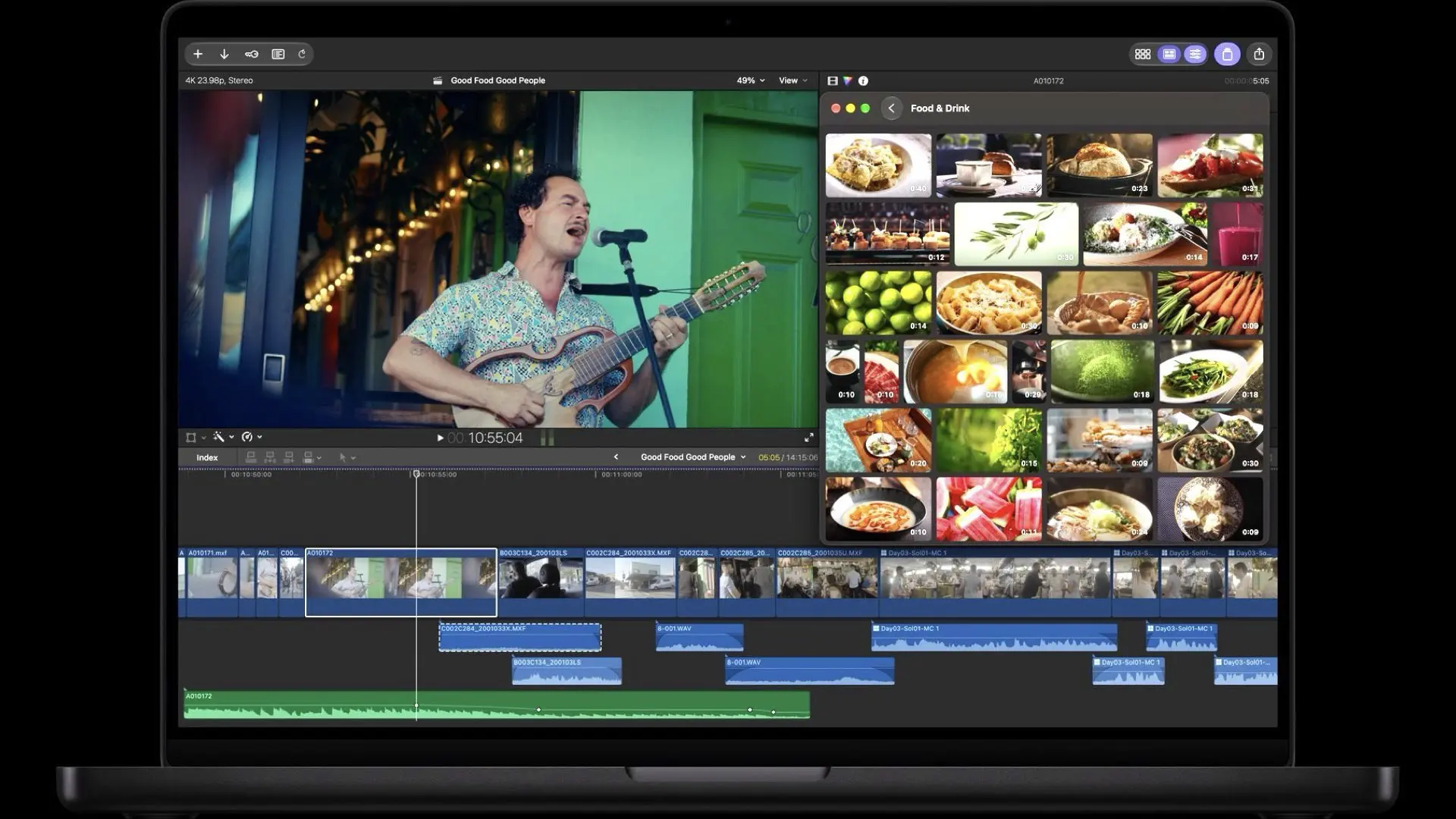
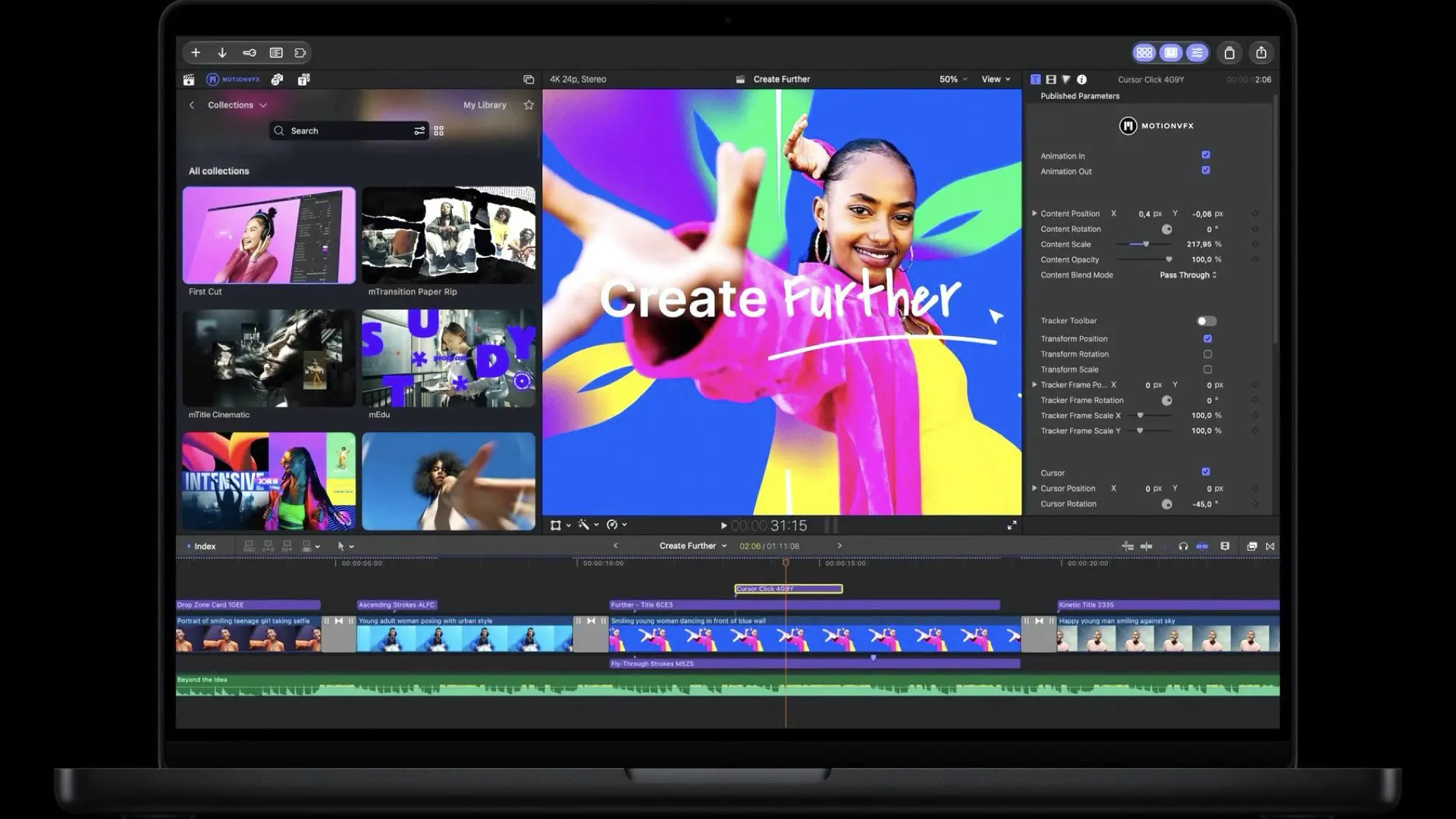
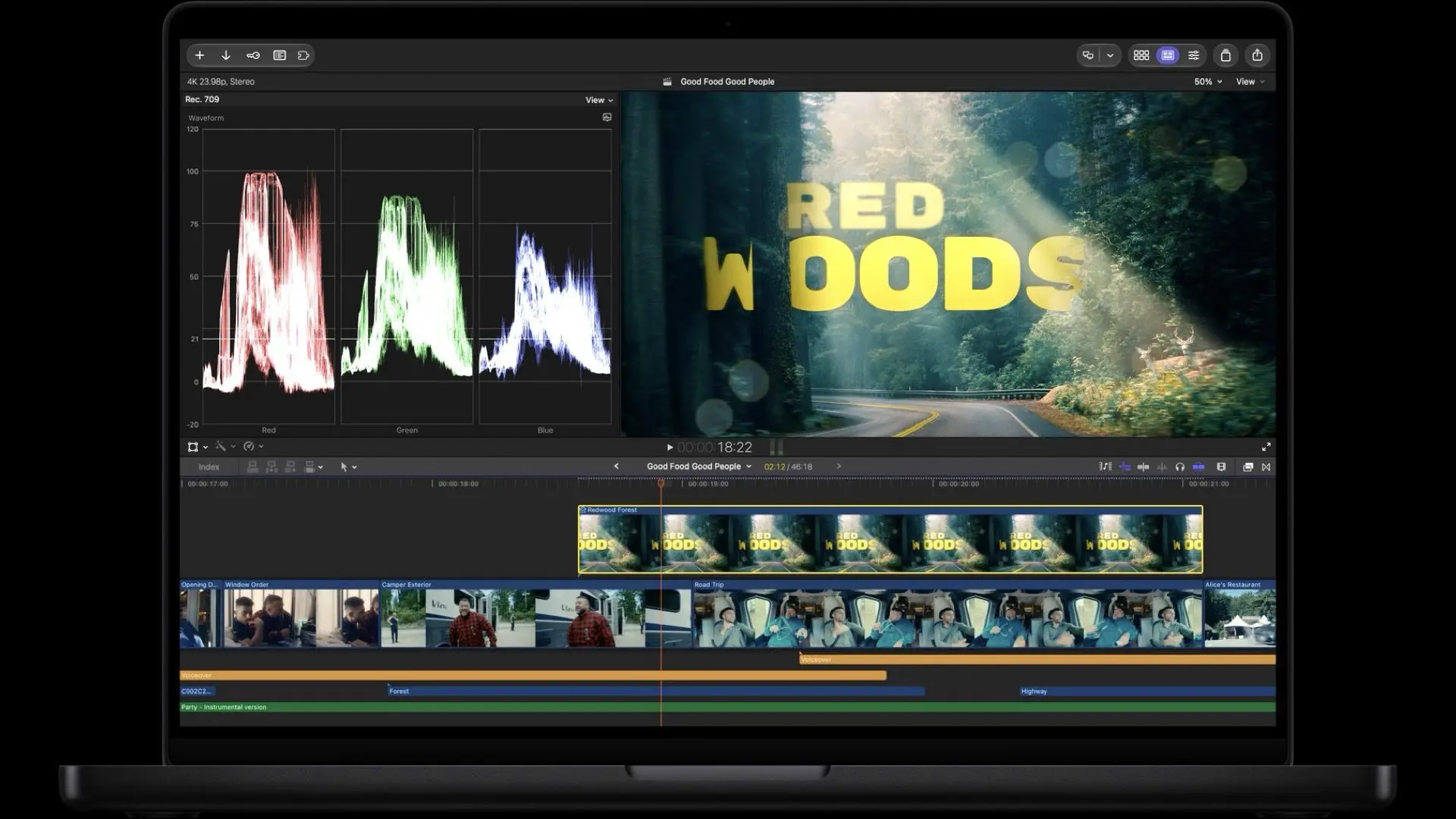
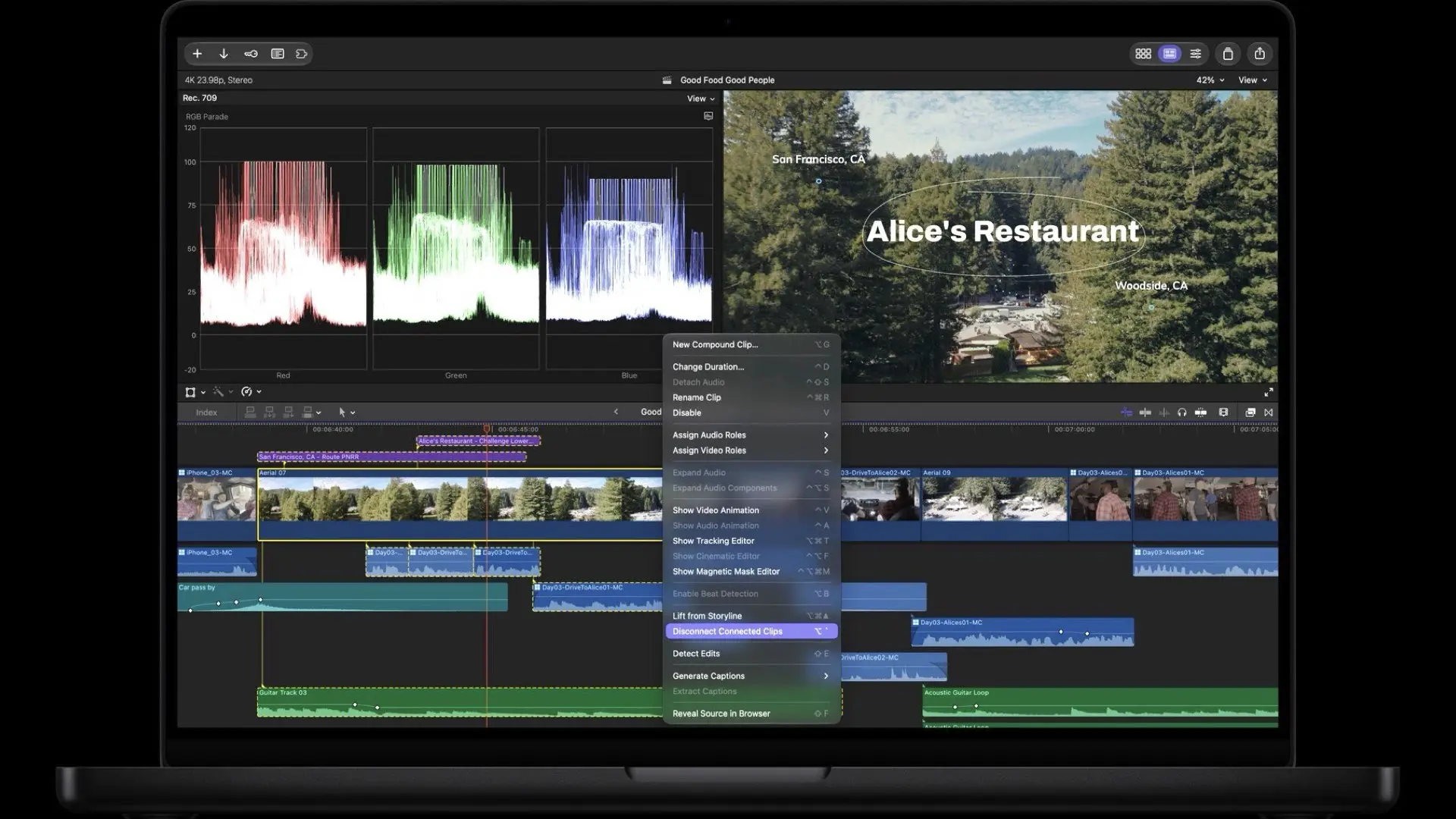
Apple has announced a major update to Final Cut Pro as part of its Apple Creator Studio ecosystem, scheduled for release in November 2026. One of the most significant additions is the integration of MotionVFX directly into Final Cut Pro for Mac, giving editors access to thousands of effects, transitions, titles, motion graphics templates, and professional creative tools. The integration also brings capabilities for rotoscoping, tracking, and color grading, expanding what editors can accomplish without relying on separate third-party purchases. Apple is also introducing several practical improvements to the editing workflow. These include more flexible keyframe easing controls, the ability to disconnect clips from the primary storyline and position them elsewhere on the timeline, and support for 23 additional transcription languages. Another addition is Apple’s Content Hub, which provides stock footage, photographs, and backgrounds directly within Final Cut Pro. Combined, these enhancements make Final Cut Pro a more comprehensive environment for editing, graphics, and content creation.
AI is becoming central to both editing platforms
Artificial intelligence is increasingly shaping the competition between professional NLEs. However, Apple and Blackmagic Design appear to be emphasizing different applications of the technology. Apple is strengthening Final Cut Pro through AI-assisted visual creation and tighter integration with Pixelmator Pro. Editors can open images directly from the Final Cut Pro timeline, modify them in Pixelmator Pro, and automatically return the results to their projects. The updated workflow also supports generating images from text descriptions, while Pixelmator Pro’s new Generate Fill functionality allows users to modify selected image regions using natural-language instructions. These capabilities could streamline the creation of backgrounds, graphical elements, and other visual assets without leaving Apple’s creative ecosystem. However, Apple has not announced a dedicated conversational AI editing assistant for Final Cut Pro in this update. Its AI enhancements are primarily concentrated on visual creation and connected applications, rather than direct natural-language control of the editing timeline.
DaVinci Resolve is taking AI deeper into post-production
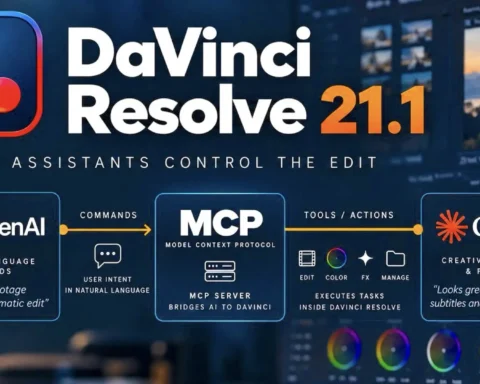
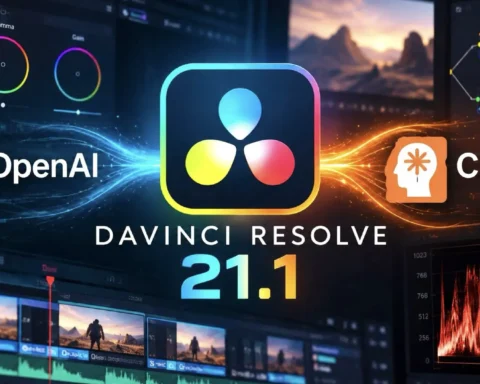
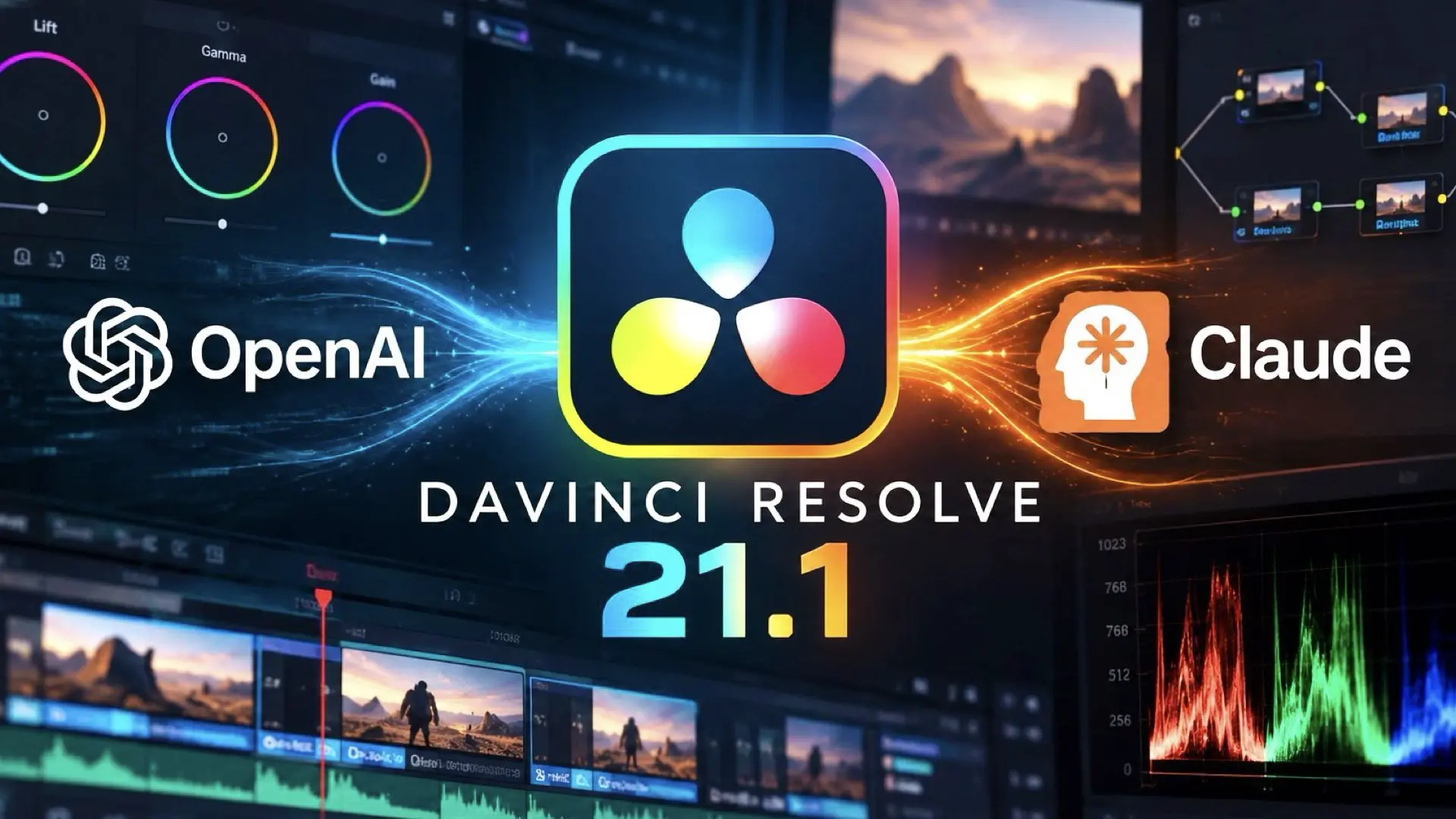
Blackmagic Design is approaching AI from a different direction. As we recently reported in Blackmagic Wants You to Think of DaVinci Resolve Studio as an AI Editor, the company is increasingly emphasizing artificial intelligence as a central selling point of DaVinci Resolve Studio. Features such as Magic Mask, AI Speed Warp, and AI SuperScale address computationally demanding post-production operations, including subject isolation, frame interpolation, and image upscaling. These tools are designed to accelerate processes that would otherwise require substantial manual intervention. Blackmagic has also introduced Model Context Protocol (MCP) support in DaVinci Resolve 21.1, enabling compatible external AI assistants, including ChatGPT and Claude, to interact with supported editing operations. This represents an important distinction between the two platforms. While Apple is using AI to enhance asset creation and visual workflows around Final Cut Pro, Blackmagic is also enabling AI to participate more directly in editing and post-production tasks.
Final Cut Pro vs. DaVinci Resolve: Two different strategies
Final Cut Pro remains an attractive NLE for filmmakers who prioritize speed, an efficient editing interface, and tight integration with Apple’s hardware and software ecosystem. The addition of MotionVFX significantly strengthens its graphics and effects capabilities. The improvements to timeline flexibility also address practical concerns raised by editors working on increasingly complex projects. However, DaVinci Resolve continues to offer a particularly comprehensive post-production environment, combining editing, advanced color grading, Fusion visual effects, Fairlight audio post-production, and delivery within one application. Its AI capabilities increasingly operate across these disciplines, potentially reducing the time required for demanding finishing operations. Apple’s approach, meanwhile, is to connect specialized creative applications into a more seamless ecosystem, with Final Cut Pro, Motion, and Pixelmator Pro working together. Neither approach is inherently superior. The distinction depends on whether an editor prefers a tightly integrated collection of applications or a unified post-production environment.
The pricing battle is also interesting
Apple Creator Studio costs $12.99 per month or $129 annually, providing access to Final Cut Pro alongside other creative applications and the new subscriber-focused MotionVFX content. Final Cut Pro also remains available as a standalone $299.99 purchase. DaVinci Resolve offers a highly capable free edition, while DaVinci Resolve Studio normally costs $295 as a one-time purchase. Blackmagic is currently offering Studio for $236 as part of a limited-time promotion running through November 20, 2026. Both companies therefore provide comparatively accessible entry points to professional editing, but their monetization strategies differ. Apple is emphasizing the value of a continuously expanding subscription ecosystem, while Blackmagic is using additional professional features and AI-powered productivity to encourage upgrades to Studio.
Is it enough to compete with DaVinci Resolve?
Apple’s latest update represents a meaningful step forward for Final Cut Pro. The integration of MotionVFX, improved timeline controls, expanded content libraries, and AI-powered image workflows makes the software more capable and potentially more appealing to a wider range of editors. Nevertheless, DaVinci Resolve retains important advantages for professionals who depend on advanced color grading, integrated visual effects, audio post-production, collaborative workflows, and increasingly sophisticated AI tools. The more interesting development is that both companies are investing heavily in making professional editing more efficient through artificial intelligence. Apple is strengthening the creative ecosystem surrounding the edit. Blackmagic is integrating AI more directly into the post-production process itself. Final thoughts: Final Cut Pro is becoming a stronger competitor, but this update alone does not fundamentally change the balance between the two platforms. As AI becomes increasingly influential in professional editing, the next competitive advantage may depend less on how many effects an NLE offers and more on how intelligently it can help editors complete their work.