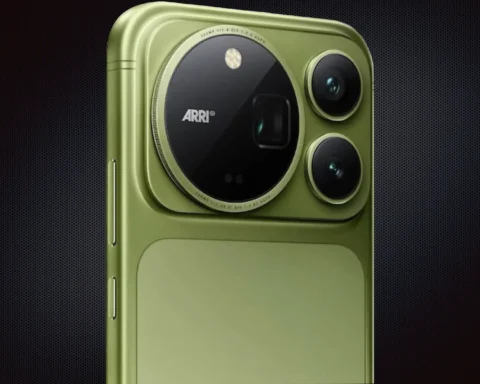
In June 2025, Y.M.Cinema reported on an Apple patent describing a variable aperture system designed specifically for compact camera modules. At the time, the technology was only a patent. Fifteen months later, variable aperture has officially arrived in the iPhone 18 Pro. Apple announced the iPhone 18 Pro and iPhone 18 Pro Max on September 9, 2026, introducing a new 48MP Fusion Main camera equipped with a physical variable aperture. It is the first iPhone camera to offer actual optical aperture control rather than relying entirely on computational simulation.
This direction was spotted in 2025
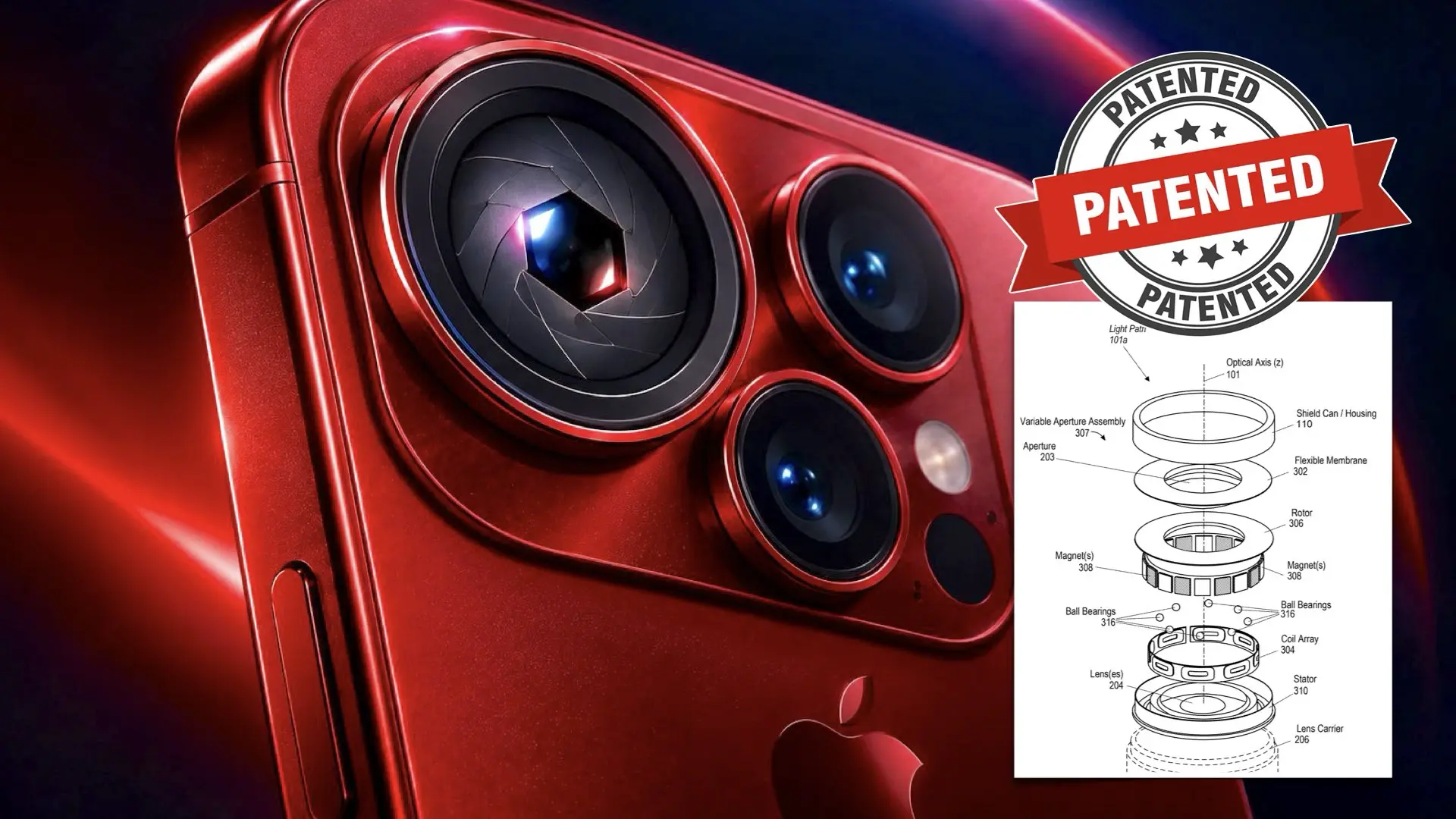
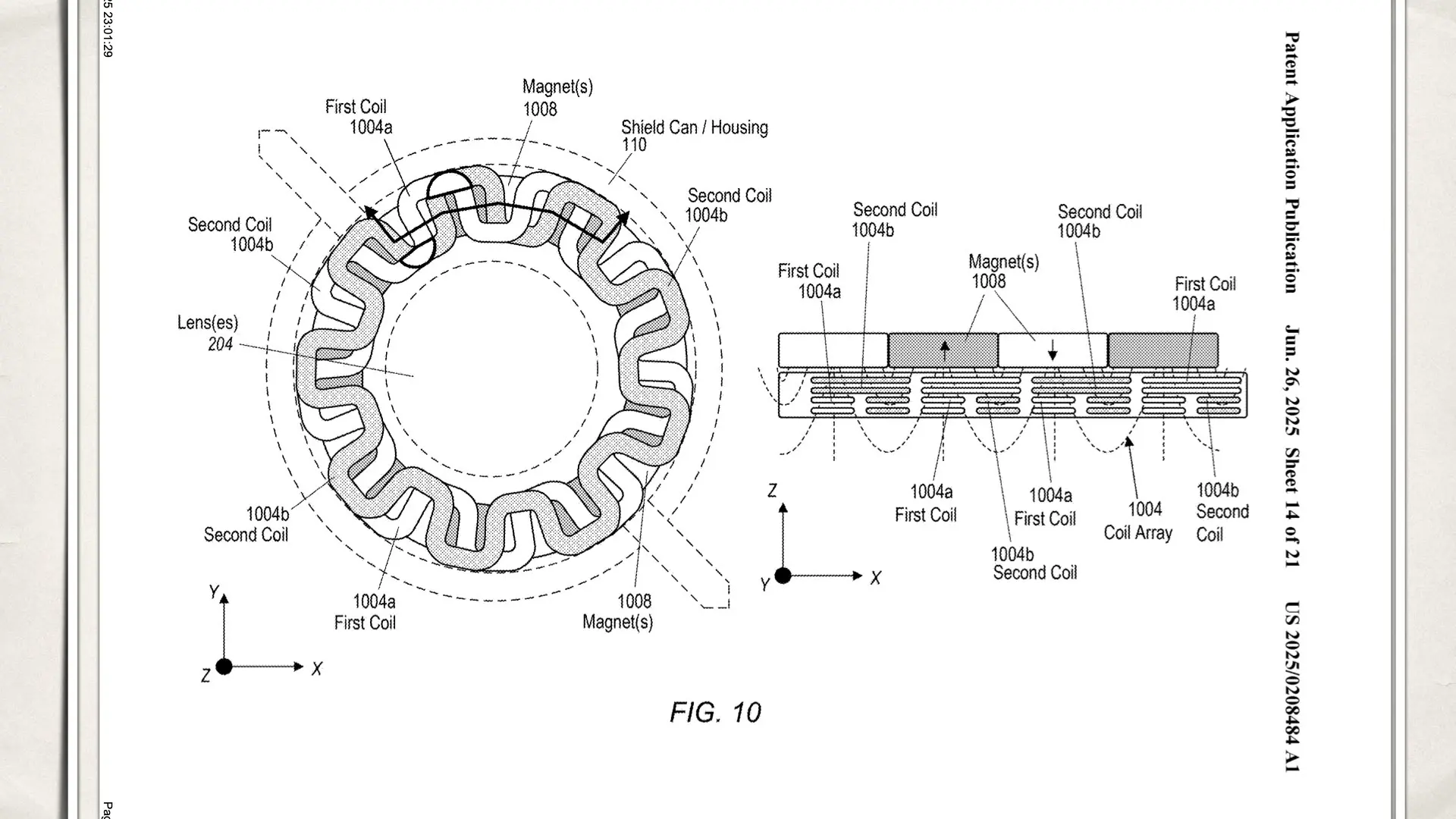
On June 27, 2025, Y.M.Cinema was the first publication to report on Apple’s patent titled “Camera Module With Variable Lens Aperture With Soft Membrane.” The patent described an aperture designed for small-form-factor cameras, replacing conventional overlapping iris blades with a flexible membrane whose opening could expand or contract through a rotor and actuator system. Apple’s stated objectives included reducing size, weight and mechanical complexity while maintaining a more circular aperture. Our conclusion at the time was straightforward: Apple was actively researching ways to introduce genuine optical aperture control into future iPhone cameras. That direction has now become a commercial product.

The iPhone 18 Pro gets a real iris
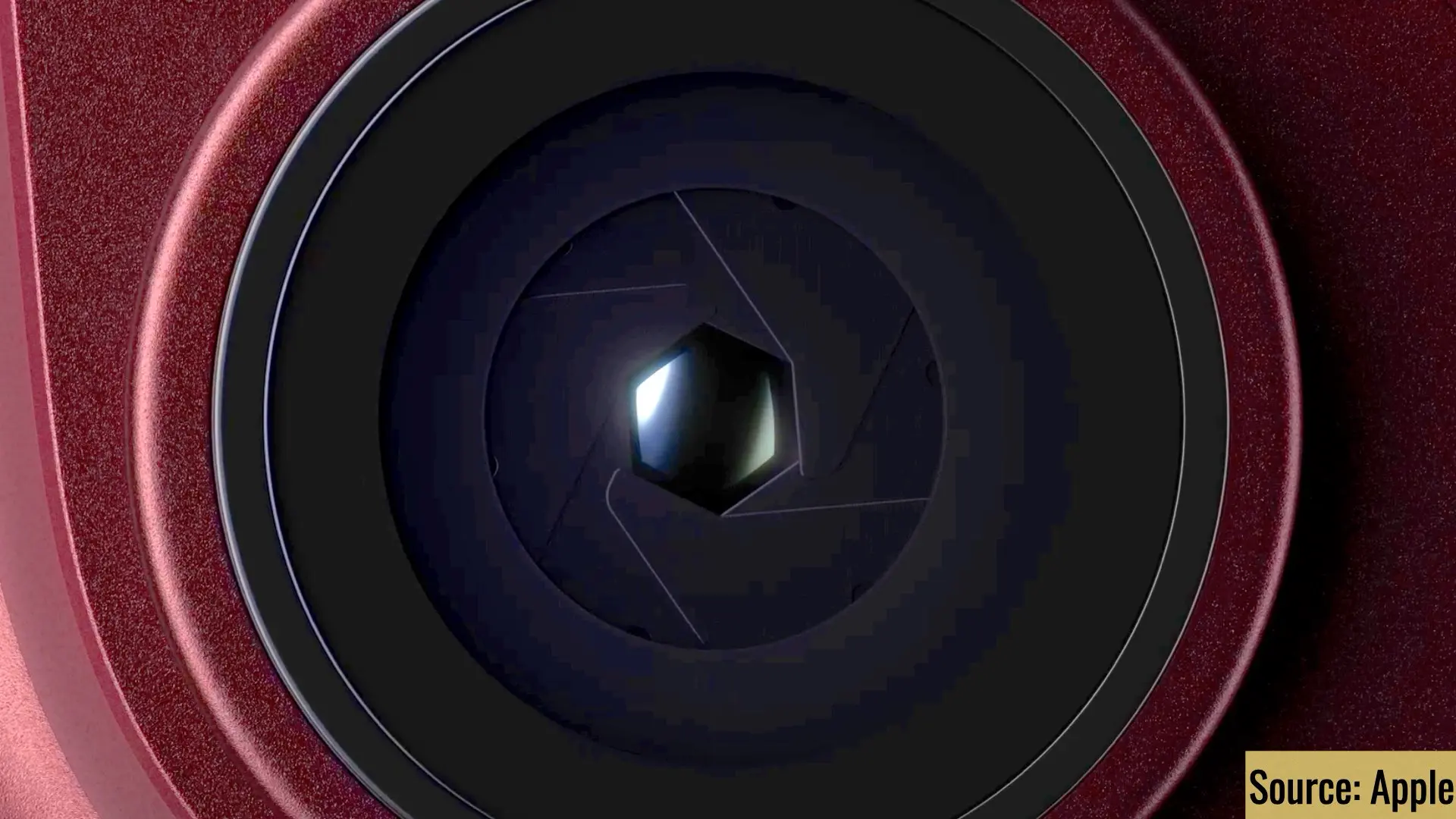
The new iPhone 18 Pro, which is a successor to the iPhone 17 Pro ($1,179 on Amazon), uses six laser-cut aperture blades controlled by a rotor mechanism. According to Apple, the system can smoothly transition between aperture positions and automatically adjust according to lighting conditions and required depth of field. Users can also manually select from four aperture settings through the Camera app. Previous iPhones used fixed-aperture lenses, meaning exposure control depended primarily on shutter speed, sensor gain and computational imaging. A physical iris introduces another genuine optical variable into the system. For photographers, this allows more control over depth of field and light transmission. For filmmakers, it can be even more useful because aperture adjustment provides another way to control exposure while maintaining a preferred shutter speed.
The patented mechanism did not make it into this iPhone
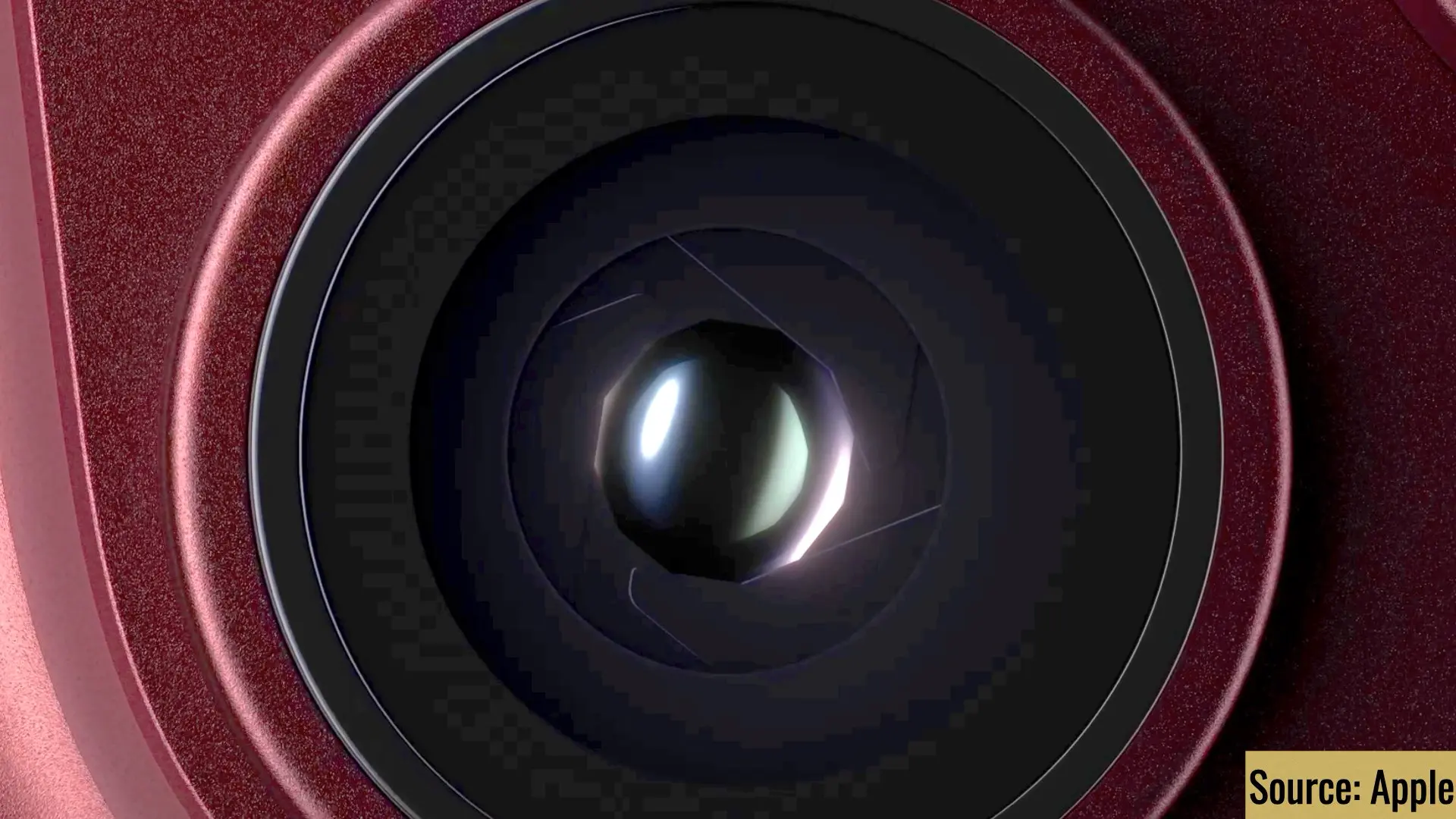
There is, however, an important technical distinction. The iPhone 18 Pro does not appear to use the soft-membrane aperture described in the patent we covered in 2025. Apple’s production design uses six conventional mechanical blades, while the patent specifically proposed replacing overlapping blades with a flexible membrane. In fact, the patent itself discussed several disadvantages of traditional blade-based apertures, including additional moving parts, module thickness and non-circular aperture shapes. Therefore, it would be inaccurate to say that the exact patented technology has reached the iPhone. What has reached the iPhone is the broader concept we identified: Apple was developing compact variable-aperture technology for its mobile camera systems.

From patent research to shipping hardware
This is also a useful reminder of how camera patents should be interpreted. A patent does not necessarily reveal the exact component that will eventually appear in a product. Manufacturers frequently investigate several engineering solutions to the same problem before choosing a production design. In this case, Apple’s research clearly showed an interest in moving beyond fixed-aperture smartphone cameras. The iPhone 18 Pro confirms that aperture control was not simply an experimental idea. It became part of Apple’s camera roadmap. The implementation changed. The direction did not. And the soft-membrane design may still matter. Apple could potentially use the concept in future generations if it offers advantages in thickness, reliability or aperture geometry compared with the six-blade mechanism introduced today.
Final thoughts
Variable aperture gives the iPhone something dedicated cameras have offered for generations: direct optical control over the light entering the camera. Combined with increasingly sophisticated sensors, processing and professional video tools, it also shows that Apple continues to move parts of the imaging pipeline away from purely computational solutions and back toward physical camera engineering. In June 2025, the idea existed in a patent. In September 2026, variable aperture is inside an iPhone.
Gear mentioned in this article
Available on Amazon
| Product | New | Renewed | Used |
|---|---|---|---|
| iPhone 17 Pro | $1,179 | — | — |
Prices checked: Oct 7, 2026, 1:31 PM GMT+0000
As an Amazon Associate, Y.M.Cinema earns from qualifying purchases. If you buy through our links, we may earn a small commission at no extra cost to you.
Product prices and availability are accurate as of the date/time indicated and are subject to change. Any price and availability information displayed on Amazon.com at the time of purchase will apply to the purchase of this product.
CERTAIN CONTENT THAT APPEARS ON THIS SITE COMES FROM AMAZON. THIS CONTENT IS PROVIDED “AS IS” AND IS SUBJECT TO CHANGE OR REMOVAL AT ANY TIME.