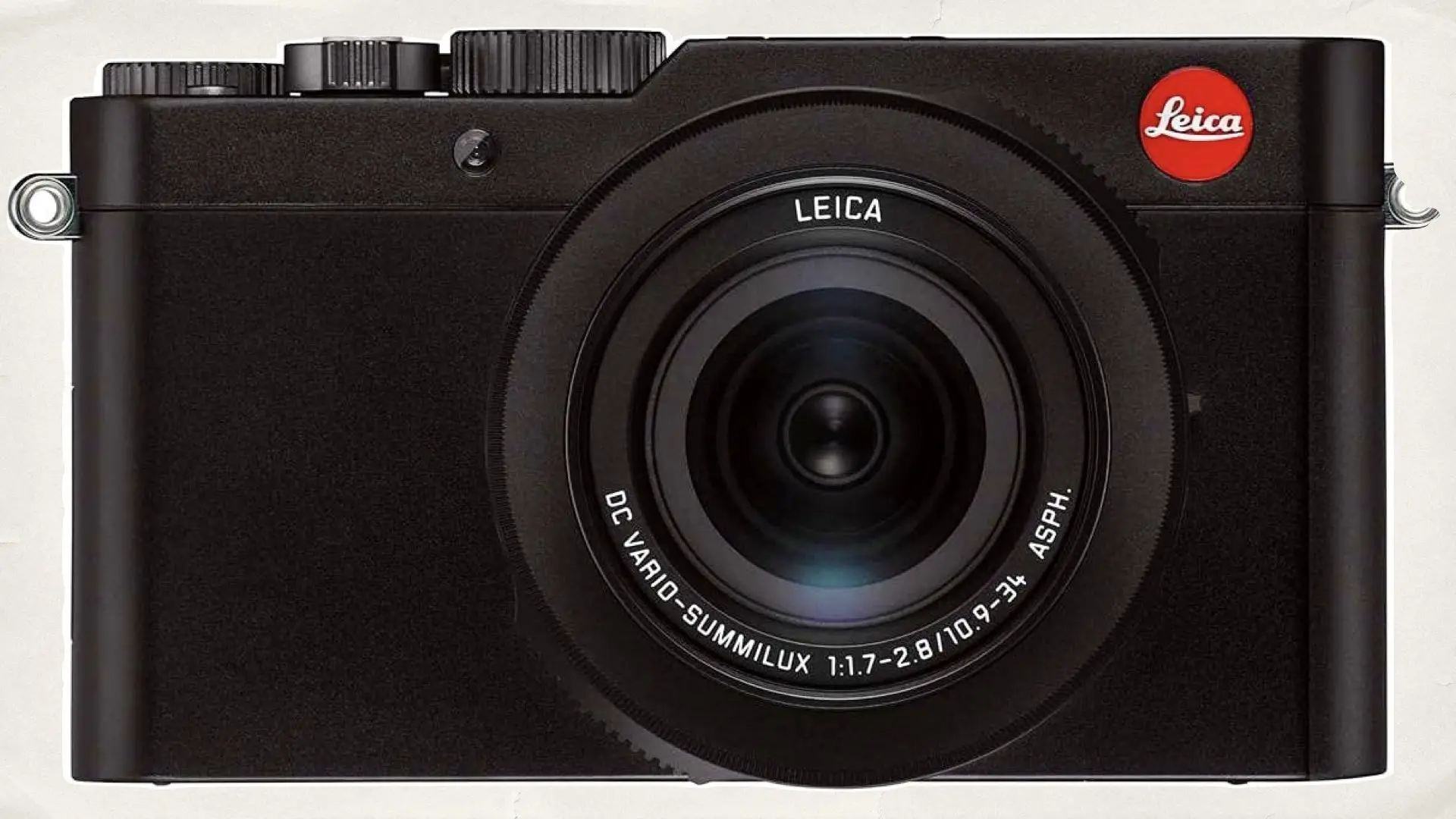
The Leica D-Lux 7 is not a new camera, and it does not pretend to be one. Yet seeing it on Amazon today, especially as a renewed unit at a more approachable price, raises a real question. Does a premium compact from another era still make sense in 2026. The short answer is yes, but only if you understand exactly what this camera is and what it is not.
📦See the Leica D Lux 7 on Amazon
A premium compact that still delivers real image quality
At its core, the Leica D-Lux 7 is built around a Micro Four Thirds sensor paired with a fast 24 to 75 millimeter equivalent Leica DC Vario Summilux lens with an aperture of f1.7 to f2.8. That combination is still strong today. In real-world use, this camera delivers excellent color depth, pleasing contrast, and a natural rendering that feels Leica. Skin tones look organic, highlights roll off gently, and the files hold up well in post-production, especially when you shoot RAW. The camera encourages you to slow down, compose deliberately, and think about light, which is a big part of why people still gravitate toward Leica gear.
Where the D Lux 7 clearly shows its age
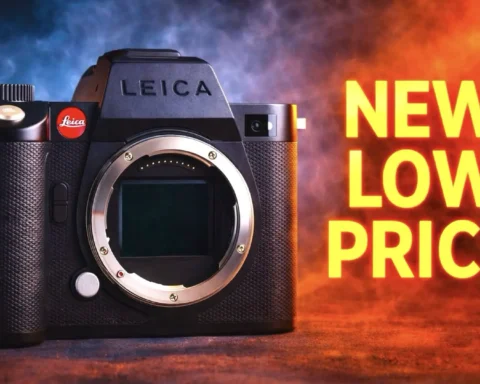
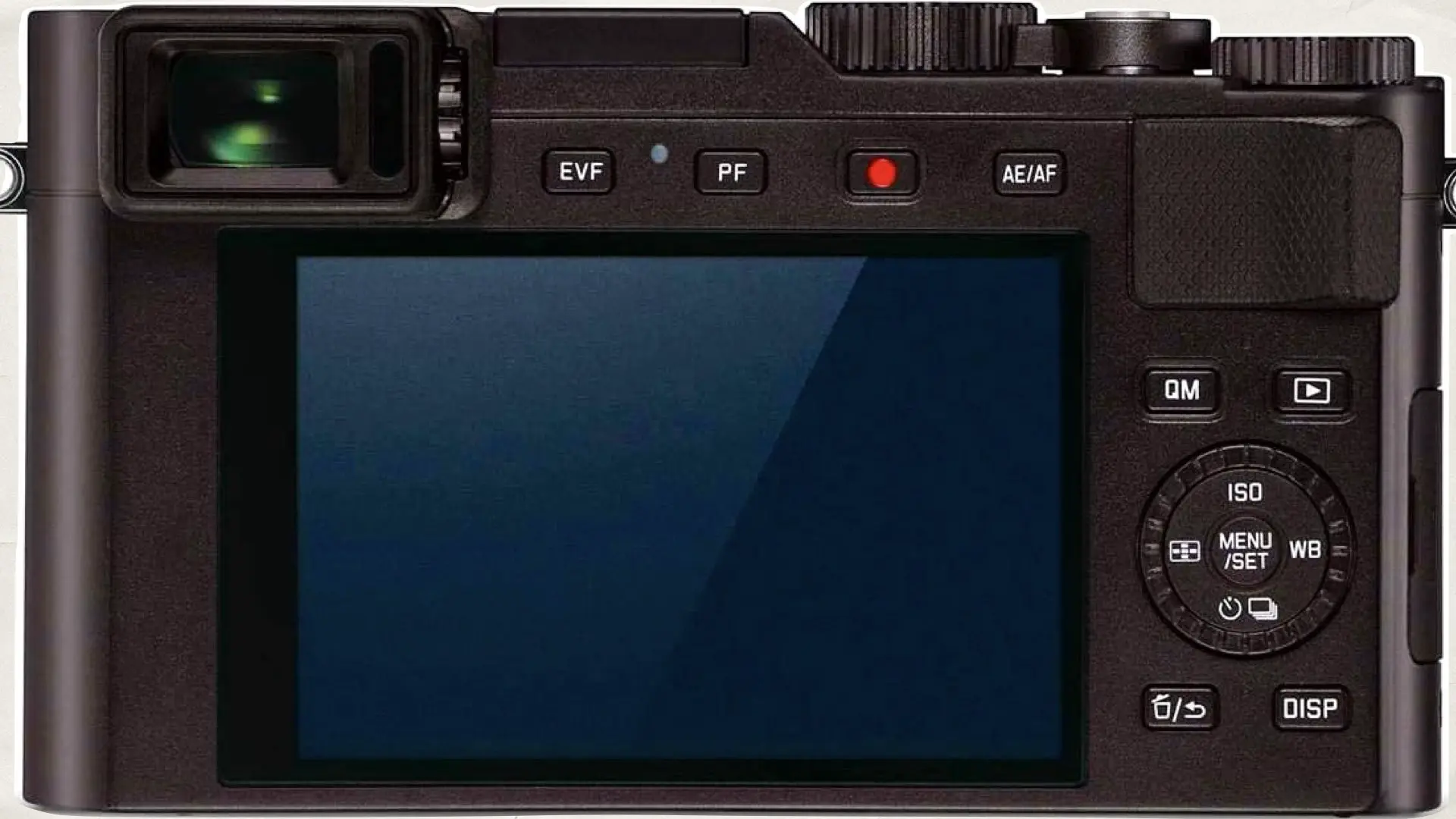
It is important to be direct. The Leica D Lux 7 is not competitive on paper in 2026. Autofocus is contrast-based and can feel slow compared to modern phase detect systems. There is no in-body image stabilization. Video is usable, but basic, with 4K that lacks the advanced codecs and log options many creators expect today. There is also no modern subject detection or AI tracking. This camera will not impress anyone who shops by specs alone. But that is not what the D-Lux line is for. Leica users often talk about connection. The tactile controls, the restrained menus, and the emphasis on shooting experience all contribute to a style of photography that feels intentional. That same emotional logic also explains why Leica’s higher-end bodies keep attention even when prices shift, as we discussed in Leica SL3 S Further Price Drop on Amazon. Leica does not chase trends but refines a feeling. The D-Lux 7 fits that pattern perfectly.
How the D Lux 7 fits into Leica’s broader lineup
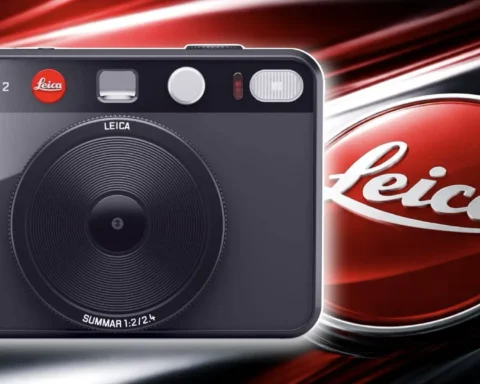
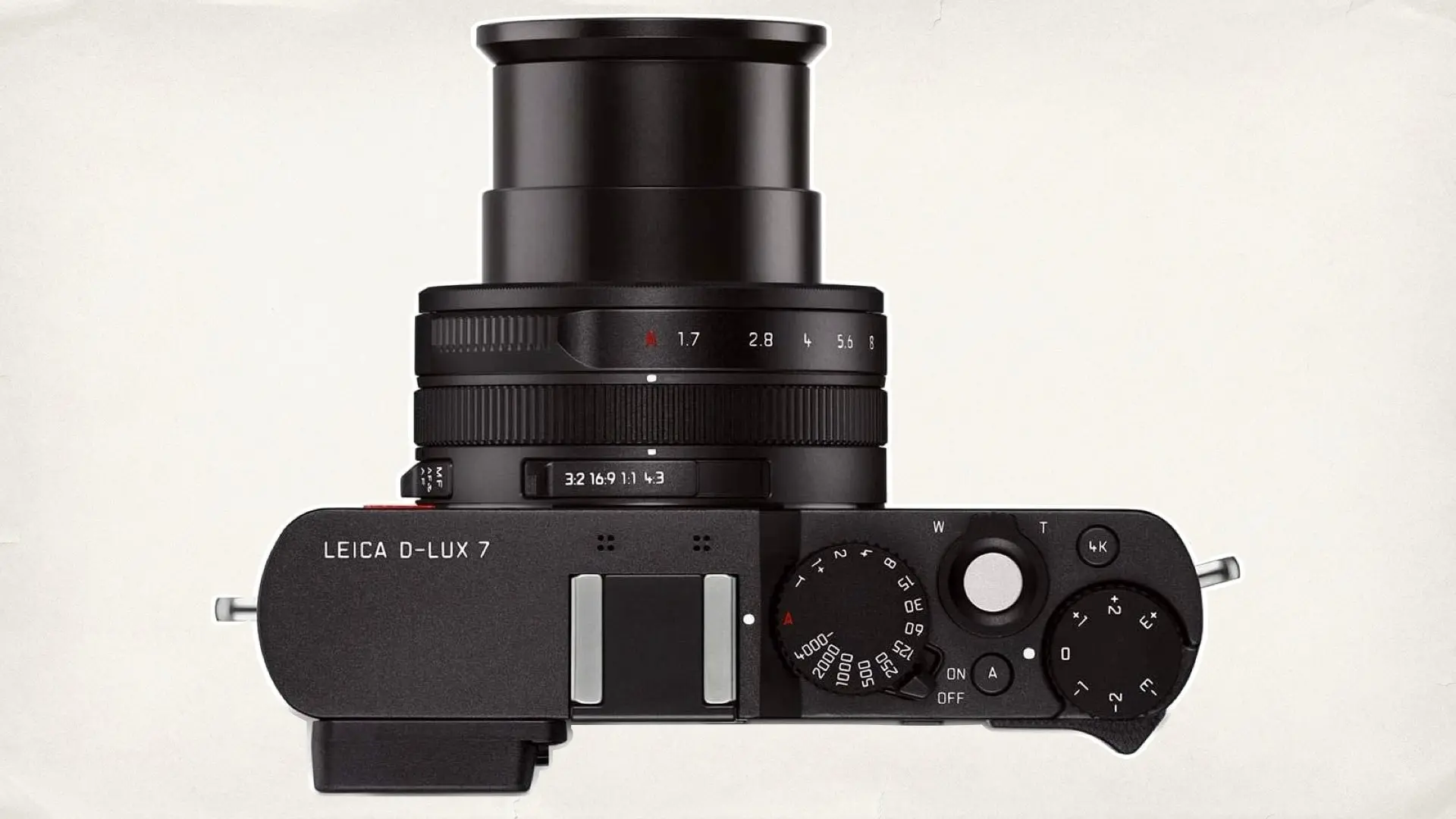
What makes the D Lux 7 interesting right now is how neatly it complements the rest of the Leica ecosystem. On the fun and creative end, Leica has leaned into instant photography with Leica Sofort 2 Instant Camera, which is all about spontaneity and output you can hold in your hand. On the more serious hybrid end, Leica has also shown it can compete as a modern photo and video tool, especially when deals appear, like the one we covered in A Closer Look at the Leica SL2 S. A Rare Amazon Deal on a True Hybrid Camera. The D-Lux 7 sits between those worlds. It is not a toy, and it is not a cinema rig. It is a personal camera that delivers a premium shooting experience in a compact form.
The price question and the honest verdict
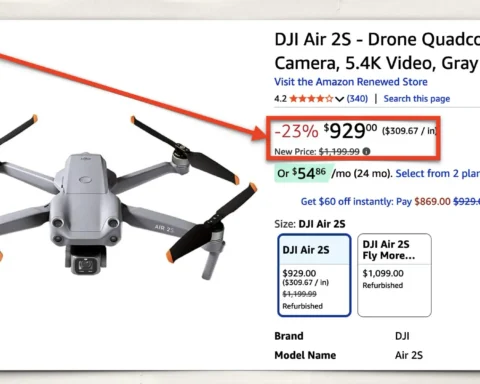
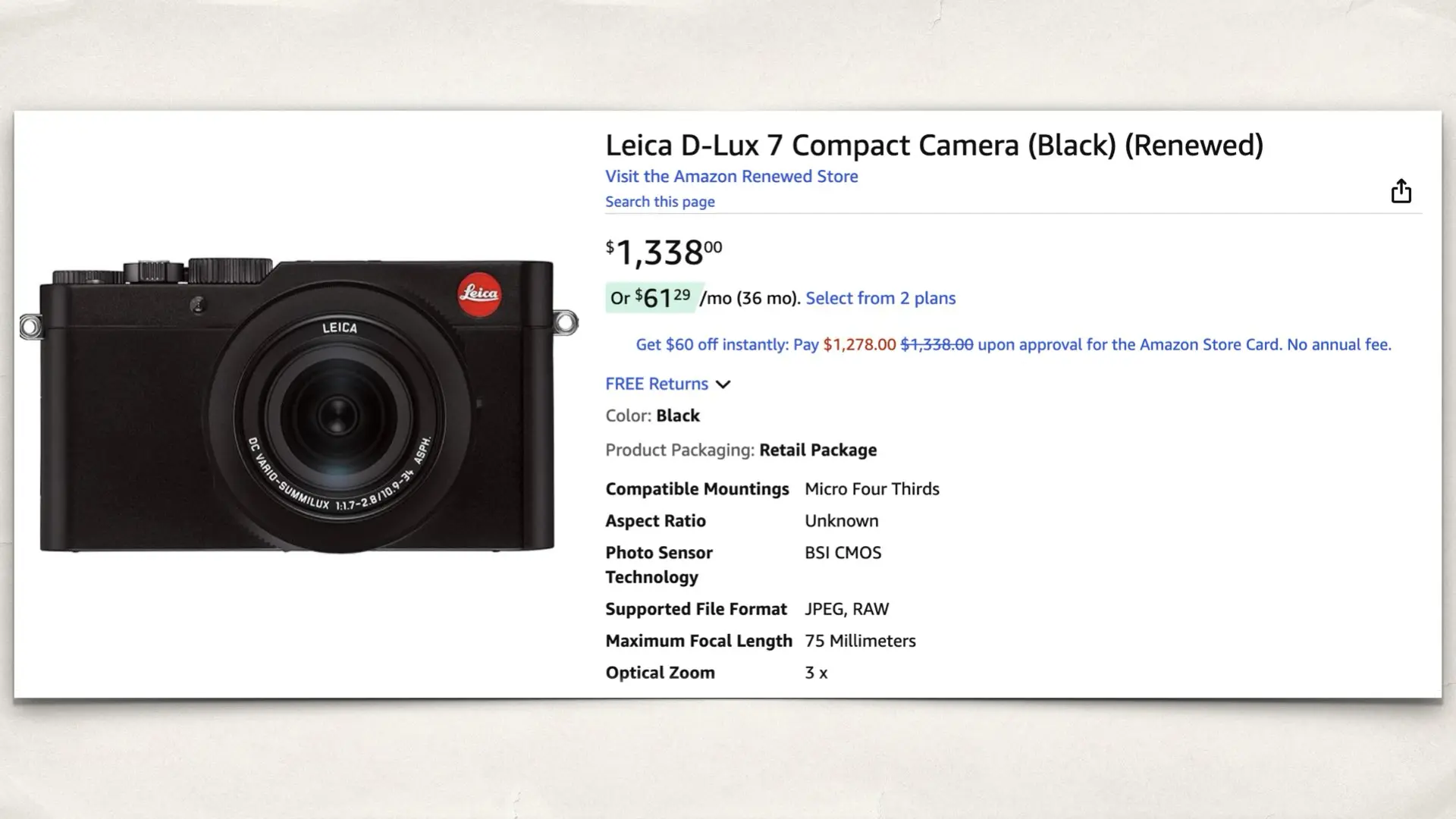
At $1,338 renewed, the Leica D-Lux 7 is not a bargain in the traditional sense. You can find technically superior cameras for less money. There is no denying that. What you are paying for here is not innovation. You are paying for refinement, consistency, and the kind of rendering and shooting feel that made Leica famous. If you want the fastest autofocus, the most modern video pipeline, or the best performance per dollar, this is not the camera. If you want a beautifully built compact that makes photography enjoyable again, fits in a small bag, and produces images with character, the Leica D-Lux 7 still earns its place.
As an Amazon Associate, Y.M.Cinema earns from qualifying purchases. If you purchase through the Amazon links above, Y.M.Cinema may earn a small commission at no additional cost to you. This helps support our work.