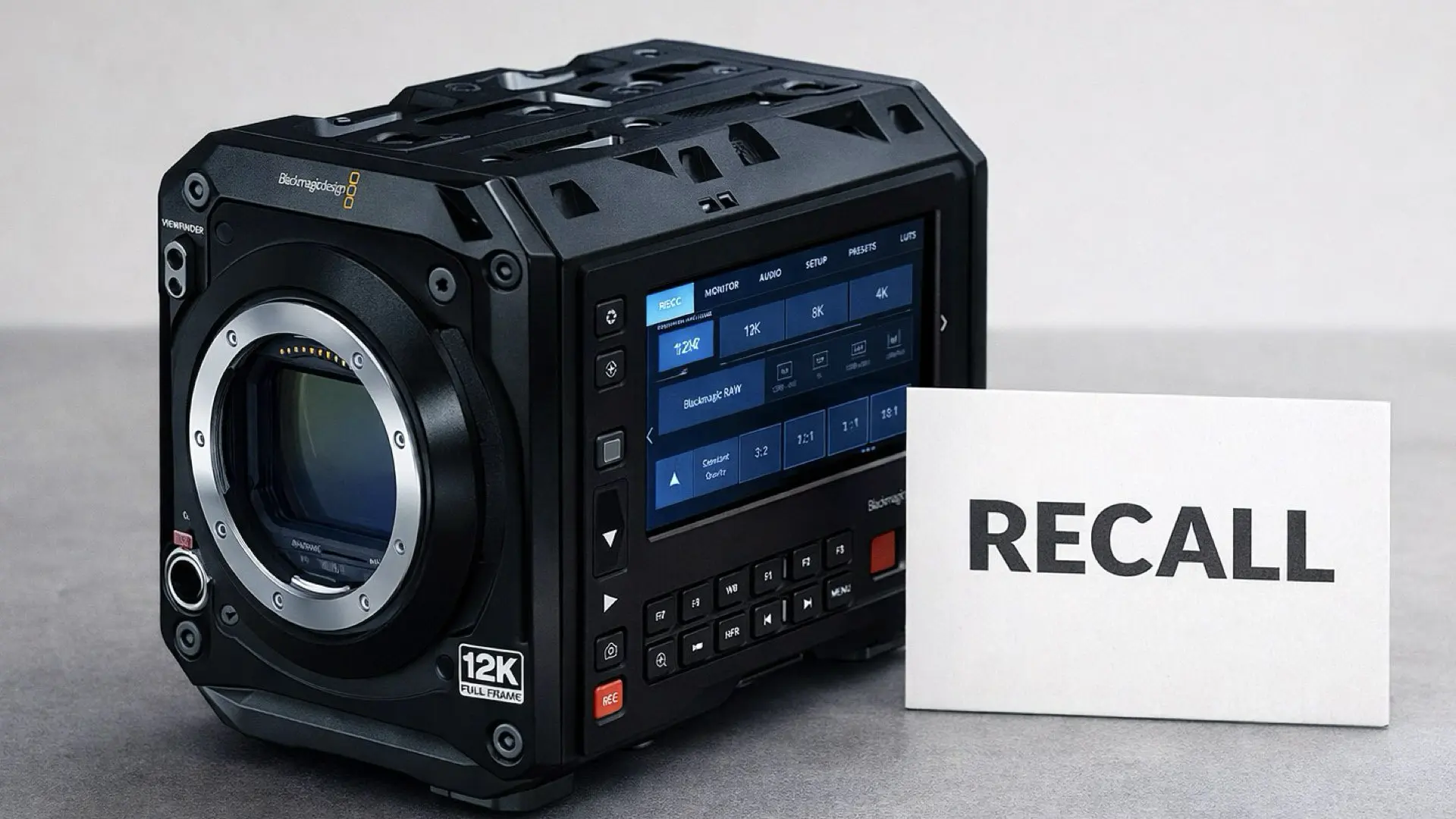
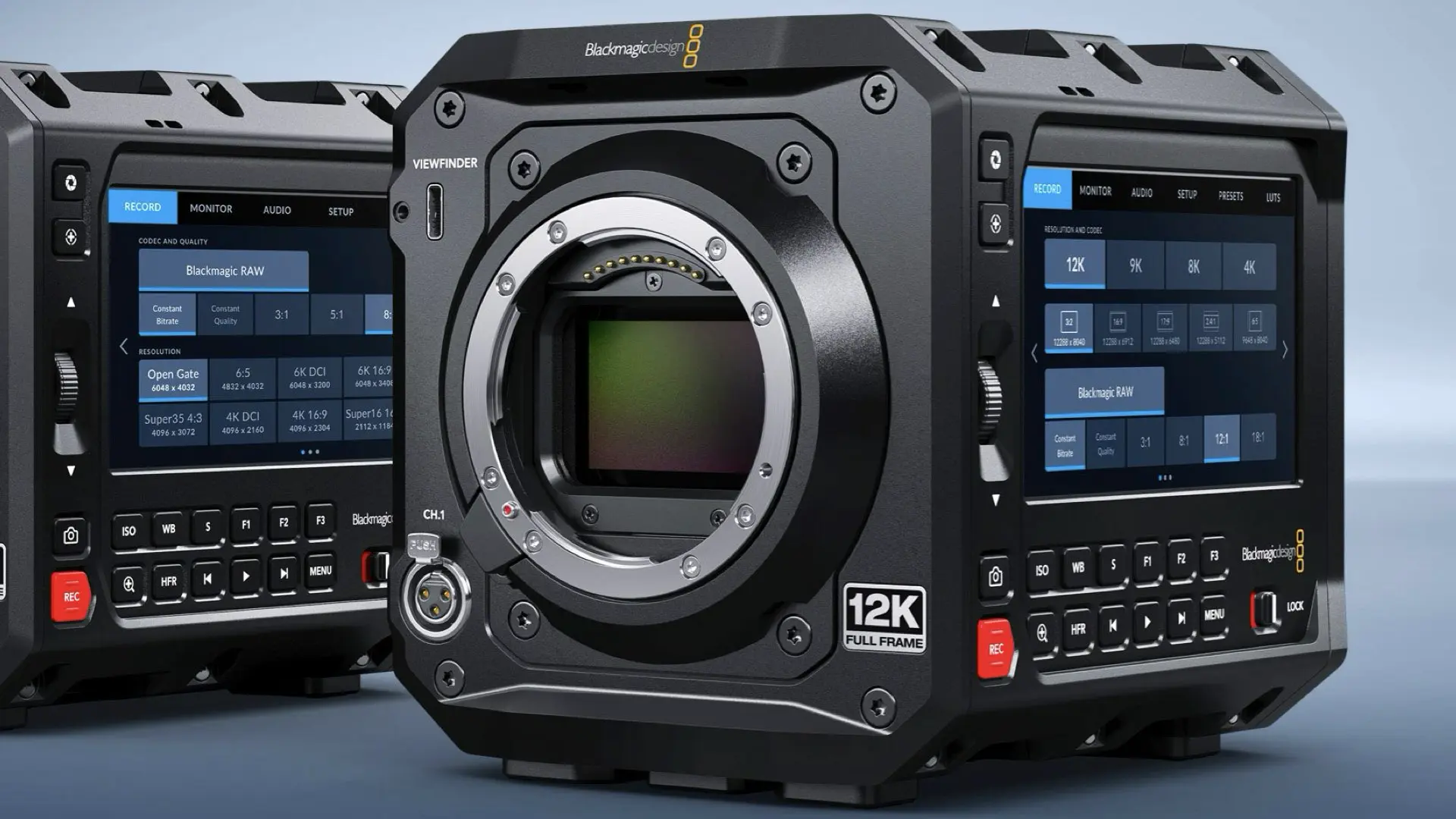
Blackmagic Design has issued an official recall for early units of its PYXIS 12K cinema camera, and the way the company handled it deserves attention. Instead of minimizing the issue or hiding behind firmware updates, Blackmagic chose a rare path in the camera industry. Full transparency and a free hardware upgrade for affected users.
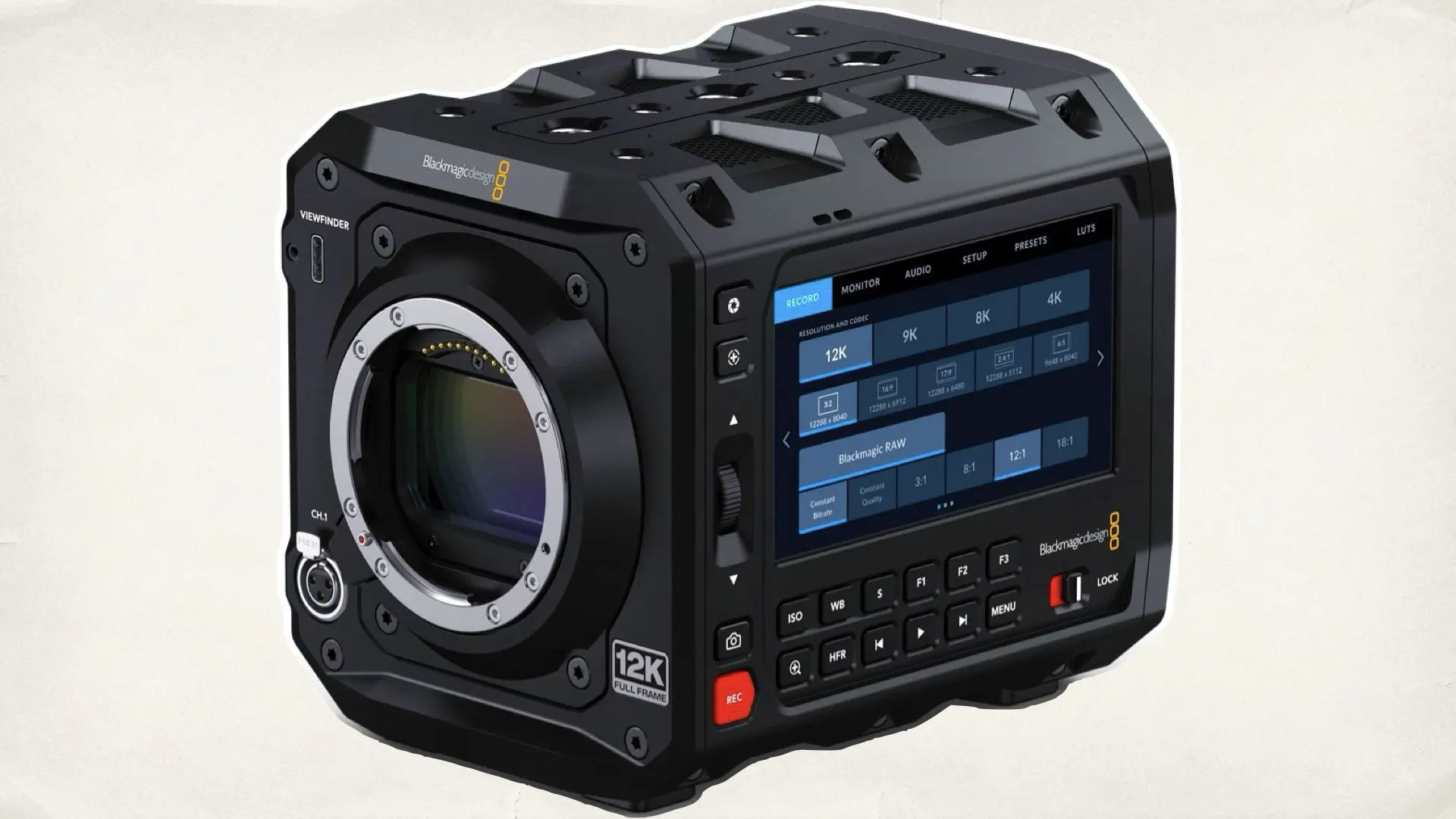
What is being recalled
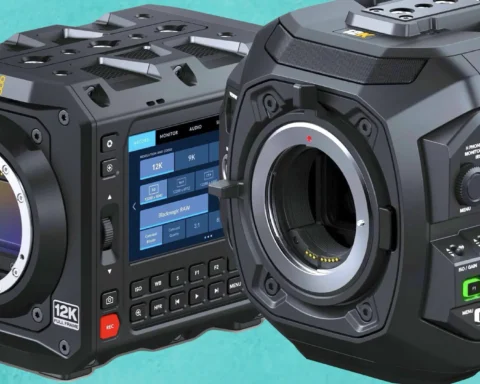
Blackmagic PYXIS 12K cameras manufactured before serial number 14221337 are included in the recall. According to Blackmagic, approximately 10 percent of these cameras can show image artifacts when pushing certain settings. The cause is not related to user operation or software. It comes from a tolerance variation in an electronic component on the sensor board. Below is the formal statement:
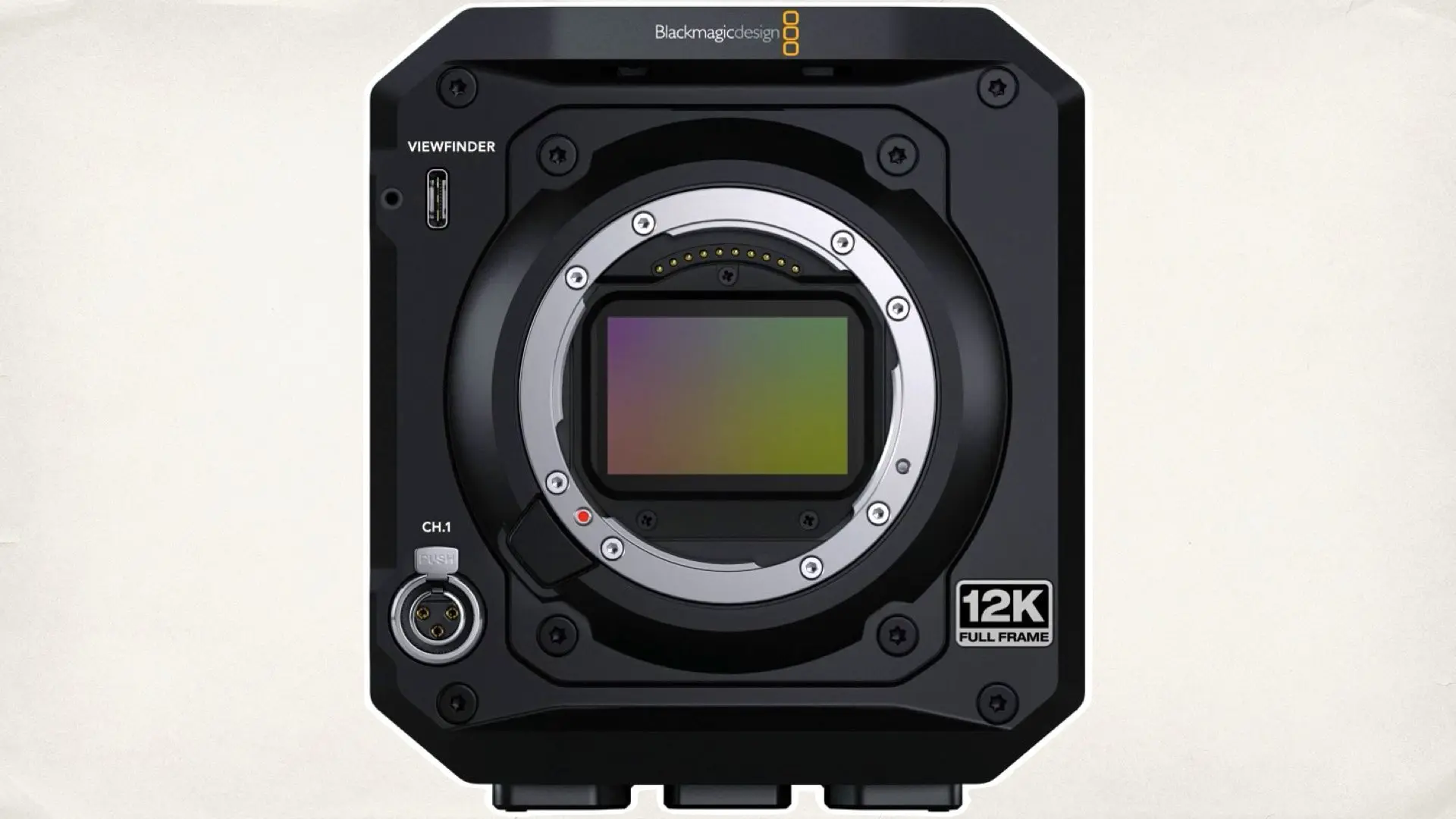
Today, we announced the recall of all Blackmagic PYXIS 12K cameras that were manufactured before serial number 14221337 for a free sensor board upgrade. We have found that on approximately 10% of cameras, there can be image artifacts when pushing some of the camera settings. This is caused by a tolerance variation in an electronic component used on the sensor board. There is also an additional problem where some customers who experienced this issue had their cameras replaced by resellers from same pre serial number 14221337 batch. These cameras also exhibit the same problem. This means we cannot be confident in any camera that shipped before serial number 14221337 and have decided to recall them. We have redesigned the sensor board on Blackmagic PYXIS 12K to fix this problem. This new sensor board is Revision B. Every camera that has been sent to our support offices for repair has had this sensor board upgraded automatically. While only a small percentage of cameras show these artifacts visually, our experience of upgrading cameras over the last few months has shown measurable improvements on every camera. This means every camera can be improved by doing this upgrade to the Revision B sensor board. The Blackmagic PYXIS 12K was purposefully designed to let cinematographers experience the quality, resolution, and dynamic range of the Blackmagic 12K sensor at a lower cost. It’s the same sensor used on the URSA Cine 12K. It’s an amazing sensor, and we want everyone to get the best performance out of it. All cameras built over the last few months already include the Revision B sensor board. If your camera has been returned for service in the last few months, then you should also have had the sensor board upgraded automatically. However, it’s a good idea to check with us to confirm that. Additionally, quite a few cameras before serial number 14221337 were held back in the factory and upgraded with the Revision B sensor board prior to shipment. Please check with our support office to find out if your camera has already been upgraded. Customers who have a Blackmagic PYXIS 12K camera before serial number 14221337 can get this free Revision B sensor board upgrade. Simply contact any of our sales offices, and we can arrange to get the camera back for a sensor board upgrade. Or a replacement camera. Whatever is fastest. There’s no rush, as we will keep this offer running for 3 years so everyone has time to arrange this upgrade when it is convenient for them. A sensor board upgrade, or replacement camera, for Blackmagic PYXIS 12K cameras before serial number 14221337 is available immediately free of charge from Blackmagic Design sales offices. Contact Your Local Blackmagic Design Office
– Blackmagic Design
Why Blackmagic recalled all early units
Some customers who reported the issue received replacement cameras from resellers. However, those replacements came from the same early production batch and could show the same behavior. Because of this, Blackmagic stated it could not be fully confident in any PYXIS 12K shipped before the cutoff serial number. Rather than dealing with individual cases, the company decided to recall all early units. That decision is important. It prioritizes certainty and user trust over short-term optics.
The fix is hardware, not firmware
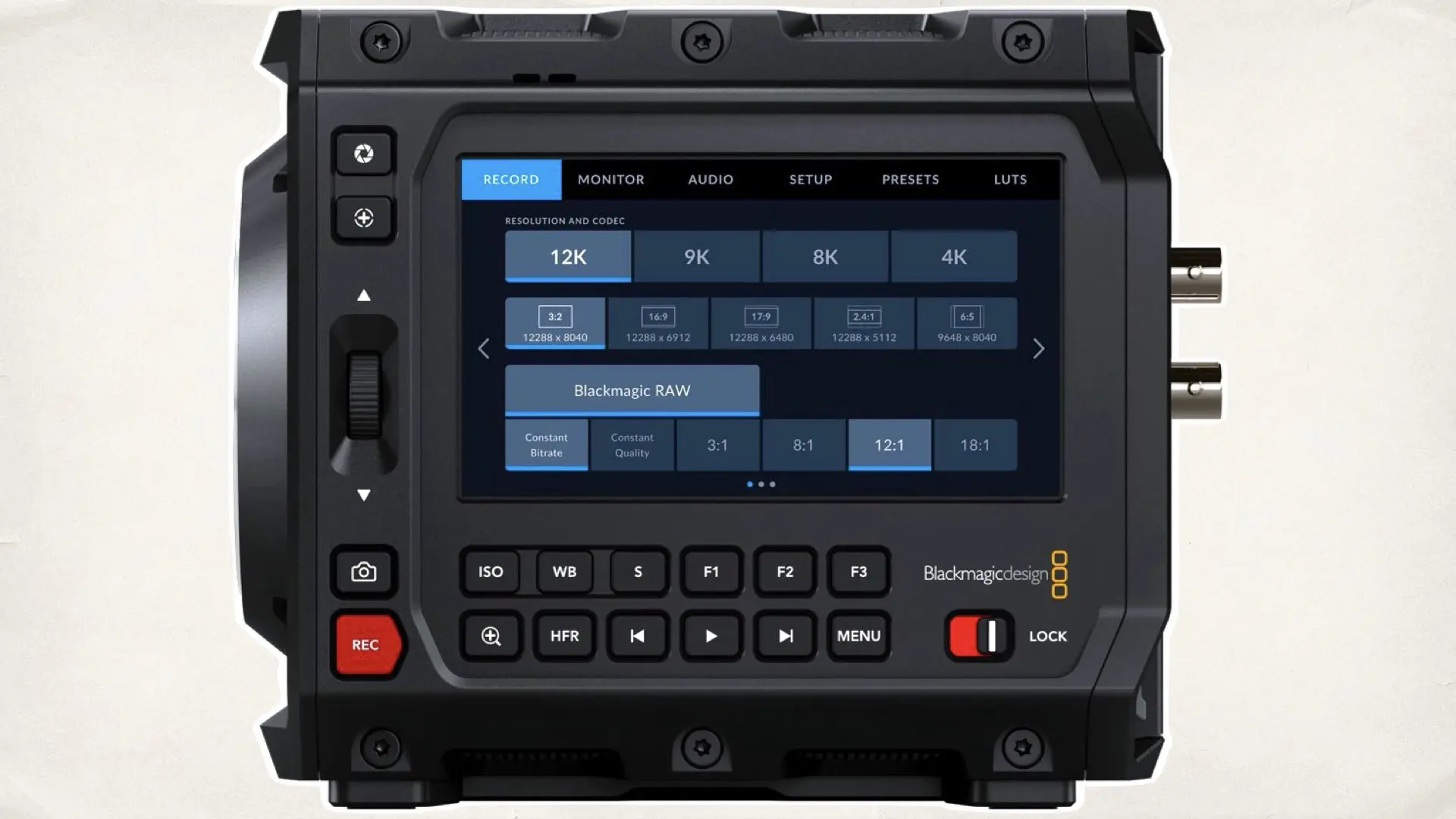
Blackmagic redesigned the sensor board and introduced a new Revision B version. This is a physical hardware update, not a firmware patch. Every camera sent to Blackmagic support over the past months has already received this new sensor board automatically. More interestingly, Blackmagic reports that even cameras that did not show visible artifacts demonstrated measurable image improvements after the upgrade. Blackmagic also reaffirmed that the PYXIS 12K uses the same 12K sensor found in the URSA Cine 12K. The sensor itself was never the issue. The limitation was confined to a specific sensor board component used in early production. This clarification matters for cinematographers evaluating the long-term viability of the platform.

Many cameras are already upgraded
Not every early serial number unit necessarily needs to be returned. Some cameras were held back at the factory and upgraded before shipment. Others were upgraded during recent service visits. Blackmagic recommends that owners contact support to confirm whether their camera already includes the Revision B sensor board. Owners of PYXIS 12K cameras manufactured before serial number 14221337 are entitled to a free sensor board upgrade or a replacement camera. There is no rush. Blackmagic will keep this offer open for 3 years, allowing users to plan the upgrade around production schedules. All arrangements are handled directly through Blackmagic Design sales and support offices.
Why this matters
Product recalls are not unusual in technology. What is unusual is how openly this one was handled. Blackmagic did not wait for widespread complaints. It did not restrict the fix to only visibly affected units. It did not hide behind software updates or vague statements. Instead, it acknowledged the limitation, redesigned the hardware, upgraded every serviced camera automatically, and extended a long-term free solution to all early adopters. For a company that positions itself as filmmaker-focused, this response aligns with that philosophy. In this case, Blackmagic chose clarity, responsibility, and measurable improvement. That approach strengthens confidence in the platform and in the company behind it.