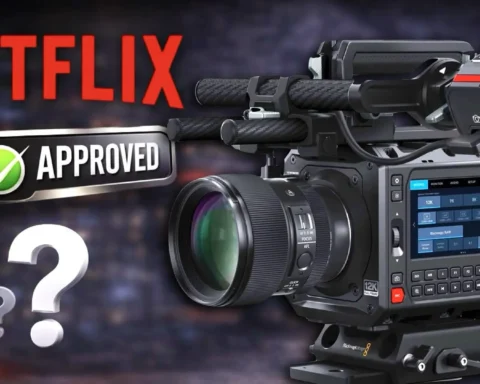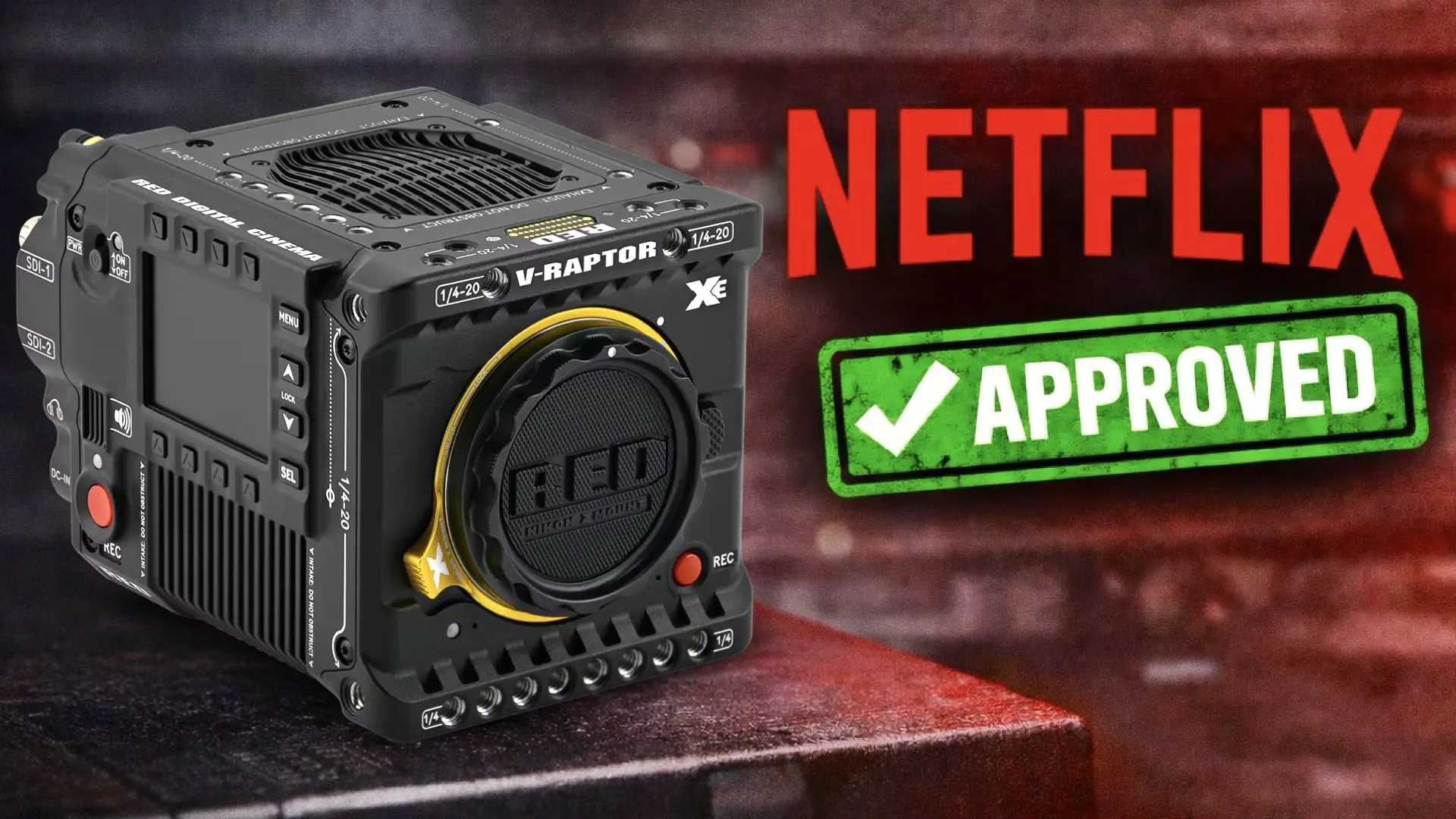
The RED Digital Cinema V-RAPTOR XE 8K VV stands out not because it pushes the limits of what is technically possible, but because it reflects a moment of balance in RED’s product strategy. With official Netflix approval, ongoing firmware refinement, and a price point that is markedly lower than RED’s historical flagships, the V-RAPTOR XE represents a shift toward practicality and production realism. This is a camera designed around how productions actually operate today. Image quality, workflow stability, power efficiency, and postproduction compliance are treated as equally important.
A focused evolution of the V RAPTOR platform
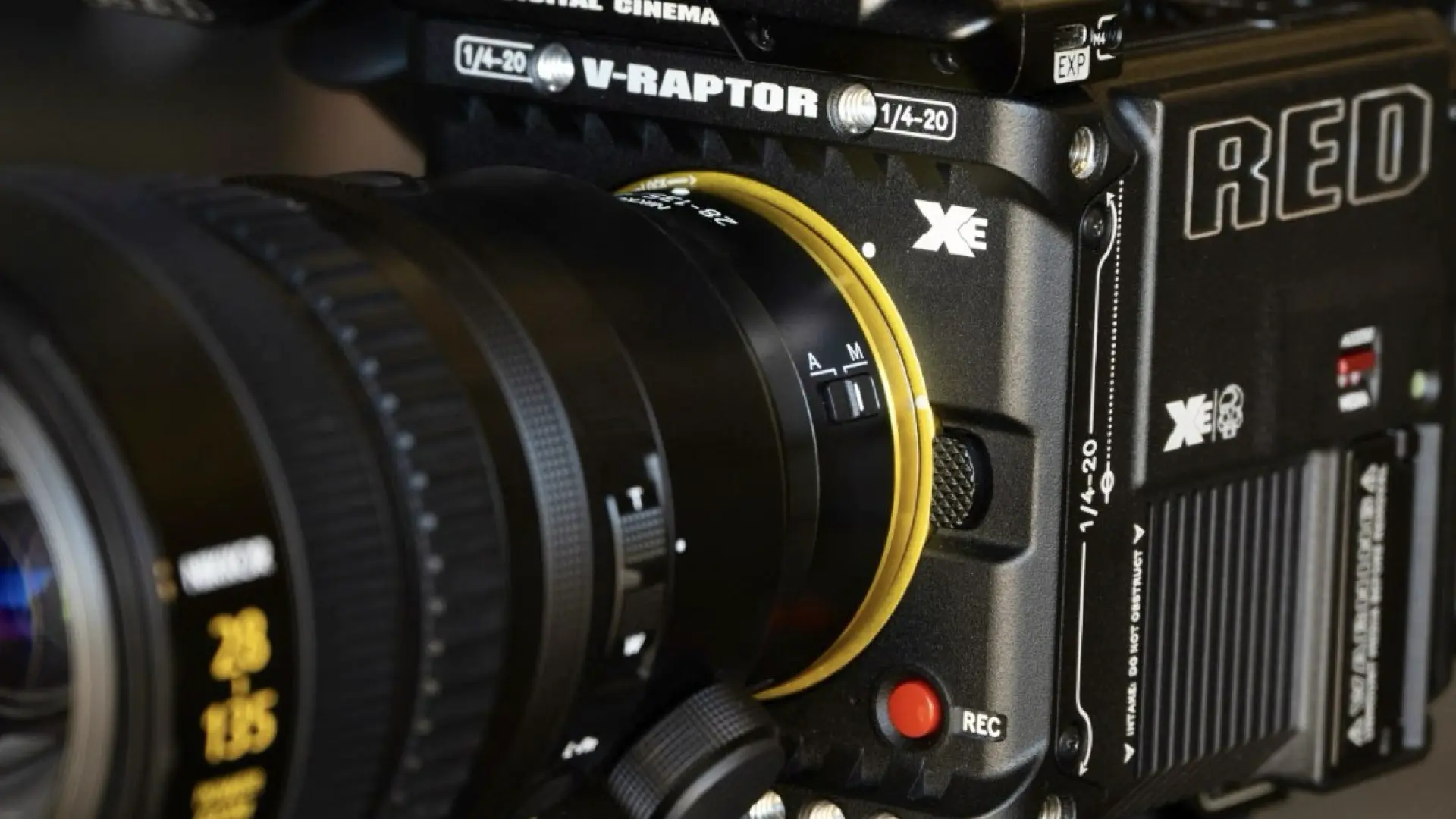
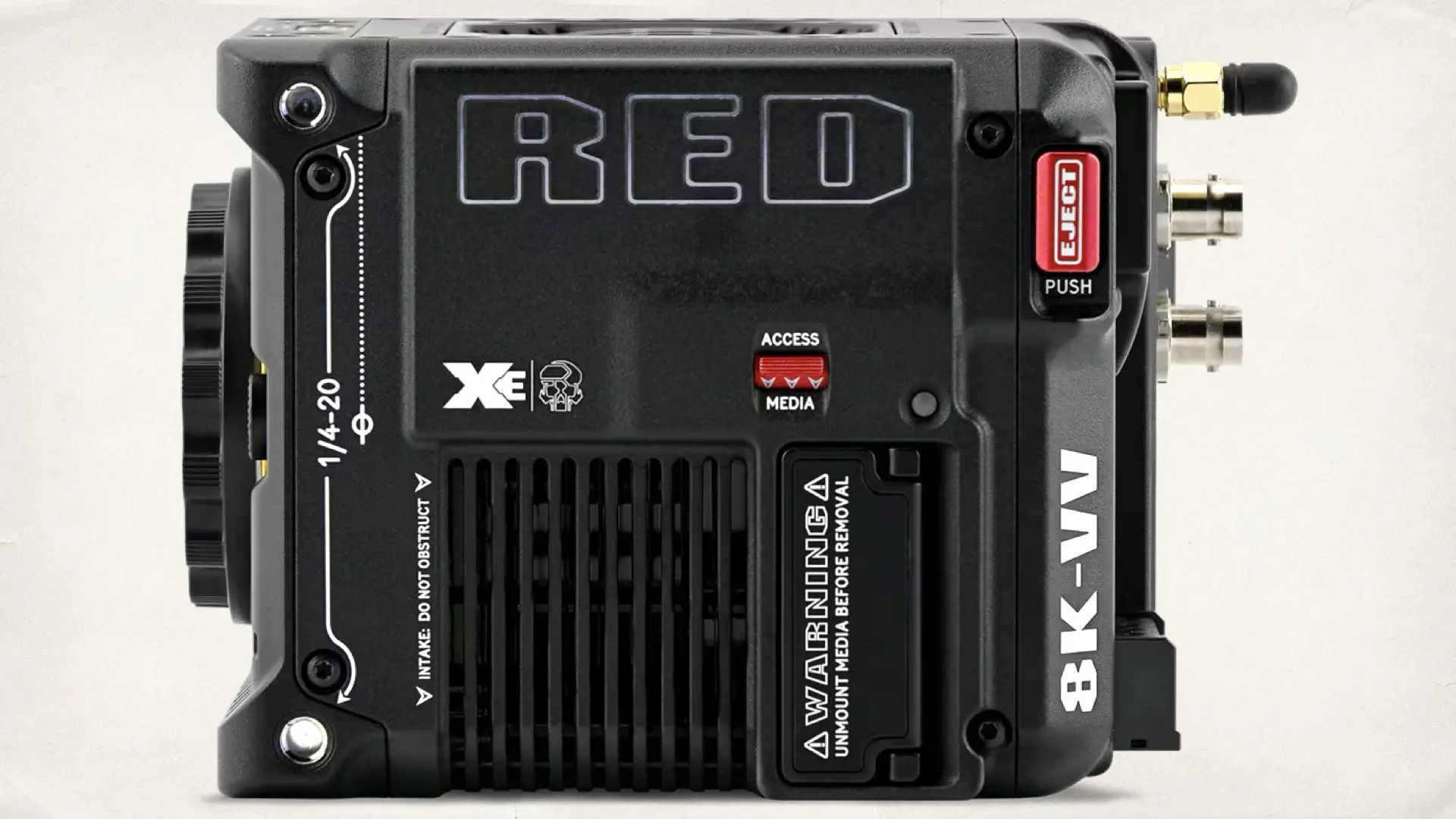
When the V-RAPTOR XE began shipping, RED described it as a streamlined extension of the V-RAPTOR X architecture rather than a new experimental platform. The camera preserves RED’s core imaging philosophy while narrowing the feature set to what most productions genuinely require. Seen in that context, the XE is not a reduced camera in terms of image quality. It retains the large format 8K Vista Vision global shutter sensor, REDCODE RAW workflow, and the same underlying color science found in higher-tier systems. What changes is the emphasis. Extreme frame rates and edge case features give way to consistency, efficiency, and predictability on set.
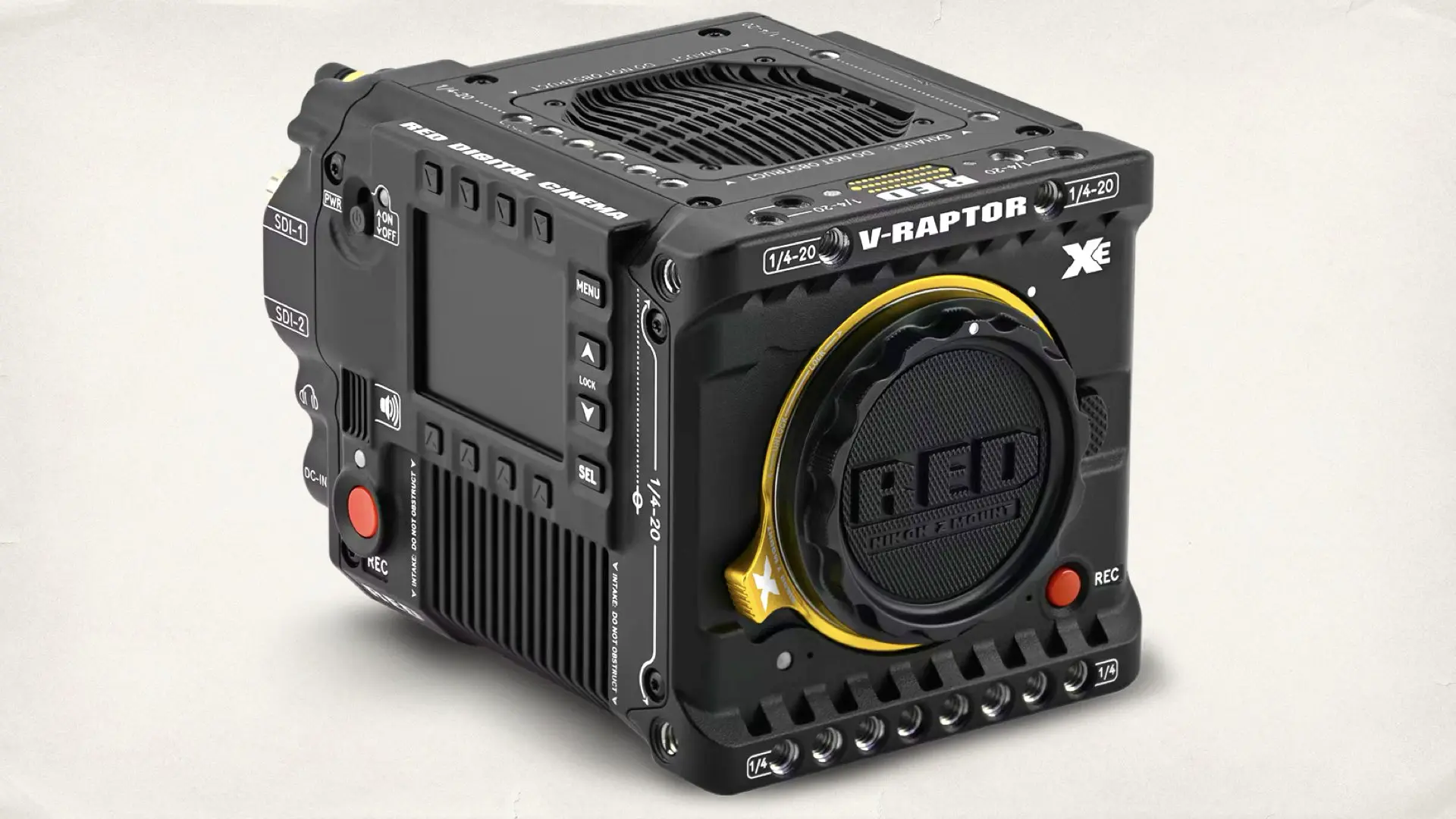
Image quality without excess
At the center of the V-RAPTOR XE is a global shutter sensor capable of delivering approximately 17 stops of dynamic range. The absence of rolling shutter artifacts makes it particularly well-suited for action, handheld work, and fast camera movement. Importantly, this performance is not achieved through special operating modes or narrow shooting conditions. It is available as part of the camera’s normal operating envelope. This continuity matters. Productions investing in the XE are not buying into a different image class. They are accessing RED’s established imaging characteristics in a body that is more approachable in both cost and operation.
Netflix approval and what it actually means
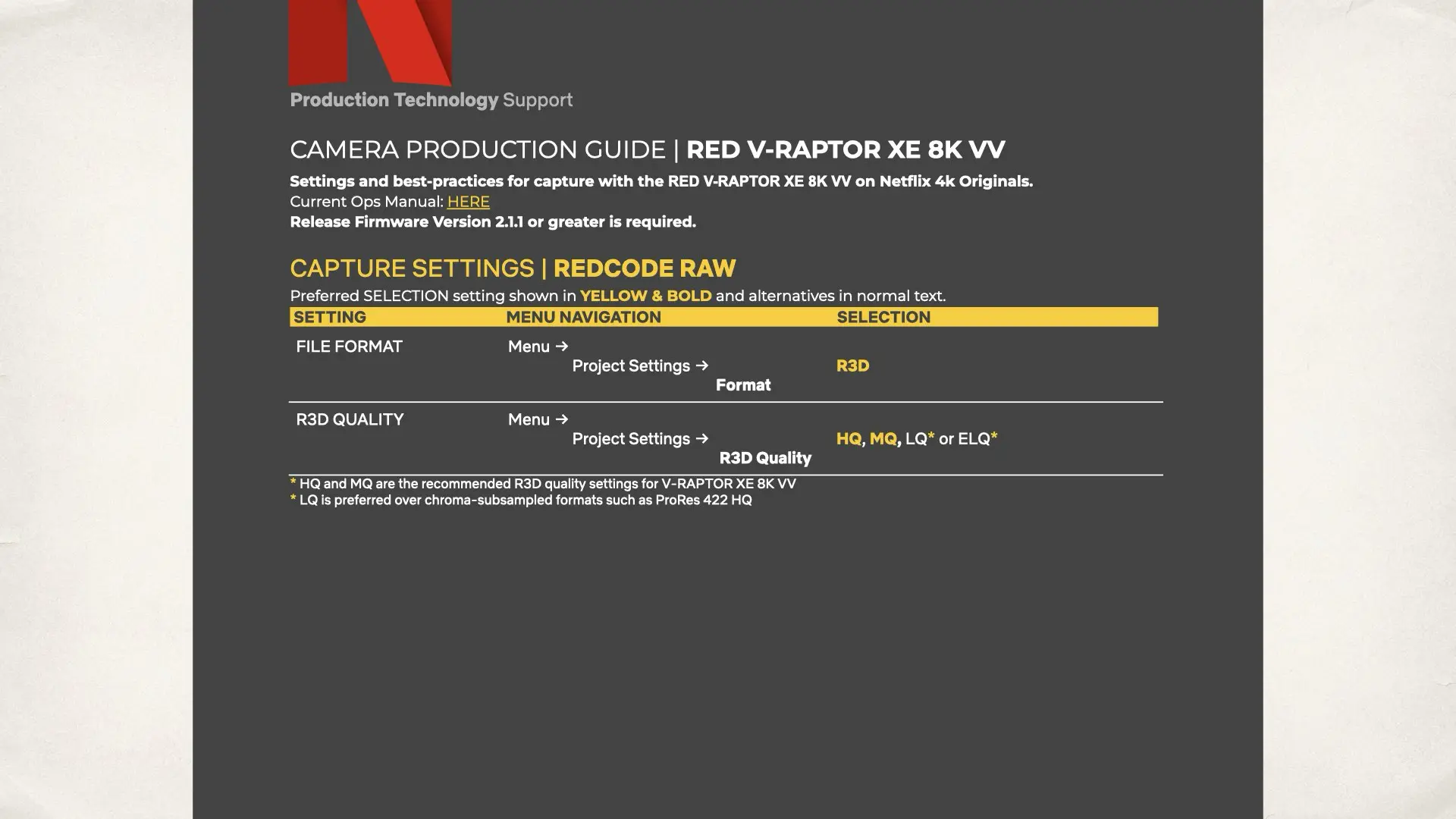
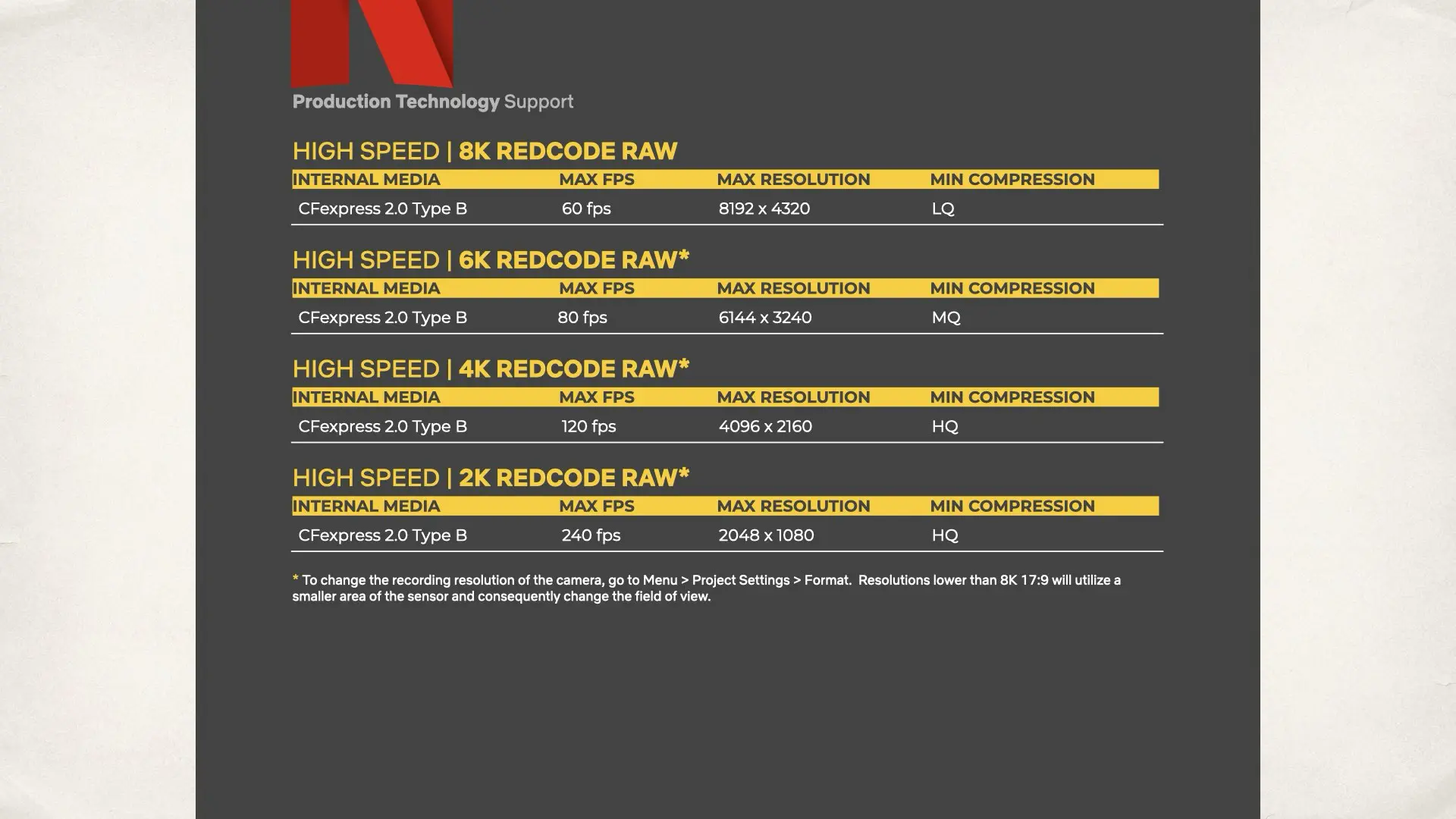
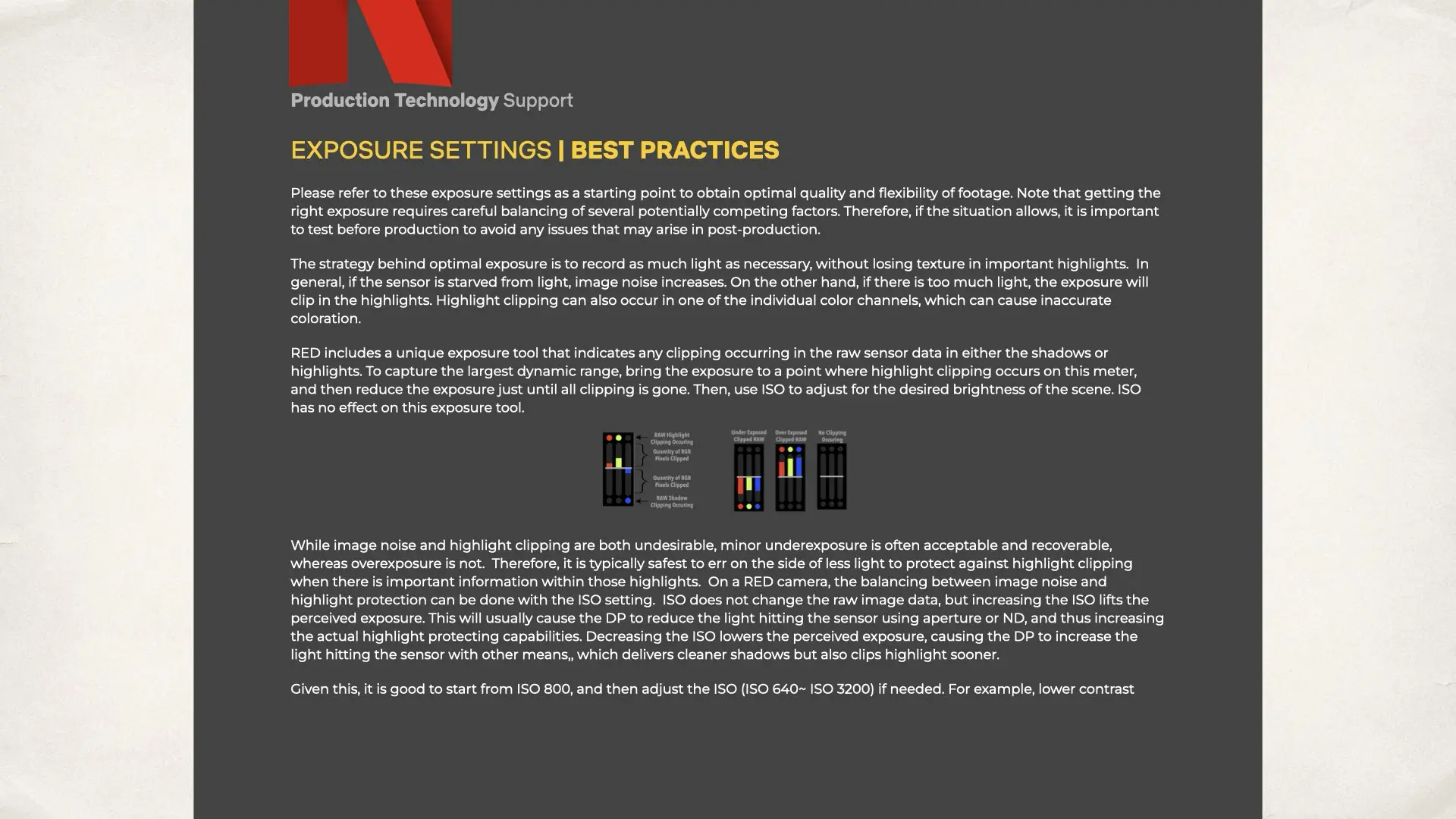
Netflix approval is often discussed as a badge, but in practice, it is a confirmation of technical reliability across the entire production pipeline. For the V-RAPTOR XE, Netflix has published a dedicated camera production guide outlining how the camera should be configured for Netflix 4K Originals. The guide specifies that acquisition should be done using REDCODE RAW, with HQ or MQ compression levels identified as the preferred settings. These modes are recommended because they preserve maximum image integrity while remaining efficient for postproduction. Lower quality RAW modes are permitted, but chroma subsampled formats such as ProRes 422 HQ are explicitly considered less desirable. In terms of performance limits, the guide formally validates high-speed recording options that include up to 60 frames per second in 8K, 80 frames per second in 6K, 120 frames per second in 4K, and 240 frames per second in 2K. These approvals are mode-specific, which underscores that Netflix has tested and accepted the camera’s behavior in these configurations rather than offering a broad, unspecified endorsement. Exposure guidance within the production guide aligns with established cinema practice. Netflix emphasizes highlight protection over aggressive exposure, noting that slight underexposure is generally recoverable, while clipped highlights are not. An ISO value of 800 is recommended as a baseline, with flexibility from ISO 640 to ISO 3200 depending on scene contrast. ISO is treated as a balancing tool rather than a method of altering the underlying RAW data.
The guide also places strong emphasis on data integrity and metadata. ASC MHL checksum generation is recommended to ensure file verification during transfers. Accurate lens metadata capture is encouraged through the use of PL adapters with communication support or external lens control systems. Regular black shading calibration is advised, though the RAPTOR platform requires this less frequently than earlier RED generations due to improved thermal management. Taken together, these guidelines position the V-RAPTOR XE as a camera intended for disciplined, professional workflows rather than informal or ad hoc use.
Firmware and the importance of operational refinement
Alongside Netflix approval, RED’s recent firmware updates for the V-RAPTOR platform further reinforce the XE’s positioning. Firmware version 2.2 introduces measurable improvements in power efficiency, boot times, and overall system responsiveness. These are not headline-grabbing features, but they directly affect how the camera behaves during production. Lower power draw improves battery predictability. Faster boot times reduce downtime between setups. Greater system stability minimizes interruptions during shooting. These changes reflect a broader shift in RED’s priorities, away from purely expanding capability and toward refining the day-to-day shooting experience.
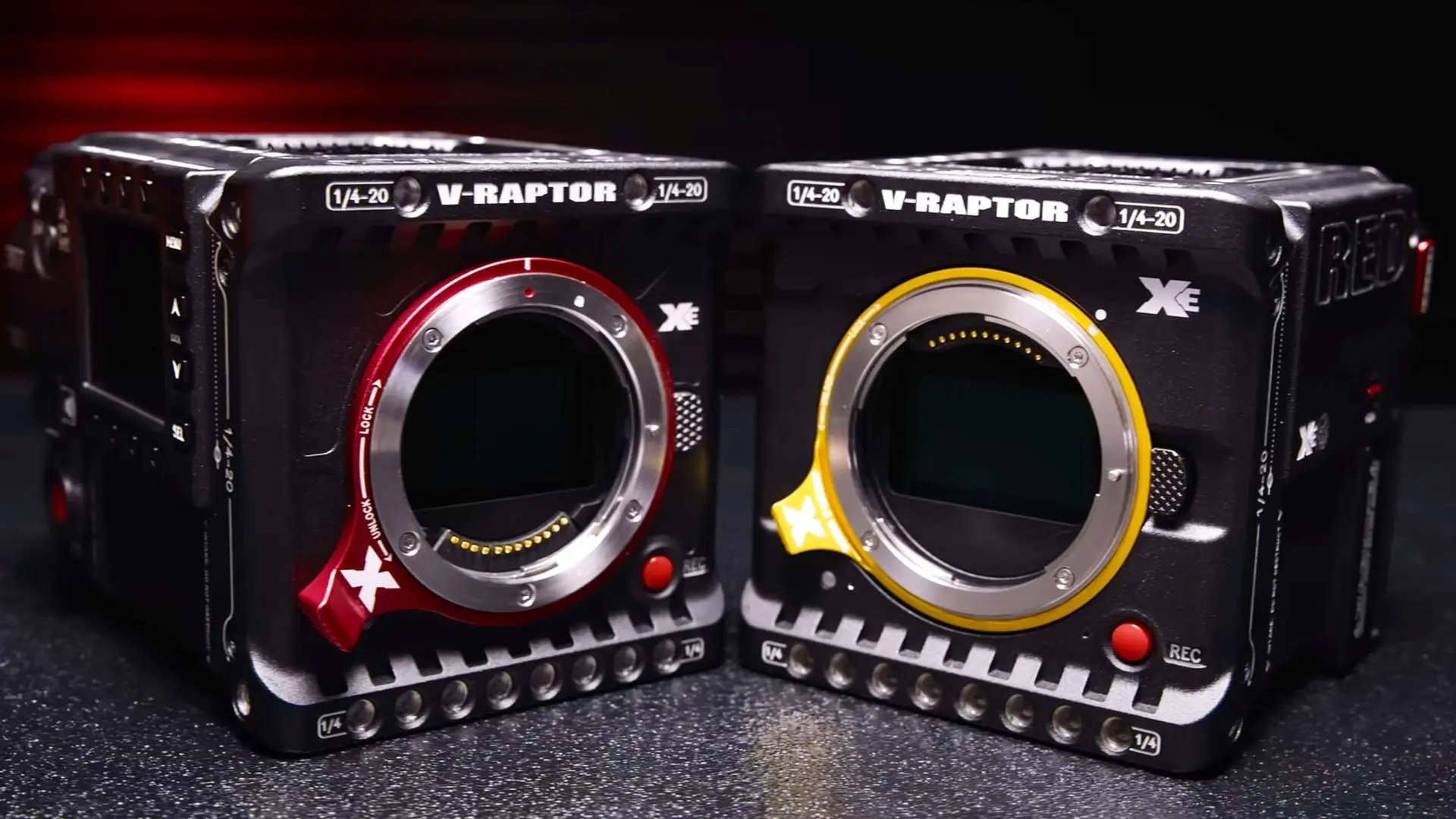
Image for dollar in practical terms
The phrase image for dollar is frequently used, but rarely supported with substance. In the case of the V-RAPTOR XE, the argument is straightforward. At its price point, the camera delivers large-format global shutter capture, a RAW first workflow, Netflix compliance, and a maturing firmware platform. Achieving all of that in a single system would have required a significantly higher investment in previous RED generations. This does not make the XE a replacement for RED’s most advanced cameras. It does, however, make it one of the most efficient ways to access RED’s core imaging strengths without unnecessary overhead. The RED V-RAPTOR XE is not a dramatic reinvention of cinema technology. It is a camera defined by alignment. The image meets professional expectations. The firmware supports real production demands. The workflow satisfies Netflix requirements. The price reflects current economic realities.