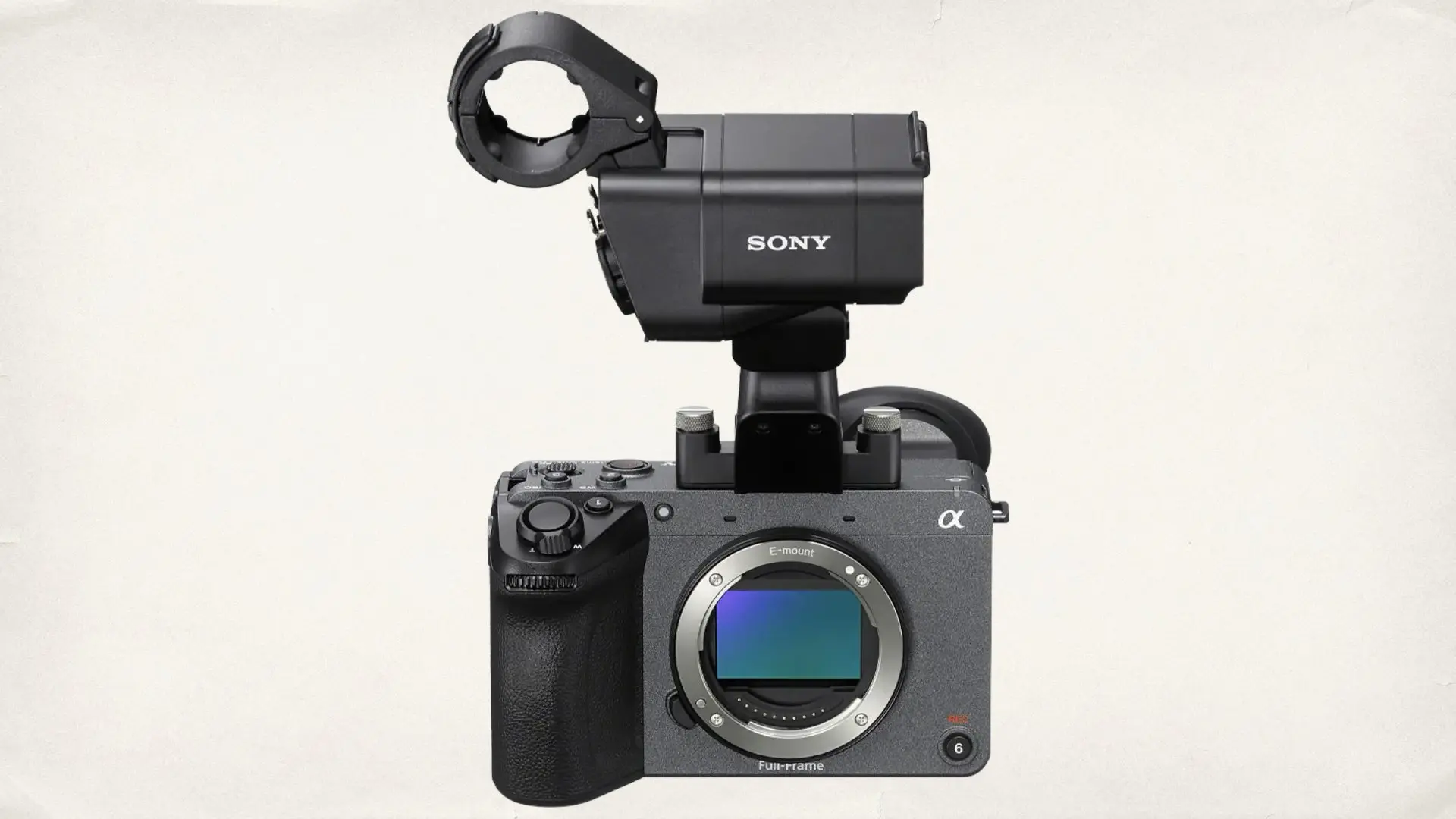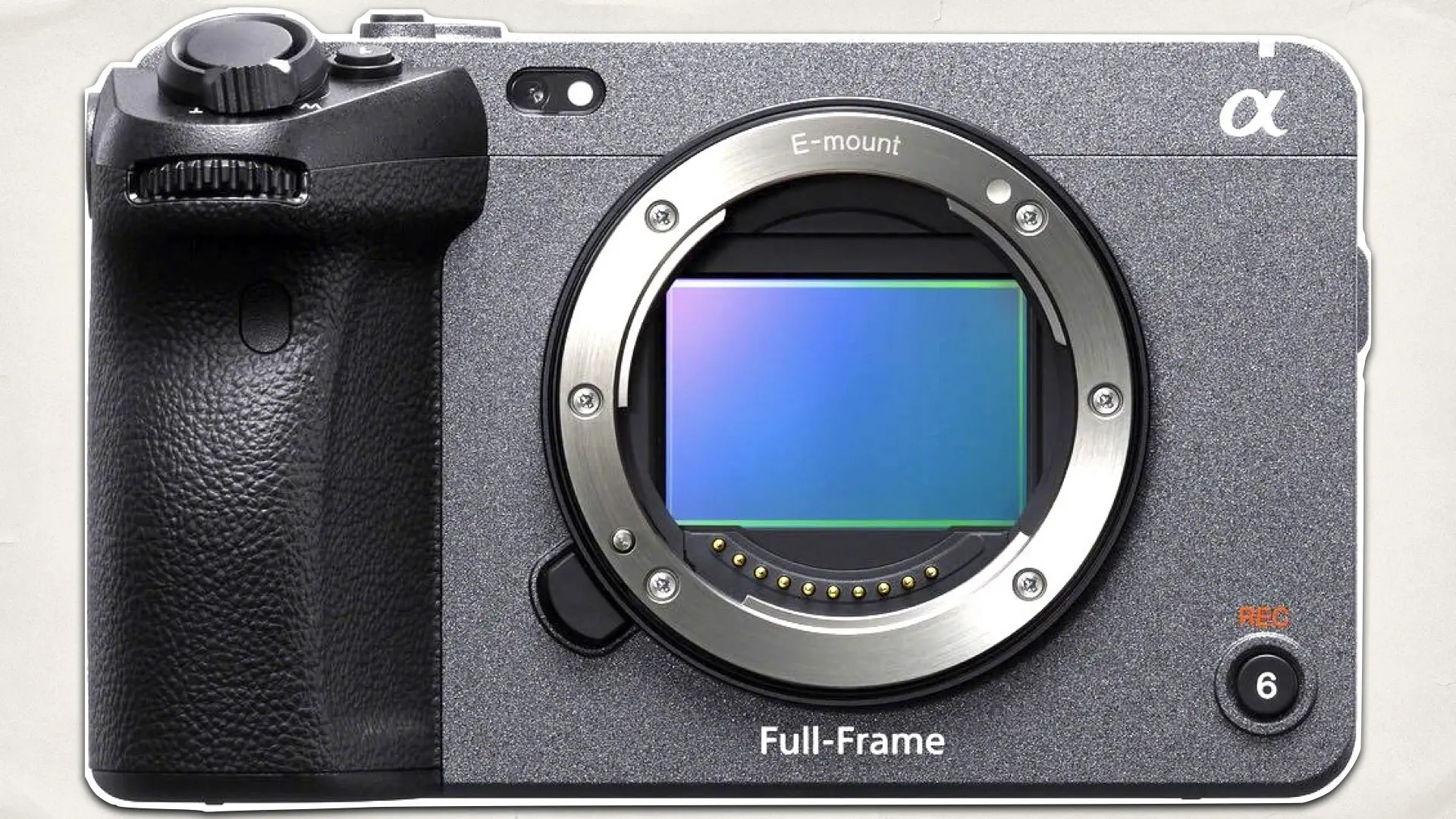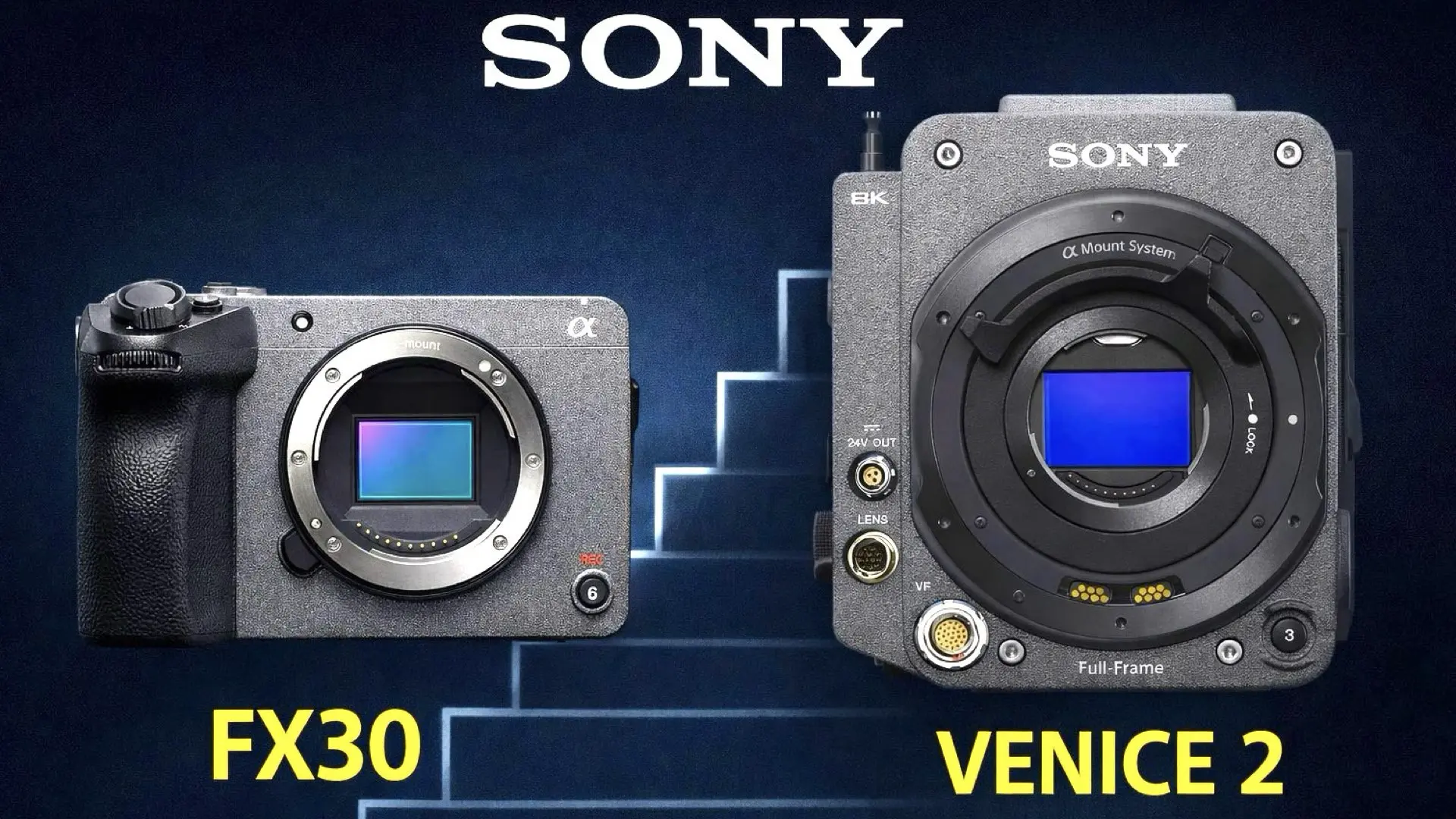
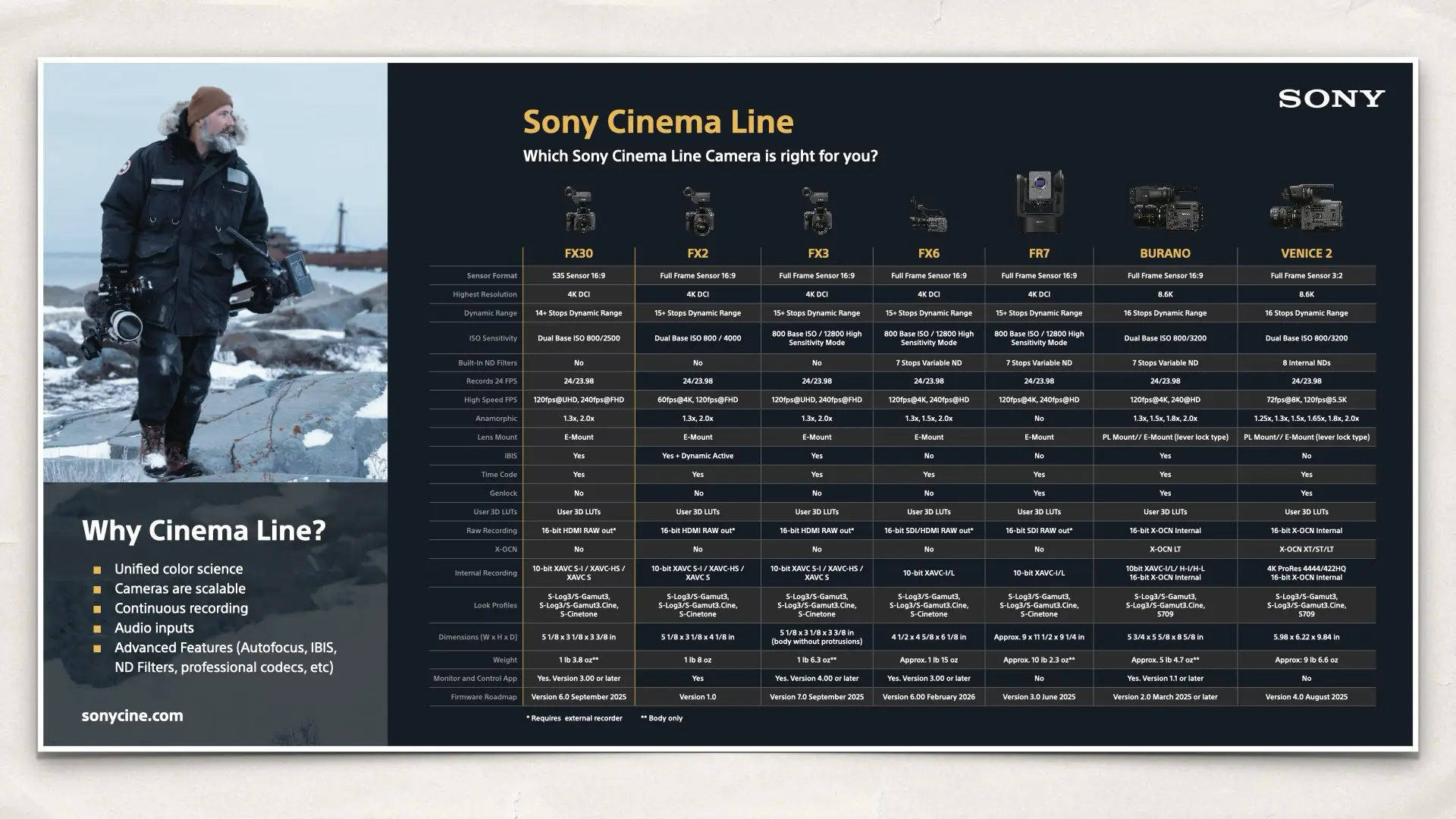
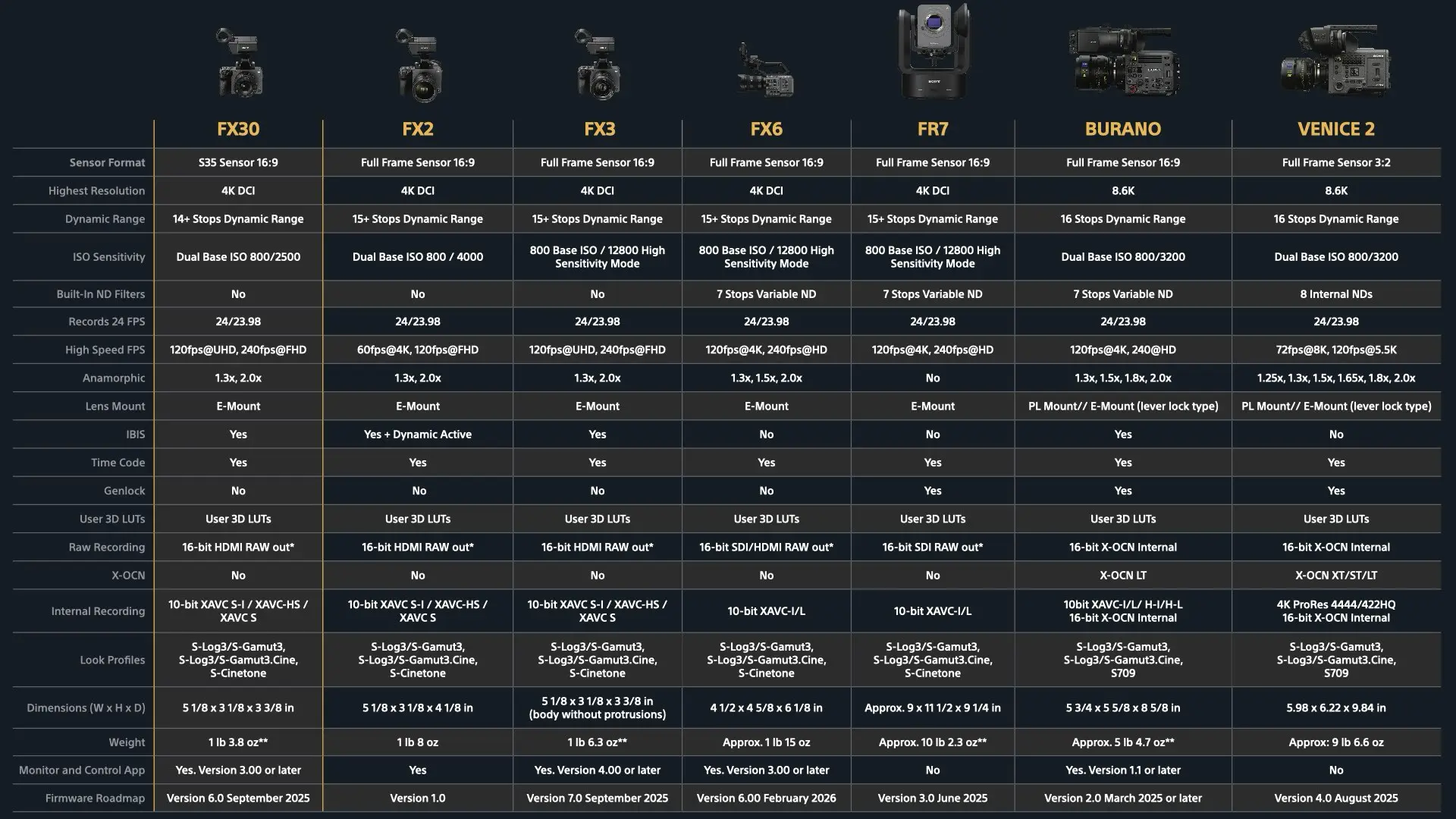
Sony’s latest Cinema Line chart reveals something important. The entire ladder is now visible, from the FX30 at the bottom to the VENICE 2 at the very top. When you look at it as a whole, it becomes clear that Sony is not simply offering multiple cinema cameras. It is an engineering progression. Each model has a defined role, and each step upward introduces responsibility, workflow depth, and production scale. This kind of structural clarity signals long-term thinking rather than opportunistic product releases.
The foundation. Why the FX30 anchors the entire ladder
At the bottom of the Cinema Line sits the FX30, and its position is more strategic than many assume. It delivers Super 35 coverage, 4K DCI recording, 14 plus stops of dynamic range, dual base ISO at 800 and 2500, anamorphic support, IBIS, timecode, and user 3D LUT integration. That is not a stripped-down toy. It is a disciplined entry into a professional color pipeline. The absence of internal ND is deliberate. Sony draws a line between compact, creator-driven setups and fully integrated production bodies. The FX30 invites ambitious filmmakers into the ecosystem while subtly encouraging upward movement once production demands increase. It sets the tone for everything above it. It establishes color science continuity, recording philosophy, and operational familiarity. In many ways, it is the most important camera in the ladder because it seeds long-term loyalty.

The compact full-frame evolution. FX2 and FX3 secure the crossover space
Moving upward, FX2 and FX3 expand the language into full-frame territory while preserving compact ergonomics. Dynamic range increases to 15 plus stops, and Sony maintains the same family of recording formats and color profiles. The message here is consistency. A filmmaker who starts with an FX30 can step into FX3 without relearning exposure behavior, LUT workflows, or grading logic. That continuity reduces friction and keeps shooters inside the Sony environment. These models sit exactly where many independent cinematographers operate, small crews, tight budgets, and serious image demands. They represent a commitment tier. Once you cross into this range, you are no longer experimenting with cinema. You are investing in it.

The professional threshold. FX6 changes how sets operate
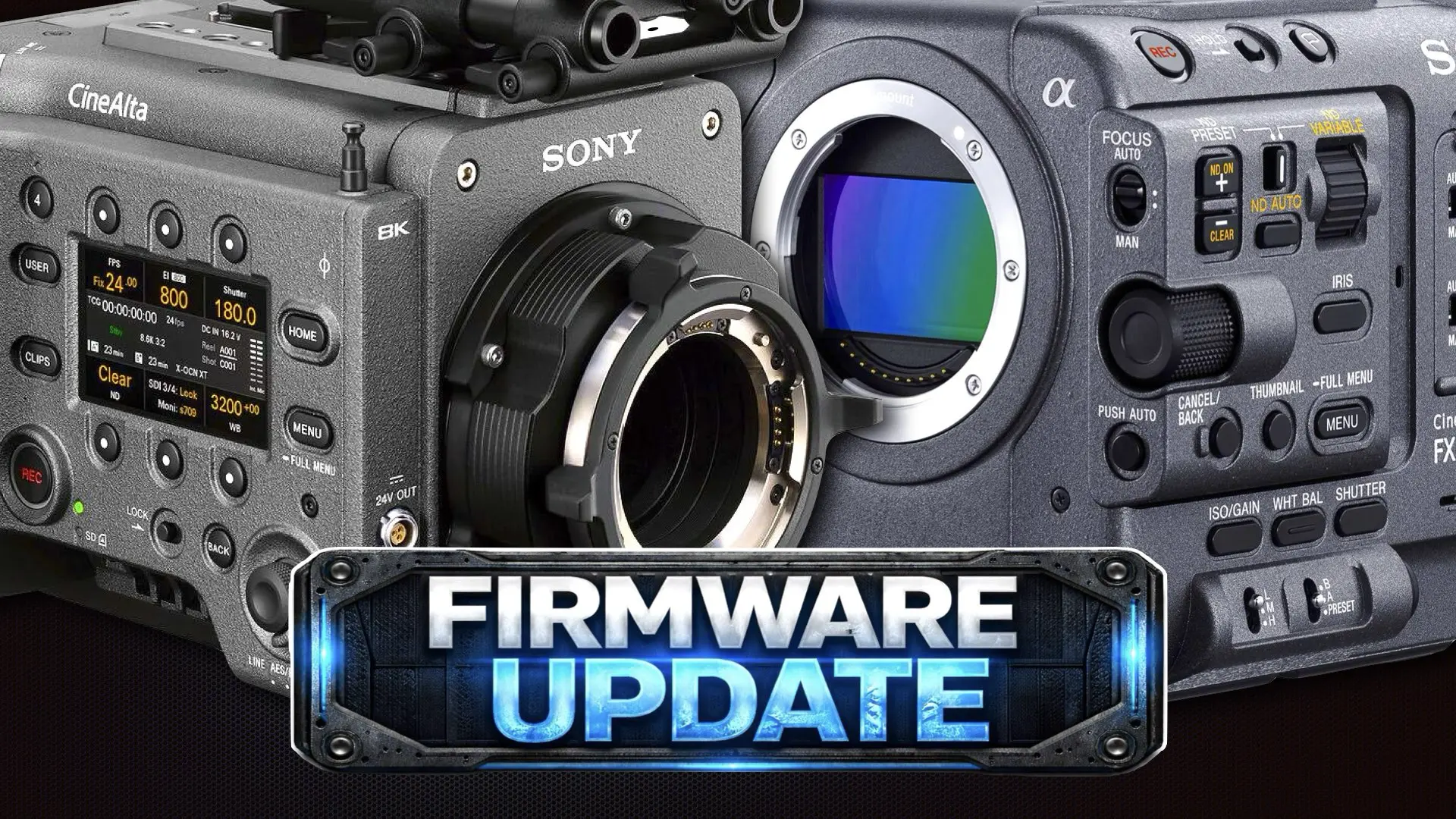
The FX6 represents a psychological and operational shift. This is where the internal variable ND enters the picture with 7 stops built into the body. Exposure becomes fluid and fast. Documentary work, commercial shooting, and controlled narrative production all benefit from that integration. Dynamic range holds at 15 plus stops, full frame coverage remains, and the body moves decisively into a production-ready form factor. This is the rung where rental houses pay close attention. It is also where many productions standardize. The FX6 feels like the first fully integrated production camera in the ladder, and that makes it a turning point. After this level, expectations change.
The system statement. FR7 expands the ecosystem logic
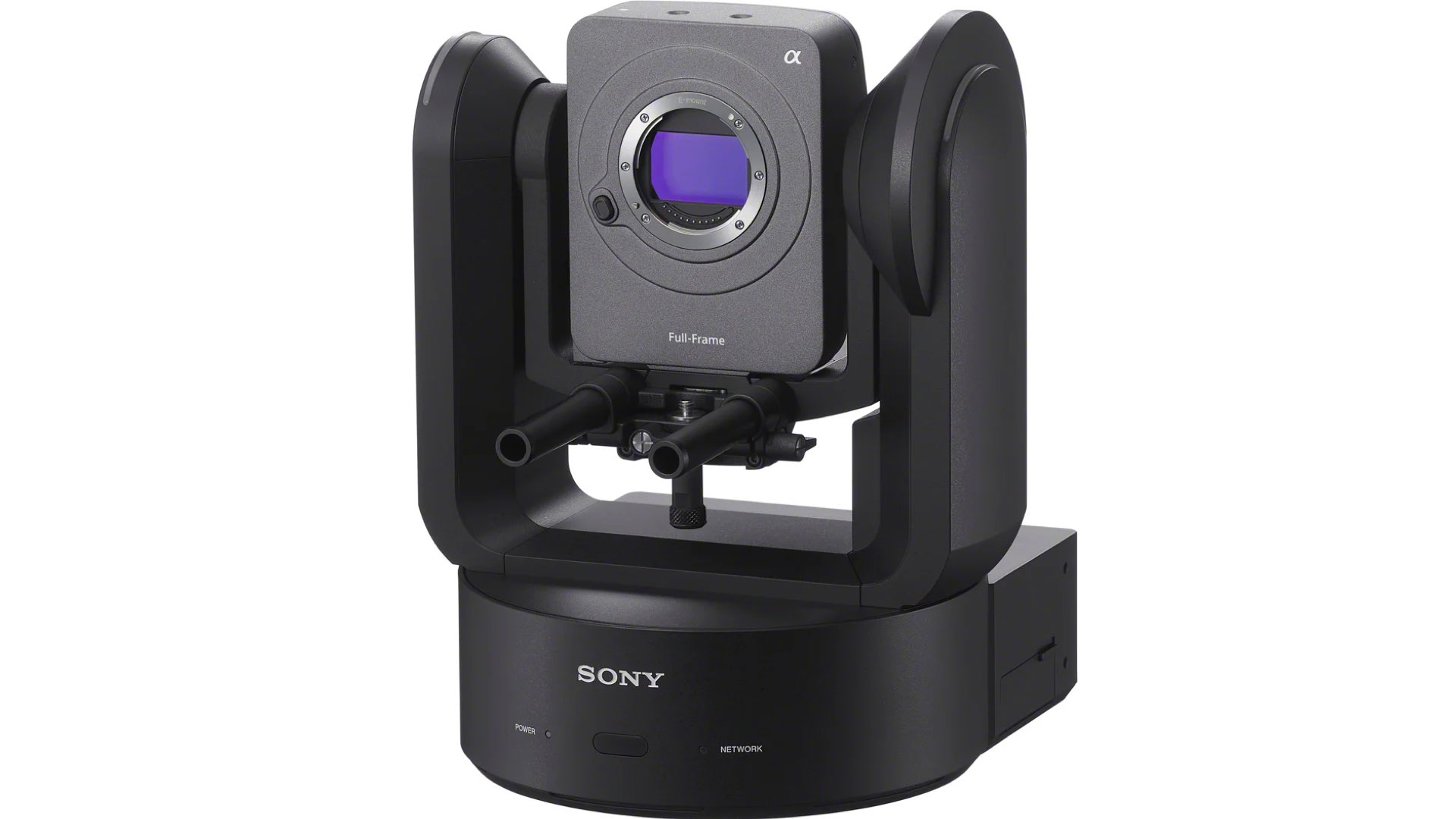
The FR7 occupies a unique position. It is less about traditional handheld production and more about system integration. Remote operation, multi-camera control, robotic deployment. Its inclusion in the Cinema Line chart signals that Sony sees cinema as infrastructure, not just cameras. The FR7 reinforces the idea that the Cinema Line is a platform capable of scaling across studio environments, live production, and hybrid broadcast cinema workflows. It adds depth to the ecosystem rather than simply adding resolution or dynamic range.
The hinge of ambition. BURANO bridges two worlds
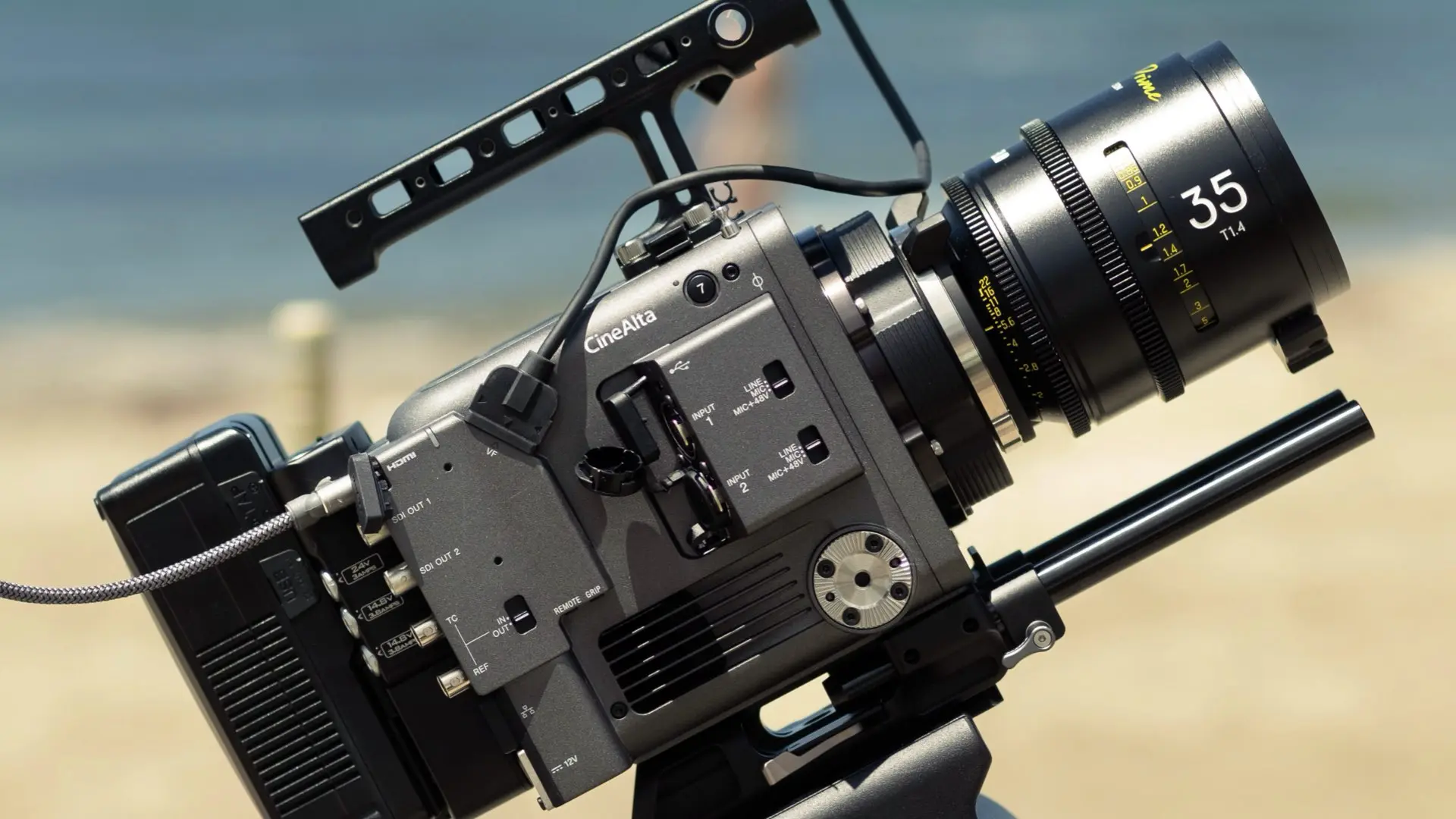
BURANO is the pivotal model in the lineup. It introduces 8.6K resolution and internal 16 bit X-OCN LT recording while maintaining a more compact form than traditional large format cinema bodies. It supports PL mount while preserving E Mount flexibility. Dynamic range expands to 16 stops. This is the camera that captures productions growing beyond mid-tier budgets but not yet stepping into full flagship territory. BURANO protects the ladder. It prevents ambitious cinematographers from jumping brands when their projects scale up. It allows upward mobility without abandoning workflow familiarity. Strategically, it may be the most important camera Sony has introduced in years.
The summit. VENICE 2 protects the prestige
At the top stands VENICE 2. Full frame 3:2 sensor architecture, 8.6K capability, 16 stops of dynamic range, internal 16 bit X-OCN in multiple variants including XT, ST, and LT. Built-in ND architecture designed for high-end cinema production. Genlock support. Full integration into large-scale digital film workflows. VENICE 2 is positioned clearly above the rest, and Sony protects that position carefully. The codec depth alone establishes separation. Internal X-OCN at this level reinforces that VENICE 2 is not simply a higher resolution option. It is the flagship digital cinema system in the lineup. Its role is not to compete downward. Its role is to anchor the brand’s credibility at the highest professional tier.
A ladder with intention
When viewed from FX30 to VENICE 2, the Cinema Line reads as a coherent architecture rather than a sequence of releases. Super 35 entry, compact full frame crossover, integrated production bodies, scalable large format, and flagship digital cinema. The segmentation is disciplined. Internal ND marks professional thresholds. X-OCN defines prestige tiers. Color science remains unified across every rung. Firmware roadmaps extend forward, signaling lifecycle support instead of rapid obsolescence. Sony now presents one of the clearest cinema ecosystems in the industry. For cinematographers, that clarity reduces uncertainty. For Sony, it reinforces control over long-term progression. From the bottom to the summit, the path is visible.
As an Amazon Associate, Y.M.Cinema earns from qualifying purchases. If you purchase through the Amazon links above, Y.M.Cinema may earn a small commission at no additional cost to you. This helps support our work.