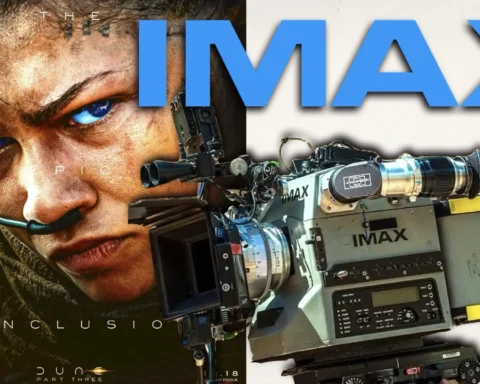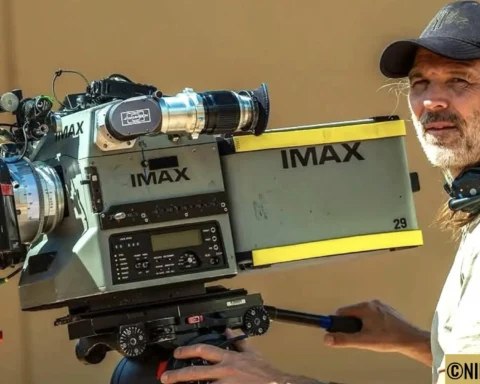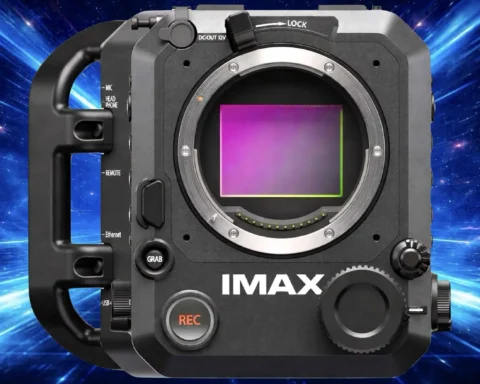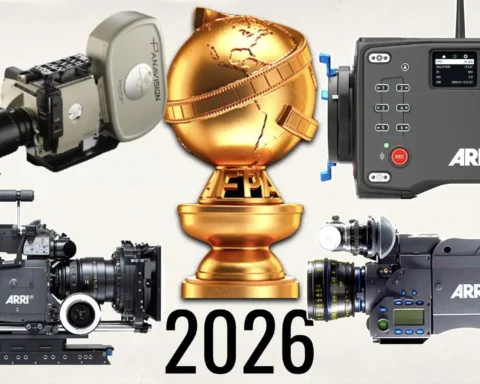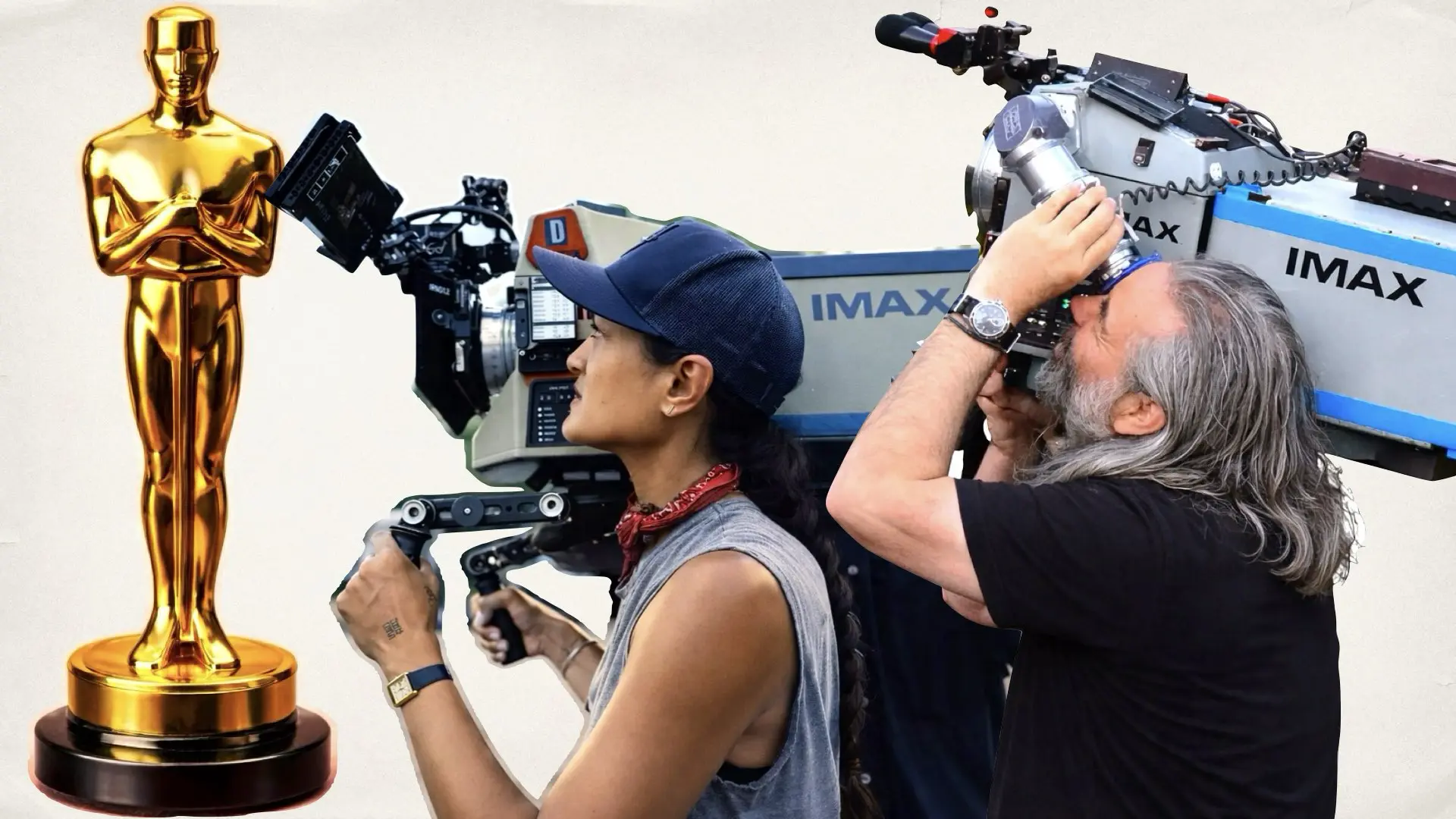
Every year, the Academy Awards celebrate cinematography that pushes visual storytelling forward. But if you look closely at recent winners and contenders, a clear pattern begins to emerge. Many of the films that dominate the Best Cinematography conversation were shot on large-format film, especially IMAX. The latest example is Sinners. Its Oscar success adds fresh weight to an idea that has been building for some time. When filmmakers want images that feel grand, tactile, and unmistakably cinematic, many of them still turn to film, and at the highest level, that often means IMAX.
The IMAX advantage
Large-format film still delivers an image that feels different. The frame is bigger, the texture is richer, and the sense of scale is difficult to ignore. That visual impact matters when a film is competing for cinematography’s highest honor. The Academy may not always say it explicitly, but it often responds to images that feel ambitious and immersive. That idea was already explored in Will IMAX Film Win an Oscar?. Looking back now, that question feels even sharper. It no longer sounds like a provocation, but like a pattern hiding in plain sight.
Oppenheimer changed the conversation
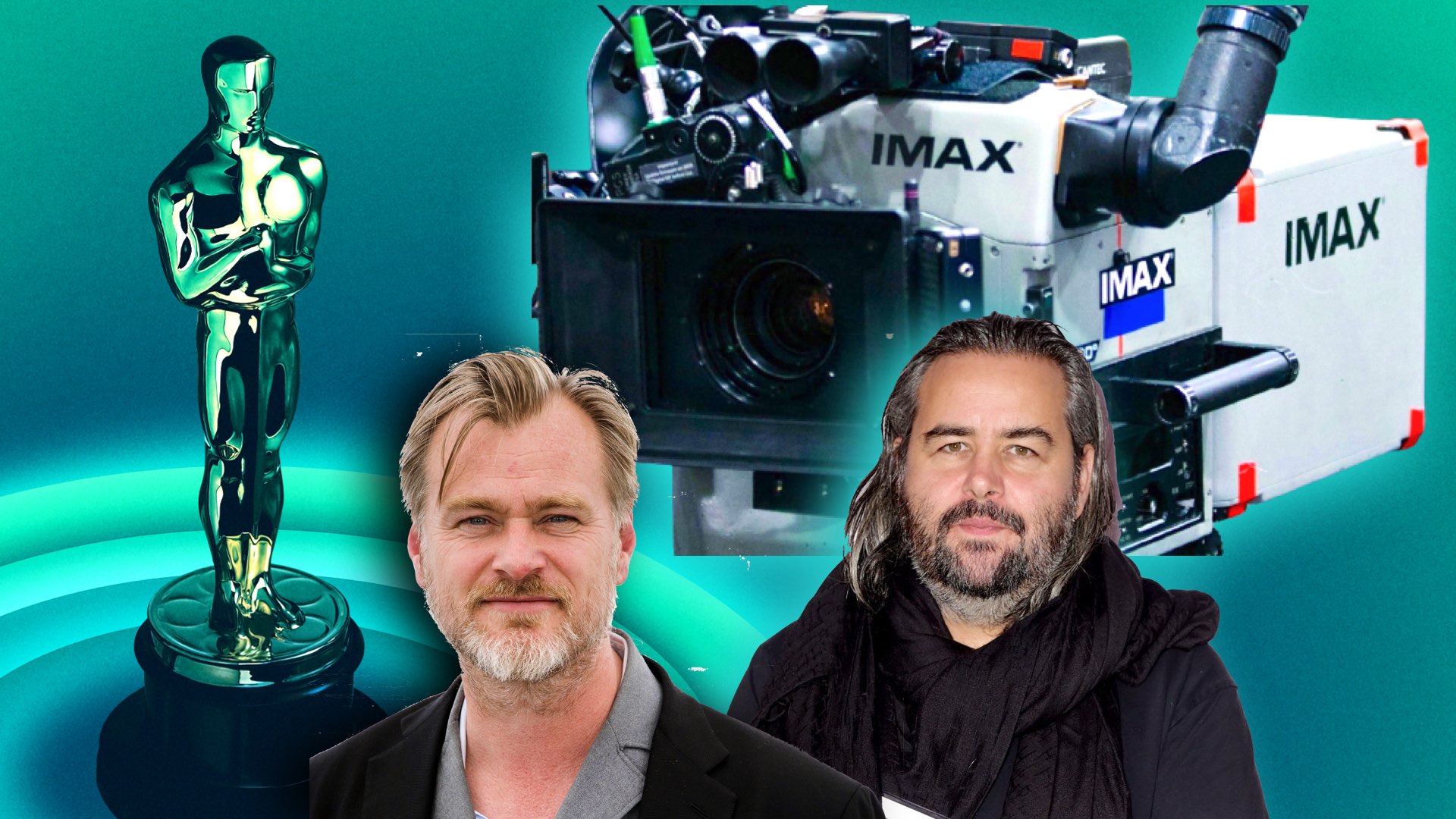
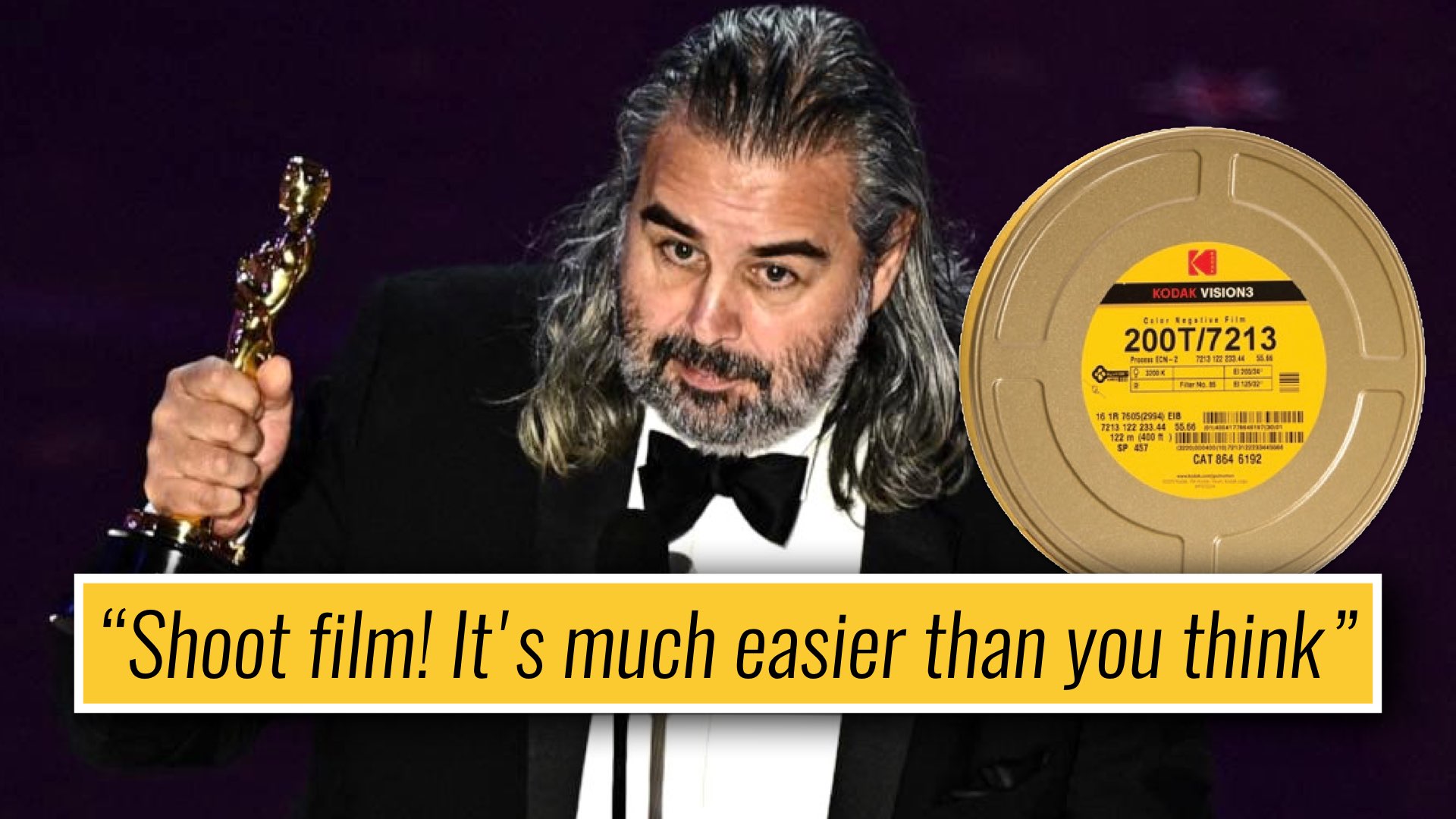
If one recent film helped reinforce the prestige of large-format capture, it was Oppenheimer. The film reminded the industry that shooting on film is still a viable creative choice at the very highest level. More than that, it showed that film can still define the visual identity of an awards contender. That is why Oppenheimer’s Cinematographer: Shoot Film! It’s Much Easier Than You Think remains such an important reference point. The title itself captures something essential. Film is often treated as intimidating, expensive, and overly complex, yet leading cinematographers keep explaining that the process is far more achievable than many filmmakers assume.
Why large format keeps standing out
The attraction of IMAX is not just nostalgia but more like a discipline. Large-format film forces precision. Every setup demands intention. Every frame carries weight. That pressure can elevate the craftsmanship behind the image, and that craftsmanship often shows up on screen in a way that voters can feel, even if they cannot fully explain it technically. A deeper version of that thinking appears in Hoyte Van Hoytema Talks About Film, Large Format, and Nolan. What emerges from that conversation is that large format is not simply about more resolution or better sharpness. It changes the way a scene is designed, the way actors are photographed, and the way the audience experiences cinematic space.

‘Sinners’ proves the point again
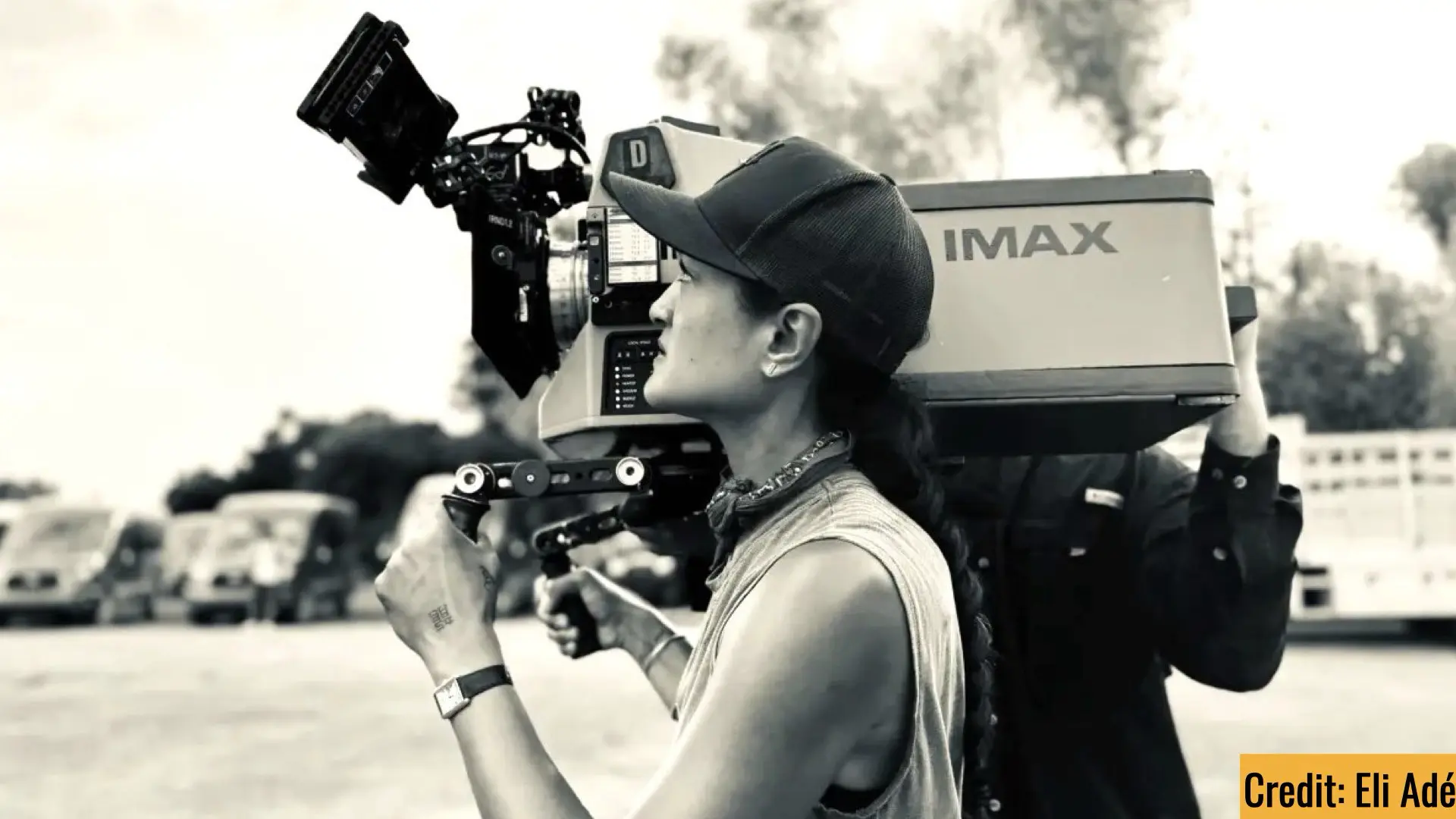
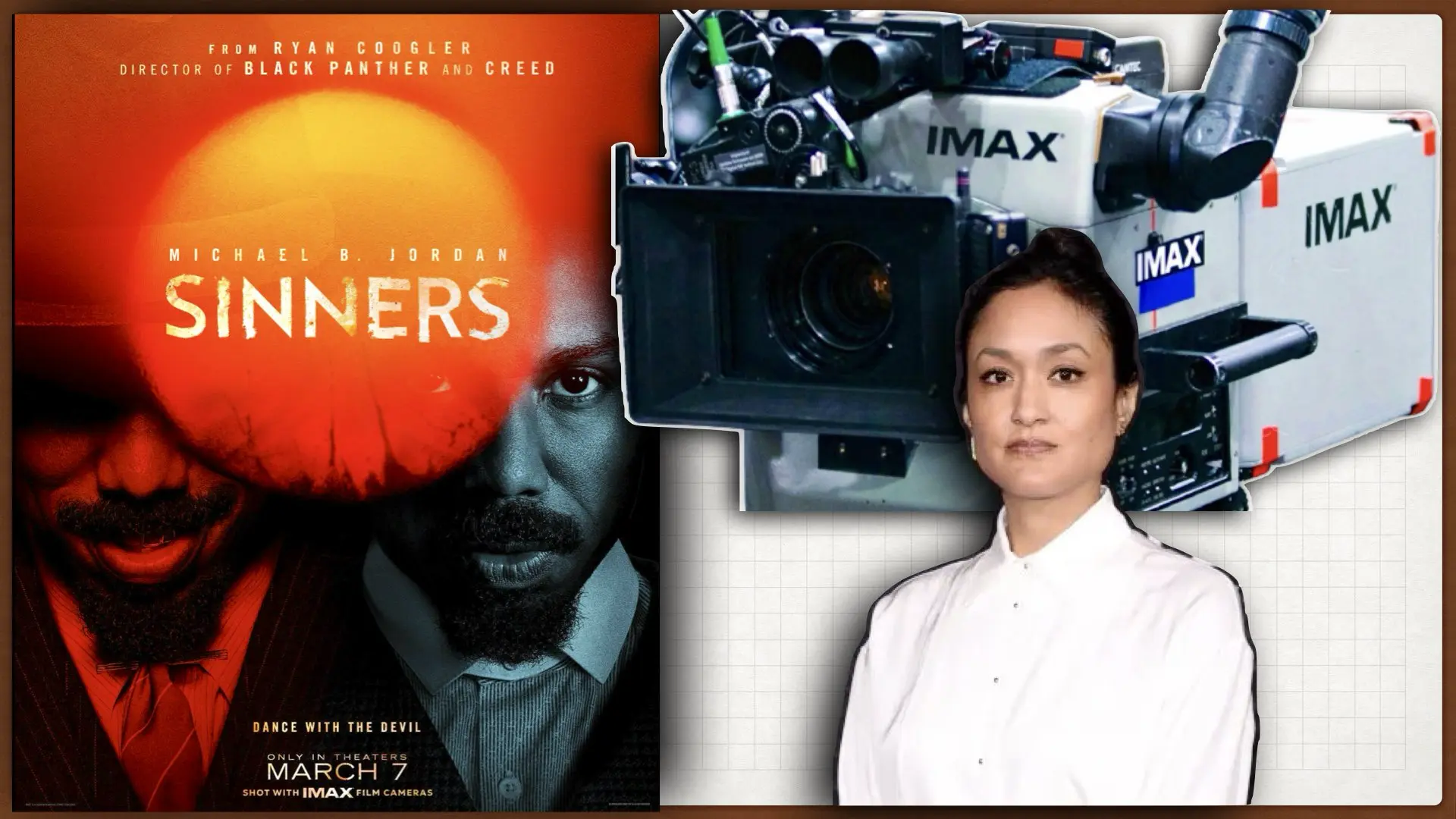
Now Sinners pushes the conversation further. The film does not just continue the large format tradition. It strengthens the case that IMAX film is becoming part of a serious Oscar formula for cinematography. That does not mean every winner must shoot on IMAX, but it does suggest that the format keeps showing up when filmmakers want to create images with real awards gravity. That is exactly why Autumn Durald Arkapaw Makes IMAX History With Sinners belongs naturally in this discussion. The article highlights how Sinners fits into the modern revival of large-format filmmaking, and why that choice was far more than a technical footnote. It was part of the movie’s visual argument. Also, we must not forget that Autumn Durald Arkapaw became the first woman ever to win for Best Cinematography!
The real takeaway
Mainstream coverage will focus on the cultural headline, and that is understandable. But for filmmakers, cinematographers, and camera-obsessed readers, the more interesting takeaway sits elsewhere. If you want your work to look monumental, if you want it to feel premium, if you want it to carry the kind of visual authority that the Academy repeatedly rewards, then IMAX film keeps appearing as one of the strongest paths. So yes, the title may sound provocative. But after Oppenheimer and now Sinners, it no longer feels exaggerated. Want to win an Oscar for cinematography? Shoot IMAX film.