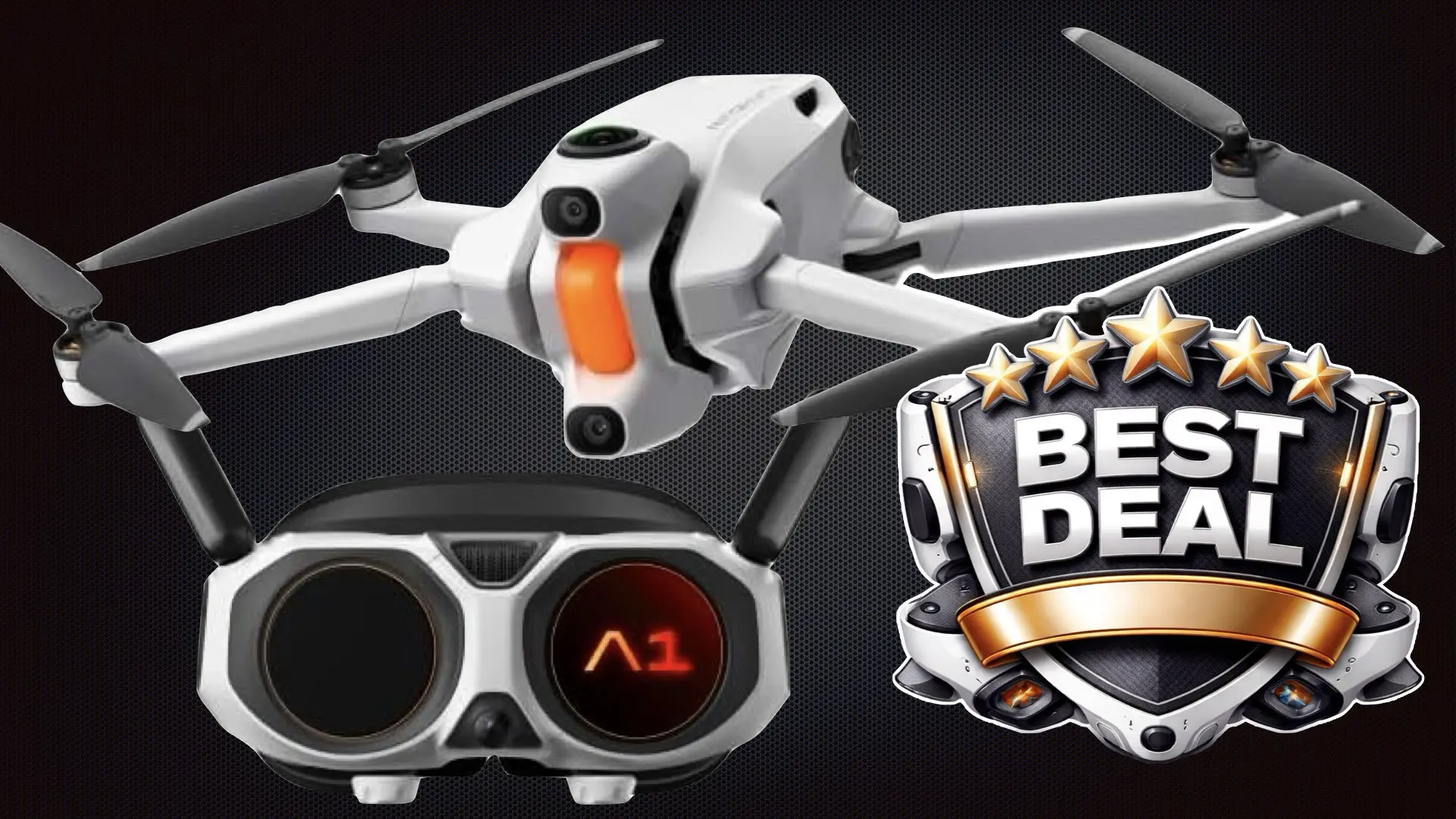
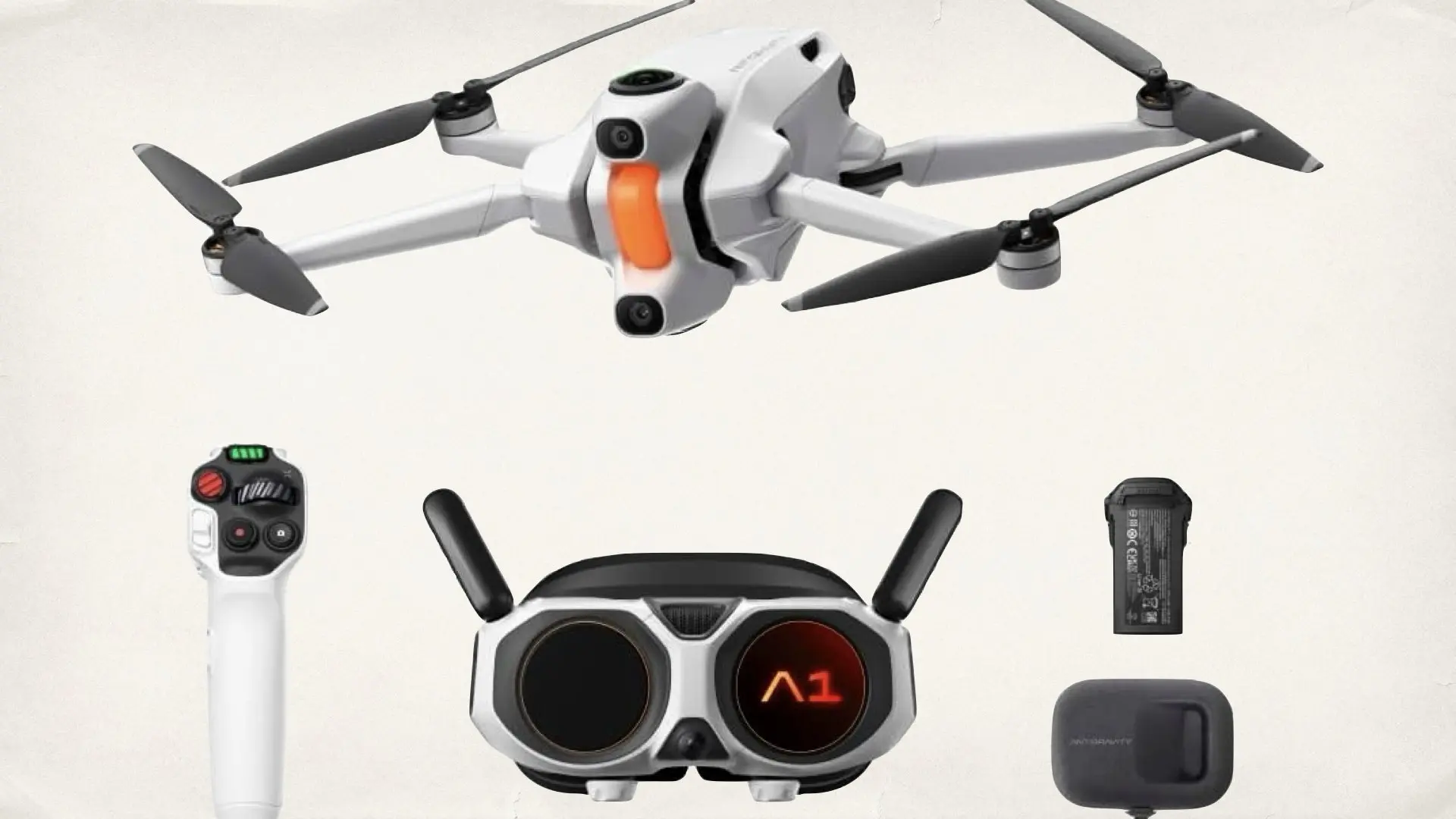
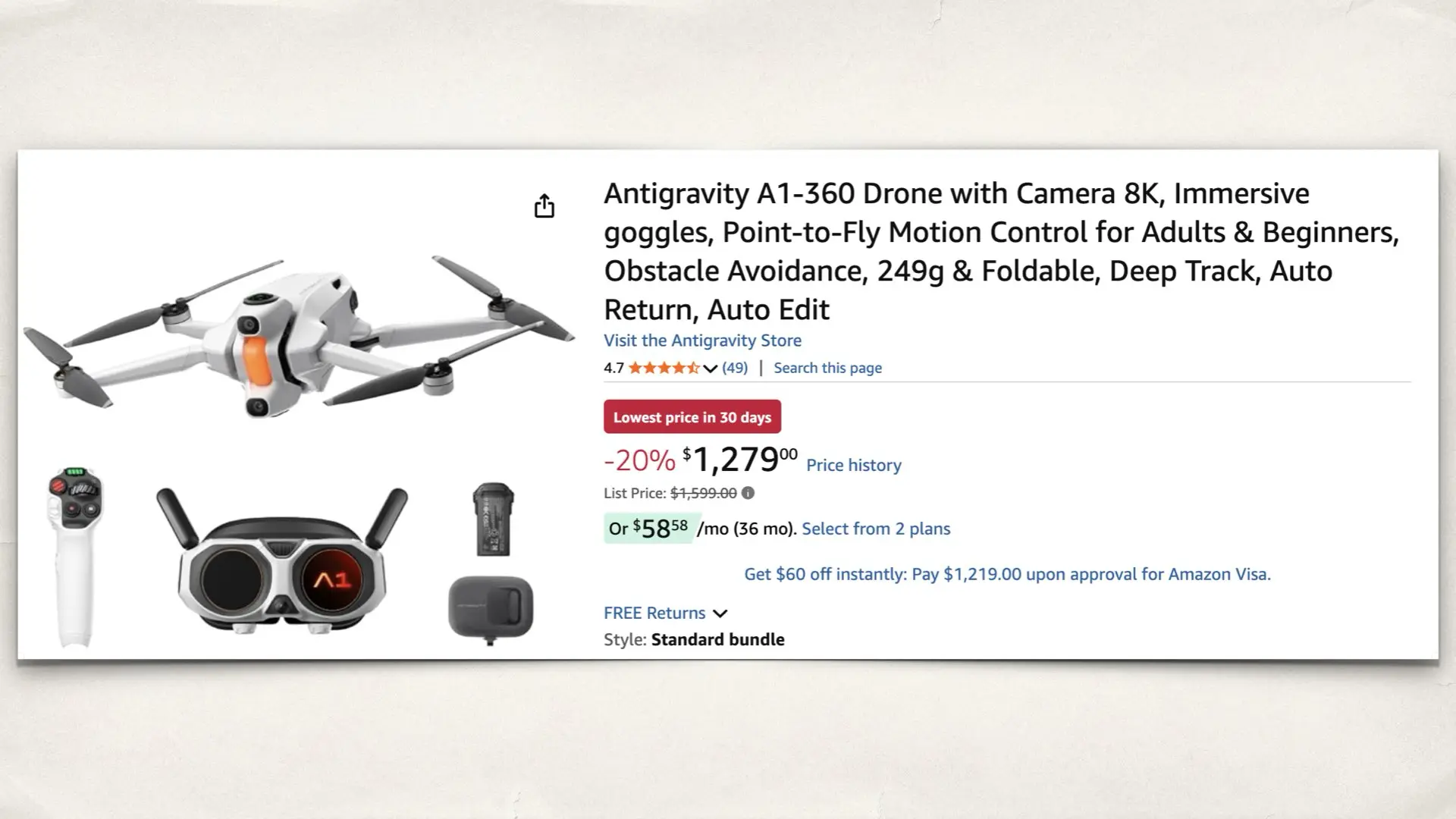
The Antigravity A1 enters the market with a concept that shifts the way aerial footage is captured. Instead of composing a shot while flying, this drone records everything around it in 360 degrees and allows the creator to decide framing later in post. That single idea changes the entire workflow of drone cinematography, and it is now being introduced with an early price drop on Amazon from 1,600 dollars to around 1,280 dollars.
A different way to think about shooting
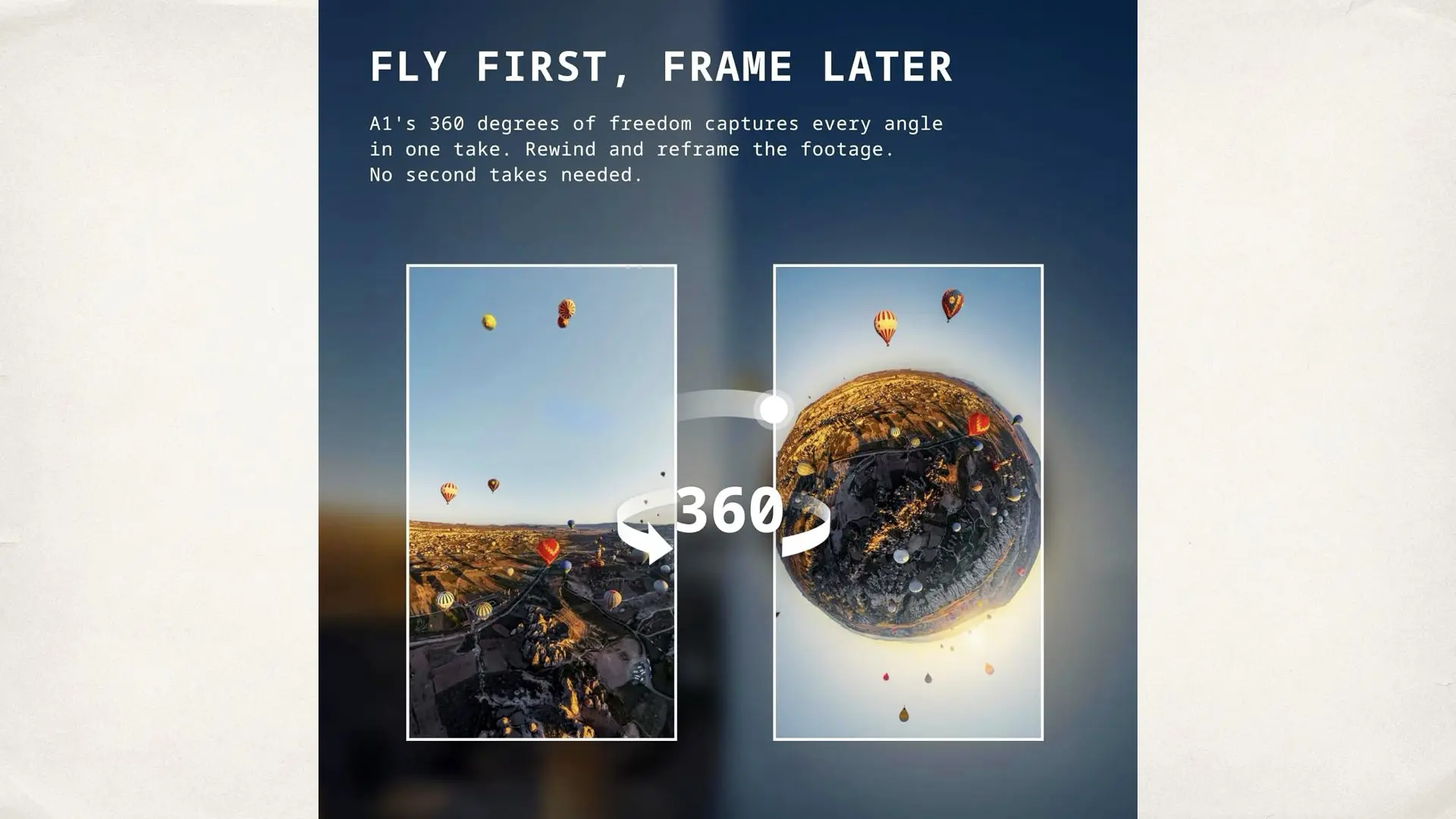
Traditional drones require constant attention to framing, movement, and composition during flight. The operator must anticipate the shot in real time, which demands both skill and experience. The A1 removes that constraint. With its dual lens system capturing full spherical video, the pilot focuses on movement rather than composition. The shot is effectively chosen later, inside the editing software, where angles, pans, and reframes are created from a single continuous capture. This approach aligns more with action cameras than with cinema drones. It prioritizes flexibility over precision and transforms the drone into a data acquisition tool rather than a framing device. For creators who think in post-production, this is a meaningful shift.
📦See the Antigravity A1 on Amazon
The immersive flight experience
The A1 package includes goggles and motion-based controls that place the pilot inside the drone’s perspective. Head tracking and gesture-driven movement create an experience closer to FPV systems, but with the added advantage of full 360 capture. This combination is designed to make flying more intuitive and more engaging, especially for users who prefer immersive control rather than precise stick input. At the same time, this control method introduces a learning curve. Pilots accustomed to traditional dual stick controllers may find motion control less accurate and less predictable, particularly when attempting repeatable cinematic moves.
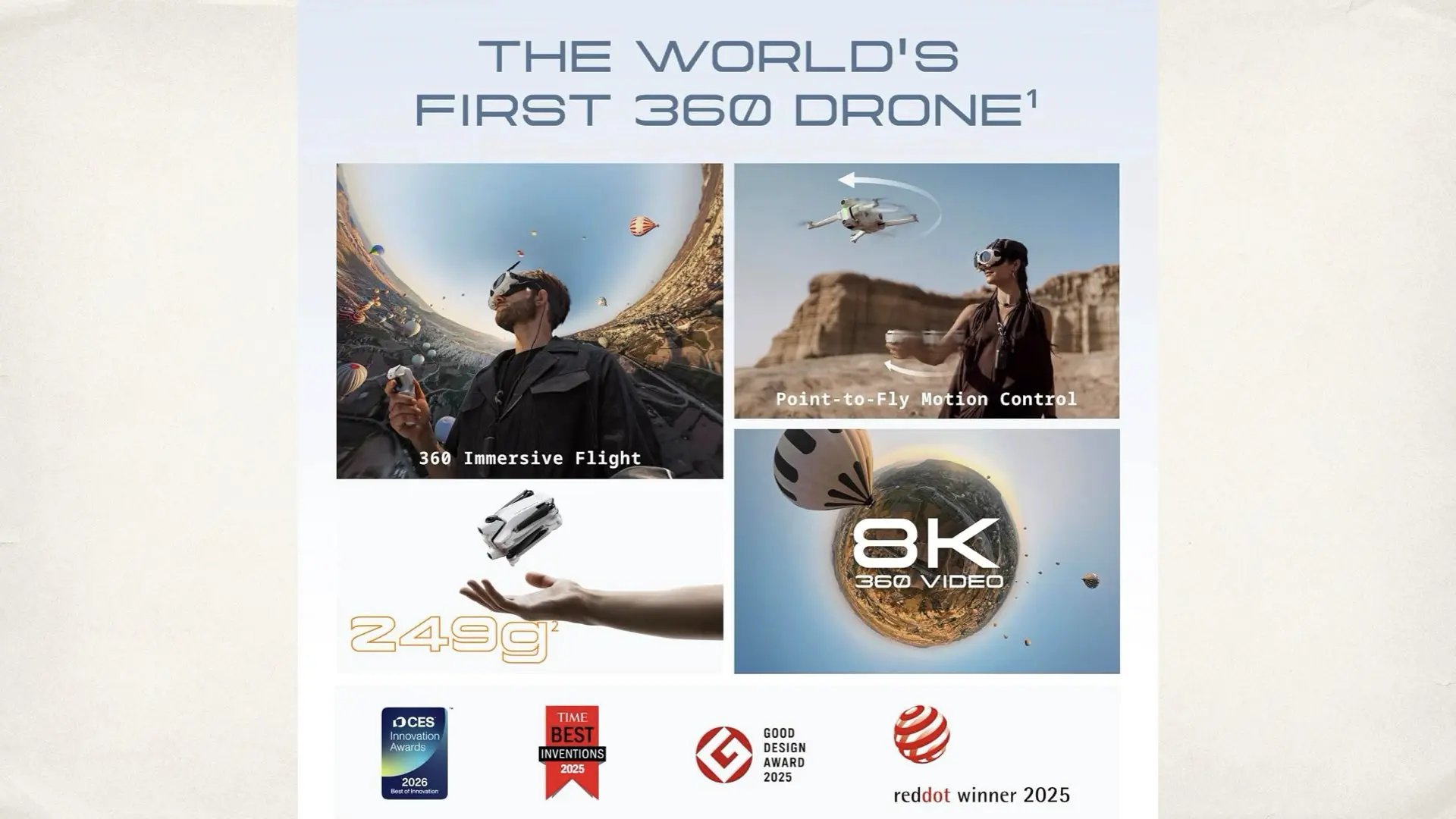
Image quality versus flexibility
From a pure imaging standpoint, the A1 does not aim to compete directly with higher-end drones that use larger sensors. Its sensor size and optical system are optimized for 360 capture rather than maximum dynamic range or low light performance. As a result, the footage may not match the clean, detailed output of more conventional drones designed for cinematic production. The trade-off is flexibility. The ability to reframe, stabilize, and redesign shots after capture can compensate for limitations in sensor performance, depending on the use case. For social media content, travel videos, and dynamic storytelling, this flexibility can be more valuable than marginal gains in image quality.
Understanding the 8K claim
The headline specification of 8K video needs context. The resolution refers to the full 360 capture, which is spread across an entire spherical image. Once that footage is reframed into a standard rectangular frame, the effective output is typically closer to 4K. This does not make the 8K irrelevant. It provides the resolution overhead needed to crop, pan, and stabilize the image without losing quality. However, it should not be interpreted as a direct equivalent to a traditional 8K cinema camera.
The significance of the early discount
The current pricing is notable because it appears early in the product’s lifecycle. New categories and new technologies are usually introduced at full price, especially when they offer a distinct workflow advantage. A reduction of roughly 20 percent at the launch stage suggests an effort to accelerate adoption and awareness. For creators who are curious about 360 aerial workflows, this lowers the barrier to entry. At the same time, the price still places the A1 in competition with established drones that offer stronger traditional imaging performance.
Who this drone is actually for
The A1 is best suited for creators who prioritize experimentation and post-production flexibility. It fits YouTubers, social media creators, and anyone interested in capturing dynamic environments without worrying about framing in the moment. It is less suited for filmmakers who require precise control, consistent image quality, and a predictable shooting pipeline. This distinction is critical. The A1 does not replace traditional drones. It introduces an alternative approach that complements them.
A shift in the drone market is already underway
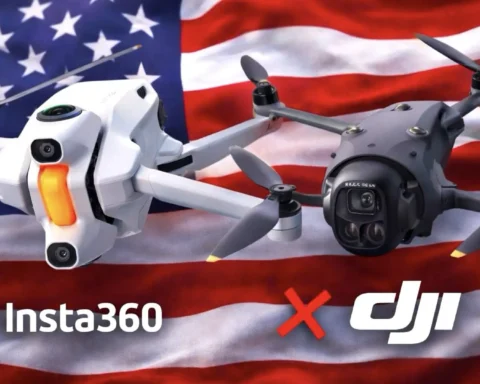
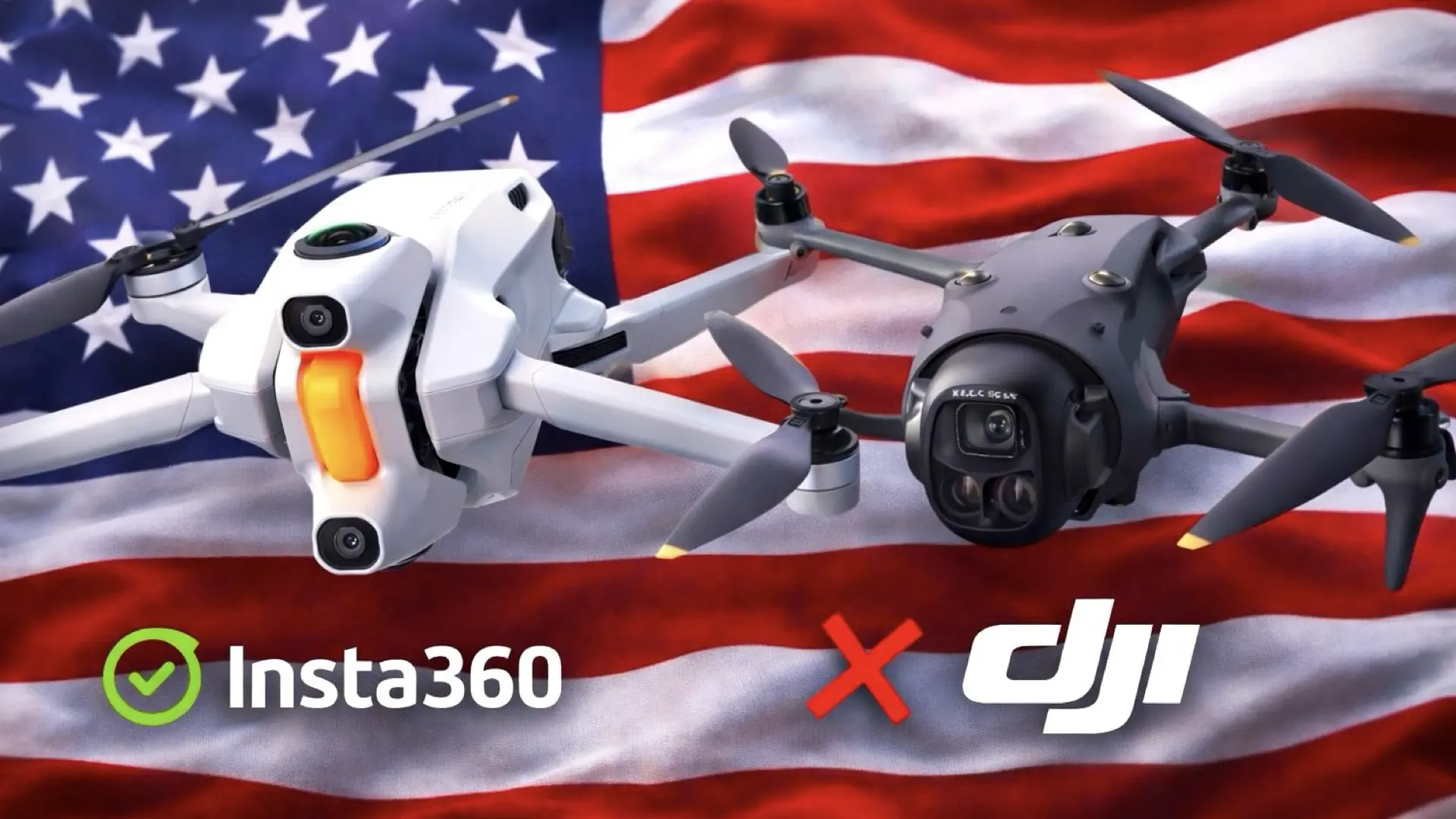
The timing of this drone is not accidental. It arrives at a moment when the structure of the drone industry is starting to change. For years, DJI has dominated the global market and shaped how aerial cinematography is captured and controlled. However, as explored in DJI Faces U.S. Pressure as Insta360 Moves Into the Drone Market, regulatory pressure in the United States is beginning to introduce friction into DJI’s future expansion. This does not remove DJI from the market, but it creates uncertainty around product availability, approvals, and long-term ecosystem stability. That uncertainty opens space for alternative approaches. Insta360’s move into drones, and specifically into 360 aerial capture, reflects a different philosophy. Instead of refining traditional camera drones with incremental improvements, it introduces a workflow where capture and composition are separated. The drone becomes a tool for collecting visual data, while creative decisions shift into post-production. This is exactly where the Antigravity A1 sits. It is not simply competing with DJI on image quality or flight performance. It challenges the idea that aerial cinematography must be framed in real time. If DJI’s roadmap becomes less predictable in certain regions, creators may become more open to experimenting with alternative systems that offer different creative advantages.
📦See the Antigravity A1 on Amazon
A tool, not a replacement
The Antigravity A1 should be viewed as a new category rather than a direct competitor. It does not outperform conventional drones in image quality or control precision. Instead, it offers a different creative model that shifts decision-making from the air to the editing timeline. For some creators, this will open new possibilities. For others, it will add complexity without a clear benefit. The value of the A1 depends entirely on how you prefer to shoot, and more importantly, how you prefer to edit.
As an Amazon Associate, Y.M.Cinema earns from qualifying purchases. If you purchase through the Amazon links above, Y.M.Cinema may earn a small commission at no additional cost to you. This helps support our work.