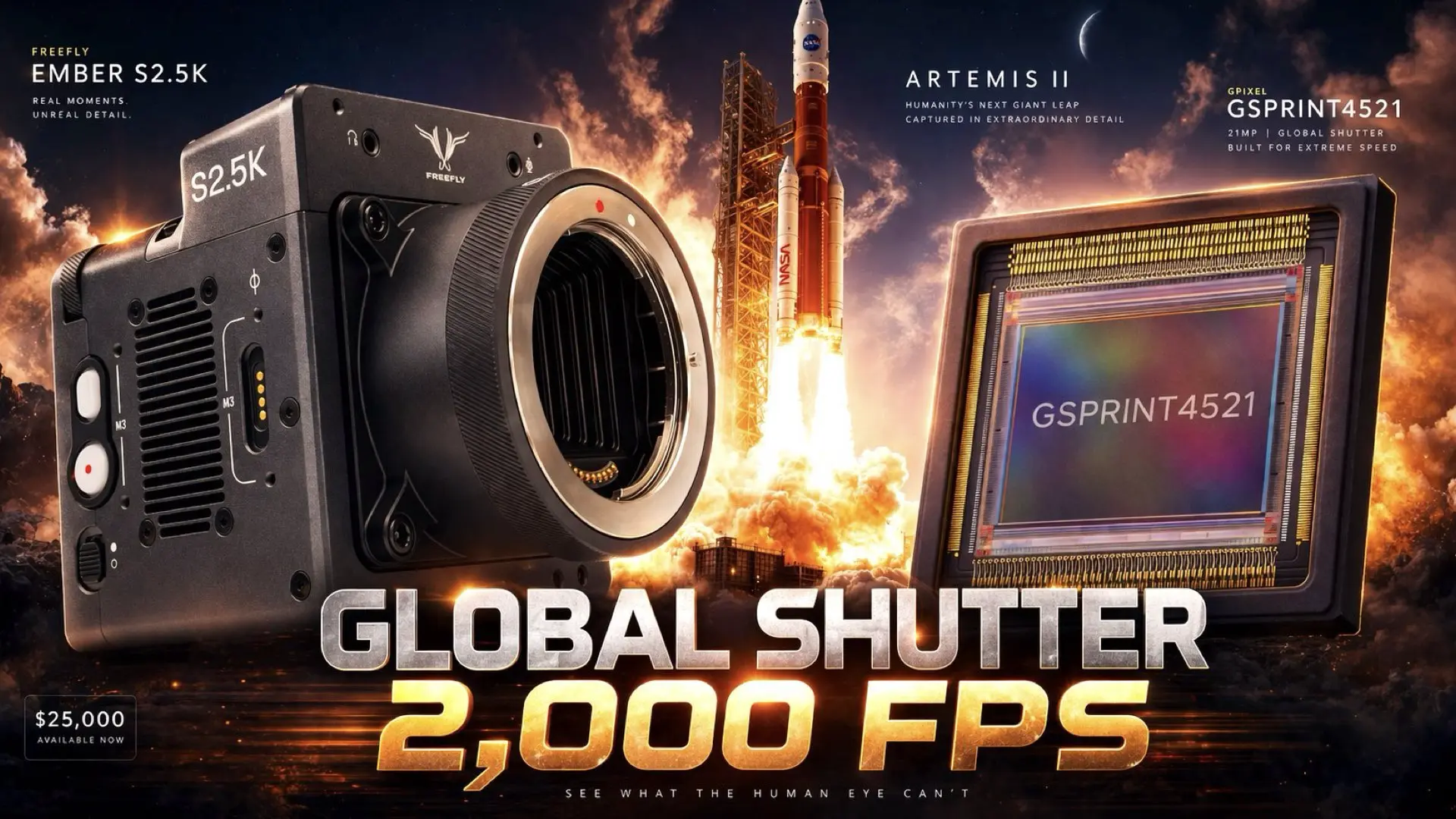
The footage everyone is talking about is not just about rockets or slow motion. It is about a camera that fundamentally changes who can access this level of imaging. The system used is the Freefly Ember S2.5K, and the surprising part is this. It is not a classified aerospace instrument. It is a commercially available camera priced at around 25,000 dollars. Anyone can buy it. That alone shifts the conversation from spectacle to accessibility.
This is not just a lab tool
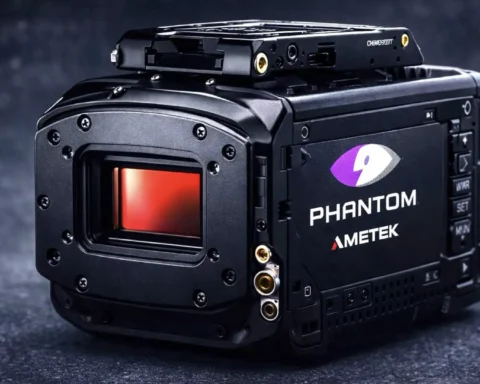
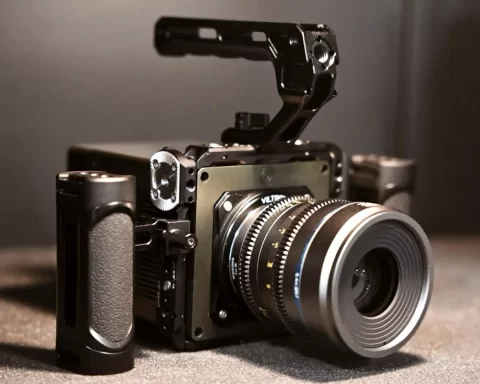
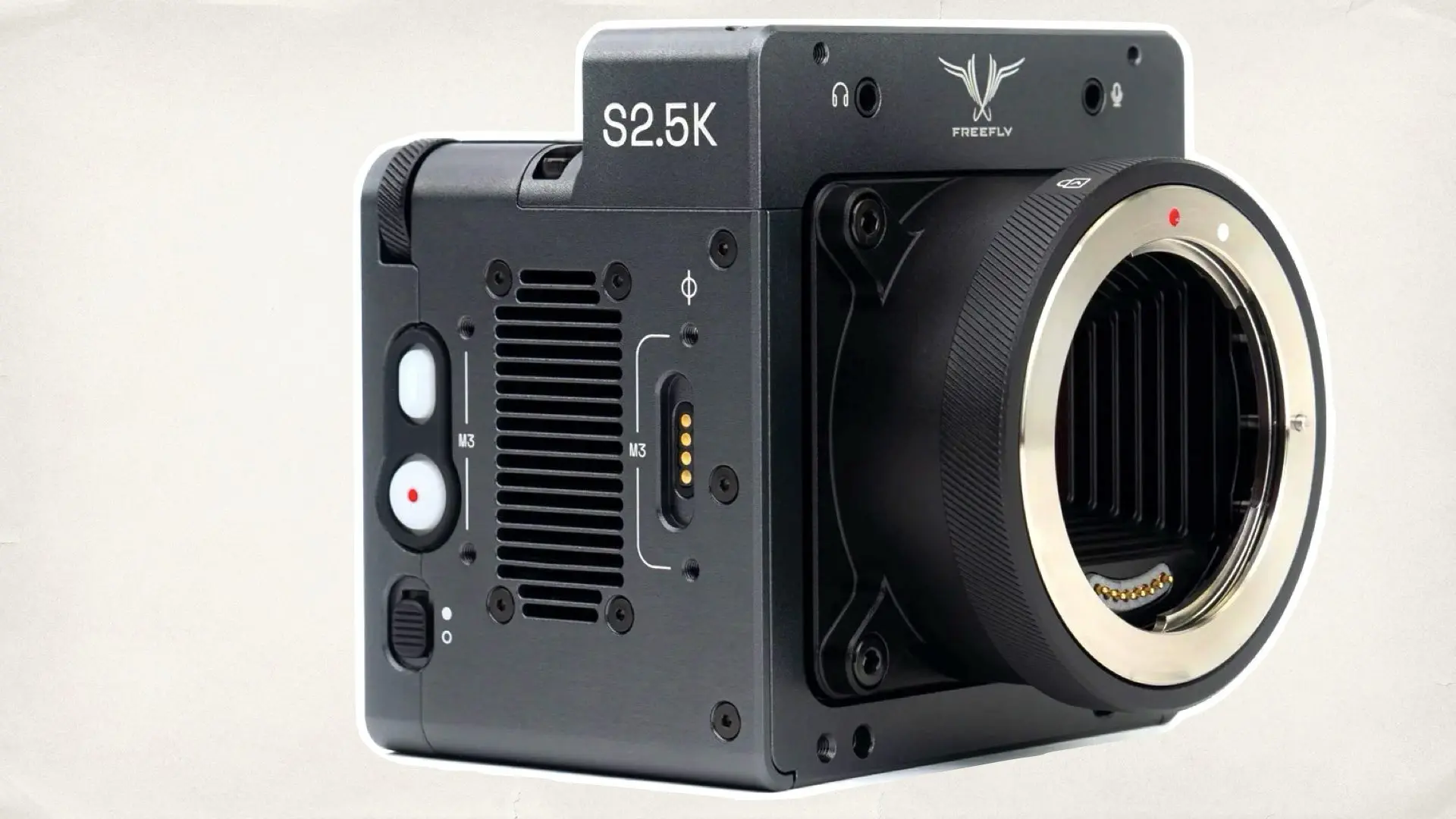
At 25K, the Ember S2.5K sits in a unique space. It is more expensive than mirrorless cameras, yet significantly cheaper than traditional high-speed systems that historically required six-figure budgets and dedicated operators. What used to belong to research labs and defense applications is now packaged into a compact 900-gram body with an EF mount and internal ProRes recording. This is not a stripped-down scientific device. It is a product designed to be used in the field, by individuals, without infrastructure. The obvious headline is the frame rate. The camera delivers over 2,000 frames per second at 2.5K resolution, with even higher frame rates available in reduced modes. But high speed alone is not new. What is new is the way this camera integrates speed into a usable workflow. You are not dealing with proprietary formats or complex pipelines. You are working with 10-bit Apple ProRes, standard lenses, wireless control, and a familiar ecosystem. The result is that extreme slow motion becomes something you can actually use, not just observe. Check it out:
The sensor behind it
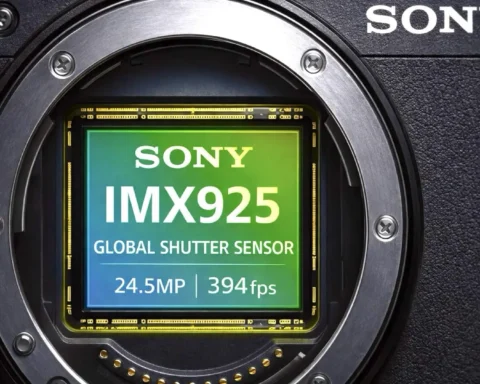
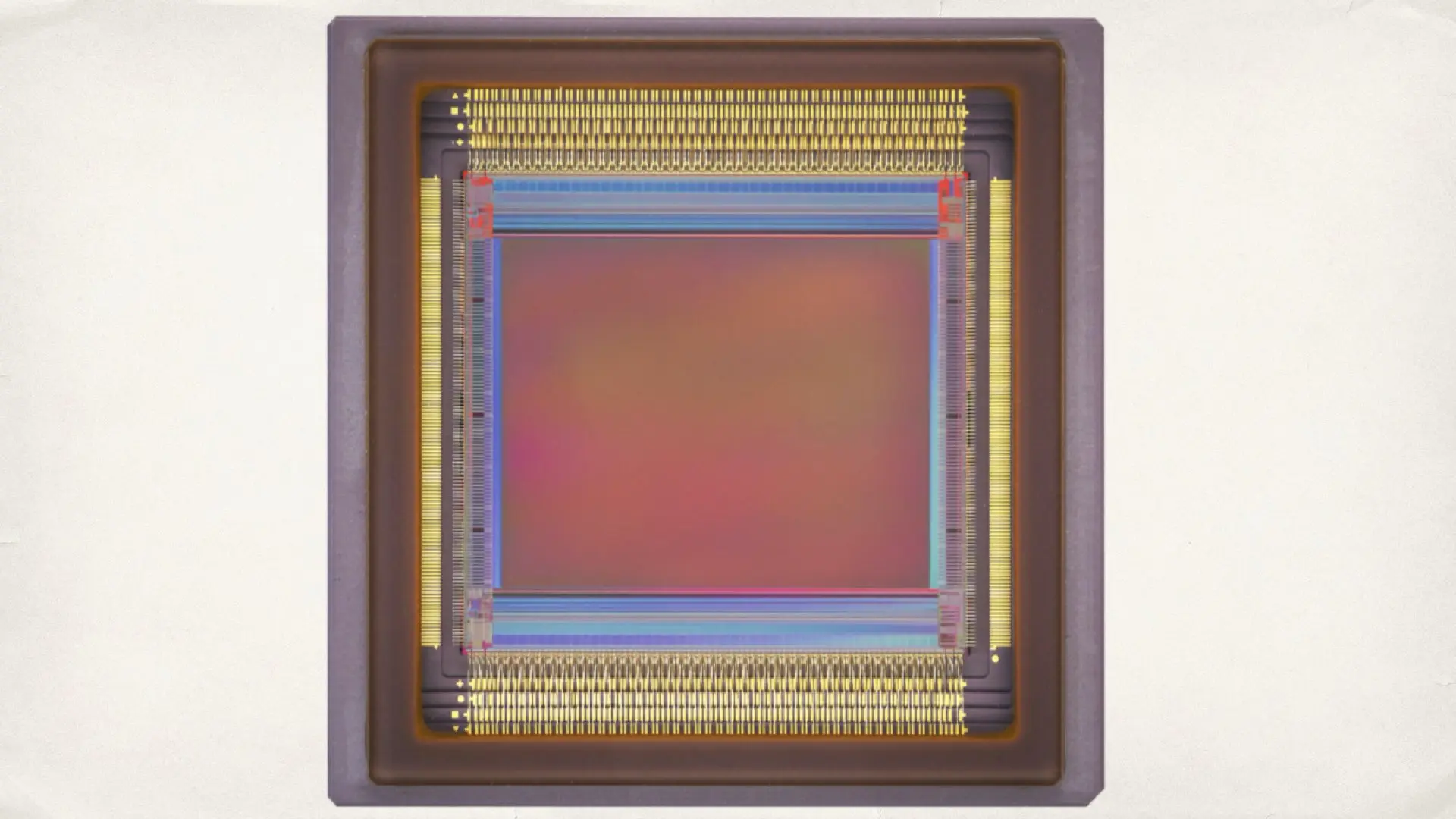
At the core of this system is the Gpixel GSPRINT4521, a 21-megapixel global-shutter sensor built around a modern 4.5-micron pixel architecture. It delivers 32 ke full well capacity, less than 3 electrons of read noise, and a dynamic range that can reach 81 dB in dual gain HDR mode. This combination is unusual for high-speed imaging. Typically, sensors that push frame rate sacrifice dynamic range and noise performance, but here the balance is shifting. This is a sensor that begins to close the gap between industrial imaging and cinema expectations. Furthermore, global shutter is often discussed in cinema as a way to eliminate rolling shutter artifacts. In this context, it becomes much more than that. At 2,000 frames per second, any rolling shutter system would introduce severe distortion in fast-moving phenomena like shockwaves and exhaust turbulence. With a global shutter, every pixel is exposed at the same instant, preserving the geometry of motion. This is why the Artemis footage looks so precise. You are not seeing motion interpreted by the sensor. You are seeing motion as it actually unfolds.
The hidden feature that makes it work
One of the most important capabilities is Pre-Record. The camera continuously buffers footage and allows you to capture moments before you even press the trigger. You can define pre-roll windows from one second up to two hours, which fundamentally changes how unpredictable events are captured. In scenarios like rocket launches, where timing is impossible to control manually, this feature becomes essential. It ensures that the decisive moment is never missed, even if the operator reacts late. The internal 2.56 terabyte pSLC SSD is designed for endurance rather than convenience. It is rated for around 10,000 hours of continuous recording, which reflects the demands of high-speed imaging where data rates are extreme, and recording cycles are constant. This is not storage designed for occasional shooting. It is engineered for sustained, intensive use under real-world conditions.
This is what a consumer high-speed camera looks like
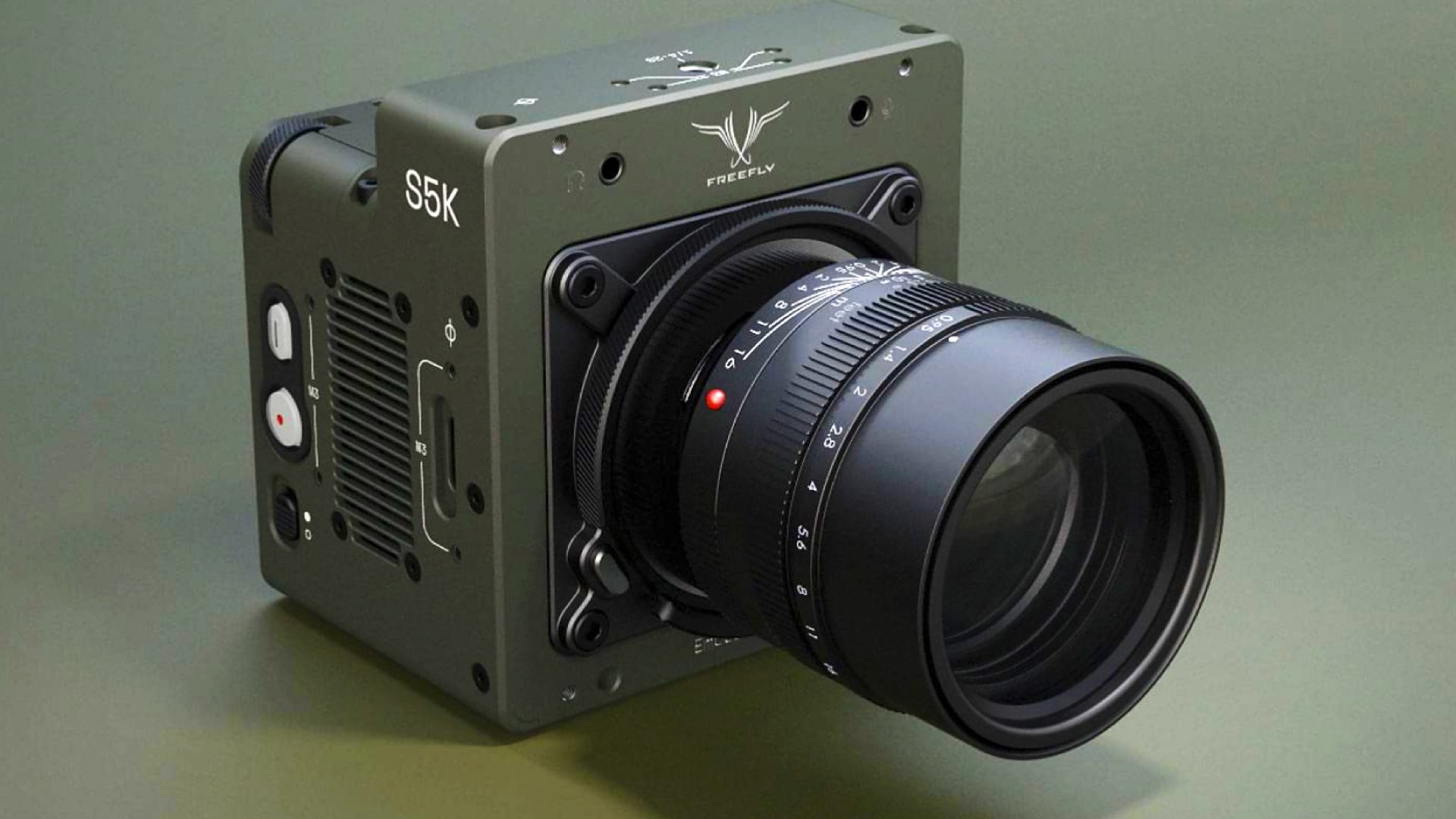
The most important point is not the frame rate or the sensor design. It is accessibility. The Freefly Ember S2.5K is a camera that anyone can purchase. It does not require institutional access, specialized facilities, or a dedicated engineering team. It takes a category that was historically closed and opens it to creators, filmmakers, and engineers alike. That is a meaningful shift. Henre, the Artemis II footage is impressive, but the deeper story is about the tool that made it possible. A commercially available camera, priced at 25,000 dollars, captured imagery that reveals physics in a way that was previously out of reach for most creators. The line between scientific imaging and cinematic storytelling is becoming thinner, and cameras like this are the reason why.