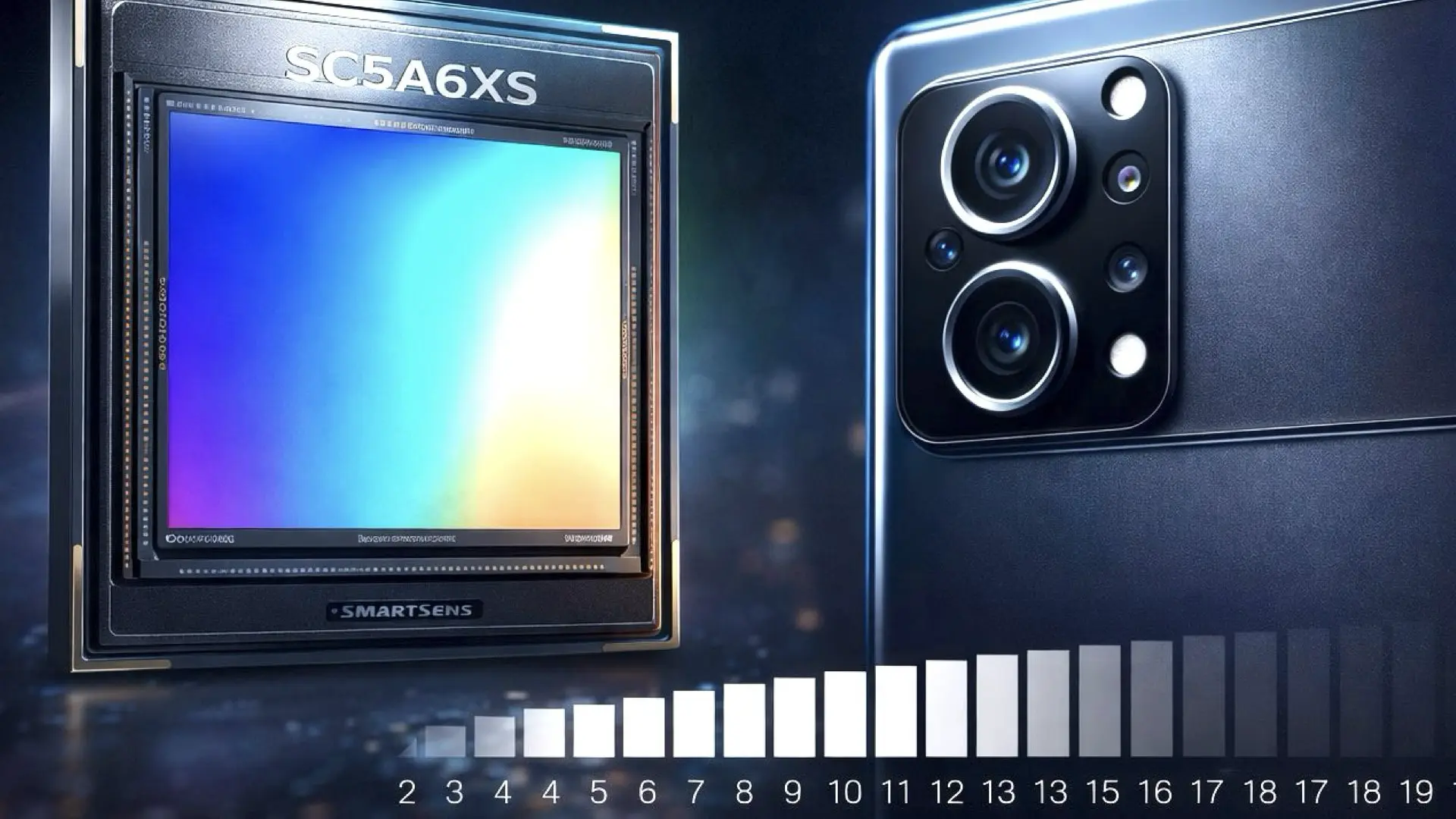
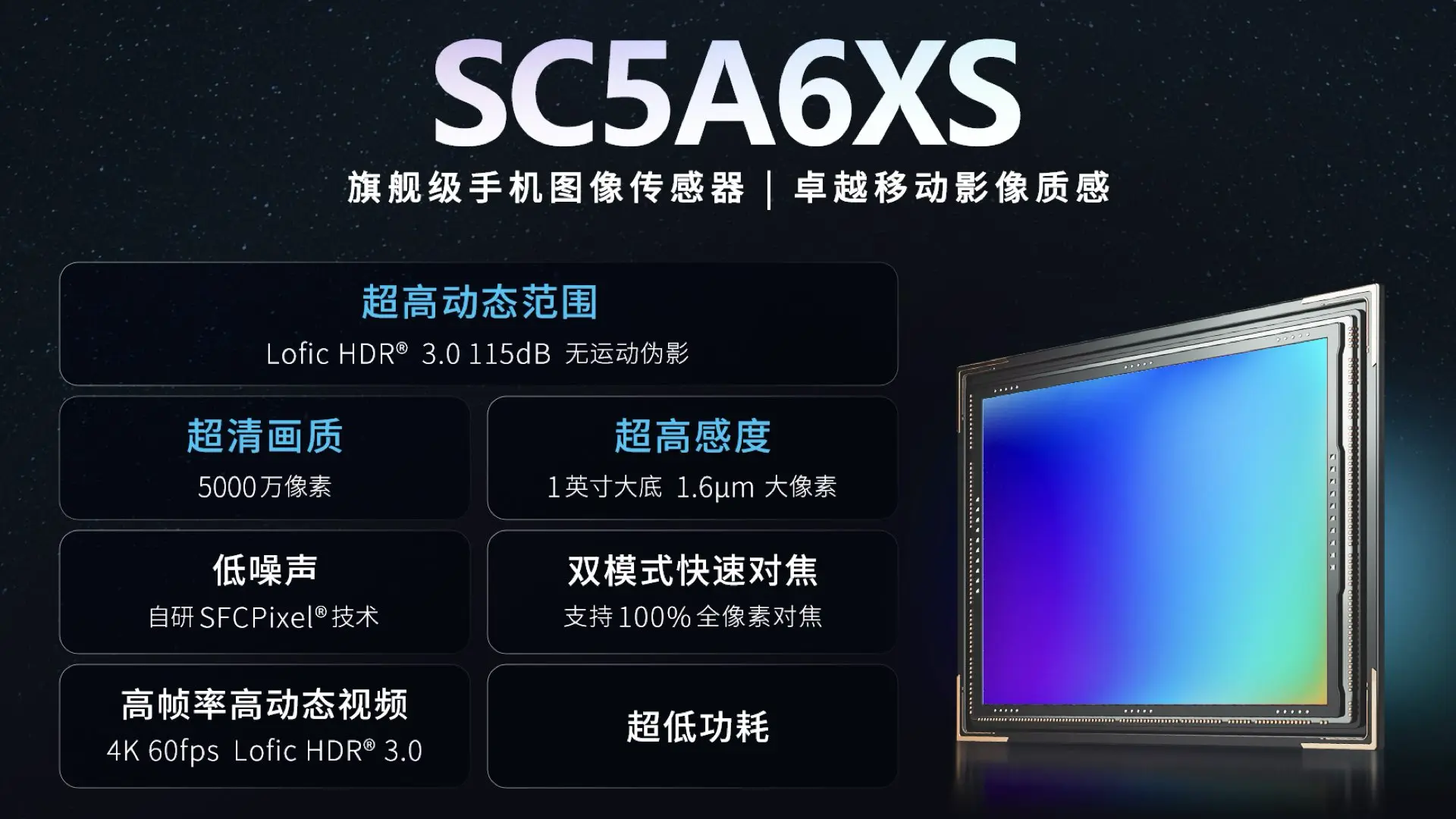
Smartphone imaging just took another step into territory once reserved for dedicated cinema cameras. Chinese sensor manufacturer SmartSens has introduced a new 1-inch sensor, the SC5A6XS, and the headline number immediately stands out. Up to 115 dB of dynamic range. In filmmaking terms, that translates to roughly 19 stops. That number alone raises eyebrows. It places a smartphone sensor in the same conversational space as cameras like the ARRI ALEXA 35, at least on paper. But as always in imaging, the real story sits behind the number.
Sensor architecture and resolution
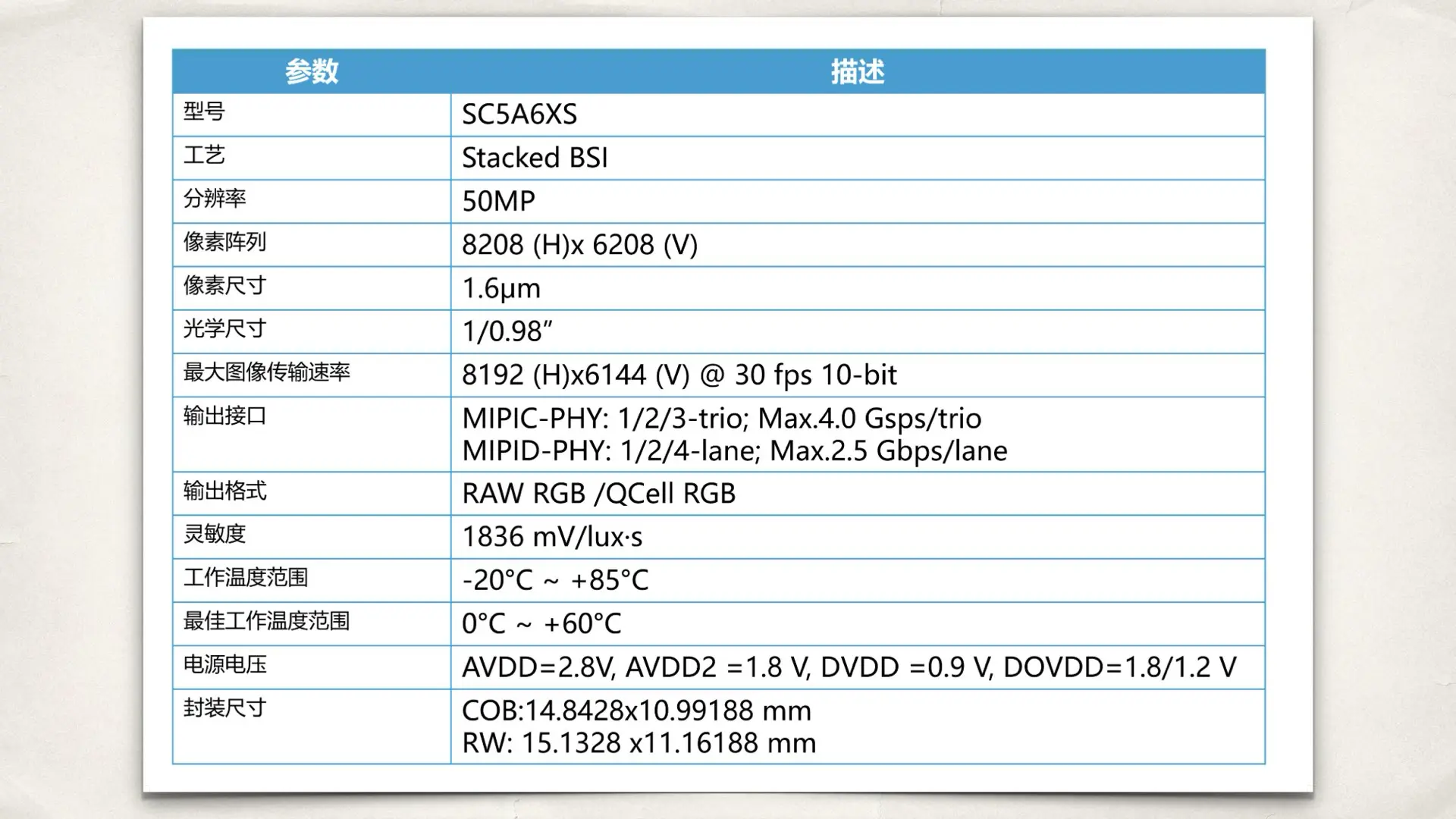
At its core, the SC5A6XS is built around a 50 megapixel 1-inch optical format sensor. This format is critical. Compared to typical smartphone sensors, which are significantly smaller, a 1-inch sensor offers a much larger photosensitive area, enabling improved light gathering, better depth rendering, and enhanced signal-to-noise ratio. The sensor uses 1.6 micrometer pixels, which are relatively large in the context of mobile imaging. Larger pixels allow for increased photon capture, which directly improves low light performance and reduces noise in shadow regions. The sensor is also expected to support pixel binning modes, likely combining adjacent pixels to produce cleaner 12.5 megapixel outputs for video and low light scenarios, a common strategy in high resolution mobile sensors to balance detail and sensitivity.
Dynamic range and HDR pipeline
The most emphasized specification is the 115 dB dynamic range. This figure is achieved through an advanced HDR architecture that relies on multi-frame fusion within a tightly synchronized exposure pipeline. Unlike traditional staggered HDR, which captures separate exposures sequentially and can introduce motion artifacts, this sensor appears to use a more integrated approach designed to preserve temporal consistency. The result is an HDR system that attempts to maintain highlight retention while lifting shadows without introducing visible ghosting. In practical terms, while the marketing translation suggests around 19 stops, the usable dynamic range for video is expected to be lower, but still competitive with the best computational imaging systems currently available in smartphones.
Video capabilities and readout performance
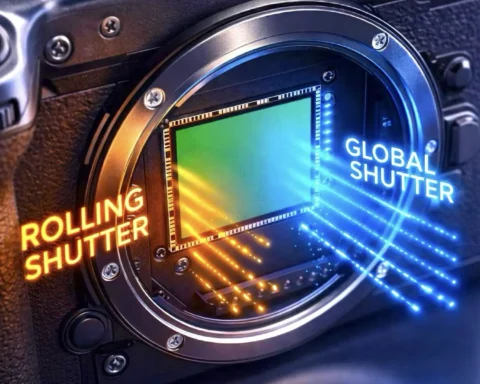
The SC5A6XS is capable of capturing 4K video at up to 120 frames per second. This specification is not only about frame rate. It reflects improvements in sensor readout speed and data throughput. Faster readout reduces rolling shutter artifacts, which is one of the key limitations of smartphone video compared to cinema cameras. A higher readout speed allows for more accurate rendering of motion, especially in handheld shooting or fast-moving scenes. Combined with HDR processing, this opens the door to smoother high dynamic range video capture at elevated frame rates, something that has traditionally been difficult to achieve without compromises.
Power efficiency and thermal behavior
SmartSens claims approximately 11 percent improvement in power efficiency compared to previous generations. This is a crucial but often overlooked parameter. In smartphone imaging, thermal constraints directly impact recording duration, image processing stability, and overall performance consistency. Improved efficiency means the sensor can sustain high data rates, such as 4K at 120 frames per second with HDR enabled, for longer periods without thermal throttling. For video creators, this translates into more reliable shooting sessions, fewer interruptions, and more predictable performance in demanding conditions.
Positioning within the sensor ecosystem
The introduction of this sensor places SmartSens into direct competition with established players like Sony and Samsung in the high end mobile imaging space. The use of a 1-inch format combined with aggressive HDR specifications signals a clear intent to target flagship devices and advanced video use cases. This is not an entry-level or mid-tier component. It is designed to sit at the top of the mobile imaging stack, where differentiation is driven by video capability, dynamic range, and computational imaging sophistication rather than pure resolution. From a filmmaking perspective, the importance of this sensor is not limited to its headline specifications. It reflects a broader shift in how image capture is evolving. The combination of large sensor formats, high frame rate video, and increasingly refined HDR pipelines suggests that smartphones are being engineered with video as a primary use case rather than an afterthought. While they do not yet replace dedicated cinema systems, the gap continues to narrow. Technologies developed in this space often influence larger format cameras over time, particularly in areas such as sensor readout, power efficiency, and real-time image processing.
The filmmaking takeaway
The SC5A6XS is more than a high-resolution sensor with an impressive dynamic range figure. It represents a convergence of sensor design and computational imaging aimed at improving real-world video capture. The 115 dB specification serves as a signal of intent, but the real value lies in how that dynamic range is achieved and maintained in motion. As competition in the 1-inch sensor category intensifies, the pace of innovation will likely accelerate, pushing smartphone imaging further into domains that were once considered exclusive to professional cinema cameras.