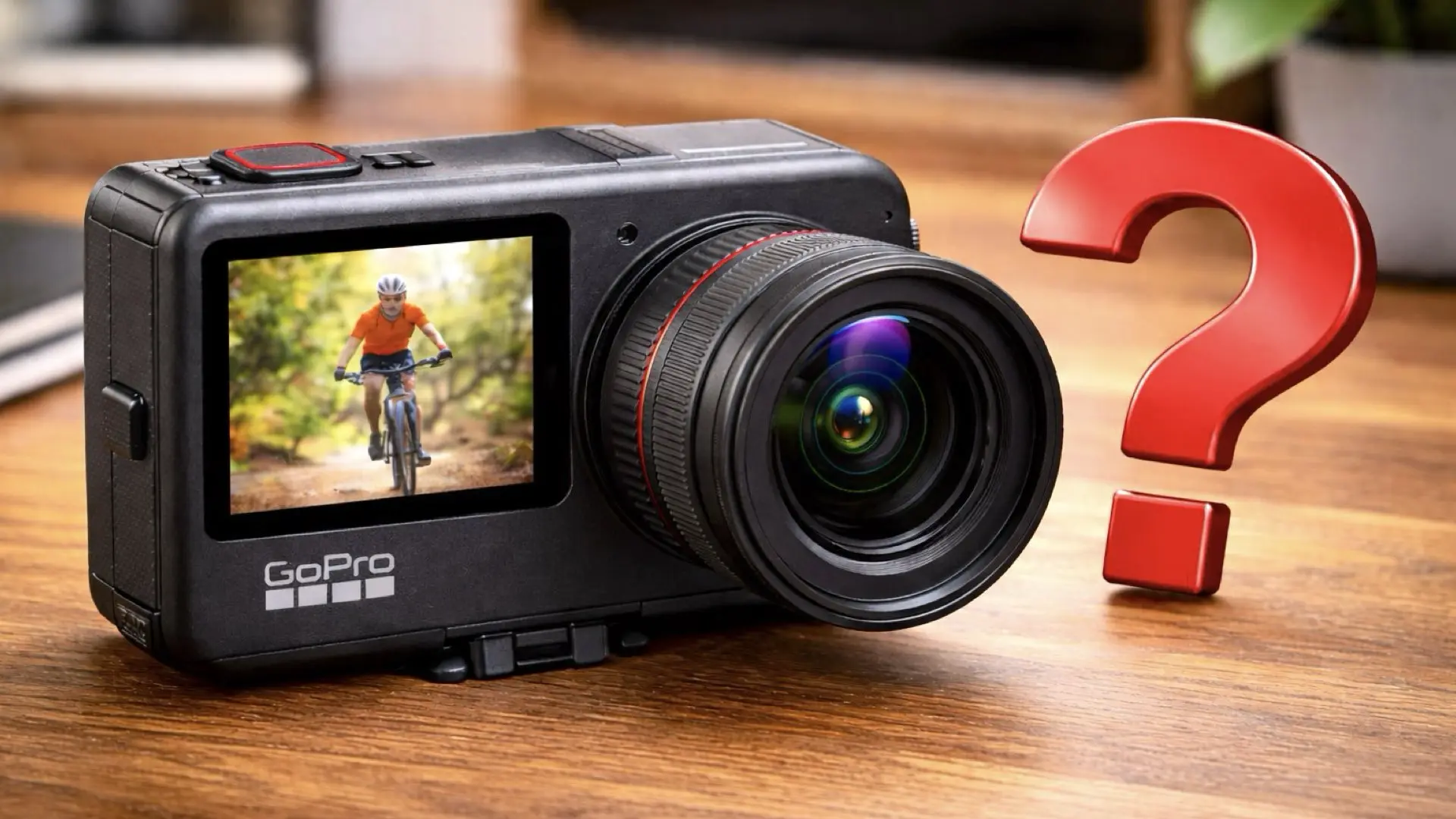
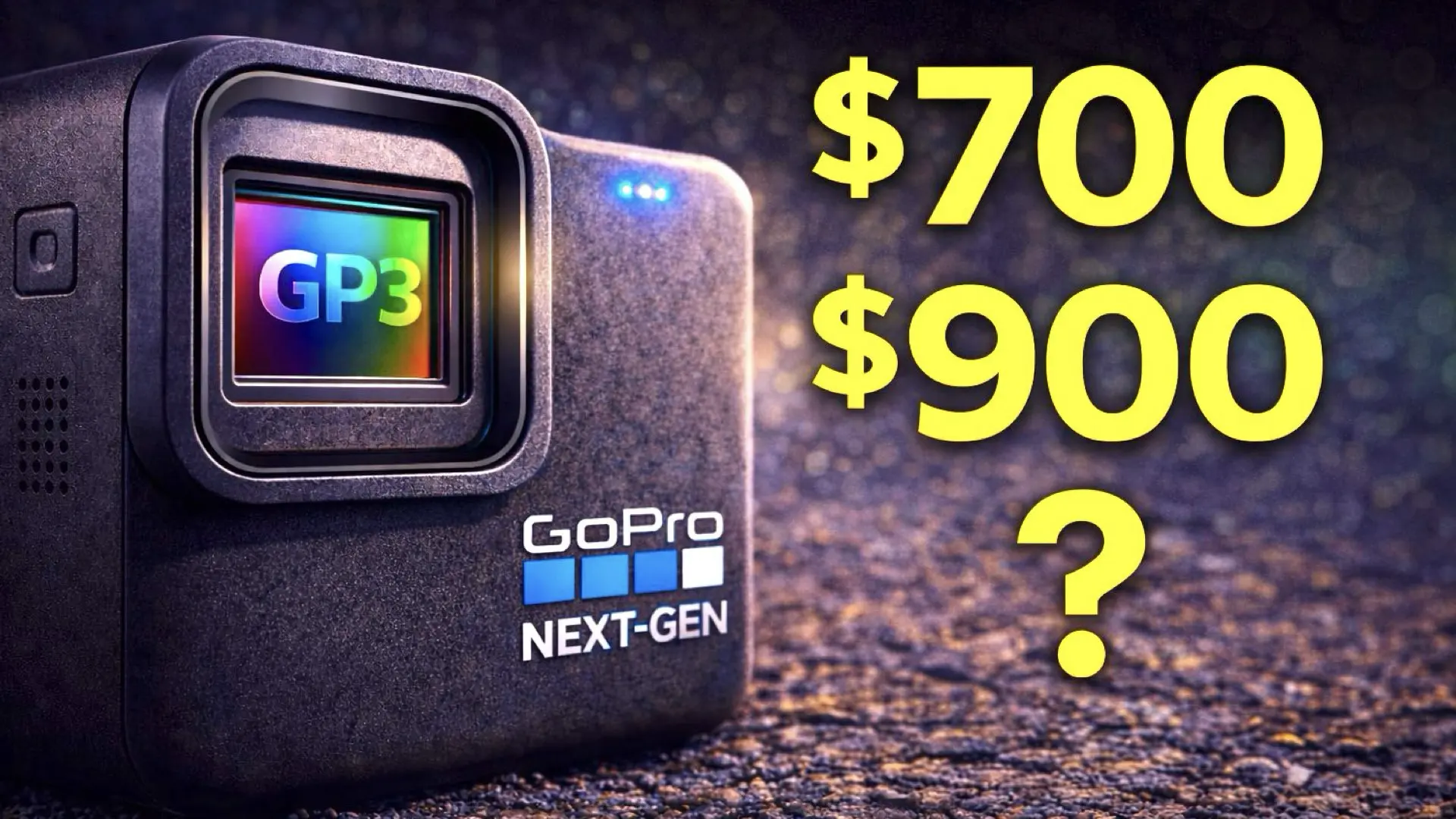
GoPro’s latest teasers are raising a bigger question than expected. This is no longer just about image quality. It is about direction. With confirmed larger sensors, a new processing pipeline, and positioning that leans toward professional use, the company appears to be preparing one of its most important product shifts in years. Some viewers are even asking whether this is GoPro’s version of a mirrorless camera. The footage looks different. Depth behaves differently. The image feels more controlled and deliberate. But the real story goes beyond that comparison.
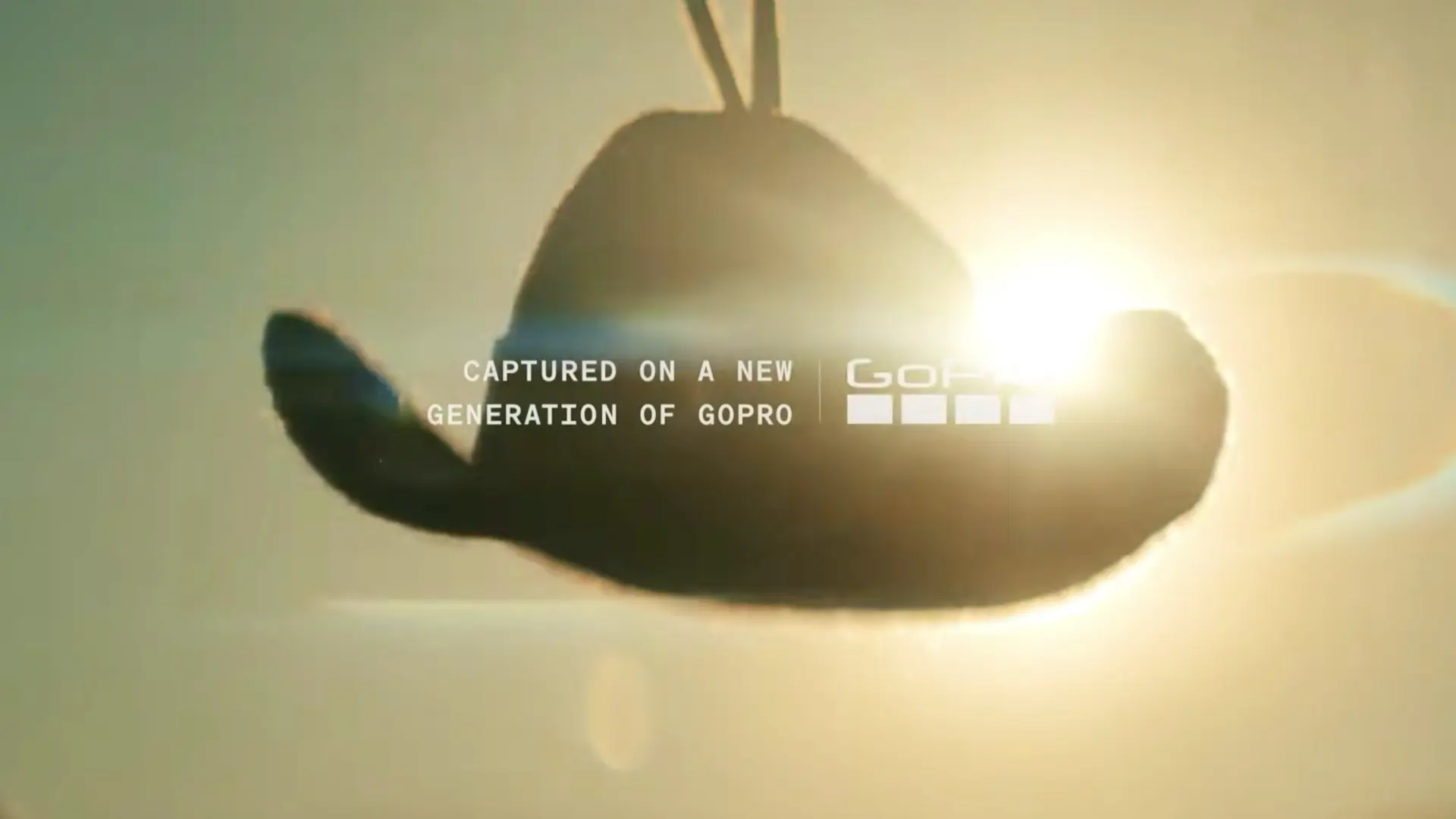
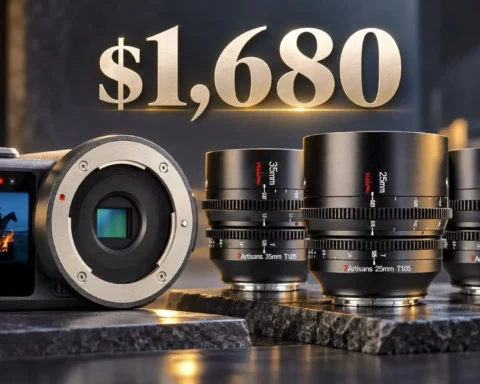
Despite those visual similarities, there are strong reasons to believe that GoPro is not building a true mirrorless system. A mirrorless camera requires an interchangeable lens mount. That immediately changes everything. The body becomes larger. Weather sealing becomes more complex. The ecosystem expands into lenses, adapters, and accessories. It is a completely different product category.
Why does this look like a mirrorless camera?
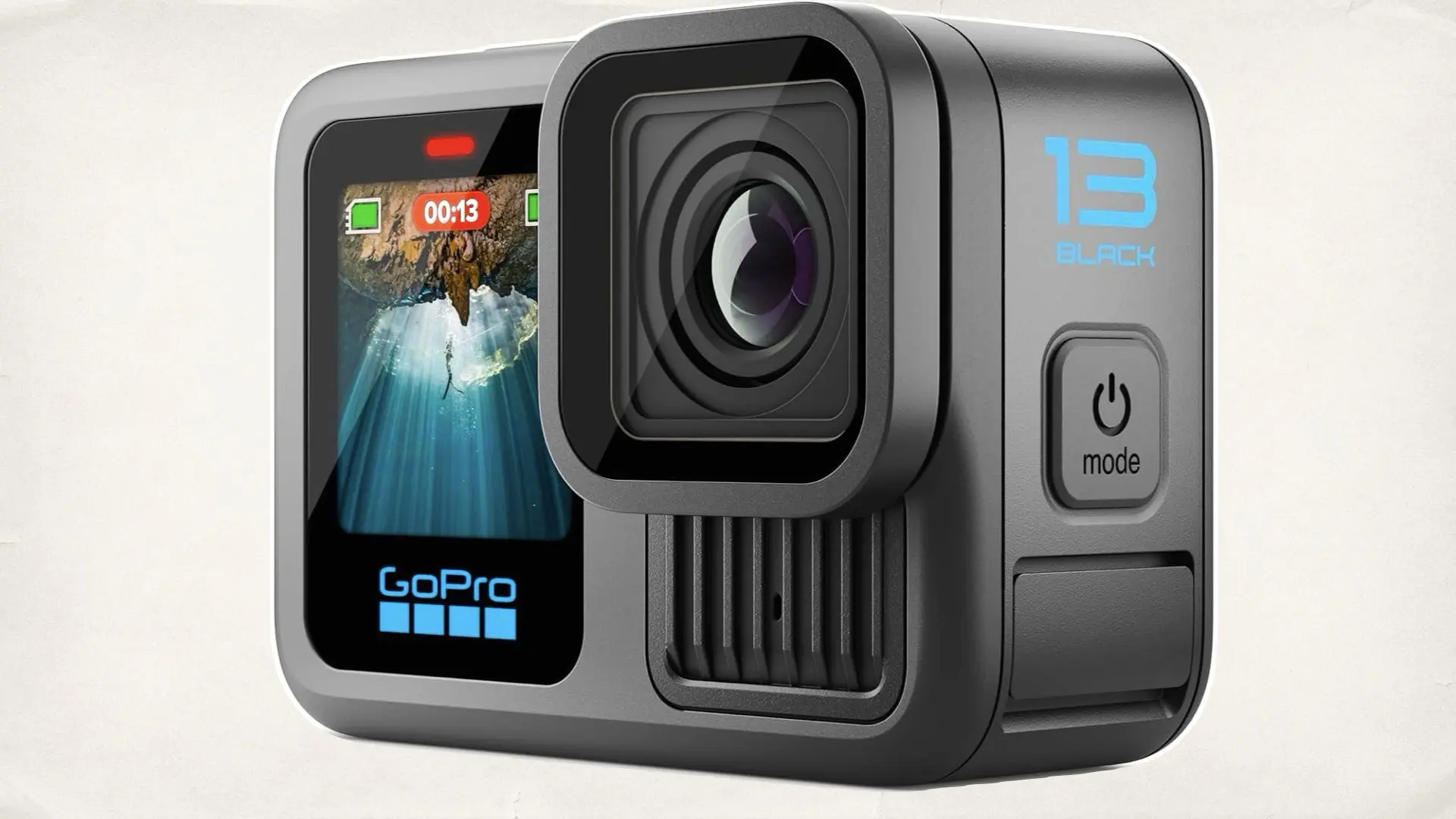
The confusion comes from visual language. Traditionally, GoPro footage is defined by deep focus, ultra-wide perspective, and high clarity across the entire frame. That is the signature of small sensors paired with fixed wide lenses. What we are seeing now breaks that pattern. Subjects are separating from backgrounds. Macro shots show controlled focus falloff. Backlit scenes maintain detail without harsh clipping. These are all characteristics associated with larger sensors and more advanced imaging pipelines. In other words, this is how mirrorless cameras behave. That is why the comparison emerges so naturally. The teaser footage feels closer to a Sony Alpha ($1,998 on Amazon) or a Canon R ($1,755.07 on Amazon) than to a typical HERO camera ($189 on Amazon).
Why is this not a mirrorless camera
Despite those visual similarities, there are strong reasons to believe that GoPro is not building a true mirrorless system. A mirrorless camera requires an interchangeable lens mount. That immediately changes everything. The body becomes larger. Weather sealing becomes more complex. The ecosystem expands into lenses, adapters, and accessories. It is a completely different product category. GoPro has built its identity around compactness, durability, and simplicity. Introducing a lens mount would break that model. It would also require entering a highly competitive market dominated by established players. There is no evidence in the teasers, messaging, or product hints that GoPro is taking that route.
What GoPro is likely doing instead
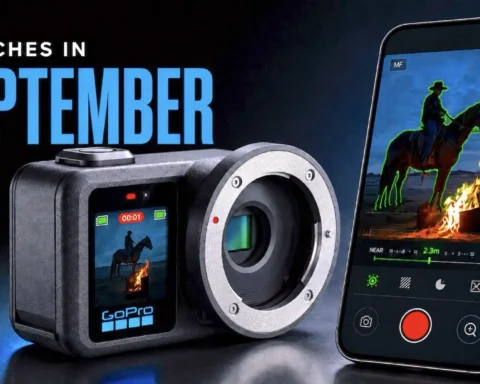
The more plausible direction is far more interesting. GoPro appears to be bringing mirrorless-style imaging into a fixed lens, compact form factor. This means a larger sensor paired with a carefully designed lens and supported by a new processing pipeline, likely driven by the GP3 chip. Instead of relying only on extreme wide angles and infinite depth of field, the camera can now shape the image more deliberately. That includes: more natural subject separationת improved low light performance, better dynamic range, and refined color and highlight behavior. In short, the camera behaves more like a creative tool than a capture device.
A new category is emerging
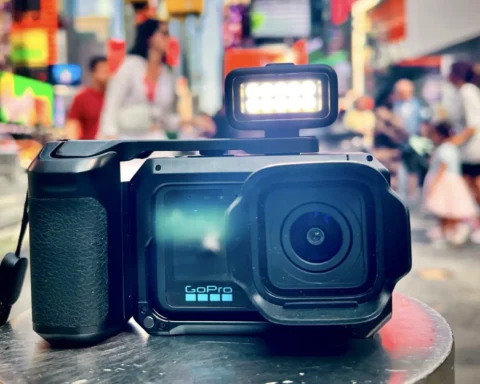
If this direction holds, GoPro is not entering the mirrorless market but is creating something in between. On one side, you have traditional action cameras. Small, durable, wide, and designed to capture everything without thinking too much about composition. On the other side, you have mirrorless systems. Larger, more complex, and built for deliberate image creation. GoPro’s next camera seems to sit between these two worlds. It keeps the portability and rugged design, while pushing image quality toward a more cinematic standard. This is closer to what we have seen with devices like the DJI Pocket series ($395 on Amazon) , but potentially with a stronger emphasis on durability and versatility.
Why this direction makes sense
The action camera market has matured. Improvements in stabilization and resolution are no longer enough to redefine the category. At the same time, creators are demanding more control over their images without carrying larger systems. This creates an opportunity. A compact camera that delivers higher quality imagery without the complexity of interchangeable lenses can appeal to both action users and content creators. GoPro is in a strong position to explore this space. It already has brand recognition, a massive accessory ecosystem, and deep experience in compact camera design.
Gear mentioned in this article
Available on Amazon
| Product | New | Renewed | Used |
|---|---|---|---|
| Sony a7 IV | $1,998 | — | From $1,789 |
| Canon EOS R series | $1,755.07 | — | From $989 |
| GoPro Hero | $189 | — | — |
| DJI Osmo Pocket | $395 | — | From $363.89 |
Prices checked: Oct 7, 2026, 1:30 PM GMT+0000
As an Amazon Associate, Y.M.Cinema earns from qualifying purchases. If you buy through our links, we may earn a small commission at no extra cost to you.
Product prices and availability are accurate as of the date/time indicated and are subject to change. Any price and availability information displayed on Amazon.com at the time of purchase will apply to the purchase of this product.
CERTAIN CONTENT THAT APPEARS ON THIS SITE COMES FROM AMAZON. THIS CONTENT IS PROVIDED “AS IS” AND IS SUBJECT TO CHANGE OR REMOVAL AT ANY TIME.