

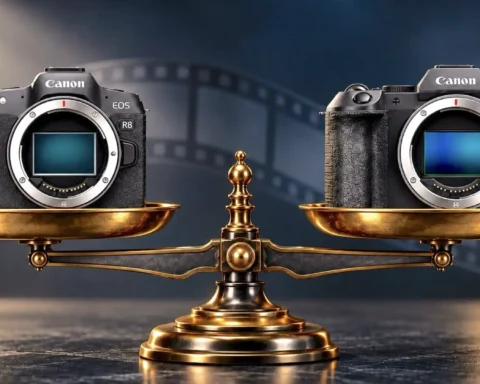
Rolling shutter artifacts can make or break a shot. The speed at which a camera reads data from its sensor defines how natural motion looks on screen. With the arrival of the Nikon ZR and the Canon C50, two fresh cinema tools that step into Sony’s well-guarded territory, it is time to ask: which of these cameras handles sensor readout the fastest in full frame 4K at 24 frames per second?

Why readout speed matters
Readout speed is measured in milliseconds. The lower the number, the less rolling shutter you will see. This means smoother pans, cleaner VFX plates, and better performance on LED walls. A faster scan reduces distortion in moving objects and flash banding. In other words, speed is critical for filmmakers who push their cameras in demanding environments.
The numbers that tell the story
When we line up the cameras at 4K, 24 frames per second, full sensor readout, here is how they perform:
-
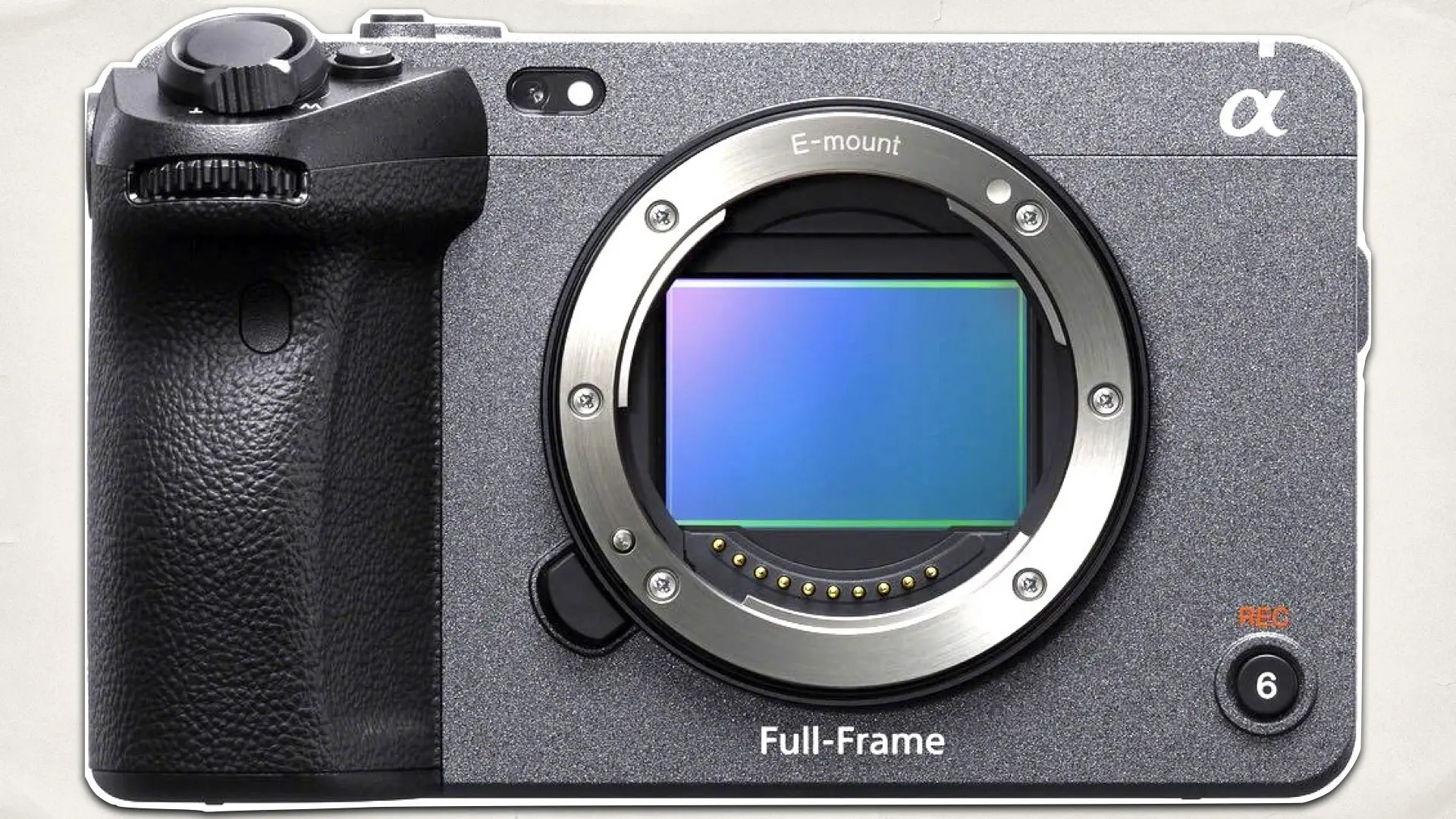
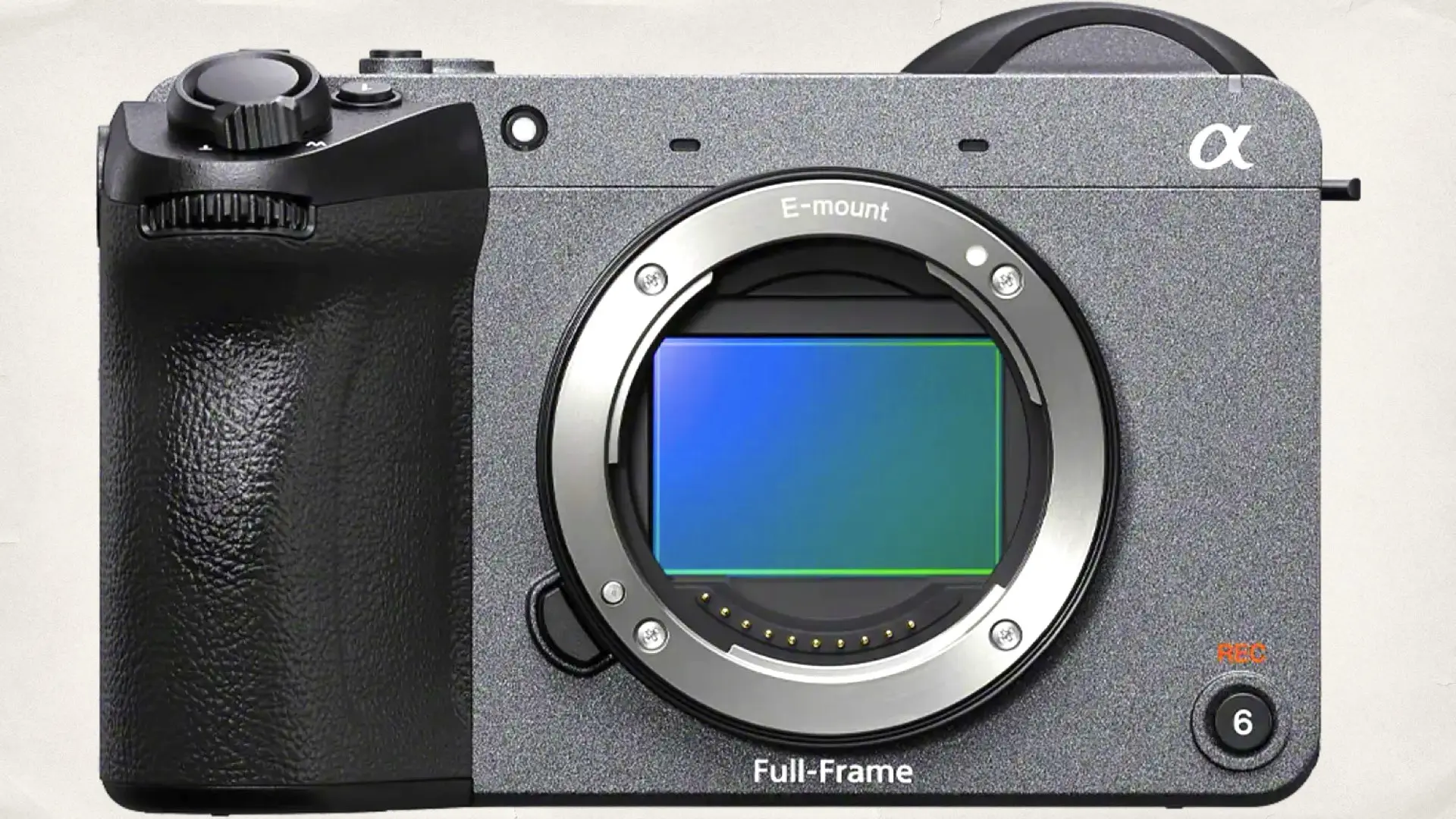
Sony FX3 ($4,298 on Amazon) : 8.8 ms
-
Nikon ZR: 9.44 ms
-
Canon C50: 14.2 ms
-
Sony FX2 ($2,698 on Amazon) : 27.7 ms
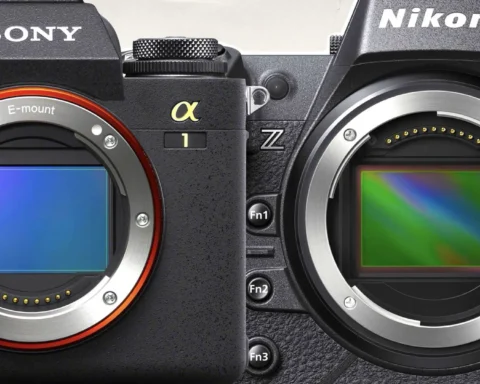
The Sony FX3 remains a benchmark with its lightning-fast 8.8 ms readout, already confirmed in tests that put it ahead of larger cinema systems like the BURANO, as discussed in CVP: Sony BURANO Has a Slower Readout Speed Than FX3. The Nikon ZR, unveiled recently in Nikon ZR RED R3D Cinema Camera, lands right behind it with 9.44 ms. This places Nikon firmly in professional territory. As we explored in Nikon New Sensor Faster Readout High Resolution, Nikon’s sensor technology is advancing rapidly, and the ZR’s near-FX3 performance confirms it. Canon’s new C50, presented in Canon Cinema EOS C50 Compact Indie Cinema Tool, scores 14.2 ms. That is a respectable result but clearly a tier below Nikon and Sony. For indie filmmakers and documentarians, the C50 still offers a strong balance of compact form factor and professional codec support, though motion skew will be more noticeable during quick pans. At the back of the pack sits the Sony FX2 with 27.7 ms. Our earlier piece Sony FX2 The Readout Speed Dilemma explored why this camera’s sensor design limits its speed, creating a significant gap compared to the FX3 and now the Nikon ZR. Check out the YMCinema chart below:

Initial insights
This conversation around readout speed is not isolated. Blackmagic recently highlighted its advances with the Pyxis 12K, as detailed in Blackmagic Reveals Readout Speed of Pyxis 12K Twice as Fast as the Original Half the Speed of the URSA Cine 12K LF. The industry as a whole is competing to bring sub-10 ms readout into more systems, because the difference is clearly visible to cinematographers. The Nikon ZR has made a remarkable entrance, slotting in just behind the Sony FX3 and beating the Canon C50 by a wide margin. This is an impressive achievement for Nikon’s first major push into RED-coded cinema territory. For filmmakers, the bottom line is simple. If you want the cleanest motion rendering today, the FX3 still rules. But Nikon has now proven it can play at the very top of the readout speed game, while Canon’s C50 delivers solid but not exceptional results.
As an Amazon Associate, Y.M.Cinema earns from qualifying purchases. If you purchase through the Amazon links above, Y.M.Cinema may earn a small commission at no additional cost to you. This helps support our work.


Gear mentioned in this article
Available on Amazon
| Product | New | Renewed | Used |
|---|---|---|---|
| Sony FX3 | $4,298 | — | — |
| Sony FX2 | $2,698 | — | From $2,075 |
Prices checked: Oct 23, 2026, 9:34 AM GMT+0000
As an Amazon Associate, Y.M.Cinema earns from qualifying purchases. If you buy through our links, we may earn a small commission at no extra cost to you.
Product prices and availability are accurate as of the date/time indicated and are subject to change. Any price and availability information displayed on Amazon.com at the time of purchase will apply to the purchase of this product.
CERTAIN CONTENT THAT APPEARS ON THIS SITE COMES FROM AMAZON. THIS CONTENT IS PROVIDED “AS IS” AND IS SUBJECT TO CHANGE OR REMOVAL AT ANY TIME.






Better readout speed than all the cameras in this article Fuji X-H2S. Released in 2022 and processing at 14bit using Flog2 C. Why does nobody talk about this camera?