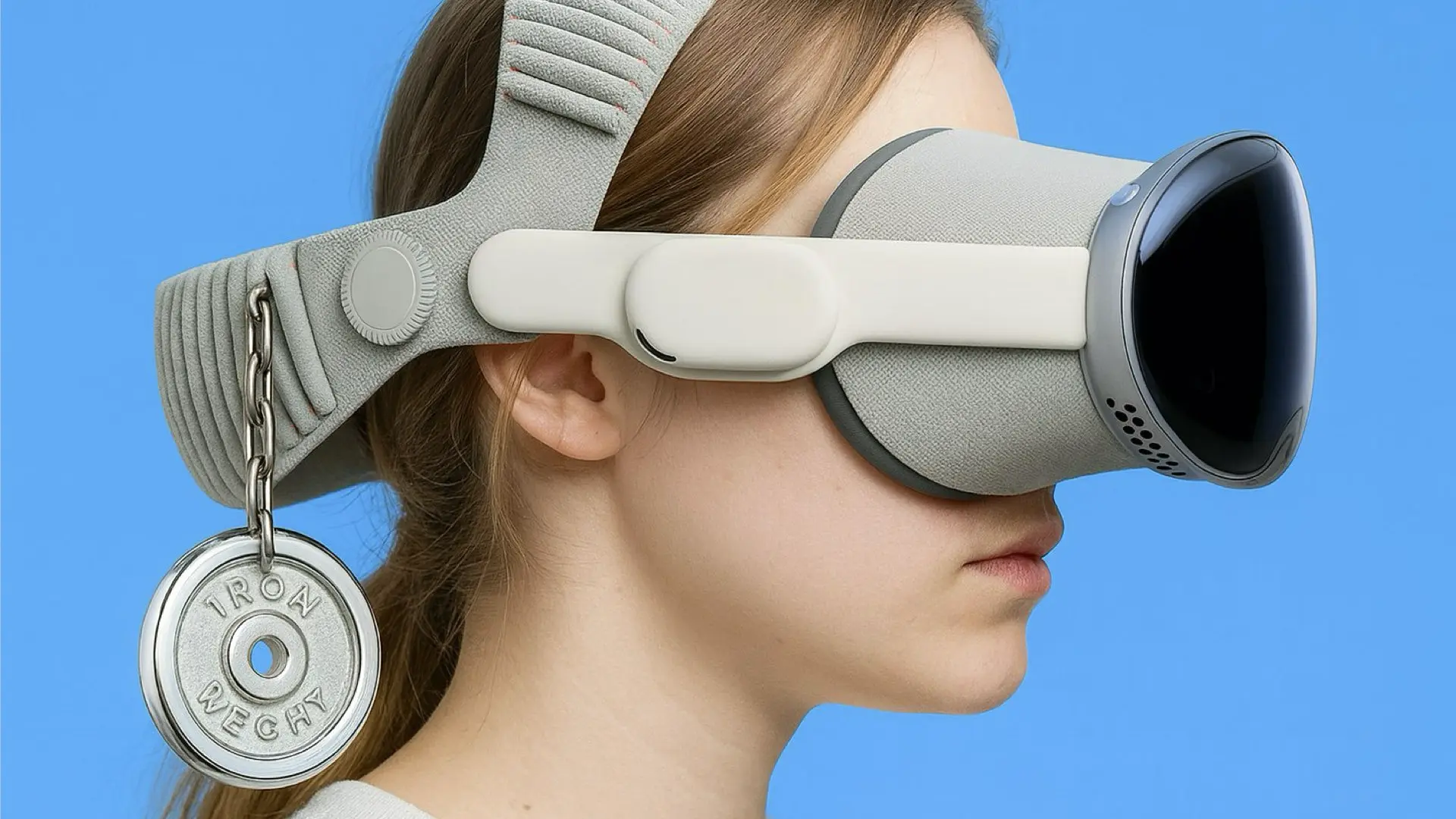
Apple’s latest Vision Pro M5 isn’t just smarter…! It’s heavier. About 150 grams heavier, to be exact. And that small number has sparked big conversations. From tech circles to everyday users, everyone suddenly feels that extra weight… right on their face. Let’s unpack why Apple’s decision to add some grams may actually make sense, and how it’s being received with equal parts humor and curiosity.
A slightly heavier reality
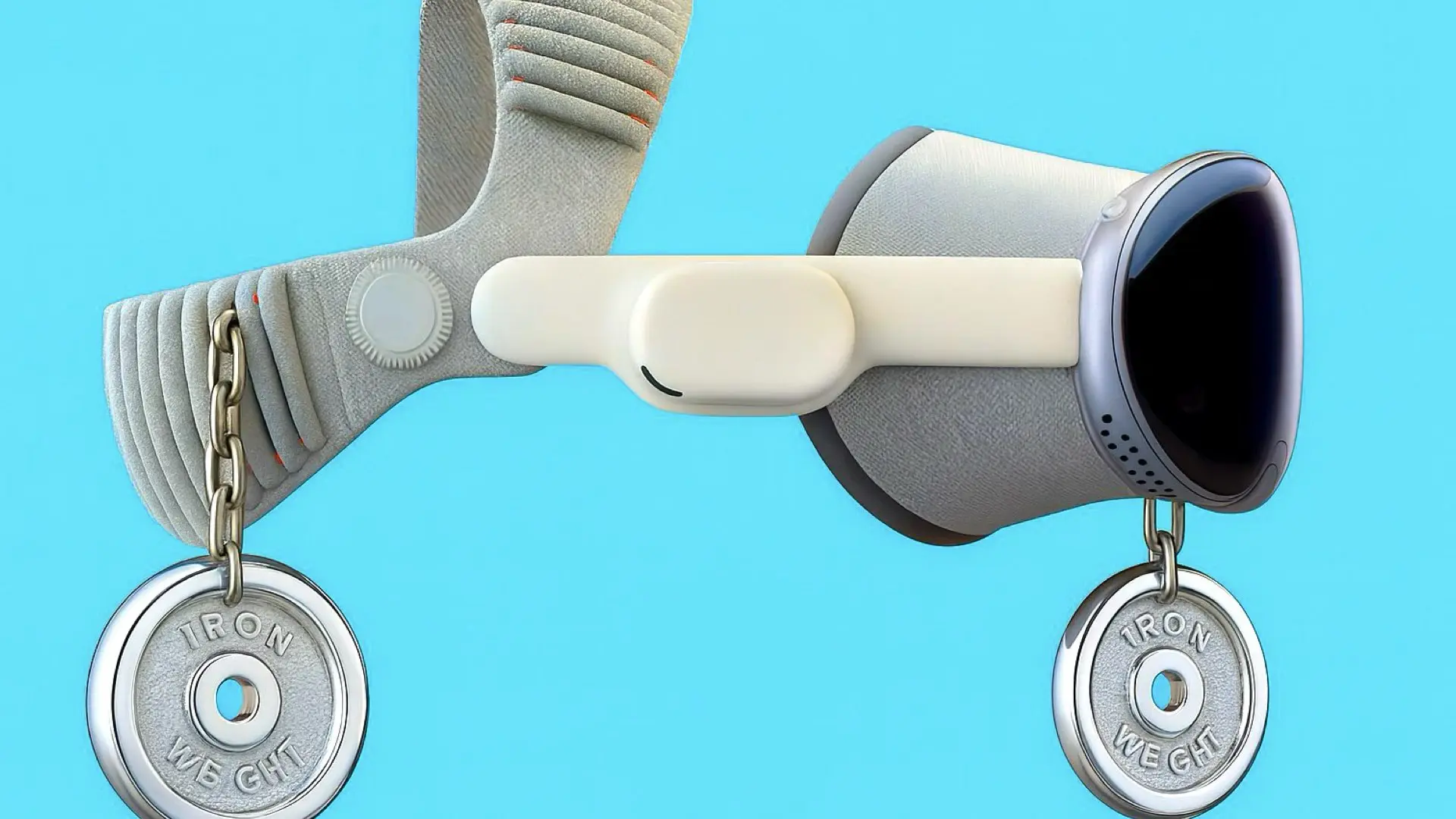
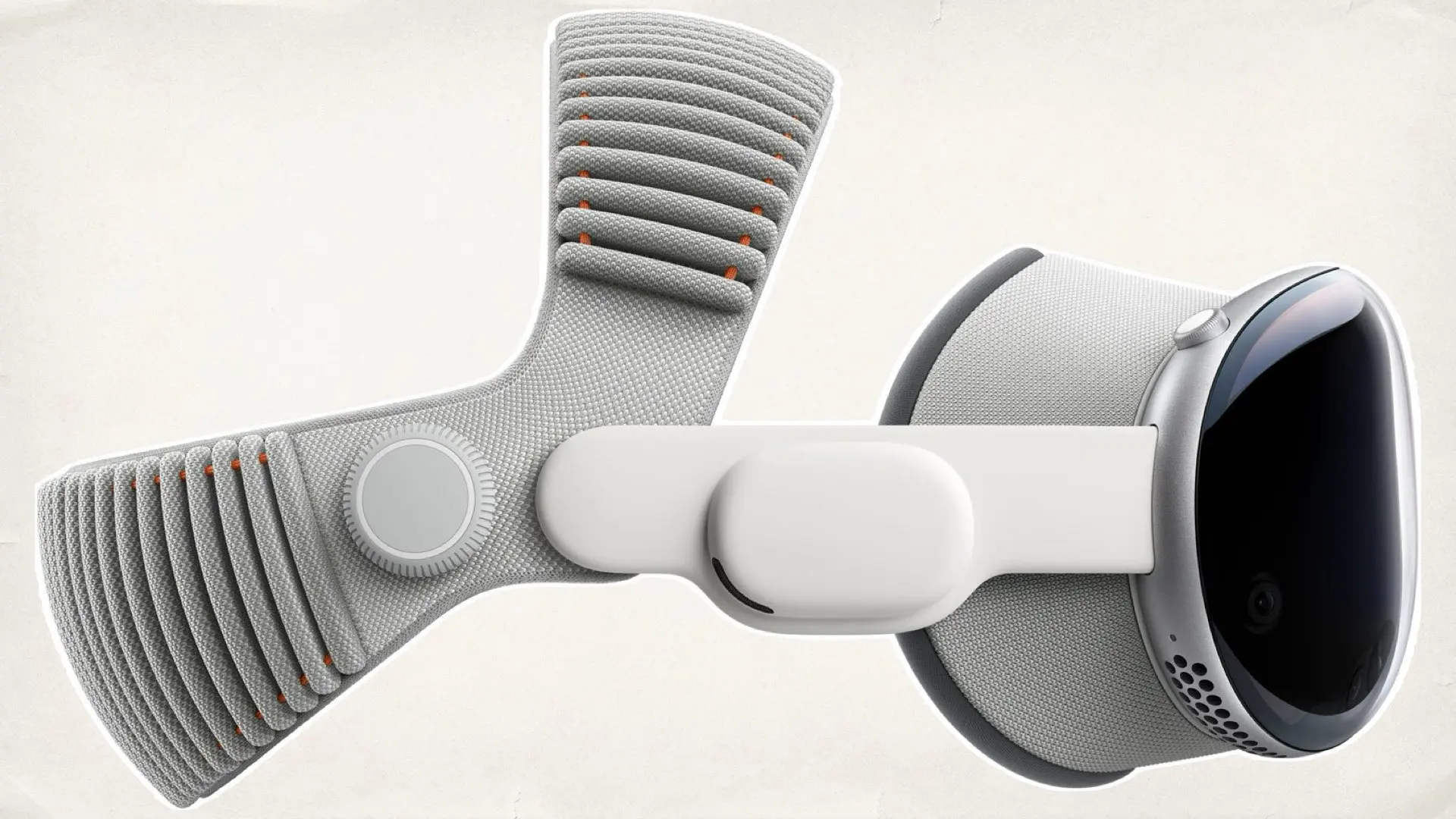
The new Vision Pro M5 reportedly weighs around 800 grams, compared to roughly 650 grams for the M2 model. On paper, that’s a modest difference. On your head, though, it’s the equivalent of balancing an extra half an iPhone up there. Some users are already joking that Apple just “upgraded neck day” for everyone. But context matters. The M5 model includes a more powerful chip, refined thermal management, and a sturdier frame designed to stabilize its dual-4K micro-OLED displays. The result? A heavier but more capable headset that promises smoother performance, less throttling, and improved comfort over time.
When 150 grams feels like a statement
There’s something poetic about Apple’s confidence here. While most tech companies fight to shave every gram, Apple deliberately went in the other direction. And people noticed. The reactions range from playful disbelief (“so this is the Vision Pro Max Max”) to genuine intrigue about whether Apple’s engineers decided comfort and durability matter more than bragging rights on a spec sheet. Yet Apple appears to have anticipated the backlash. The updated dual-knit headband distributes weight more evenly across the skull, aiming to make the headset feel lighter than it technically is. So, yes! It weighs more, but it’s also designed to sit more naturally. In Apple’s world, even physics can be reimagined through fabric engineering.
Ironically, the Vision Pro’s weight debate feels almost like an Apple ritual. From the “bendgate” era to the “keyboard wars,” every new chapter brings something tangible to laugh about, discuss, and ultimately accept. Apple knows this rhythm well. The jokes trend, the memes flow, and a few months later, everyone adjusts. Then Apple releases a lighter version, and the cycle begins again.
A familiar challenge for cinema lovers
At Y.M.Cinema, we’ve been tracking the Vision Pro saga closely. In Why Apple’s Vision Pro Failed: The Struggle of Immersive 3D Cinema to Capture the Public and Why Apple Has Failed With the Vision Pro, we explored how comfort and usability remain crucial to audience adoption. Likewise, in Can the Apple Vision Pro Be Utilized in Moviemaking, we discussed how weight and endurance can make or break its use for long creative sessions. Add 150 grams, and that debate becomes even more cinematic, literally a heavier performance. Even Researchers Warn Against Apple Vision Pro: May Cause Health and Cognitive Implications and Apple’s Most Loyal Customers Are Returning Their Vision Pro Mainly Due to Eyestrain and Headache remind us that ergonomics and immersion are inseparable. The extra grams make comfort innovation more important than ever.
More Power, More Metal, More Intent
Why the increase? Likely reasons include:
-
A denser cooling chamber to handle the new M5 chip’s higher thermal output.
-
Improved display architecture, with micro-lens refinements that reduce glare.
-
Reinforced internal shell for structural stability.
-
Added sensors and haptics for better environmental awareness and precision.
These changes are physical, meaning they must live somewhere in the headset’s volume. Apple simply decided that the gains justify the grams.
The paradox of progress
Ironically, the Vision Pro’s weight debate feels almost like an Apple ritual. From the “bendgate” era to the “keyboard wars,” every new chapter brings something tangible to laugh about, discuss, and ultimately accept. Apple knows this rhythm well. The jokes trend, the memes flow, and a few months later, everyone adjusts. Then Apple releases a lighter version, and the cycle begins again. Think of this as part of the design conversation between Cupertino and the world: a cheeky back-and-forth measured not in specs, but in grams of ambition.
Final thought
So yes, the Vision Pro M5 is heavier, but maybe that’s the price of progress. Apple isn’t just asking users to carry extra grams (!?): BUT it’s asking them to carry forward a new phase of immersive computing. Whether those 150 grams feel like a burden or a badge of innovation depends entirely on what you do with them. And perhaps that’s the point: every ounce of technology adds up to a vision worth wearing.