Canon is not launching a new cinema camera at CES 2026. Instead, it is doing something arguably more revealing. It is publicly demonstrating a sensor concept that shows how the company thinks imaging will evolve over the next decade. At CES 2026, Canon is presenting its high dynamic range SPAD sensor technology. This sensor is Canon’s time-gated SPAD sensor which is based on the architecture Canon disclosed in 2024 IEEE Symposium on VLSI Technology & Circuits. For filmmakers, this matters. Not because this sensor will appear in a Cinema EOS camera anytime soon, but because it reveals where Canon believes the limits of image capture are headed.
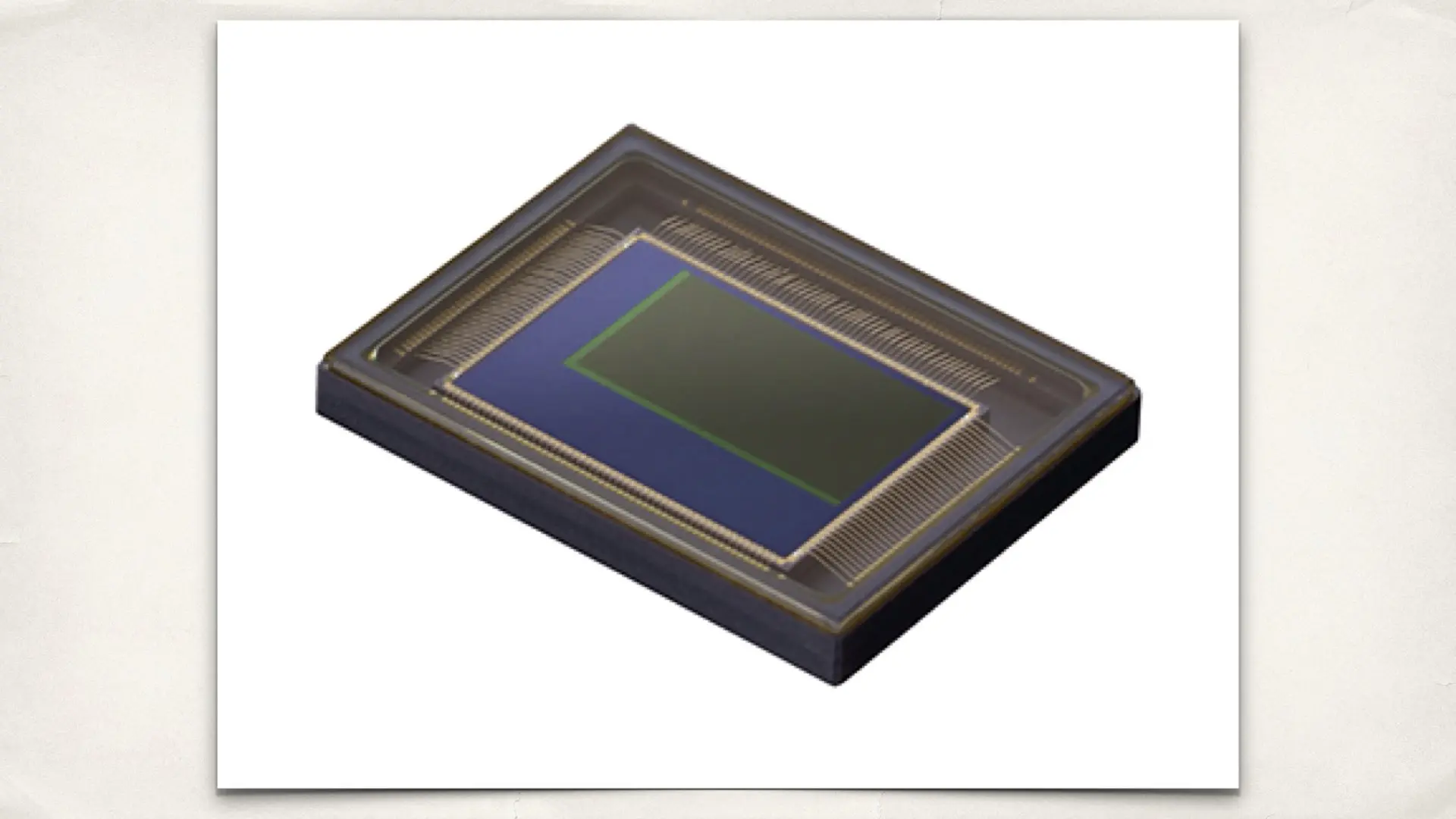
This is not a cinema camera announcement, But:
Let’s be clear from the start. Canon is not introducing a new camera, sensor for cinema, or anything that directly replaces existing CMOS image sensors used in filmmaking. What Canon is showing at CES is a technology demonstration, not a product roadmap for filmmakers. The sensor on display is a SPAD sensor, short for Single Photon Avalanche Diode. This type of sensor operates on fundamentally different principles than conventional CMOS sensors used in digital cinema cameras. That distinction is essential, because without it, the numbers can easily be misunderstood.
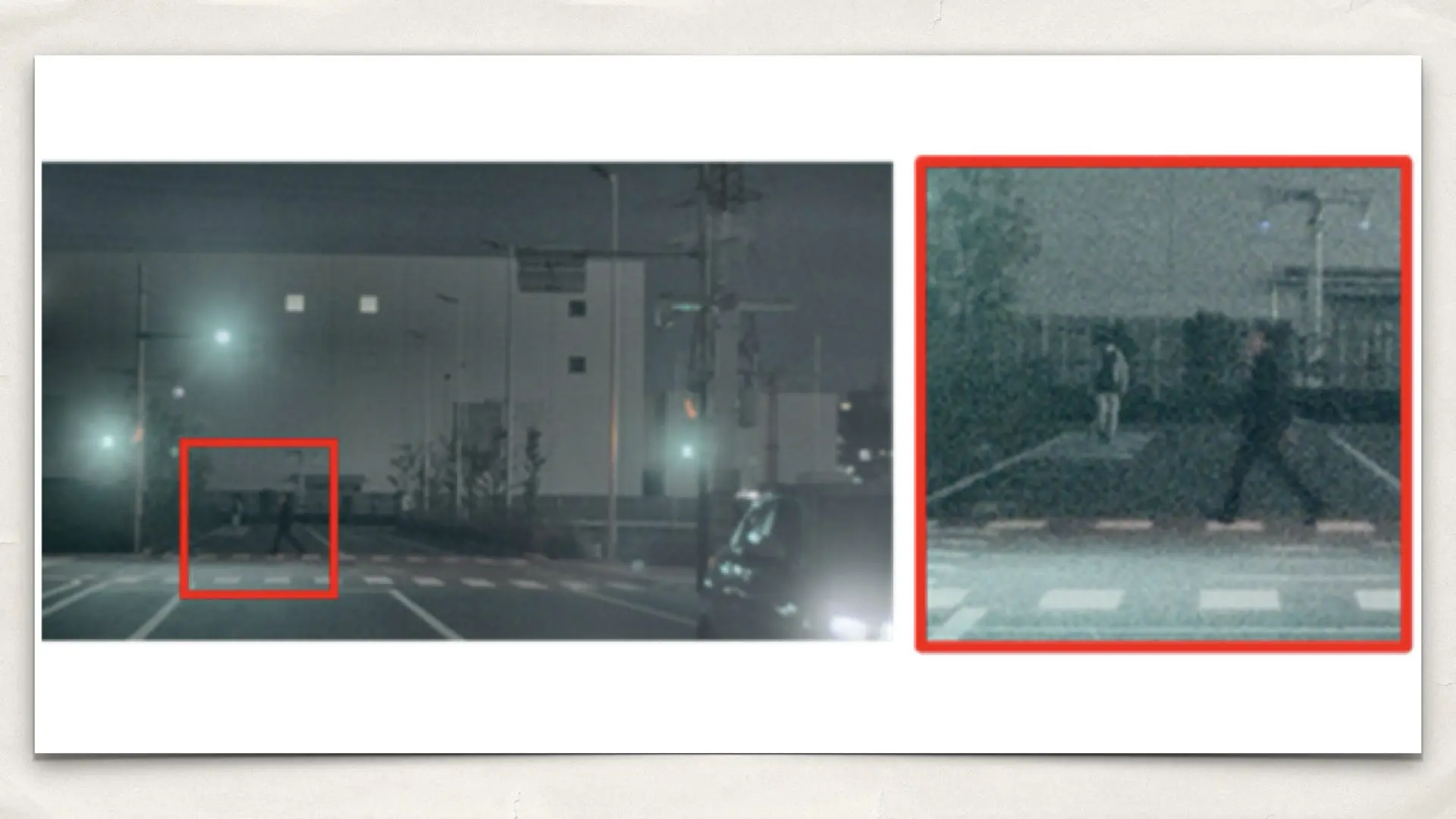
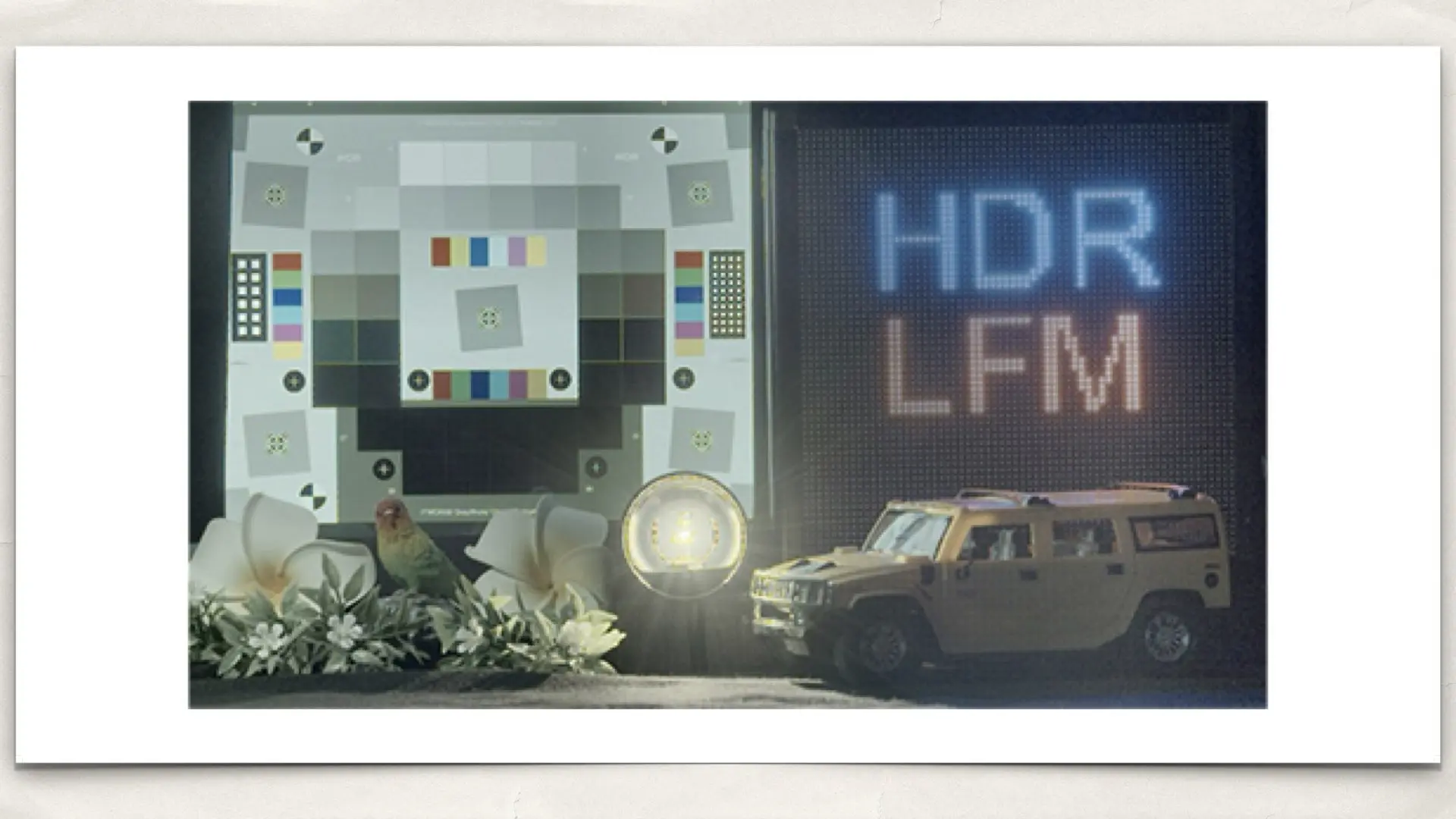
(Footage taken with 25 mm focal length and f/1.4 aperture). Source: Canon
What Canon ss actually showing at CES 2026
Canon’s CES presentation combines its SPAD sensor with advanced image processing software to demonstrate imaging in conditions that are traditionally problematic for cameras.
These include:
-
Extremely high contrast scenes.
-
Near total darkness alongside intense point light sources.
-
Fast moving subjects under flickering LED illumination.
The sensor itself is a 2/3 inch SPAD sensor with approximately 2.1 megapixels, capable of achieving a quoted 156 dB of dynamic range. Converted into photographic terms, that figure equals roughly 26 stops of dynamic range. On paper, that number is extraordinary. In practice, it needs context.
Why 156 dB does not mean 26 stops of cinema DR
Dynamic range in cinema cameras is measured very differently from dynamic range in SPAD sensors.
Traditional cinema sensors rely on:
-
Full well capacity.
-
Analog gain stages.
-
Noise floor behavior.
-
Color response across exposure values.
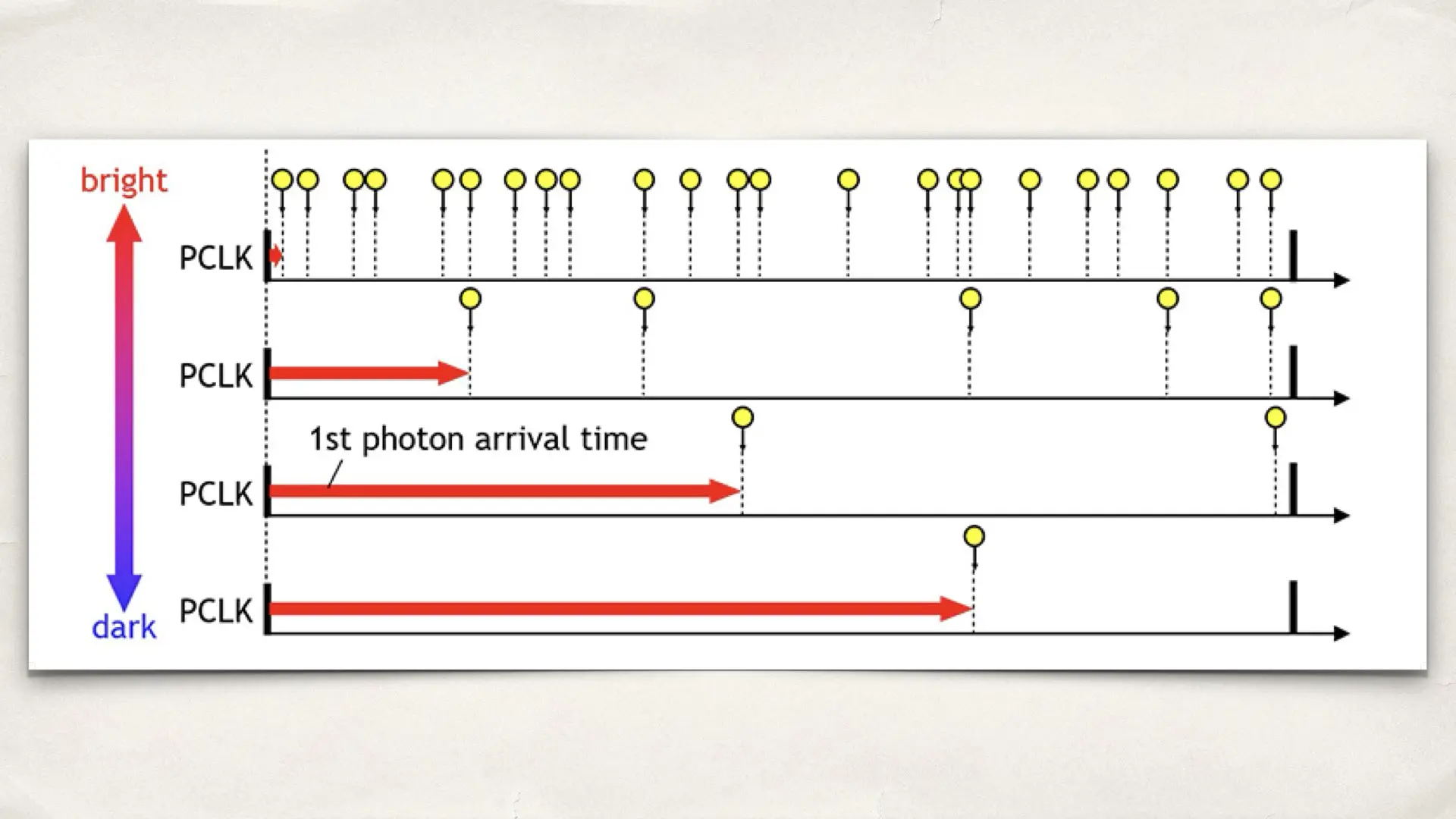
SPAD sensors, by contrast, operate through photon counting and photon timing. Canon’s approach does not count every photon individually. Instead, it uses a technique called weighted photon counting, where the arrival time of the first detected photon is used to statistically estimate light intensity. This allows the sensor to handle scenes with extreme brightness differences without clipping highlights or losing shadow detail. The result is a massive engineering dynamic range figure, but it is not directly comparable to the usable dynamic range filmmakers see on a waveform monitor. In short, 26 stops here does not replace 15 stops in an ARRI ALEXA. These numbers describe different imaging philosophies.
Canon’s recent sensor innovation
Canon’s CES SPAD demonstration is the latest in a series of imaging technology developments that YMCinema has been tracking. These past stories provide context on how Canon’s sensor thinking is evolving:
Canon Patent Could Accelerate Sensor Readout and FPS
This article explored a Canon patent aimed at speeding up sensor readout by allowing independent control of row and column data paths. Faster readout translates to:
-
Higher continuous frame rates.
-
Reduced rolling shutter distortion.
-
Better performance on high-action scenes.
This technology points toward Canon’s interest in solving timing and motion artifacts at the sensor level, which aligns with the goals of the SPAD demonstration — capturing fast motion without compromise.
Canon Pixel Patents for Large Format Sensor
Here we looked at Canon’s patent filings related to pixel structures for large format sensors. Those patents focus on:
-
Larger pixel designs.
-
Improved light gathering per pixel.
-
Better noise performance.
Large pixels remain essential for cinematic image quality. While SPAD sensors operate on different principles, the underlying theme across both efforts is maximizing usable information from light, whether through size, structure, or advanced detection methods.
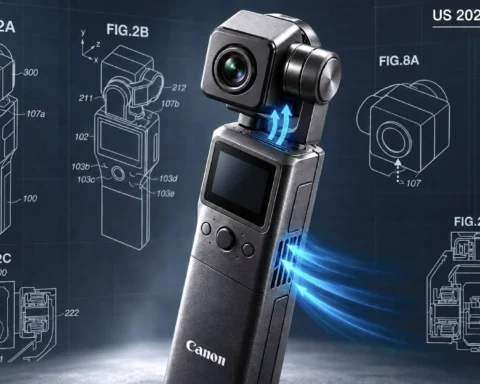
Canon Cinema Smartphone Patent Revealed
This article details a Canon patent for a modular cinema smartphone system with dedicated imaging hardware. The significance here was:
-
Canon thinking beyond traditional camera bodies.
-
Experimenting with integrated imaging + processing architectures.
-
Computational imaging playing a bigger role.
The smartphone patent shows Canon is not only innovating in sensor design but also in how sensors interface with processing systems: a theme echoed by the SPAD technology showcased at CES.
Together, these articles chart a broader Canon strategy:
-
Improving raw sensor performance.
-
Addressing motion, noise, and readout constraints.
-
Merging hardware with advanced computational imaging.

Why Canon is showing this at CES
CES is not a camera trade show. It is a technology show. Canon’s choice to present this sensor at CES, rather than at a cinema or photography event, tells us a great deal about its intended audience. This technology is aimed primarily at:
-
Automotive imaging and advanced driver assistance systems.
-
Machine vision.
-
Scientific and industrial imaging.
-
Low light, high speed environments where flicker and contrast are critical issues.
However, Canon understands that cinema and computational imaging are increasingly interconnected. LED volume stages, virtual production, HDR displays, and real time compositing all sit at the intersection of these worlds. CES is where Canon can demonstrate imaging capability without product expectations. For filmmakers, the relevance of this sensor is indirect but meaningful.
This technology shows how Canon is thinking about:
-
Handling LED flicker at the sensor level.
-
Capturing detail in scenes that exceed traditional dynamic range limits.
-
Combining sensor hardware with computational imaging rather than relying purely on optics and analog electronics.
These ideas may not arrive in cinema cameras as SPAD sensors, but they can influence:
-
Hybrid sensor designs.
-
Computational HDR pipelines.
-
Future approaches to highlight preservation and shadow reconstruction.
Canon is effectively signaling that the future of imaging will not rely on sensor physics alone. It is important to resist the temptation to turn this into a rumor about future Canon cinema cameras. There is no indication that SPAD sensors are close to replacing CMOS sensors in filmmaking. Resolution, color fidelity, rolling shutter behavior, and power efficiency all remain major challenges for SPAD sensors in cinema use. But Canon’s CES demonstration does something else. It reframes the conversation around what “dynamic range” could mean in the future, especially as computational imaging continues to mature.
Final takeaway
Canon’s CES 2026 presentation is not about a new camera but about redefining how light can be measured. For our readers, this is valuable not because it changes what you shoot with tomorrow, but because it reveals how one of the world’s most important imaging companies is thinking beyond the limits of today’s sensors. This is future imaging, shown without hype and without promises. That alone makes it worth paying attention to. So if you are attending this year’s CES, it’s worth visiting Canon’s booth for this.