
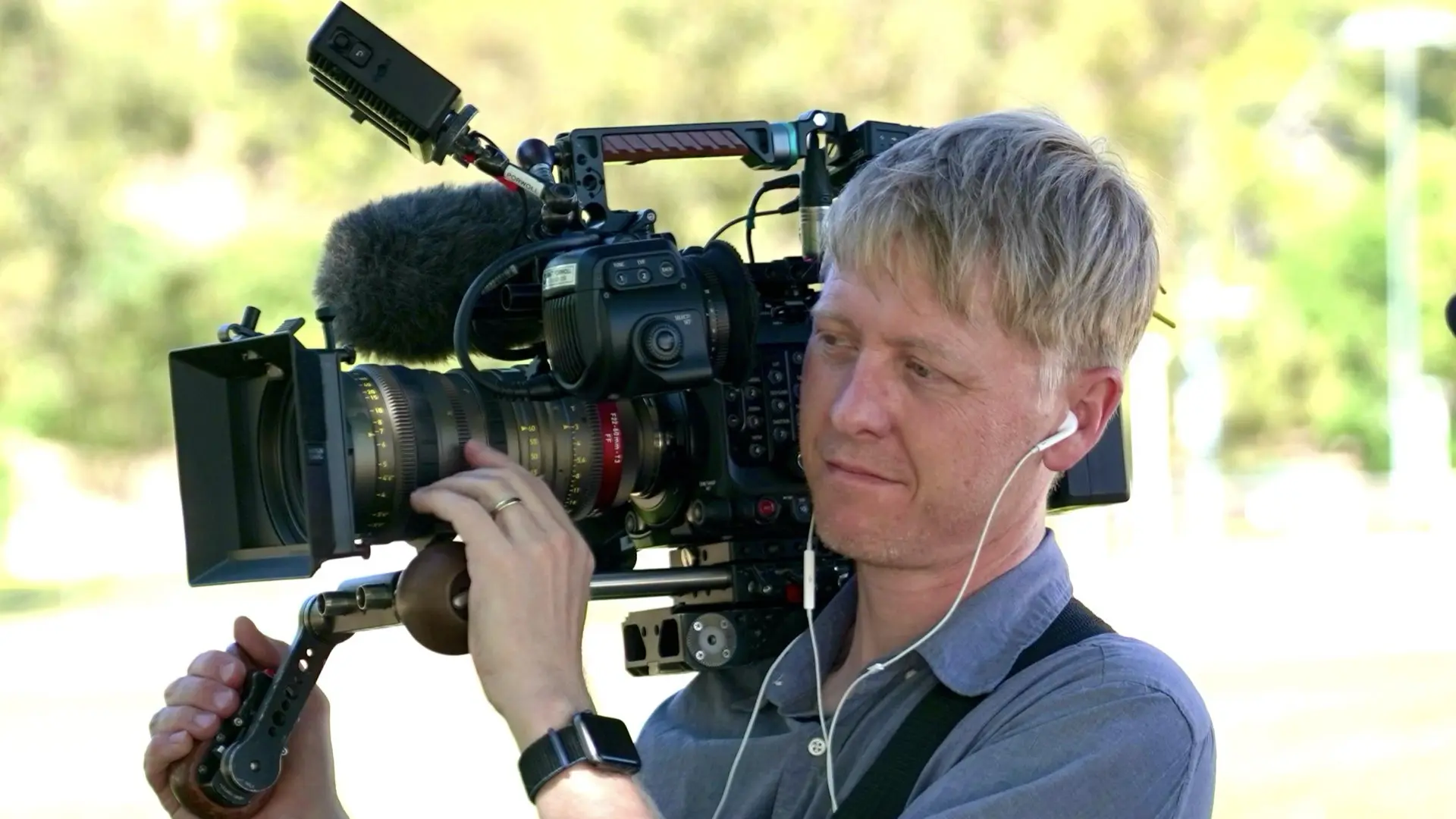
In All the Empty Rooms, cinematographer Matt Porwoll treated camera gear as a quiet extension of the filmmaking process rather than a visual statement. In this email interview with YMCinema, Porwoll explains why the Canon C500 Mark II and Canon C70 were central to capturing deeply personal spaces with minimal intrusion, paired primarily with Angenieux EZ zoom lenses and selective long lens work. Shot in DCI 4K Super 35 using Canon RAW ST and Canon Log 2, this setup emphasized ergonomics, color fidelity, and reliability in emotionally demanding environments. The conversation focuses on how specific camera and lens choices can support sensitive documentary storytelling while remaining virtually invisible to the moment.
Developing the visual language of the film
Q: What initially drew you to the visual language of All the Empty Rooms and how did you begin shaping the film’s overall look?
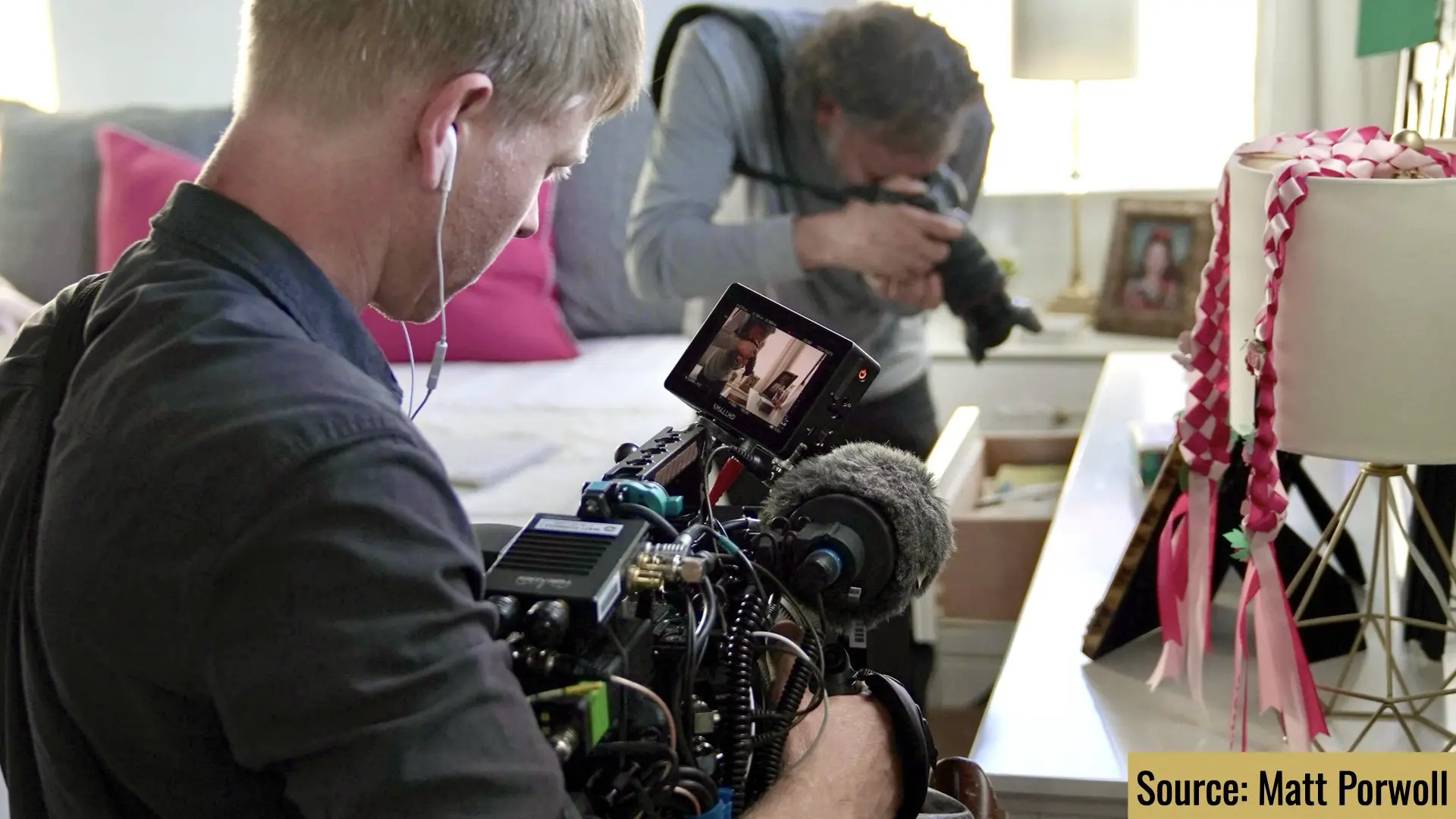
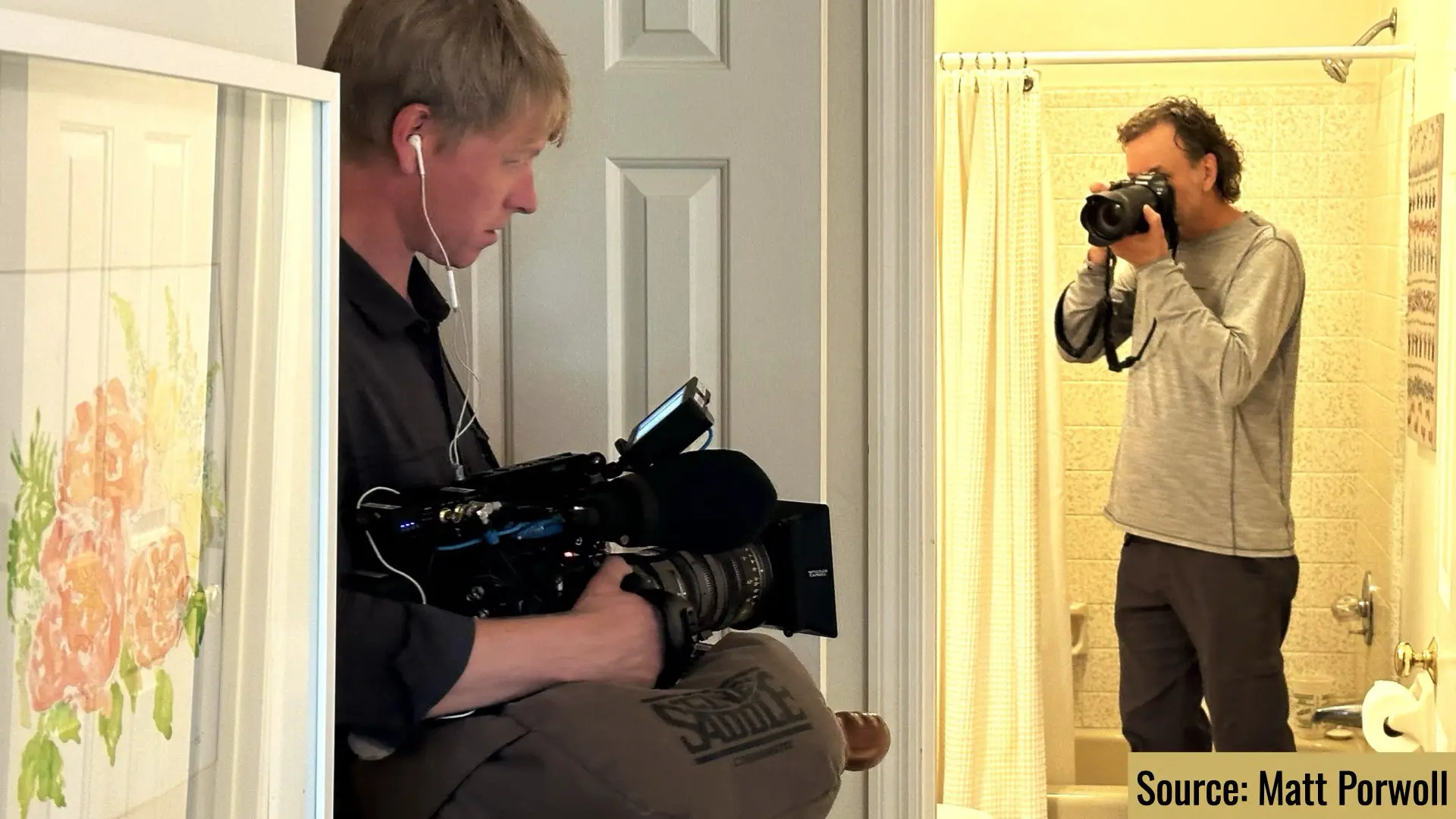
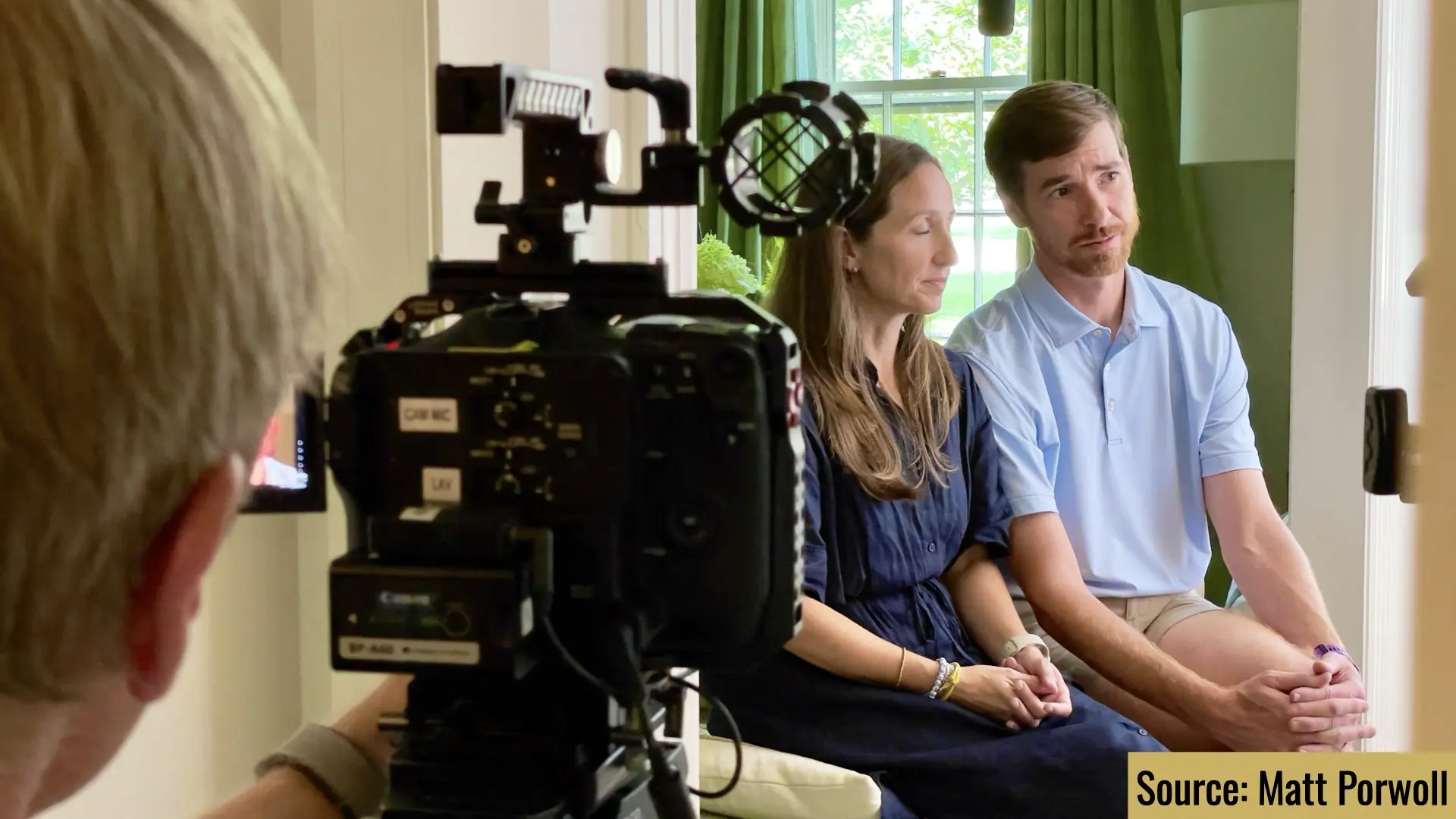
A: The story of All the Empty Rooms immediately struck me, both in its extreme tragedy, but also in its unique attempt for change and empathy. We knew going into this film that the families’ trust was of the utmost importance, so we settled on a low footprint verite-style approach that would accurately reflect the process of documenting such a story with minimal disturbance. In Steve Hartman’s letters to the families asking for their participation in the photography project (well before our film entered the picture), he says the photographer will enter the rooms without touching or moving anything, setting up lights or tripods. Nothing about the room will be disturbed in the process. So I knew we had to adhere to the same rules. Moving through the room with just Lou Bopp, the photographer, and myself was the only way we would do it. This approach helped dictate the visual language for the rest of the film.
Choosing Canon cameras for a sensitive documentary
Q: You chose to shoot on Canon for this documentary: What specific Canon camera bodies and lenses did you use, and why were they the right tools for this project?
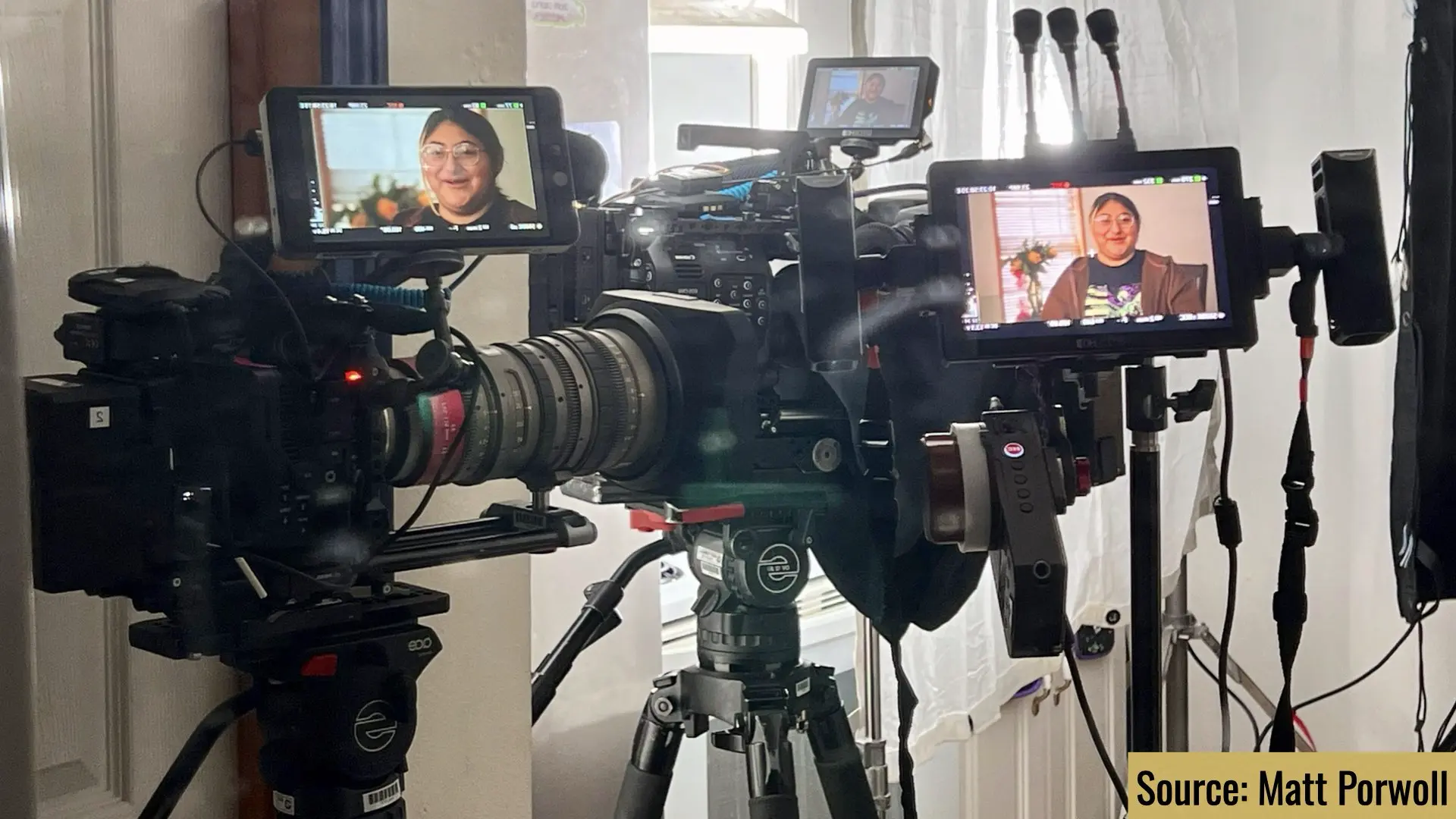
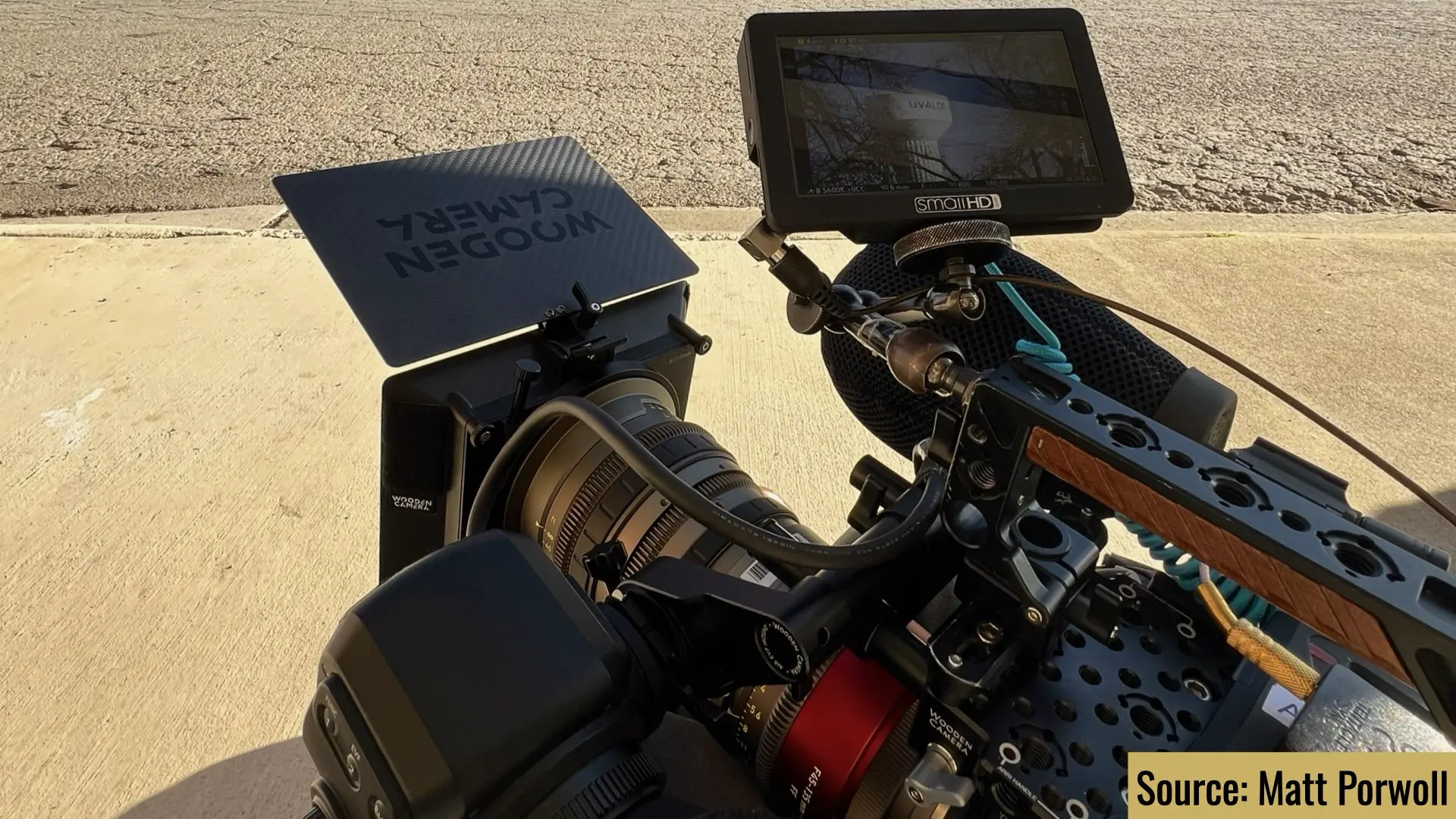
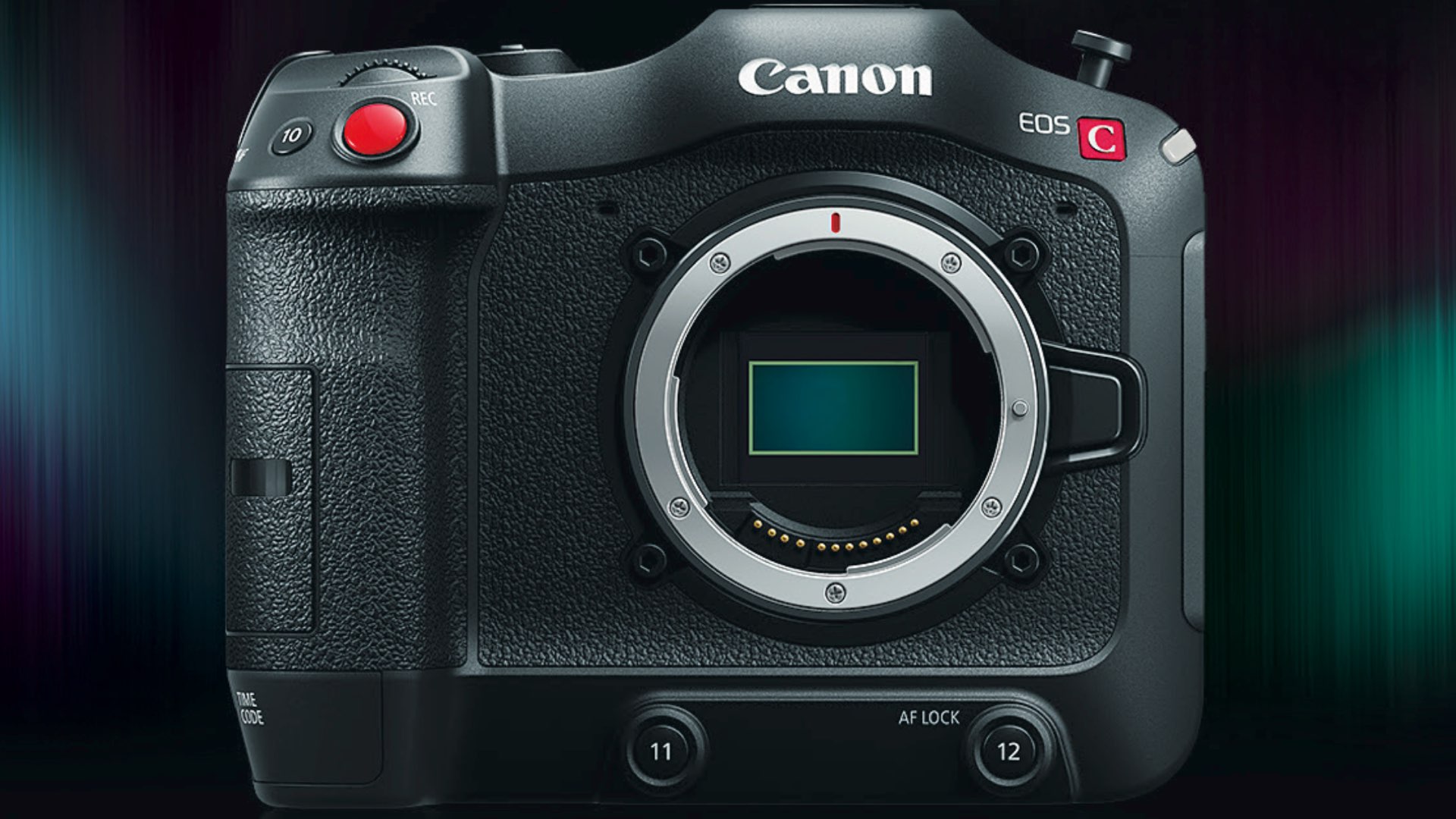
A: Anytime I am working on a film with such extreme sensitivity, I always choose Canon cameras. Their size, ergonomics and specs keep me focused on the storytelling and not fiddling with where a menu item is or digging to make subtle adjustments. The camera just becomes an extension of my body. For All the Empty Rooms, I used the Canon C500mkii, as well as the Canon C70. My primary lenses were the Angenieux EZ zooms, with the addition of the Canon 70-200mm f/2.8 ($1,549.99 on Amazon) for long lens framing. We filmed the film in DCI 4K super35 in Canon RAW ST. The recording codec gave us the best blend of 12-bit RAW material for the color grade with a recording time that allowed us to go all day without worrying about media.
Canon color science and sensor characteristics
Q: What qualities in Canon’s color science or sensor characteristics helped you capture the intimate, restrained mood of the spaces?
A: With this film, we were not going for anything dramatic with the color grade, but instead leaning in to the natural colors of the rooms. We wanted to let people feel what’s its really like being there. I have always been in love with the Canon color science. There is a subtle warmth to the image that always reflects skin tones well. Pairing this with Canon Log 2 – my log choice 99.9% of the time – and RAW ST, we had all the room we needed to work with the image in the color grade. Nothing ever falls apart when using this combination.
Testing other camera systems
Q: Did you test alternative setups or brands before deciding? If so, what ultimately made the Canon system the best match?
A: I am a big proponent of testing before committing to a camera or lens for a project, but because I have worked in verite filmmaking with Canon cameras long enough, I knew right out of the gate that this one would be on the Canon C500mkii. While camera specs are certainly important – and this camera is certainly not lacking in this department – ergonomics is the greater importance for me. If I am fighting the camera to do what I need it to do when I need it, or fighting a poorly-balanced camera on my shoulder, no camera spec will be able to compensate for not getting the shot.
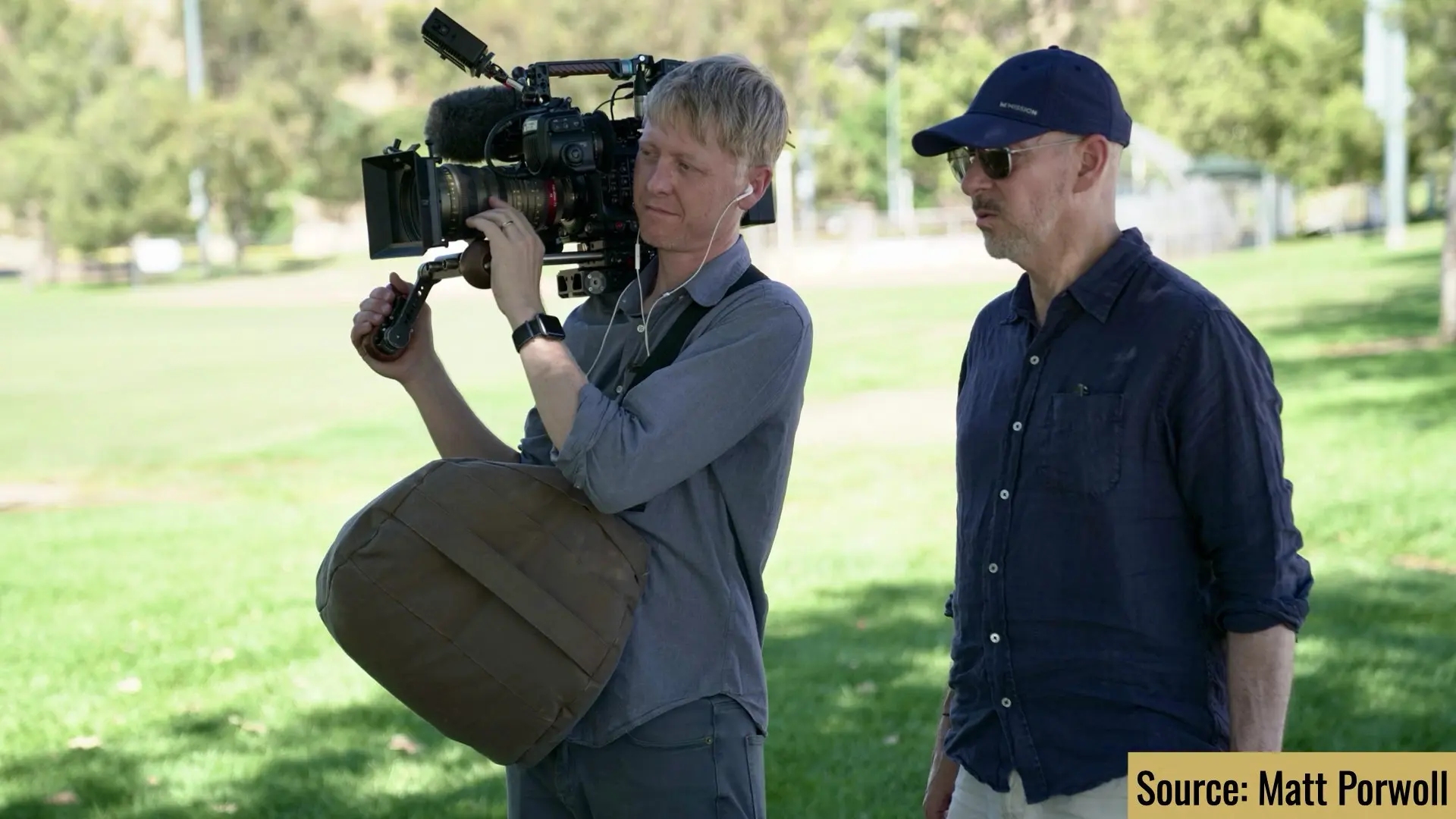
Lens choices and emotional proximity
Q: Were there specific lenses (focal lengths, primes vs zooms) that became essential for communicating absence, silence, or emotional proximity?
A: In the beginning, we discussed using primes for the project, but as we talked more about maintaining a small footprint and not distracting or interrupting the flow of the day, we settled on using zooms. I didn’t have to worry about changing lenses in the middle of an important moment or having additional crew members to support this approach. With a zoom, I was able to cover an entire scene (or day) on one lens, keeping us focused on the storytelling.
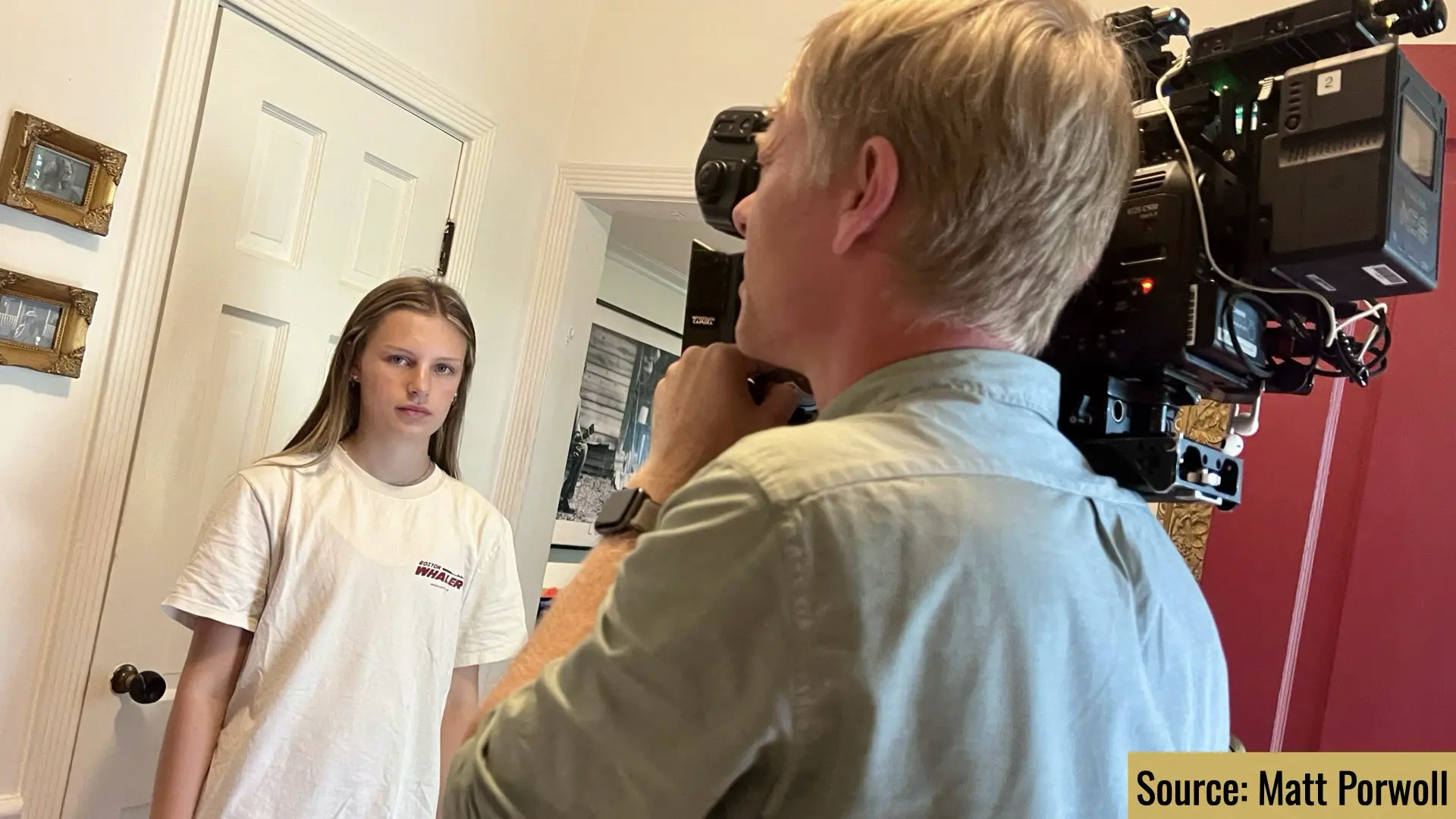
Camera support and movement choices
Q: What decisions went into your choice of camera support: handheld, tripod, slider, monopod, or gimbal?
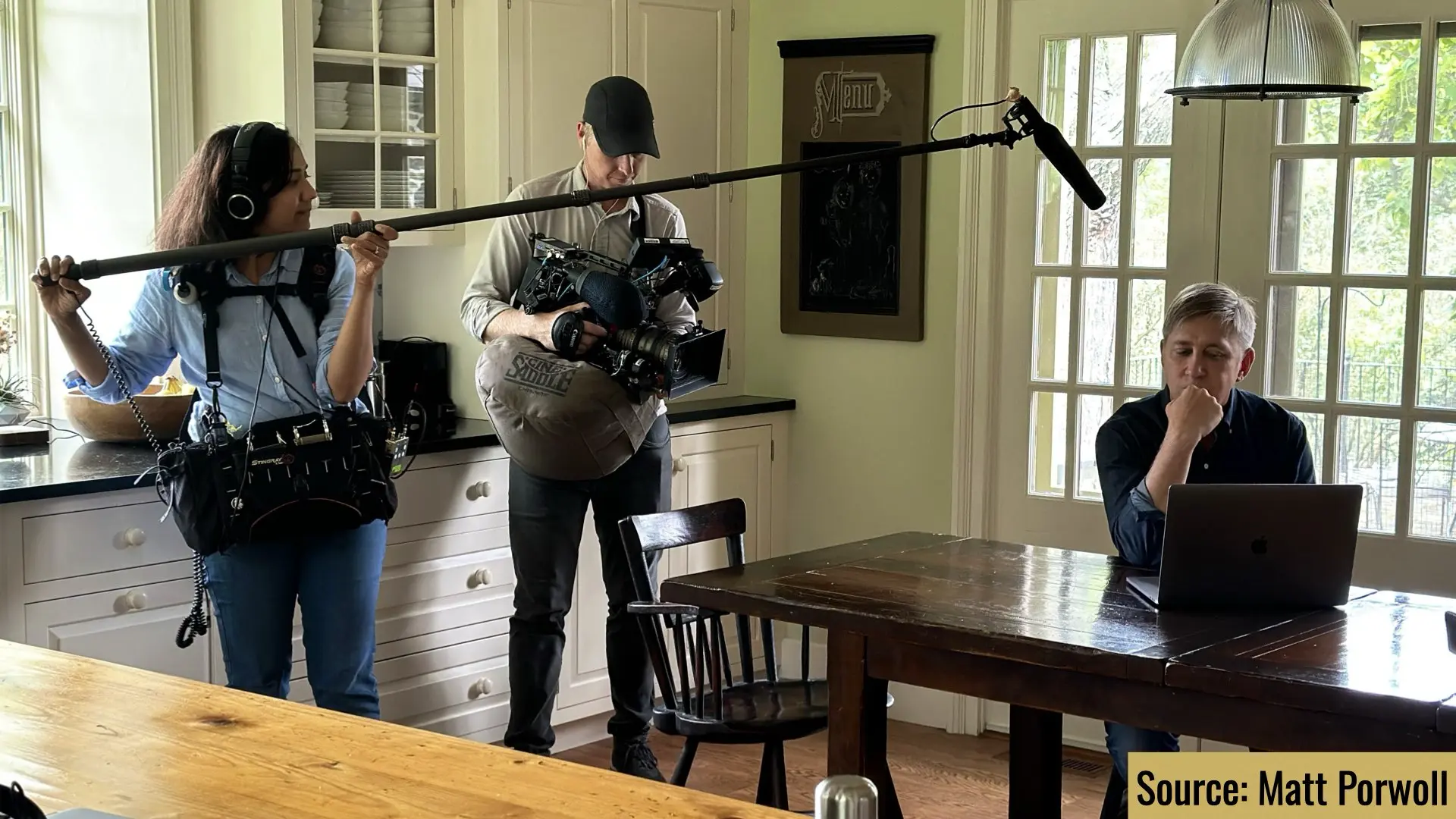
A: This is a film about using still photography to bring the audience into the story. A still frame captures a moment in a way a moving image can’t. It allows the audience to hone in on a moment caught in time, a moment we won’t ever get back. The process to capture these images though, is about looking, listening and learning. We wanted to juxtapose the quiet, contemplative still images with in-the-moment movement that illustrates the process of taking them. Handheld was the best way to do this, feeling the search and reacting to a found moment. Using a gimbal or slider in these moments would have, I feel, detracted from the process of finding. We never wanted the film to feel designed. Handheld also felt right logistically. We didn’t want to risk disrupting the moment with a glitch in the support or needing extra hands to “set up” a frame. This film is about discovery and we wanted to be as prepared for that as possible.
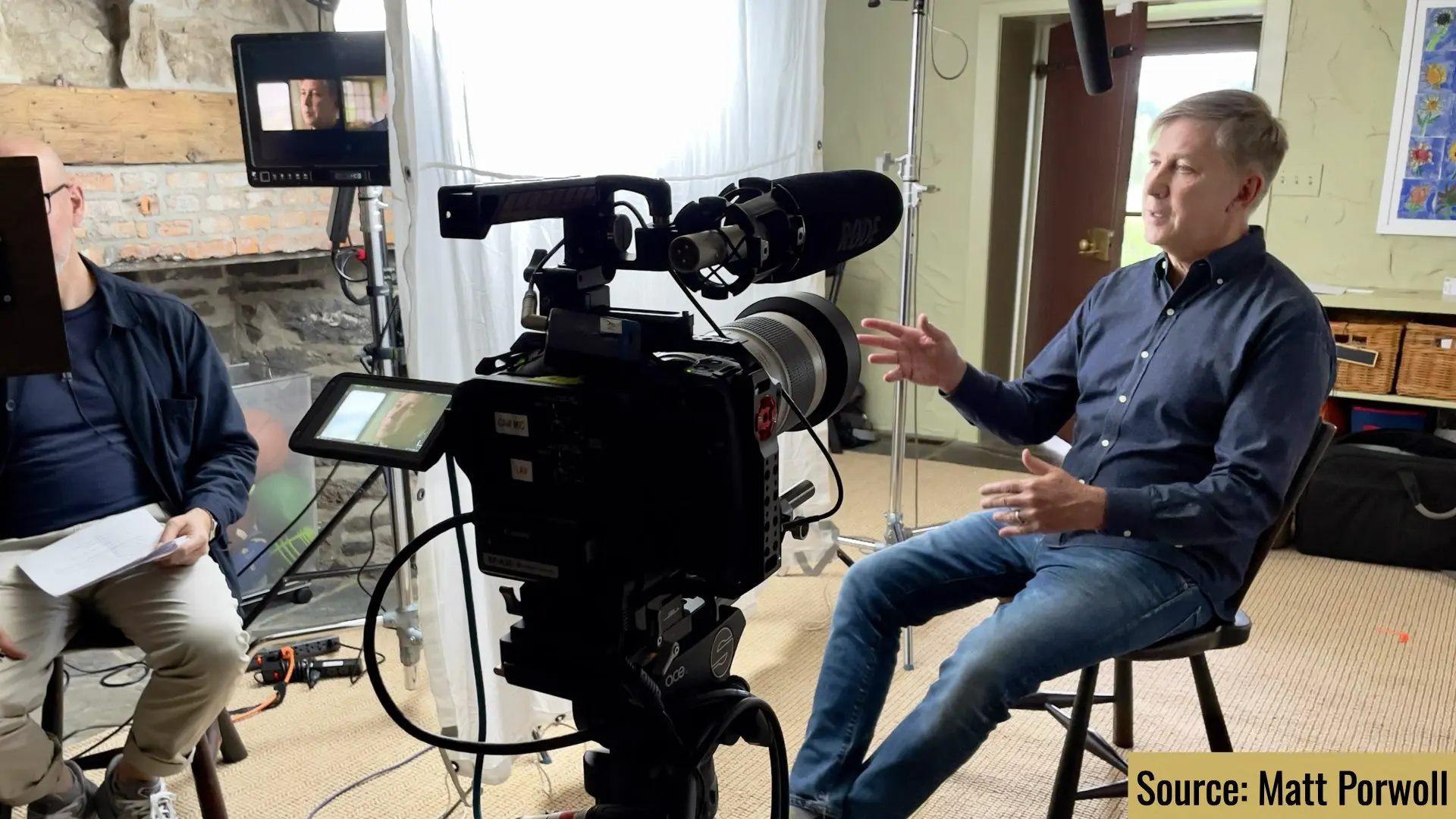
On-set workflow and media management
Q: What was your on-set workflow like in terms of media management, monitoring, and LUT usage?
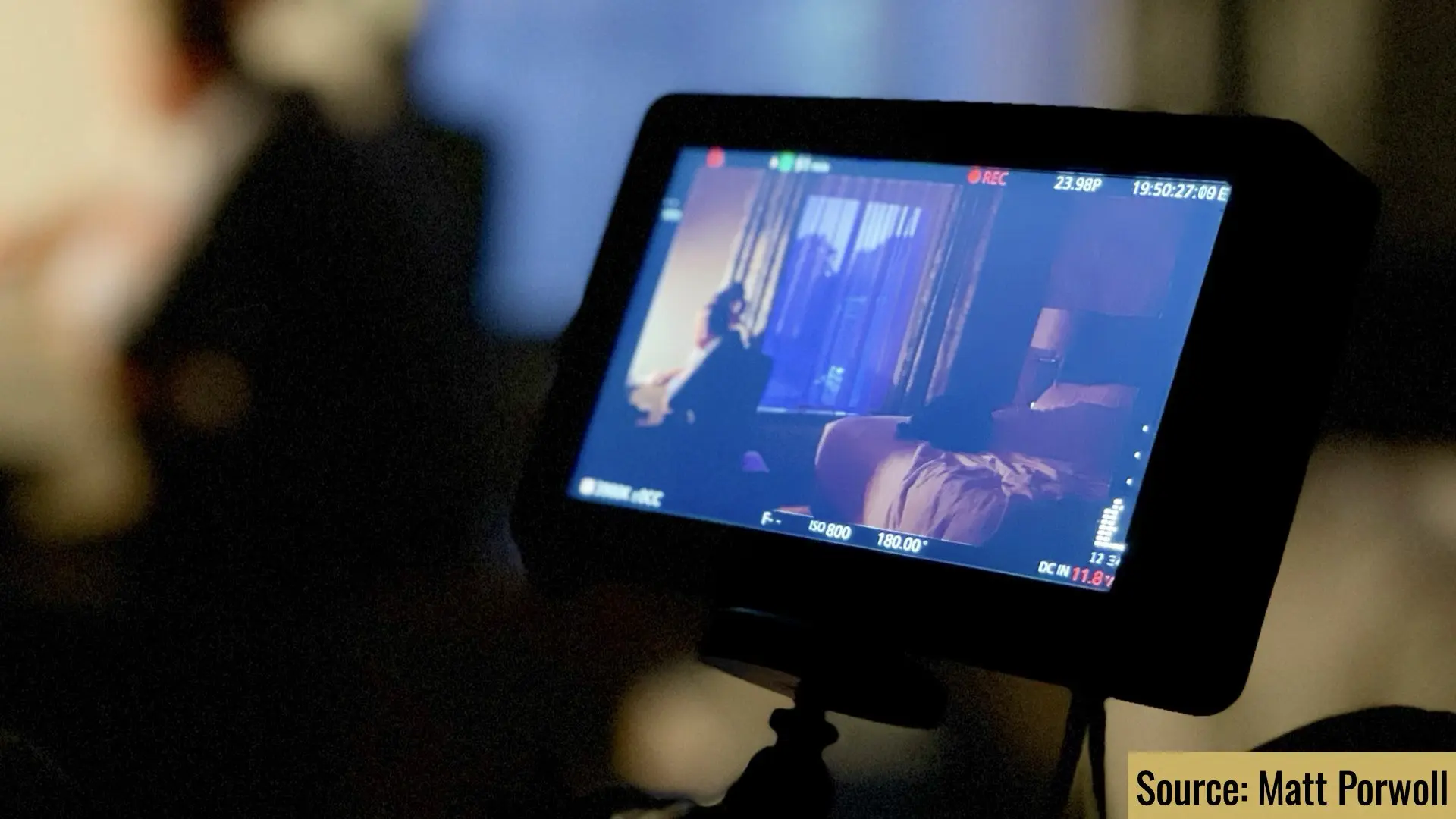
A: With verite filmmaking, I never like to go in with a pre-defined “look.” I prefer to get into the story, meet the people and hear their stories before making that decision. So on-set, we viewed with the native Canon Log-2 to Rec 709 LUT. I had a wireless SmallHD Cine7 ($1,650 on Amazon) for the director, Joshua Seftel and our producer Conall Jones. For media management, I always carry a ton of cards, so we would either download throughout the day if filming interviews, or just save the media offload to the end of the day in a controlled environment in my hotel room. All footage was offloaded with Shotput Pro to two SSD drives to ensure backups. Depending on the trip, I would oftentimes come home with all footage on the cards as well for a third copy. A great director once told me, “In documentary filmmaking, most things are out of our control. But batteries and media are not.” I’ve always taken that to heart and carry way more than I would need.
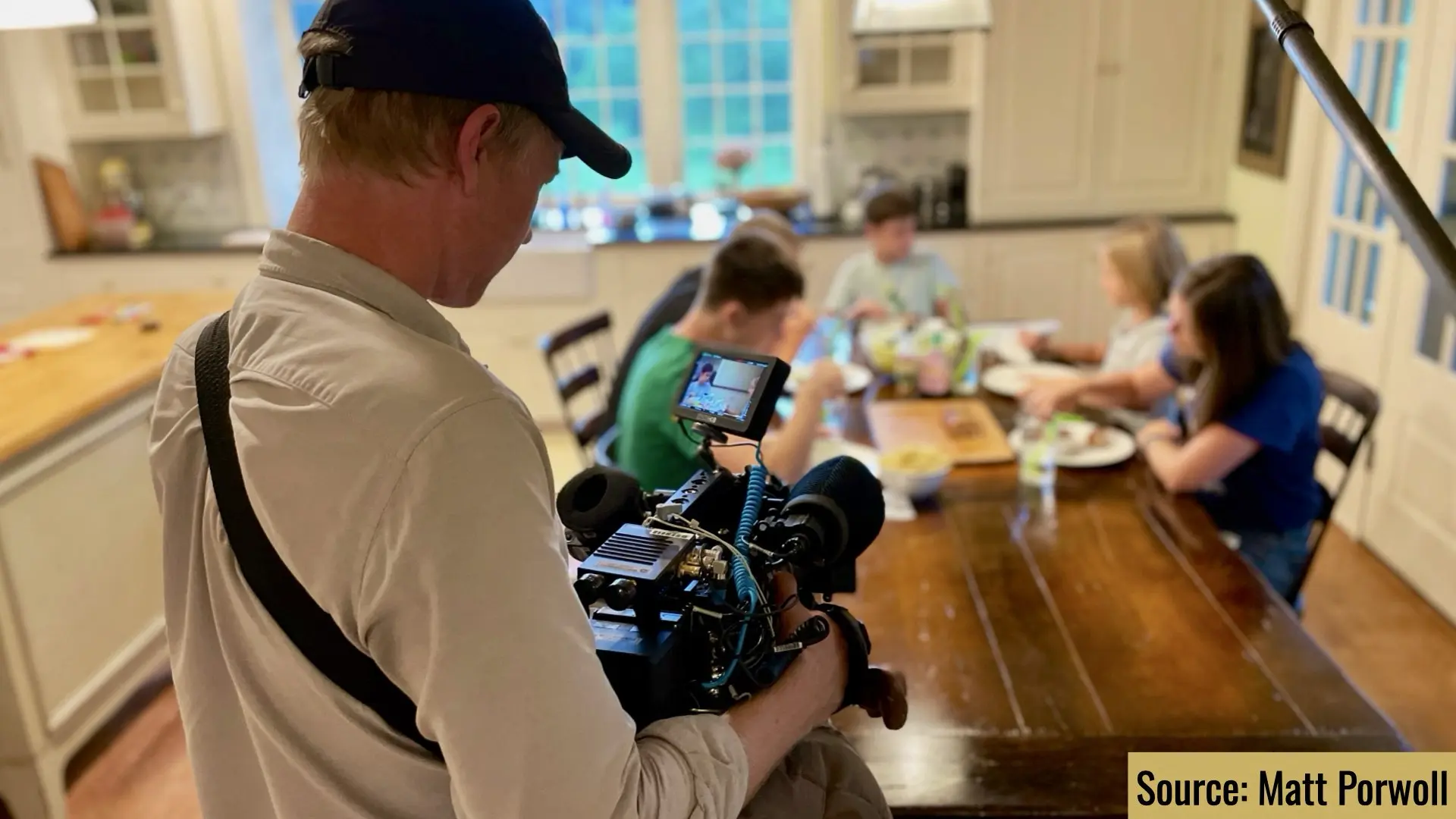
Recording profile and post flexibility
Q: Did you shoot in Canon Log or another profile?
A: We did the entire film in Canon Log 2 / Cinema Gamut in RAW ST, monitoring with the standard 709 LUT to preserve the most exposure and color latitude for the color correct. Filming in this profile gave us a lot of room to find the look we wanted to tell with the story. We weren’t worried about clipping colors or not being able to shift certain colors in any direction. It also allowed us to easily correct white balance shot to shot with no issues. While this seems like a simple thing, it can really back you into a corner if you aren’t careful.
Color grading approach
Q: Can you describe how you and the colorist approached bringing out the quiet textures, shadows, and emotional weight without being overly dramatic?
A: Our color grade was done by the amazing Kath Raisch at Company3. She really brought an extra level of care and attention to the look of the film. Our approach in production was always about maintaining truthfulness and respect to the families, the children and their rooms. This approach was equally as important once we got to post. The edit was a delicate balance to reveal the emotion in an even, effective way without prompting the audience how to feel. It was all about presenting the material in a respectful way that would allow the audience to think for themselves and pull from their own emotions. This came down to the pacing, shot choices, music and sound design. The color needed to match the pacing of the edit. We settled on a slightly cooler, minimally desaturated look of the present-day verite to underscore the missing elements without feeling manipulative. This underscored the vibrancy of the photographs and archival of the kids and their rooms. I feel Kath did an incredible job with this and subconsciously allowed the poignancy of the story to come through.
Reflections on gear and technique
Q: Were there any unexpected benefits or limitations of the Canon system that revealed themselves in post-production?
A: Thankfully, having worked with the Canon ecosystem for so long, there were no surprises, good or bad, once we got to post. We knew exactly what we had to work with from beginning to end and were able to achieve everything we needed for the film.
Q: Looking back, is there any gear or technique you wish you had used or avoided?
A: In the end, I’m very happy with the final film. While you can always find ways to heighten the visual language of a film, I knew this film deserved a soft approach with a truthfulness to the end product. We absolutely did not want to give an audience any reason to come away feeling like they had been manipulated. I believe the style we took to tell this story achieved this and there is nothing I would have changed to accomplish that.
Advice for cinematographers
Q: What advice would you offer cinematographers tackling similarly intimate and emotionally sensitive stories?
A: My biggest piece of advice for a cinematographer tackling a story of this kind is to allow yourself to listen and experience. The most important part of being a documentary cinematographer is not the technical side of the craft, but rather the innate parts no one talks about. Sympathy, compassion and understanding. Come to the project with an open mind and allow your experience to translate through the image. This is the most truthful way to tell a story that you are only a visitor in.
Gear mentioned in this article
Available on Amazon
Prices checked: Oct 7, 2026, 1:30 PM GMT+0000
As an Amazon Associate, Y.M.Cinema earns from qualifying purchases. If you buy through our links, we may earn a small commission at no extra cost to you.
Product prices and availability are accurate as of the date/time indicated and are subject to change. Any price and availability information displayed on Amazon.com at the time of purchase will apply to the purchase of this product.
CERTAIN CONTENT THAT APPEARS ON THIS SITE COMES FROM AMAZON. THIS CONTENT IS PROVIDED “AS IS” AND IS SUBJECT TO CHANGE OR REMOVAL AT ANY TIME.





Wow, what a great article! Very informative and about some very serious subject matter.
I heard through the grapevine that he was going to work on a documentary about the Genocidal slaughter of children and women in Gaza by the IDF for Netflix.
that would be in line with the subject matter in terms of the seriousness and importance of the historical moment. Thank you YM Cinema for all your great articles.