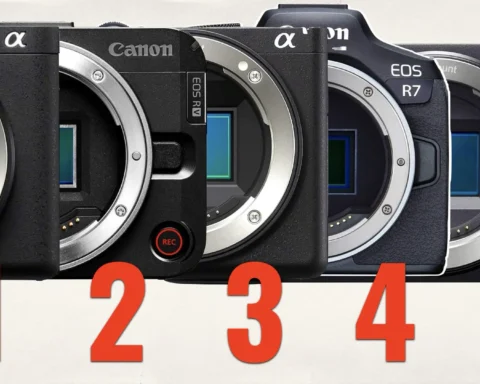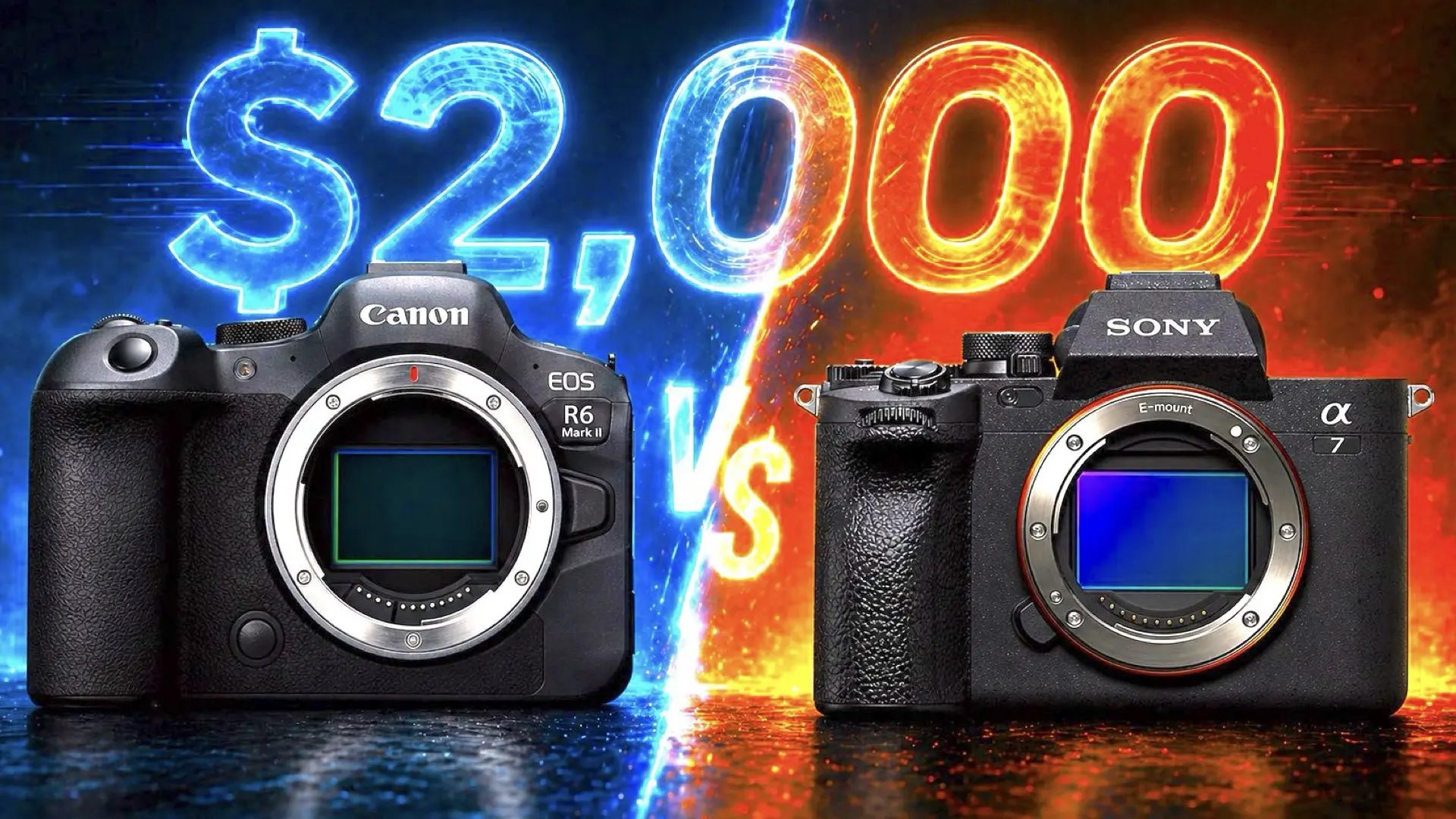
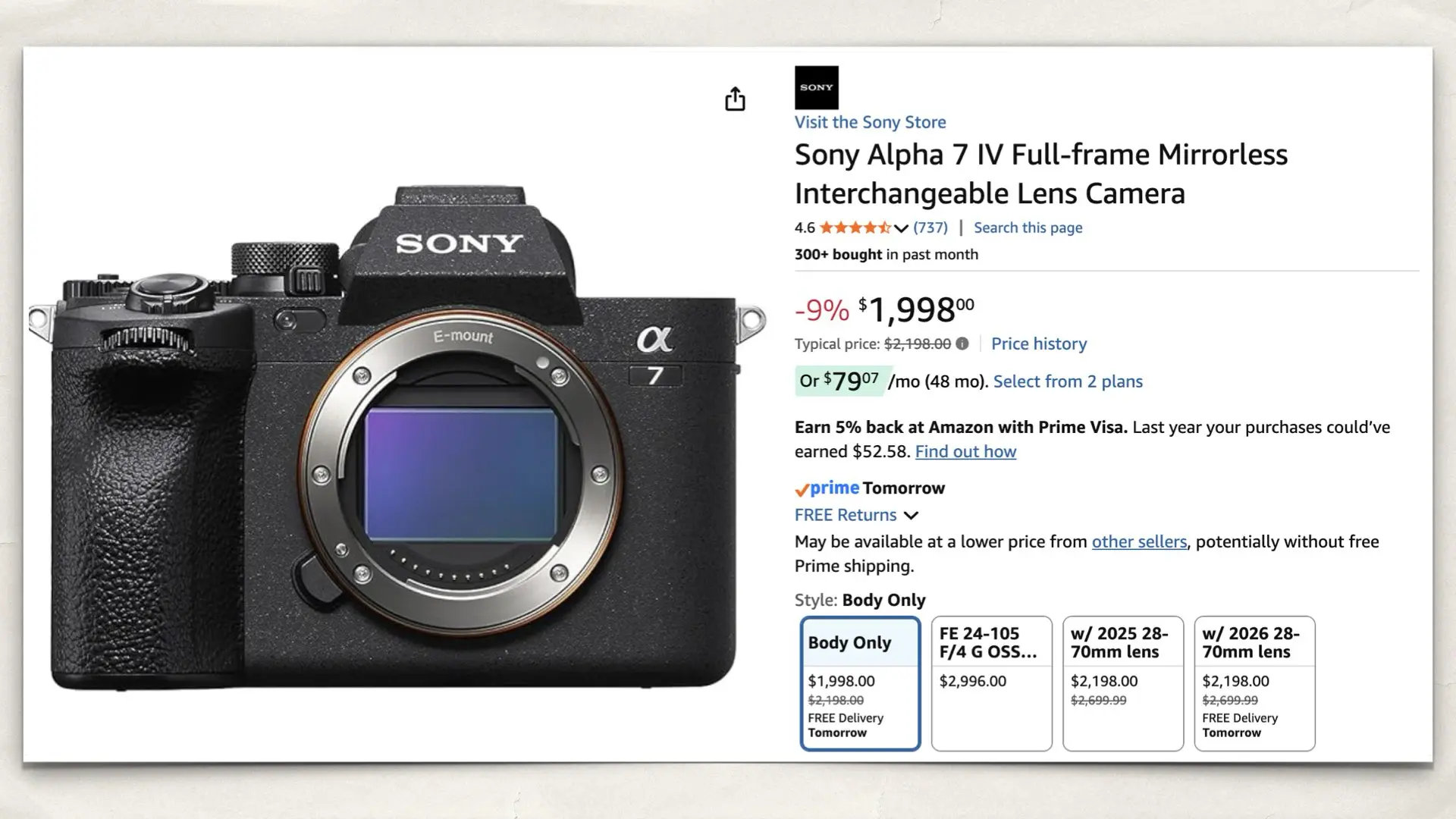
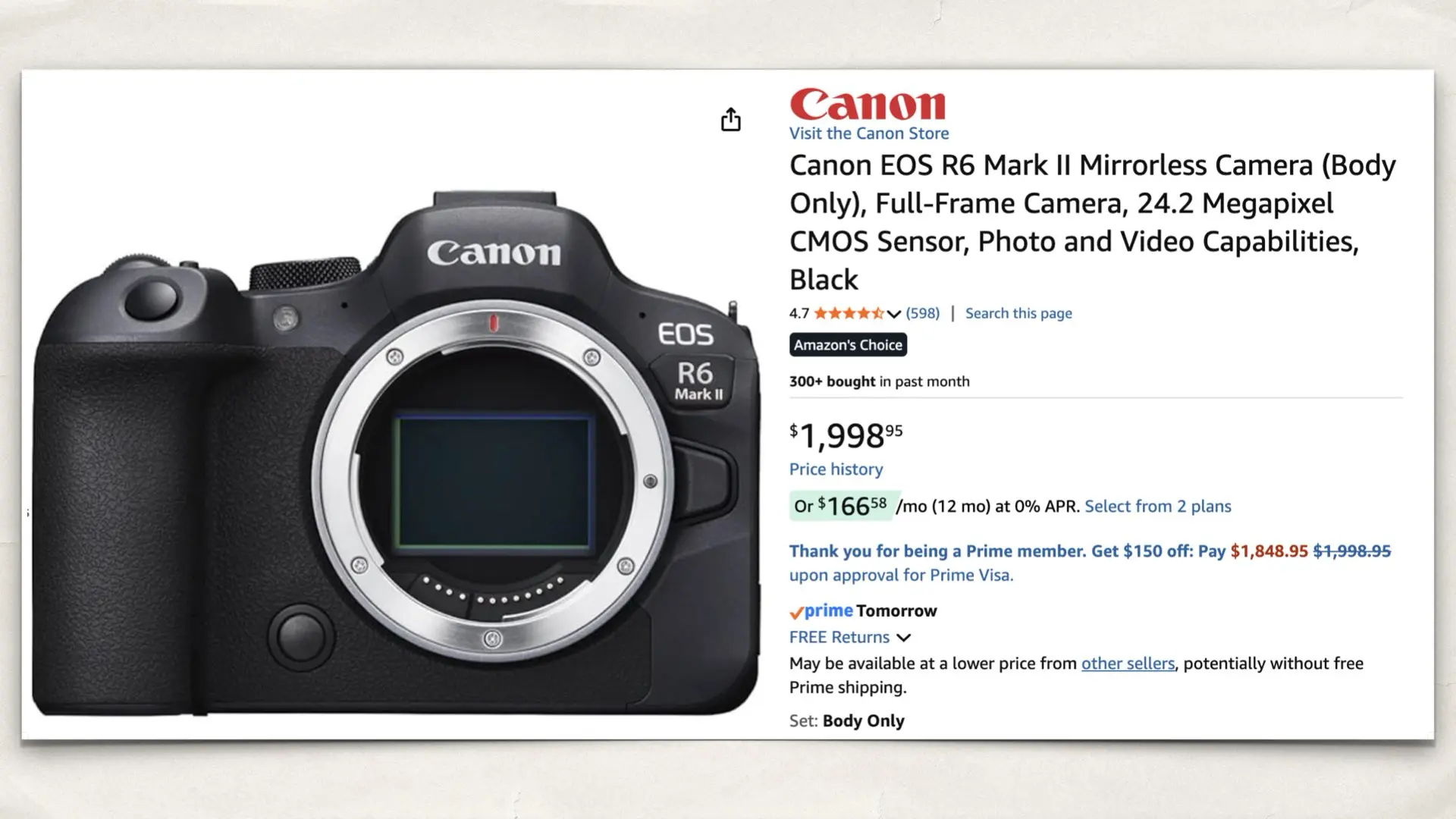
For a limited period, two of Amazon’s most popular full-frame mirrorless cameras are positioned at roughly the same price, around $2000 (or may we say – exactly the same price). When that happens, the decision becomes less about budget and more about how each camera aligns with your workflow. Two of them are full-frame beasts. Which is your favorite?
Why is this price alignment relevant?
The Sony Alpha 7 IV Full Frame Mirrorless Camera ($1,998 on Amazon) and the Canon EOS R6 Mark II Mirrorless Camera ($1,999 on Amazon) usually sit in slightly different pricing tiers due to their different design priorities. Seeing them converge creates a clean comparison point where the choice depends almost entirely on the use case. Let’s break this down.
Sensor strategy and image characteristics
Sony uses a 33MP sensor, which provides higher spatial resolution. This is useful for cropping, reframing, and hybrid content production where stills and video are both important. Canon uses a 24.2MP sensor with faster readout characteristics. In practice, this can translate into cleaner performance in low light and reduced rolling shutter in video and fast action scenarios. This is a fundamental distinction. Sony prioritizes detail and flexibility in post. Canon prioritizes speed and consistency during capture.

Video implementation and workflow
Both cameras are capable video tools, but they are optimized differently. The Sony A7 IV offers strong internal codecs, S Log profiles, and a workflow that integrates well into post-production pipelines. It is suited for creators who plan to grade and refine footage. The Canon R6 Mark II delivers oversampled 4K with minimal crop and very reliable autofocus behavior. It is efficient for shooters who want dependable results without extensive post-processing. The difference is subtle but important. One leans toward post-production control, the other toward capture reliability.
Shooting speed and responsiveness
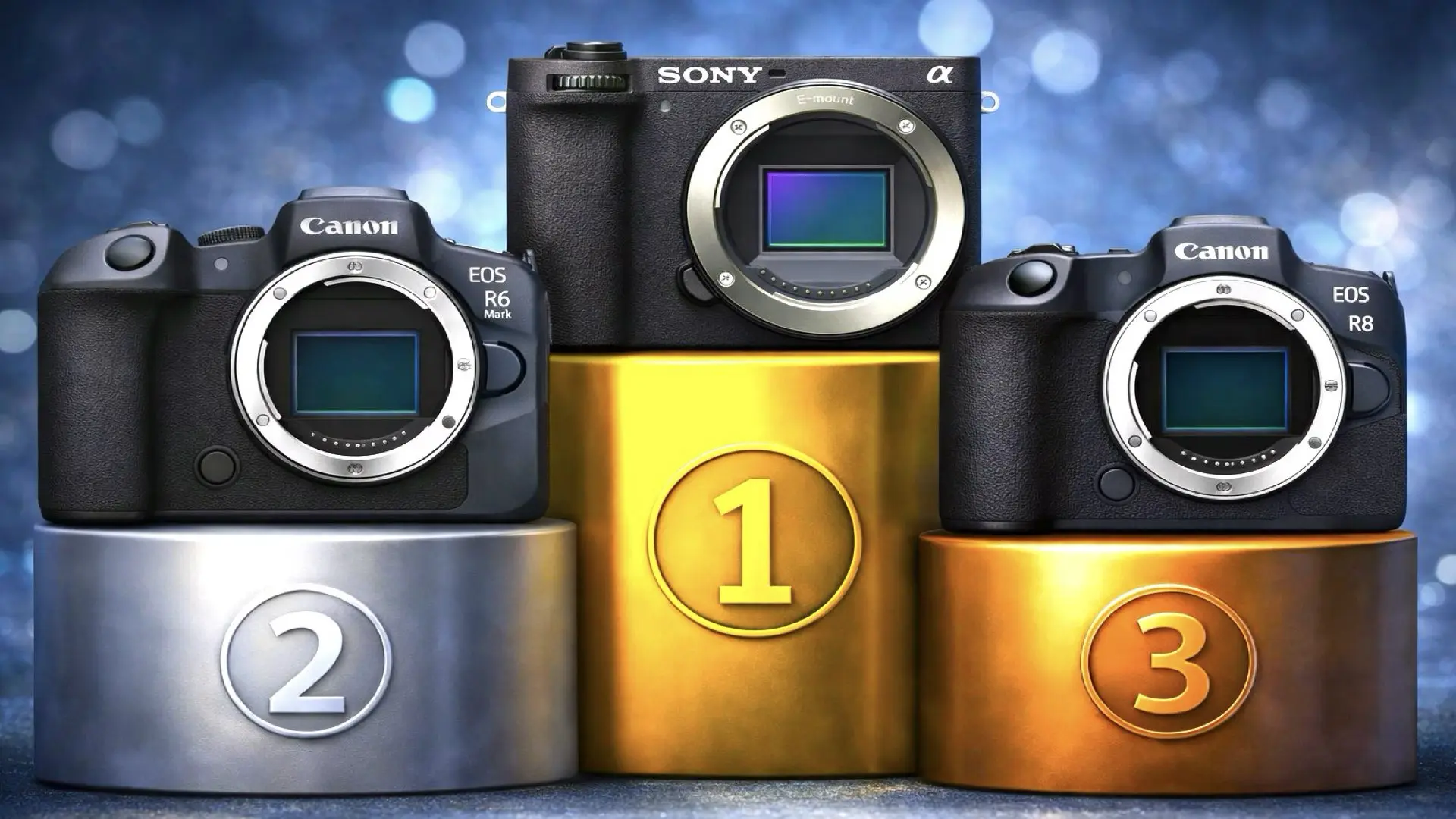
The Canon R6 Mark II supports significantly higher burst rates, up to 40 fps electronically. This affects how it performs in action, sports, and unpredictable environments. The Sony A7 IV operates at lower burst rates but with higher resolution files. It is more aligned with controlled shooting scenarios where timing and composition are deliberate.
Autofocus behavior
Both systems are mature and highly capable. Sony’s autofocus is consistent and predictable, with strong subject tracking once locked. Canon’s autofocus is more aggressive in acquisition and tends to feel faster in dynamic situations, particularly with human subjects and movement. This difference often becomes noticeable in real-world use rather than in specifications.
System considerations
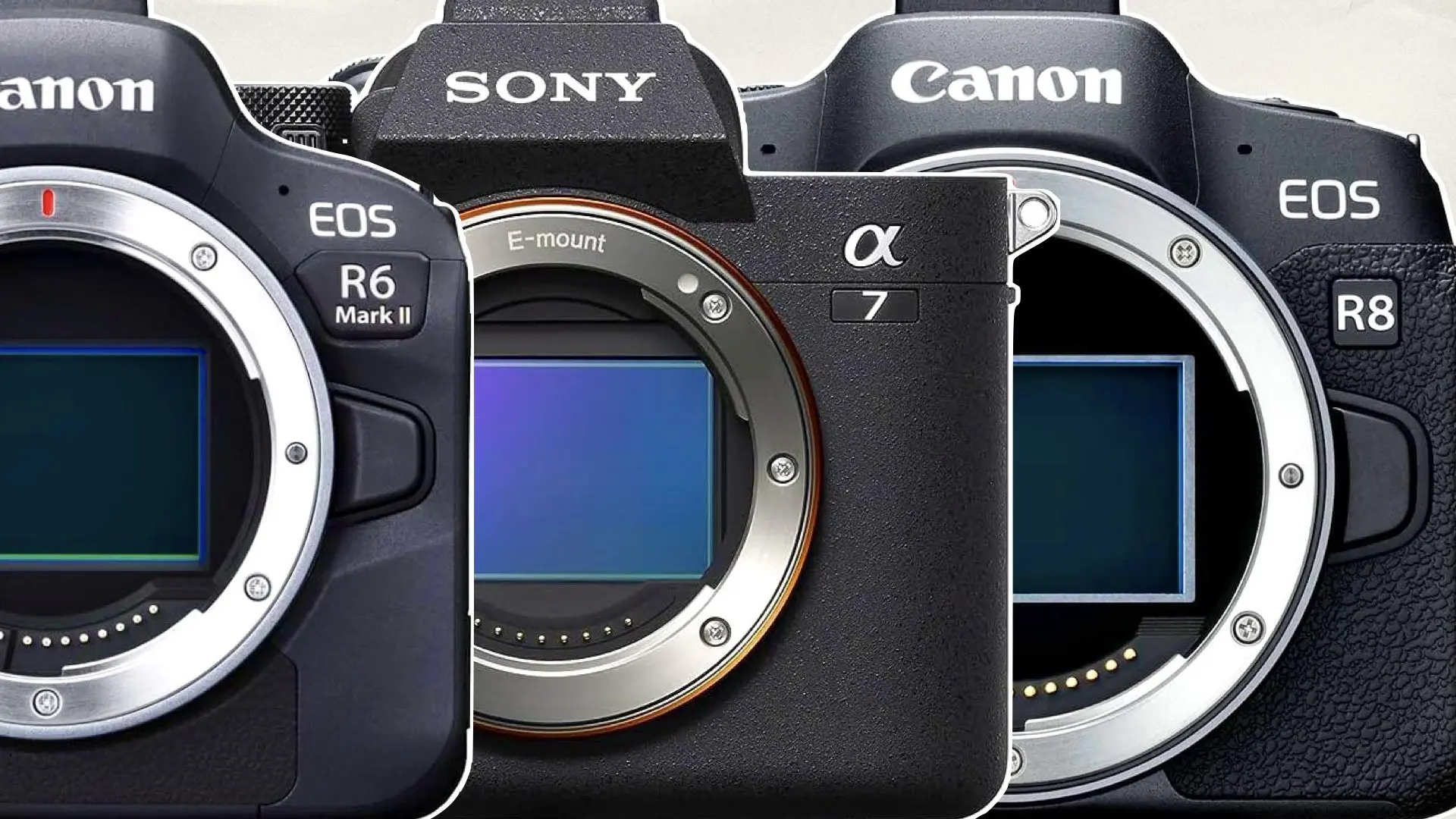
The decision extends beyond the camera body. Sony’s E-mount ecosystem includes a wide range of third-party lenses at different price points. This offers flexibility and scalability. Canon’s RF ecosystem is more tightly controlled, with fewer third-party options but strong native lens integration and performance. For long-term investment, this distinction is often as important as the camera itself.
Comparison overview
| Feature | Sony A7 IV | Canon R6 Mark II |
|---|---|---|
| Resolution | 33MP | 24.2MP |
| Burst rate | up to 10 fps | up to 40 fps |
| Video | 4K60 with crop | 4K60 full width |
| Autofocus behavior | stable and precise | fast and responsive |
| Ecosystem | broad and flexible | controlled and integrated |
Practical selection guidance
Choose the Sony A7 IV if your work involves hybrid shooting, higher resolution stills, or a workflow that depends on flexibility in post production. Choose the Canon R6 Mark II if you prioritize speed, responsiveness, and reliability in dynamic shooting conditions, especially with people or action.
📦 See the Sony Alpha 7 IV on Amazon
📦 See the Canon EOS R6 Mark II on Amazon
Conclusion
At the same price, these two cameras represent different design philosophies rather than different tiers. The more relevant question is not which one is better, but which one aligns more closely with the way you shoot and deliver your work. Anyway, both are full-frame beasts, and under $2,000.
As an Amazon Associate, Y.M.Cinema earns from qualifying purchases. If you purchase through the Amazon links above, Y.M.Cinema may earn a small commission at no additional cost to you. This helps support our work.
Gear mentioned in this article
Available on Amazon
| Product | New | Renewed | Used |
|---|---|---|---|
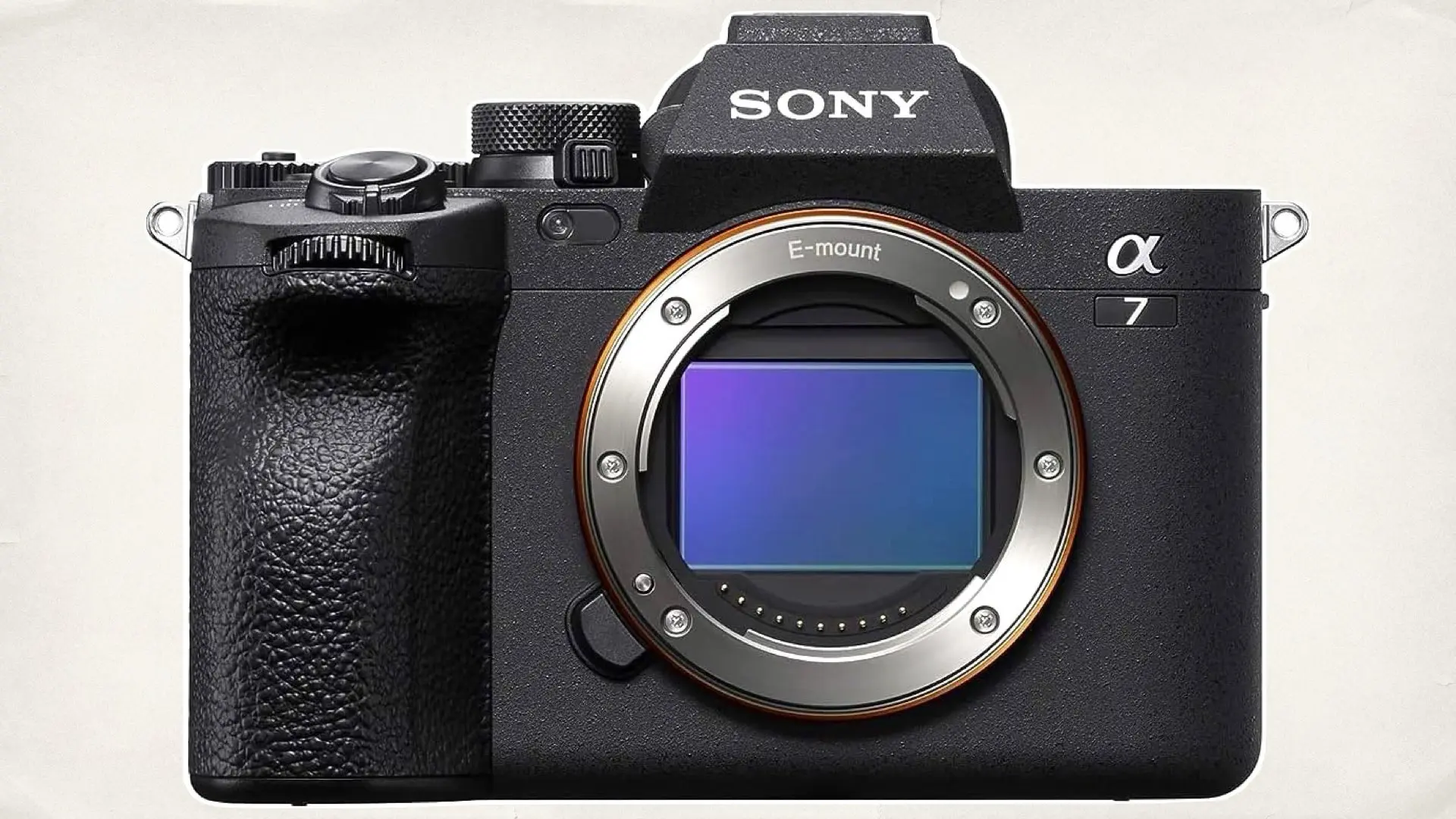
| Sony a7 IV | $1,998 | — | From $1,789 |
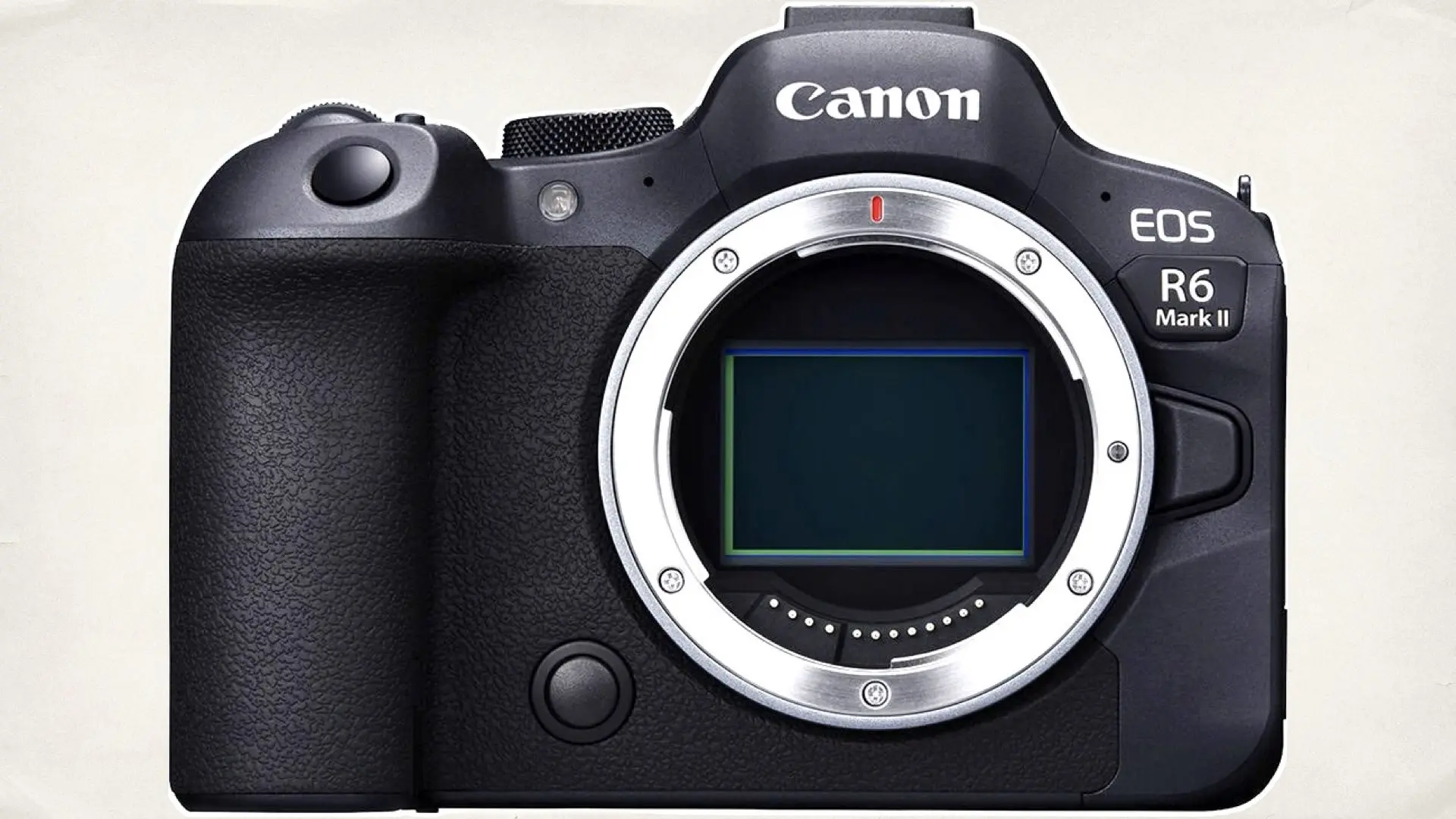
| Canon EOS R6 Mark II | $1,999 | — | From $1,899.95 |
Prices checked: Oct 7, 2026, 1:31 PM GMT+0000
As an Amazon Associate, Y.M.Cinema earns from qualifying purchases. If you buy through our links, we may earn a small commission at no extra cost to you.
Product prices and availability are accurate as of the date/time indicated and are subject to change. Any price and availability information displayed on Amazon.com at the time of purchase will apply to the purchase of this product.
CERTAIN CONTENT THAT APPEARS ON THIS SITE COMES FROM AMAZON. THIS CONTENT IS PROVIDED “AS IS” AND IS SUBJECT TO CHANGE OR REMOVAL AT ANY TIME.