
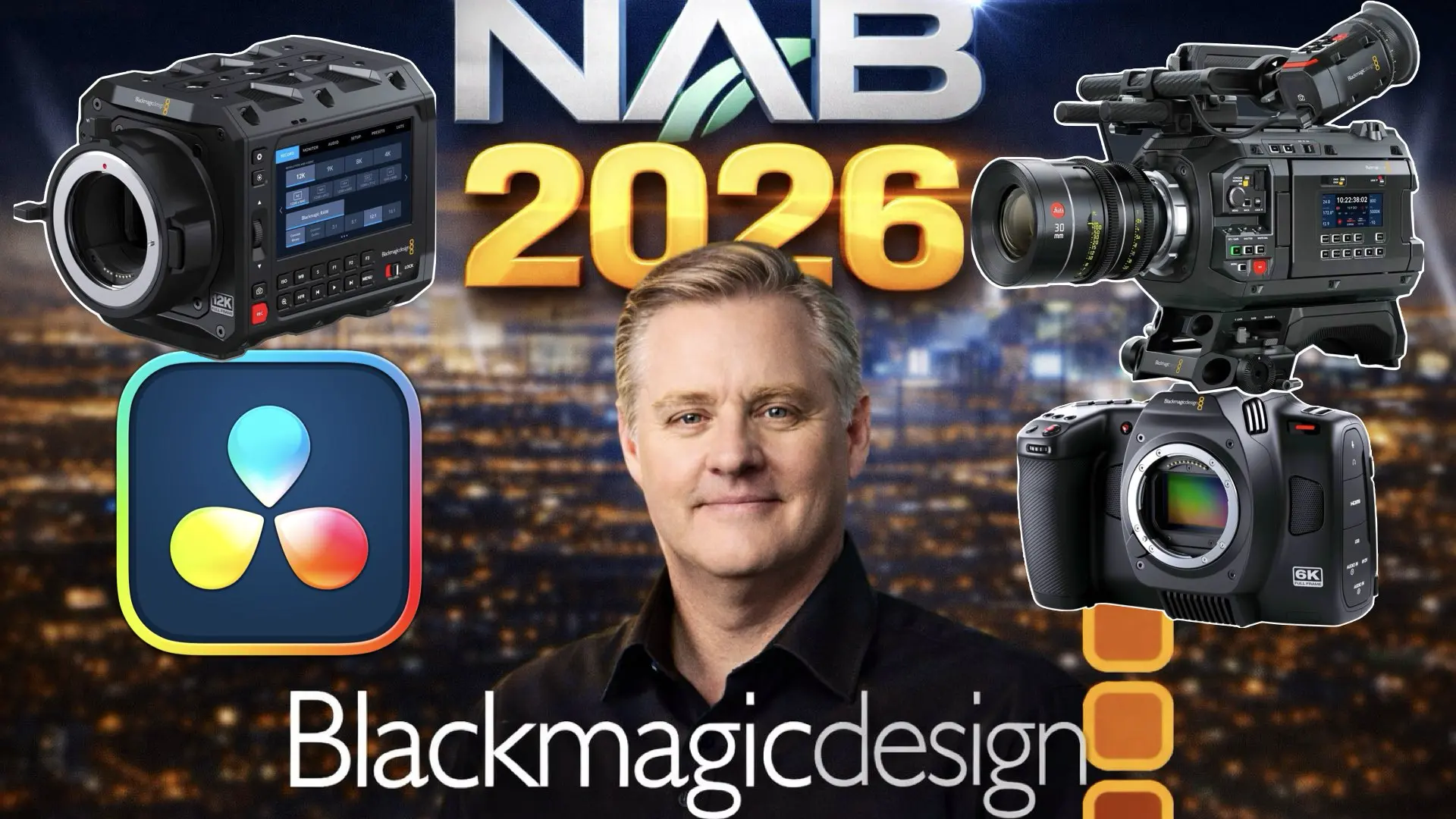
Blackmagic Design enters NAB Show 2026 with a different set of expectations than in previous cycles. The company has already demonstrated sensor innovation and codec efficiency at a level that places it firmly within the professional conversation. NAB 2026 is therefore positioned as a moment where Blackmagic may focus on resolving practical limitations that still affect adoption in high-end productions. Here are our two cents.
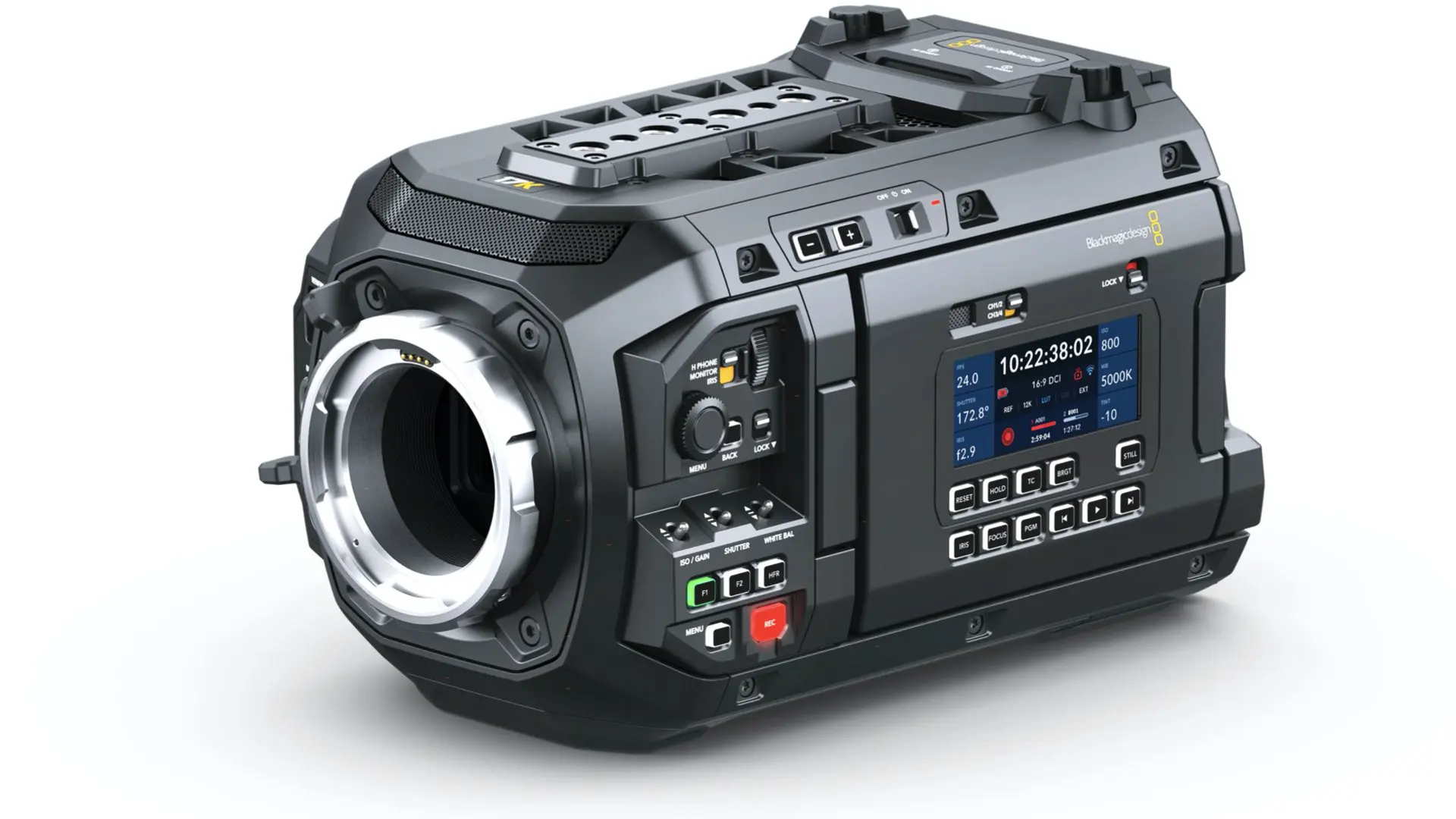
Blackmagic has already explored the upper limits of resolution with its 12K architecture. From a market perspective, further increases in pixel count offer diminishing returns. A more probable direction is the introduction of a camera that emphasizes efficiency, either through improved frame rate performance, enhanced low-light behavior, or more manageable data pipelines.
The PYXIS platform needs to evolve beyond potential
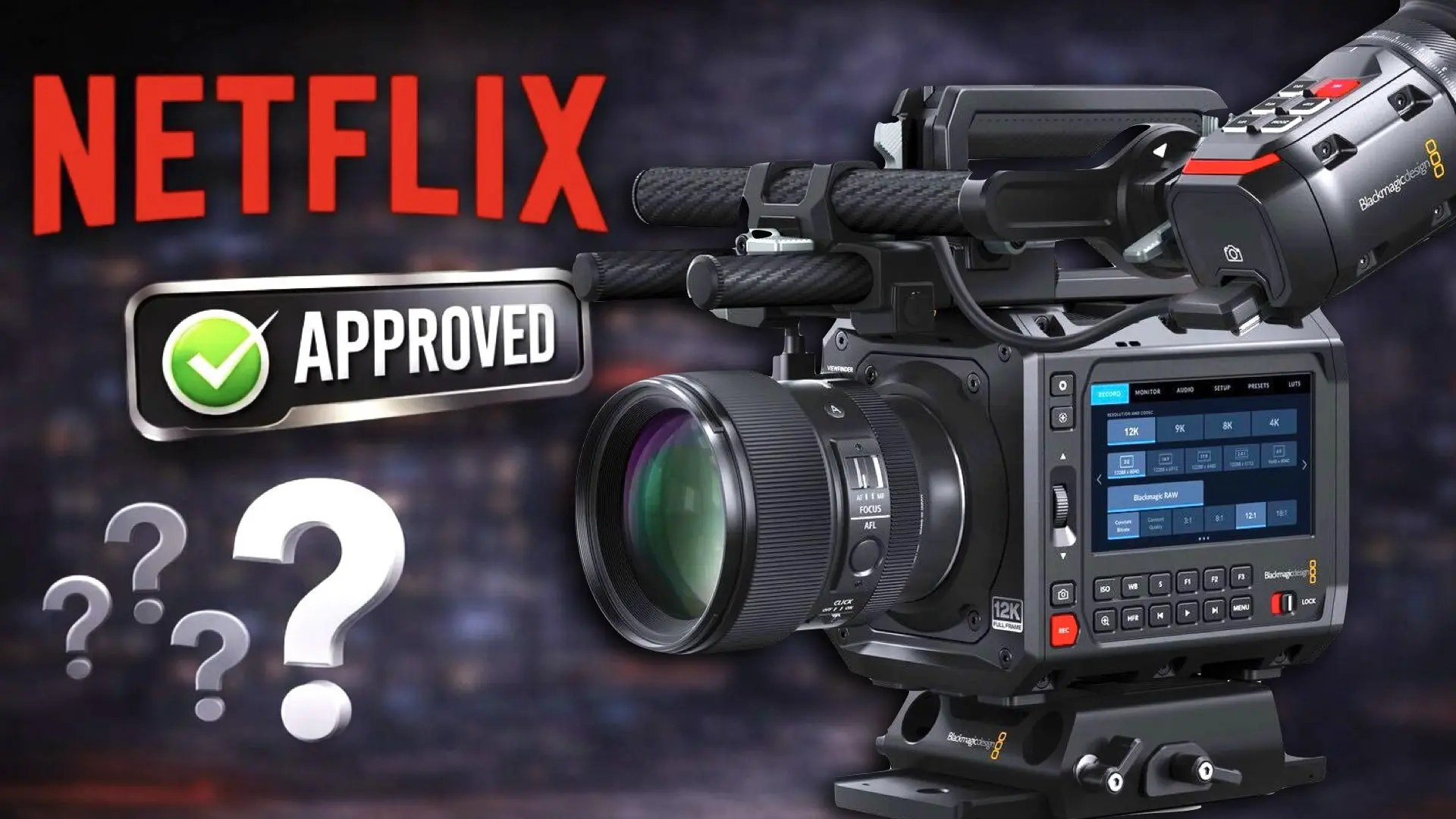
The PYXIS platform represents one of Blackmagic’s most important strategic directions, yet it remains in a transitional phase. As examined in Blackmagic PYXIS 12K: Why Isn’t It Netflix Approved Yet?, the barrier is not image quality or resolution. The sensor performance is already competitive. The limiting factors relate to system readiness, including stability, integration, and predictability in controlled production environments. This suggests that any NAB announcement tied to PYXIS will likely address operational reliability rather than headline specifications. A more consolidated system design, improved power management, and tighter workflow integration would signal that PYXIS is moving from a modular concept into a dependable production tool.
Autofocus is becoming unavoidable
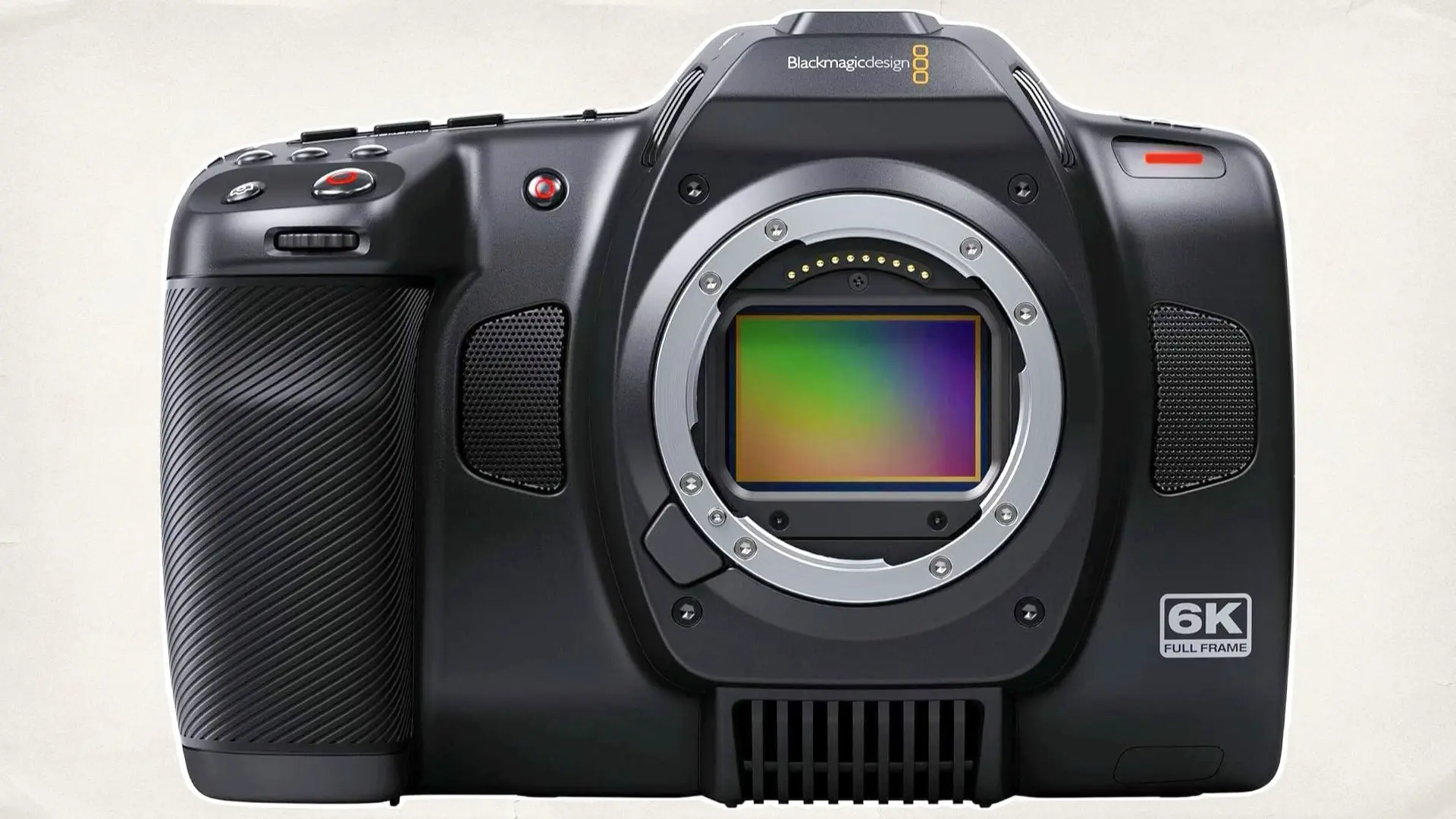
Autofocus remains one of the most significant gaps in Blackmagic’s offering, particularly when compared to the maturity of systems developed by competing manufacturers. The introduction of phase detection in Blackmagic Finally Brings PDAF to the PYXIS 6K in Official Beta indicates a clear directional shift, but the current implementation is still in an early stage. NAB 2026 is expected to clarify whether this is a feature addition or a fully developed system. For autofocus to become relevant in professional workflows, it must demonstrate repeatability under varied conditions, including complex lighting, motion, and lens combinations. This is no longer a convenience feature, but increasingly a baseline requirement, even in cinema environments.

A new camera would likely prioritize efficiency over resolution
Blackmagic has already explored the upper limits of resolution with its 12K architecture. From a market perspective, further increases in pixel count offer diminishing returns. A more probable direction is the introduction of a camera that emphasizes efficiency, either through improved frame rate performance, enhanced low-light behavior, or more manageable data pipelines. Such a move would align with broader industry trends, where production teams are prioritizing flexibility and speed over extreme technical specifications. If a new URSA variant is introduced, its positioning will likely reflect this shift toward practical usability rather than technical demonstration.
Blackmagic is now evaluated as a primary system, rather than an alternative
The company’s position within the industry has changed significantly. As discussed in Blackmagic Design: Earning Its Place Among Cinema Giants, Blackmagic is no longer framed as a cost-effective alternative. It is increasingly assessed alongside established cinema systems in terms of reliability, workflow integration, and production readiness. This transition alters the criteria by which new products are judged. Incremental improvements must now translate into measurable advantages in real production scenarios. NAB 2026, therefore, becomes a test of whether Blackmagic can align its technical capabilities with the operational expectations of high-end users.

Ecosystem integration remains a strategic lever
One of Blackmagic’s most distinctive advantages is its control over both acquisition and post-production. This integration is central to its long-term positioning and continues to raise broader strategic questions, as explored in Should Apple Buy Blackmagic?. While acquisition scenarios remain speculative, the underlying logic is grounded in the strength of Blackmagic’s ecosystem. Any NAB announcements that deepen integration between cameras and DaVinci Resolve, particularly in cloud-based or collaborative workflows, would reinforce this advantage. In a market where efficiency is increasingly tied to end-to-end systems, this remains one of Blackmagic’s most defensible positions.

Takeaway
NAB 2026 is unlikely to be defined by a single headline feature. The more relevant indicator will be whether Blackmagic addresses the practical limitations that continue to affect its adoption in demanding production environments. If the company can demonstrate improvements in autofocus reliability, system stability, and workflow integration, it will strengthen its position as a primary production toolkit. Anyway, below is the upcoming BM’s NAB show. Stay tuned.











a 7 incher Pyxis monitor control rather than the 5 incher is absolutely what she said!!!!
What black magic needs immediately, and I mean immediately is a bmpcc 4k mark 2. 4.6k sensor. 14 stops or more. Auto focus, improved battery, flip out screen and we set. Shoots 4k120fps no crop 2k240fps no crop. That would honestly be the perfect camera.
Imternal ND in the PYXIS 6k & 12k is what will seal the deal for me
A new Pyxis with a more modern sensor able to shoot open gate or at least 16:9 at 50/60p and a better second native iso.
Seriously it’s unacceptable that a camera need to crop to super35 in order to shoot at just double the framerate.
A nd system , a V-mound/Gold mount or a second XLR would be a really useful addition too.