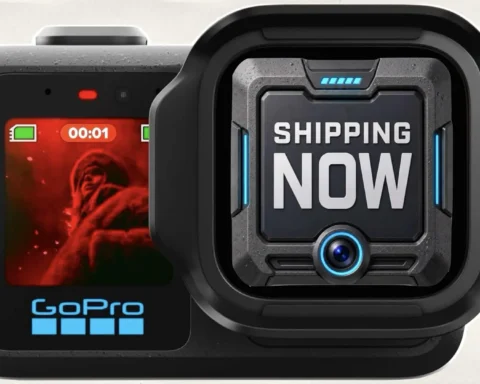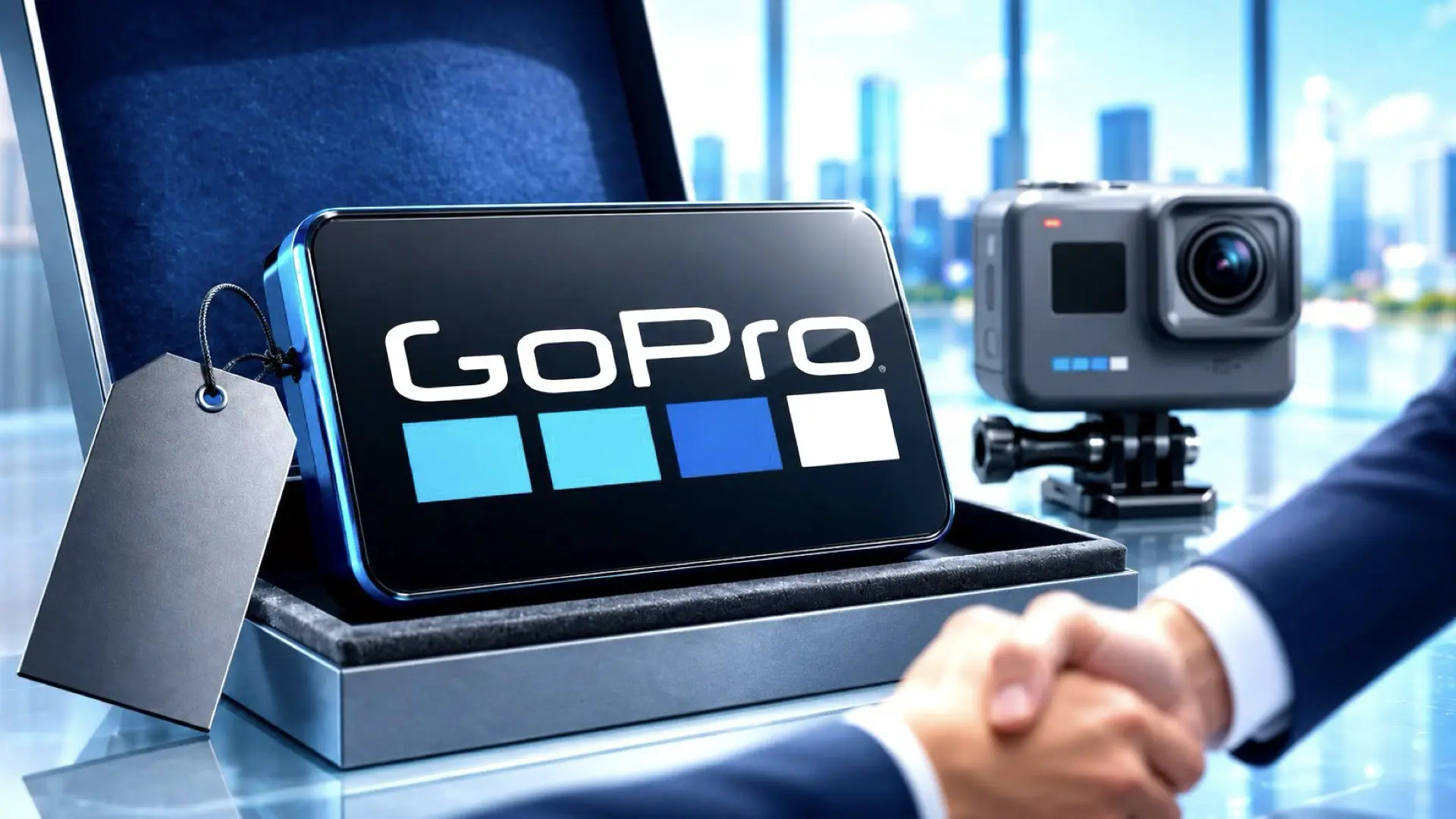
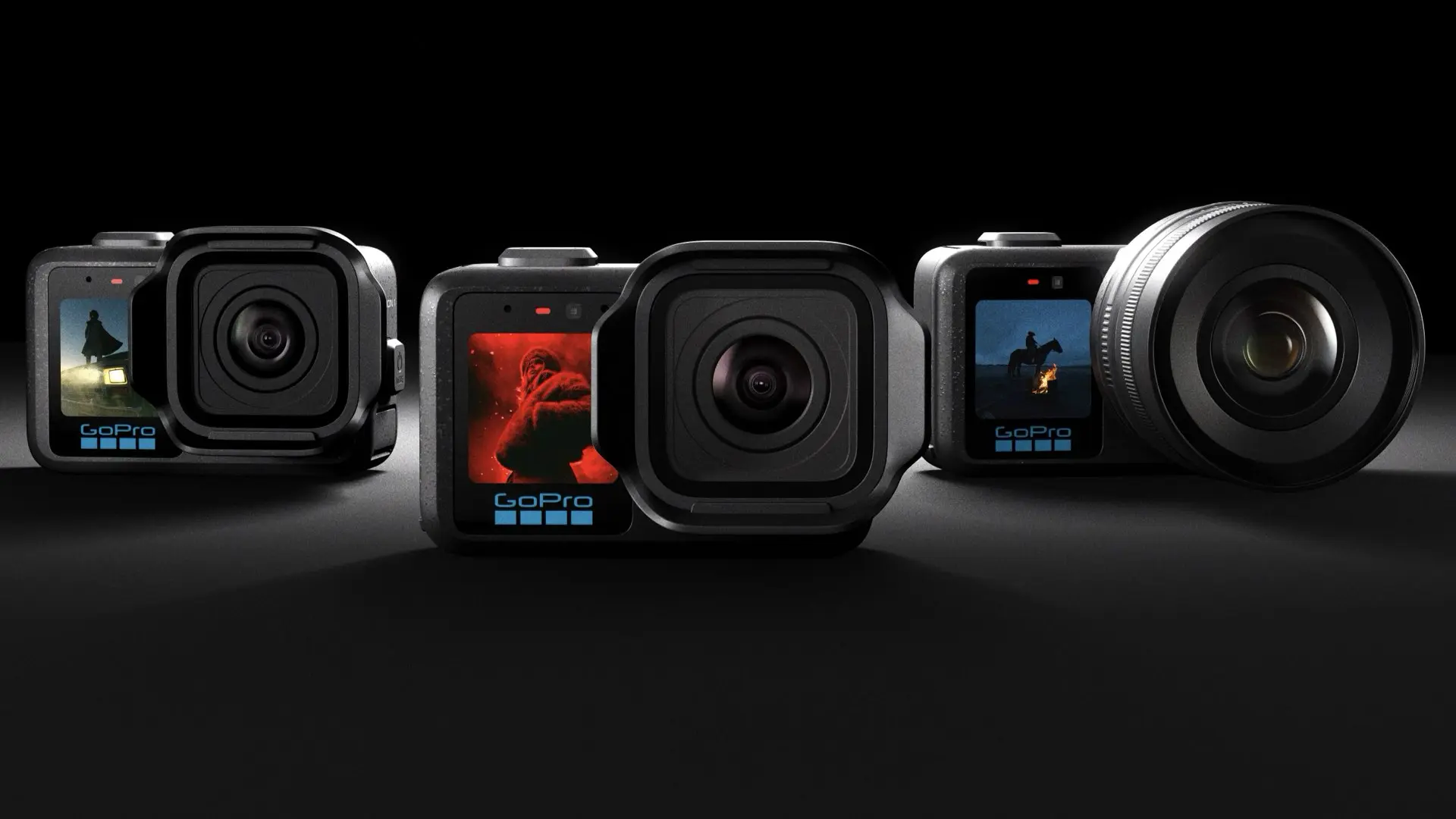
GoPro’s MISSION 1 story just became much bigger than a camera launch. The company has announced that its Board of Directors has authorized a strategic review process that could include a sale of the company or a merger. The announcement follows several unsolicited inbound strategic inquiries, which arrived after GoPro started pushing into defense and aerospace. For a company that built its name on action cameras, this is a major shift. For the cinema camera world, it gives the MISSION 1 Series a new layer of meaning.
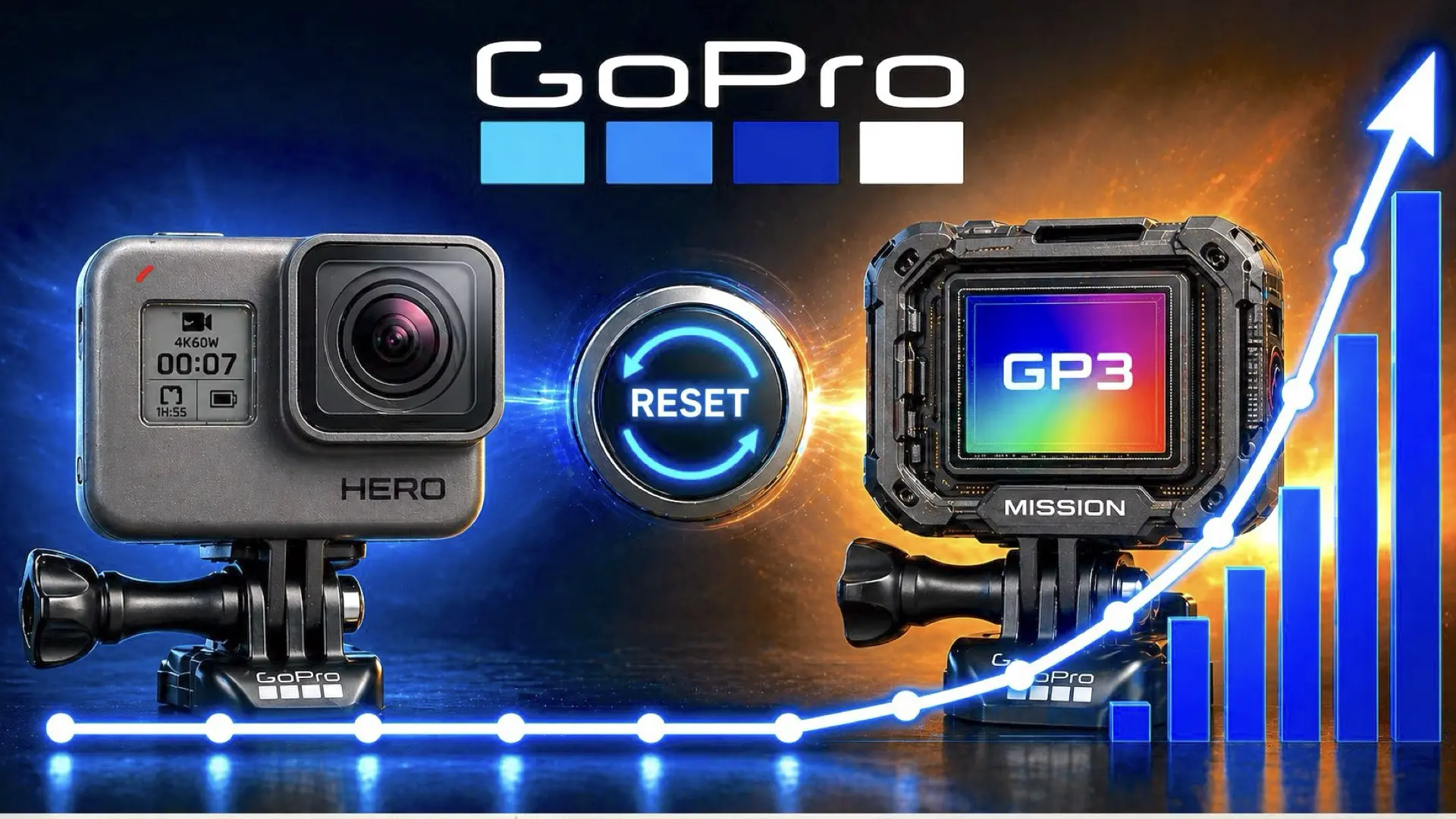
MISSION 1 now looks like more than a product. It may become part of the argument for GoPro’s future value.
GoPro is reviewing its future
According to GoPro, the Board has authorized the company to engage in a strategic process and hire a financial advisor to assist with the review. The company says the review may include a range of strategic alternatives, including a sale of the company or a merger, with the goal of maximizing value for stockholders. Independent financial and legal advisors are expected to support the process. GoPro is not announcing a buyer. It is not confirming that a transaction will happen. However, a public review of strategic alternatives is a serious corporate move, especially when the company openly says that a sale or merger could be part of the evaluation. Nicholas Woodman, GoPro’s founder and CEO, framed the company around its technology, intellectual property, brand assets, product development, and scaled manufacturing capabilities. That phrasing is important. GoPro is now presenting itself as a technology asset, not simply as a consumer camera brand.
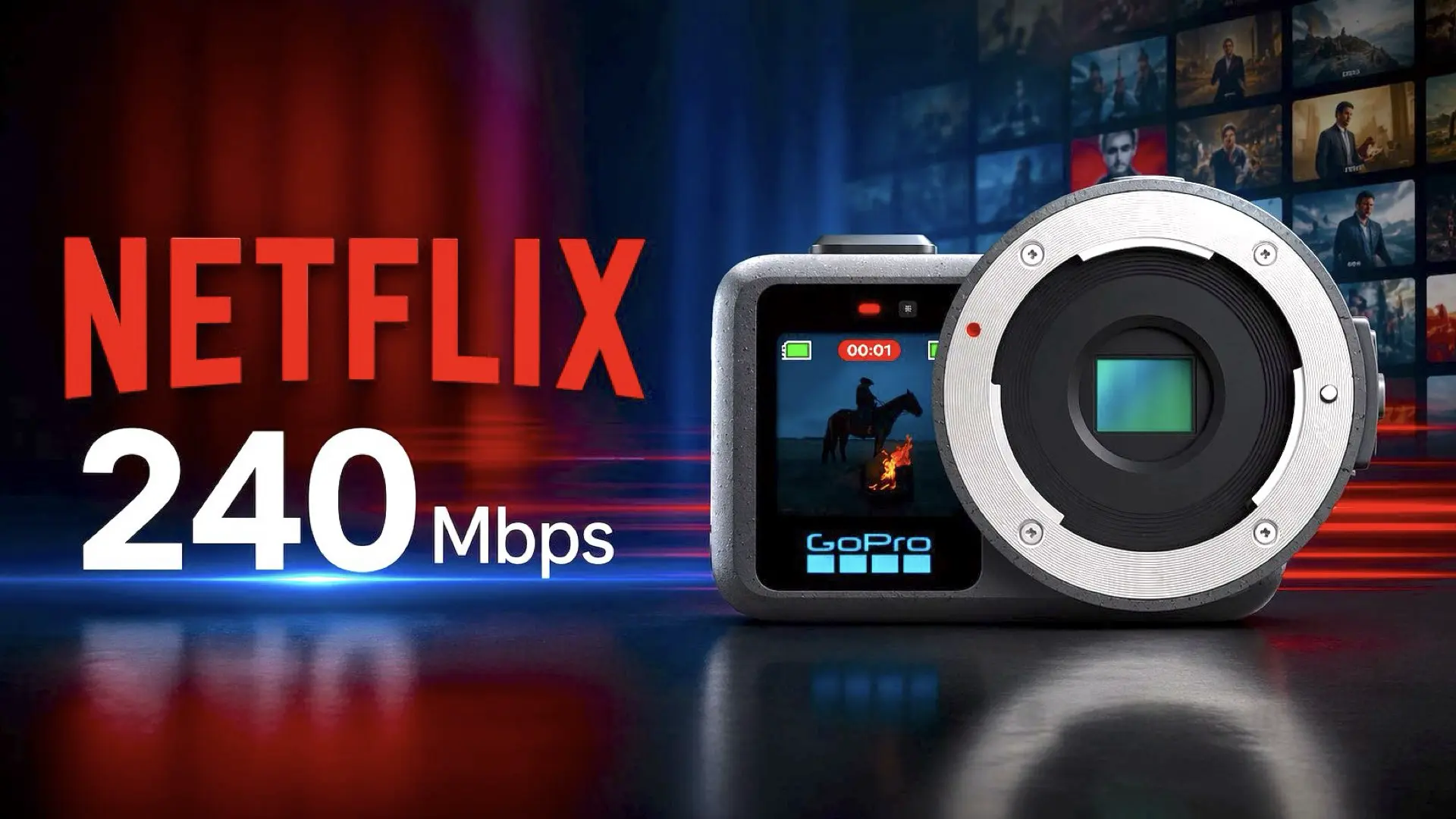
During the review process, the Board expects to evaluate a range of strategic alternatives that could include a sale of the company or merger, aimed at maximizing value for stockholders.
– GoPro
The timing points directly at MISSION 1
The timing is the story. GoPro says the review follows its recent engagement of Oliver Wyman, a global defense sector consulting firm, to support expansion into defense and aerospace. Since that announcement, GoPro has received several unsolicited strategic inquiries. That sequence gives the Board’s decision a clear context. This is where MISSION 1 becomes more interesting. The MISSION 1 Series was already a major repositioning effort. GoPro was no longer talking only to skiers, cyclists, vloggers, and action sports creators. It was speaking to professional imaging users, compact cinema workflows, aerospace payloads, unmanned systems, defense applications, and rugged production environments. That kind of pivot can change how a company is valued. A consumer action camera company competes in a crowded and mature market. A rugged imaging technology company with defense, aerospace, and professional camera potential can attract a different type of strategic attention.
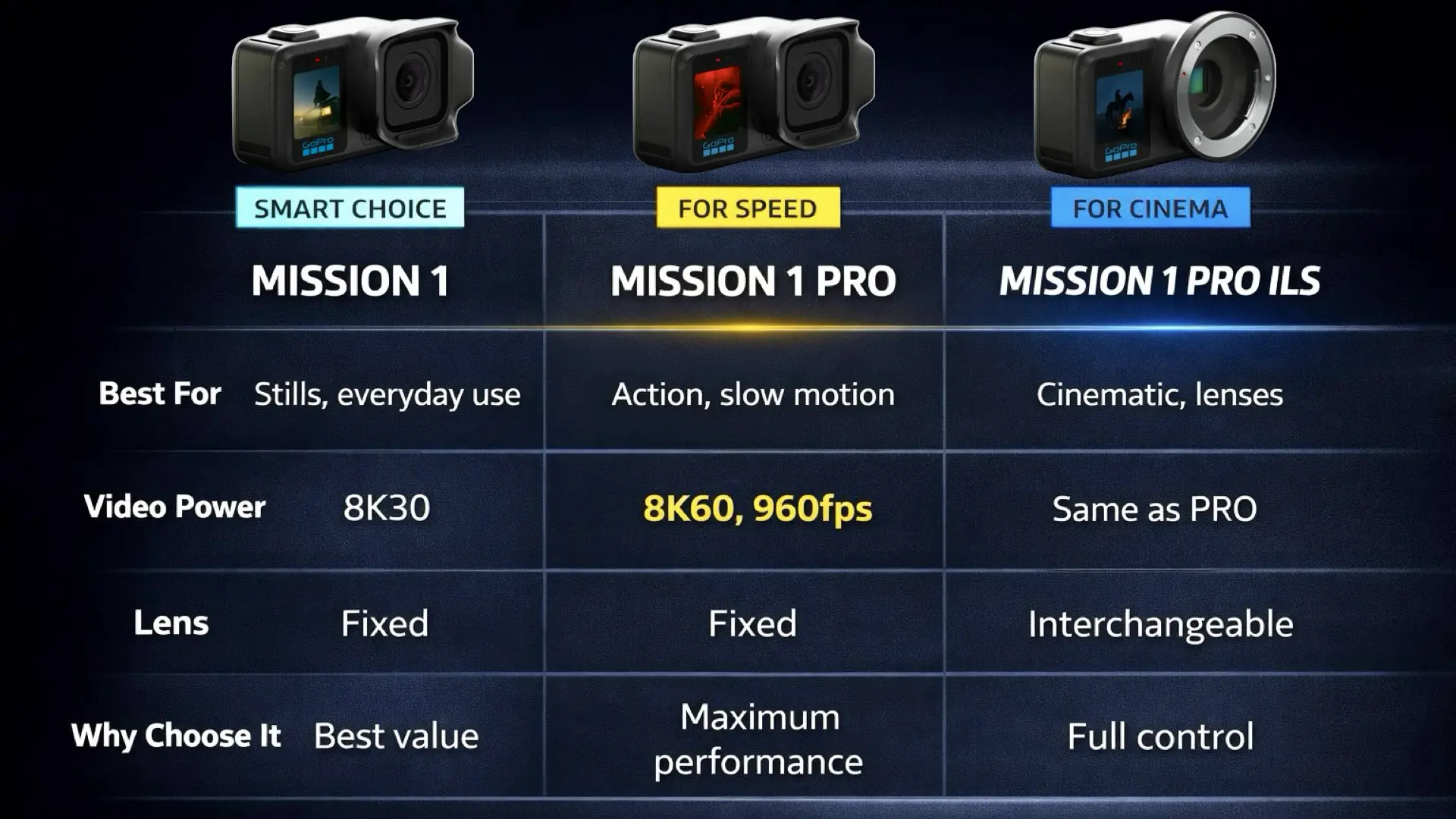
MISSION 1 may be part of GoPro’s valuation story
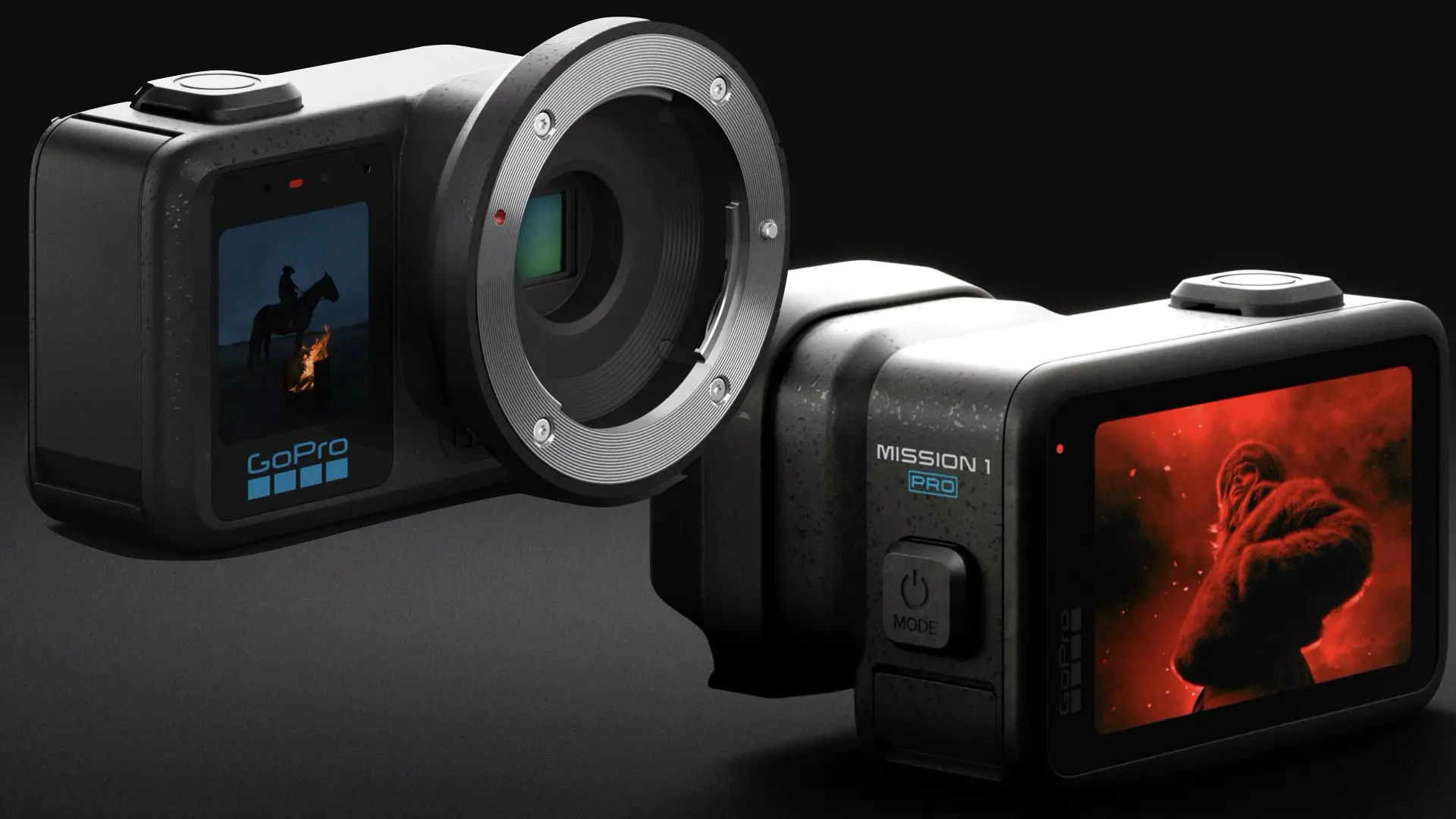
MISSION 1 now looks like more than a product. It may become part of the argument for GoPro’s future value. The camera line gives GoPro a new narrative around compact high-performance imaging. The company can point to rugged design, stabilization knowledge, small camera engineering, manufacturing scale, and a brand that is still globally recognized. In cinema terms, that means POV rigs, crash cams, vehicle mounts, drone work, immersive capture, and compact production systems. In defense and aerospace terms, it suggests payload cameras, field imaging, training systems, unmanned platforms, inspection, and mission-focused capture. That does not mean MISSION 1 was designed to prepare GoPro for a sale. There is no evidence for that. The point is simpler. A company reviewing strategic alternatives needs to show future relevance. MISSION 1 helps GoPro make that case.
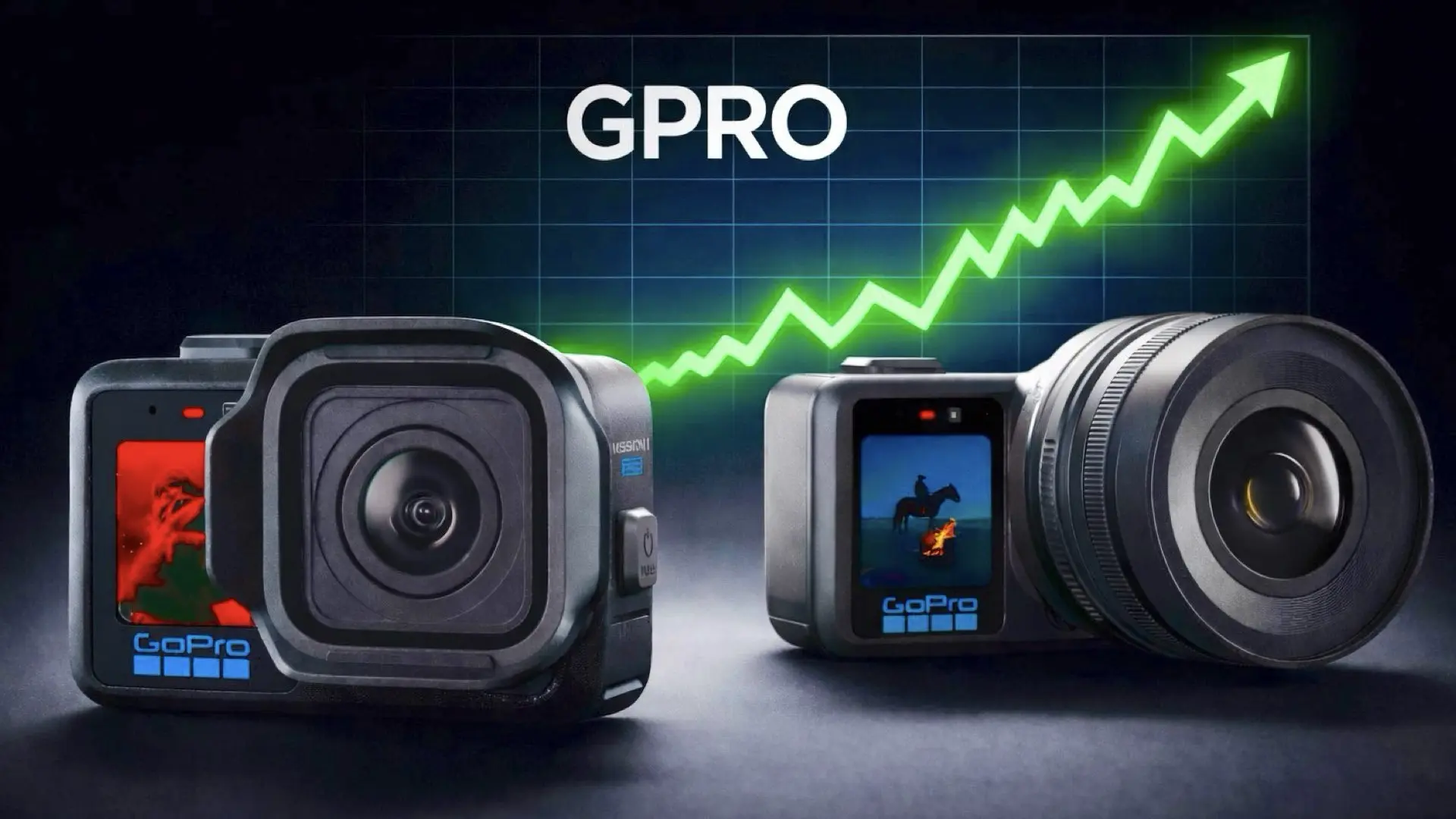
GoPro is trying to escape the action camera ceiling
The consumer action camera market has become harder. Smartphones absorbed much of casual video capture. DJI and Insta360 created aggressive competition in compact imaging. Creators now have more tools than ever, and the traditional action camera upgrade cycle is not as powerful as it once was. GoPro’s answer appears to be expansion. MISSION 1 pushes the company upward into professional imaging. Defense and aerospace push it sideways into specialized markets where ruggedness, size, and reliability can be more valuable than traditional camera ergonomics. GoPro is trying to prove that its technology still has value beyond the consumer shelf. The Board’s review now places that effort inside a much larger corporate frame.
Who could want GoPro?
The potential buyer profile is now the most interesting question. A larger consumer electronics company may see value in the brand and creator community. A drone or robotics company may see rugged camera engineering, stabilization, and compact capture systems. A defense or aerospace player may see a lightweight imaging platform with proven durability and manufacturing experience. A camera company may see a way to enter markets where conventional cinema cameras are too large, expensive, or fragile. MISSION 1 strengthens that conversation. It gives GoPro a product family that speaks to users who need small cameras in demanding places. That could be valuable in cinema. It could be valuable in aerospace. It could be valuable in defense. It could also be valuable to a company that wants GoPro’s IP and manufacturing base more than its traditional retail business.
Final thoughts
GoPro’s strategic review is one of the company’s most important announcements in years. The Board is now examining options that could include a sale or merger, and that review follows fresh interest after GoPro’s defense and aerospace push. MISSION 1 sits at the center of this new story. Is GoPro still an action camera company trying to grow, or is it becoming a compact imaging technology company looking for a new owner, partner, or strategic direction? MISSION 1 may be the clearest sign of where GoPro wants the market to look.