
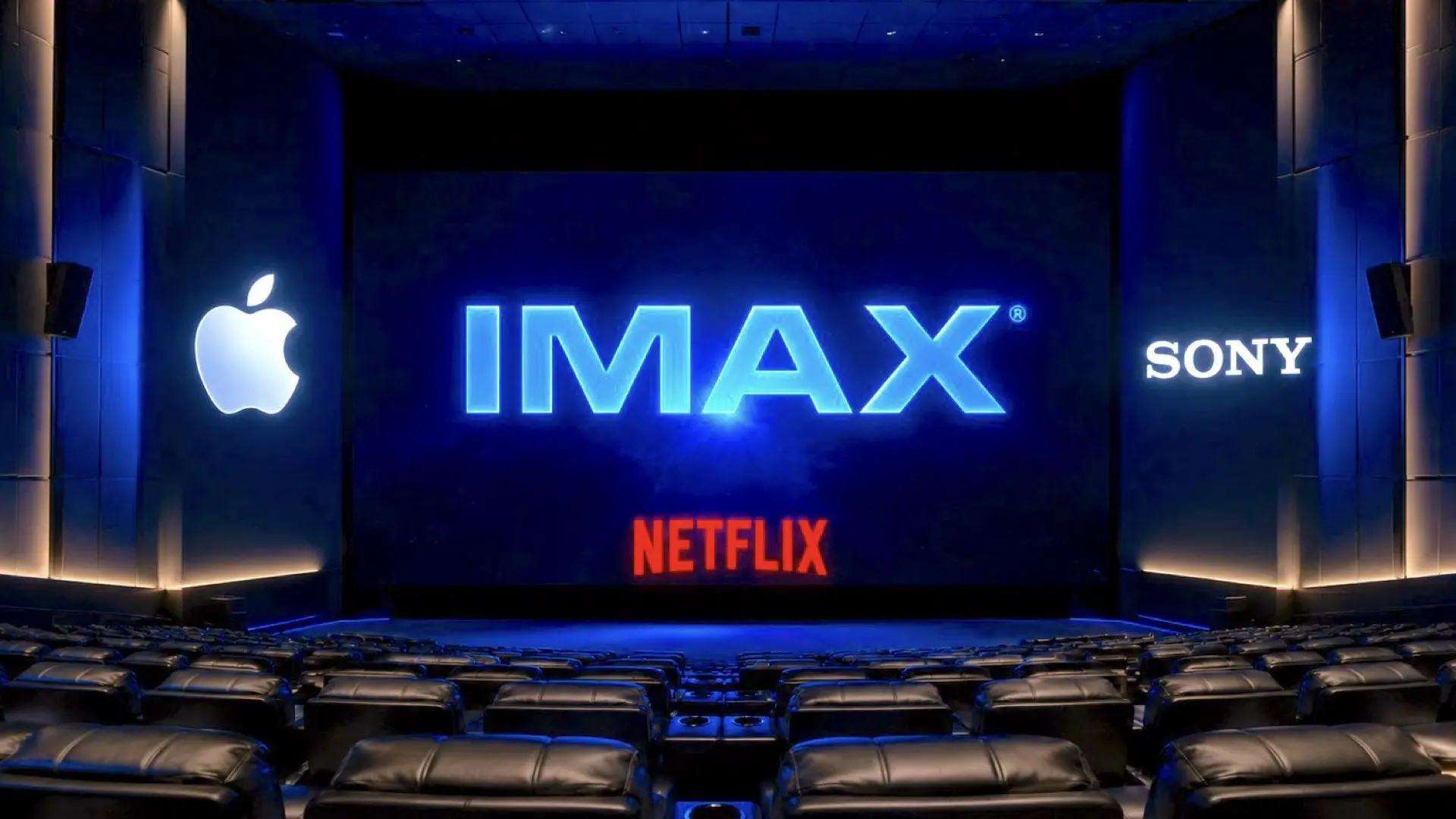
IMAX is reportedly being viewed by Wall Street as a serious acquisition target. The possible buyers include Apple, Sony, Netflix, and private equity. However, the real question is larger than valuation. What happens to Premium Cinema if one of the world’s biggest technology or streaming companies owns the IMAX ecosystem?
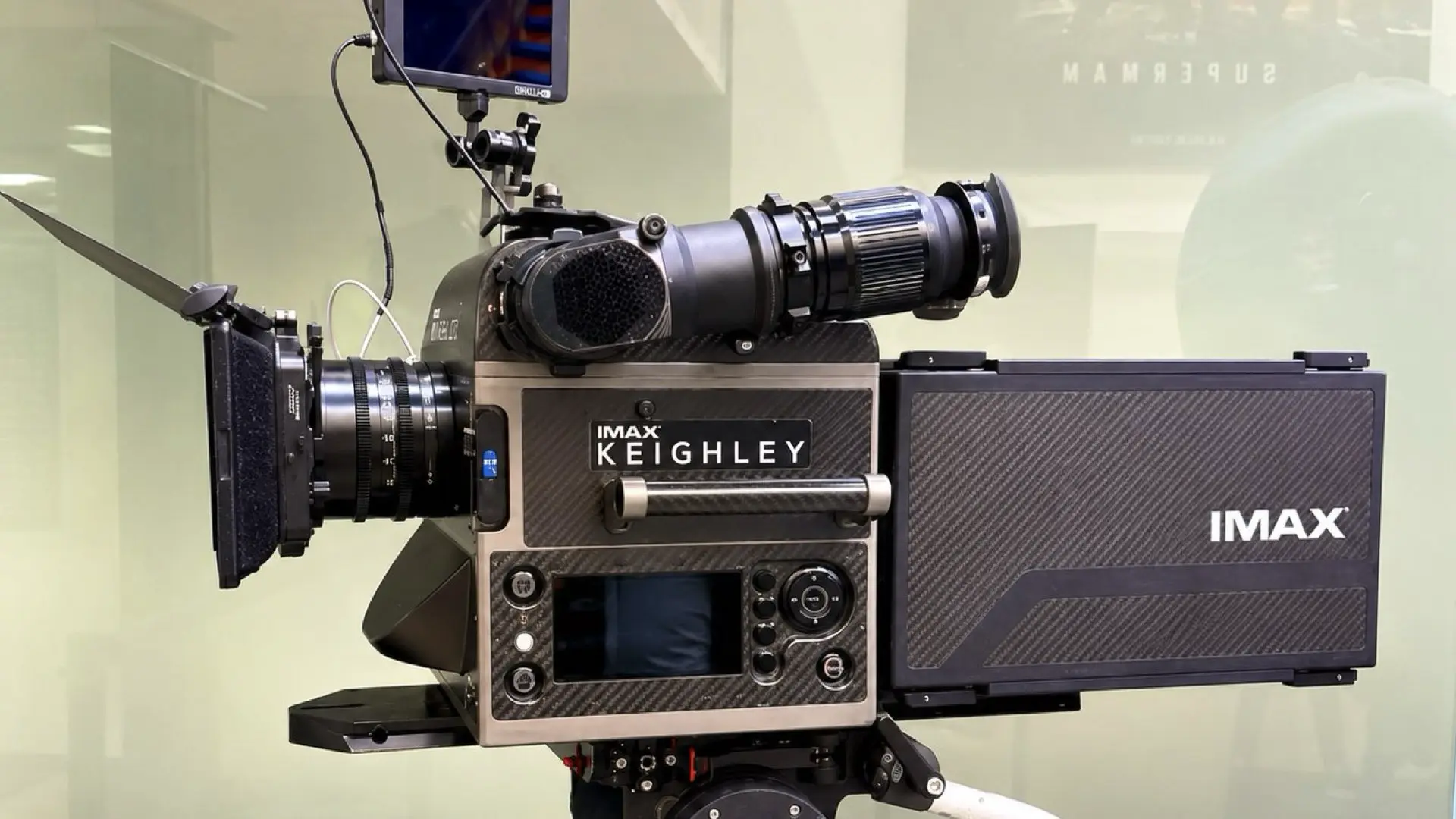
IMAX is suddenly a takeover story
IMAX has become one of the most valuable brands in theatrical cinema. According to CNBC, Wall Street is now discussing IMAX as a potential acquisition target after reports that the company has held preliminary talks through intermediaries. The same report states that IMAX shares rose roughly 14% following the speculation, while Seeking Alpha reported a 15% jump after the sale report surfaced. However, the most interesting part is the list of possible buyers. Analysts cited Apple, Sony, Netflix, and private equity as the most logical candidates. That list says a lot about what IMAX has become. It is no longer seen only as a large screen theater technology company. It is now a premium entertainment platform with global brand power, filmmaker credibility, theatrical leverage, and a unique position in the modern box office economy.
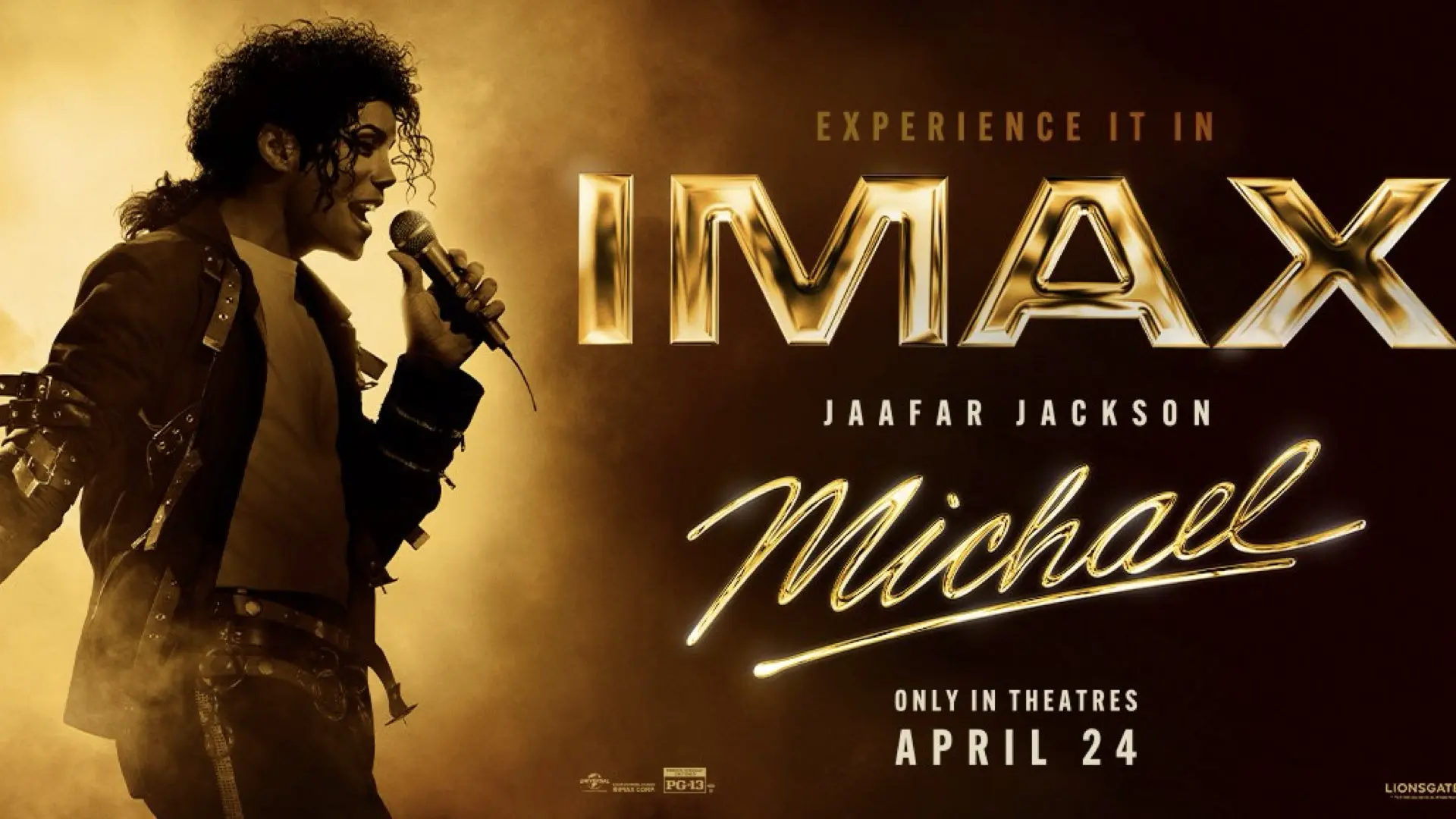
Why IMAX is attractive now
IMAX has something most entertainment companies desperately want. Audiences still recognize it as an event format. When a movie is filmed for IMAX, released in IMAX, or promoted around IMAX, it feels bigger, more technical, and more cinematic. That brand power is rare. CNBC reports that IMAX generated a record $1.28 billion at the global box office last year, more than 40% above 2024 and 13% higher than its previous record in 2019. Analysts also pointed to the company’s asset-light licensing model, global recognition, expanding earnings profile, and growth outside Hollywood through local language films and alternative content. That is why IMAX is attractive. It sits at the intersection of cinema technology, premium exhibition, filmmaker prestige, and global distribution. For a buyer with deep pockets, the market cap is relatively small. Seeking Alpha cited Wedbush’s note stating that IMAX’s approximately $1.85 billion market cap makes it digestible for major studios, technology platforms, or private equity. Let’s talk about that a bit.

If Apple buys IMAX
Apple would be the most symbolic buyer. Apple does not need IMAX to survive in the entertainment industry. However, acquiring IMAX would give Apple instant control over one of the strongest premium cinema brands in the world. Apple already operates in streaming through Apple TV Plus, hardware through iPhone, Mac, iPad, Vision Pro, and displays, and imaging through computational photography and spatial video. IMAX would give Apple something it does not currently own: a premium theatrical identity. This could turn IMAX into a bridge between theatrical cinema and Apple’s ecosystem. Apple could use IMAX to give its original films more cultural weight, especially prestige projects designed for awards, filmmakers, and theatrical visibility. It could also connect IMAX with Vision Pro, spatial entertainment, immersive video, and premium mastering workflows. However, the risk is neutral. IMAX works because every studio wants access to it. If Apple owns it, rival studios could worry that Apple productions receive preferential treatment. Even if Apple promises neutrality, perception would become a major issue. The IMAX brand is powerful because it feels independent from the studios. Apple ownership could strengthen the technology side while complicating the theatrical politics.
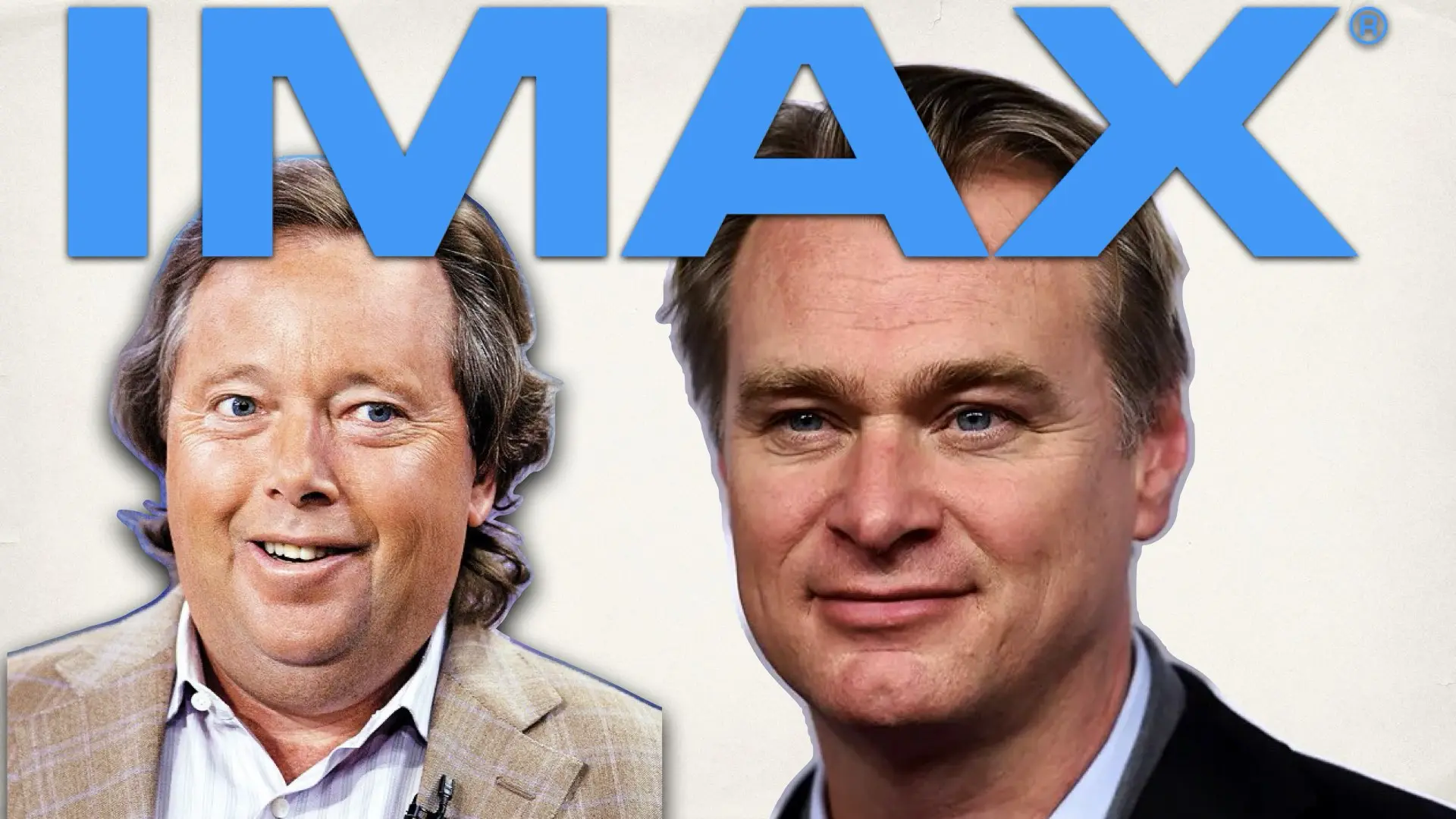
If Sony buys IMAX
Sony may be the most interesting buyer from a cinema technology perspective. Sony already has Sony Pictures, Sony Electronics, Sony Semiconductor Solutions, VENICE cinema cameras, image sensors, professional displays, and a deep presence in production and post-production. IMAX would fit naturally into that ecosystem. A Sony-owned IMAX could create a powerful end-to-end cinema chain. Sensors, cameras, lenses through partners, mastering, projection, premium theaters, and studio content could sit under one strategic umbrella. For our readers, this is the most technically intriguing scenario. It raises questions about whether future IMAX digital capture, camera certification, or large format workflows could become more closely connected to Sony imaging technology. Sony also does not operate a major global streaming platform like Netflix or Apple TV+. That could reduce some platform conflict. Sony would still own a major studio, so neutrality concerns would remain, but Sony’s position is different from Disney, Warner Bros., or Universal. It licenses content broadly and often plays well across platforms. The big question is whether Sony would use IMAX as a neutral premium cinema technology brand, or gradually align it with Sony’s own imaging and studio ambitions. If handled carefully, Sony could make IMAX stronger. If handled aggressively, it could make rival studios more cautious.
![The RED V-Raptor [X] XL. Behind the scenes of SWAN LAKE - Filmed for IMAX at Paris Opera](https://ymcinema.com/wp-content/uploads/2024/10/First-Ever-Filmed-for-IMAX-Ballet-Shot-on-RED-V-Raptor-XL-X.004.webp)
If Netflix buys IMAX
Netflix would be the most disruptive buyer. It would also be the most ironic. Netflix helped train audiences to watch films at home, and now it could theoretically own one of the strongest premium theatrical brands in the world. Analysts quoted by CNBC argue that Netflix may have a smaller conflict of interest than traditional studios because theatrical releases are not its main programming strategy. Owning IMAX could become a filmmaker recruitment tool. Netflix could tell top directors that their films will receive premium IMAX theatrical runs, supported by a global brand that audiences already understand. That would directly address one of Netflix’s long-running weaknesses with major filmmakers. Many directors still want theatrical prestige, large screen exhibition, and cultural impact. IMAX could give Netflix a stronger answer. However, this scenario would create tension with exhibitors and rival distributors. If Netflix owns IMAX, would theaters feel comfortable relying on an IMAX slate influenced by a streaming giant? Would studios trust IMAX release windows if Netflix controls the platform? Would Netflix use IMAX to create limited premium events before streaming launches? This could reshape the theatrical window debate almost overnight.

The private equity option may be the cleanest
Private equity may sound less exciting, but it could be the cleanest ownership model. Analysts noted that private equity would avoid many conflict issues because it would have no competing studio content to favor. IMAX’s value depends on trust. Studios, filmmakers, and exhibitors must believe that IMAX remains a premium platform for everyone. A private equity buyer could preserve that neutrality while trying to expand the business, grow international installations, and monetize alternative content. The downside is obvious. Private equity ownership often focuses on financial optimization. That could be good for expansion, but less inspiring for cinema technology. Apple, Sony, or Netflix could bring strategic vision. Private equity would bring financial discipline.

The biggest risk is losing neutrality
The central issue is not who can afford IMAX. Many companies can. The real issue is who can own IMAX without damaging what makes it valuable. Wedbush analyst Michael Piccolo, quoted by Seeking Alpha, pointed directly to this tension. A studio buyer could risk alienating rival distributors if it appears to favor its own content. That is the key danger. IMAX is powerful because it is a neutral premium layer above the studios. If that neutrality is compromised, the brand could lose some of its leverage. This is why Apple, Sony, and Netflix are fascinating candidates, but also problematic ones. Each could strengthen IMAX technologically or strategically. Each could also create anxiety among studios, exhibitors, and filmmakers.
Final thought
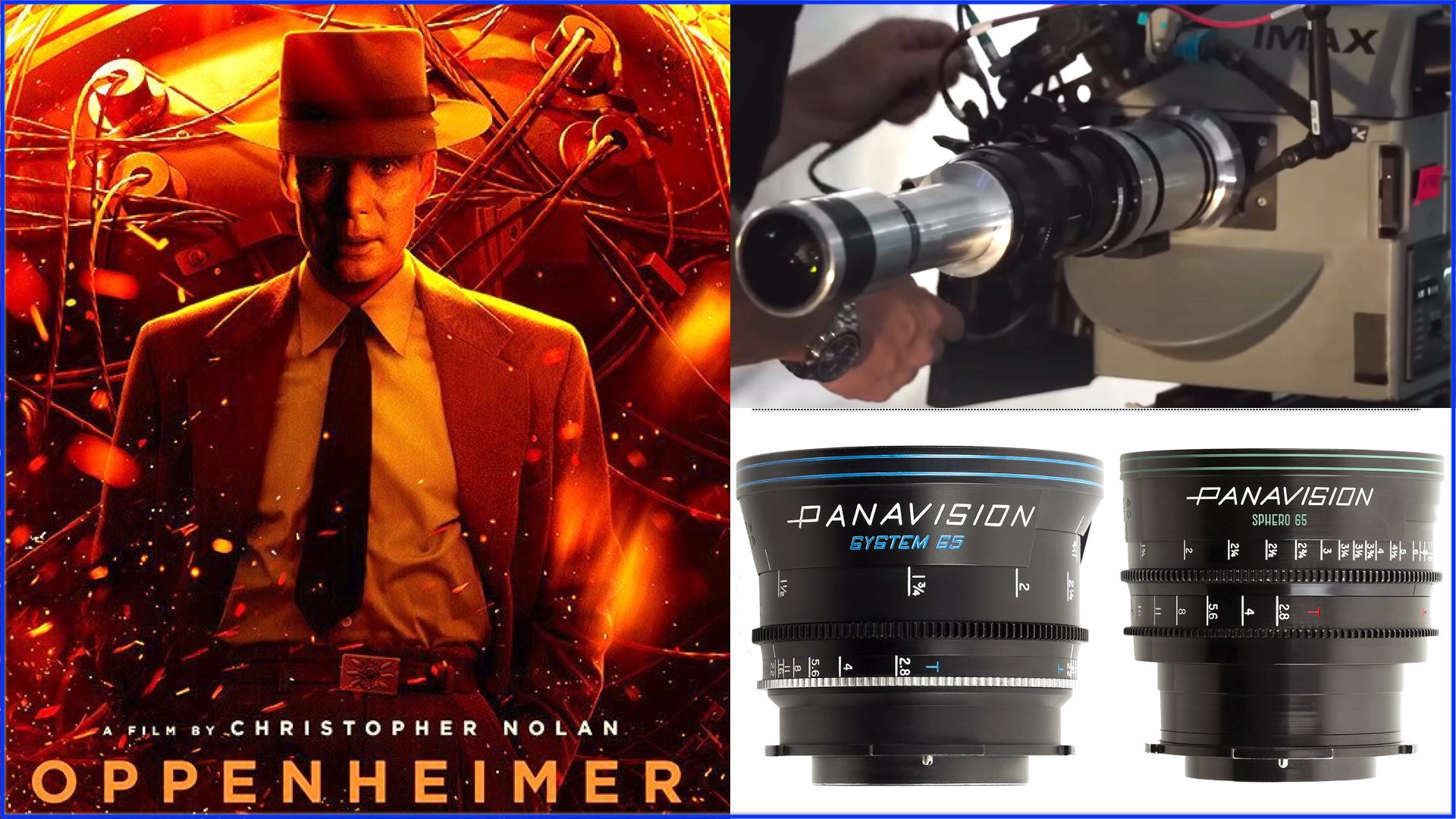
If Apple buys IMAX, premium cinema could become part of Apple’s broader hardware, services, and immersive entertainment strategy. If Sony buys IMAX, the result could be a powerful cinema technology ecosystem built around sensors, cameras, studios, and premium exhibition. If Netflix buys IMAX, the theatrical window could be redefined by the same company that disrupted it. However, the most valuable thing IMAX owns is trust. Filmmakers trust the format. Studios trust the release value. Audiences trust the brand. Any buyer that damages that neutrality could weaken the very asset it wanted to acquire. That is why this story is bigger than Wall Street. It is about who gets to control the premium cinema layer at a time when theatrical movies need event status more than ever. We LOVE IMAX, and we’d like to preserve it as much as it can!





“Audiences trust the brand.” They do? I used to, but haven’t in a long time. IMAX shut down tons of *real* 70mm film projection locations and then tried to con us into paying EVEN MORE massively inflated ticket prices for *fake* digital IMAX screenings (it’s asinine). Then they bought into all kinds of AI stupidity and every other form of technology that’s allegedly an “advancement,” but none of which is at all. I have no doubt that if not for the demands of Christopher Nolan IMAX would have abandoned film and what made them something special altogether. It’s too bad those *real* 70mm film IMAX theaters are out of reach for 99% of people now.