
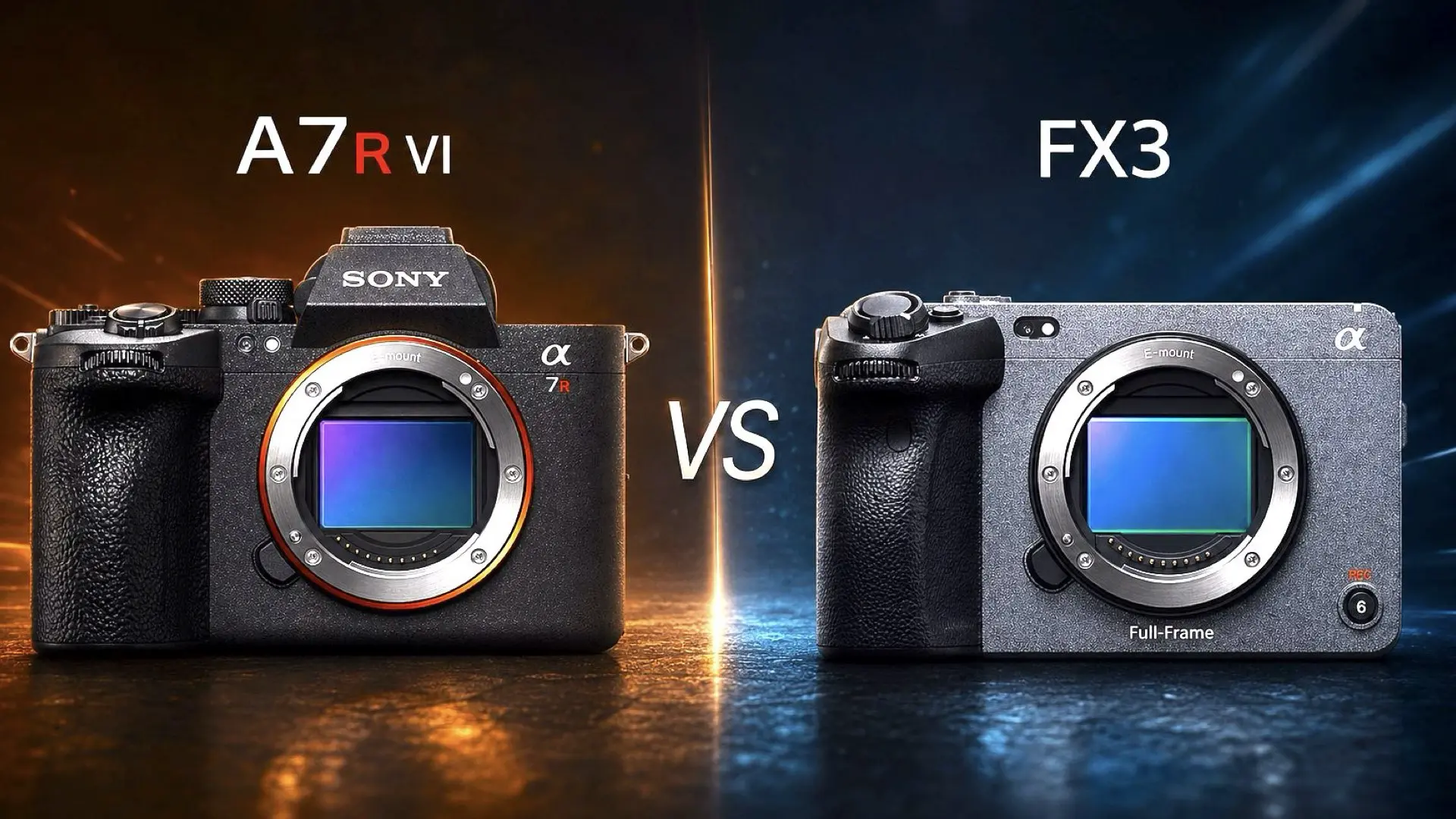
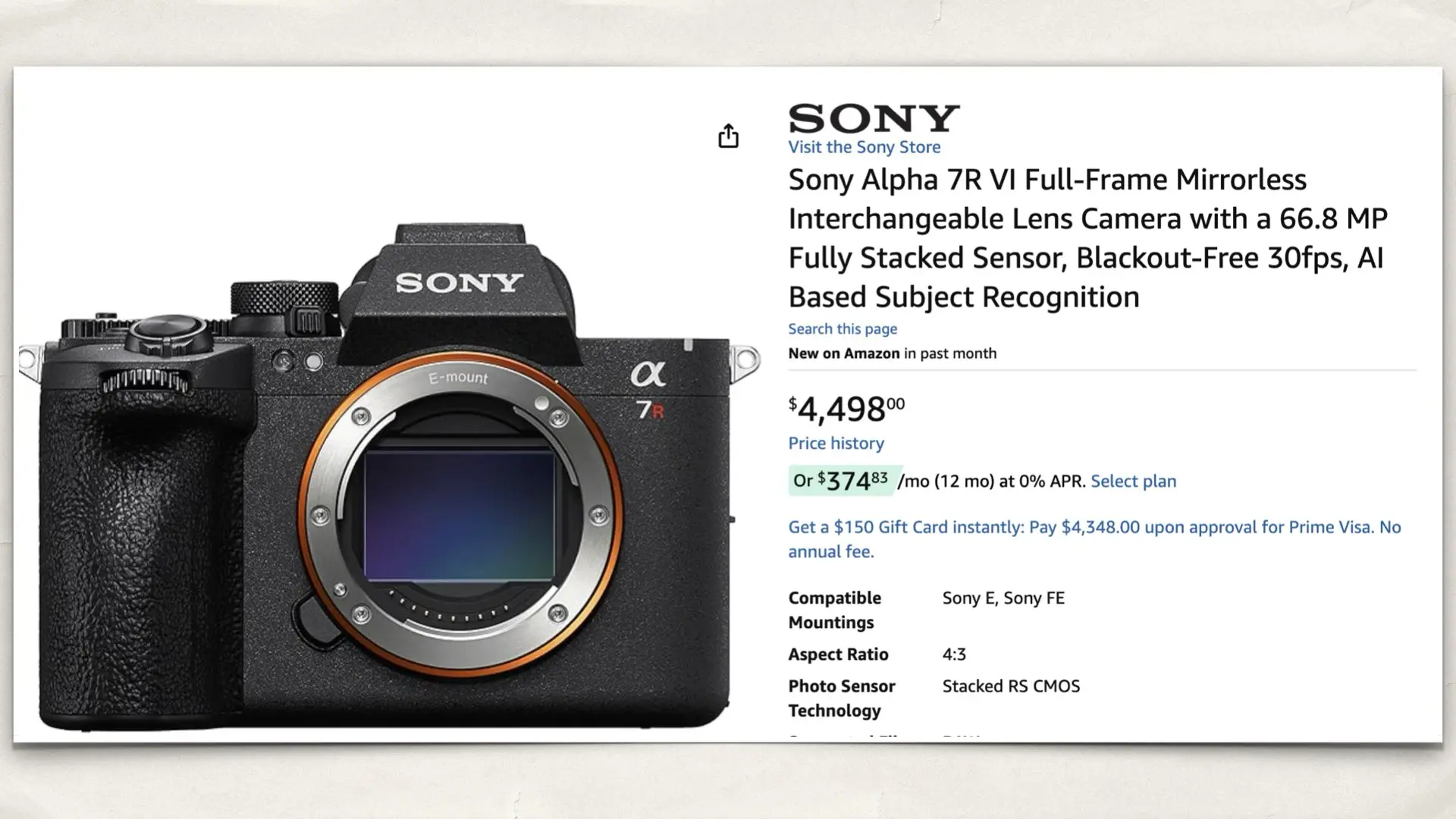
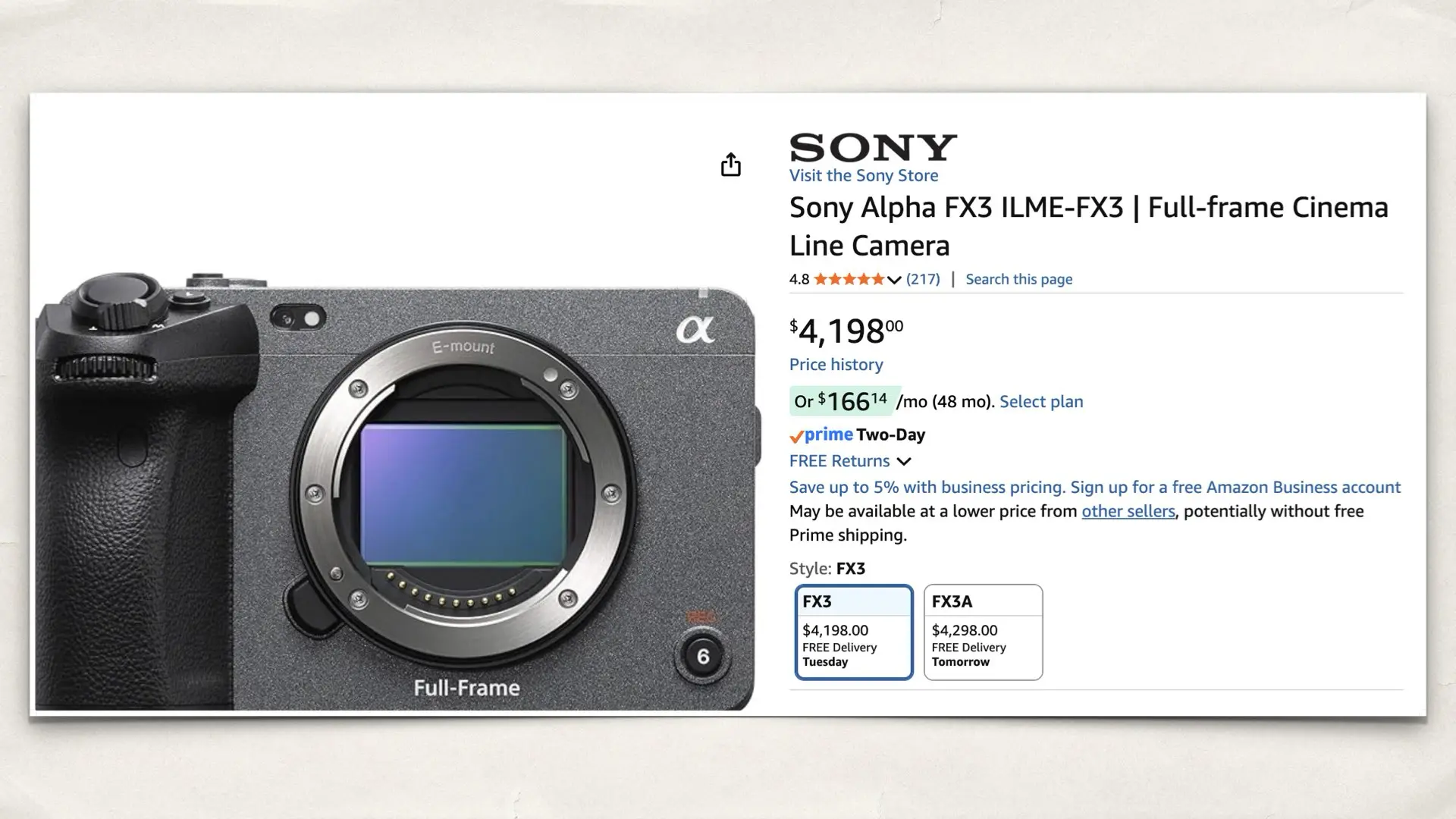
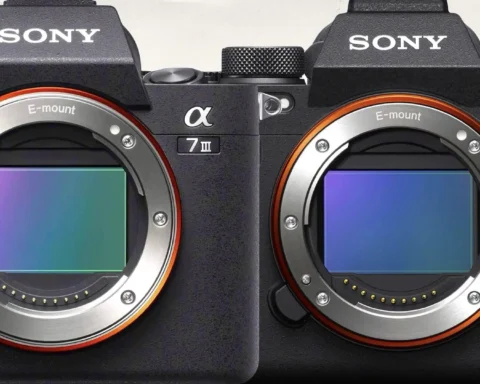
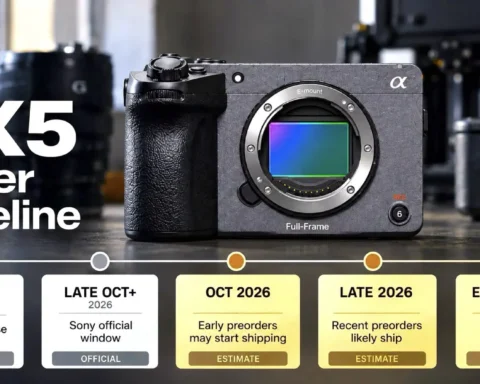
Sony has created a fascinating problem for camera buyers. The new Alpha 7R VI ($4,498 on Amazon) is officially a high-resolution Alpha camera, built around a 66.8 MP fully stacked full frame sensor, yet its video capabilities now push directly into territory many creators associate with compact cinema cameras. The FX3 ($3,998 on Amazon) , meanwhile, remains one of Sony’s most practical small production bodies, with a 12.1 MP full frame sensor, 4K 120p, S Log3 latitude, XLR audio, and a form factor designed for video work. That is the tension. On paper, the Alpha 7R VI looks like a hybrid monster. In practice, the FX3 still speaks the language of production. The more interesting question is no longer which camera has the stronger spec sheet. The real question is what kind of camera actually serves the modern filmmaker better when stills flagships start carrying serious cinema features.
The core facts
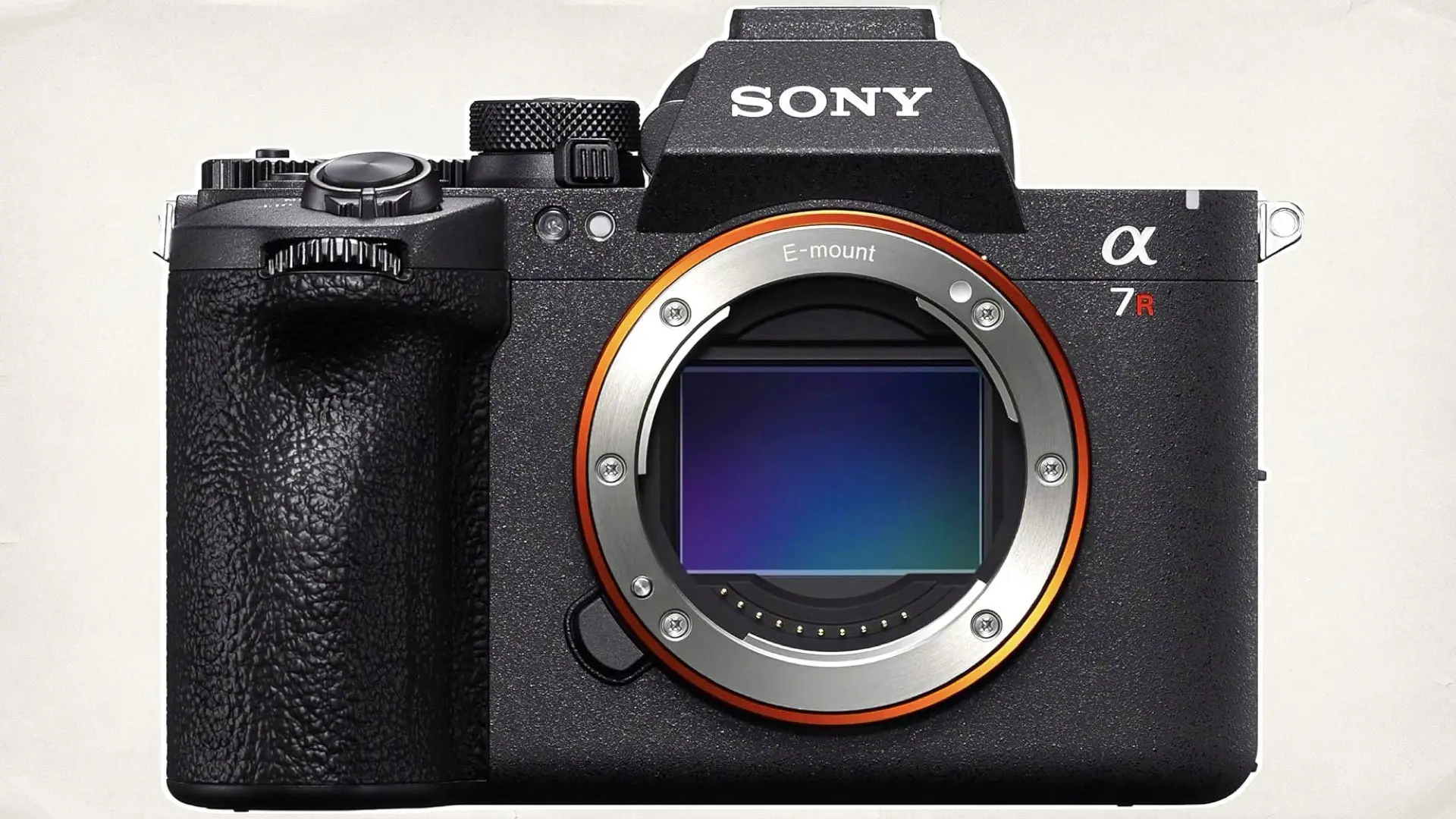
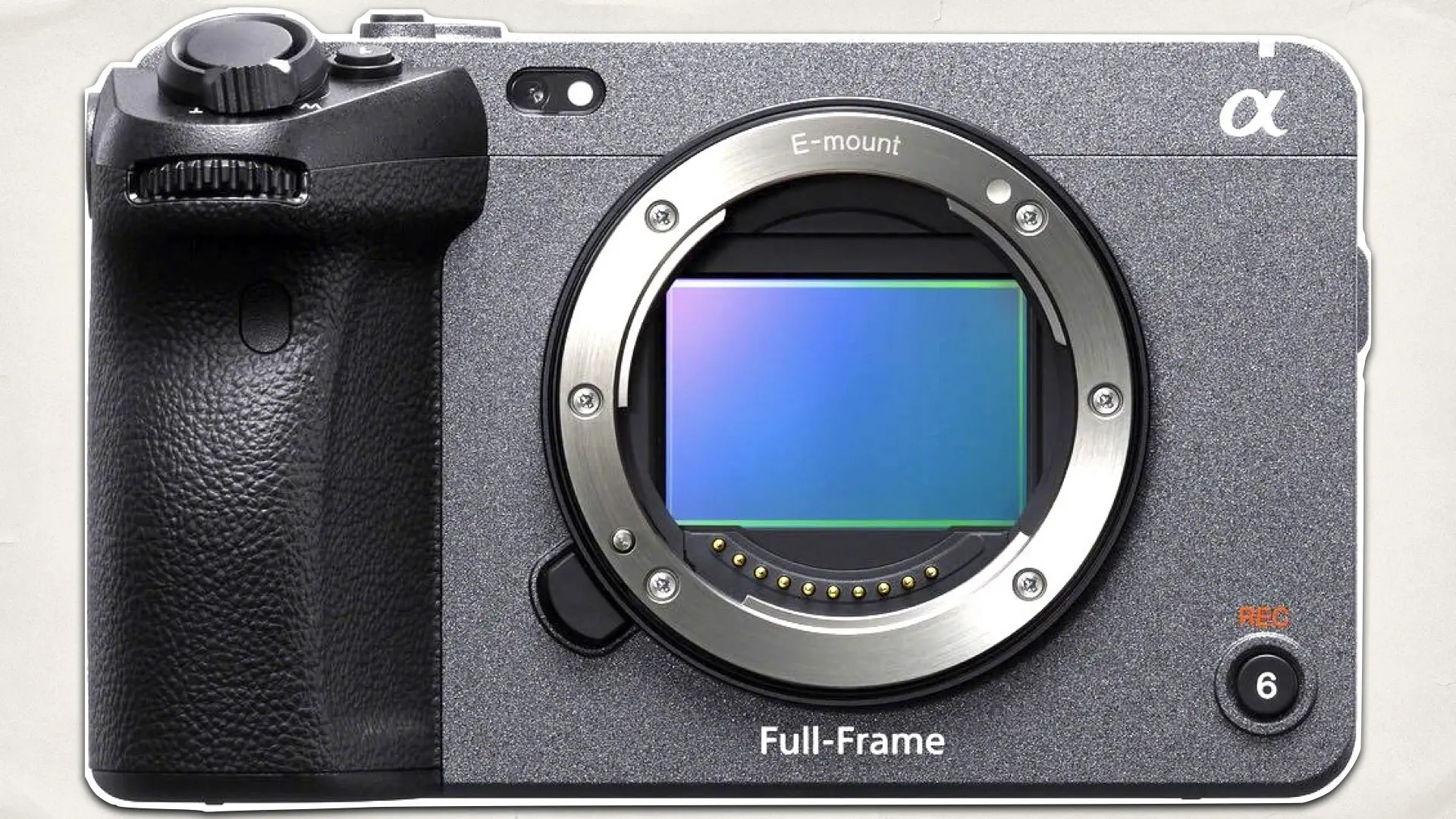
The Alpha 7R VI is the first camera in Sony’s Alpha 7R line to use a fully stacked Exmor RS sensor. Sony lists approximately 66.8 effective megapixels, readout speeds up to 5.6 times faster than the previous model, blackout-free 30 fps still shooting, 8K 30p recording, full frame 4K 120p, 4:2:2 10 bit support, Dual Gain Shooting, 32-bit float audio support via the optional XLR A4 adapter ($778 on Amazon) , and up to 16 stops of dynamic range at low sensitivities. The FX3 is built around a very different idea. Sony’s official specifications list approximately 10.3 effective megapixels for movies and 12.1 effective megapixels for stills, a full-frame Exmor R CMOS sensor, 4K 120p recording, 16-bit RAW output over HDMI, 15 plus stops of latitude in S Log3, headphone output, timecode support, dual CFexpress Type A and SD card slots, and an included XLR handle unit. So the Alpha 7R VI wins the resolution battle easily. It also brings newer processing, faster stills performance, stronger autofocus recognition, 8K, and a new stacked sensor architecture. The FX3 answers with a body and feature set that were designed around video capture first. That difference sounds obvious, yet the arrival of the Alpha 7R VI makes it harder to dismiss the high-resolution Alpha line as a stills-first product family with secondary video features.
Why is this comparison different now?
A few years ago, the division was clearer. The Alpha 7R line was for photographers who wanted resolution. The FX3 was for solo filmmakers, documentary shooters, creators, small crews, and professionals who needed a compact Cinema Line camera. The FX3 did not need to beat an Alpha 7R camera in megapixels because that was never its mission. It was designed to shoot video reliably in a production context. The Alpha 7R VI changes the tone of that conversation. A stacked 66.8 MP sensor with 8K recording and full frame 4K 120p forces a more serious question: if a high resolution Alpha can shoot this well, where does the entry compact cinema camera justify itself? The answer is more nuanced than many spec comparisons suggest. A camera can have 8K and still be less convenient on set. A camera can have fewer pixels and still be better suited to production. The FX3 is not simply a lower resolution alternative. It is a tool shaped around video habits: mounting points, XLR audio, monitoring, heat management expectations, rigging behavior, timecode support, and operational simplicity during long shooting days.
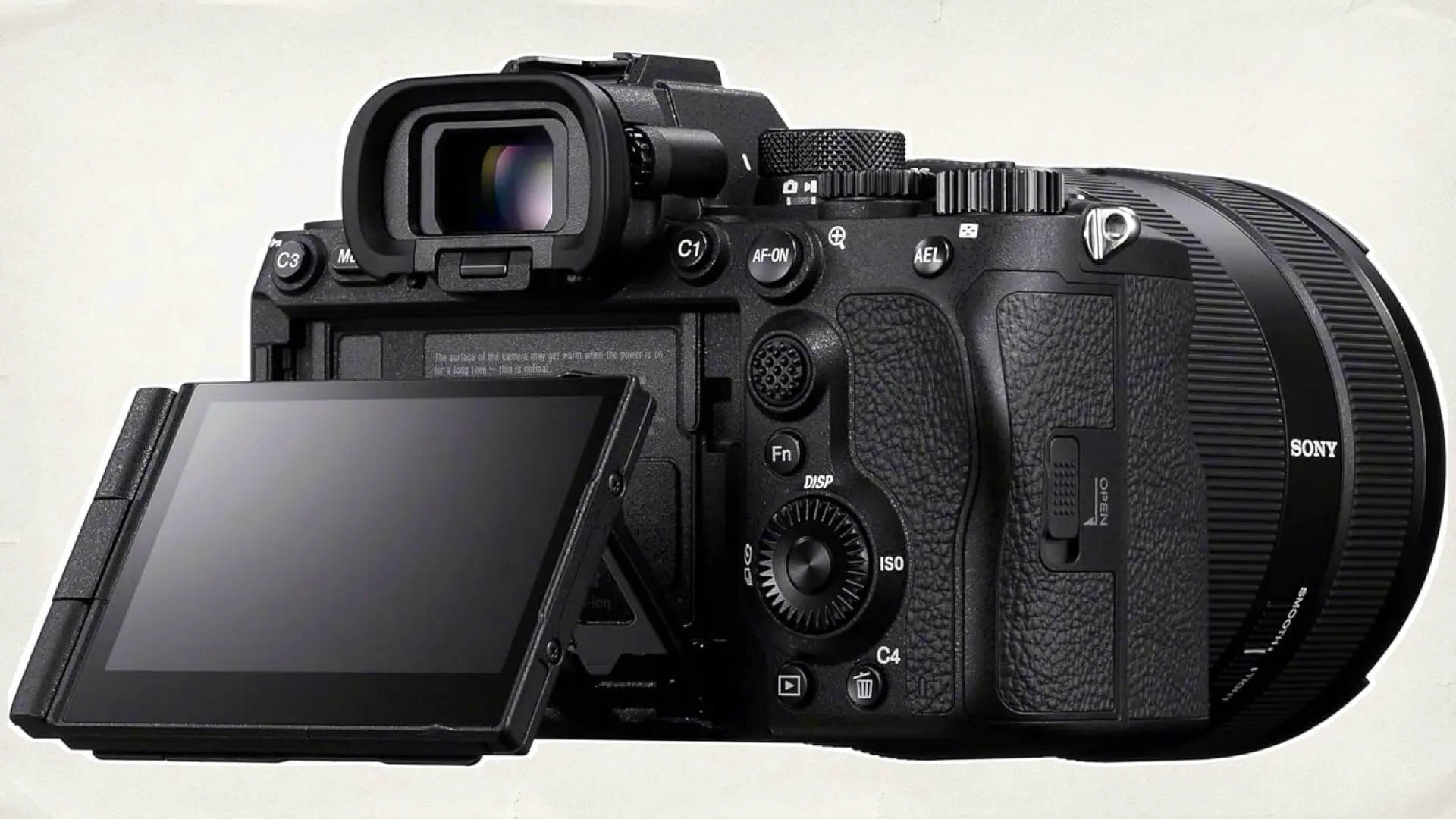
📦See the Alpha 7R VI on Amazon
📦See the FX3 on Amazon
The wider industry meaning
The Alpha 7R VI is part of a larger movement across the camera industry. Hybrid cameras are absorbing features that used to be associated with cinema bodies. Fast sensors, advanced autofocus, 10-bit internal recording, RAW output, high frame rate 4K, powerful stabilization, and AI-based subject recognition are no longer rare professional luxuries. They are becoming expected in premium mirrorless bodies. That creates pressure on cinema cameras from below. If a stills flagship can deliver high resolution photography, fast bursts, 8K video, and credible dynamic range in a compact body, then smaller cinema cameras need to justify themselves through workflow rather than headline specifications. This is the real signal behind the Alpha 7R VI vs FX3 debate. Sony has built one of the broadest camera ecosystems in the industry, from Alpha hybrids to FX Cinema Line bodies to VENICE cameras. The challenge is that the middle of the lineup is becoming crowded. Cameras are no longer separated cleanly by image quality alone. They are separated by use case, accessories, ergonomics, thermal confidence, audio architecture, codec depth, and what happens when the camera is used for 8 hours rather than 8 minutes. That shift affects buyers. It also affects manufacturers. The next generation of compact cinema cameras cannot rely only on “cinema” branding. They need to provide production advantages that hybrid bodies cannot easily replicate.
The technical context in plain English
The biggest technical difference starts with the sensors. The FX3 uses a low-resolution full-frame sensor, which is ideal for fast readout, strong low-light performance, and clean 4K capture. It does not need to manage a huge amount of pixel data because its sensor is built around video efficiency. That is why the FX3 became so attractive to filmmakers who wanted a small camera with serious low-light capability and strong 4K performance. The Alpha 7R VI goes in the opposite direction. It carries far more pixels, yet the stacked sensor architecture helps it move data much faster than older high-resolution sensors. Faster readout reduces some of the practical weaknesses normally associated with high-resolution cameras, including rolling shutter behavior and slower electronic shutter performance. Sony says the Alpha 7R VI offers readout speeds up to 5.6 times faster than the previous model. For video shooters, 8K 30p gives the Alpha 7R VI a real creative advantage when reframing, stabilizing, extracting stills, or finishing in 4K with oversampled detail. Full frame 4K 120p gives it the slow motion feature many creators expect from a modern premium camera. Dual Gain Shooting also points to a more cinema-oriented direction, because it is meant to preserve shadow detail and tonal flexibility for grading. Still, the FX3 retains a cleaner mission. It does not try to be a 66.8 MP still body. It is a compact video camera built around 4K acquisition, production audio, rigging, and creator mobility. For many filmmakers, that may be more valuable than 8K. The FX3’s included XLR handle, headphone jack, timecode support, and Cinema Line positioning all point to a body that was designed to live on a rig, on a gimbal, in a documentary bag, or inside a compact crew setup.
The buying problem Sony created
The Alpha 7R VI creates a new kind of buyer confusion. A filmmaker who also shoots high-end stills may look at the FX3 and wonder why they should give up 66.8 MP, 8K, and the newest autofocus system. A video-only shooter may look at the Alpha 7R VI and ask why a stills camera now appears more advanced than a dedicated Cinema Line body in several headline categories. The answer depends on the job. If the camera must deliver high-resolution stills, advanced hybrid performance, 8K capture, wildlife, travel, commercial photography, and serious video in one body, the Alpha 7R VI is a very strong argument. It is the camera for the shooter who cannot separate photography and video into different tools. If the camera will mainly shoot interviews, handheld documentary scenes, branded content, behind-the-scenes work, compact cinema projects, gimbal work, or long video days, the FX3 still has a strong identity. Its lower-resolution sensor is not a weakness in that context. It is part of the design philosophy. The camera is simpler, more video-focused, and better matched to production accessories out of the box. This is why the comparison should not be reduced to “newer camera beats older camera.” The Alpha 7R VI is newer and more impressive in many technical areas. The FX3 is still a dedicated production tool. The more cameras converge on specs, the more important design intent becomes.
YMCinema’s two cents
The Alpha 7R VI is one of the clearest signs yet that the hybrid camera is becoming a serious threat to the lower end of the cinema camera market. Sony’s high-resolution Alpha body now carries enough video power to make many creators pause before buying a dedicated compact cinema camera. That does not mean the FX3 is obsolete. It means the FX3’s value has to be explained through workflow, not through a spec sheet. Cinema technology is no longer defined only by sensor size, resolution, or frame rates. Those numbers still count, but they do not tell the whole production story. A camera’s real value appears when it is rigged, powered, monitored, recorded, moved, handed to an operator, used with audio, and pushed through a full shooting day. The Alpha 7R VI shows where Sony’s imaging technology is going: stacked sensors, faster processing, high resolution, AI-assisted operation, stronger video, and fewer compromises between stills and motion. The FX3 shows why cinema cameras still exist: production design, reliability, video-first operation, and a body built around filmmaking rather than feature accumulation.
As an Amazon Associate, Y.M.Cinema earns from qualifying purchases. If you purchase through the Amazon links above, Y.M.Cinema may earn a small commission at no additional cost to you. This helps support our work.
Gear mentioned in this article
Available on Amazon
| Product | New | Renewed | Used |
|---|---|---|---|
| Sony a7R VI | $4,498 | — | From $4,224.93 |
| Sony FX3 | $3,998 | — | — |
| Sony XLR A4 adapter | $778 | — | — |
Prices checked: Oct 7, 2026, 1:30 PM GMT+0000
As an Amazon Associate, Y.M.Cinema earns from qualifying purchases. If you buy through our links, we may earn a small commission at no extra cost to you.
Product prices and availability are accurate as of the date/time indicated and are subject to change. Any price and availability information displayed on Amazon.com at the time of purchase will apply to the purchase of this product.
CERTAIN CONTENT THAT APPEARS ON THIS SITE COMES FROM AMAZON. THIS CONTENT IS PROVIDED “AS IS” AND IS SUBJECT TO CHANGE OR REMOVAL AT ANY TIME.






The FX3 is $4,300 USD in mid 2026. It is a 6 year old camera and its cost is 10% MORE expensive than when it launched. Meanwhile, the A7RVI just launched for only $200 USD more. The comparison must be made. If video focused work flow is the only competitive advantage that Sony has in this price range, they better add features or the competition will eat their lunch!