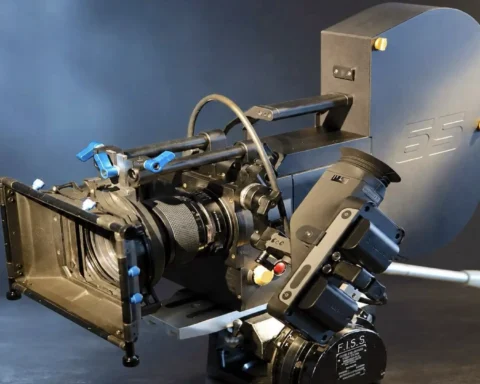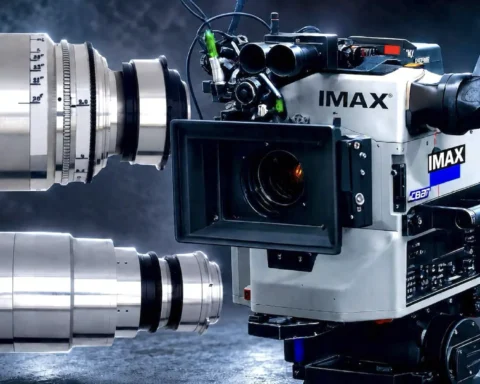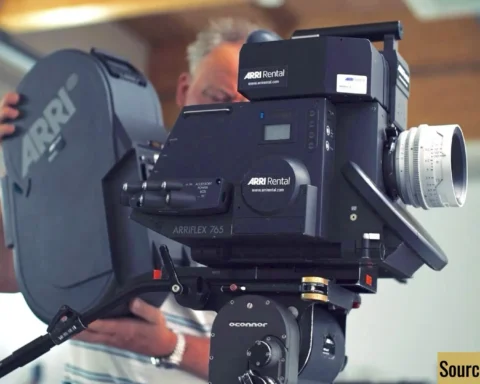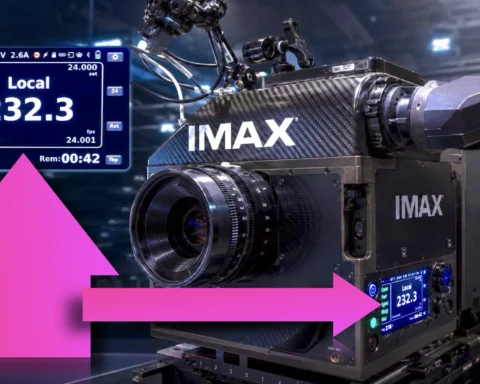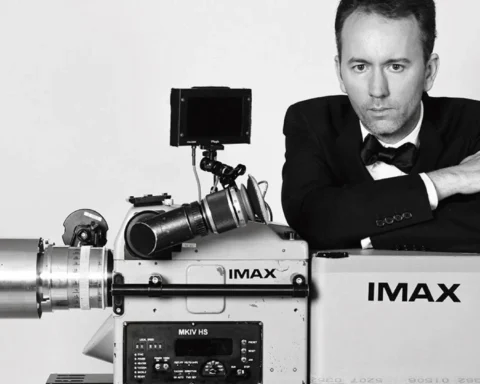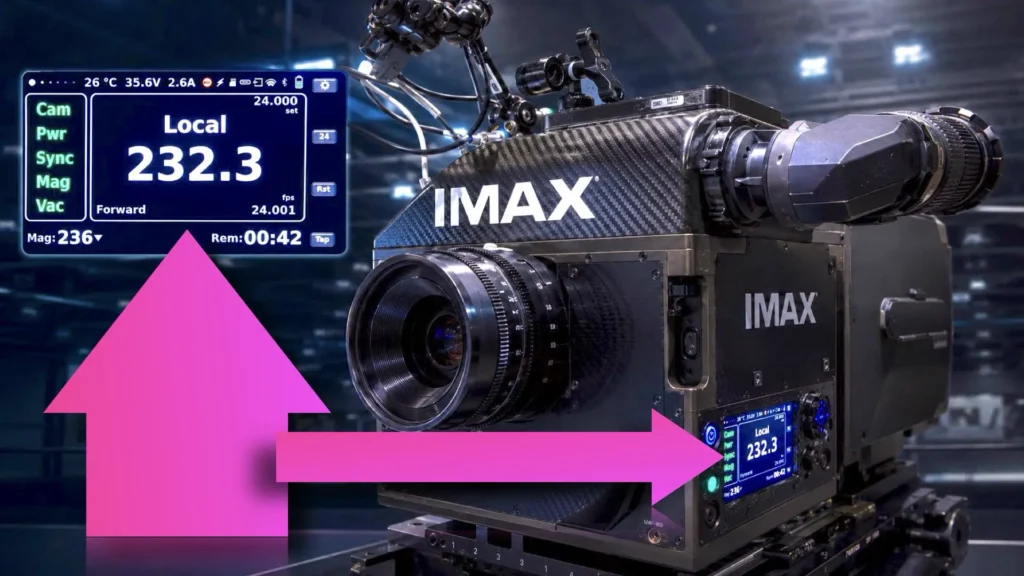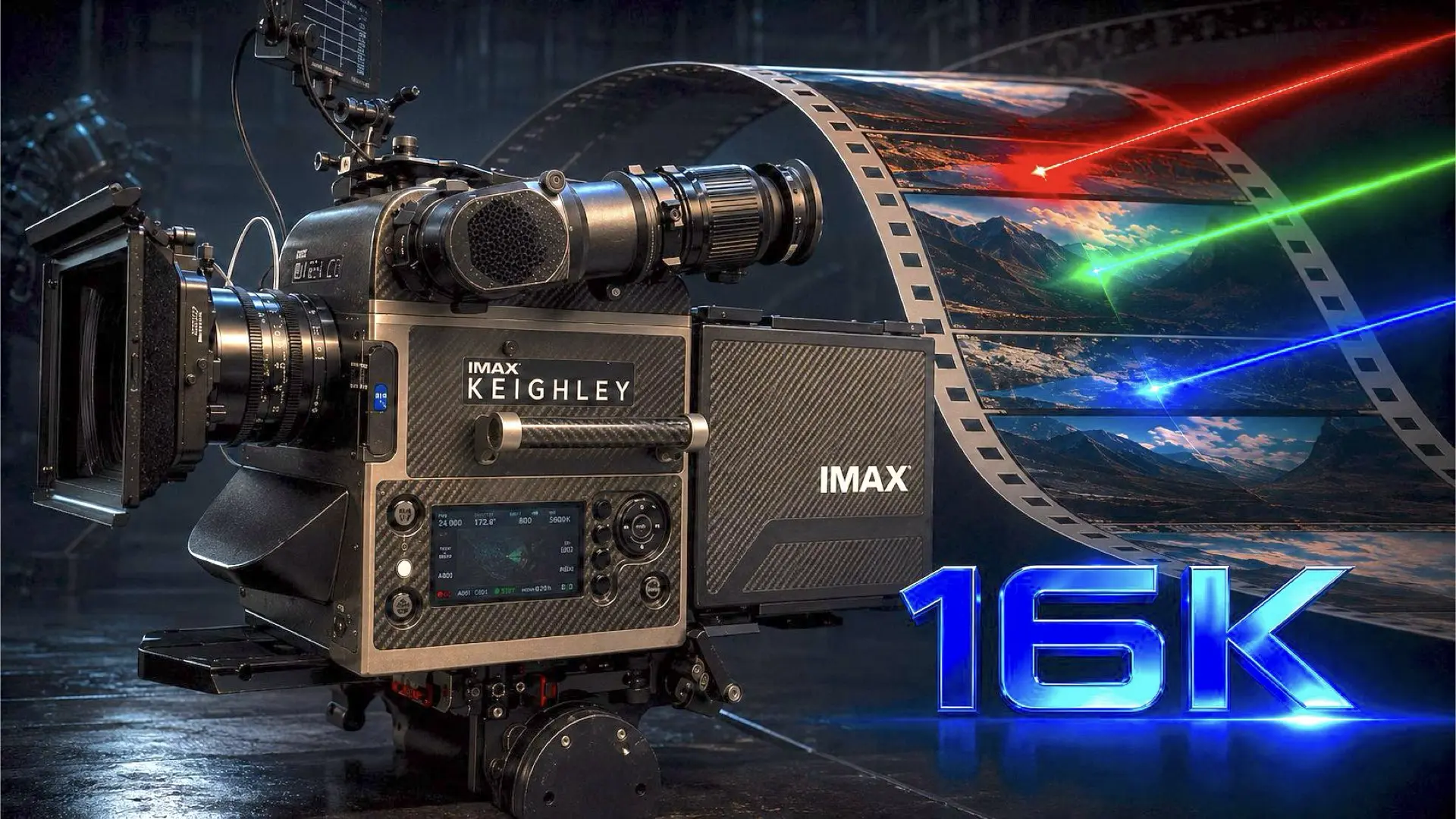
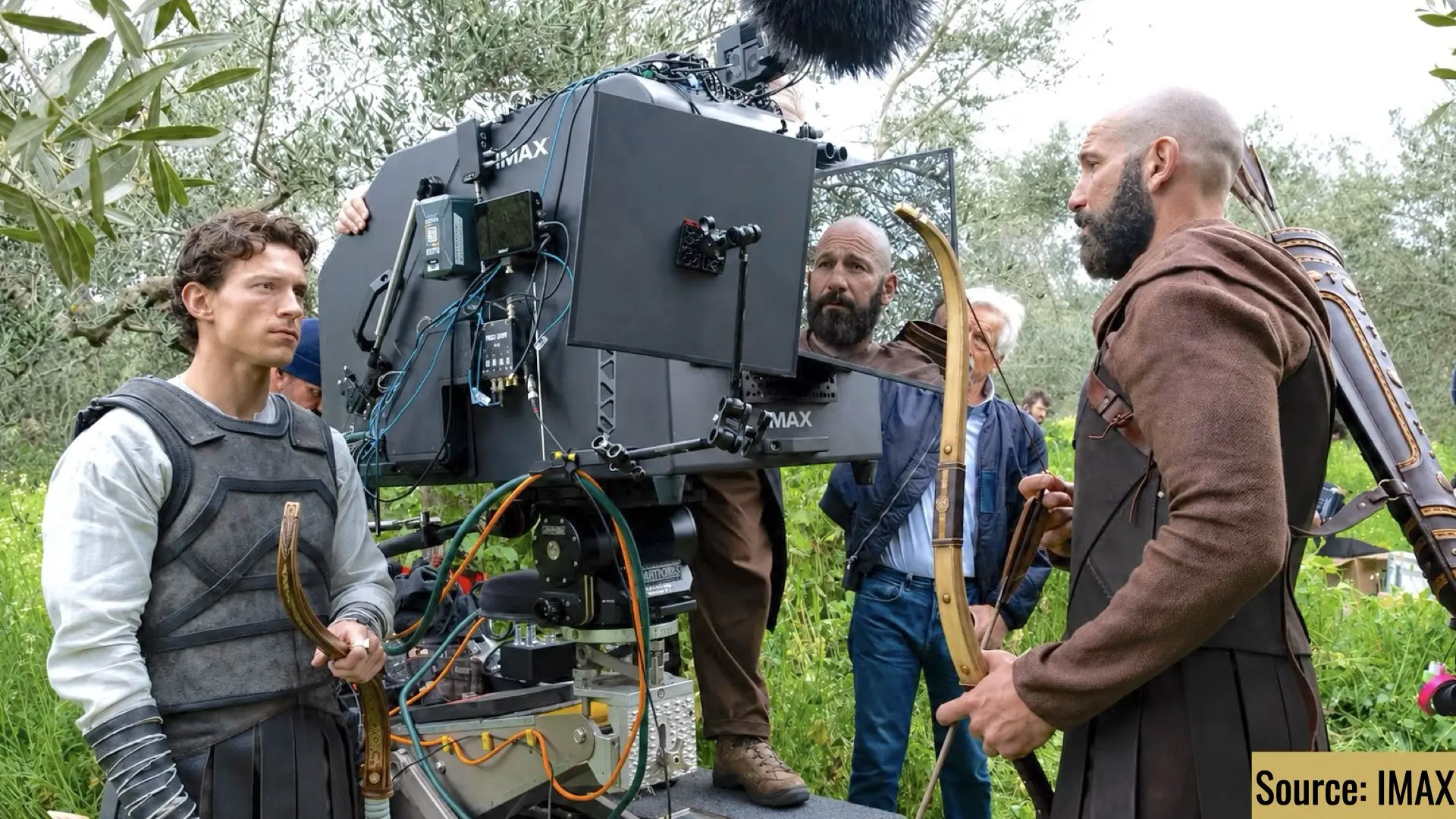
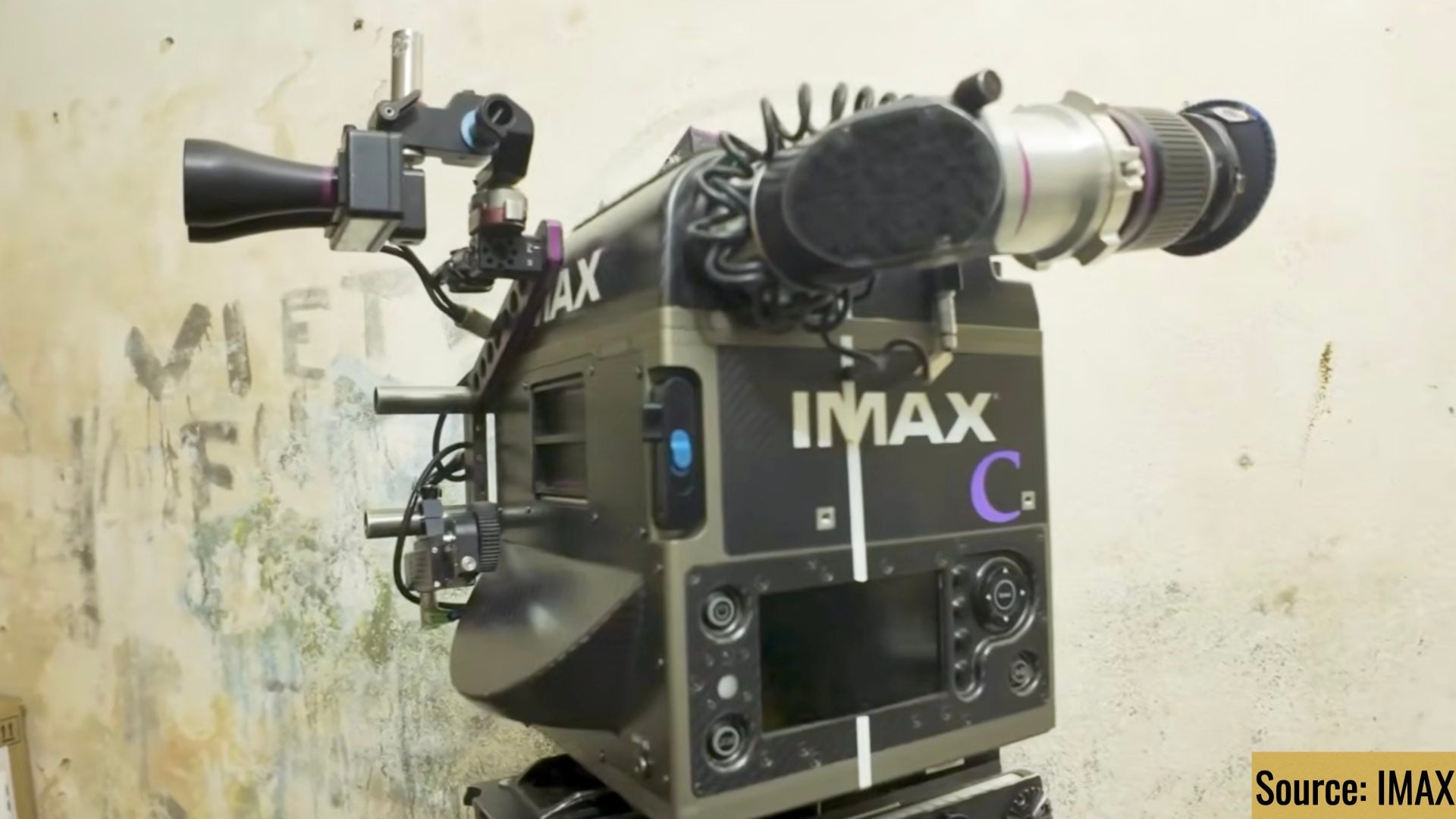
IMAX has released a new behind-the-scenes video on The Odyssey, focusing on the large-format film technology behind Christopher Nolan’s upcoming epic. The video continues the company’s recent messaging around The Odyssey as a major technical milestone: a feature film shot entirely with IMAX film cameras, using the new Keighley IMAX 65mm film camera system. IMAX’s official page for the film also states that The Odyssey was “shot entirely with IMAX Film Cameras.” However, the most interesting part of the new video is not simply that The Odyssey was shot on IMAX film. That has already been widely discussed. The more technical claim is IMAX’s description of the image information inside each frame. According to IMAX, each individual IMAX frame contains roughly 14K to 16K of resolution, and that is described as being “per color.”
What does “per color” mean?
Color negative film does not capture images the same way a digital cinema sensor does. Most digital cinema cameras use a single image sensor covered by a color filter array, usually a Bayer pattern. In that design, individual photosites are filtered to collect red, green, or blue information. The camera then reconstructs a full RGB image through a demosaicing, or debayering, process. Therefore, the stated sensor resolution is not the same as saying that every color channel is sampled at that full resolution. Film works differently. Color negative film is built from multiple light-sensitive emulsion layers. In simplified terms, those layers respond to different parts of the visible spectrum, allowing the film to record color information through stacked photochemical layers rather than through a grid of red, green, and blue-filtered sensor sites. So when IMAX says that a 15/70 IMAX frame holds 14K to 16K of resolution “per color,” the company is emphasizing that the film frame carries extremely high spatial image information across its color records, not merely as a single reconstructed digital image. However, this should not be interpreted as a perfect one-to-one equivalent to a clean 16K digital RGB camera file. Film is analog. Its usable resolution depends on many variables, including stock, lens performance, exposure, focus, camera stability, film processing, scanning method, grain structure, contrast, and projection. The number is best understood as IMAX’s way of describing the potential information capacity of the 15/70 frame.
Why IMAX film is different from digital large format
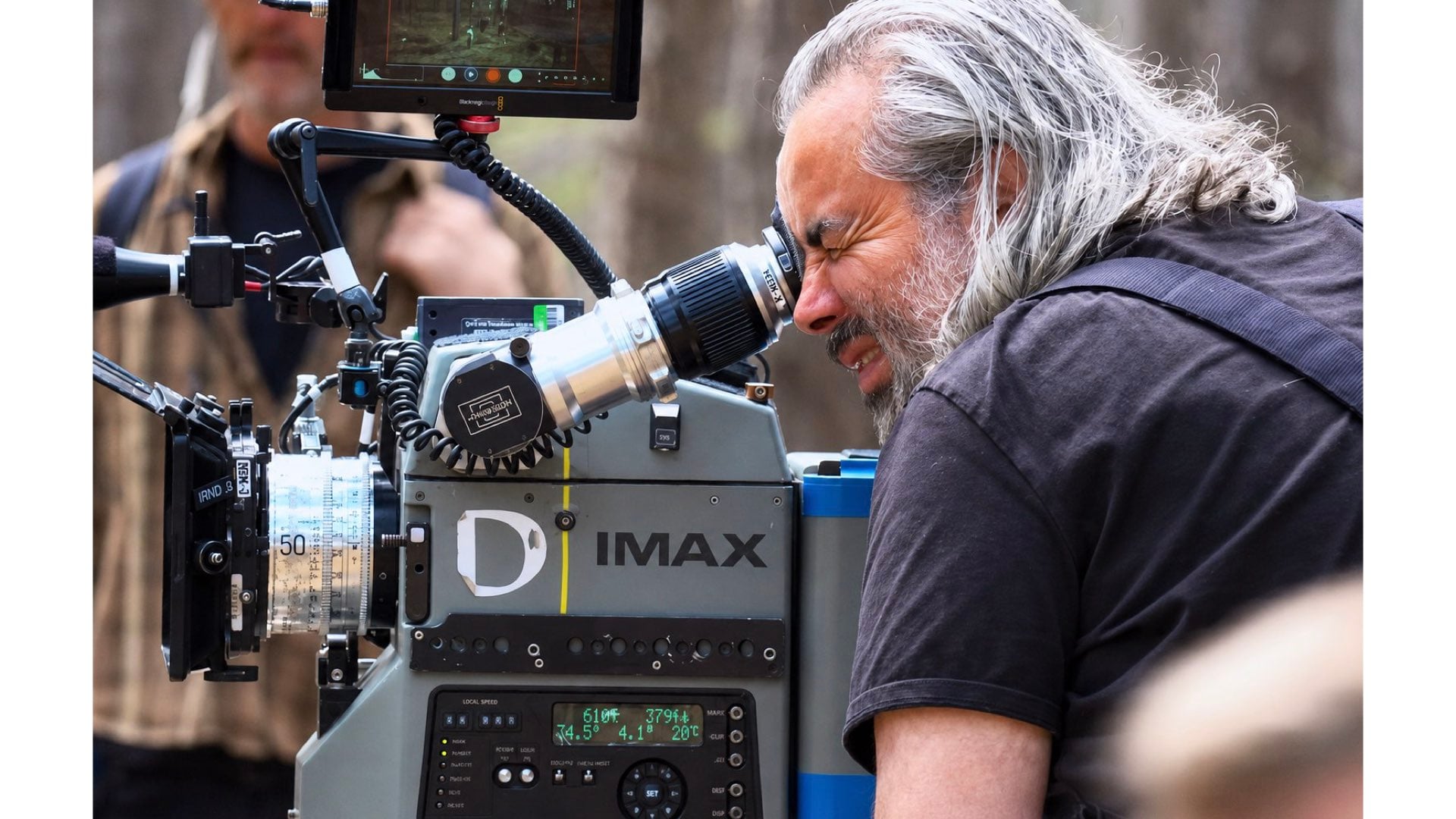
The IMAX 15/70 format uses 65mm camera negative running horizontally through the camera, with 15 perforations per frame. This creates a much larger image area than standard 35mm motion picture film and also larger than conventional 5-perf 65mm. The result is a huge negative, which is the foundation of IMAX’s claim regarding resolution, detail, and image scale. This is also why IMAX film cameras have historically been difficult to use for full narrative features. The cameras are large, mechanically complex, loud, and limited by short film loads. Dialogue scenes, handheld work, and long takes are not natural strengths of traditional IMAX film production. That is where the Keighley camera becomes relevant.
14K to 16K is not just a number
Resolution figures in cinema can be misleading. A digital 8K camera, a 4K DCP, a 65mm negative, and an IMAX 15/70 print are not directly comparable by pixel count alone. Digital capture is sampled. Film capture is photochemical. Digital resolution is grid-based. Film resolution is continuous but constrained by grain, optics, processing, and scanning. IMAX is arguing that the 15/70 negative still contains an amount of color and spatial information that current digital cinema systems do not fully replicate. Whether one accepts the number literally or treats it as a practical estimate, the point is clear: IMAX is using The Odyssey to reassert the value of analog large-format capture in a digital cinema world.
The practical result
For audiences, the technical difference should be most visible in IMAX 70mm projection, where the full 15/70 frame can be presented in its intended large-format theatrical form. Other versions will still benefit from the original capture format, but they will not fully reproduce the same capture-to-projection chain. The educational takeaway is simple: IMAX’s latest video is not just marketing the scale of The Odyssey. It explains why IMAX film remains technically distinct. The 15/70 frame is physically huge. Its color information is recorded photochemically. Its resolution potential is massive. And with the Keighley camera, IMAX is attempting to make that system more practical for modern feature filmmaking.