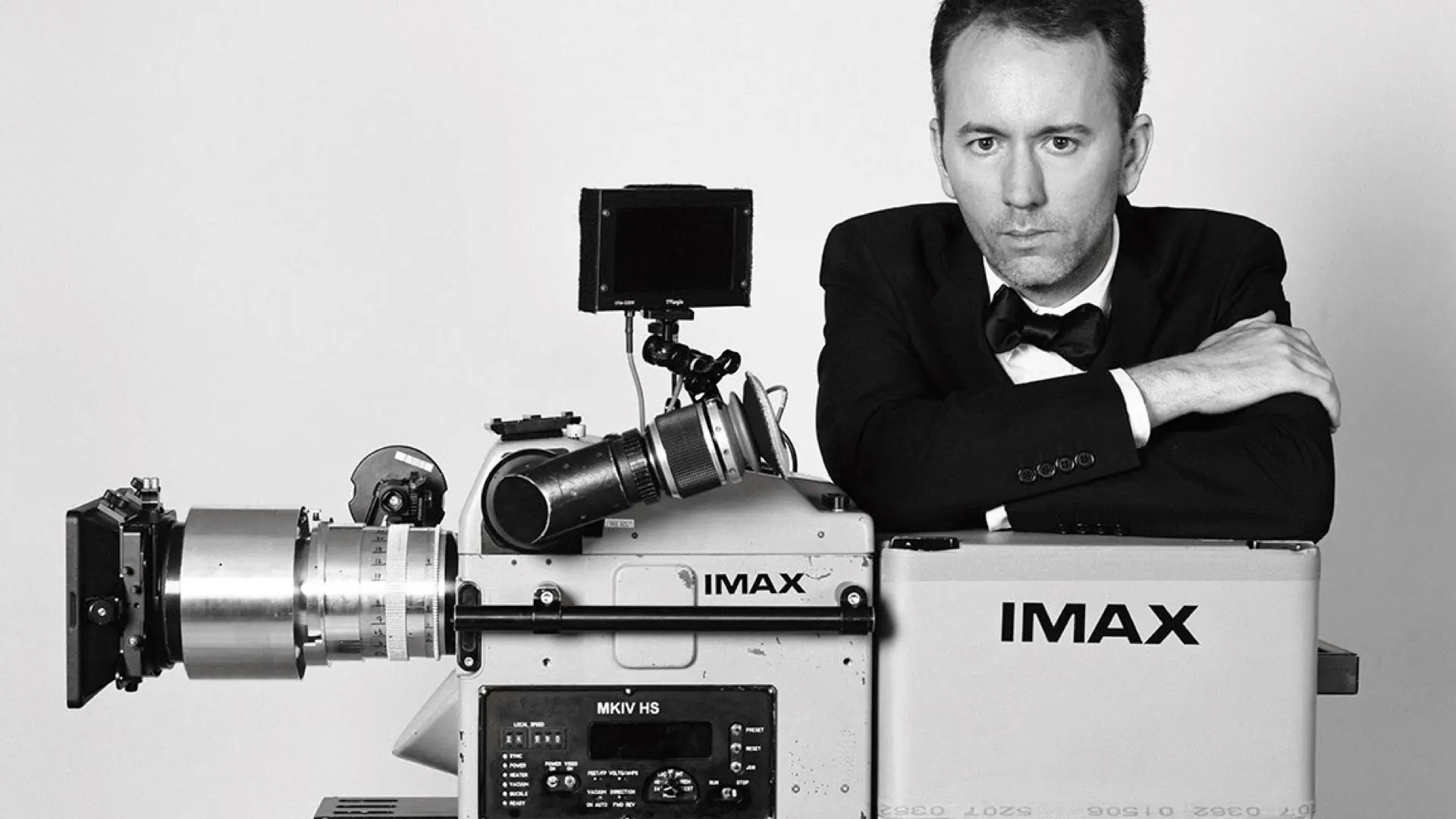
There is a new and very unusual entry in the IMAX conversation, and it is not coming from a Christopher Nolan-sized production. Chapter 51, the comedic thriller written, directed, and shot by photographer Tyler Shields, is claiming a very specific cinema-tech first: the first film shot using anamorphic IMAX, with a one-of-a-kind lens system created with Panavision. According to Shields, Chapter 51 used a newly created anamorphic IMAX format as part of a broader film-format experiment that also included Super 8, 16mm, 35mm, VistaVision, Ultra Panavision, traditional IMAX, and other large-format tools. Let’s dive a bit.
IMAX film is already extreme
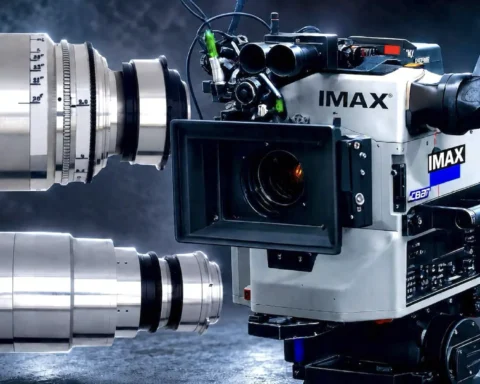
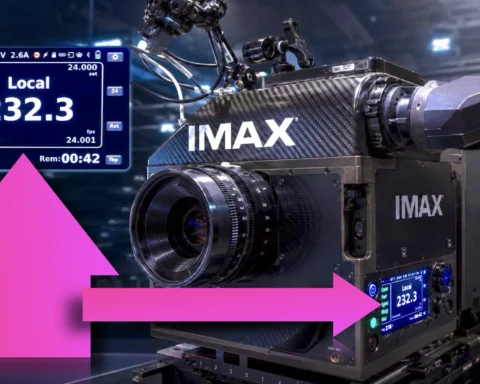
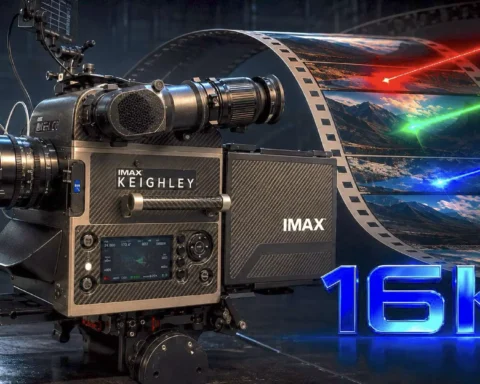
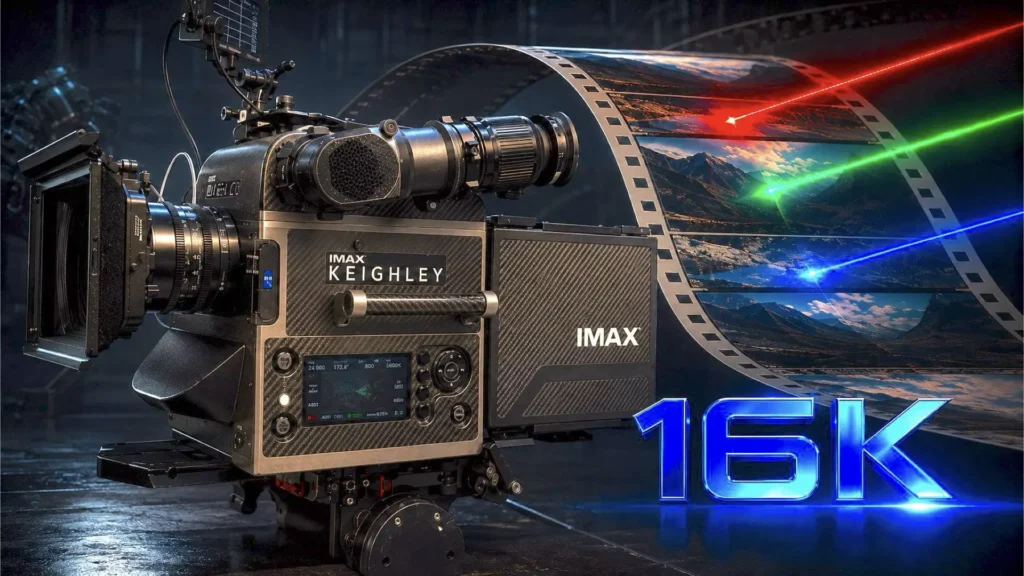
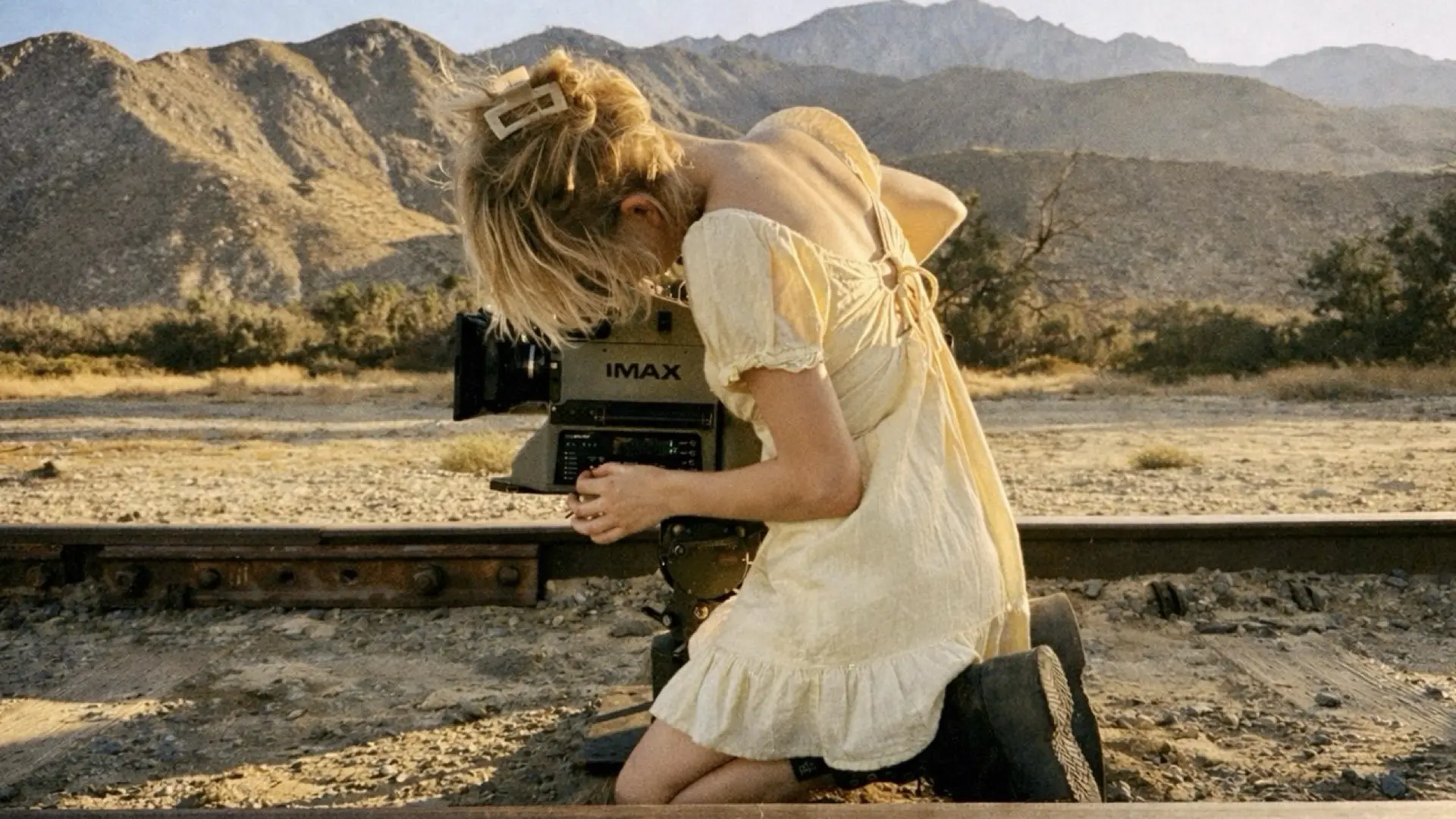
To understand why this is interesting, it helps to remember what IMAX film actually is. Traditional IMAX film photography uses a 15-perforation horizontal 65mm negative. Instead of running vertically through the camera like standard 35mm or 5-perf 65mm, the film travels horizontally, creating a massive negative area. That is one of the reasons IMAX 15/65 and 15/70 imagery has such a specific character: high resolution, low apparent grain, strong depth, and a large image area that feels very different from conventional cinema formats. The classic full-height IMAX theatrical frame is 1.43:1, a tall aspect ratio compared with standard widescreen cinema. This is why IMAX film sequences in movies like The Dark Knight, Dunkirk, Oppenheimer, and other large-format productions feel vertically expansive. The format is not only wider or sharper. It gives the frame more height. That is also why anamorphic IMAX is such an unusual idea.
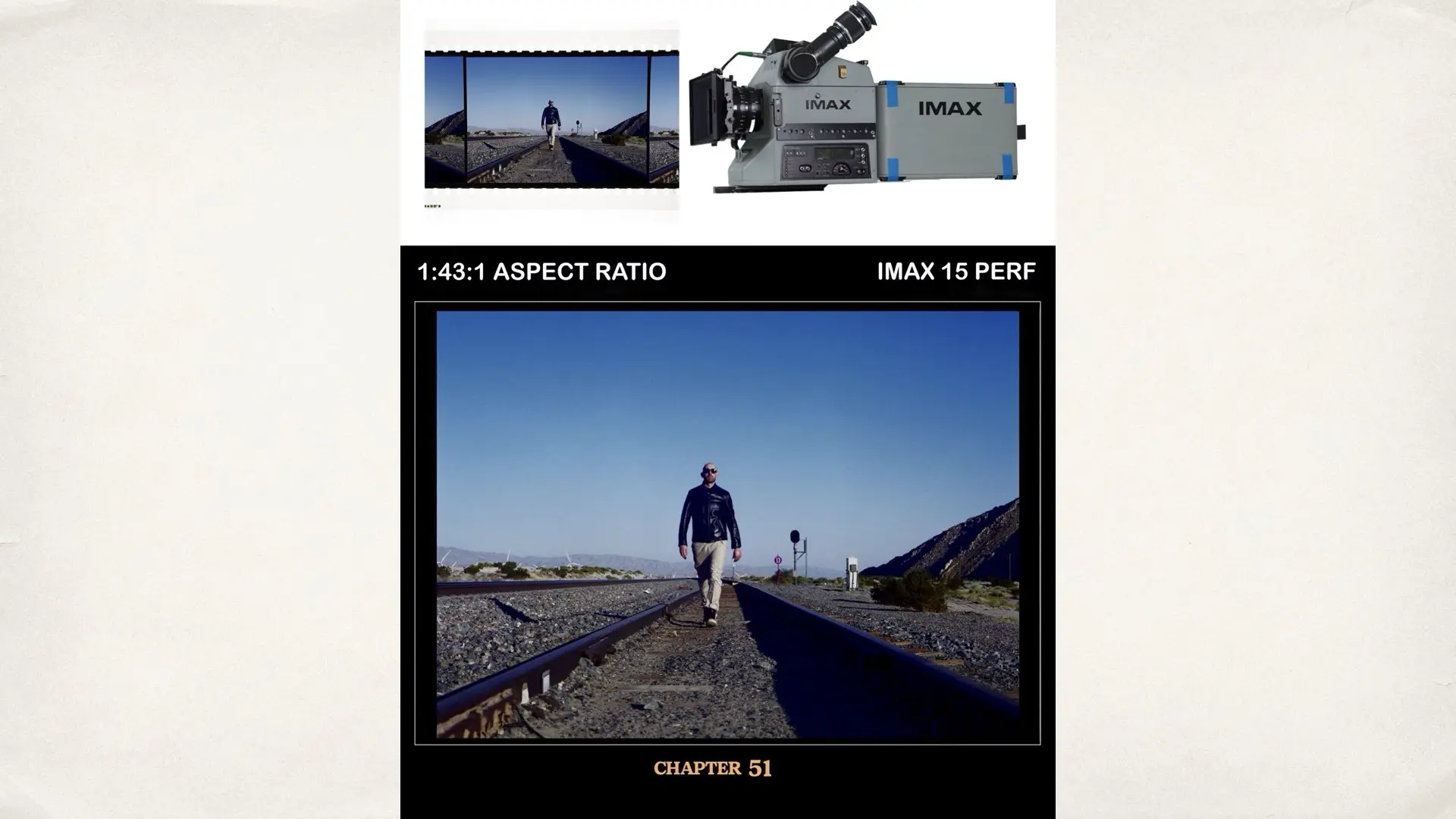
What does “anamorphic IMAX” mean?
Anamorphic lenses squeeze the image horizontally onto the film or sensor. In projection or digital finishing, that image is then unsqueezed, producing a wider field of view and a distinct optical signature. Anamorphic photography is associated with oval bokeh, horizontal flare behavior, edge distortion, breathing characteristics, and a certain spatial compression that cinematographers often use as a creative tool. But IMAX is usually associated with spherical large-format photography. The image area is already huge. The format already produces a very wide and immersive field of view without needing anamorphic squeeze. That is why the idea of putting anamorphic optics in front of an IMAX film camera is technically strange, and therefore fascinating. It raises practical questions. How do you design an anamorphic lens that covers such a large image area? How do you manage distortion across a 15-perf IMAX frame? How do you preserve sharpness, focus consistency, and mechanical reliability on one of the most demanding camera systems in cinema? And creatively, what does anamorphic even mean when applied to a format that already has one of the largest negative areas in motion-picture history? That is the educational value of Chapter 51. It gives cinematographers and camera geeks a rare example of anamorphic thinking applied to the IMAX film canvas.
A custom Panavision lens system
Shields has said on Instagram that Chapter 51 is “the first film in history to be shot using anamorphic IMAX,” and described the lens as a one-of-a-kind system created for the film with Panavision. Entertainment Weekly adds more detail, reporting that Shields asked Dan Sasaki whether it would be possible to create an anamorphic lens for an IMAX film camera, leading to what Shields described as a completely new lens system.
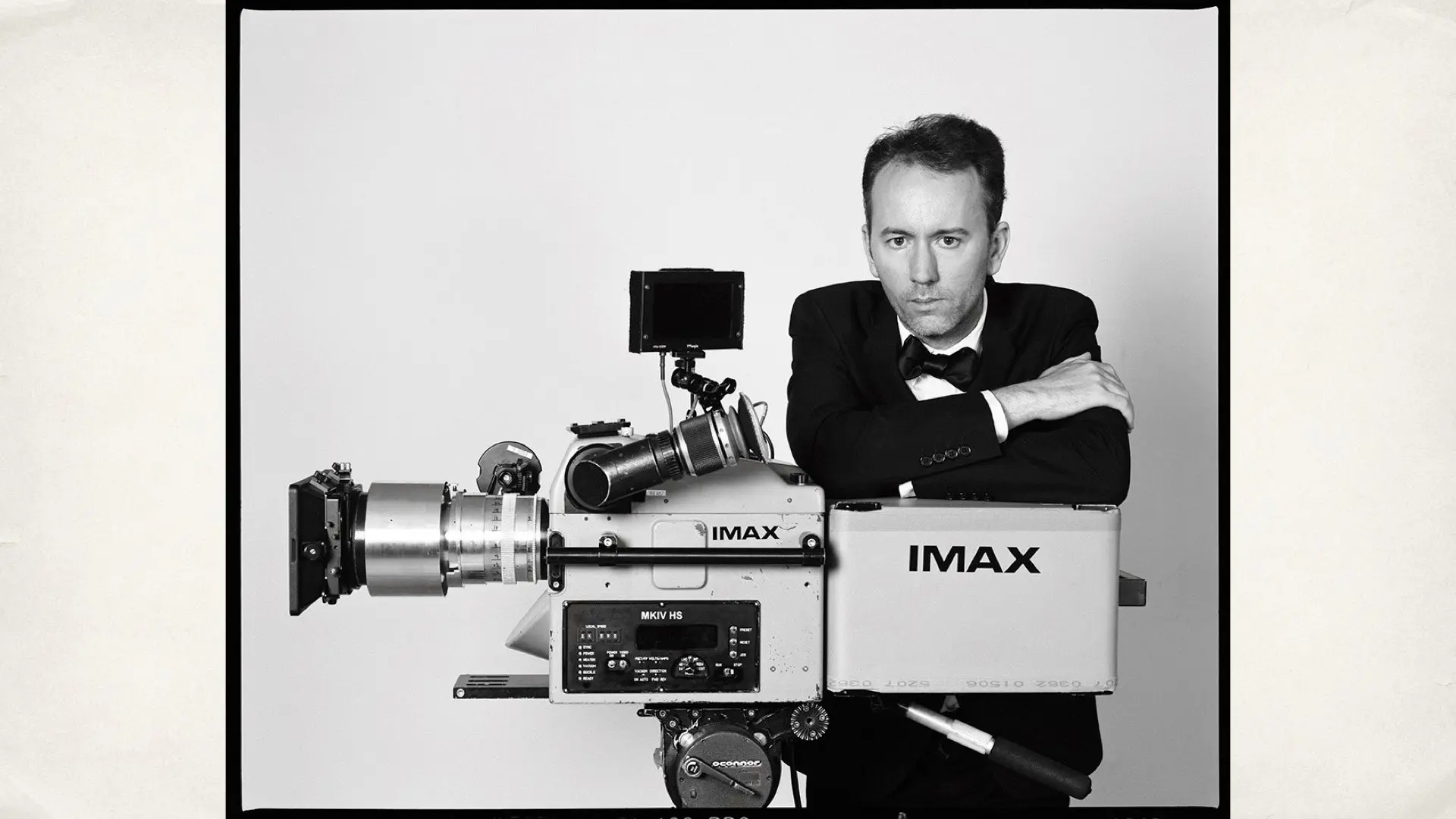
Chapter 51 was not shot in one format
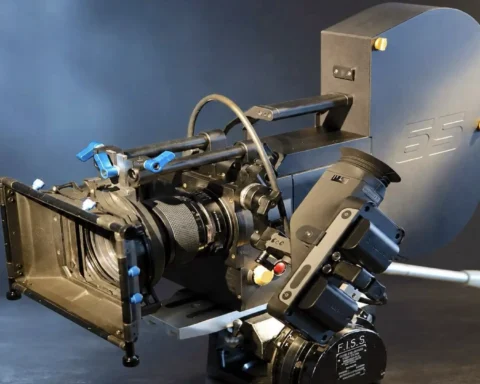
The other important detail is that Chapter 51 is not an “all anamorphic IMAX” film. The film is built around multiple formats. Shields used every available film format, including hand-cranked cameras, VistaVision, Ultra Panavision, IMAX, and the new anamorphic IMAX format. The film reportedly contains more than 20 fictional films inside the larger story, and each format was used to create a separate cinematic world. That makes the format choice part of the film’s structure. Instead of using one camera system for consistency, Chapter 51 appears to use inconsistency as language. Super 8 can suggest memory, amateur footage, or immediacy. 16mm can carry documentary texture. 35mm can feel familiar and dramatic. VistaVision and Ultra Panavision can evoke older large-format Hollywood spectacle. IMAX can create scale. Anamorphic IMAX, if used as described, becomes the most extreme layer in that format stack.
IMAX as a playground for optical experimentation.
In our opinion, Chapter 51 is not important because it is the next big IMAX tentpole. It is important because it treats IMAX as a playground for optical experimentation. A custom Panavision anamorphic lens on an IMAX film camera is exactly the kind of niche, technical, almost unreasonable idea that keeps cinema formats evolving. Not every experiment becomes a new industry standard. Some simply prove that the format still has unexplored territory. And in a digital era dominated by sensor specs, codecs, and computational workflows, there is something refreshing about that. Chapter 51 reminds us that cinema technology is still partly mechanical, optical, and physical. Sometimes, the innovation is not a new camera body or a new firmware update. Sometimes it is a lens that did not exist before, mounted to one of the largest film cameras ever built.