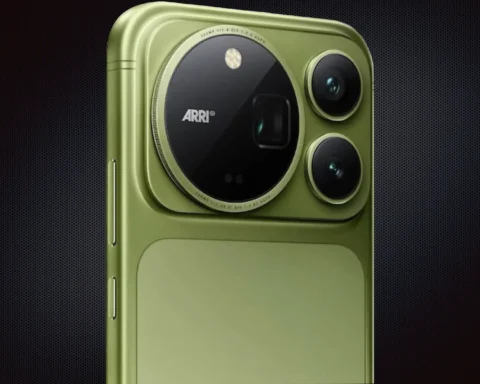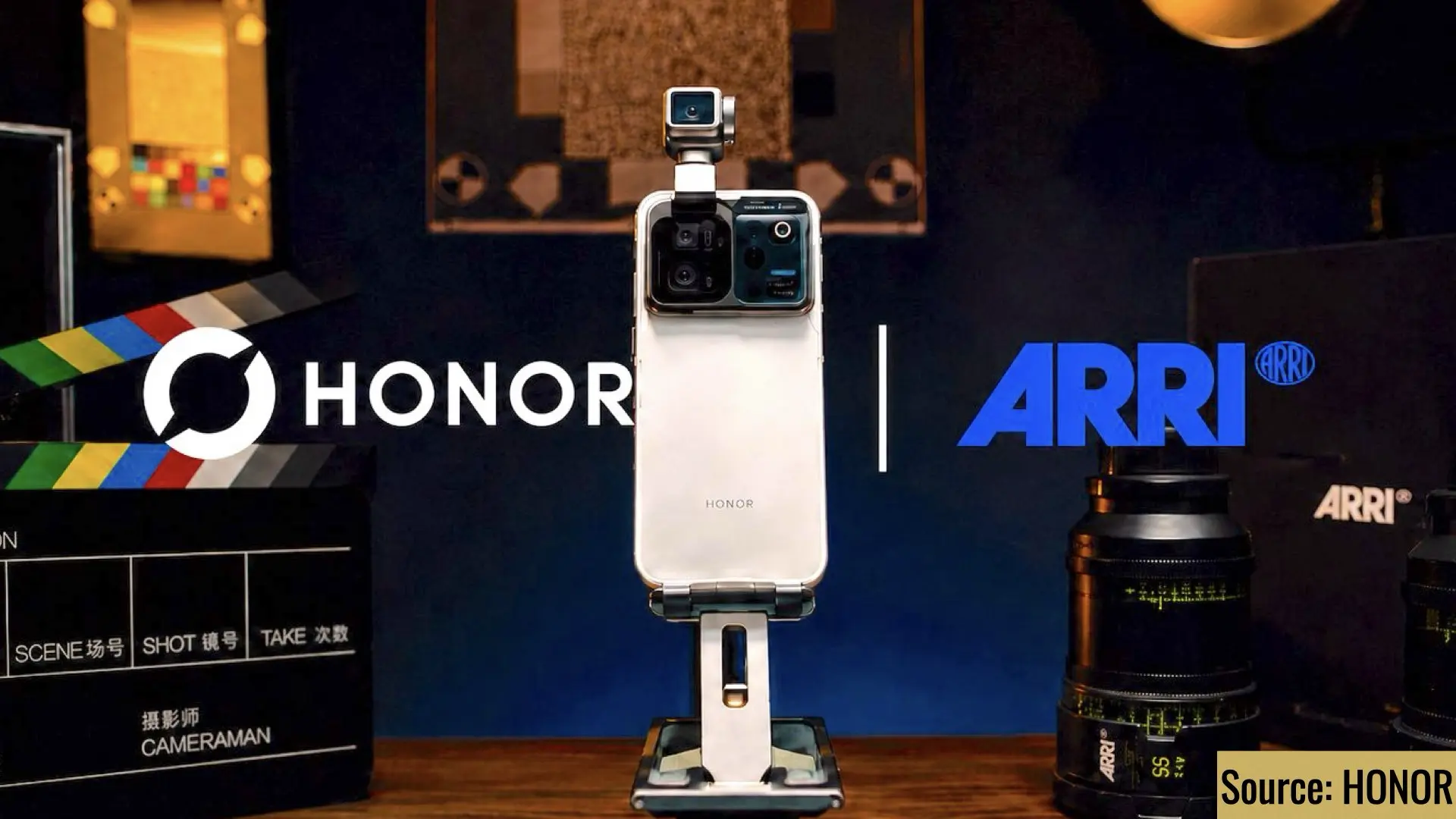
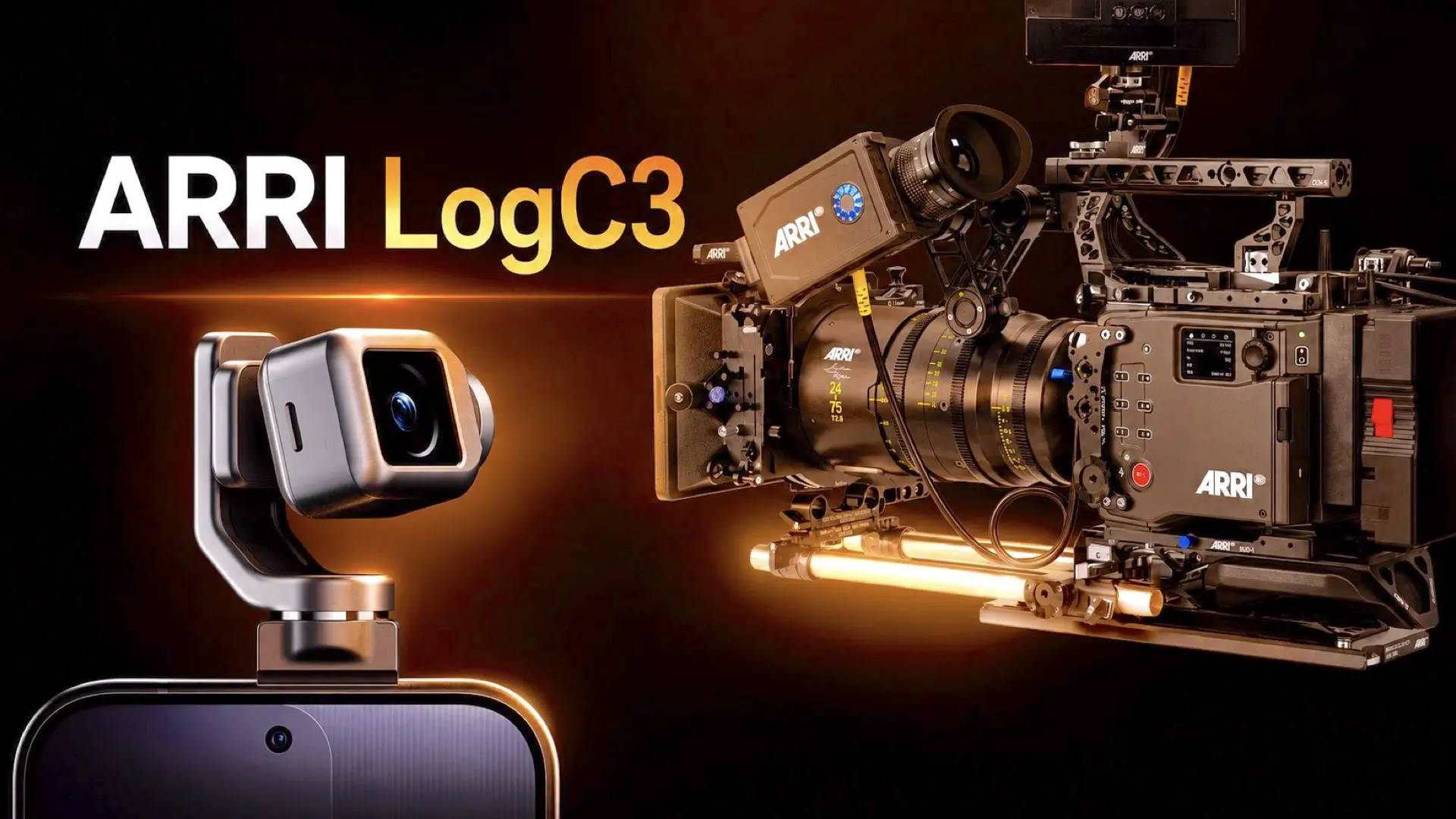
ARRI’s Director of Image Science says the companies developed a calibration that allows Robot Phone footage to use the same lookup tables and Look files used with ALEXA cameras. A few days after HONOR demonstrated ARRI LogC3, ARRI Wide Gamut 3, and built-in ARRI Looks on its upcoming Robot Phone, the companies have revealed more about how the imaging pipeline was developed. In a new official HONOR video, Harald Brendel, ARRI’s Director of Image Science, says ARRI and HONOR created a calibration designed to produce images that are “very similar” to those captured by an ALEXA camera.
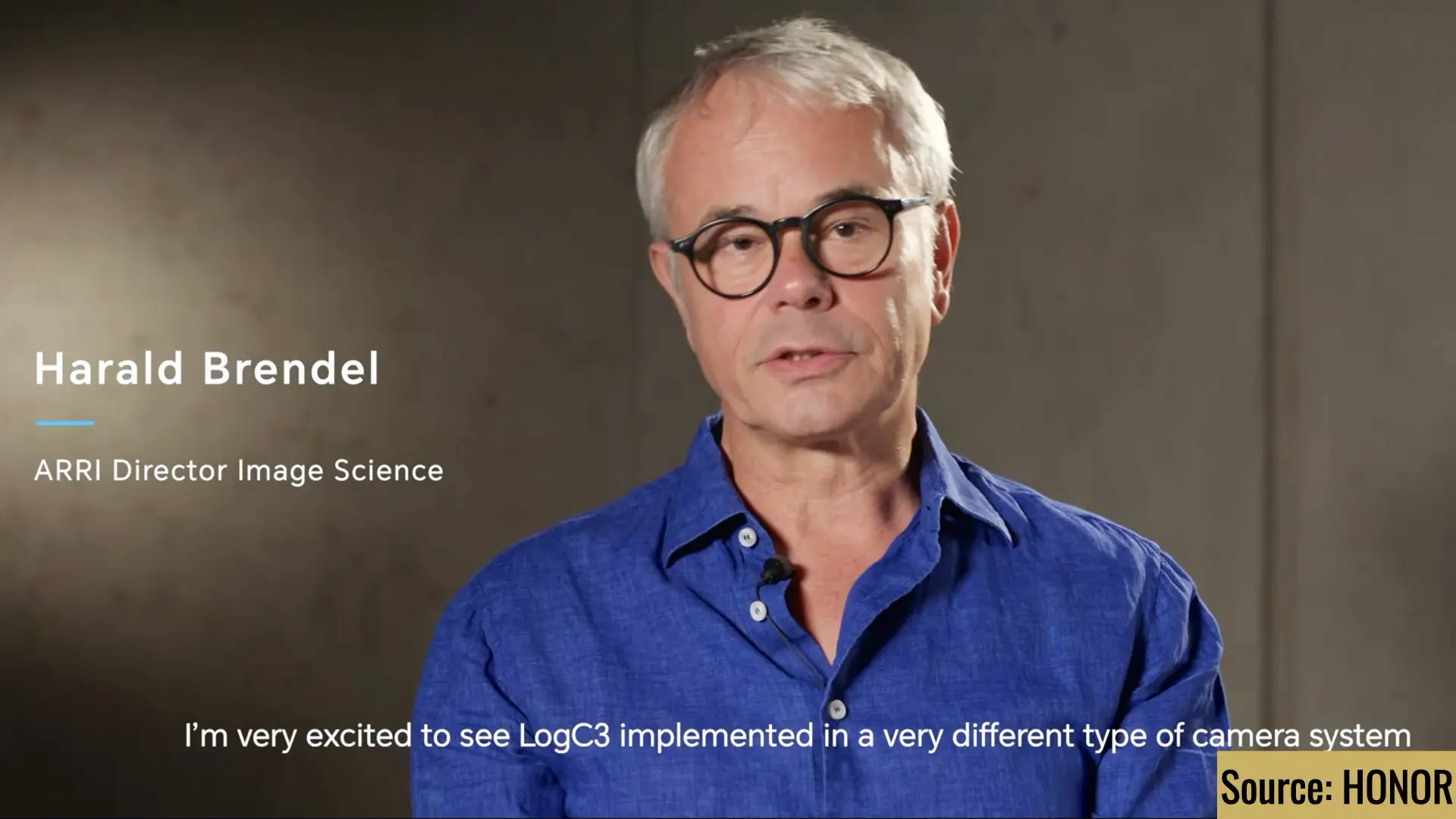
“We worked closely with the HONOR team to create a calibration which produces images that are very similar to images from the ALEXA camera.”
– ARRI
The statement comes directly from the executive responsible for Image Science at ARRI. It also provides a clearer explanation of what the collaboration involves beyond placing LogC3 and several ARRI Looks inside a smartphone camera application.
Calibrating the Robot Phone against ALEXA imagery
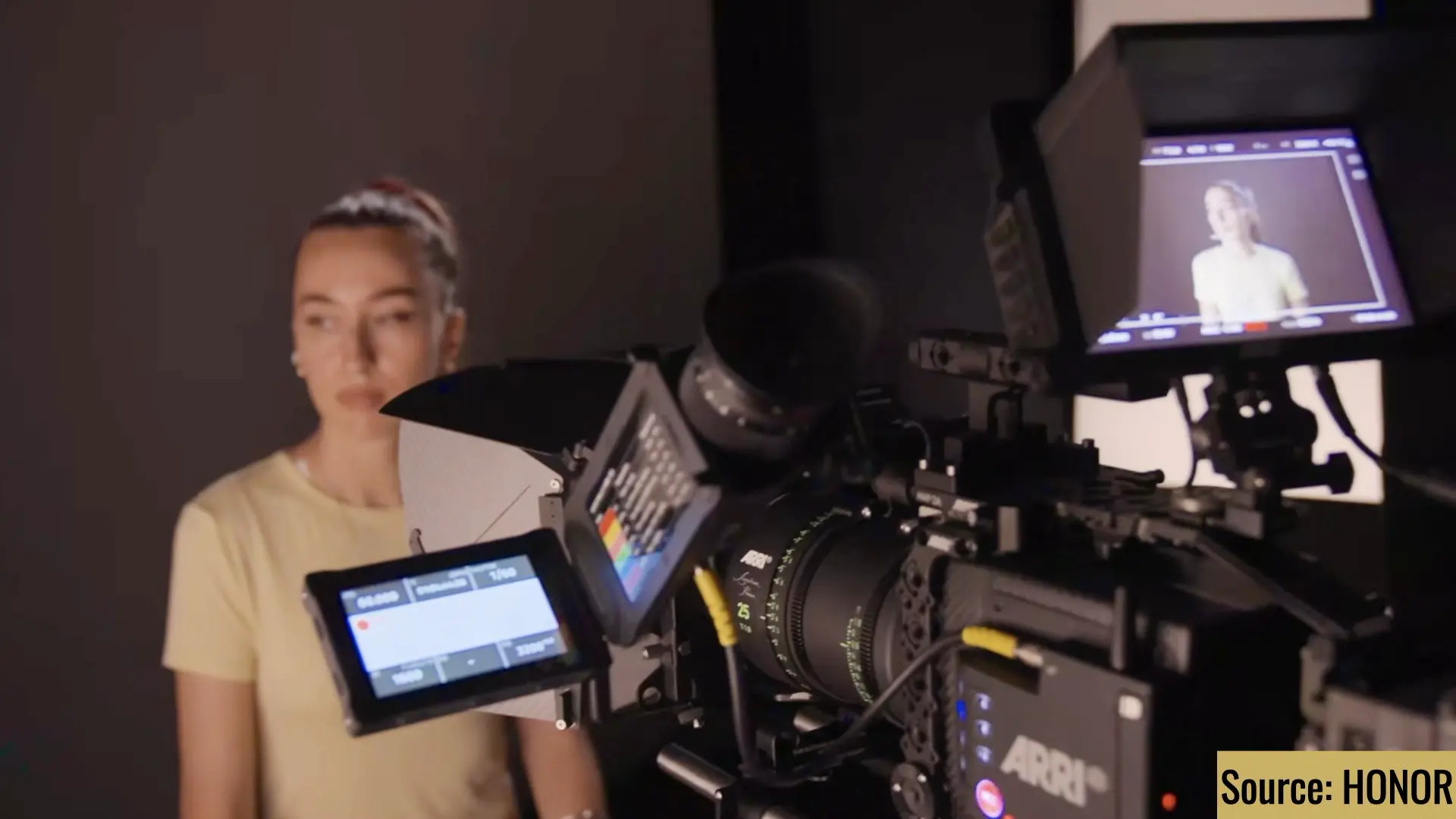
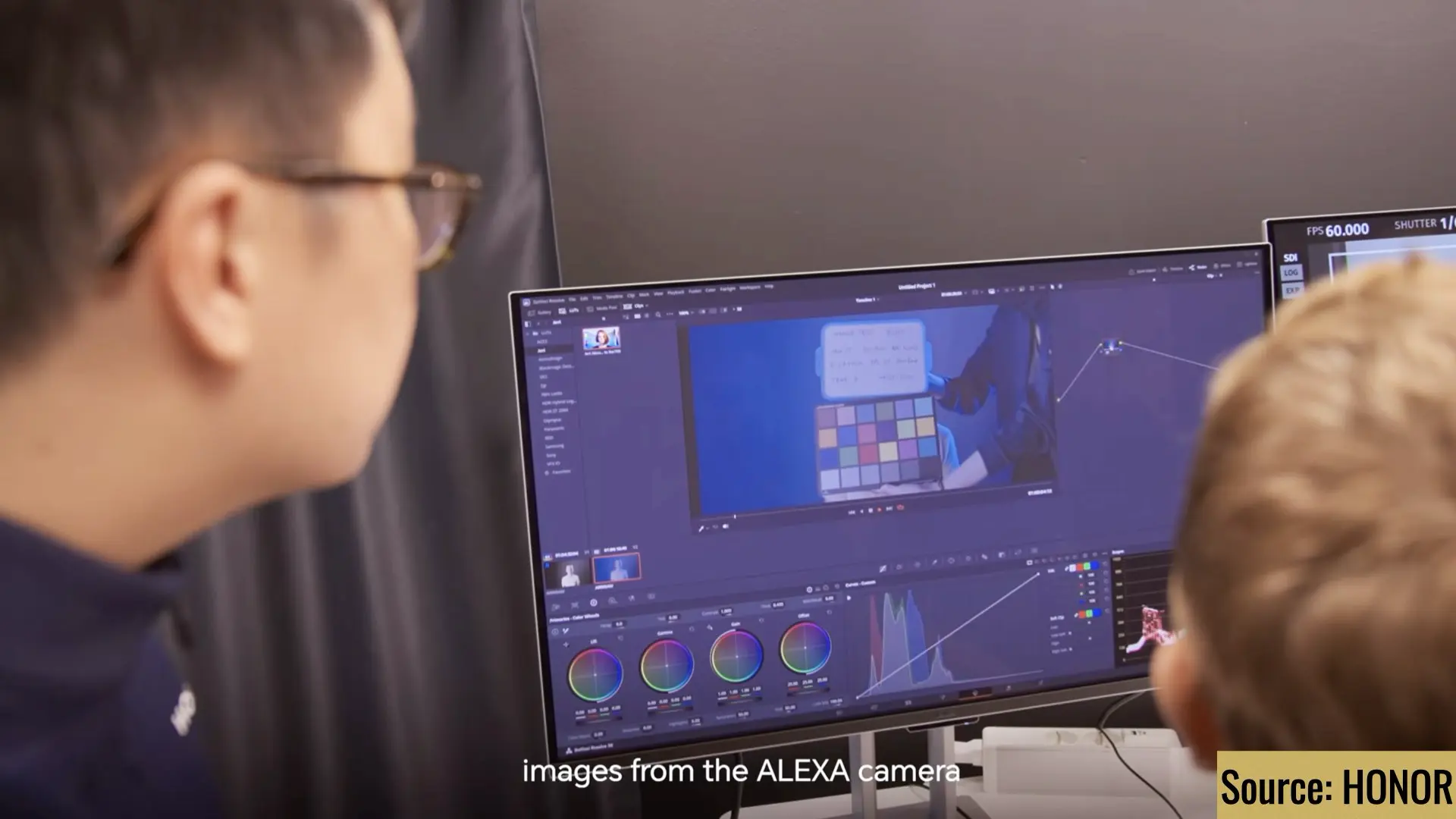
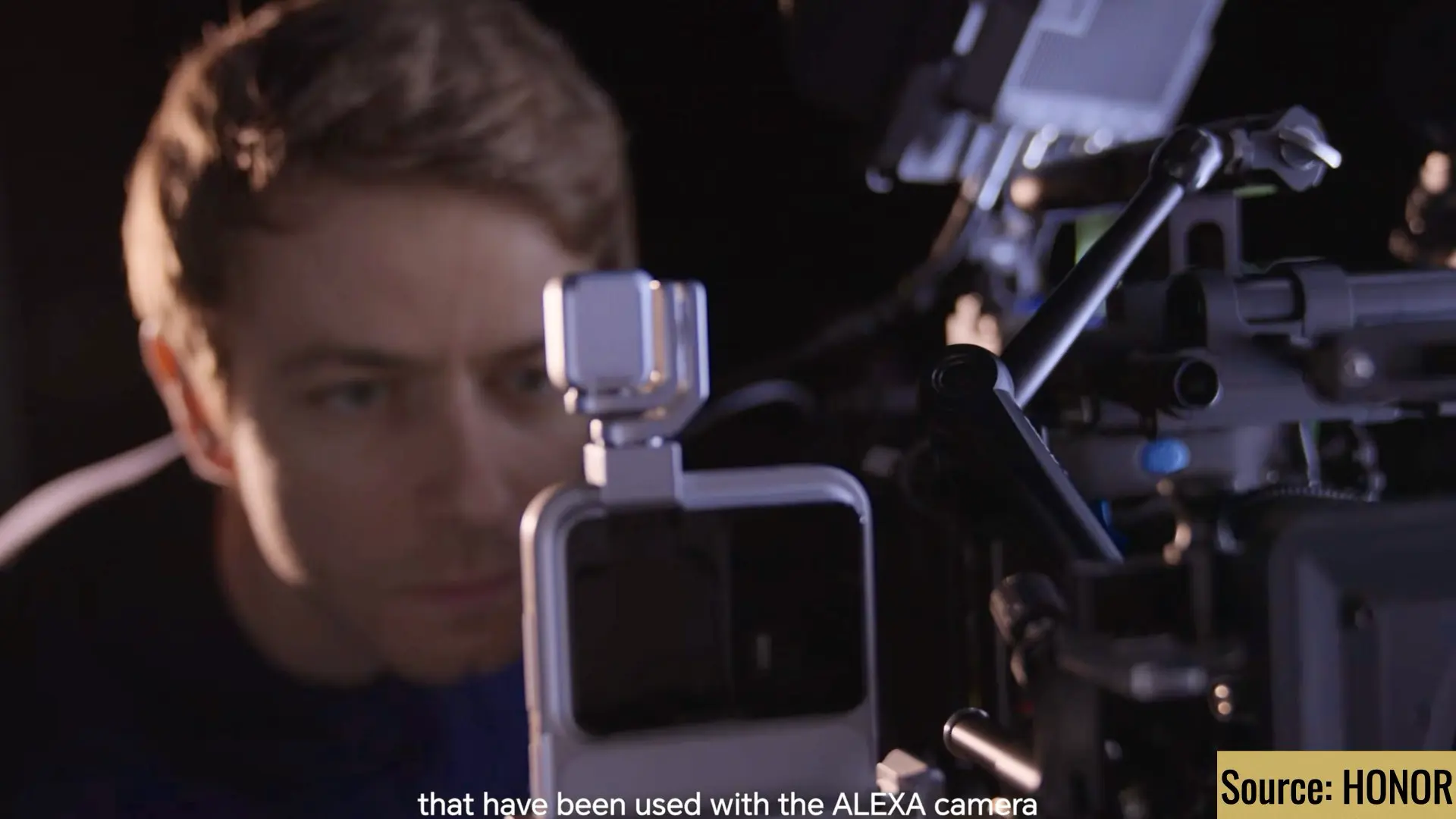
The video shows ARRI and HONOR engineers working with controlled lighting, color charts, skin tones, monitoring tools, and grading software. An ALEXA camera and the Robot Phone appear to have been used to record comparable test material. The teams then analyzed the images and adjusted the phone’s imaging pipeline to bring its color reproduction closer to the visual response associated with ARRI cameras. According to Brendel, the calibration allows Robot Phone footage to work with:
“The same lookup tables, the same Look files that have been used with the ALEXA camera.”
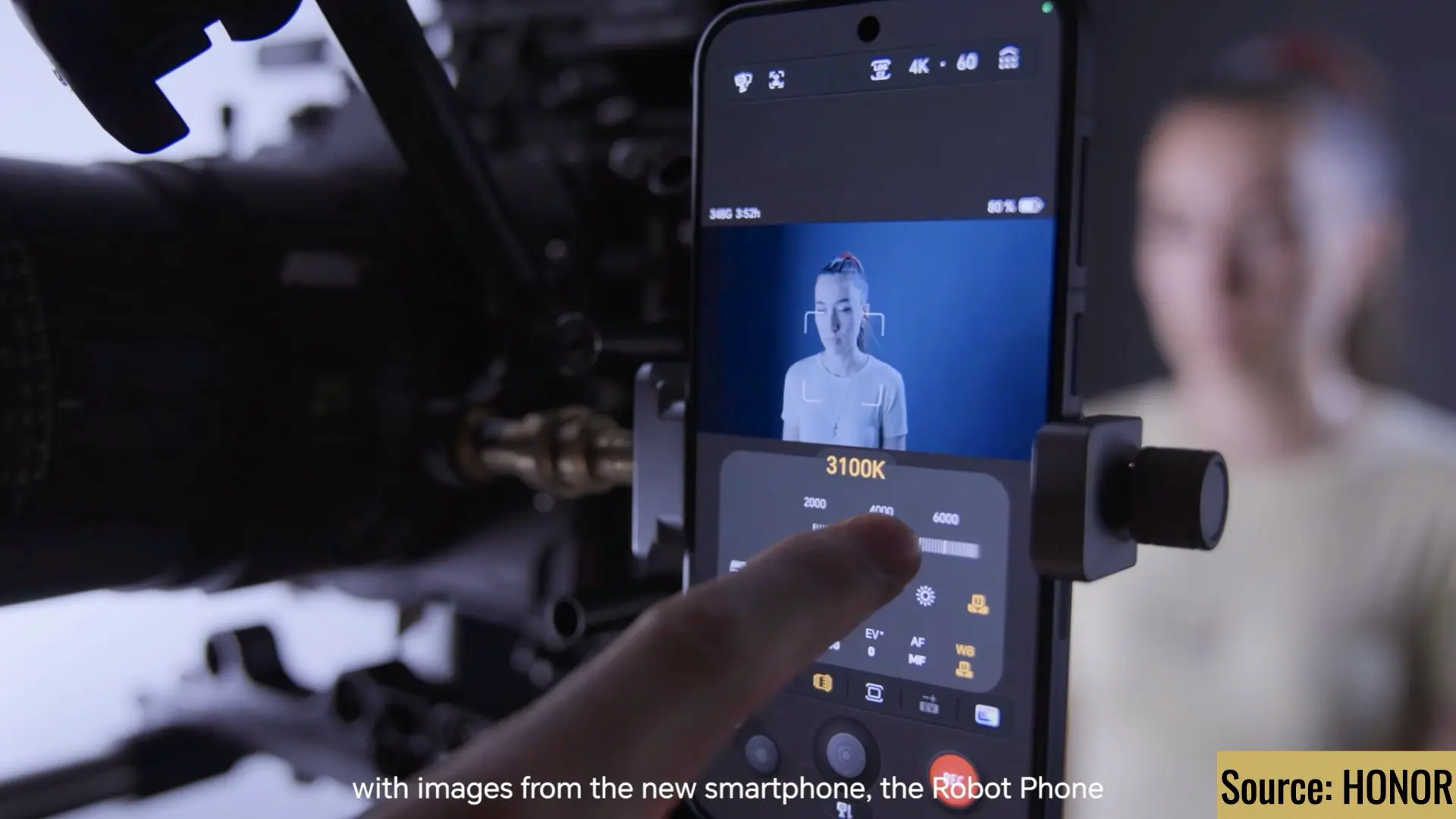
The objective is not simply to add an ARRI-branded preset after an image has already been processed by the phone. ARRI and HONOR appear to have worked on the underlying calibration so that the phone’s images can enter an established LogC3 and ARRI Look workflow. The previous demonstration already confirmed that the Robot Phone includes ARRI LogC3, ARRI Wide Gamut 3, built-in ARRI Looks, Exposure Index controls, manual camera settings, and professional-style monitoring tools. The new footage shows more of the development process behind that implementation.
What “very similar” means
Brendel’s wording should not be interpreted as a claim that the Robot Phone matches an ALEXA in every area of image quality. A smartphone camera still operates with a much smaller sensor, different optics, limited thermal capacity, computational processing, and a more compressed recording pipeline. Dynamic range, noise behavior, highlight retention, motion rendering, color separation, and grading latitude will depend on the phone’s hardware and recording specifications. HONOR has not yet disclosed several important details, including recording bit depth, chroma subsampling, codec, bitrate, measured dynamic range, or whether every focal length supports the complete LogC3 workflow. Those specifications will determine how much information remains available during post-production. The comparison is therefore better understood as a statement about calibration, color response, and workflow compatibility. ARRI and HONOR are attempting to make footage from the Robot Phone behave in a predictable way when processed through the same LUTs and Look files used in an ALEXA-oriented pipeline. That does not make the phone an ALEXA, but it could make it easier to maintain a more consistent visual treatment across different camera systems.
A practical ARRI color workflow inside a phone
The development video shows the teams using color charts, controlled test environments, an ALEXA camera, professional monitoring equipment, and DaVinci Resolve. They appear to evaluate skin tones, midtones, exposure behavior, and color reproduction before refining the calibration applied to the Robot Phone. This supports ARRI’s earlier statement that its work with HONOR is not merely a brand partnership or a filter collection. The phone’s cinema interface also appears in the video with manual white-balance control and a recording setting of 4K at 60 frames per second. Earlier hands-on footage from the launch event had shown 4K at 30 frames per second, meaning the newer material confirms at least one higher frame-rate option. The interface is designed to resemble a dedicated cinema application rather than a conventional smartphone camera. It includes Log capture, Exposure Index values, focus controls, white balance, selectable ARRI Looks, and monitoring functions.
Claudio Miranda shoots with the Robot Phone
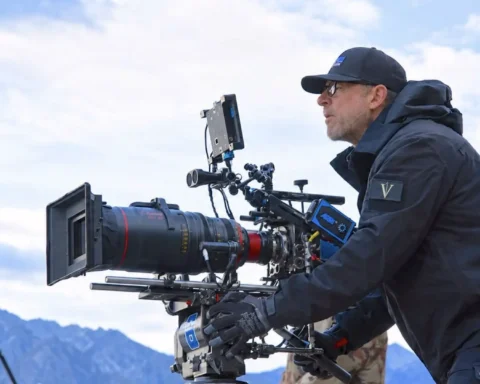
Moreover, HONOR has also released a short film shot with the Robot Phone by Academy Award-winning cinematographer Claudio Miranda. The project presents the phone’s articulated camera, stabilization system, and ARRI-developed imaging pipeline inside a controlled production. HONOR describes the device as a portable cinema camera co-engineered with ARRI and positions Miranda’s film as a demonstration of what the system can produce when used with professional lighting, production design, and post-production. The finished film should not be treated as an independent camera test. Its appearance is the result of the complete production process, including lighting, art direction, exposure, camera operation, grading, and finishing. However, it provides a practical companion to Brendel’s technical explanation. ARRI describes the calibration and workflow, while Miranda’s project shows the resulting system being used for a finished production. There is no BTS footage, which could be a solid demonstration of this phone on a professional production.
A deeper collaboration than a branded Look
The latest material clarifies that ARRI’s involvement extends beyond supplying LogC3 terminology or licensing several familiar Looks. ARRI and HONOR worked together to calibrate the Robot Phone’s imaging pipeline against ALEXA imagery, with the stated goal of producing images that can work with the same LUTs and Look files used in the ALEXA ecosystem. There is still a substantial difference between workflow compatibility and camera equivalence. The Robot Phone will need to be evaluated using original files, controlled dynamic-range tests, codec analysis, and direct comparisons before its actual imaging capabilities can be assessed. Nevertheless, Brendel’s statement is unusually direct. ARRI is not only bringing part of its color workflow to a mobile device. Its Image Science team has helped calibrate that device to produce images it describes as “very similar” to those from an ALEXA camera. Check out the video below: