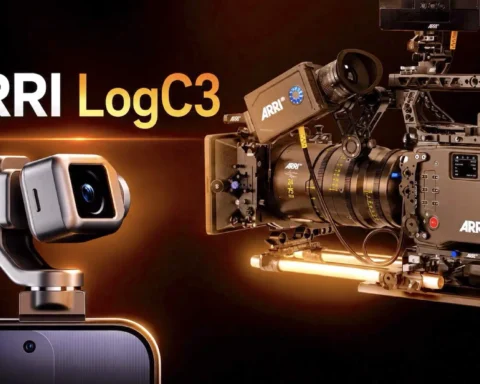
David Ayer’s Heart of the Beast combines two very different ARRI cameras: the film-based ARRIFLEX 435 and the digital ALEXA Mini LF. The survival thriller stars Brad Pitt as a former Navy SEAL stranded in the Alaskan wilderness with his retired combat dog following a catastrophic accident. New Zealand’s South Island stood in for Alaska, placing the production in some genuinely demanding terrain. The film was photographed by Academy Award-winning cinematographer Mauro Fiore, whose credits include Avatar, Training Day, and Ayer’s The Equalizer. According to the currently published technical specifications, Heart of the Beast was captured in ARRIRAW and on Kodak Vision3 250D 5207 35mm film, with the photochemical material running through an ARRIFLEX 435 in the Super 35 3-perf format.

A hybrid survival package
The ARRIFLEX 435 remains one of the most capable 35mm cameras ever built. It is especially valuable for variable-frame-rate photography, action, effects, and other shots where its precision transport and adjustable shutter provide significant creative freedom. Kodak’s 250D stock is a natural choice for exterior work, offering fine grain, strong color reproduction, and enough latitude for rapidly changing daylight conditions. The ALEXA Mini LF supplies the other side of the package: a compact large-format digital camera with ARRIRAW recording, generous dynamic range, and a body suited to remote heads, handheld configurations, and difficult locations. This does not necessarily mean that film was reserved for one particular kind of scene and digital for another. No verified breakdown of how Fiore and Ayer divided the two formats has been published. What is clear is that the production had access to both the texture of 35mm negative and the flexibility of a modern large-format digital system.
What the production images reveal about the lenses
One behind-the-scenes photograph shows Ayer operating the ARRIFLEX 435 with a Panavision 50mm T1.4 spherical prime. Its barrel design and markings are visually consistent with a Panavision Panaspeed, rather than a vintage Panavision Super Speed. Panaspeeds are large-format T1.4 primes, but Panavision also specifies them as compatible with appropriately configured 35mm film cameras. Because the series name is not clearly readable in the photograph, Panaspeed should presently be treated as a strong visual identification, not a confirmed production credit. Another production frame shows the ALEXA Mini LF fitted with what appears to be a Canon CN-E 30–300mm T2.95–3.7 L SP cinema zoom. The red “30–300” marking is visible on the barrel, although a complete official lens list has not yet been released.
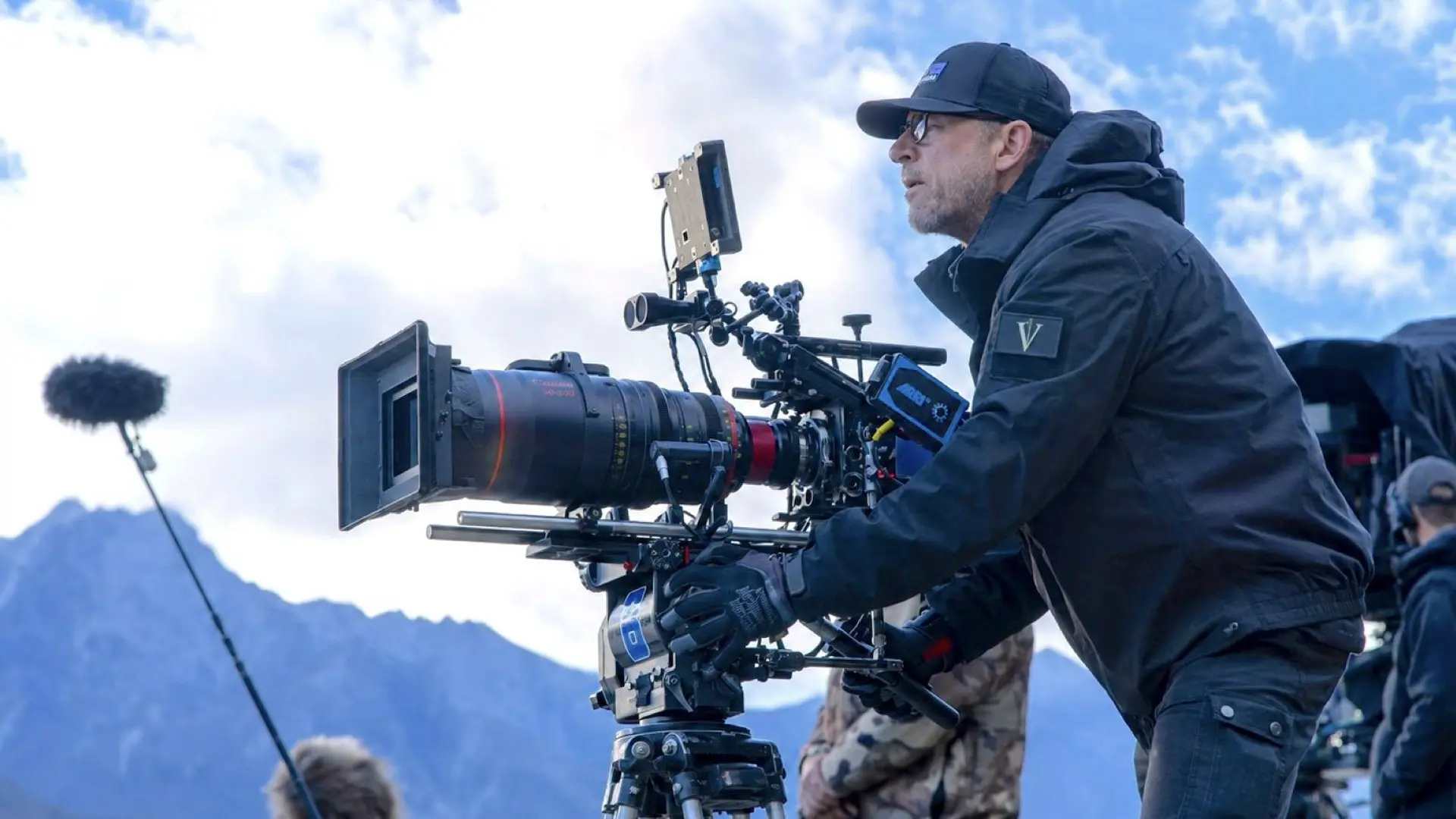
That combination: A fast 50mm Panavision prime for a compact, immediate perspective and a long Canon cinema zoom for quickly reframing distant action- makes practical sense in unforgiving wilderness conditions. Watch the BTS below: