
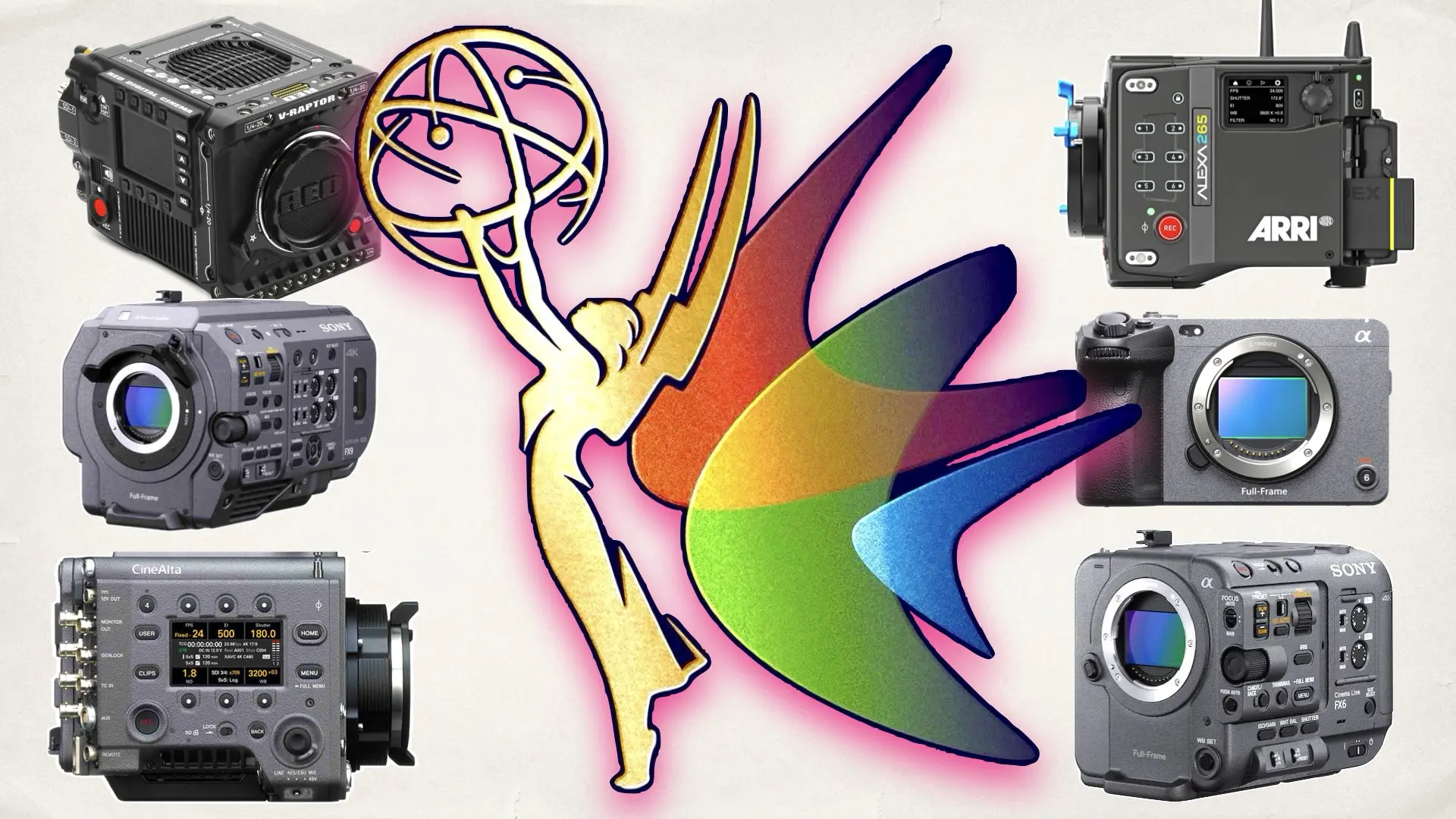
The cameras behind Emmy-nominated productions offer a useful snapshot of where high-end television cinematography is heading. The 2026 selection is especially interesting because it shows two trends developing at the same time: the continued expansion of large-format acquisition, including the rapid arrival of the ARRI ALEXA 265, and the growing acceptance of compact cinema cameras such as the Sony FX3 ($4,298 on Amazon) within serious professional workflows. Compared with previous Emmy surveys, the field appears increasingly diverse, with cinematographers moving freely between Super 35, full frame, 65mm digital, film, and compact hybrid-style systems according to the specific creative and production requirements of each project.
This article is based on the excellent camera survey conducted by IndieWire, which gathered detailed cinematography insights directly from the DPs behind this year’s Emmy-nominated productions.
The list
- The Bear — DP: Andrew Wehde | Camera: ARRI ALEXA Mini LF | Lenses: Panavision H Series
- Black Rabbit — DP: Pete Konczal, ASC | Camera: Sony VENICE 2 | Lenses: Leica R Primes, Leitz HUGO Primes, Angénieux Zooms, Leica Zooms
- Death By Lightning — DP: Adriano Goldman, ASC, BSC, ABC | Camera: ARRI ALEXA 35 | Lenses: Hawk Vintage ’74 1.3x Anamorphic
- DTF St. Louis — DP: James Whitaker, ASC | Camera: ARRI ALEXA 265 | Lenses: ARRI Prime DNA, assorted vintage glass
- Euphoria — DP: Marcell Rév | Cameras: ARRIFLEX 765, ARRICAM LT | Lenses: ARRI DNA Primes, Panavision C Series and E Series
- Beef — DP: James Laxton, ASC | Camera: ARRI ALEXA 265 | Lenses: ARRI 65 DNA
- Hacks — DP: Adam Bricker, ASC | Camera: RED V-RAPTOR XL [X] | Lenses: Panavision Primo 70
- A Knight of the Seven Kingdoms — DP: Gustav Danielsson, FSF | Camera: ARRI ALEXA Mini LF | Lenses: Panavision Ultra Panatar 1.3x Anamorphic
- Margo’s Got Money Troubles — DP: Tari Segal, ASC | Camera: ARRI ALEXA 35 | Lenses: Panavision VA Primes
- My Mom Jayne: A Film By Mariska Hargitay — DP: Tony Hardmon | Camera: Sony FX9 | Lenses: Cooke Panchro/i Classic FF, Angénieux EZ-1 FF 45-135mm
- Ocean with David Attenborough — DPs: Doug Anderson, Toby Strong | Camera: RED V-RAPTOR 8K VV | Lenses: NIKKOR Z 14-24mm f/2.8 S, NIKKOR Z 24-70mm f/2.8 S, AF Zoom-Nikkor 70-180mm f/4.5-5.6D ED Micro, Laowa 24mm f/14 Probe, Canon MP-E 65mm f/2.8 1-5x Macro, Infinity Photo-Optical InfiniProbe TS-160 ROBUSTO
- Survivor — DPs: Scott Duncan, Peter Wery, Russ Fill, Granger Scholtz, Christopher Barker | Cameras: ARRI ALEXA 35, ARRI ALEXA Mini, DJI Drones, Freefly EMBER, Fujifilm ETERNA | Lenses: Angénieux, Canon, Fujifilm, Nikon, Zeiss, Atlas Mercury
- The Tale of Silyan — DP: Jean Dakar | Cameras: Sony FX6, DJI Mavic 3 Pro Cine | Lenses: Sigma 24-70mm, Sigma 60-600mm
- Tucci In Italy — DP: Matt Ball | Cameras: Canon EOS C500 Mark II, DJI Ronin 4D 6K | Lenses: Canon Sumire Primes
- The Upshaws — DP: Chuck Ozeas | Camera: Sony VENICE | Lenses: Panavision Primo 11:1 Zoom, Fujinon 20-120mm, Fujinon 14-35mm
- Welcome to Wrexham — DPs: Ed Edwards, Verdy Oliver, Tom Reece, Kieren Startup | Cameras: Sony VENICE, FX9, FX6, FX3 | Lenses: Angénieux EZ-1 30-90mm, Zeiss Super Speeds, Canon CN20 50-1000mm
- Widow’s Bay — DP: Christian Sprenger, ASC | Camera: ARRI ALEXA 265 | Lenses: Todd-AO 65mm Spherical Primes
- The Yogurt Shop Murders — DPs: Christopher LaMarca, Justin Zweifach | Cameras: Sony BURANO, FX6, FX3 | Lenses: Leica Summilux-M, Angénieux 37-102mm
The Camera Chart
Discussion
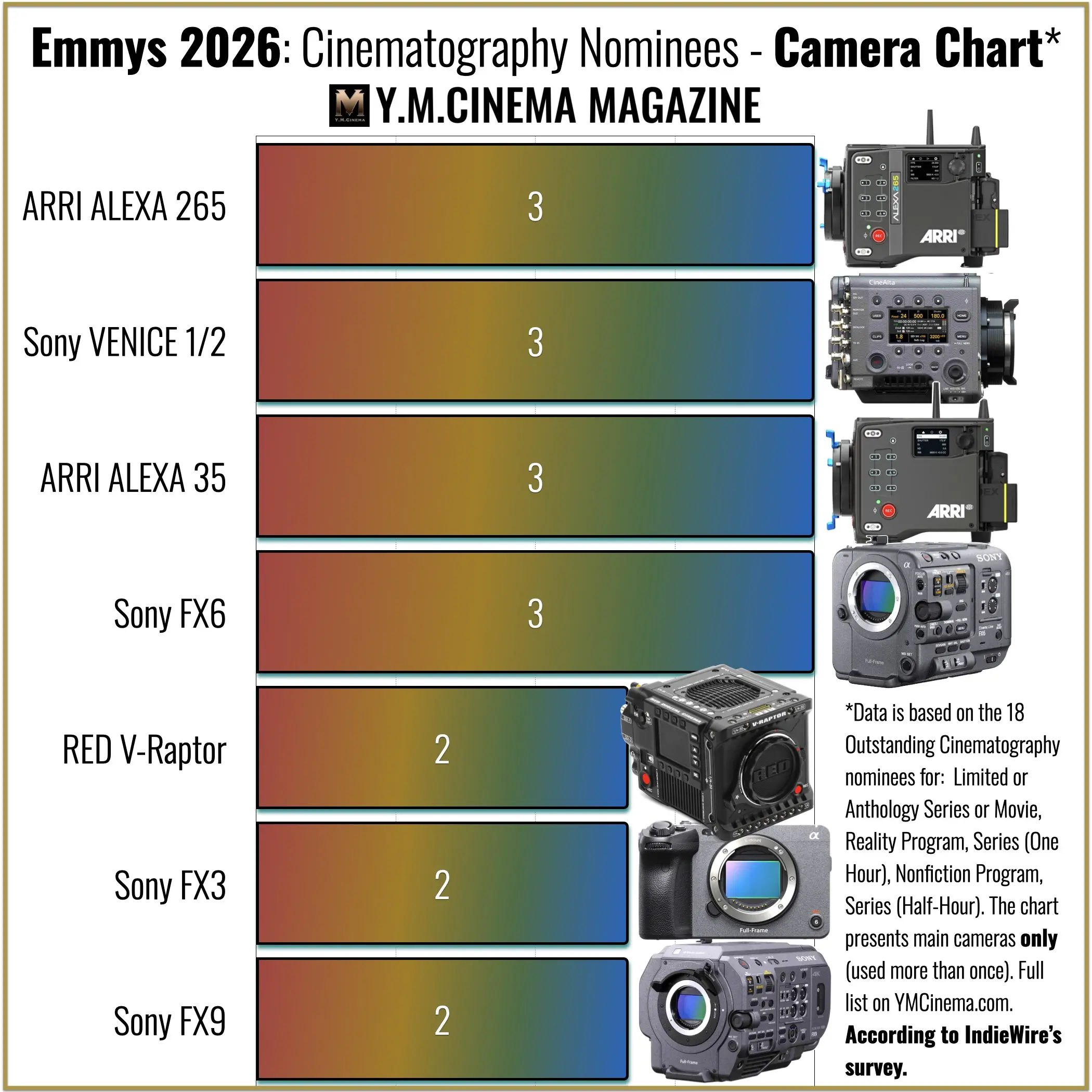
One of the most notable findings is the solid presence of the new ARRI ALEXA 265. The camera appears on three of the 18 nominated productions: DTF St. Louis, Beef, and Widow’s Bay. For such a new and highly specialized 65mm digital cinema camera, that is a significant showing. More importantly, these are not isolated technical experiments. The ALEXA 265 is already being used across distinctly different narrative productions, suggesting that ARRI’s latest large-format system has moved quickly into high-end episodic cinematography. The broader trend is arguably even more interesting: large-format and full-frame cinematography have a substantial presence among the Emmy nominees, while traditional Super 35 is much less dominant than might have been expected. The list includes ALEXA 265, ALEXA Mini LF, Sony VENICE and VENICE 2, RED V-RAPTOR 8K VV, and even the ARRIFLEX 765 shooting 65mm film on Euphoria. Euphoria alone combines 65mm and 35mm film, while A Knight of the Seven Kingdoms specifically chose the Mini LF because the Ultra Panatar lenses required the larger sensor area. And yes, for television and the Emmys, this is somewhat surprising. Episodic production was historically an environment where Super 35 made enormous practical sense because of lens availability, depth of field, camera size, speed, and production economics. Yet this group shows how far large-format acquisition has moved into mainstream premium television. Large sensors are no longer limited to tentpole features or prestige experiments. In this selection, they are firmly embedded in Emmy-level episodic production. Another interesting finding is the strong showing of Sony’s compact Cinema Line cameras, particularly the FX3. The FX3 appears on both Welcome to Wrexham and The Yogurt Shop Murders, alongside much larger systems such as the VENICE, BURANO, FX9, and FX6 ($8,876 on Amazon). That is notable because the FX3 sits at the opposite end of the physical and economic spectrum from cameras such as the ALEXA 265. Its appearance in Emmy-nominated cinematography reinforces a continuing shift in professional production: the camera hierarchy is becoming less rigid. A compact body can now be integrated into the same production alongside flagship cinema cameras when its size, mobility, or unobtrusive operation better serves the shot. In Welcome to Wrexham, for example, the production moves between VENICE, FX9, FX6, and FX3 according to the demands of documentary shooting rather than treating one camera as the solution for every situation. Taken together, the list illustrates two seemingly opposite trends happening simultaneously. At the top end, cinematographers are increasingly embracing larger sensors and even 65mm-class acquisition for premium television. At the other end, highly compact cameras such as the Sony FX3 are becoming legitimate components of Emmy-nominated professional workflows. The common denominator is no longer simply camera size or price. It is choosing the imaging tool that best serves the production.

Comparison
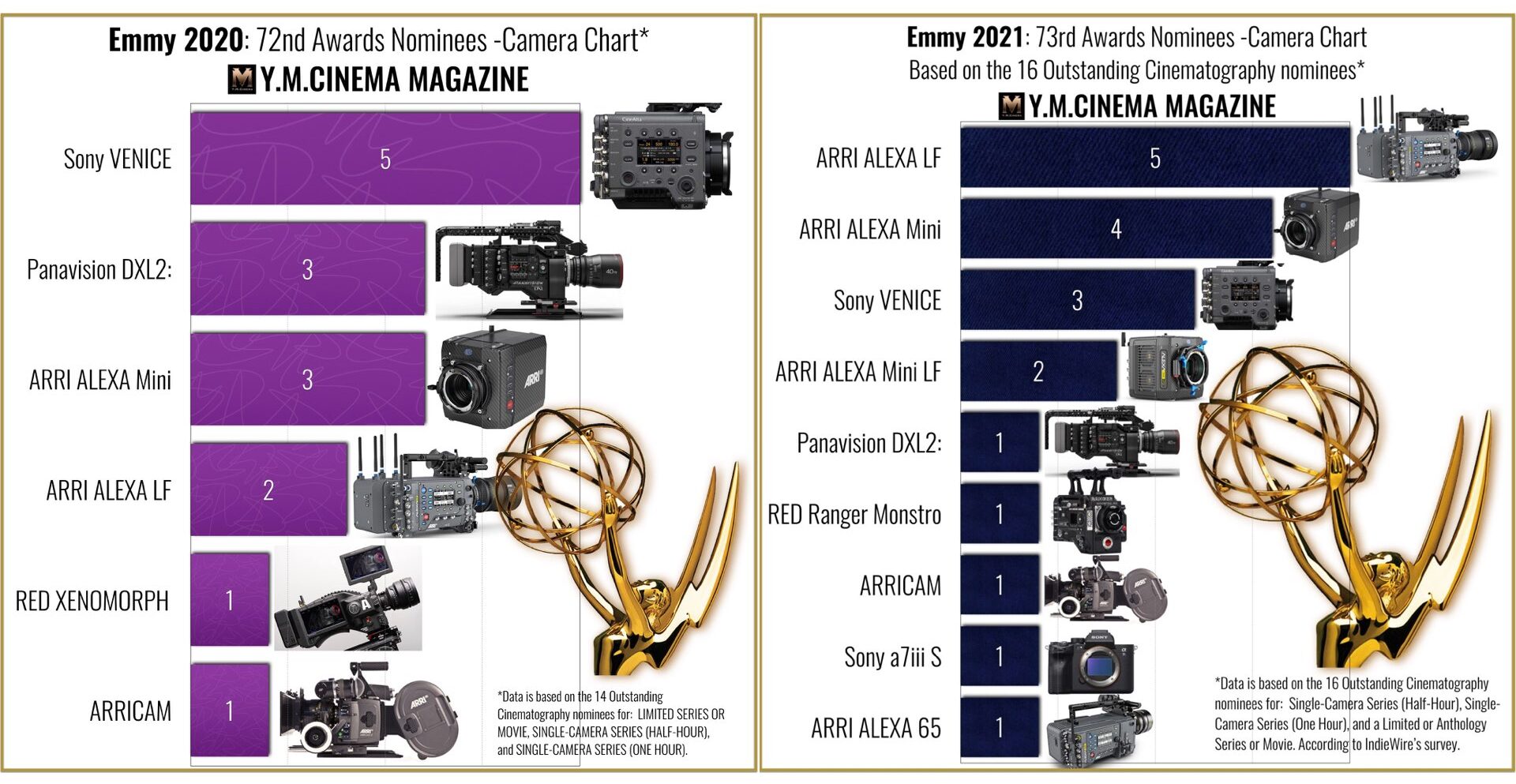
Compared with previous Emmy camera surveys, the 2026 list indicates a notable shift in the high-end television cinematography landscape. In The Cameras Behind Emmys 2022: Sony VENICE Goes Head to Head With ARRI Mini, the field was largely defined by the battle between Sony VENICE and the ARRI ALEXA Mini, with Super 35 still maintaining a very strong position. A year later, The Cameras Behind Emmy 2023: Sony VENICE Leads, and Kinefinity Enters the List showed the VENICE platform strengthening its dominance while large-format ARRI systems continued to gain ground. Then, somewhat against the broader large-format narrative, The Cameras of Emmys 2025: Sony VENICE Rules, DJI Ronin 4D Surprises demonstrated a significant resurgence of Super 35 through the ALEXA 35, which appeared on five nominated productions, while the VENICE family remained the leading large-format platform. The 2026 findings therefore represent an interesting new turn: the ALEXA 35 remains relevant, but the brand-new ARRI ALEXA 265 already appears on three of the 18 productions, an impressive entrance for a 65mm digital cinema camera, while the overall selection includes a substantial number of large-sensor systems such as the ALEXA Mini LF, Sony VENICE and VENICE 2, RED V-RAPTOR 8K VV, and even the ARRIFLEX 765 shooting 65mm film on Euphoria. This is particularly interesting for the Emmys, since episodic television has traditionally been an ideal environment for Super 35 due to its manageable depth of field, lens availability, compact systems, and fast production workflows; yet the current nominees suggest that full-frame and even 65mm-class acquisition are becoming increasingly normalized in prestige television. At the same time, the opposite end of the camera spectrum is gaining legitimacy as well: the Sony FX3 appears on two 2026 nominated productions, Welcome to Wrexham and The Yogurt Shop Murders, after already appearing in previous Emmy surveys as part of larger Sony camera packages. The broader trend is therefore not simply that larger sensors are replacing Super 35, but that Emmy-level cinematography is becoming increasingly format-agnostic: at one extreme, compact 65mm digital systems such as the ALEXA 265 are gaining rapid adoption, while at the other, small and relatively affordable cameras such as the FX3 are being integrated into the same professional workflows, with cinematographers increasingly choosing cameras according to the specific creative and logistical demands of each shot rather than according to a rigid hierarchy of camera classes.
Final thoughts
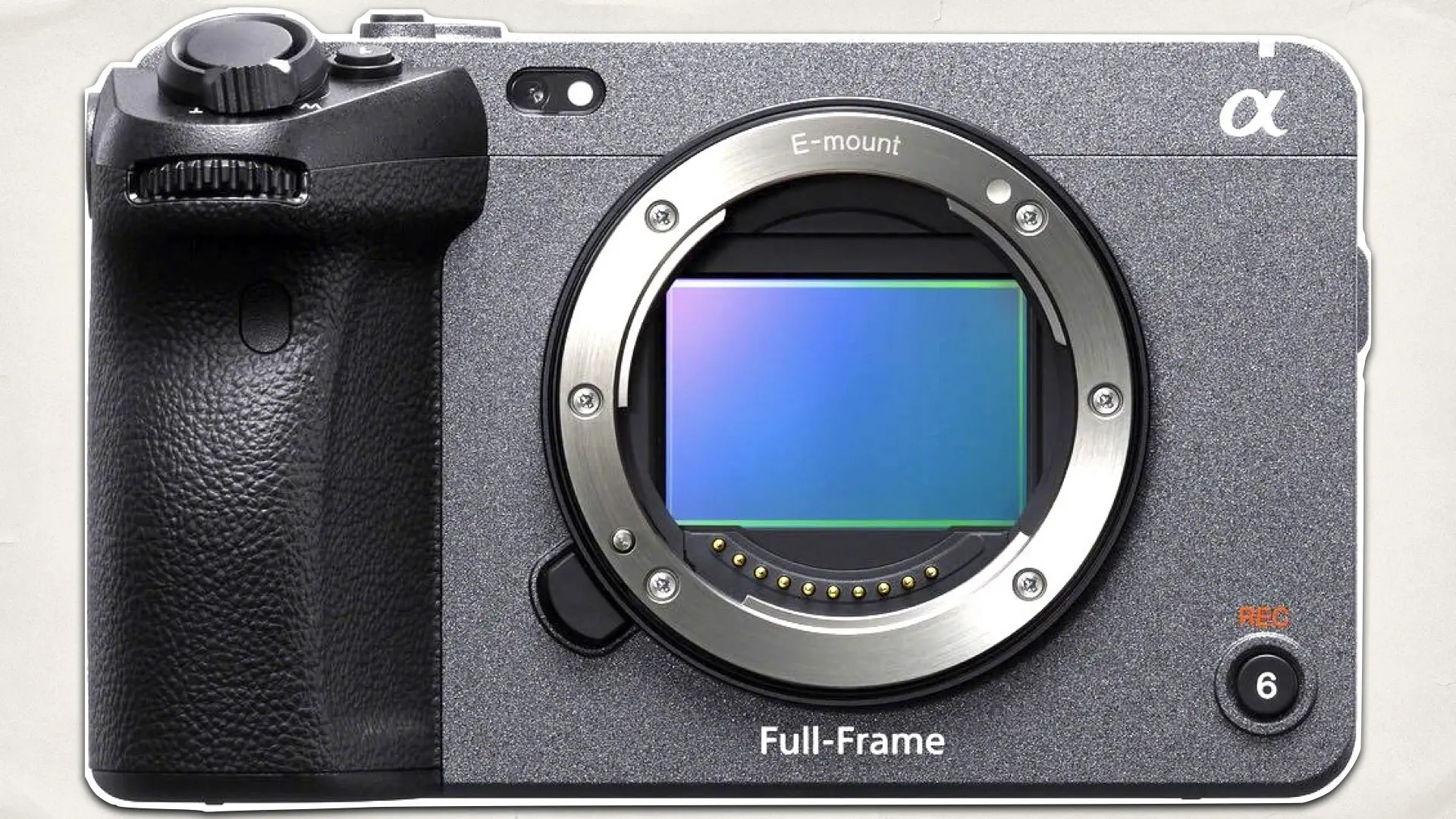
The 2026 Emmy camera list suggests that the industry is becoming less defined by a single dominant format or camera class. Large-format systems are clearly gaining substantial ground, with the ALEXA 265 making an unusually strong early appearance, while Super 35 remains relevant through cameras such as the ALEXA 35. At the same time, the repeated use of the FX3 demonstrates that physical size and price are no longer reliable indicators of whether a camera belongs on a high-end production. The most significant takeaway is therefore not that one format is replacing another, but that cinematographers now have a much broader range of technically credible tools. From 65mm digital cinema cameras to compact full-frame bodies, Emmy-level production is increasingly about choosing the right camera for the shot rather than adhering to a traditional hierarchy of formats.

Gear mentioned in this article
Available on Amazon
| Product | New | Renewed | Used |
|---|---|---|---|
| Sony FX3A | $4,298 | — | From $3,387 |
| NIKKOR Z 14-24mm f/2.8 S | $1,896.95 | — | From $1,814 |
| NIKKOR Z 24-70mm f/2.8 S | $2,596.95 | — | From $2,198 |
| Laowa 24mm f/14 Probe | $1,039.95 | — | — |
| Canon MP-E 65mm f/2.8 1-5x Macro | — | — | From $998 |
| Sony FX6 | $8,876 | — | — |
| DJI Mavic 3 Pro Cine | $3,699 | — | From $2,349 |
| Sigma 24-70mm | $1,219 | — | From $1,089 |
Prices checked: Oct 25, 2026, 1:34 AM GMT+0000
As an Amazon Associate, Y.M.Cinema earns from qualifying purchases. If you buy through our links, we may earn a small commission at no extra cost to you.
Product prices and availability are accurate as of the date/time indicated and are subject to change. Any price and availability information displayed on Amazon.com at the time of purchase will apply to the purchase of this product.
CERTAIN CONTENT THAT APPEARS ON THIS SITE COMES FROM AMAZON. THIS CONTENT IS PROVIDED “AS IS” AND IS SUBJECT TO CHANGE OR REMOVAL AT ANY TIME.






By Production:
9 used Arri
6 used Sony
2 used Red
1 used Canon
DJI, Freefly, Fujifilm used as additional cameras