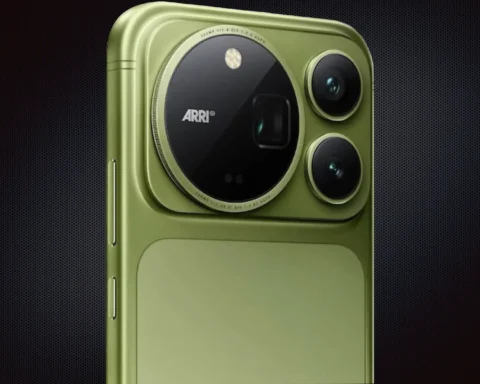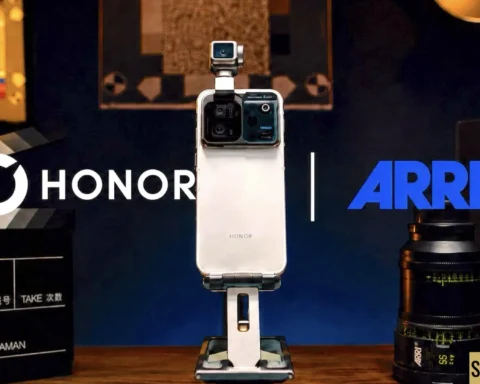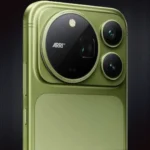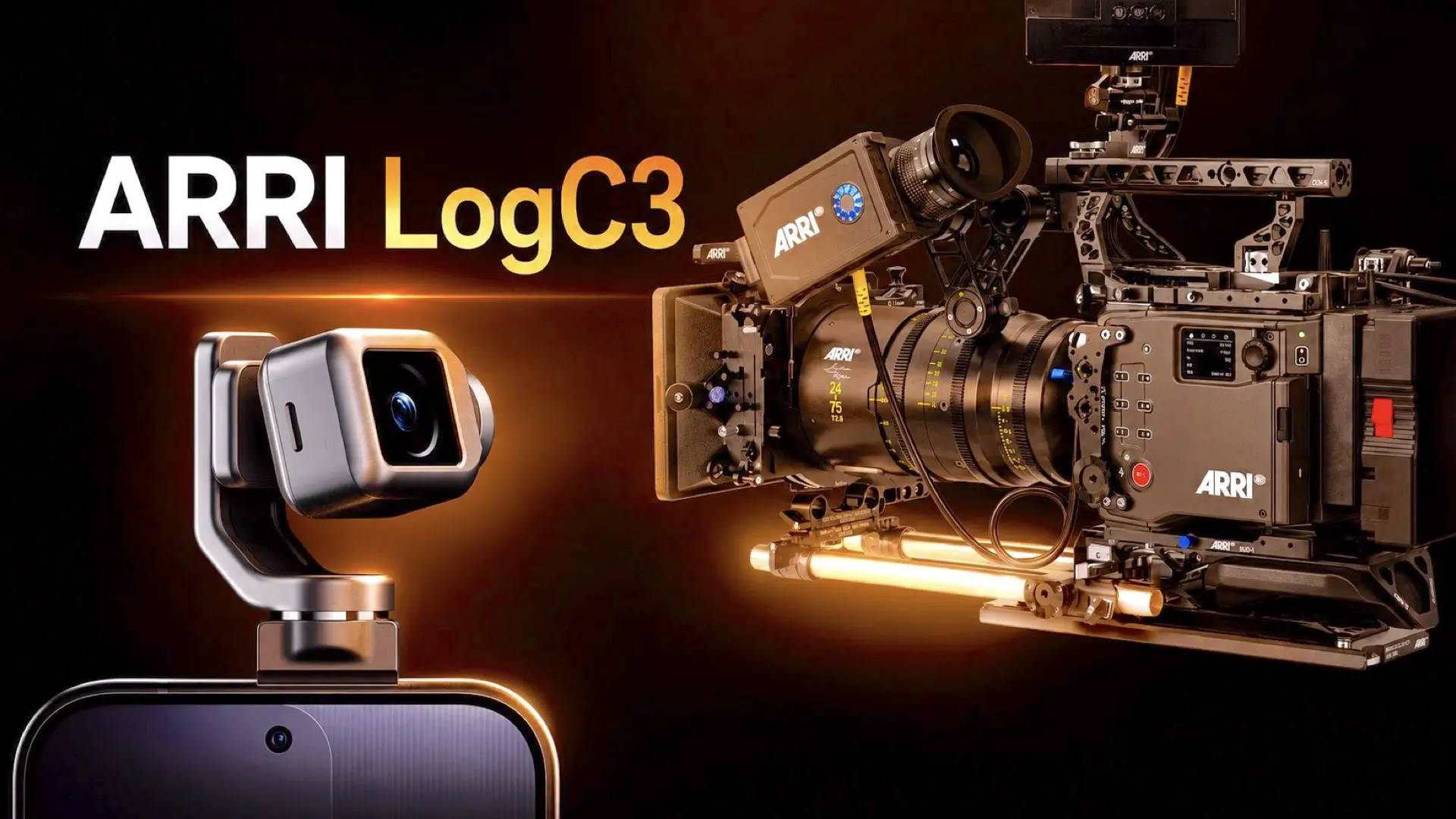
ARRI has revealed more details about the imaging technology developed for the upcoming HONOR Robot Phone. The collaboration goes beyond a branded color preset. The phone incorporates ARRI LogC3, ARRI Wide Gamut 3, ARRI Looks, and a dedicated cinema interface built around manual exposure and monitoring tools. The system was demonstrated during the HONOR Imaging Technology Launch Event in Hengdian, China, on July 28. Harald Brendel, ARRI’s Director of Image Science, presented the company’s approach to bringing professional color management and workflow concepts into a mobile camera. According to ARRI, the partnership is not intended to be a simple brand collaboration or a collection of filters. The goal is to bring cinema color standards and more structured image control to mobile production.
ARRI LogC3 and Wide Gamut 3
The most important technical detail is the inclusion of ARRI LogC3 and ARRI Wide Gamut 3. LogC3 is the logarithmic transfer function associated with previous generations of ARRI digital cinema cameras. It is designed to preserve tonal information in a form suitable for color grading, while ARRI Wide Gamut 3 provides the corresponding wide color space. On the Robot Phone, users appear to be able to switch directly between SDR and LogC3 from the camera interface. Footage shown from the event confirms that Log is presented as a dedicated recording mode rather than simply as a visual filter applied to the preview. However, HONOR has not yet published the full recording specifications. It remains unclear whether the implementation uses the complete LogC3 encoding pipeline, how the signal is mapped to the phone’s sensor response, and whether the files include the metadata expected by professional grading applications. The phone’s dynamic range will still depend on its sensor, exposure strategy, image processing, and recording codec. LogC3 alone does not make the device equivalent to an ALEXA camera.
Built-in ARRI looks
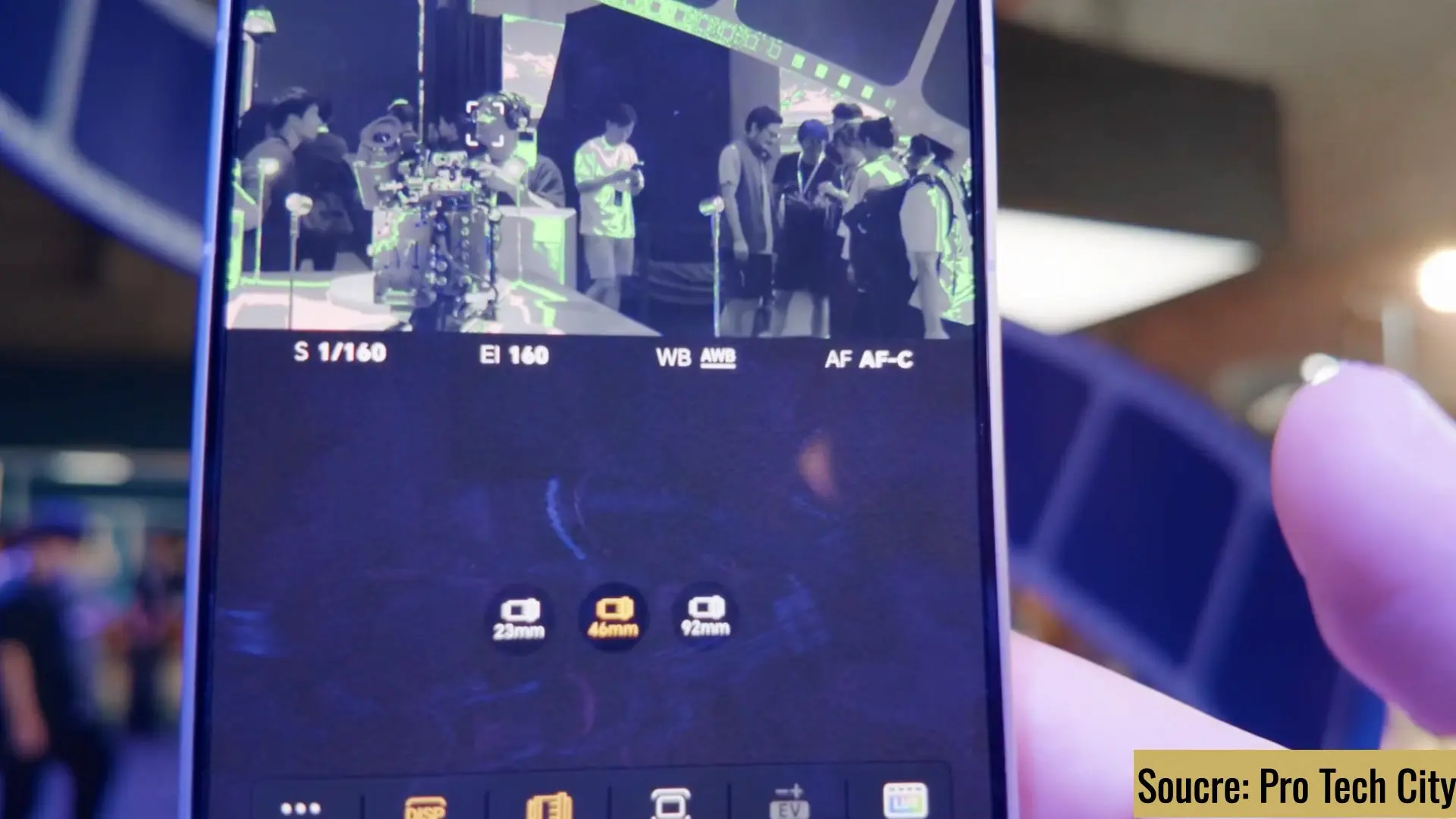
The cinema interface also includes several ARRI Look presets. During the demonstration, users could select different Looks while viewing the image. One preset shown in the interface was labeled ARRI 3110. The exact list of available Looks and their intended output transforms has not yet been disclosed. The implementation suggests that HONOR is separating capture from creative presentation. Users can record using the LogC3 profile and then monitor or apply an ARRI-derived Look. It is still unclear whether the Looks are permanently baked into the recorded file or can be used only as monitoring LUTs. That distinction will be important for anyone planning to grade the footage externally.
A more familiar cinema camera interface
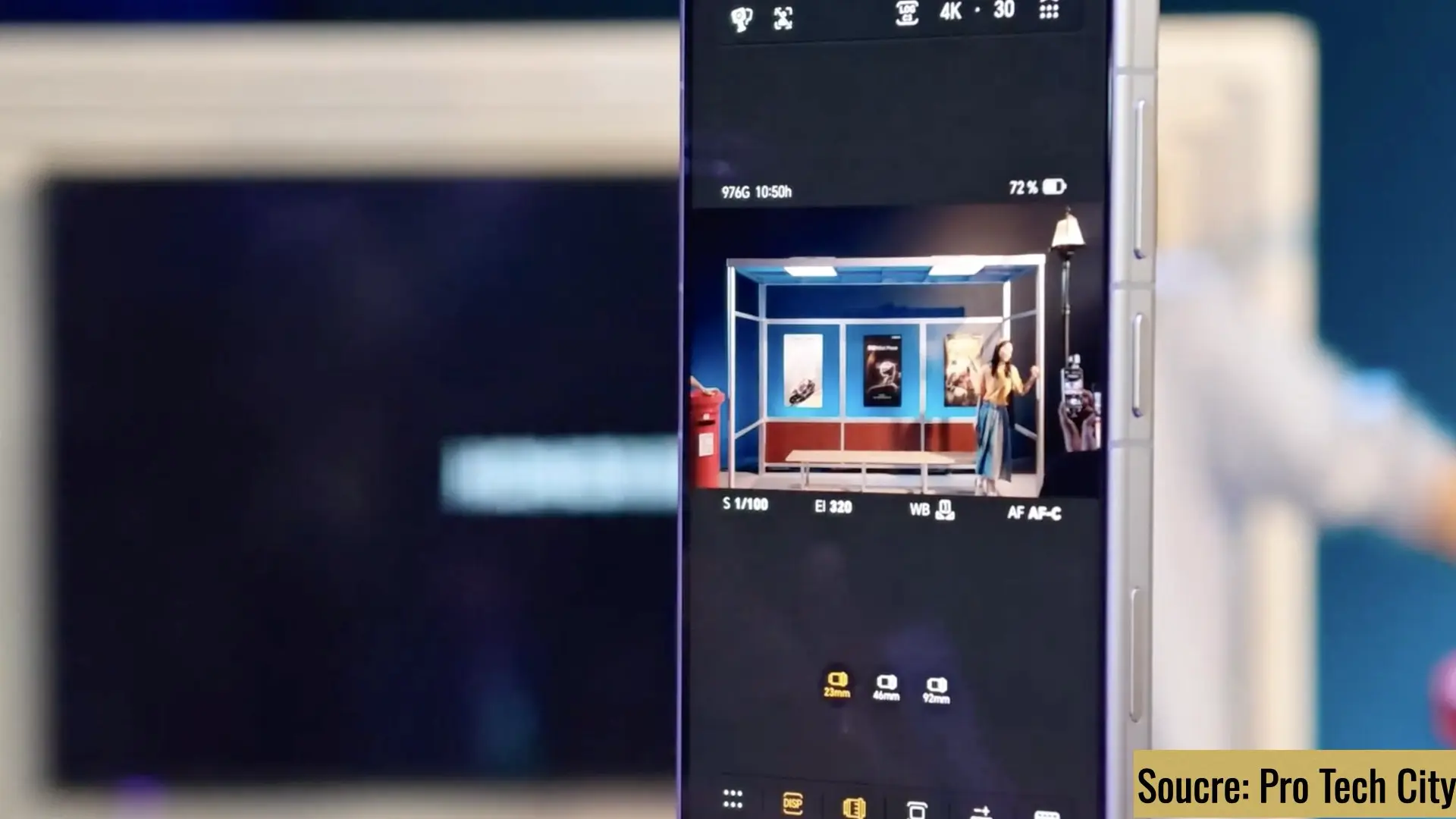
HONOR has also built a dedicated manual interface around the ARRI workflow. The demonstration showed control over:
- Shutter speed
- Exposure Index
- White balance
- Autofocus mode
- Exposure compensation
- Lens selection
- Log and SDR capture
- ARRI Look presets
- Image monitoring tools
The use of Exposure Index rather than conventional smartphone ISO terminology is notable. The interface displayed values such as EI 160 and EI 320, following language commonly used in cinema camera workflows. It remains to be seen whether EI changes only the recorded exposure level or also affects monitoring, highlight allocation, and exposure interpretation in a way comparable to professional cinema cameras. The interface currently shows shutter speed values rather than shutter angle. For filmmakers accustomed to working with a 180 degree shutter, a dedicated shutter angle option would make the system more consistent with established cinema controls.
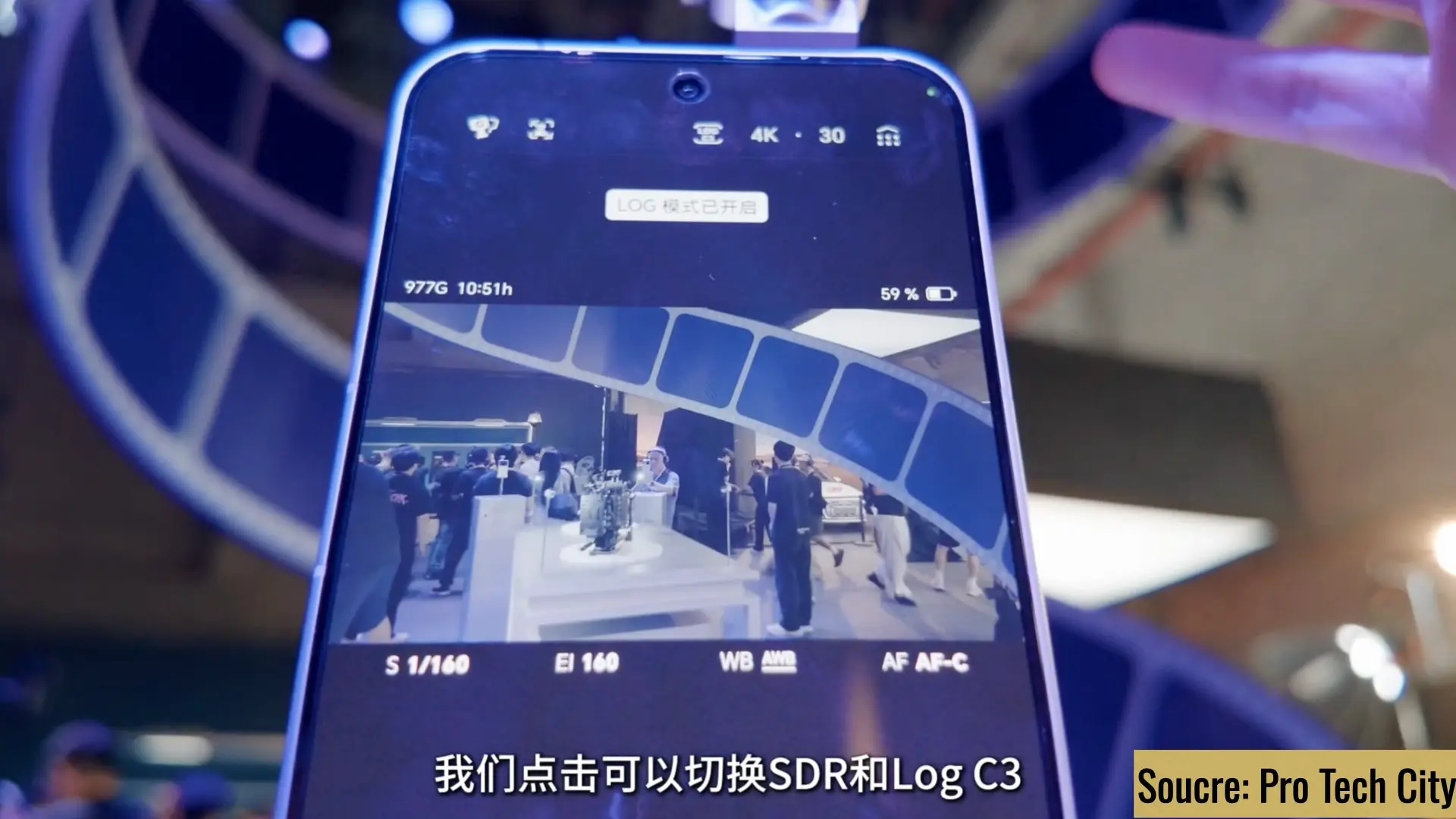
4K recording and three focal lengths
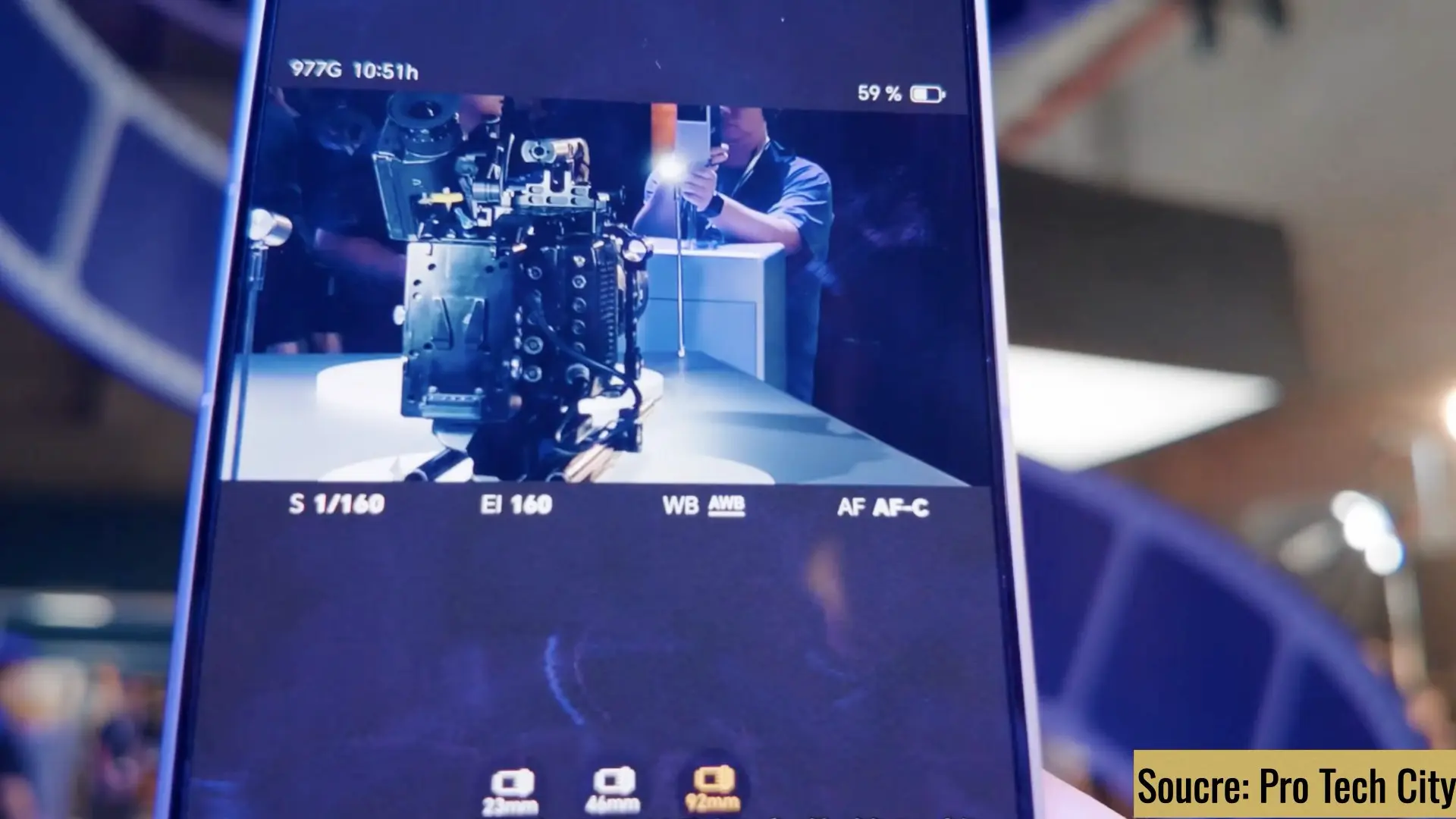
The demonstrated recording mode was set to 4K at 30 frames per second. The interface also showed three selectable focal lengths:
- 23mm
- 46mm
- 92mm
These likely represent the main camera, an intermediate crop or additional camera mode, and the telephoto camera. HONOR has not yet clarified whether LogC3 is supported across all three focal lengths or only on the primary camera. The company has also not confirmed higher frame rates, recording bit depth, chroma subsampling, bitrate, or codec. Those specifications will determine how well the files respond to grading. A wide gamut Log image stored in a heavily compressed 8-bit codec would provide much less flexibility than a 10-bit recording format with higher bitrate and better chroma information.
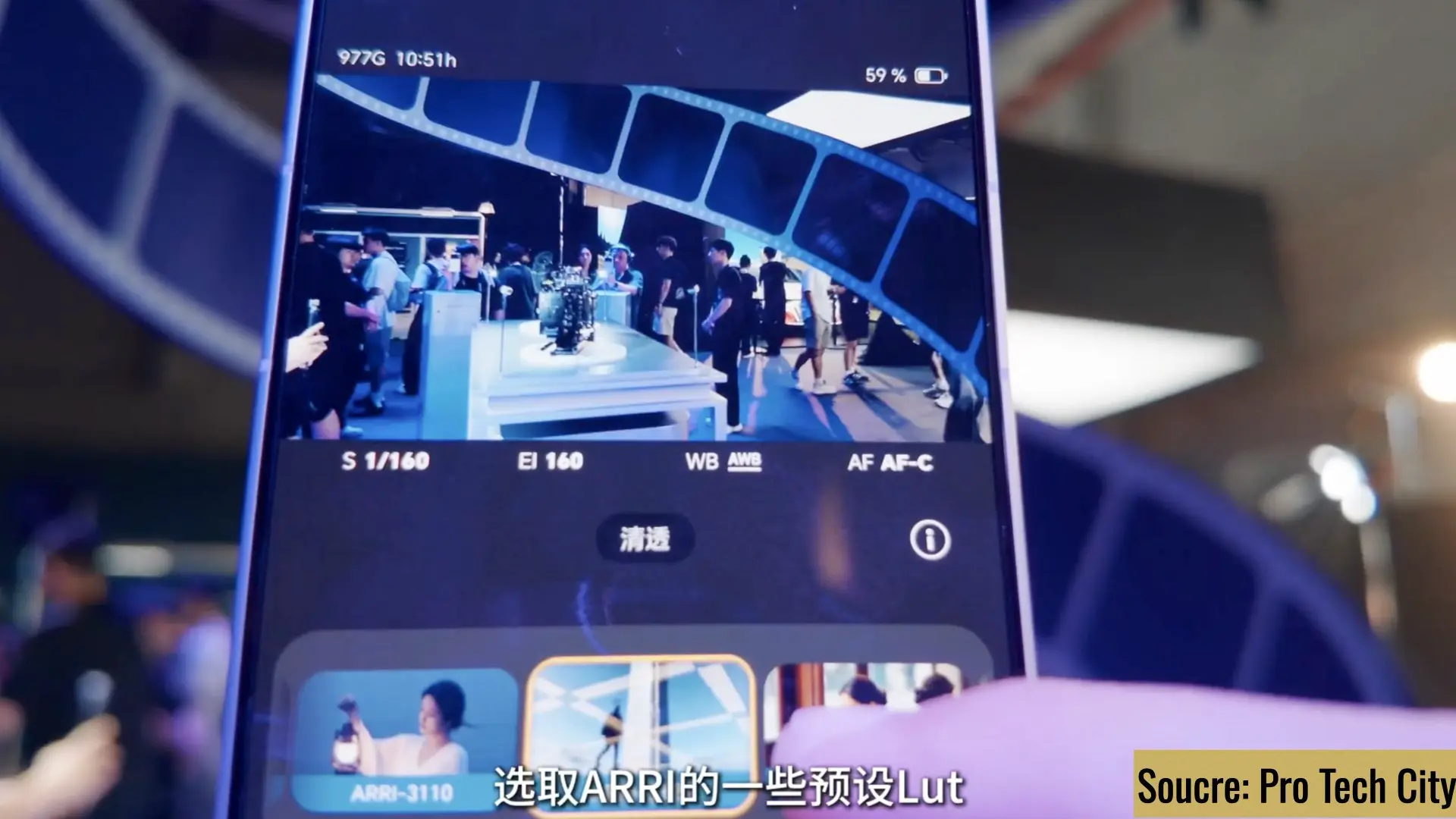
Professional monitoring tools
One of the demonstrated views appears to show a false color style exposure overlay, with different image areas represented using contrasting colors. If confirmed, this would provide a useful exposure tool directly inside the phone. False color is particularly valuable when recording Log because the preview image can otherwise make exposure judgments difficult. The interface also contains additional display and monitoring icons, although their exact functions have not yet been fully explained. Waveform, zebras, clipping warnings, and selectable display LUTs would make the phone considerably more practical for controlled production work.
The Built-in robotic gimbal
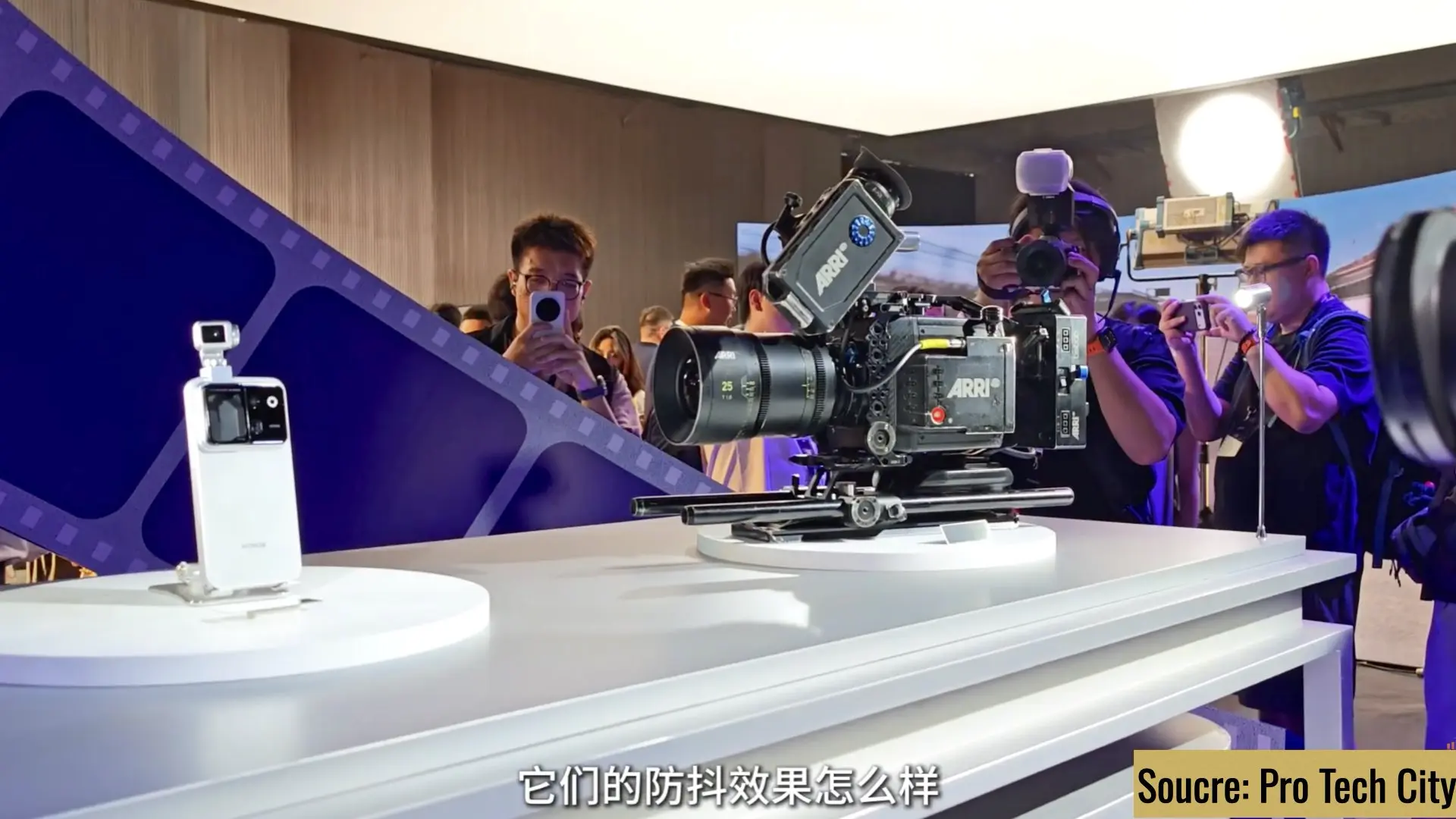
The imaging workflow is paired with the Robot Phone’s defining hardware feature: a camera mounted on an articulated, stabilized module. Visitors at the event were able to test the built-in gimbal on staged sets. The moving camera module is intended to provide mechanical stabilization, subject tracking, and controlled camera movement without requiring a separate handheld gimbal. This combination is more relevant than the gimbal alone. Stabilized movement can already be achieved with external accessories. The more unusual proposition is a compact system that combines mechanical movement with Log recording, ARRI color management, manual exposure controls, and integrated monitoring. The practical value will depend on how reliably the mechanism operates, how quickly it responds, and whether it can maintain consistent framing during real production conditions.
From partnership to working interface
When ARRI and HONOR announced their strategic collaboration, (and faced backlash afterwards), the companies said that core elements of ARRI Image Science would be integrated into HONOR’s mobile imaging system. The July demonstration provides the first clearer view of what that means in practice. The Robot Phone includes a recognizable log-based workflow, ARRI Wide Gamut 3, selectable ARRI Looks, Exposure Index controls, manual camera settings, and professional style monitoring tools. These elements are presented as part of the camera system rather than as a separate post-capture filter package. Several important questions remain unanswered. HONOR still needs to disclose:
- Recording bit depth
- Codec and bitrate
- Chroma subsampling
- Supported frame rates
- Measured dynamic range
- Log support across every camera
- LUT behavior
- Metadata support
- External recording options
- Compatibility with standard ARRI color workflows
Until those details are available, the Robot Phone should be viewed as a mobile camera adopting selected ARRI workflow components, not as a replacement for an ARRI cinema camera. Still, the collaboration now has a tangible technical foundation. ARRI is bringing established color management concepts into a smartphone camera, while HONOR is building a mobile interface intended to give filmmakers more control over capture, monitoring, and finishing.